Preventing Crabgrass In Connecticut Lawns Starts With Late August Treatment
Crabgrass seeds are quietly settling into your soil while you read this very sentence. Nobody tells you how determined this weed actually is.
Connecticut winters let these patient seeds rest, then surge quickly by spring. Timing alone decides whether your entire lawn either thrives or quietly struggles next year.
Waiting even briefly hands crabgrass the advantage it quietly wants. Quiet action changes everything, though timing already matters more than the method itself.
Untreated Connecticut lawns turn patchy well before early summer. Weeds never pause, negotiate, or wait for your convenience. Every single day you delay adds real pressure to the season ahead.
Spring shows little patience for lawns overlooked in fall. Your soil is already quietly shaping your lawn’s fate right now. Momentum favors whoever acts first, not whoever waits longest.
You hold the ability to change this outcome today. This single decision determines whether your lawn thrives or struggles.
Why Late August Marks A Key Turning Point
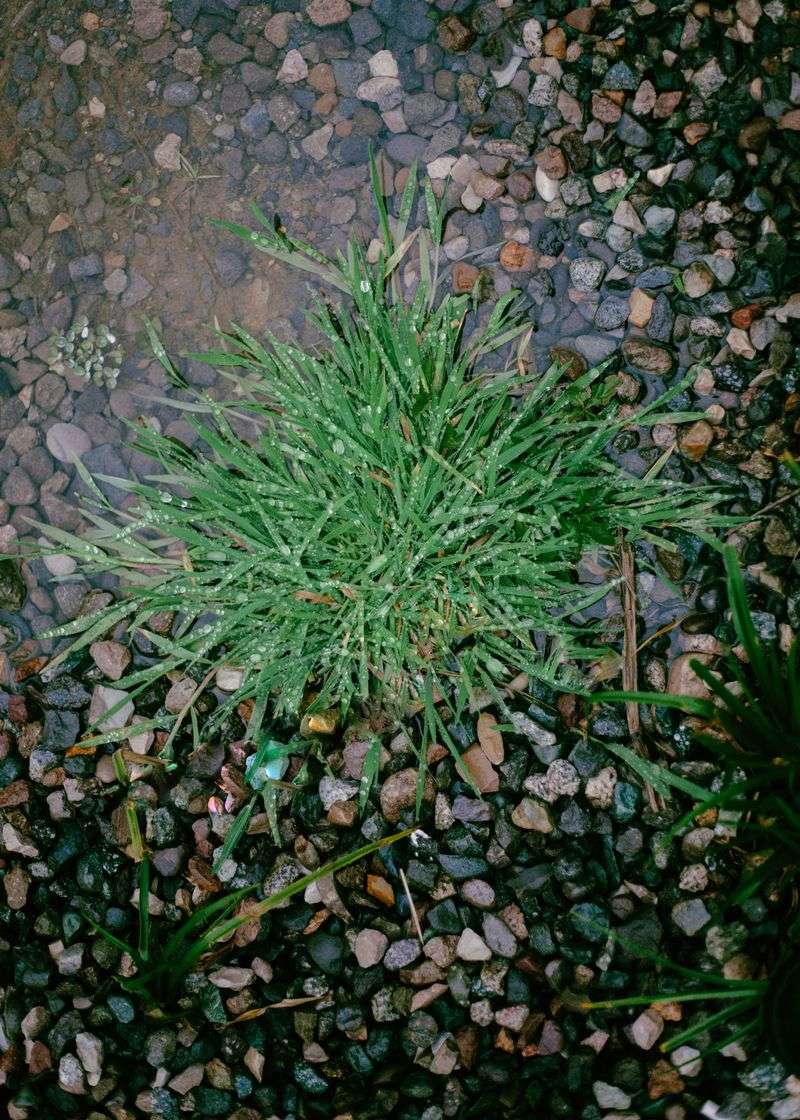
Late August is not just the end of summer. It is an important window before crabgrass becomes established for next year.
Soil temperatures in Connecticut typically hover around 70 degrees Fahrenheit in late August. That warmth is exactly what crabgrass seeds need to finish their cycle and drop into the ground.
Once those seeds settle, they go dormant until spring. No amount of raking or mowing will stop them from germinating when temperatures rise again.
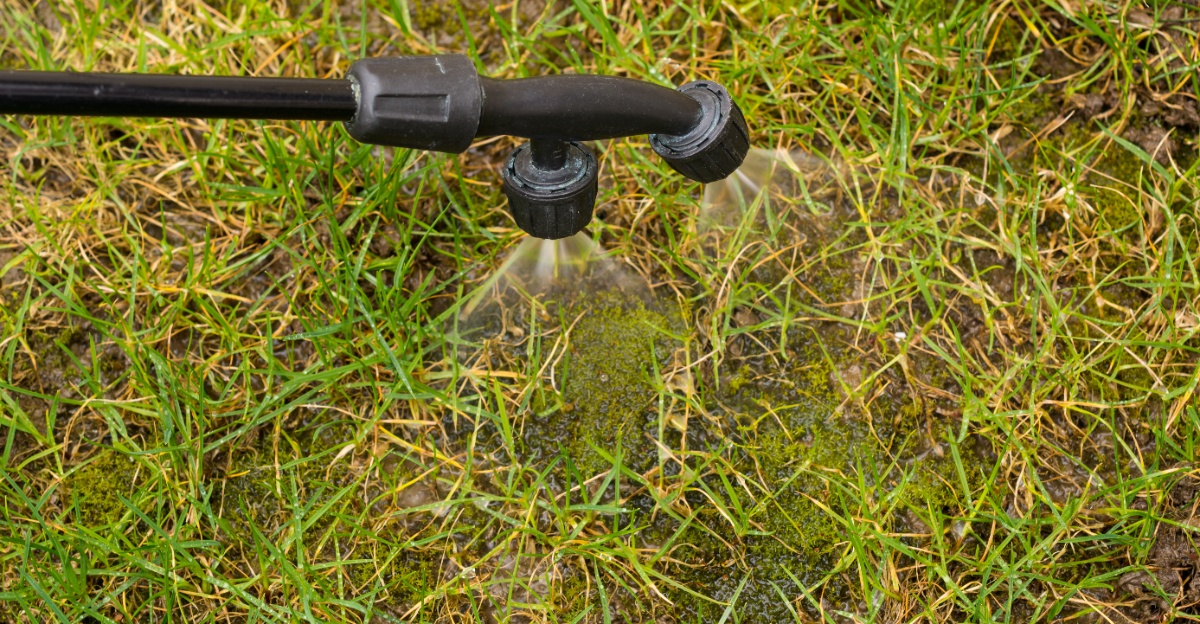
Pre-emergent herbicide applied before August ends creates a chemical barrier in the soil. That barrier stops seeds from sprouting before they ever get a chance.
Miss this window by a couple of weeks, and the barrier tends to become less effective. Think of late August as your lawn’s best window of protection.
Connecticut’s climate makes this window even tighter than in southern states. Cooler fall nights arrive quickly, and the soil shifts fast.
Homeowners who wait until September often find the timing is already off. The seeds have dropped, and the window has narrowed.
Marking your calendar for late August treatment is one of the smartest lawn care habits you can build. Your future self will thank you when spring arrives with clean, even grass.
Understanding What To Apply Before Crabgrass Takes Hold
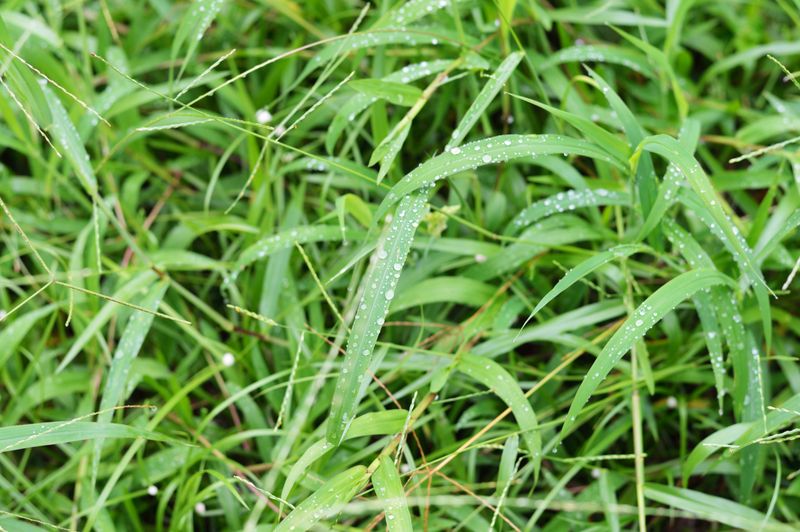
Not every lawn product on the shelf will stop crabgrass from taking over. Knowing what to grab makes all the difference before August ends.
Pre-emergent herbicide is the product you need. It works by targeting seeds before they sprout, not after weeds are already visible.
Common active ingredients include pendimethalin, prodiamine, and dithiopyr. Each one creates a protective layer in the soil that disrupts early root formation in weed seeds.
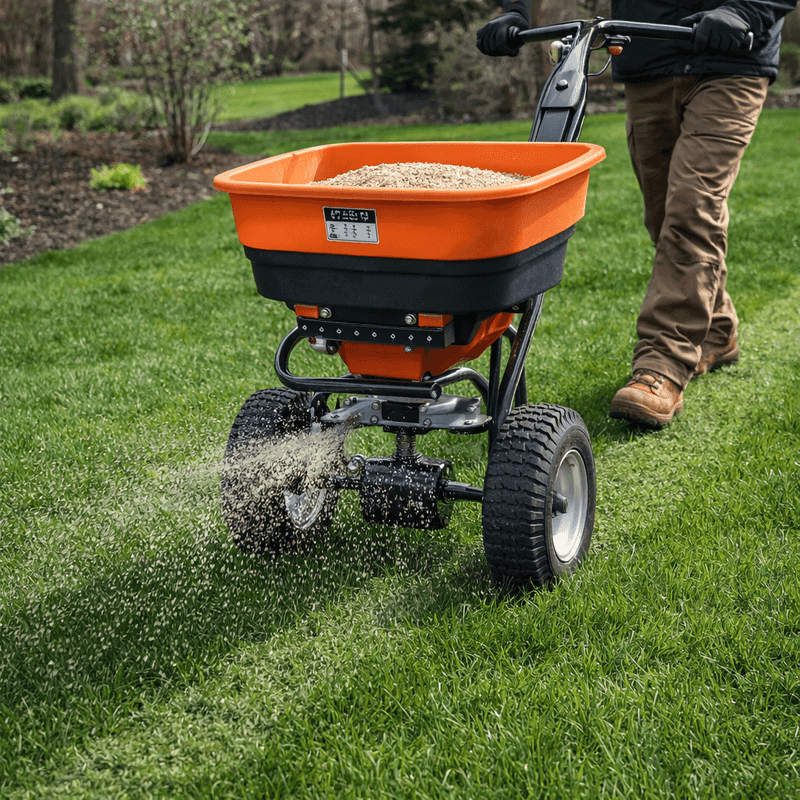
Granular formulas are popular for home use because they spread easily with a standard broadcast spreader. Liquid versions also work well but require more careful mixing and application.
Applying a pre-emergent herbicide to Connecticut lawns before August ends is the core strategy here. Timing and product selection go hand in hand.
Your Connecticut Garden Changes Every Week. Your Plan Should Too.
Gardening in Connecticut changes quickly throughout the season. Every Friday you’ll receive a simple weekly plan showing exactly what to plant, prune, fertilize, harvest, and protect so you never miss the right timing.
Look for products labeled specifically for crabgrass prevention. Some general weed sprays will not target the germination stage at all.
Reading the label carefully before buying saves you money and frustration. Some formulas are not safe for certain grass types like fine fescue or bentgrass.
Connecticut lawns often feature tall fescue or Kentucky bluegrass blends. Confirm your grass type before choosing a product to avoid accidental damage.
Buying from a local garden center gives you access to staff who know regional conditions. They can point you toward products that perform well in New England soil.
Choosing the right product is step one. Applying it correctly and on time is where the real results happen.
How Pre-Emergent Herbicide Actually Works
Most people assume weed sprays work by targeting plants they can see. Pre-emergent herbicide operates on a completely different principle.
When you apply it to the lawn, the product binds to the top layer of soil. It forms an invisible chemical barrier just below the surface.
When a crabgrass seed tries to germinate, it sends out a tiny root called a radicle. That radicle hits the barrier and cannot develop further.
The seed never becomes a plant. It simply fails to establish, and it breaks down naturally over time.
This is why timing matters so much. If you apply the herbicide after germination starts, the barrier has nothing to stop because the plant is already growing.
Watering the lawn lightly after application helps activate the product. About a quarter inch of water works the barrier into the soil at the right depth.
Rain can do the job too, which makes late August applications in Connecticut particularly convenient. Summer storms are still common this time of year.
The barrier typically remains active for six to twelve weeks depending on the product. That window covers the fall germination period and extends into early spring.
Understanding how the product works helps you trust the process. You will not see dramatic visible results right away, but the protection is already in place.
A pre-emergent herbicide does its best work silently. The proof shows up in a clean, crabgrass-free lawn next spring.
Recognizing Why Crabgrass Seeds Drop Now
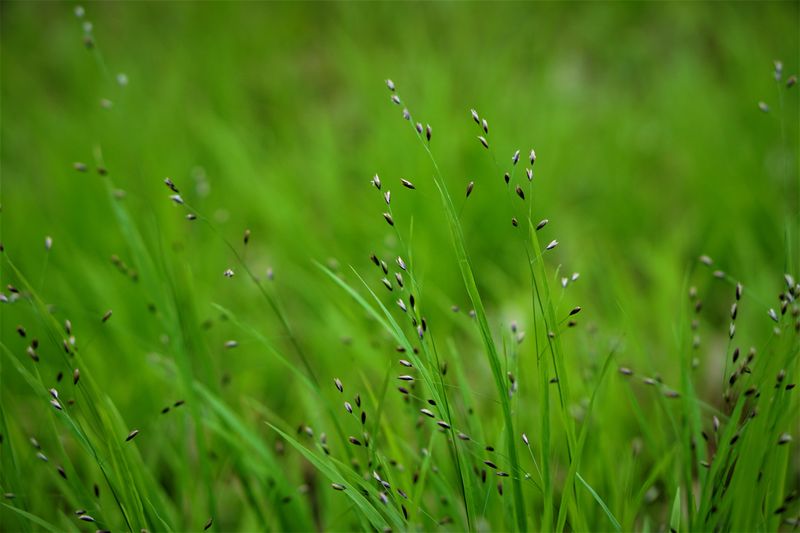
Crabgrass is an annual weed, which means it completes its entire life cycle in one season. By late summer, it has already done most of its damage.
Each crabgrass plant can produce tens of thousands of seeds, with some estimates reaching up to 150,000, before it fades out in fall.
Late August is peak seed-drop season in Connecticut. The plants are mature, and they are releasing seeds at their highest rate.
Warm days combined with cooler nights signal the plant to shift energy into reproduction. Seed production ramps up fast during this transition period.
This is why treating now feels urgent. Every day you wait, more seeds are falling and settling into the soil.
Mowing over crabgrass can actually spread seeds further across your yard. Short mowing heights during seed drop make the problem worse, not better.
Raising your mower deck to three or four inches helps shade the soil. Less sunlight reaching the ground means fewer seeds find ideal germination conditions next spring.
Dense, healthy grass also competes with seeds naturally. A thick turf canopy is one of the best long-term defenses against crabgrass establishment.
Recognizing this seed-drop window changes how you think about fall lawn care. You stop reacting to weeds and start preventing them before they exist.
Crabgrass seeds dropping now can become next year’s problem if left untreated. Addressing them today is one of the most effective moves you can make this season.
Supporting Your Lawn With Fall Fertilizer
Pre-emergent herbicide handles the weed side of the equation. Fall fertilizer handles the grass side, and both matter equally right now.
Late August and early September are prime feeding times for cool-season grasses. Tall fescue and bluegrass both respond strongly to nitrogen applications during this period.
A well-fed lawn grows thicker and denser heading into fall. That density naturally crowds out any weed seeds that slip through the herbicide barrier.
Look for a fertilizer with a higher nitrogen ratio and some potassium. Nitrogen drives leaf growth, while potassium strengthens roots for winter survival.
Slow-release nitrogen formulas work especially well in late summer. They feed the lawn steadily over several weeks without causing a sudden flush of soft growth.
Avoid high-phosphorus fertilizers unless a soil test shows a deficiency. Connecticut soils can often be phosphorus-rich, so a soil test is recommended before adding more, as excess amounts can harm local waterways.
Applying fertilizer within a week of your pre-emergent treatment is a smart sequence. The two products work together to give your lawn the best possible start heading into fall.
Water the fertilizer in lightly after spreading. This pushes nutrients toward the root zone where the grass needs them most.
A fertilized lawn heading into fall builds energy reserves for spring. Those reserves fuel fast, vigorous regrowth when temperatures climb again.
Pairing fall fertilizer with pre-emergent herbicide on Connecticut lawns before August ends works especially well together. Together, they set the foundation for a lawn that looks great all year.
Steps For Applying Treatment Correctly
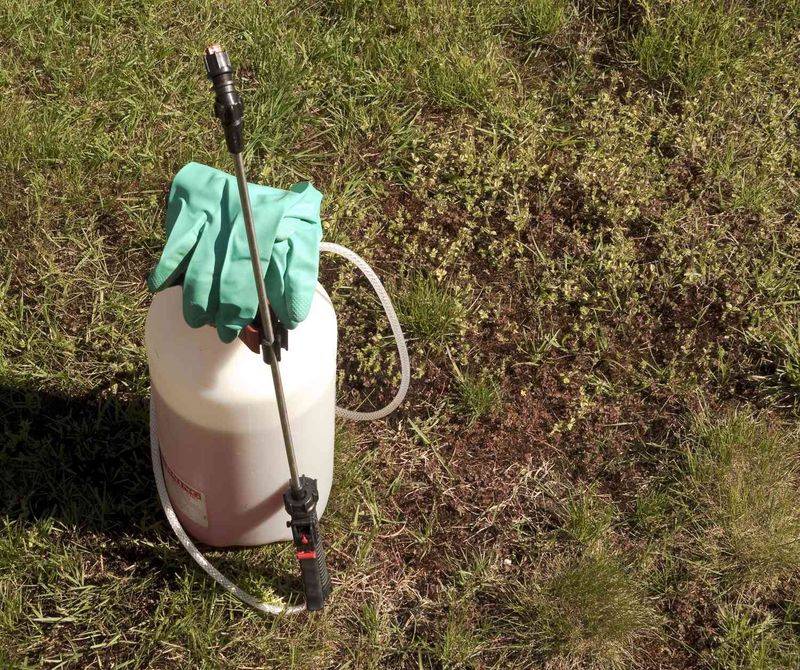
Getting the application right is just as important as choosing the right product. A few simple steps make the process straightforward and effective.
Start by mowing your lawn a day or two before applying. Shorter grass allows the granules to reach the soil more easily.
Calibrate your spreader according to the product label. Applying too much can damage grass, and applying too little leaves gaps in the barrier.
Walk at a steady pace and overlap your passes slightly. This prevents missed strips where crabgrass seeds could slip through unprotected.
Apply in a crosshatch pattern if your lawn has irregular edges. Two passes at right angles give you the most even coverage across the whole area.
After spreading, water the lawn lightly to activate the herbicide. About a quarter inch of irrigation is usually enough to lock the product into the soil.
Avoid heavy foot traffic on the treated area for at least 24 hours. Disturbing the soil layer too soon can break up the barrier before it sets.
Check the forecast before you apply. Rain within 24 hours after treatment helps, but a major downpour can wash the product off sloped areas.
Keep pets and children off the lawn until the granules have watered in and the surface is dry. Re-entry windows vary by product, so always check the specific label for guidance.
Applying pre-emergent herbicide to Connecticut lawns before August ends is one of the most effective lawn care steps this season. Follow these steps, and your lawn will be better protected this fall.