The Strange Foam Showing Up On California Plants Has Something Living Inside It
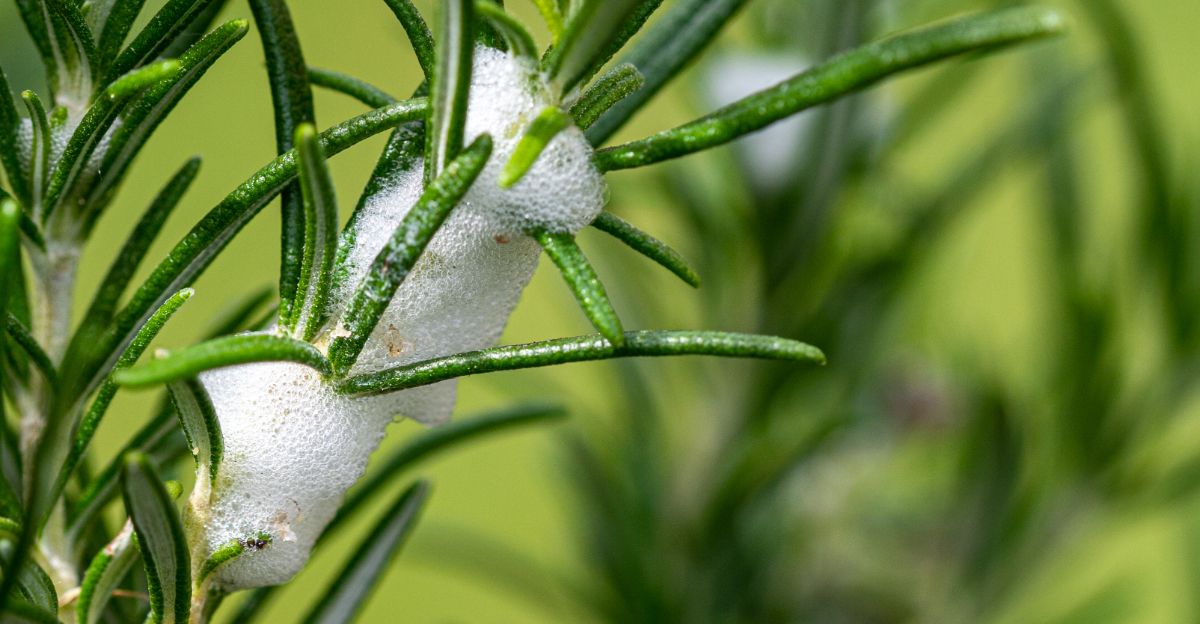
A blob of white foam clinging to a stem can look like soap, sap, or even something left behind by watering. Then another patch appears a few inches away, and the mystery gets harder to ignore.
This odd froth tends to show up during warm weather, often on fresh growth where it is easy to spot once you know what to look for. The surprising part is that the foam itself is only the cover.
Something small is tucked inside, using that bubbly shelter while it feeds and develops. The plant may not seem badly damaged at first, which is why many homeowners simply wipe the foam away and move on.
But once you know what is hiding there, those little patches become much more interesting and a lot easier to understand.
1. That Foamy Blob Is A Tiny Insect Hideout
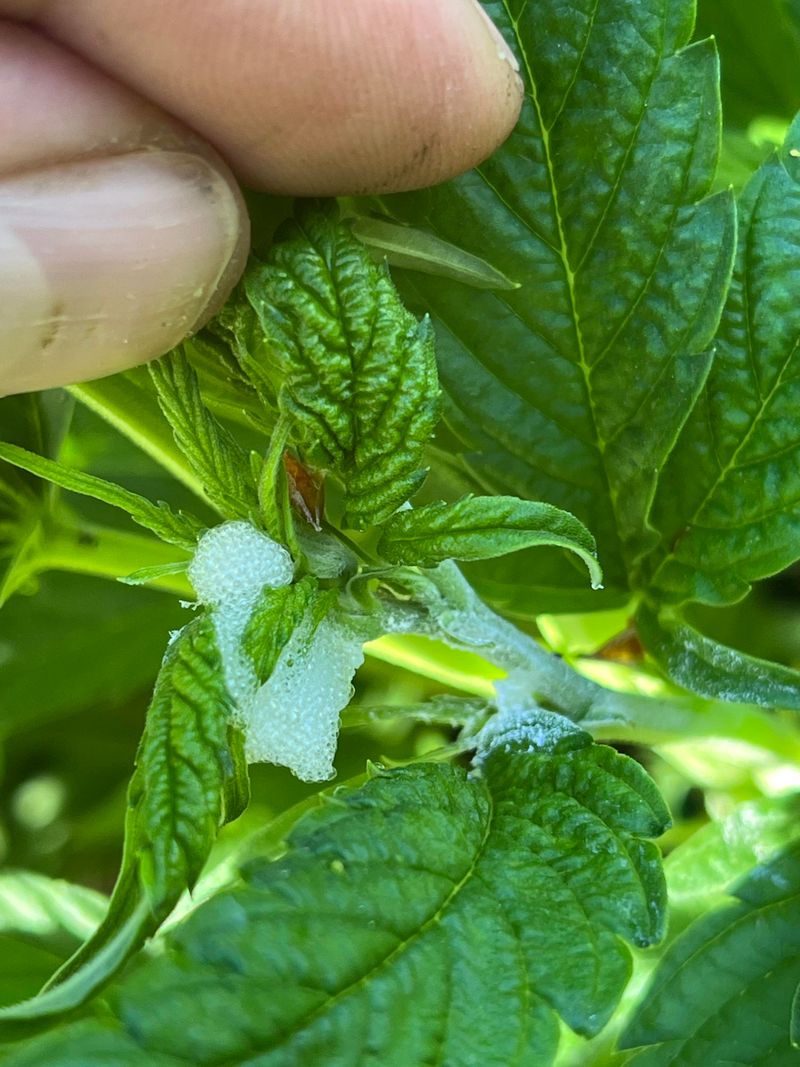
You might see it on a rosebush, a lavender plant, or even a wild weed growing along a fence. That frothy white blob looks strange, almost like someone spit on your plant.
But it is actually a self-made shelter built by one of nature’s cleverest tiny creatures.
Inside that foam lives a soft, pale insect called a spittlebug nymph. It is the baby stage of a small jumping insect related to aphids.
The nymph pushes out the foam itself using a mix of plant sap and air bubbles.
The foam acts like a tiny house. It keeps the nymph hidden from birds and other insects that might want to eat it.
Without the foam, the nymph would be completely exposed and easy to spot.
Most people walk right past these blobs without ever knowing what is inside. Once you know, it is kind of hard not to look for them everywhere.
They show up in spring and early California summer, which is when the nymphs are most active and growing fast.
Each blob usually holds just one nymph, though sometimes you might find a few close together. They are not harmful to touch, and they will not bite you.
Poking the foam gently with a stick can reveal the tiny green or yellow creature hiding inside.
2. Spittlebug Nymphs Are Living Inside The Bubbles
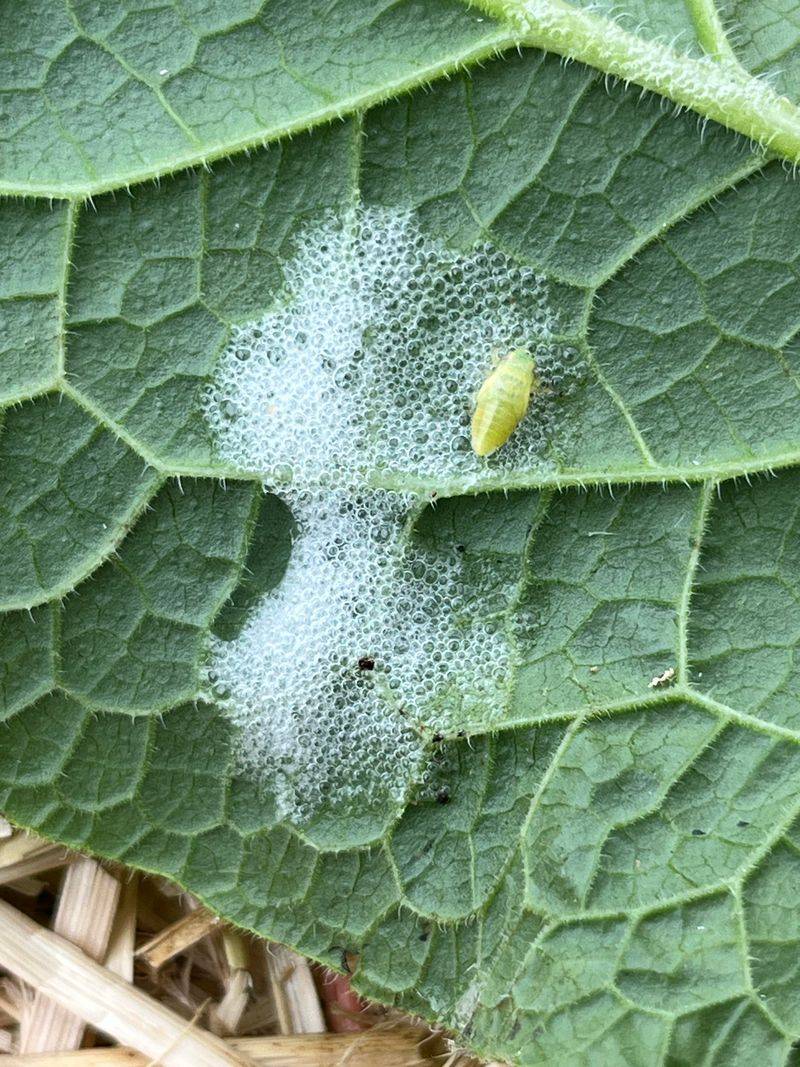
Tiny, soft, and surprisingly well-hidden, the spittlebug nymph is one of the most interesting young insects you can find in a California garden. It hatches from a small egg laid near a plant stem and immediately gets to work making its bubble home.
The nymph feeds by pushing its needle-like mouth into a plant stem and drinking the sap inside. As it feeds, it releases a liquid that it mixes with air to create the foam.
The whole process happens fast, and within hours, the nymph is fully covered.
The bubbles are not random. Each one is carefully made and packed tightly together.
The foam holds moisture really well, which helps the nymph stay hydrated even on warm days. Without the bubbles, it would dry out quickly.
Spittlebug nymphs go through several growth stages before becoming adults. During each stage, they keep making more foam to stay protected.
Your California Garden Changes Every Week. Your Plan Should Too.
Gardening in California changes quickly throughout the season. Every Friday you’ll receive a simple weekly plan showing exactly what to plant, prune, fertilize, harvest, and protect so you never miss the right timing.
Once they reach adulthood, they no longer need the bubbles. They jump away and live freely on plants.
Adult spittlebugs are sometimes called froghoppers because of the way they leap. They are small, brownish insects that can jump surprisingly far.
Most people never connect the jumping adult bug to the foamy blob they saw earlier in the season.
3. The Foam Keeps Them Moist And Protected
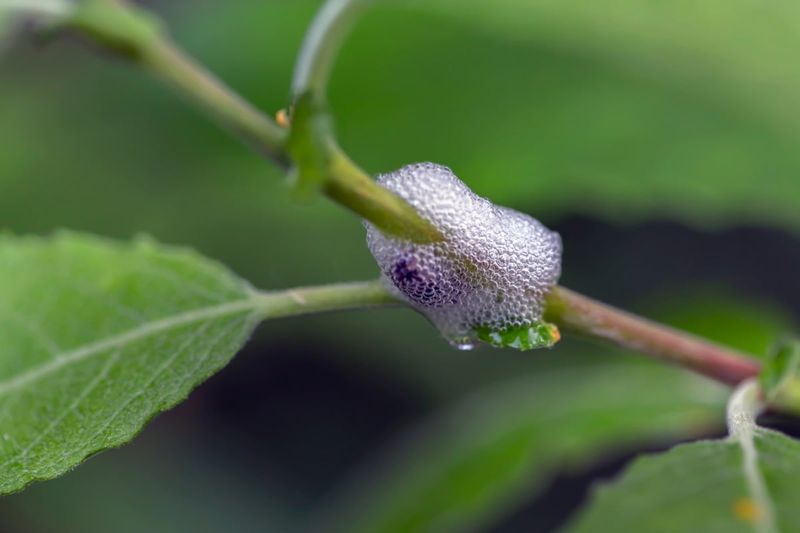
Nature is full of clever survival tricks, and the spittlebug’s foam is one of the best examples. The foam works like a personal shield, doing several jobs at once for the fragile nymph living inside.
First, it keeps the nymph from drying out. Young spittlebugs have very soft bodies that lose moisture easily.
The foam traps humidity around them, almost like a tiny greenhouse. On hot days, this is what keeps them alive and comfortable.
Second, the foam hides them from predators. Birds, spiders, and other insects rely on sight to find their food.
A blob of white bubbles does not look like a meal to most of them. The disguise works really well most of the time.
Third, the foam has a slightly bitter taste that makes it unappealing to some insects. This adds another layer of protection beyond just the visual camouflage.
Few predators bother investigating the foam closely.
The foam also insulates the nymph from temperature swings. Mornings can be cool and afternoons warm, but inside the bubble mass, conditions stay fairly stable.
This steady environment helps the nymph grow at a healthy pace.
All of this from a tiny insect that most people barely notice. The spittlebug nymph is a master of self-preservation, and its foam is proof that small creatures can come up with big solutions.
4. Why Plant Stems Suddenly Look Covered In Spit
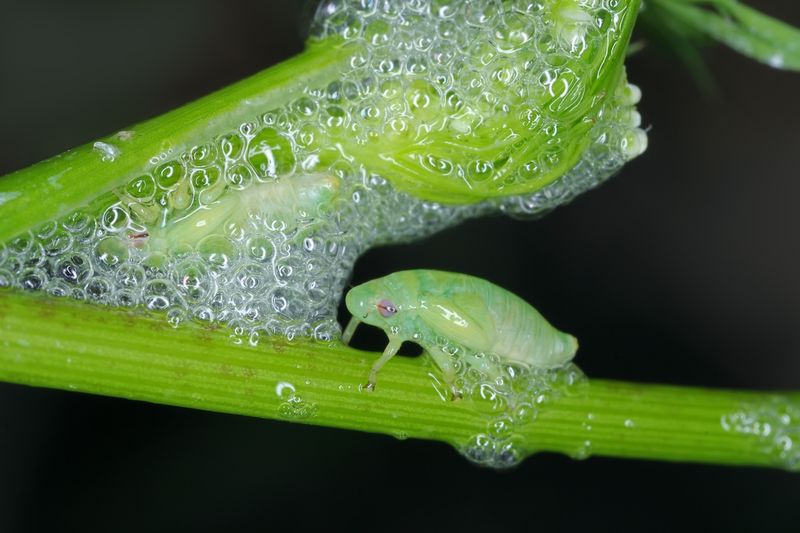
One morning your plant looks perfectly normal. The next morning, it has what looks like a glob of spit stuck to the stem.
It can be startling if you have never seen it before, but the explanation is simple and pretty fascinating.
Spittlebug eggs hatch in spring when temperatures start warming up. The tiny nymphs emerge and immediately start feeding on nearby plant stems.
As they feed and produce foam, the blobs appear almost overnight. That is why the change can seem so sudden.
The foam is not harmful to the plant in the way that diseases or fungal infections are. It does not spread from plant to plant through the air.
Each blob is created by an individual nymph feeding on that specific spot.
Some plants attract more spittlebugs than others. Soft-stemmed plants like lavender, strawberries, clover, and ornamental grasses are popular choices.
The nymphs prefer tender young stems where the sap flows easily.
If you have several plants close together, you might notice foam on multiple stems at once. This does not mean the insects are spreading rapidly.
It usually just means eggs were laid on several plants earlier in the season.
Knowing the cause makes the whole situation much less alarming. What looked like a mystery is really just a tiny insect doing what it needs to survive.
Your plants are hosting a small but very resourceful guest.
5. Most Plants Handle A Few Spittlebugs Just Fine
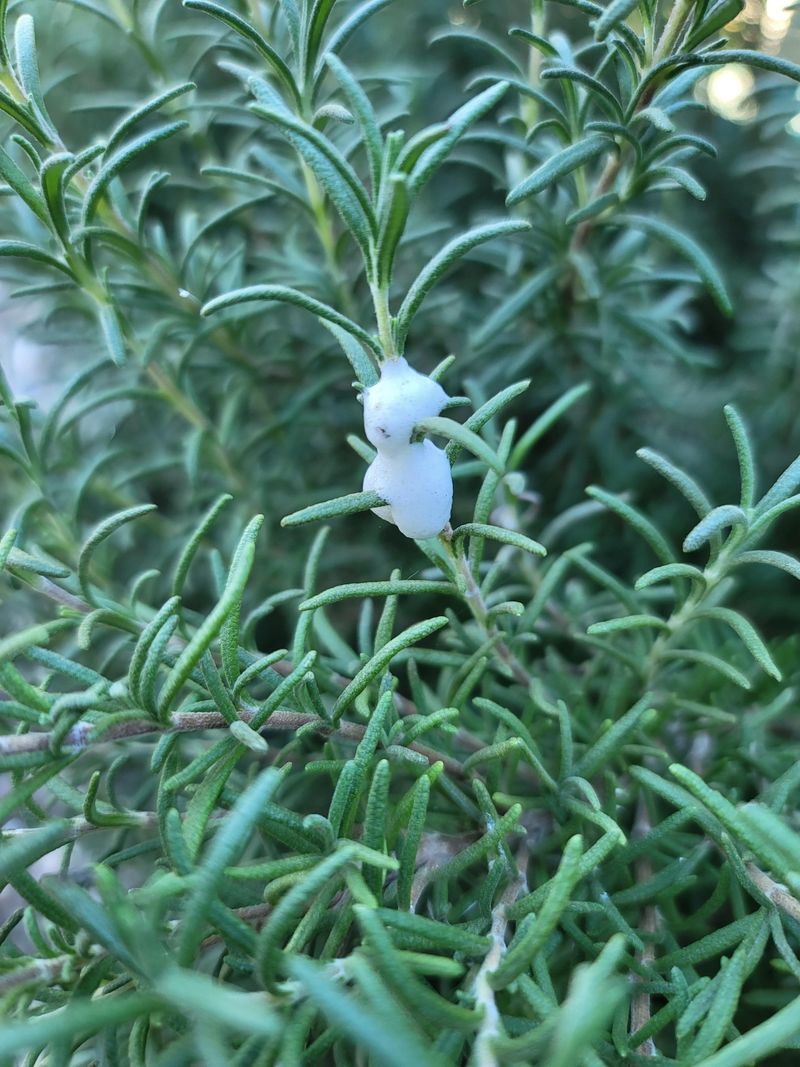
Finding foam on your plants can feel alarming, but for most healthy plants, a small number of spittlebugs is not a serious problem. Plants are tougher than they look, and they can handle a little sap loss without much trouble.
A single spittlebug nymph drinks only a small amount of sap. Compared to pests like aphids or spider mites, the damage one nymph causes is minor.
The plant usually keeps growing without any visible signs of stress.
Established plants with strong root systems are especially resilient. A rosebush, lavender shrub, or ornamental grass that has been growing for a couple of seasons can handle a few foamy visitors without skipping a beat.
The plant simply produces more sap to replace what was taken.
Even younger plants can tolerate light spittlebug activity. As long as the infestation stays small and the plant is otherwise healthy, there is usually no need to panic.
Keeping plants watered and fertilized helps them stay strong.
Gardens in California and other warm regions often see spittlebugs every single year. Many experienced gardeners have learned to simply leave them alone when numbers are low.
The insects complete their life cycle and move on naturally.
Patience is often the best approach. By midsummer, most of the nymphs will have grown into adults and left the stems behind.
The foam disappears, and the plant carries on as if nothing happened.
6. Heavy Numbers Can Leave Plants Looking Tired
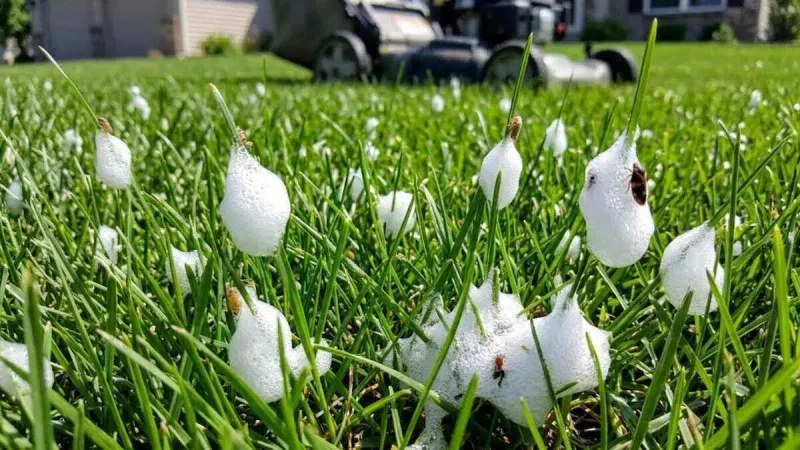
While a few spittlebugs rarely cause serious trouble, a large group feeding on the same plant is a different story. When many nymphs cluster on one plant, the combined sap loss can start to show in visible ways.
Stems may look slightly twisted or stunted. New growth can come in smaller than normal or with a slightly curled appearance.
Leaves near the feeding spots might start to look a little dull or droopy, especially during hot weather.
Heavily infested plants sometimes produce fewer flowers. For California gardeners who grow lavender, strawberries, or herbs for their blooms or fruit, this can be frustrating.
The plant is putting energy into recovering rather than producing.
Young seedlings and newly transplanted plants are more vulnerable than mature ones. They have smaller root systems and less stored energy to draw from.
A heavy spittlebug population on a young plant can slow its growth noticeably.
The key is to check your plants regularly during spring. Catching a growing population early makes it much easier to manage.
Look along the stems near new leaf growth, since that is where nymphs tend to gather.
Even in heavy cases, the situation is rarely permanent. With a little attention and some simple action, most plants bounce back well.
The goal is to reduce numbers before they get out of hand, not to eliminate every single insect in the garden.
7. A Strong Spray Of Water Can Knock Them Off
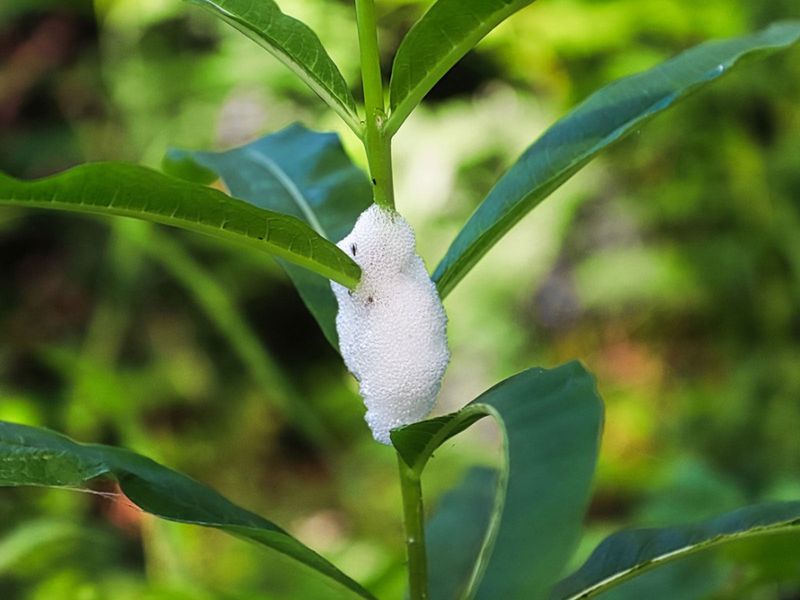
Here is the best part about dealing with spittlebugs: you probably already have everything you need to handle them.
No chemicals, no special equipment, and no complicated steps required. A garden hose does most of the work.
A firm spray of water aimed directly at the foam blobs will knock the nymphs off the stem. Once they fall to the ground, they have a hard time getting back up to the plant quickly.
Most of them will not make it back, especially if the ground is dry. Do this in the morning so the plant has time to dry before evening. Wet stems left overnight can attract other issues like mold or fungal problems.
A morning rinse gives everything a chance to dry out naturally during the day.
You may need to repeat the spray every few days for a couple of weeks. New nymphs can hatch in stages, so one treatment might not catch all of them. Staying consistent is more important than being forceful.
For small gardens or container plants, you can also wipe the foam off with a damp cloth. This works well on delicate plants that might not handle a strong spray. It takes a bit more effort but gets the job done just as effectively.
Avoid using pesticide sprays unless the problem is truly severe. Most of the time, water alone is enough to keep spittlebug numbers at a manageable level.
8. New Growth Is Where The Foam Often Shows Up First
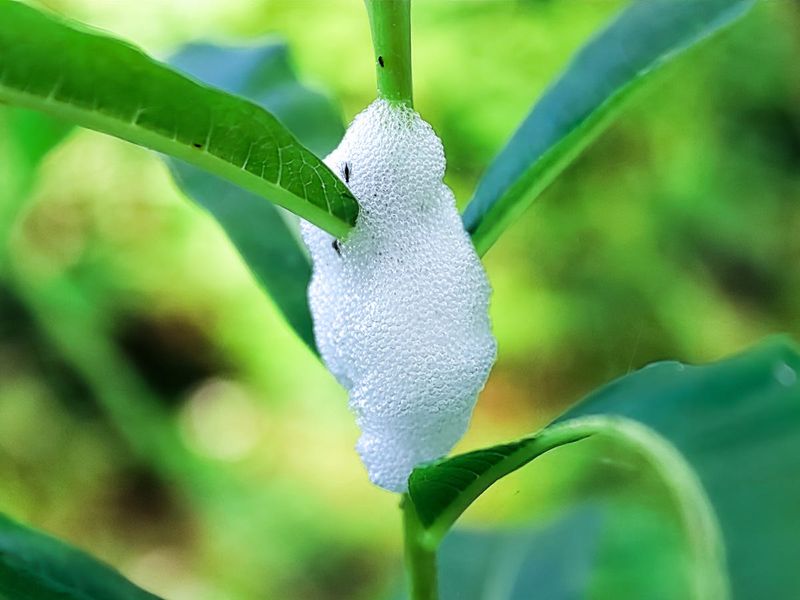
Spittlebug nymphs have a strong preference for fresh, tender plant tissue. The newest growth on a plant is where the sap is most abundant and easiest to access.
That is why the foam almost always appears near the tips of stems first.
When you do your garden checks in spring, focus on the newest shoots and leaf buds. These are the spots most likely to attract nymphs right after hatching.
Catching them early here gives you the best chance of managing them before numbers grow.
Soft herbs like basil, mint, and rosemary are common targets because they produce lots of new growth quickly. Ornamental plants with frequent flushes of new stems, like roses, are also popular choices for nymphs looking for a good feeding spot.
Once a nymph settles in and starts producing foam, it tends to stay in one spot until it matures. It does not wander around much.
So the foam you see today is likely in the same place it will be next week if left alone.
Pruning back heavily foamed stems is another option. Removing the affected shoot and dropping it into a bucket of soapy water ends the nymph’s feeding right away.
This method works well for gardeners who prefer a hands-on approach.
Checking new growth weekly during the active season keeps you one step ahead. Early action always leads to better results with these small but persistent insects.