Why Gray Foxes Are Visiting More California Yards As Nights Cool
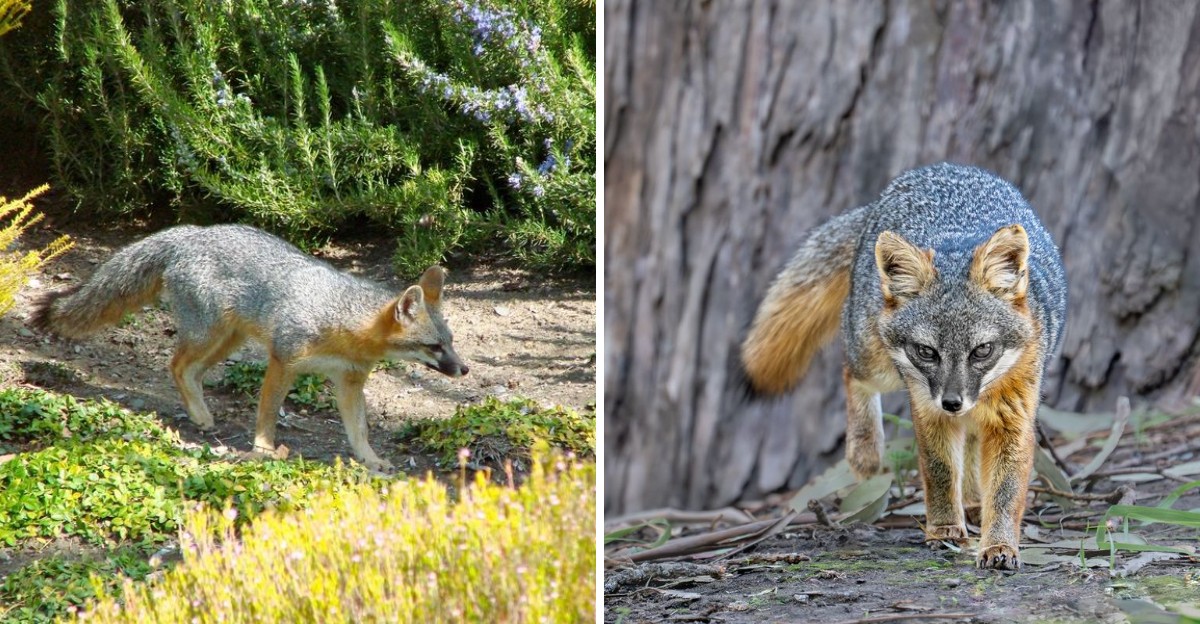
Something is visiting California yards after dark this fall, and it is a lot more charming than you might expect.
As nights cool down and the season shifts, gray foxes are showing up in neighborhoods across the state with increasing regularity, and homeowners are understandably curious about why.
These shy, quietly elegant little animals weigh about as much as a house cat and want absolutely nothing to do with you personally, which somehow makes spotting one even more exciting.
Two glowing eyes at the fence line, a soft rustle in the fallen leaves, and then nothing. Gone. Just like that.
If that sounds familiar, you are in good company this season. The reasons gray foxes are venturing closer to California homes right now are genuinely fascinating, and understanding them makes the whole experience a lot more enjoyable.
1. Shorter Days Mean Longer Hunting Hours
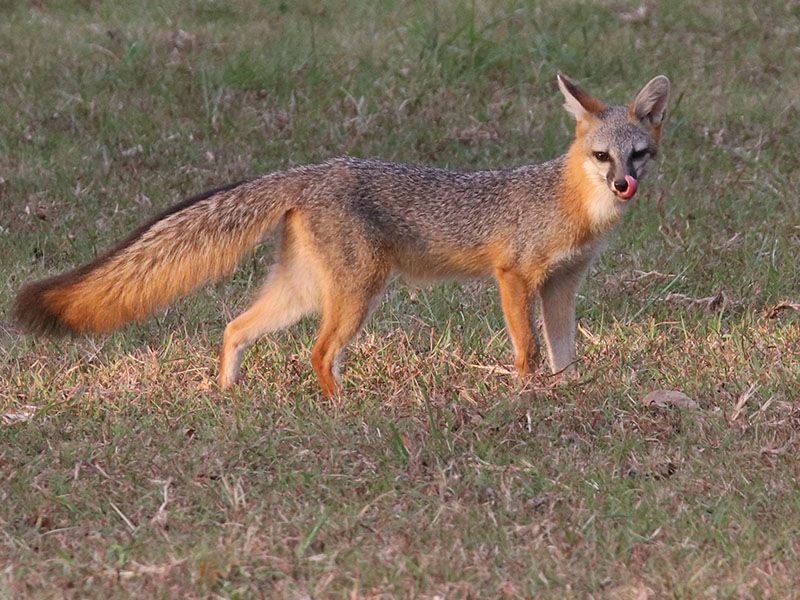
Fall arrives in California and the sun starts clocking out earlier, which means gray foxes get considerably more darkness to work with. Longer nights give them more time to roam, hunt, and explore the neighborhood landscape they call home.
Gray foxes are mostly active at night and around dawn and dusk. When nights grow longer, they simply have more time to roam, hunt, and explore.
More roaming time means more chances to pass through your yard.
During summer, short nights keep foxes busy close to their dens. Once the season shifts, they can cover bigger areas before sunrise.
A quiet backyard often becomes part of that wider loop.
You might notice that sightings happen earlier in the evening now. A fox spotted at six o’clock was likely sleeping at that hour back in July.
The clock changed, and so did its schedule.
Want to spot one without scaring it? Keep outdoor lights dim and watch from a window after sunset.
A simple motion camera pointed toward a fence line can also reveal surprising nightly visits.
Fun fact: gray foxes have special eyes with a reflective layer that helps them see in low light. That is why their eyes glow green or gold when a flashlight hits them.
Knowing their timing helps you plan ahead. Bring pet food inside before dusk, close garbage bins tightly, and enjoy the show from a safe distance.
Longer nights can turn your yard into a front row seat.
2. Young Foxes Are Striking Out On Their Own
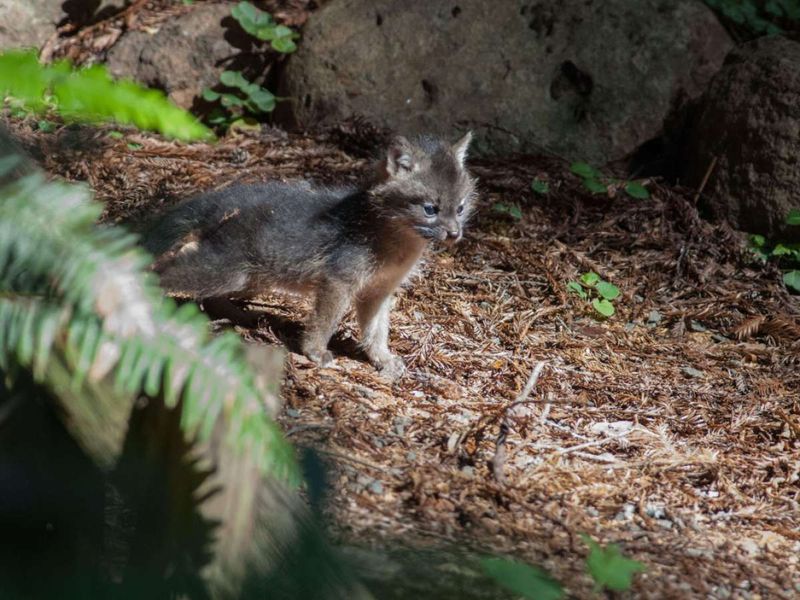
Remember your first time exploring a new place without a grown-up? Young gray foxes go through something similar every fall in California.
Pups are born in spring and stay with their parents through summer. By autumn, they are nearly full size and ready to find territory of their own.
Many wander far from home, and some of those journeys cross right through neighborhoods.
Young foxes are often a bit bolder and clumsier than adults. They may linger under a porch or sniff around a patio before moving along.
Seeing one in daylight is not unusual during this restless stage.
Your California Garden Changes Every Week. Your Plan Should Too.
Gardening in California changes quickly throughout the season. Every Friday you’ll receive a simple weekly plan showing exactly what to plant, prune, fertilize, harvest, and protect so you never miss the right timing.
Most of these travelers are just passing through. They are searching for a quiet spot with food, water, and cover.
Your yard may simply be a rest stop on a longer trip.
So how should you respond? Give the fox space and avoid feeding it, even if it looks hungry.
Handouts can teach young animals to depend on people, which causes problems later.
If a fox hangs around too long, gentle noise works well. Clap your hands, bang a pot, or spray a hose nearby.
Young foxes learn fast, and a little discomfort nudges them toward wilder places.
Watching a teenage fox figure out the world can be a sweet moment. Just let it grow up wild.
3. Ripe Fruit Is A Tasty Magnet
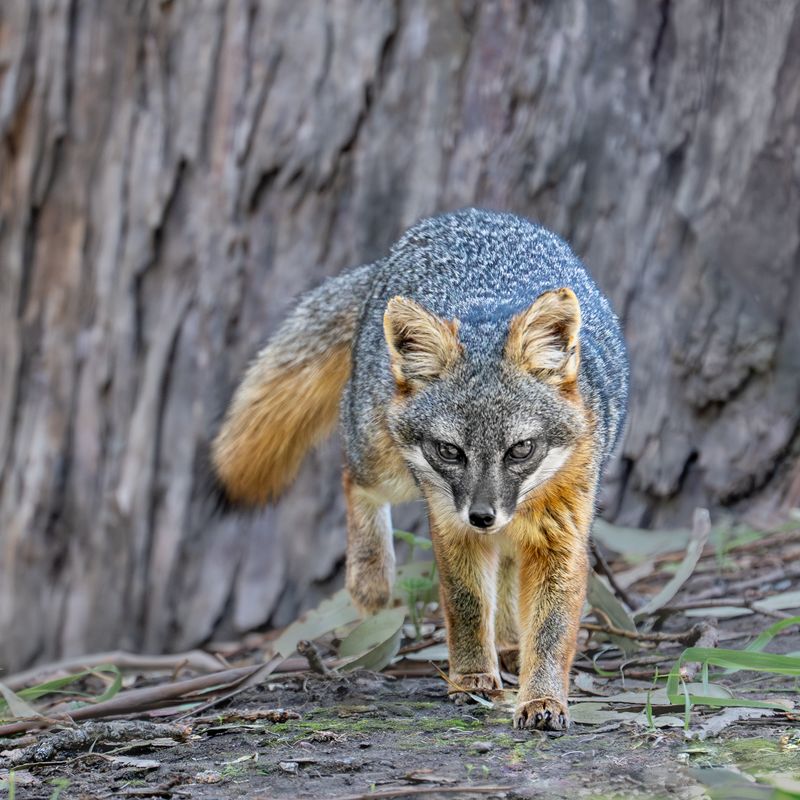
Here is a secret many people do not know. Gray foxes have a real sweet tooth, and California gardens are full of treats in the fall.
Persimmons, figs, grapes, apples, and even avocados ripen or drop during cooler months. Fallen fruit sitting on the ground is like an open buffet.
A fox can smell it from far away.
Unlike some predators, gray foxes eat a mixed diet. Fruit and berries can make up a big part of what they eat when available.
That flexible appetite helps them thrive near homes.
Did you know gray foxes can climb trees? They are one of the only members of the dog family that can.
Their curved claws let them scramble up trunks to grab fruit or escape danger.
If you would rather not host fox dinner parties, a little cleanup goes a long way. Pick up fallen fruit each evening before sunset.
Harvest ripe fruit from trees quickly instead of leaving it hanging.
Compost piles can also draw hungry noses. Use a closed bin rather than an open heap, and skip tossing fruit scraps on top.
A tidy garden sends fewer invitations.
On the bright side, a fox nibbling your windfall figs is also helping spread seeds. It is a small reminder that your backyard is part of a bigger wild world.
4. Rodents Move Indoors And Foxes Follow
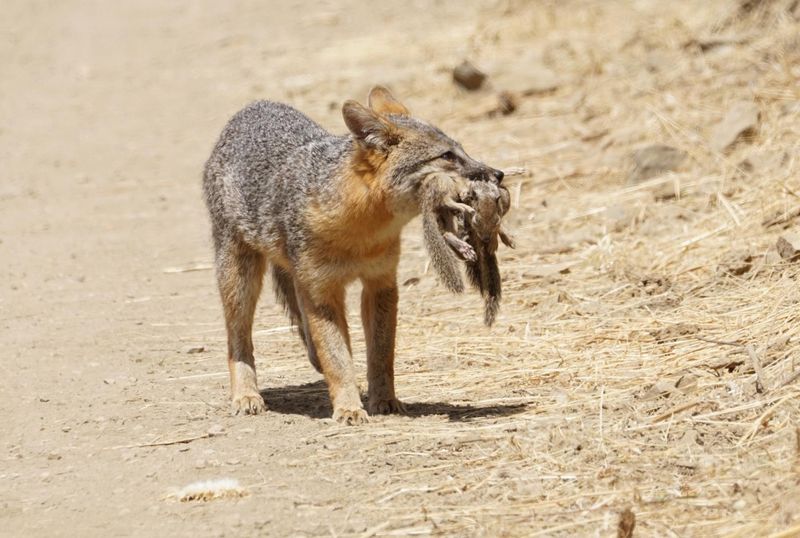
When temperatures drop, mice and rats start looking for warm hiding spots. Garages, sheds, woodpiles, and crawl spaces become cozy hideouts around California homes.
Guess who notices? Gray foxes are skilled rodent hunters with sharp hearing.
They can pinpoint a mouse rustling under leaves and pounce with impressive accuracy.
As rodents cluster near houses, foxes naturally follow the food. Your yard might look quiet, but to a fox it can sound like a busy snack bar.
That is one big reason visits rise in fall.
Honestly, this can be good news. A single fox may catch many rodents over a season.
That is free pest control without traps or harsh chemicals.
Speaking of chemicals, rodent poisons can harm foxes that eat affected mice. Consider using snap traps inside or sealing entry points instead.
Protecting the hunters helps keep the rodent balance healthy.
You can also reduce rodent hot spots. Stack firewood off the ground and away from walls.
Store birdseed and pet food in sealed metal containers.
Try thinking of the fox as a quiet night worker. It patrols, eats unwanted guests, and moves on by morning.
With a few smart habits, you can welcome the benefits while keeping your space tidy and safe for everyone.
5. Dry Fall Weather Sends Foxes Searching For Water
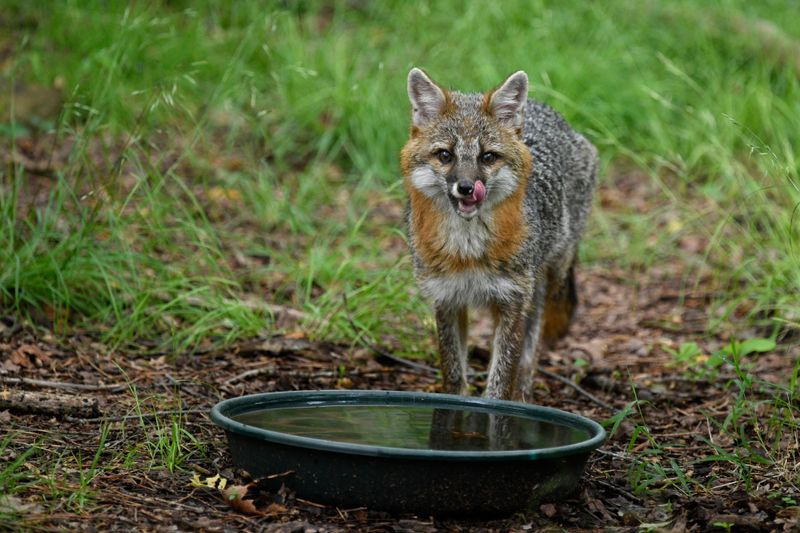
Autumn in California is often still dry. Before winter rains arrive, creeks shrink and natural water sources can be hard to find.
Foxes need water just like we do. When wild springs run low, they look for backup options.
Birdbaths, pet bowls, fountains, leaky hoses, and swimming pool edges all catch their attention.
A fox drinking from your birdbath at midnight is not causing harm. It is simply surviving a thirsty season.
Still, easy water can encourage repeat visits.
If you enjoy wildlife, keeping a clean birdbath can be a kind gesture. Refresh the water often to prevent mosquitoes and algae.
Place it away from doors so animals feel less tempted to come close to the house.
Prefer fewer visitors? Bring pet water bowls inside at night.
Fix dripping faucets and sprinklers that leave puddles. Cover pools or hot tubs when not in use.
Once seasonal rains return, many foxes rely less on backyard water. The pattern often shifts again by mid winter.
Watching these changes can teach you a lot about local nature.
A small tip for curious families: set a trail camera near your water feature. You might see foxes, raccoons, and birds all sharing the same little oasis.
It makes a great science project for kids.
6. Cozy Hideouts Look Perfect For Chilly Naps
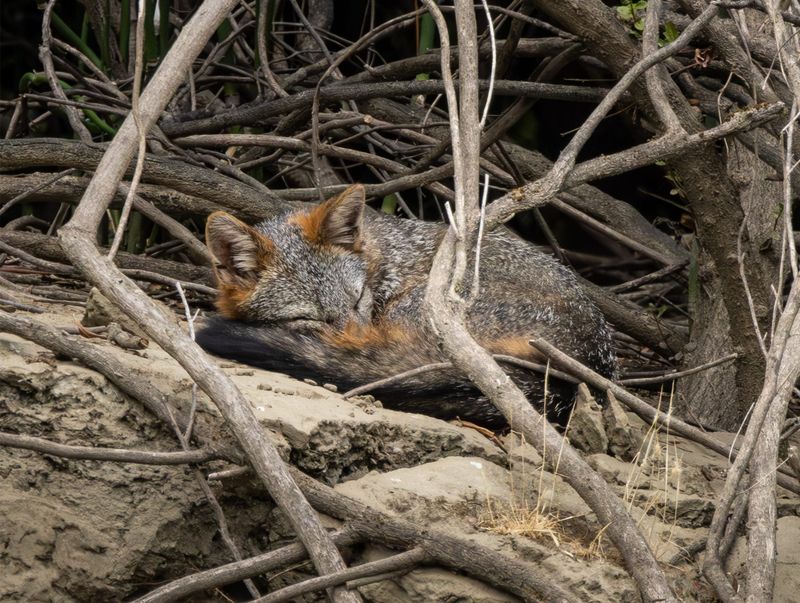
Ever crawled under a warm blanket on a cold night? Gray foxes crave that same snug feeling when California evenings turn crisp.
They rest during the day in sheltered spots like brush piles, hollow logs, and thick shrubs. In neighborhoods, the space under a deck or shed can feel just as safe.
Quiet corners with little foot traffic are especially appealing.
Foxes do not usually dig big burrows. Instead, they borrow ready-made hideaways.
That makes cluttered yards and open crawl spaces extra inviting.
Late winter is also when foxes start scouting den sites for spring pups. Fall visits can be early house hunting.
A fox that likes your deck now may return later with family plans.
To discourage long stays, walk your yard and look for gaps. Block openings under decks and sheds with sturdy wire mesh buried a few inches into the soil.
Trim overgrown bushes and clear piles of old lumber.
Before sealing any space, make sure nothing is inside. Sprinkle flour at the entrance and check for tracks the next morning.
No prints means it is safe to close up.
Leaving a wild corner at the back of a large property can be a thoughtful compromise. Foxes get shelter, and you keep the area near your home clear.
7. Fire Seasons And Growing Towns Reshape Fox Territory
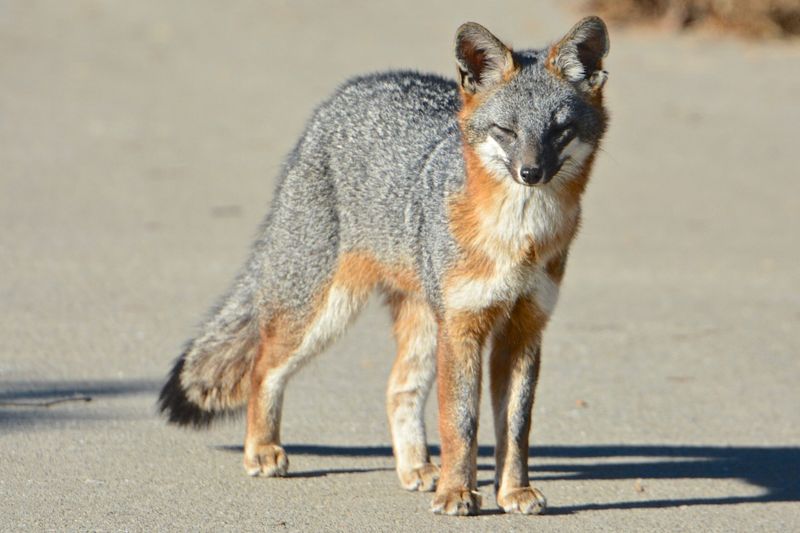
Stand on any hillside neighborhood and look around. You will see homes sitting right beside chaparral, oak woodland, and open canyons across California.
Towns keep stretching into wild spaces, and foxes adapt to living nearby. Wildfires can also push animals out of burned areas.
They may move toward neighborhoods where cover and food remain.
Fall often marks the end of peak fire season. Displaced animals are still settling into new ranges during these months.
Some of that shuffling brings foxes past backyard fences.
Gray foxes are surprisingly flexible. They can use greenbelts, drainage channels, and parks as travel paths.
To them, a row of backyards is just another trail.
Communities can help by protecting wildlife corridors. Supporting local open space projects gives animals safer routes.
Fewer road crossings also means fewer accidents on busy streets.
At home, drive slowly on winding roads at dusk and dawn. Those are prime travel times for foxes and deer.
Slowing down gives you time to brake if something darts out.
Living next to wild land is a special gift. It comes with responsibility to share space thoughtfully.
When you see a fox trot by, remember it may be rebuilding its life after a tough year.
8. Pet Food And Trash Draw Curious Noses
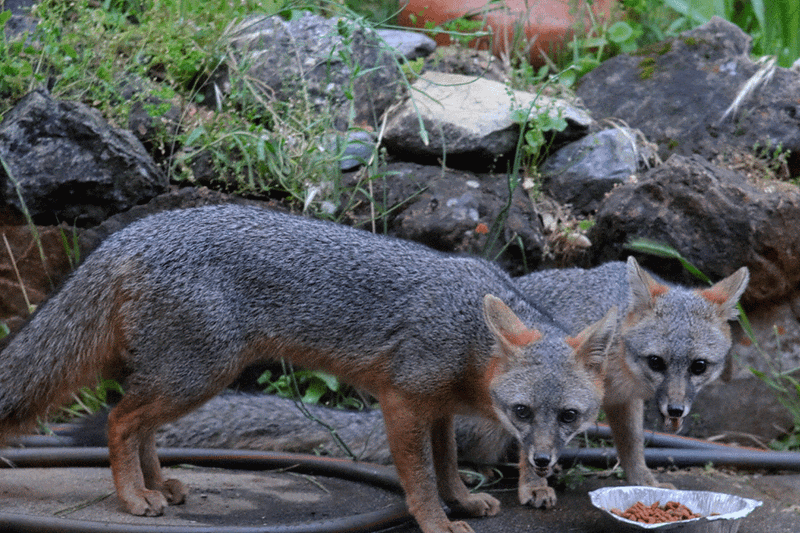
Leave a bowl of kibble on the patio, and word travels fast in the animal world. Around California suburbs, pet food is one of the easiest meals a fox can find.
Cooler nights make animals hungrier as they build energy for winter. An open trash can or a forgotten cat dish smells like opportunity.
Foxes that find easy food tend to come back again and again.
Regular feeding can change fox behavior in unhealthy ways. They may lose some fear of people and pets.
That can lead to conflicts that nobody wants.
The fix is pretty simple. Feed pets indoors, or pick up bowls right after mealtime.
Use trash cans with tight locking lids and store them in a garage if possible.
Barbecue grills matter too. Clean grease traps after cooking since the smell of meat drippings carries far.
Rinse food containers before tossing them in recycling.
Many cities in the state ask residents not to feed wildlife at all. Some even have local rules against it.
Check with your city to learn what applies where you live.
A fox that eats natural foods stays wild, healthy, and wary. That is the best outcome for the animal and for your family.
Keeping snacks locked away is an easy win.
9. Sharing Your Yard Safely With Gray Foxes
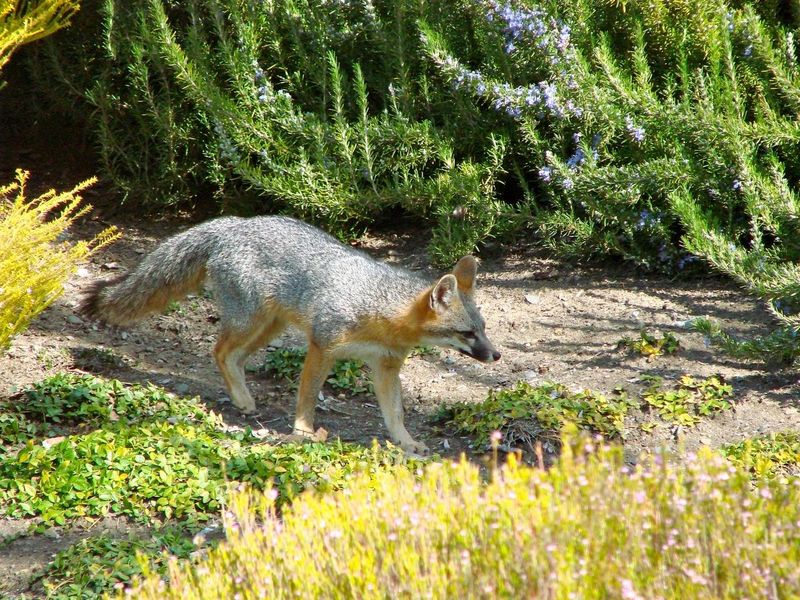
Good news first: gray foxes are shy, small, and rarely a threat to people. Most weigh about as much as a house cat, even in California’s wild hills.
They generally avoid humans and bolt at the first sign of trouble. Still, a few smart habits keep everyone comfortable.
Think of it as setting friendly house rules.
Keep cats indoors at night and supervise small dogs outside after dark. Foxes seldom bother pets, but safety comes first.
Secure chicken coops with strong wire and a solid roof.
Never try to touch or corner a fox. Like any wild animal, it may defend itself if scared.
Teach kids to admire from a distance and tell an adult about sightings.
If a fox seems sick, stumbles, or acts strangely bold, call local animal services. Wildlife experts can check on it safely.
Avoid handling injured animals yourself.
Many families find joy in these quiet encounters. Keep a notebook of sightings, times, and weather.
You might start noticing patterns tied to the changing season.
Gray foxes have lived in these landscapes far longer than our neighborhoods have. With a little care, your yard can be a peaceful crossroads.
Enjoy the glowing eyes, the soft footsteps, and the reminder that wild life is right outside.