The Summer Mistakes That Makes California Jasmine Drop Flowers Early
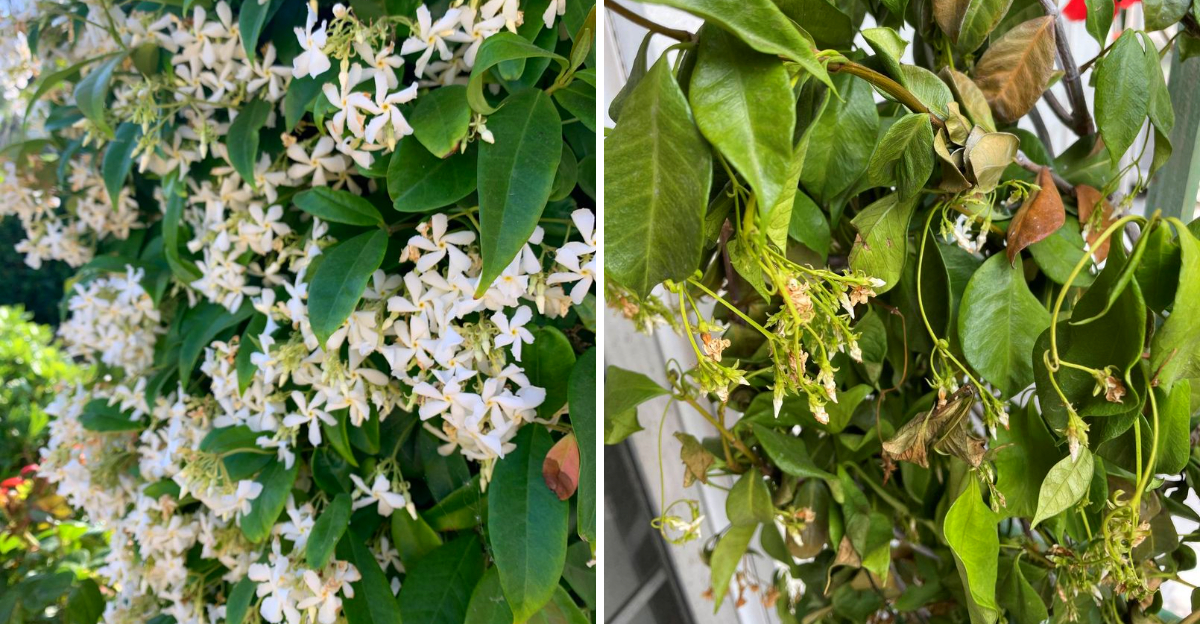
You stepped outside on a warm California morning, caught that incredible sweet jasmine fragrance, and then looked down to find a carpet of tiny white flowers all over the ground. Honestly, a little dramatic, jasmine.
If your star jasmine vine has a habit of dropping blooms before summer even really gets going, you are in very good company across California.
This is one of those garden mysteries that generates a lot of worry when the answer is usually a whole lot less alarming than it first appears.
Early flower drop on star jasmine tends to come from a mix of natural bloom cycles, environmental stress, and timing rather than one single fixable problem.
Understanding what is actually driving it makes a real difference, both for your peace of mind and for getting the most out of that glorious fragrance all season long.
1. Watering Too Lightly During Hot Weather
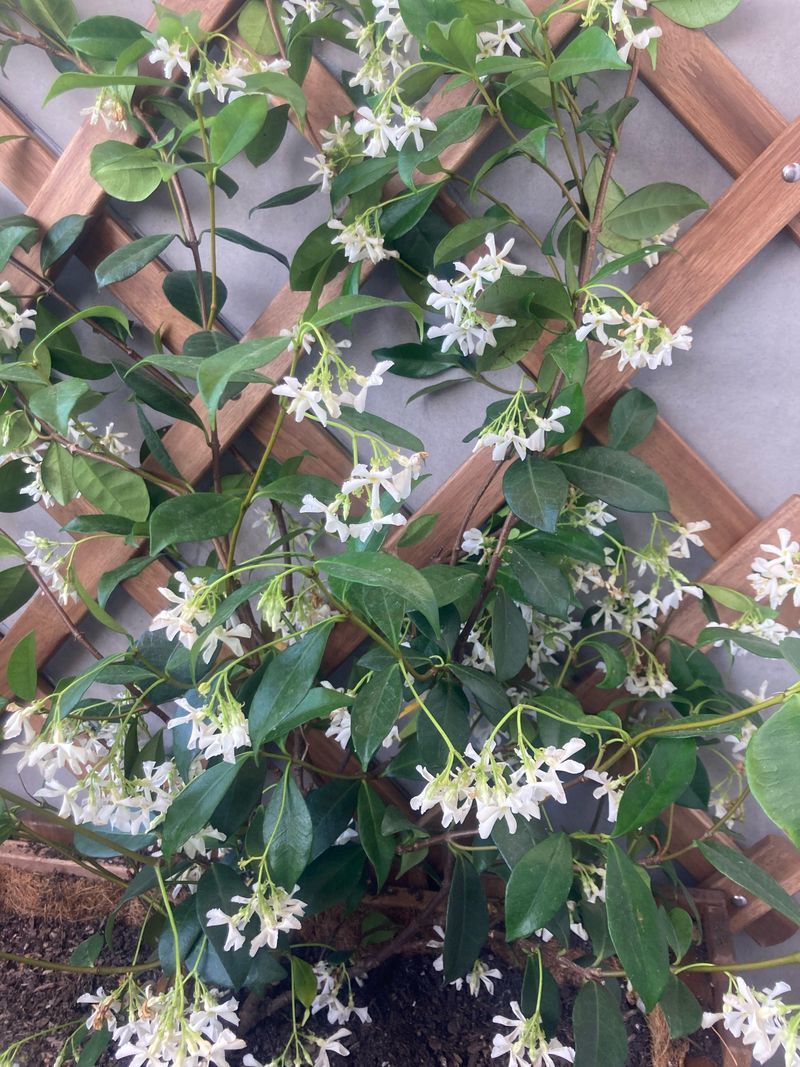
Faded jasmine flowers scattered across dry mulch are often the first clue that a vine is not getting enough water during summer heat.
When temperatures climb in California, especially in inland valleys where afternoons can feel relentless, star jasmine needs consistent and thorough watering to stay comfortable.
Light, frequent sprinkles that only wet the top inch of soil do not reach the deeper roots where the plant actually draws moisture.
When roots stay dry, the vine shifts into a kind of protective mode. It stops putting energy into flowers and starts focusing on basic survival.
Buds that were just about to open may drop off before they ever get a chance to bloom, and open flowers tend to fade and fall much faster than usual.
The fix is simpler than most gardeners expect. Water deeply and less often, letting the moisture soak down several inches into the root zone.
In hot inland areas of California, this might mean watering two or three times a week during peak summer rather than a quick daily spritz. Checking soil moisture a few inches below the surface before watering helps avoid both underwatering and overwatering.
A layer of organic mulch around the base of the vine can also slow moisture loss between watering sessions, giving roots a more stable environment even when afternoon temperatures spike.
2. Letting Containers Heat Up And Dry Out
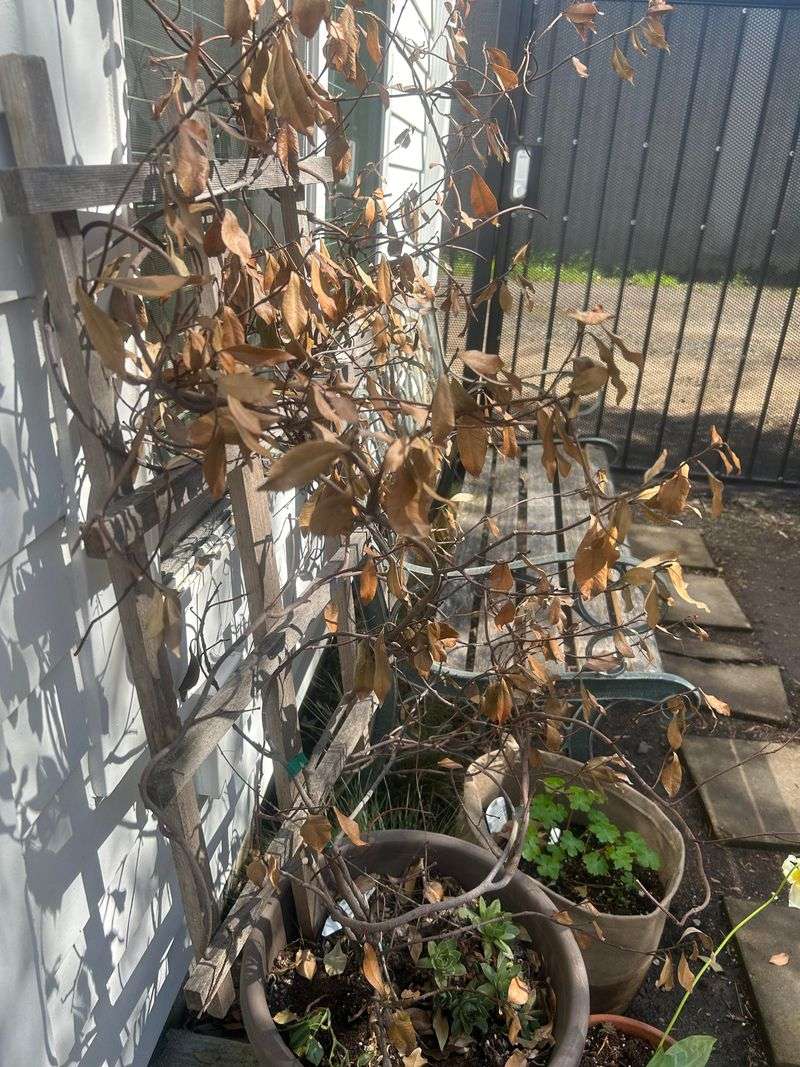
Hot patio containers can turn into tiny ovens during a California summer afternoon, and star jasmine planted in them feels every degree of that heat. When a pot sits directly on concrete or tile in full sun, the sides and bottom of the container absorb heat rapidly.
Potting mix inside dries out far faster than garden soil, sometimes going from moist to bone dry within a single afternoon.
That sharp cycle of heating and drying is genuinely stressful for jasmine roots. Roots that experience repeated extreme drying tend to become less efficient at pulling water and nutrients into the plant.
Flowers and buds are often the first thing a stressed container plant sacrifices, dropping early to reduce the energy demand on the vine.
Your California Garden Changes Every Week. Your Plan Should Too.
Gardening in California changes quickly throughout the season. Every Friday you’ll receive a simple weekly plan showing exactly what to plant, prune, fertilize, harvest, and protect so you never miss the right timing.
Gardeners in California who keep jasmine in containers can make a noticeable difference by moving pots away from reflective concrete surfaces or placing them on wooden risers to reduce heat transfer from below.
Choosing larger containers also helps because more soil volume holds moisture longer and stays cooler.
Grouping pots together can create a slightly more humid microclimate around the plants.
Checking soil moisture daily during heat waves is a reasonable habit, and watering in the early morning rather than midday helps the plant stay hydrated before temperatures peak.
Light-colored or glazed ceramic pots absorb less heat than dark or unglazed terracotta, which can make a real difference in summer.
3. Planting In Poorly Drained Soil
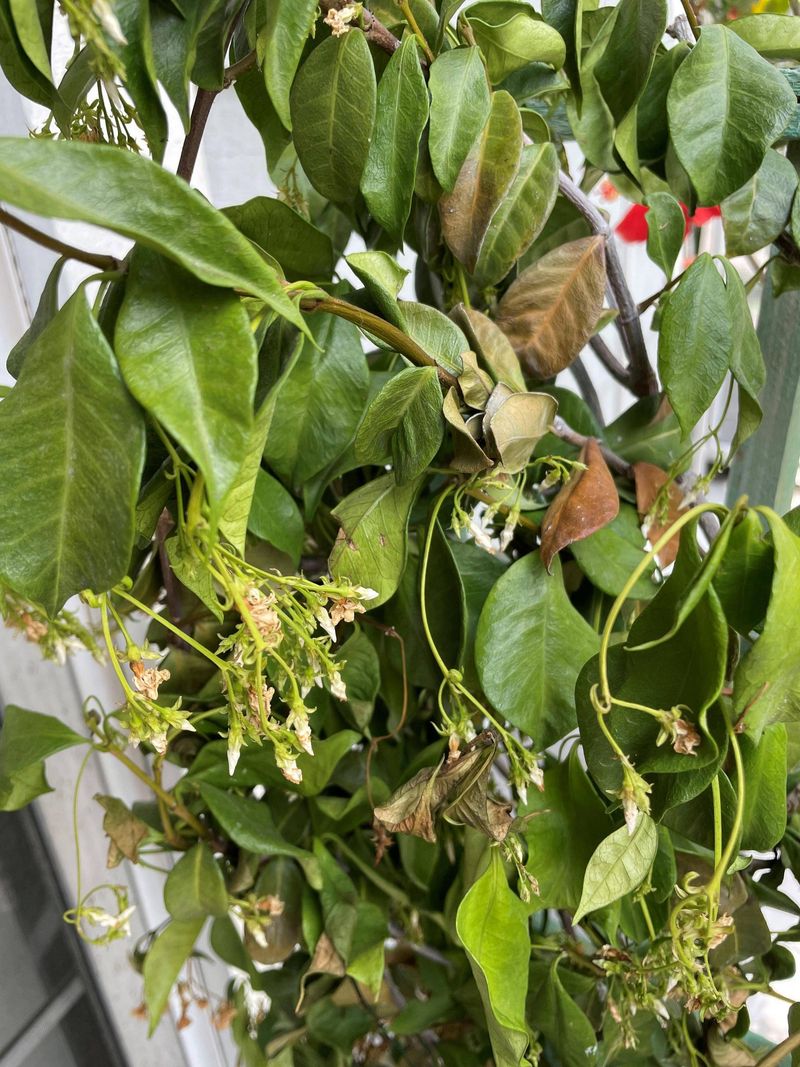
Soggy soil around jasmine roots is a problem that sneaks up on gardeners quietly. Star jasmine grows well in California when its roots have access to consistent moisture, but roots that sit in waterlogged soil for extended periods begin to struggle.
Poor drainage prevents oxygen from reaching the root zone, and roots need oxygen just as much as they need water to function properly.
When roots are stressed from overly wet conditions, the plant has trouble absorbing nutrients even when those nutrients are present in the soil.
This shows up in several ways, including yellowing leaves, fewer new growth tips, and flowers that drop earlier than expected.
Gardeners sometimes respond by watering even more, which only makes the situation worse for the vine.
California soils vary widely depending on region. Heavy clay soils common in many parts of the state hold water tightly and drain slowly, which can create drainage issues even without overwatering.
Before planting jasmine in a new bed, it helps to check how quickly water moves through the soil by digging a small hole, filling it with water, and watching how fast it drains.
Amending clay soil with compost or coarse organic material improves drainage over time.
Raised beds are another option for gardens where drainage is consistently poor. Jasmine planted in well-draining soil tends to hold onto its flowers longer and handle summer heat with noticeably more resilience.
4. Giving Too Much Fertilizer During Bloom
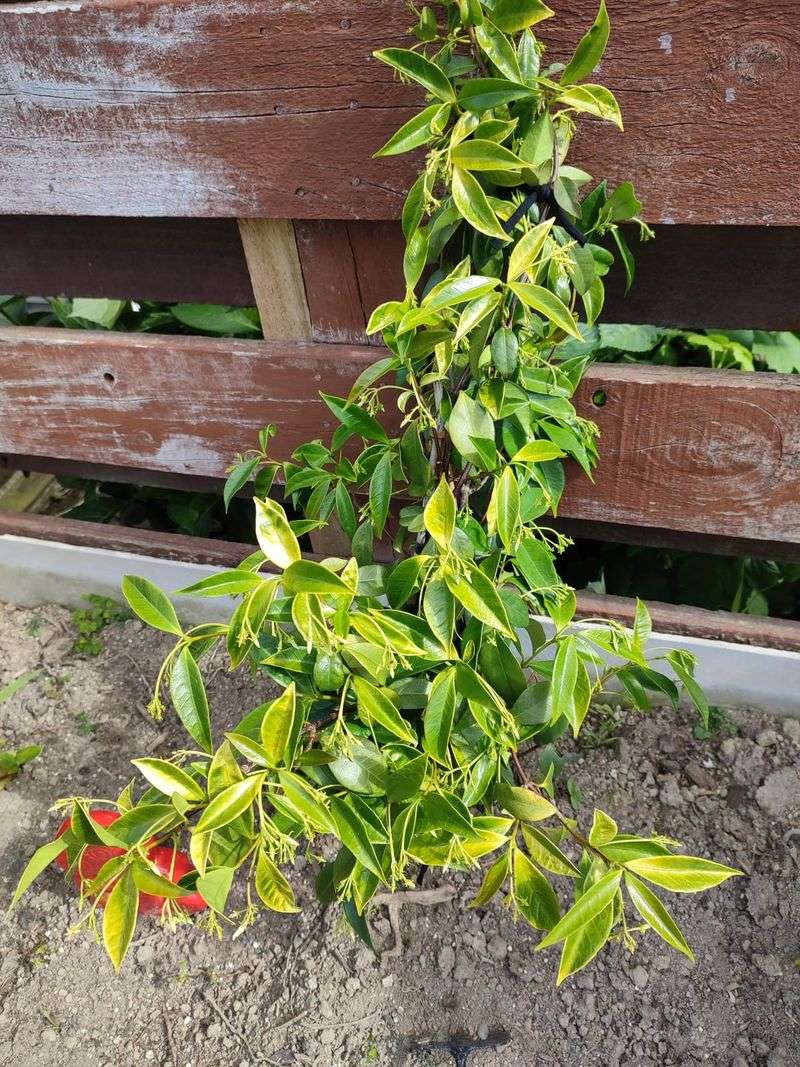
There is a certain logic to wanting to feed a flowering plant more when it is blooming, but with star jasmine, heavy fertilizer applications during peak bloom can actually work against you.
High-nitrogen fertilizers push the plant toward producing lush green foliage rather than sustaining its flowers.
When a vine suddenly gets a surge of nitrogen mid-bloom, it can redirect its energy toward leafy growth and let the current flowers drop sooner than they otherwise would.
Phosphorus is the nutrient most closely linked to flowering and root development, but even balanced fertilizers applied too heavily or too often during bloom can create an imbalance that stresses the plant.
Fertilizer salts can also build up in the soil, drawing moisture away from roots in a process that mimics drought stress at the root level.
A more measured approach works better for California jasmine during summer. Light fertilization in early spring before blooming begins gives the plant a nutritional foundation for the season ahead.
Once flowers open, it is usually best to hold off on heavy feeding and let the plant complete its bloom cycle naturally. If the vine looks pale or growth seems sluggish after blooming finishes, a light balanced fertilizer can encourage healthy recovery.
Reading application rates carefully and erring on the lighter side tends to produce better results than generous doses, especially in warm California summers when plants are already managing heat stress alongside their bloom cycle.
5. Pruning While Flower Buds Are Forming
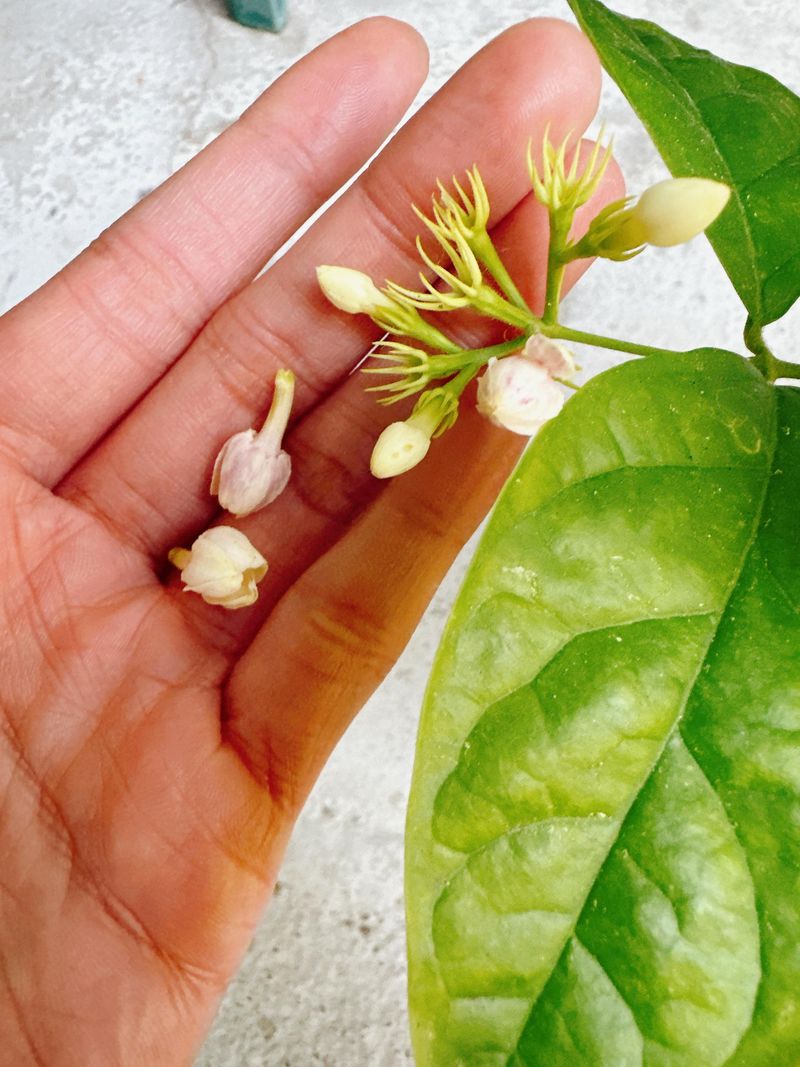
Picking up a pair of pruning shears while jasmine buds are forming is one of the more common reasons California gardeners end up with fewer flowers than they hoped for.
Star jasmine sets its flower buds on growth from the previous season, and cutting into the vine while those buds are developing removes them before they ever get the chance to open.
The timing of pruning matters as much as the pruning itself.
Many gardeners prune in spring as part of a general garden cleanup routine, which can feel productive but may accidentally remove a season’s worth of bloom potential. Once the cuts are made and buds are gone, there is no recovering those flowers for that year.
The vine will grow back, but the opportunity to enjoy that particular flush of blooms has passed.
The most practical window for pruning star jasmine in California is right after the main bloom period finishes, typically in late spring or early summer depending on the region.
This gives the plant the rest of the growing season to develop new shoots that will carry next year’s buds.
Light shaping to control the vine’s spread is generally fine throughout the year, but more significant cuts are better saved for after flowering.
Watching the vine closely for the first signs of blooming each year helps gardeners develop a feel for the right pruning window in their specific California microclimate.
6. Leaving Vines In Harsh Reflected Heat
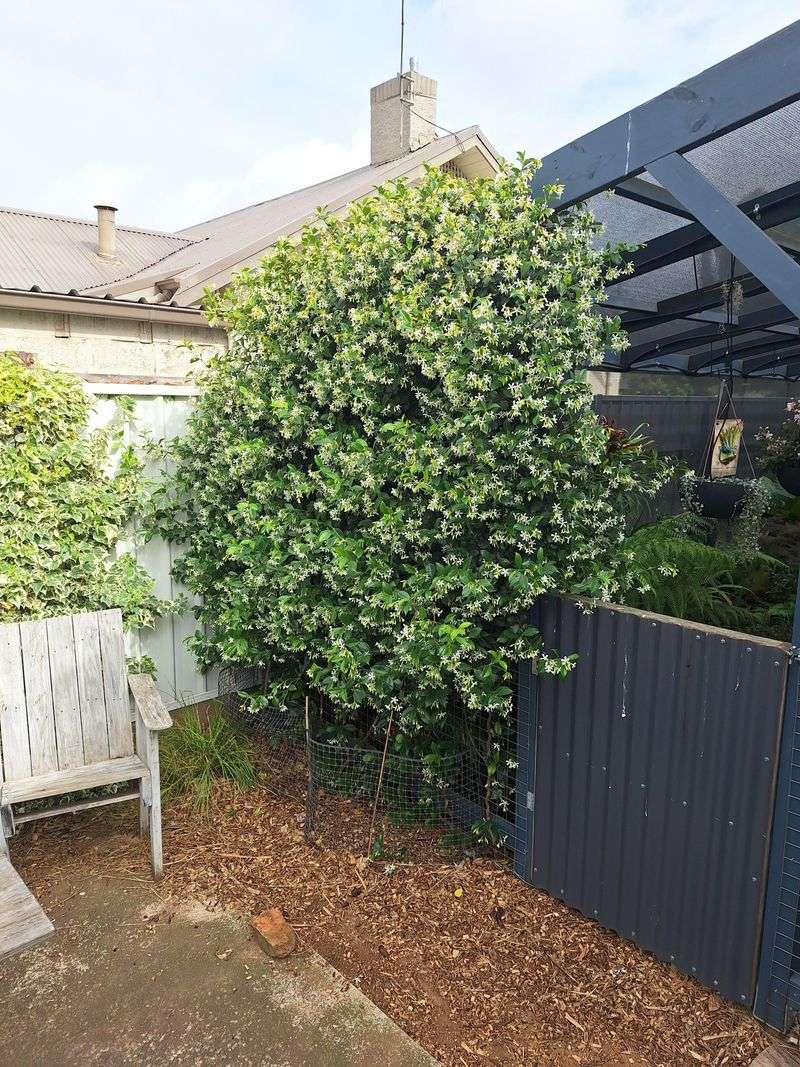
Walls, fences, and hardscape surfaces in California gardens absorb heat throughout the day and release it back outward in the afternoon and evening.
A jasmine vine growing directly against a south-facing or west-facing stucco wall may experience temperatures several degrees higher than the surrounding air, even when the air temperature itself seems manageable.
That extra radiant heat can push a blooming vine past its comfort zone fairly quickly.
Reflected heat dries out leaf surfaces faster and raises the temperature around flower clusters. Flowers that might last several days in a more sheltered spot may wilt and drop within a day or two when exposed to ongoing reflected heat.
Over time, repeated heat stress from these surfaces can weaken the vine’s ability to sustain a long bloom period.
Gardeners who notice that jasmine planted near a light-colored wall or a south-facing fence drops flowers earlier than vines in other parts of the yard are likely seeing the effects of reflected heat rather than a problem with watering or soil.
Providing afternoon shade through a shade cloth, a nearby tree canopy, or a pergola can reduce the intensity of reflected heat without moving the vine entirely.
Training the vine to grow slightly away from the wall rather than flush against it also allows more air circulation around the foliage and flowers.
In California’s warmer inland regions especially, thinking about reflected heat as part of planting placement decisions can prevent many summer frustrations.
7. Ignoring Heat Stress On Exposed Leaves
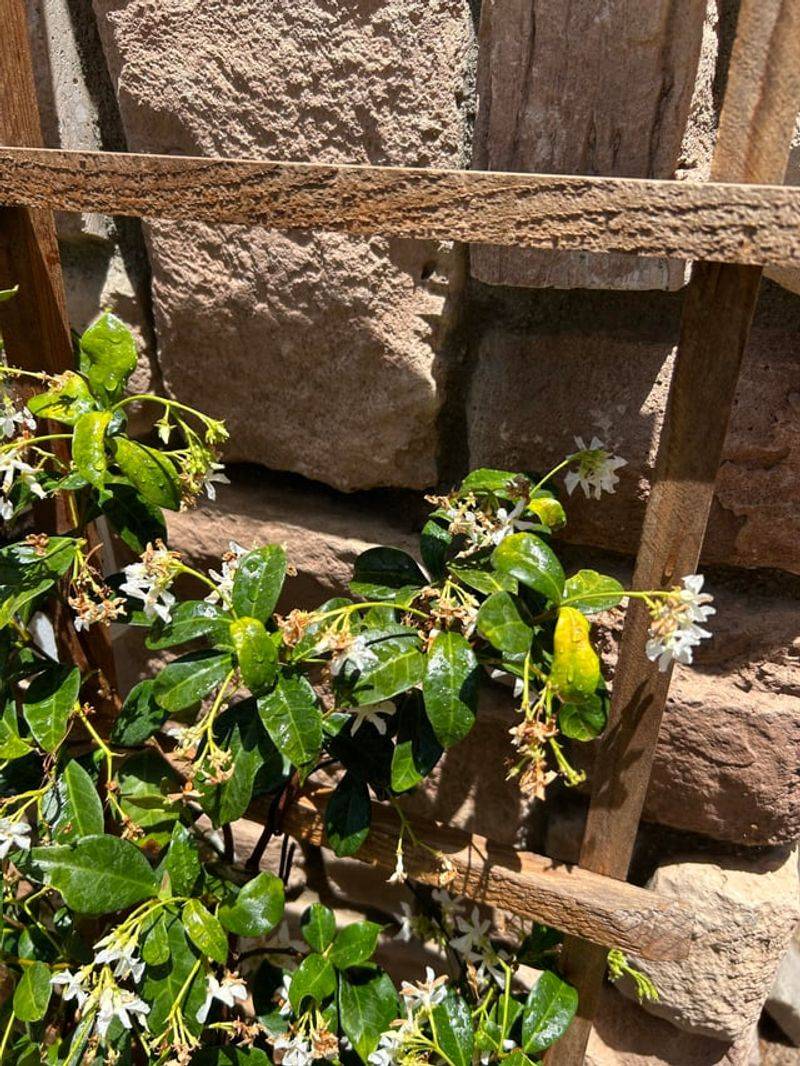
Glossy jasmine leaves curling upward at the edges on a hot California afternoon are sending a clear message that the plant is working hard to manage heat.
Leaf curl is a natural response that reduces the surface area exposed to direct sun and slows moisture loss through transpiration.
While it looks alarming, mild curling during the hottest part of the day does not always mean something is seriously wrong.
Persistent curling that does not recover overnight, combined with browning leaf edges or a general look of fatigue across the vine, points toward ongoing heat stress rather than a temporary midday response.
When leaves are consistently stressed, the plant pulls resources away from flowers to protect its core functions.
Blooms may drop earlier than expected, and bud development for the next flush of flowers can slow down considerably.
Keeping an eye on exposed jasmine vines during California heat waves helps gardeners catch stress early before it affects flowering significantly. Adjusting irrigation to water in the early morning ensures leaves and roots are well-hydrated before peak heat arrives.
Avoiding overhead watering during the hottest part of the day prevents water from evaporating before it reaches the roots and reduces the risk of leaf scorch from water droplets acting as magnifying lenses on glossy leaves.
Where possible, temporary shade cloth during an unusually intense heat wave can give exposed vines a chance to recover and hold onto their remaining flowers a little longer.
8. Expecting Flowers To Last Through Every Heat Spell
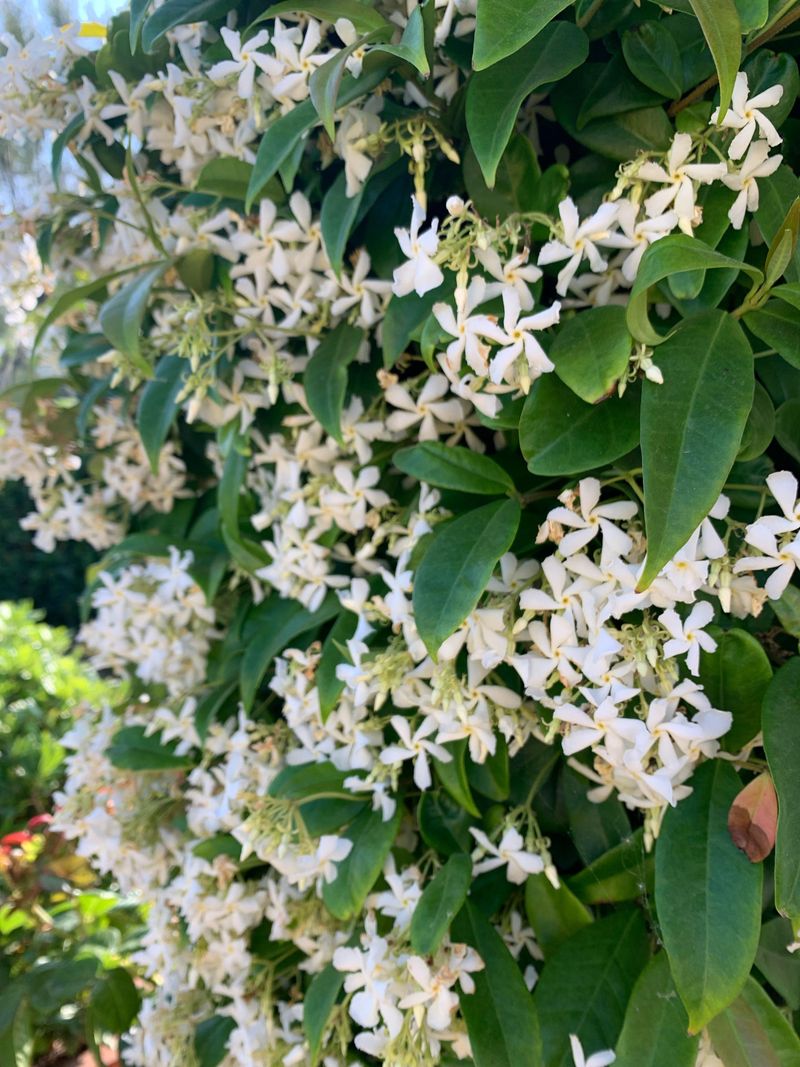
Sometimes the flowers that fall from a California jasmine vine are not a sign of a mistake at all. Star jasmine blooms have a natural lifespan, and individual flowers typically last only a few days before they fade and drop on their own.
During a heat wave, that lifespan shortens noticeably, and what looks like a sudden mass drop is often just the natural end of a bloom cycle accelerated by warm temperatures.
Understanding the difference between stress-related flower drop and normal bloom aging helps gardeners respond appropriately rather than overcorrecting.
A vine that drops spent flowers during a heat spell but continues to produce new buds and fresh foliage is likely cycling through its bloom period normally.
A vine that drops flowers and shows no new bud development, wilting leaves, or pale coloring alongside the flower drop may have a more specific issue worth investigating.
California’s varied summer climate means coastal gardeners may enjoy longer-lasting jasmine blooms while inland gardeners see faster cycling through heat. Both experiences are normal given the conditions.
Rather than expecting every flower to last regardless of weather, gardeners can focus on supporting the vine’s overall health so it keeps producing new buds throughout the bloom season.
Consistent watering, good drainage, appropriate sun exposure, and avoiding late-season pruning all contribute to a vine that blooms generously and recovers quickly between flushes, even when summer temperatures push higher than expected.