How Mississippi Gardeners Can Prepare Before Heavy Rain Arrives
A Mississippi thunderstorm rarely knocks first. The forecast might promise a passing shower, and within an hour your flower beds are underwater and your mulch is floating toward the fence line.
This pattern repeats itself across the state more often than most gardeners expect. Gulf moisture collides with warm air over Mississippi soil, turning ordinary afternoons into sudden downpours that overwhelm beds, borders, and lawns alike.
The plants that survive these storms are rarely the toughest ones. They are the ones whose owners paid attention to drainage, soil structure, and timing long before the first raindrop fell.
A little preparation changes everything about how a garden handles a deluge. Raised beds hold their shape, roots stay anchored, and standing water finds somewhere to go instead of pooling around your favorite perennials.
1. Stake Tall Or Top-Heavy Plants Ahead Of Time
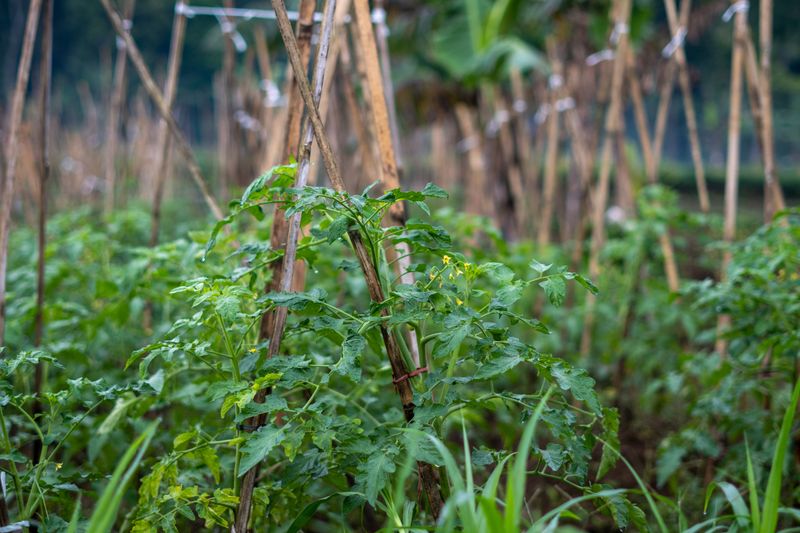
Tall plants are basically sails in a storm. Wind and rain team up to snap stems and uproot even well-established plants without warning.
Tomatoes, sunflowers, dahlias, and corn are especially vulnerable in Mississippi gardens during heavy rain season. Their height and leafy tops catch wind like a parachute pulling sideways.
Drive stakes deep into the soil at least six inches before the storm arrives. Shallow stakes pull out under pressure, making the situation worse than no stake at all.
Use soft garden twine or fabric ties to secure stems gently. Tight wire or hard zip ties can cut into the plant during movement and cause more damage than the storm itself.
Check existing stakes already in the ground before each storm. Rain softens soil quickly, and a stake that felt solid last week may wobble freely after a good soak.
Cage-style supports work especially well for bushy plants like peppers and eggplant. They distribute pressure across multiple contact points instead of a single tie.
For climbing plants on trellises, double-check that the trellis itself is anchored firmly. A trellis that tips over takes every vine with it.
Bamboo stakes are affordable, strong, and easy to find at any garden center. Buy a bundle at the start of the season so you are never scrambling last minute.
Staking before a storm takes only a few minutes but prevents most storm-related plant losses. It is one of the simplest ways to protect a season’s worth of growth.
2. Clear Drainage Paths Before The Rain Starts
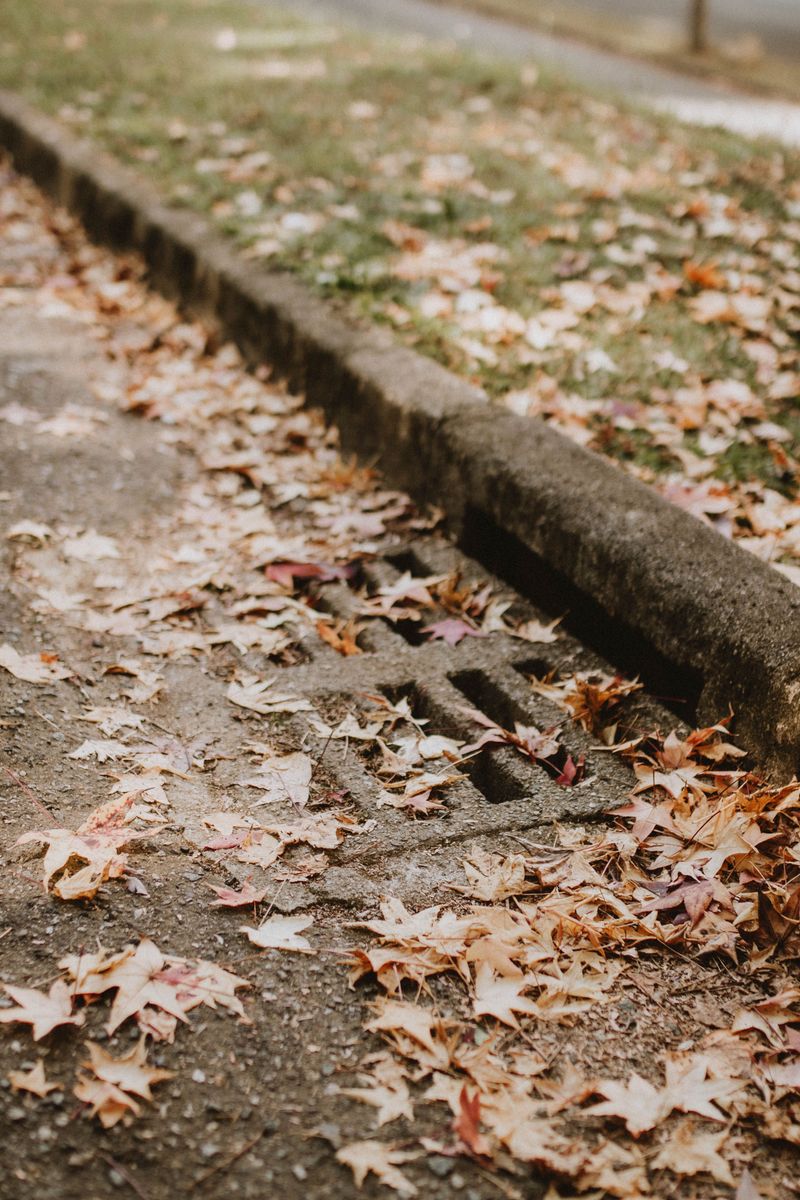
Standing water quietly deprives root systems of oxygen before you even notice the damage. When rain hits hard and fast, blocked drainage turns your yard into a shallow pond overnight.
Before heavy rain arrives in Mississippi, walk your entire yard and trace where water naturally flows. Look for low spots, compacted soil, and debris-clogged channels that slow runoff.
Grab a rake and clear out leaves, sticks, and built-up soil from any drainage ditches or garden borders. Even a small blockage can redirect a flood straight into your raised beds.
Check the edges of garden paths too. Gravel and mulch often creep into drainage lines after mowing or foot traffic.
Your Mississippi Garden Changes Every Week. Your Plan Should Too.
Gardening in Mississippi changes quickly throughout the season. Every Friday you’ll receive a simple weekly plan showing exactly what to plant, prune, fertilize, harvest, and protect so you never miss the right timing.
A simple trench dug along the garden perimeter can redirect water away from plant roots. You do not need fancy equipment, just a shovel and thirty minutes of focused effort.
French drains are worth considering if your yard floods repeatedly. A shallow gravel-filled trench can quietly move a large volume of water away from vulnerable spots.
Soil that drains well keeps roots healthy and oxygen moving through the ground. Roots that sit in standing water lose oxygen quickly, and recovery can take weeks.
Think of your drainage paths as roads for rainwater. Keep them open, clear, and pointed away from anything you want to protect.
A clean drainage system is the foundation of every other prep step. Get this right first, and everything else becomes easier.
3. Refresh Mulch To Stop Soil From Washing Away
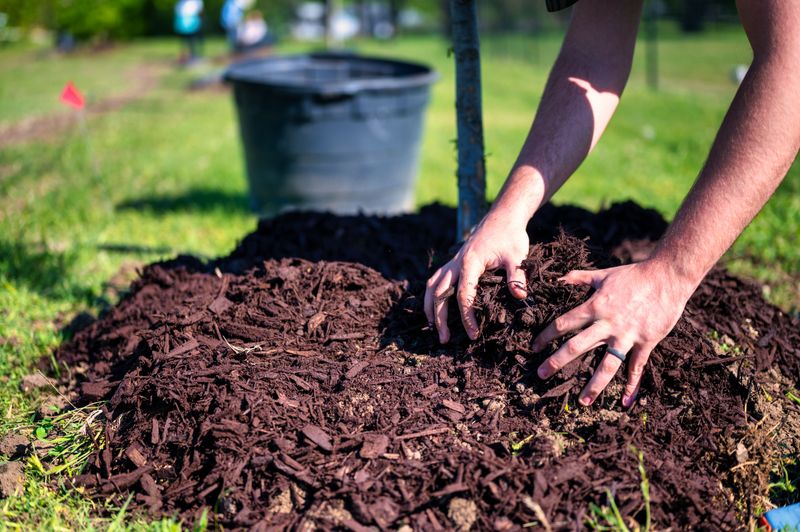
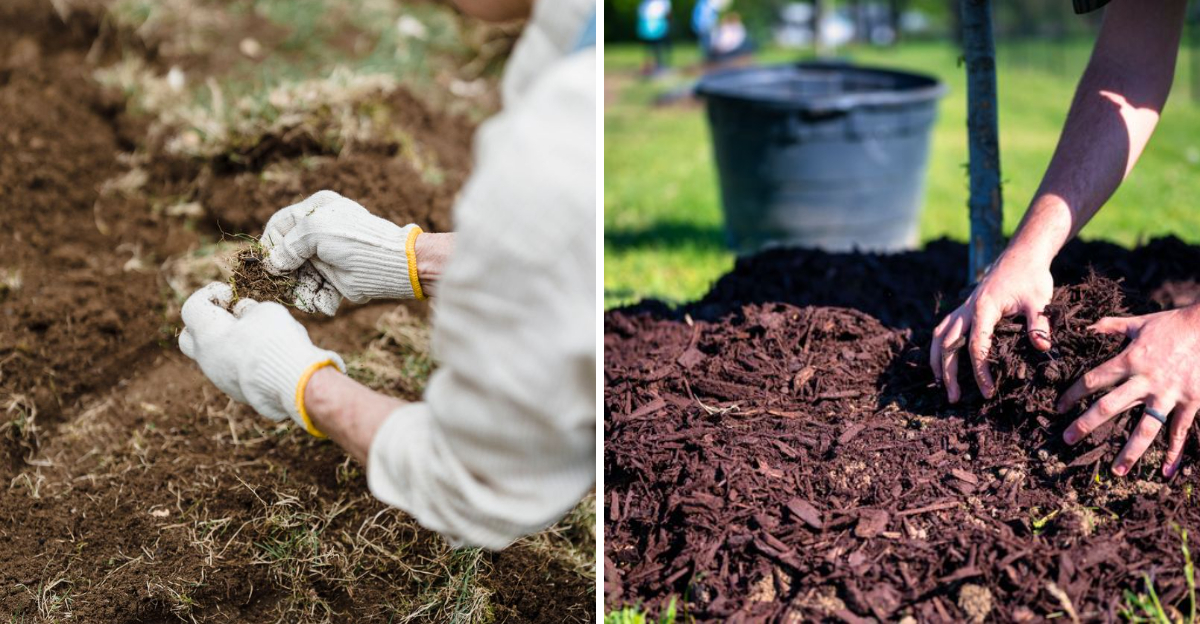
Bare soil and heavy rain are a destructive combination. Without protection, raindrops hit exposed dirt and scatter it in every direction, carrying nutrients and seeds along for the ride.
A fresh layer of mulch acts like a buffer between the sky and your soil. It slows the impact of each raindrop and keeps the ground from eroding during a downpour.
Aim for a two-to-three inch layer around all your plants before a major storm. Too thin and it washes away; too thick and it can trap moisture against stems and cause rot.
Pine straw is a popular choice in Mississippi gardens because it is affordable and widely available. It knits together nicely and resists washing better than loose wood chips.
Pull mulch slightly away from plant stems before you spread it. A small gap prevents crown rot and keeps air circulating at the base of each plant.
Hardwood bark mulch breaks down over time and feeds the soil as it decomposes. Refreshing it before storm season serves double duty for both protection and long-term soil health.
Check your vegetable garden beds especially. Bare patches between plants are prime targets for erosion and compaction from heavy drops.
Compost can also work as a light top dressing before rain arrives. It improves soil structure and helps water absorb rather than run off.
A well-mulched garden after a storm looks almost untouched. That calm, tidy surface is proof the preparation actually worked.
4. Move Potted Plants To Higher, Sheltered Ground
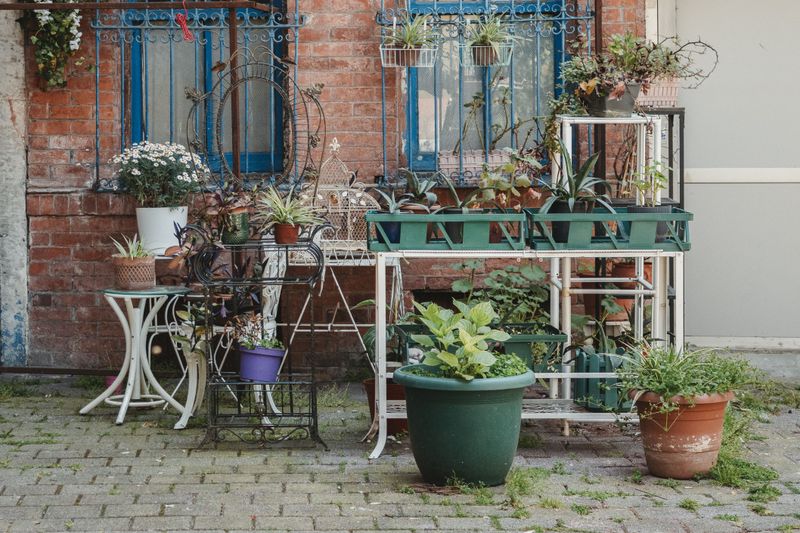
Potted plants are both the most flexible and most forgotten part of storm prep. They can be moved, but most gardeners leave them exactly where they are until it is too late.
Heavy rain can tip over large containers, snap off branches, and flood root systems in pots with poor drainage. Terracotta pots can crack when saturated soil expands and shifts inside the container.
Before rain arrives, scout your yard for pots sitting in low spots or exposed areas. Move lightweight containers to a covered porch, garage, or sheltered wall first.
Heavy ceramic or stone planters may need two people and a dolly to relocate safely. Do not wait until the storm is an hour away to realize you cannot lift that massive urn alone.
Elevating pots on bricks or pot feet helps drainage even when you cannot move them indoors. Water that pools under a pot can seep back up through drainage holes and waterlog roots.
Group smaller containers together in a sheltered corner for extra wind protection. Clustered pots support each other and reduce the surface area exposed to gusts.
Hanging baskets should come down before any storm with forecasted high winds. A swinging basket in high wind can break brackets and damage whatever is below it.
Tender tropical plants in pots are especially worth protecting since they struggle to recover from root flooding. A few minutes of effort now prevents weeks of recovery later.
Treat your pots like guests you care about. Bring them in before the storm and welcome them back when the sky clears.
5. Check Gutters And Downspouts For Blockages
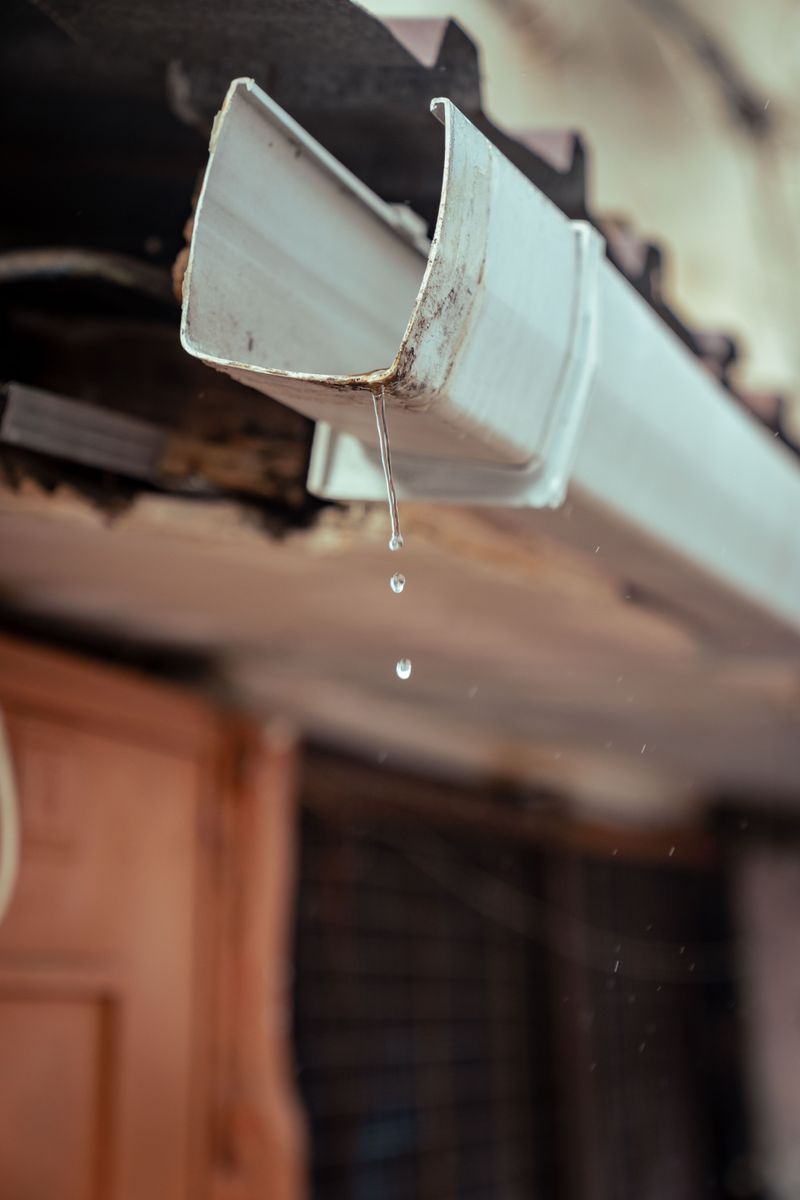
Gutters do more garden protection work than most people realize. When they work properly, they quietly direct large amounts of water away from your foundation and flower beds during most storms.
A clogged gutter overflows and dumps sheets of water directly onto the soil below. That concentrated flow carves trenches, buries plants, and saturates roots far faster than normal rainfall.
Before heavy rain arrives, climb up and check each gutter section for leaves, seeds, and debris. Mississippi oaks and sweet gums drop leaves, acorns, and seed pods across multiple seasons, so gutters fill faster than you might expect.
Use a garden hose to flush each downspout after clearing the gutters. A clog deep in the downspout will not be obvious until water starts pouring over the edge of the roof.
Check where downspouts empty out at ground level. Make sure the water exits onto a splash block or extension that carries it away from garden beds.
Downspout extensions are inexpensive and easy to snap on. A simple roll-out style extension can carry water six or more feet away from the foundation.
If gutters clog repeatedly, consider installing gutter guards before the next storm season. They reduce maintenance and keep water flowing when it matters most.
Gardens planted near the foundation are especially at risk from gutter overflow. Even hearty shrubs suffer when buried under a sudden waterfall of roof runoff.
Clean gutters are a small task with an enormous payoff for your garden. Do not skip this step just because it involves a ladder.
6. Hold Off On Fertilizing Right Before A Downpour
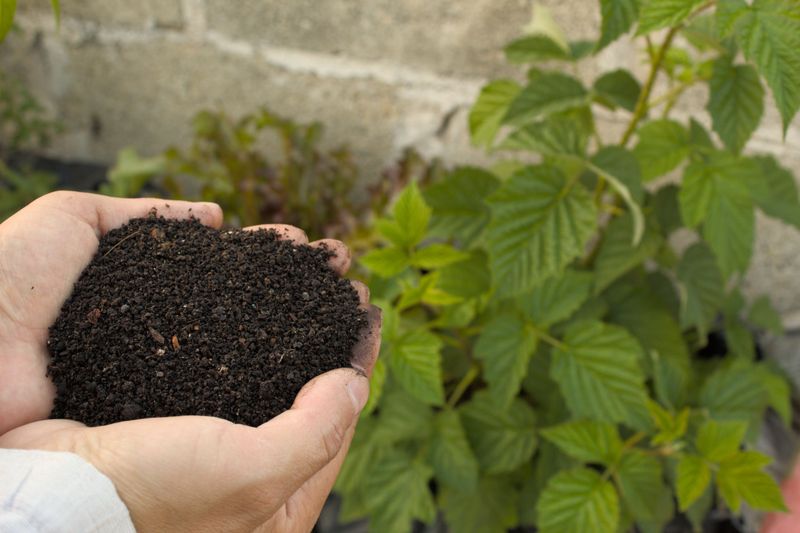
Fertilizing before a heavy storm is like throwing money into a river. Rain washes nutrients straight out of the soil before roots ever get a chance to absorb them.
Nitrogen is especially mobile in wet conditions. A single heavy downpour can carry granular fertilizer off your garden and into nearby waterways, causing environmental harm while doing nothing for your plants.
Check your local forecast before feeding any garden bed. If rain is expected within forty-eight hours, hold off and wait for a dry window instead.
Liquid fertilizers are even more vulnerable to washout than granular types. They absorb quickly in dry conditions but run off almost immediately when the ground is already saturated.
Slow-release fertilizers are a smarter option for Mississippi gardeners who deal with frequent rainfall. They break down gradually and resist being swept away by a single storm event.
If you already applied fertilizer and a storm rolls in unexpectedly, water the area lightly before the rain hits. This helps push nutrients slightly deeper into the soil before the heavy drops arrive.
Organic amendments like compost and aged manure behave differently than synthetic fertilizers. They bind to soil particles and hold their nutrients even through moderate rain events.
Read fertilizer labels for application timing guidance. Most manufacturers include specific notes about rainfall windows and soil moisture conditions.
Patience with fertilizing pays off in healthier plants and a cleaner watershed. Good timing makes a real difference when it comes to feeding your garden before heavy rain.
7. Raise Vulnerable Beds With Extra Soil Or Borders
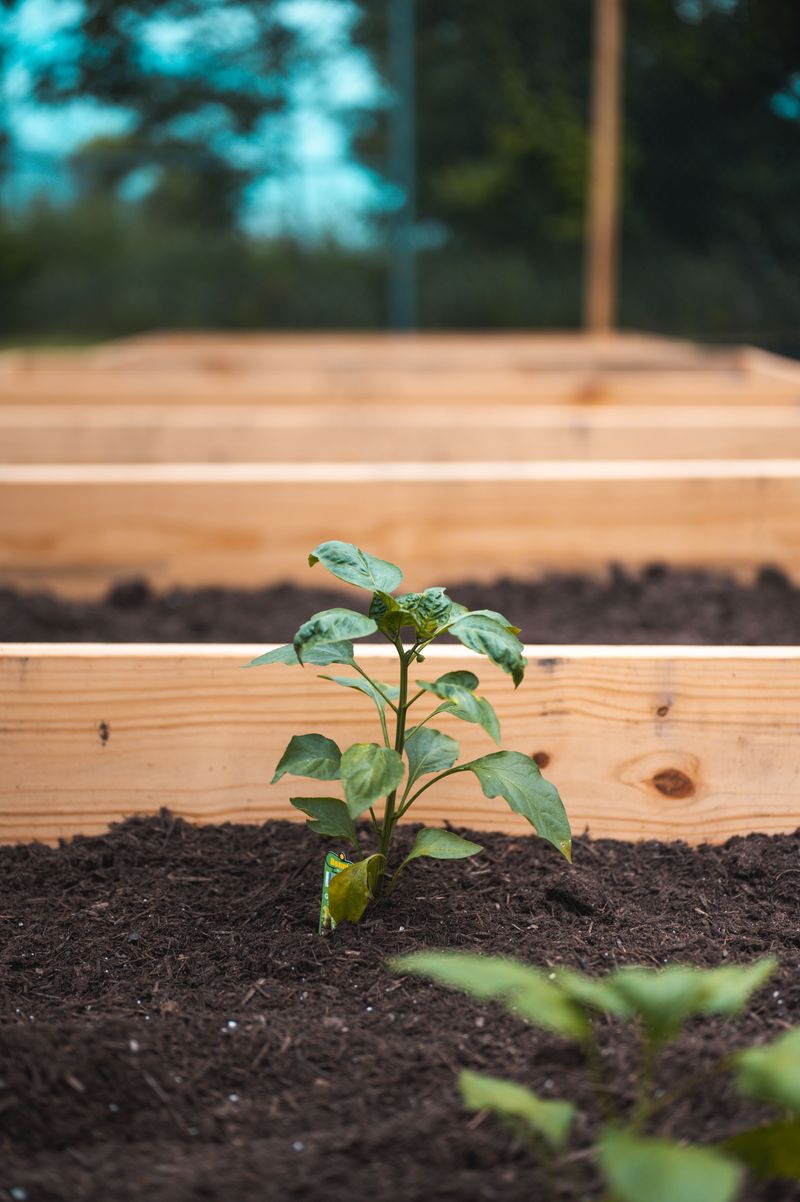
Low garden beds and heavy Mississippi rain are a recipe for root rot. When water has nowhere to go, it pools in place and slowly deprives plant roots of oxygen.
Raising your beds even a few inches above the surrounding ground can make a dramatic difference. Elevation improves drainage, keeps soil structure intact, and gives roots the breathing room they need after a storm.
Adding fresh topsoil or a blend of compost and native soil is the simplest way to build height. Aim for a minimum of six to eight inches of loose, well-draining mix in any vulnerable bed.
Wooden borders, concrete blocks, or galvanized metal edging all work well as raised bed frames. Choose materials that resist moisture and hold their shape through repeated wet and dry cycles.
Even a four-inch raise changes how water moves through a bed during heavy rainfall. Water flows to the lowest point, so slightly elevated beds stay drier than ground-level plots.
Strawberries, herbs, and root vegetables are especially sensitive to waterlogged conditions. Raising these beds before storm season protects the crops you care about most.
Mound planting is an older technique that works on the same principle. Shaping soil into gentle hills before planting helps water run off rather than collect at the crown.
Check your bed borders for gaps or weak spots before the next storm. A broken edge lets soil pour out during heavy flow, undoing weeks of careful preparation.
A raised bed is an investment in every harvest that follows. Build it up now and let the rain work in your favor instead of against you.
8. Inspect The Yard For Erosion After Storms Pass
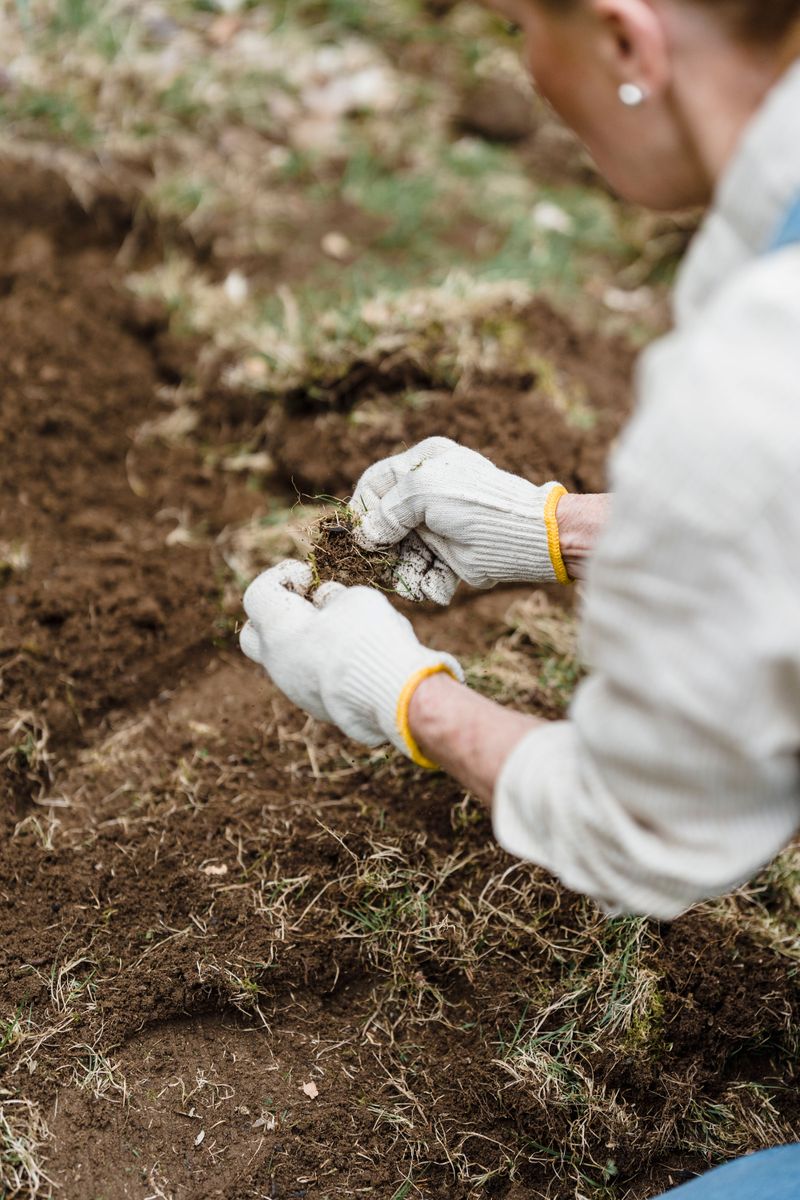
After the clouds clear and the birds come back, your yard has a story to tell. Reading that story carefully is how Mississippi gardeners prepare even better for the next storm.
Walk every garden bed and path within twenty-four hours after a major rain event. Look for exposed roots, displaced mulch, washed-out soil, and any new channels cut by runoff.
Eroded areas need attention before the next storm arrives. Bare soil left uncovered will erode even faster the second time since the protective top layer is already gone.
Take photos of problem spots for future reference. Documenting erosion patterns helps you plan smarter drainage solutions and identify which beds need more protection next season.
Gullies or channels that appear after storms show exactly where water is moving fastest across your yard. These are the spots that need French drains, ground cover plants, or stone borders most urgently.
Refill any areas where soil has washed away from around plant roots. Exposed roots dry out quickly in heat and become entry points for pests and disease.
Check slopes and hillside beds especially carefully. Sloped ground loses soil at a much higher rate than flat areas during intense rainfall events.
Ground cover plants like creeping phlox or liriope help anchor soil on slopes between storms. Their roots hold the ground together and slow surface runoff naturally.
Post-storm inspection is not cleanup, it is strategy. Every problem you spot and fix now makes your garden stronger and more ready for the next time heavy rain arrives in Mississippi.