The Right Time To Water Plants During A Kentucky Heat Wave
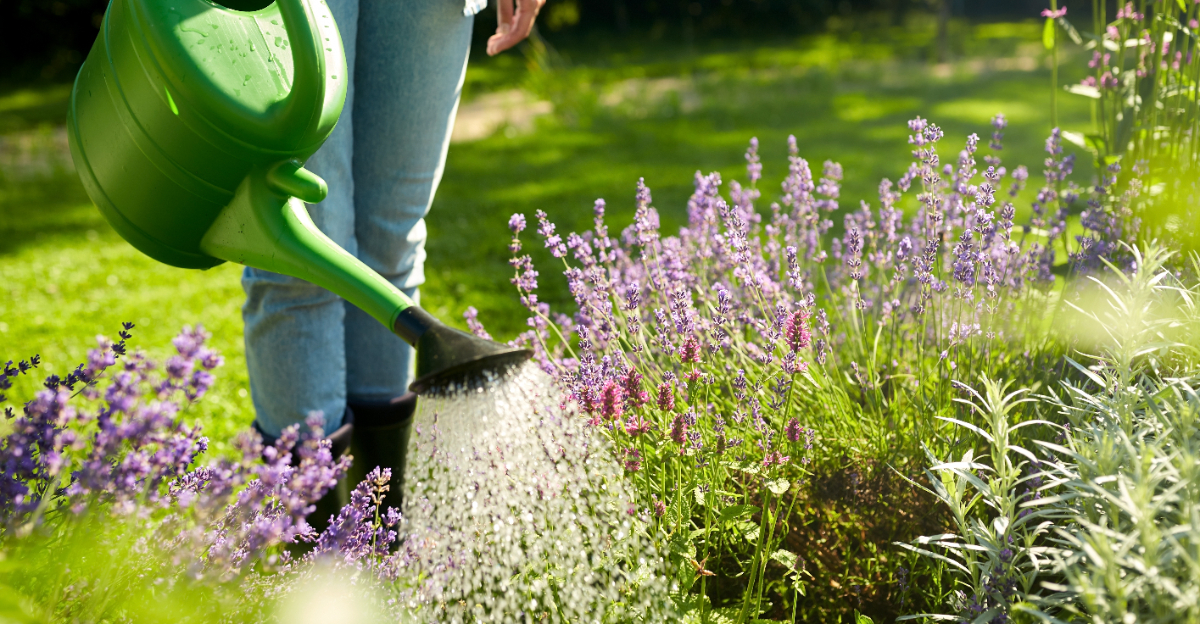
Kentucky summers don’t ease in, they arrive swinging, with mercury climbing past 95 degrees and humidity clinging to every surface. Your garden feels it first, leaves curling by early afternoon while the soil cracks like old pottery.
Most gardeners reach for the hose on instinct, watering whenever the thought crosses their mind. That habit costs you, because timing decides if roots drink deep or water just evaporates off scorched topsoil.
A few smart adjustments during peak heat separate a yard that wilts by noon from one that shrugs off the sun.
Early Morning Is The Best Time To Water
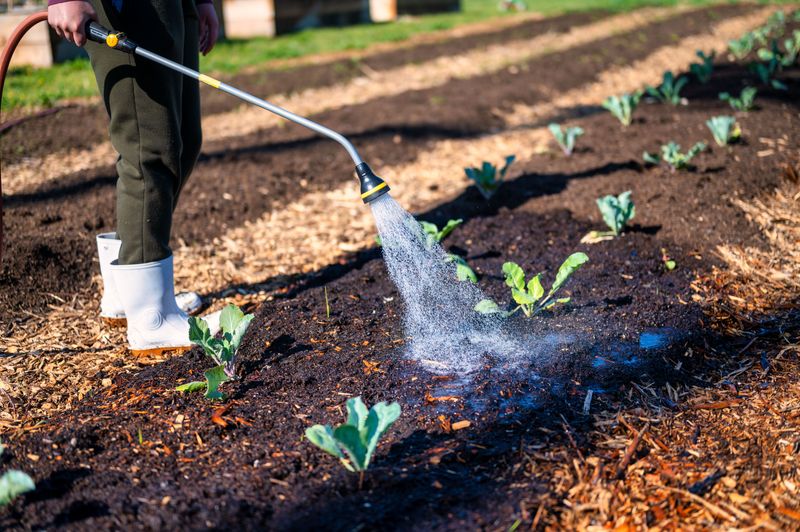
The alarm goes off and the sun is barely up. That quiet window between 5 a.m. and 9 a.m. is pure gold for your garden during a heat wave.
Watering early gives moisture time to soak deep into the soil. Roots drink it up before the midday heat turns your garden bed into a frying pan.
Cool morning air means less water evaporates off the surface. Your plants actually get what you give them, instead of losing half to the atmosphere.
Leaves that get wet in the morning dry out fast once the sun rises. Dry foliage means fewer chances for mold, mildew, or fungal spots to take hold.
The right time to water plants during a Kentucky heat wave is before the heat builds. Missing that window is not the end of the world, but it does cost you efficiency and plant health.
Soil temperature also plays a role most gardeners overlook. Cooler morning soil absorbs water more evenly, spreading moisture to a wider root zone.
Think of early watering as giving your plants a full breakfast before a long, hard day. They store that hydration and use it slowly as temperatures climb toward afternoon peaks.
Setting a simple timer on your sprinkler or drip system makes this effortless. You do not even have to wake up early if your system runs itself at 6 a.m. Your plants will thank you by noon.
Evening Watering Can Invite Fungal Problems
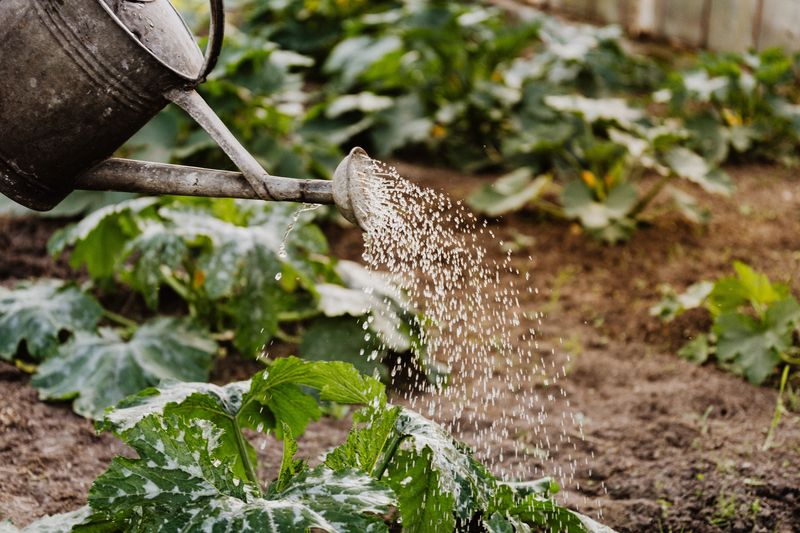
Evening watering feels logical after a scorching day. The sun is down, it is cooler, and you finally have energy to go outside.
The problem is that wet leaves at night stay wet for hours. Darkness and humidity create a perfect environment for fungal spores to settle in and spread.
Powdery mildew, black spot, and leaf blight all thrive when moisture lingers on foliage overnight. Kentucky summers are already humid enough without you adding extra dampness at 8 p.m.
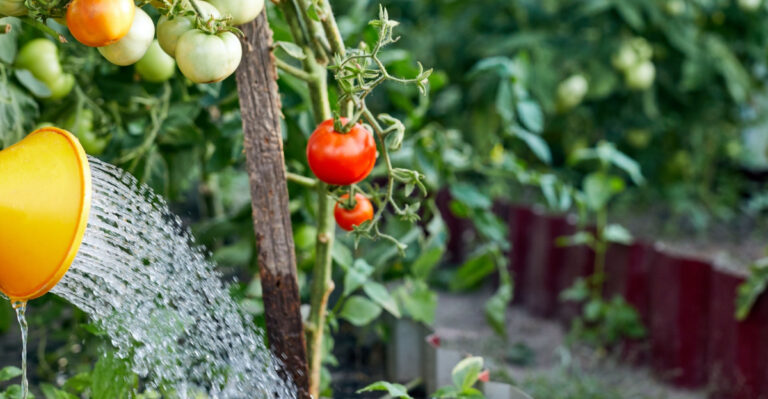
If evening is your only option, aim the water at the soil instead of the plant. A drip hose or soaker line keeps moisture off leaves entirely.
Fungal infections can spread from one plant to another surprisingly fast. Once they take hold in humid conditions, they are stubborn to remove without chemical treatment.
Root rot is another risk when soil stays too wet overnight in poorly draining beds. Heavy clay soils common across central Kentucky hold water longer and compound the issue.
Your Kentucky Garden Changes Every Week. Your Plan Should Too.
Gardening in Kentucky changes quickly throughout the season. Every Friday you’ll receive a simple weekly plan showing exactly what to plant, prune, fertilize, harvest, and protect so you never miss the right timing.
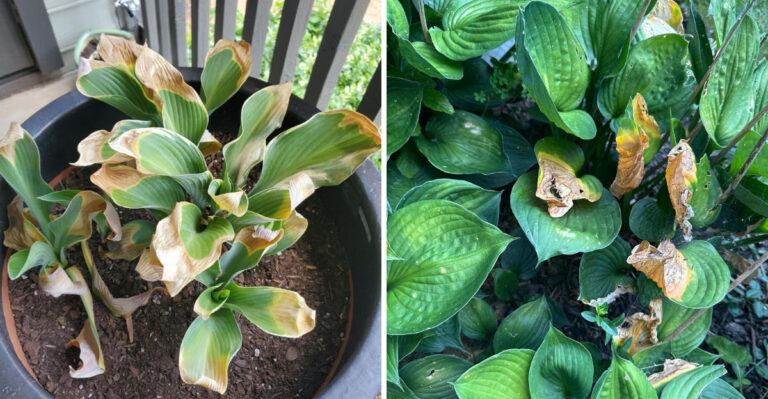
Gardeners who consistently water at night often notice yellowing leaves and mushy stems by mid-summer. Those symptoms are not from heat alone. Fungal damage looks a lot like heat stress at first glance.
Shifting your schedule to morning protects your plants without any extra effort or expense. One small change in routine can save an entire season of growth and color.
Signs Your Plants Need Water During Extreme Heat
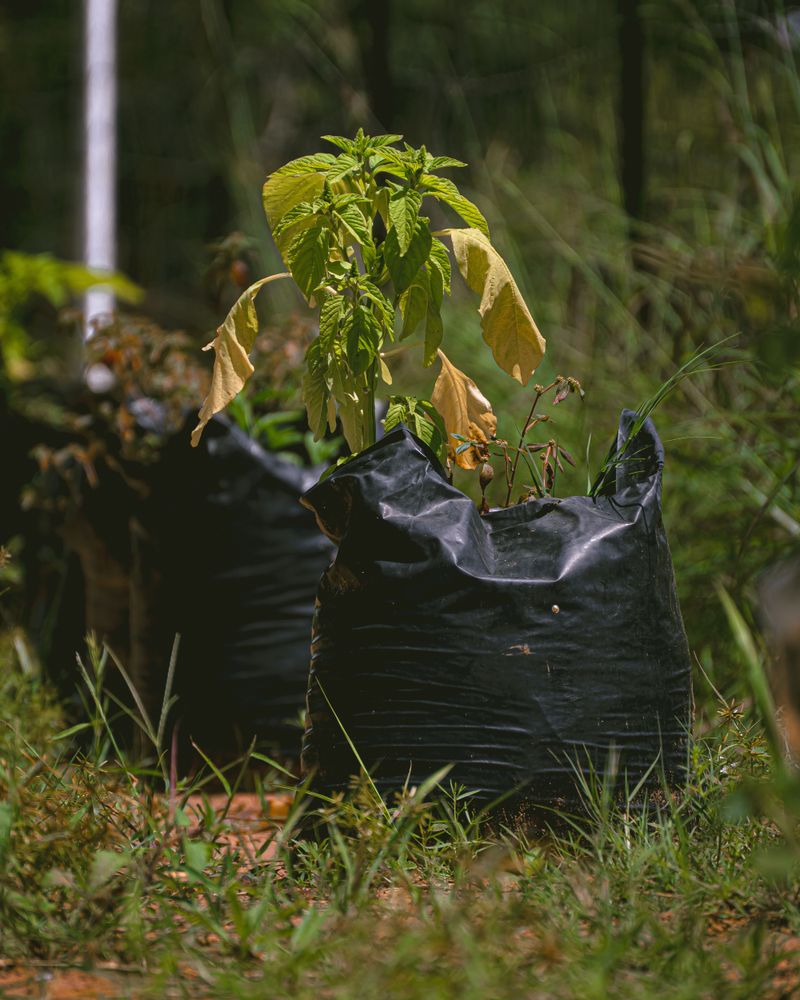
Wilting is the most obvious cry for help your garden sends. Leaves curl inward, stems droop, and the whole plant looks like it just ran a marathon.
Check the soil before you grab the hose, though. Some plants wilt during peak afternoon heat even when the soil is still moist enough.
Scratch two inches below the surface with your finger. If the soil feels dry at that depth, your plant genuinely needs water right away.
Crispy or brown leaf edges are another signal that moisture is running low. These edges rarely recover once they dry out, so catching them early matters.
Yellowing lower leaves can also point to inconsistent watering. Plants under heat stress often shed older foliage to conserve what little energy they have left.
Flower drop is a sneaky sign many gardeners miss. Tomatoes, peppers, and squash will drop their blooms when they are too stressed to support reproduction.
Soil pulling away from the edges of pots or raised beds signals severe dryness. That gap means water will run around the root ball instead of soaking in.
Knowing these signs helps you respond before damage becomes permanent. A plant showing two or three of these signals at once needs attention immediately, not tomorrow morning.
Staying observant during a heat wave is the difference between a thriving garden and a struggling one. Your plants are constantly sending you signals. You just have to learn their language.
Watering Frequency During A Heat Wave
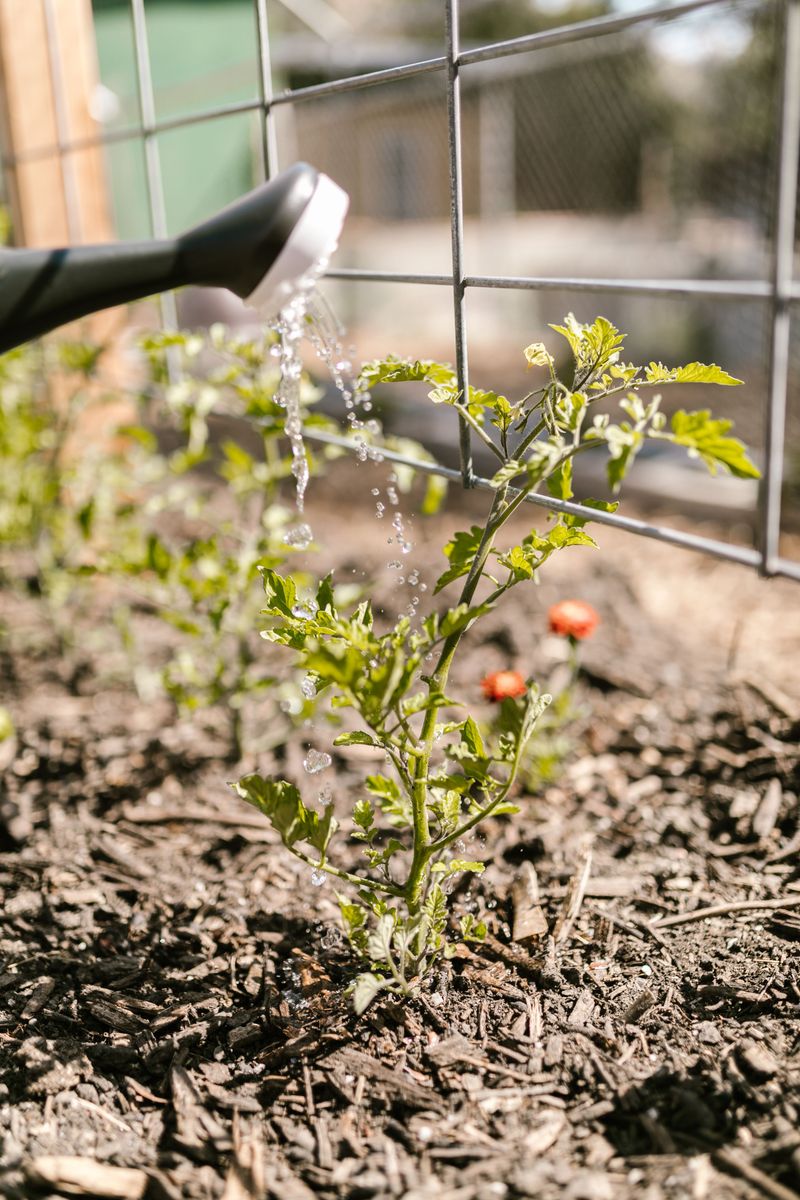
There is no single answer that fits every garden, every plant, or every soil type. Frequency depends on what you are growing and what is under your feet.
Most vegetables need water every one to two days during a heat wave. Shallow-rooted crops like lettuce and herbs dry out faster than deep-rooted tomatoes or squash.
Container plants need the most attention of all. Pots heat up quickly in direct sun and can dry out completely within a single afternoon.
Sandy soils drain fast and need more frequent watering. Clay soils hold moisture longer but can bake hard on the surface and repel water if they dry out completely.
A rain gauge or moisture meter takes the guesswork out of your schedule. Both are inexpensive tools that give you real data instead of gut feelings.
During a Kentucky heat wave, check your containers every morning during the heat wave. A quick lift test works too. Light pots need water. Heavy ones can wait another day.
Established trees and shrubs are tougher than they look. They generally need a deep soak once a week rather than daily light sprinkles.
New transplants and seedlings are the most vulnerable members of your garden. They need consistent moisture every day until their roots spread wide enough to find water on their own.
Building a simple watering schedule saves plants and saves time. Write it down, stick to it, and adjust as the weather shifts through the week.
Deep Watering Versus Frequent Light Watering
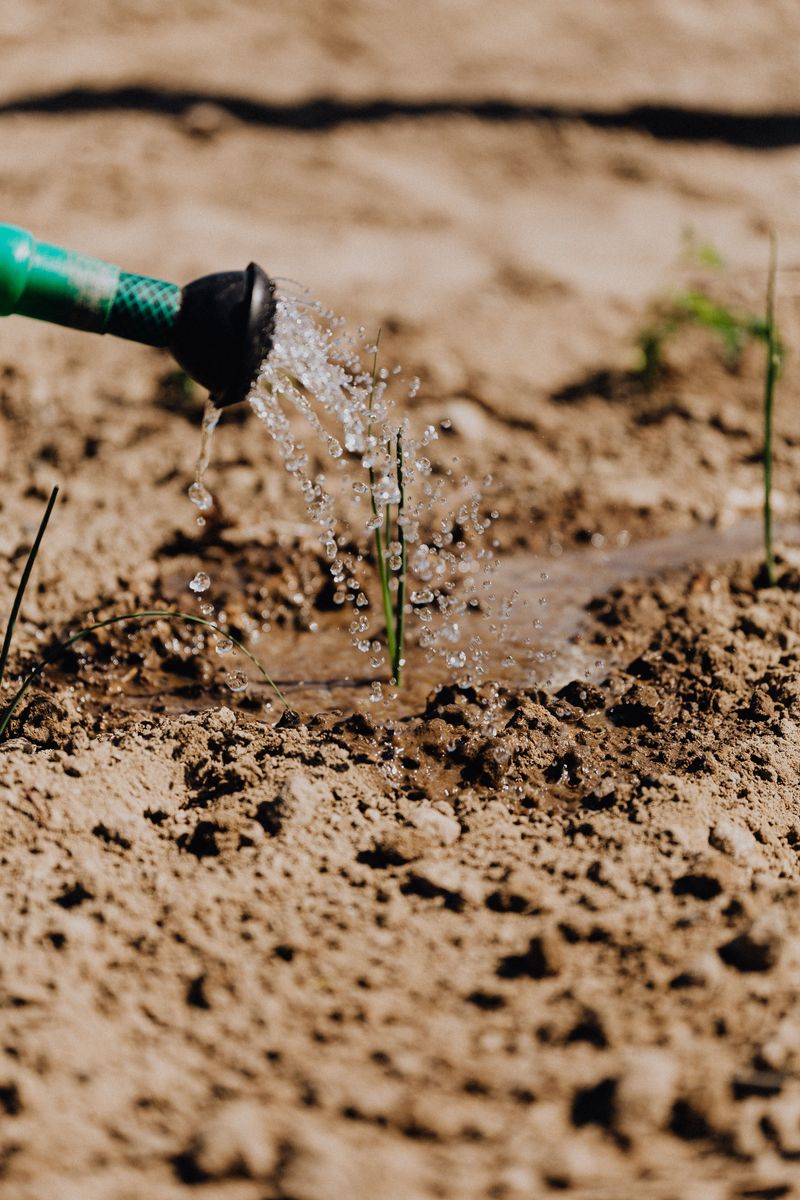
Shallow watering is one of the most common mistakes gardeners make during hot weather. It feels productive but leaves roots thirsty just below the surface.
Light watering trains roots to stay near the top of the soil. Those shallow roots are the first to suffer when temperatures spike and the surface dries out fast.
Deep watering pushes moisture six to twelve inches into the ground. Roots follow that moisture downward and become far more heat-tolerant over time.
A slow, steady soak for twenty to thirty minutes is more effective than five minutes of quick spraying. The goal is saturation at root depth, not just surface dampness.
Soaker hoses and drip irrigation systems are the champions of deep watering. They deliver water slowly right at the base of the plant with minimal evaporation loss.
Mulch works hand in hand with deep watering. A two to three inch layer of straw or shredded wood slows evaporation and keeps soil temperature from spiking between sessions.
The finger test helps you confirm depth. After watering, push your finger into the soil. Moisture should reach at least two inches below the surface for annuals and vegetables.
For trees and shrubs, water should penetrate eight to twelve inches. A long slow trickle from a hose left at the base for forty-five minutes accomplishes this effectively.
Training your plants to reach deep for water makes them stronger all season. Deep roots are resilient roots, and resilient roots survive heat waves that would overwhelm weaker plants.
Adjusting Your Schedule As Temperatures Drop
Heat waves do not last forever, even when it feels like they will. When temperatures start dropping back toward the low 80s, your watering routine needs a reset.
Overwatering after a heat wave is just as damaging as underwatering during one. Cooler air means slower evaporation, and soil stays wet much longer between sessions.
Start by stretching your watering intervals by one day. If you were watering every day, try every other day and check the soil before each session.
Watch how your plants respond as the weather moderates. Perky, upright leaves and firm stems are signs the root zone has enough moisture without being waterlogged.
Fall in Kentucky can still bring surprise hot spells that sneak in after a cool week. Stay flexible and check the forecast rather than locking into a rigid schedule.
Reducing water frequency also helps plants begin their natural hardening process. Slightly drier conditions in late summer signal plants to toughen up for the coming season change.
Lawn grasses benefit from the same adjustment. Tall fescue and Kentucky bluegrass, the state’s dominant lawn grasses, both appreciate less frequent but deeper sessions as summer fades.
Cutting back on water gradually is healthier than stopping abruptly. Sudden changes in soil moisture stress roots that are already recovering from extreme heat exposure.
The right time to water plants during a Kentucky heat wave shifts as conditions change. Staying tuned in to your garden through every weather swing keeps your plants thriving all the way to frost.