The Summer Watering Mistakes Pennsylvania Indoor Gardeners Make Every Single Year
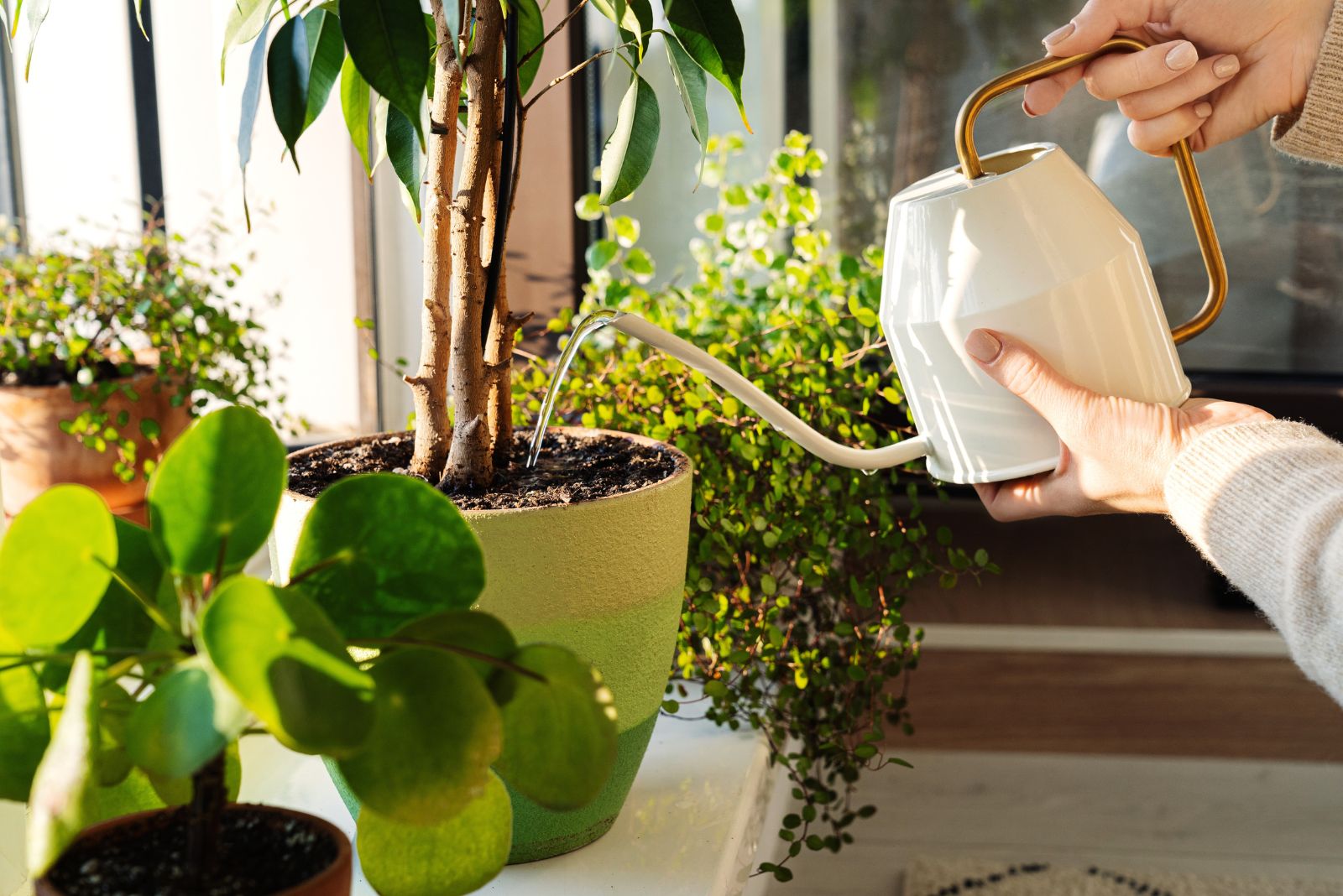
Summer changes everything for indoor plants in Pennsylvania, and most houseplant owners do not fully adjust their care routines to reflect that. The assumption tends to be that summer is easier, more light, warmer temperatures, the plants should be happier.
In practice, the combination of higher heat near windows, dry air from air conditioning, longer days, and faster soil drying creates a set of conditions that are significantly different from spring and fall.
Watering habits that worked perfectly a few months ago can start causing real problems without any obvious indication of what changed.
The mistakes Pennsylvania indoor gardeners make with summer watering are consistent and predictable, and they show up in plants that look vaguely stressed in ways that are easy to misread.
Getting the summer watering adjustment right protects plants through the stretch of the year when the conditions inside a Pennsylvania home are more variable than most people account for.
1. Overwatering Due To Humidity
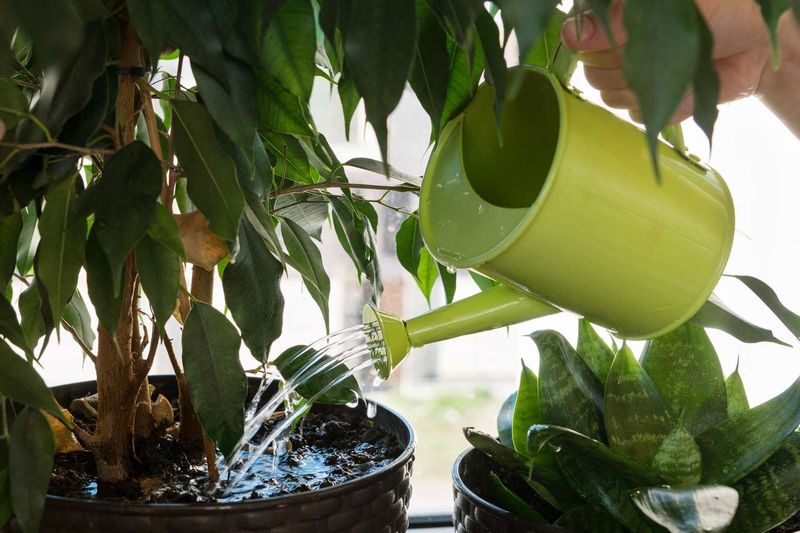
Pennsylvania summers bring thick, sticky humidity that sneaks inside your home and changes everything about how your plants absorb water. Many gardeners keep watering on their usual schedule without realizing the air itself is already giving plants extra moisture.
That extra humidity slows down how fast soil dries out, which means the roots sit in wet conditions far longer than they should.
Root rot is one of the most common results of overwatering in humid conditions. Roots that stay wet for too long start to break down, turning soft and brown.
The plant cannot absorb nutrients properly, and you will start to notice yellowing leaves, mushy stems, and a general drooping look that seems odd since the soil is clearly wet.
Fungal growth is another sneaky side effect. Mold and mildew love moist environments, and overwatered pots in a humid room are basically an open invitation.
You might spot white fuzzy patches on the soil surface or notice a musty smell coming from your plant containers.
The fix is simpler than you might think. Start by checking the soil before you ever reach for the watering can.
Stick your finger about two inches into the soil. If it still feels damp, skip watering that day and check again tomorrow.
A basic moisture meter from any garden store can also take the guesswork out of the process completely. Adjusting your watering habits to match the season, not the calendar, is the smartest move you can make for your indoor plants during a Pennsylvania summer.
2. Ignoring Seasonal Light Changes
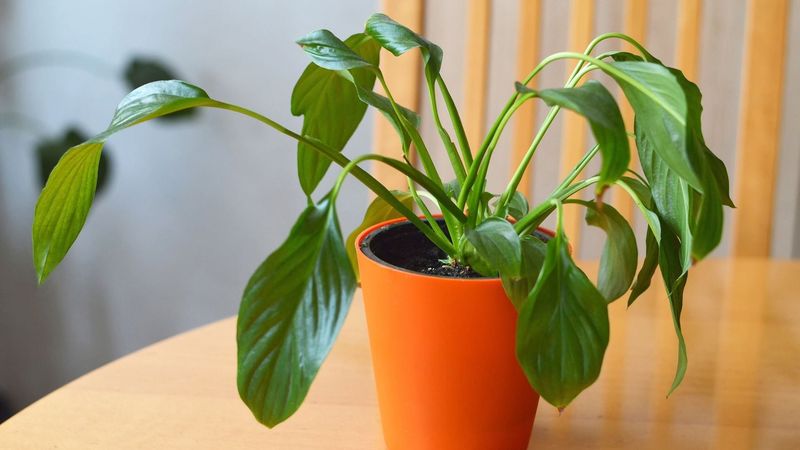
Something shifts in your home every June that most gardeners never stop to notice. The days grow longer, the sun climbs higher in the sky, and suddenly your windows are letting in way more light than they did back in March.
More light means more energy for your plants, which also means they are working harder, growing faster, and using up water at a quicker pace than usual.
When you ignore this seasonal shift, you risk under-watering without even realizing it. A plant that only needed water twice a week in spring might now need it three or even four times a week in summer.
Your Pennsylvania Garden Changes Every Week. Your Plan Should Too.
Gardening in Pennsylvania changes quickly throughout the season. Every Friday you’ll receive a simple weekly plan showing exactly what to plant, prune, fertilize, harvest, and protect so you never miss the right timing.
The signs of under-watering can be easy to miss at first. Leaves may look slightly dull, curl at the edges, or feel a bit crispy to the touch.
On the flip side, some plants get moved closer to windows for summer and end up getting too much direct light. That intense sun dries out the soil rapidly, and if you are not checking regularly, the roots can become stressed from lack of moisture.
Paying attention to how quickly the top inch of soil dries out is the best way to stay on top of this. Make it a habit to check your plants every other day during peak summer months.
Also, if you rotate plants to take advantage of the longer daylight, note how their water needs change with their new spot.
Seasonal awareness is one of the most underrated skills in indoor gardening, and it becomes especially important during Pennsylvania’s bright, long summer days when light levels shift dramatically from room to room.
3. Using Cold Tap Water
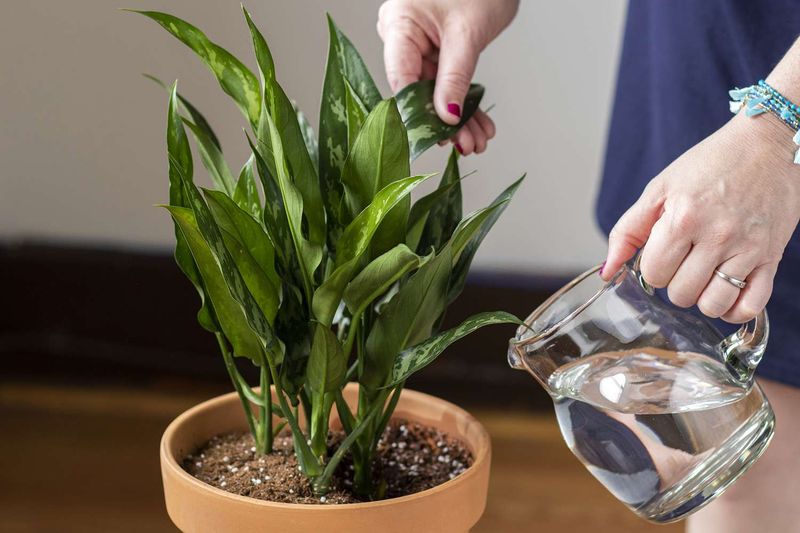
Picture this: it is a hot July afternoon, you grab the watering can, fill it straight from the cold tap, and drench your favorite tropical houseplant. It seems perfectly fine, right?
Actually, cold water hitting warm roots can be a real shock to the plant’s system, almost like jumping into a freezing pool on a hot day. Tropical plants, in particular, are very sensitive to temperature changes at the root level.
When cold water is applied, it can cause the tiny root hairs responsible for absorbing water and nutrients to temporarily shut down.
The plant cannot take in what it needs, which leads to stress symptoms like wilting, leaf curling, or even brown spots appearing on the foliage. Over time, repeated cold water exposure can weaken the root system significantly.
Room-temperature water is the easiest solution. Simply fill your watering can the night before and let it sit on the counter overnight.
By morning, the water will have reached room temperature naturally. Some gardeners even let the water sit out for a full 24 hours, which also allows any chlorine in tap water to evaporate, making it gentler on sensitive plant roots.
If you have fish tank water available, that is actually an excellent choice for houseplants. It is already at room temperature and contains natural nutrients from the fish waste that act like a mild fertilizer.
During Pennsylvania summers when your home stays warm, a little extra care about water temperature goes a long way toward keeping your tropical houseplants thriving, healthy, and growing strong all season long without unnecessary root stress.
4. Watering Without Checking Soil Moisture
Watering on a strict schedule feels organized and responsible, but it can actually work against your plants more than you realize. Every plant is different.
Every pot is different. Every spot in your home gets different amounts of light, airflow, and heat.
Sticking to a rigid watering routine ignores all of those variables and treats every plant like it has the exact same needs, which simply is not true.
Some weeks, your plant might need water every three days. Other weeks, especially during a cool, cloudy stretch in July, the soil might still be perfectly moist after five days.
Watering before the soil is actually ready creates waterlogged conditions that suffocate roots and invite fungal problems. On the other hand, forgetting to check during a hot, sunny week can leave roots parched and struggling.
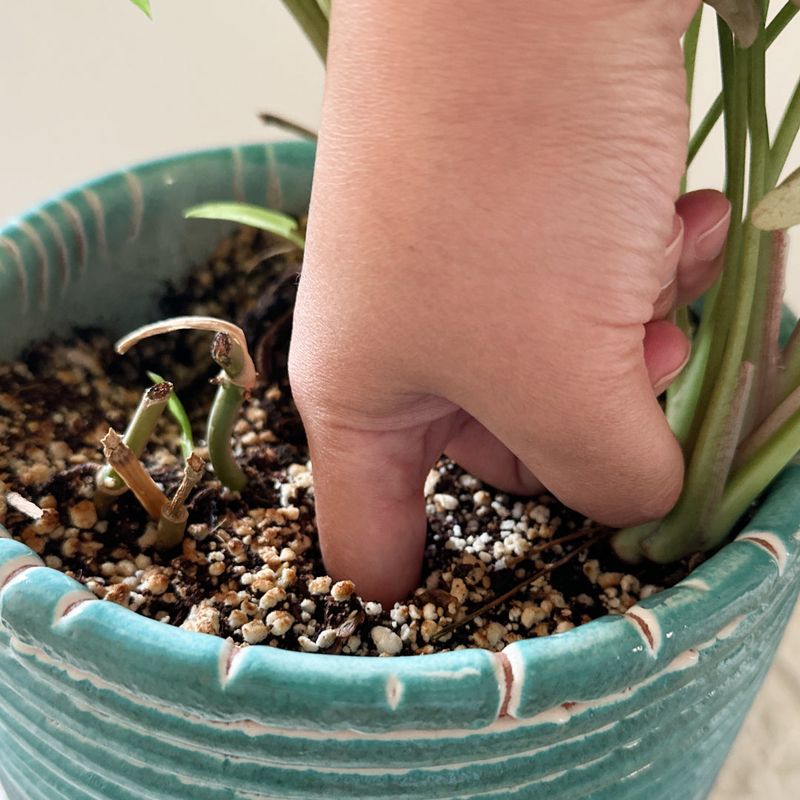
The finger test is one of the most reliable and free tools available to any gardener. Push your finger about one to two inches into the soil near the edge of the pot.
If the soil feels moist, wait. If it feels dry, go ahead and water thoroughly until it drains from the bottom of the pot.
This simple check takes about five seconds and can prevent a whole season of plant problems.
Moisture meters are another great option if you want a more precise reading. They are inexpensive, easy to use, and available at most garden centers and online.
Building the habit of checking before watering, rather than watering by the clock, is one of the biggest mindset shifts a Pennsylvania indoor gardener can make during the unpredictable summer months when conditions change week to week.
5. Watering Leaves Instead Of Soil
Misting and spraying plant leaves might look beautiful on social media, but during a humid Pennsylvania summer, it can quietly cause real damage. Wet foliage in a warm, humid environment is basically a welcome mat for fungal diseases.
Powdery mildew, leaf spot, and other common plant diseases thrive when moisture sits on leaves for extended periods, especially when air circulation indoors is limited.
Many gardeners mist their plants thinking it boosts humidity or helps the plant absorb water through its leaves. While some tropical plants do benefit from occasional misting, doing it too frequently during summer can lead to more harm than good.
Water droplets sitting on leaves under bright light can also act like tiny magnifying glasses, causing small burn spots to appear on the foliage.
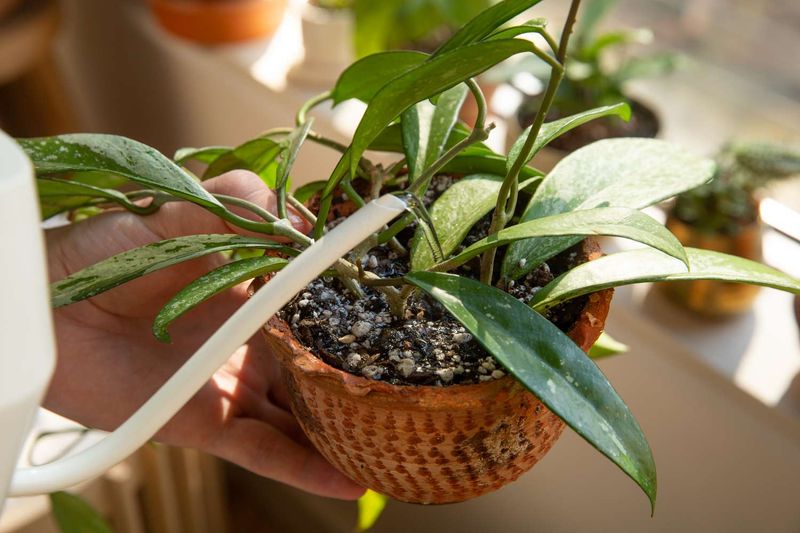
The roots are where your plant actually drinks. Watering directly at the soil line ensures moisture goes exactly where it needs to go.
It also helps you avoid splashing soil onto leaves, which can carry bacteria and fungal spores up onto the plant. A long-spouted watering can makes this easy by letting you direct water precisely at the base of the plant without disturbing the foliage at all.
If your plants genuinely need more humidity during summer, try placing a small tray filled with pebbles and water beneath the pot. As the water evaporates, it creates gentle humidity right around the plant without wetting the leaves.
A small humidifier nearby works even better for humidity-loving plants. Keeping leaves dry while keeping roots well-watered is a simple but powerful habit that protects your plants all summer long.
6. Not Adjusting For Container Type
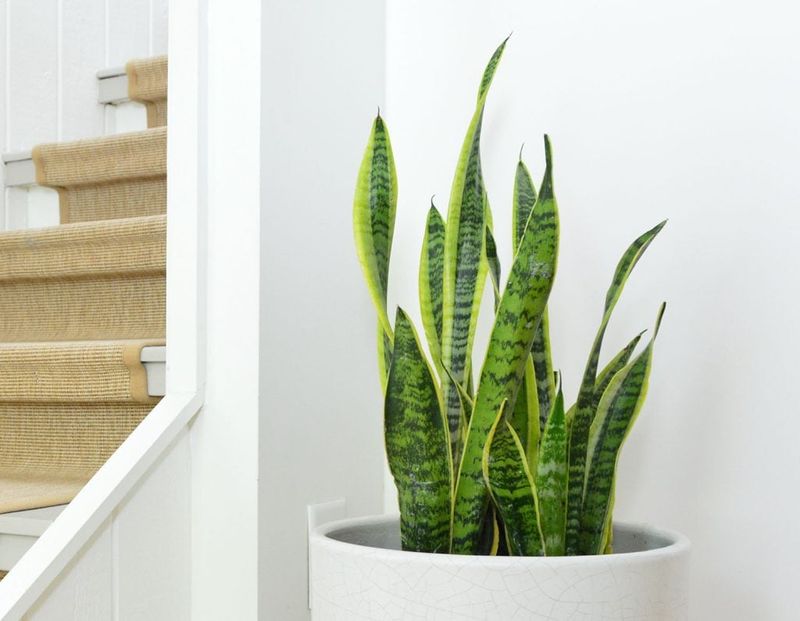
Not all pots are created equal, and your watering routine should reflect that. A terracotta clay pot is porous, meaning it allows air and moisture to pass through its walls.
That is great for plants that like to dry out between waterings, but it also means the soil inside dries out much faster, sometimes twice as fast as in a plastic pot. During a hot Pennsylvania summer, a clay pot sitting in a sunny room might need watering every two days.
Plastic pots, on the other hand, hold moisture in much longer because they are non-porous. Water cannot escape through the sides, so the soil stays wet for a longer period.
For plants that like consistently moist soil, plastic pots work wonderfully. But if you are growing something that prefers dry conditions, like succulents or cacti, a plastic pot can easily lead to soggy roots and slow, struggling growth.
Glazed ceramic pots fall somewhere in the middle. The glaze seals the outer surface, reducing moisture loss through the pot walls but not eliminating it entirely.
These are popular choices for decorative indoor plants and generally retain moisture a bit longer than unglazed terracotta but not quite as long as plastic.
Getting to know your containers is just as important as getting to know your plants. Take note of how quickly the soil dries in each type of pot you own. Adjust your watering frequency accordingly rather than treating every plant the same way.
Summer heat speeds up evaporation across the board, so checking your clay pots more frequently and your plastic pots less often will keep your entire indoor garden balanced, healthy, and thriving all season long.