The Surprising Meaning Behind A Cardinal Visiting Your Wisconsin Yard
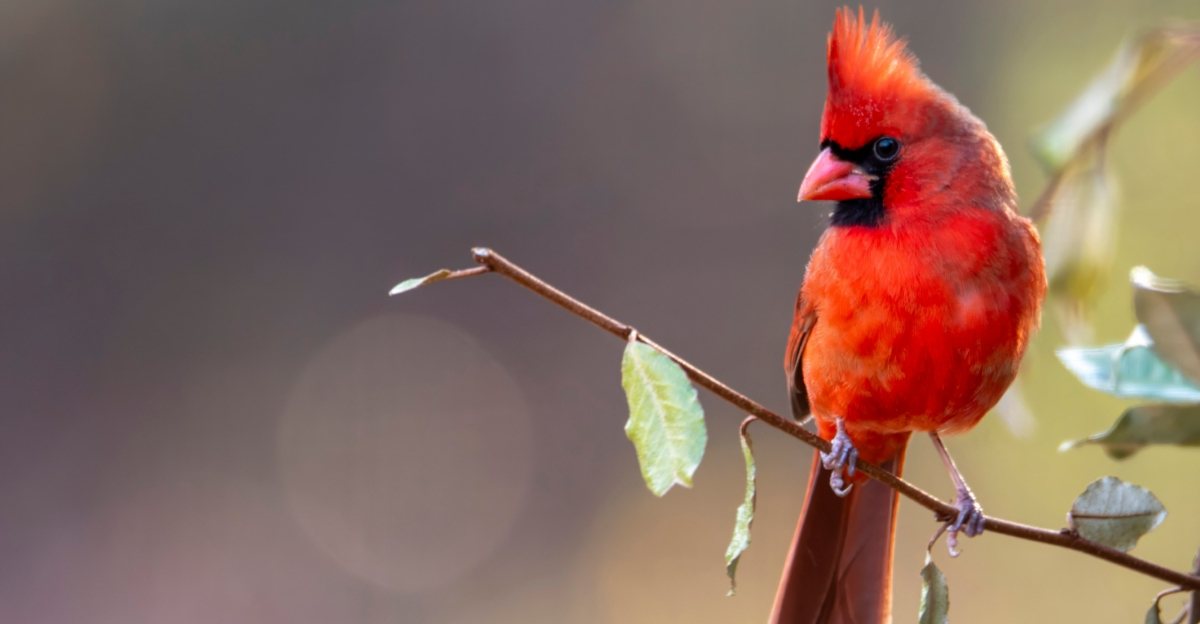
A flash of brilliant red against a snow-dusted Wisconsin morning is one of nature’s most breathtaking surprises. Cardinals do not wander into yards by accident.
Every visit carries meaning. These vivid, feathered creatures respond to specific cues in their environment, from food availability to habitat quality and shifting seasons.
The bold male, draped in crimson, is particularly hard to ignore. But beyond the beauty, something deeper is happening right outside your window.
Cardinals are remarkably sensitive to the health of their surroundings, and their presence often reflects how well your yard supports local wildlife. The plants you grow, the shelter you provide, and the food sources you offer all send invitations.
Wisconsin yards that attract these birds regularly are doing something right. Learn to read the quiet signals a cardinal brings, and your backyard will never look quite the same again.
Your Yard Is A Healthy, Welcoming Habitat
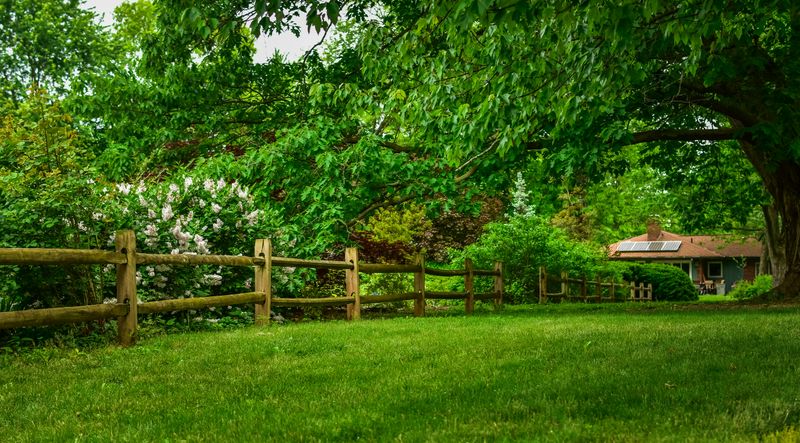
A cardinal visiting your Wisconsin yard is basically a five-star review for your outdoor space.
These birds are picky about where they spend their time, and they will not stick around a yard that feels unsafe or barren.
When one shows up and lingers, it is a reliable sign your yard has earned a genuine place in the local bird community. Cardinals look for yards that offer a layered mix of shelter, food, and open ground, and a yard that provides all three becomes a consistent destination.
They favor spots with dense shrubs, low tree branches, and a variety of seeds scattered nearby. Keeping your yard tidy but not sterile is the sweet spot that attracts these birds.
A manicured lawn with zero plant life is like a parking lot to a cardinal, but a yard with layers of vegetation sends a warm welcome signal.
Native grasses, berry-producing bushes, and leaf litter all contribute to that inviting feel. Sunflower seeds and safflower seeds in a sturdy feeder can seal the deal and turn a one-time visitor into a regular.
Cardinals also appreciate low feeders or platform-style ones because they are not big fans of clinging to narrow perches.
If your yard is drawing these birds in, pat yourself on the back because you have created something genuinely worth visiting.
The Local Ecosystem Is Well Balanced
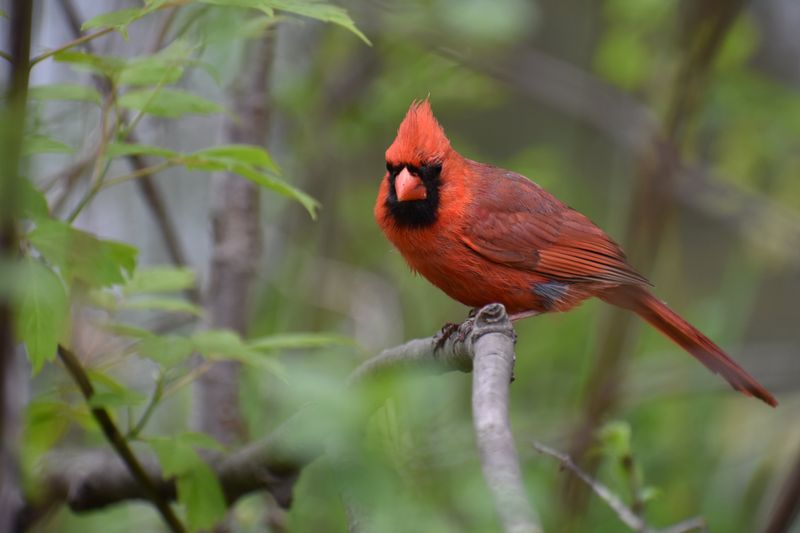
Here is something that might surprise you: cardinals are actually a living indicator of ecosystem health.
When these birds appear in your yard, they are not just passing through on a whim. They are responding to a web of conditions that tells them this patch of land is working the way nature intended.
A balanced ecosystem means there are enough insects, seeds, and berries to support multiple layers of wildlife.
Cardinals sit in the middle of that food web, eating both plant material and small invertebrates depending on the season.
When they show up, it often means the bugs, the soil, and the plant life around you are all doing their jobs.
Healthy ecosystems also support predator populations that keep rodents and invasive species in check.
Your Wisconsin Garden Changes Every Week. Your Plan Should Too.
Gardening in Wisconsin changes quickly throughout the season. Every Friday you’ll receive a simple weekly plan showing exactly what to plant, prune, fertilize, harvest, and protect so you never miss the right timing.
When that balance exists, songbirds like cardinals feel secure enough to forage and nest without constant threat.
A yard surrounded by functioning green space is essentially waving a green flag at every bird in the area.
Paying attention to which other birds and animals share your yard alongside the cardinal can tell you even more.
Diverse wildlife in one space almost always signals that the surrounding environment is stable and productive.
So the next time a cardinal lands just a few feet from you while you are drinking your morning coffee, consider it a quiet confirmation that the natural world around your home is holding its own beautifully.
Native Plants And Shrubs Are Thriving Nearby
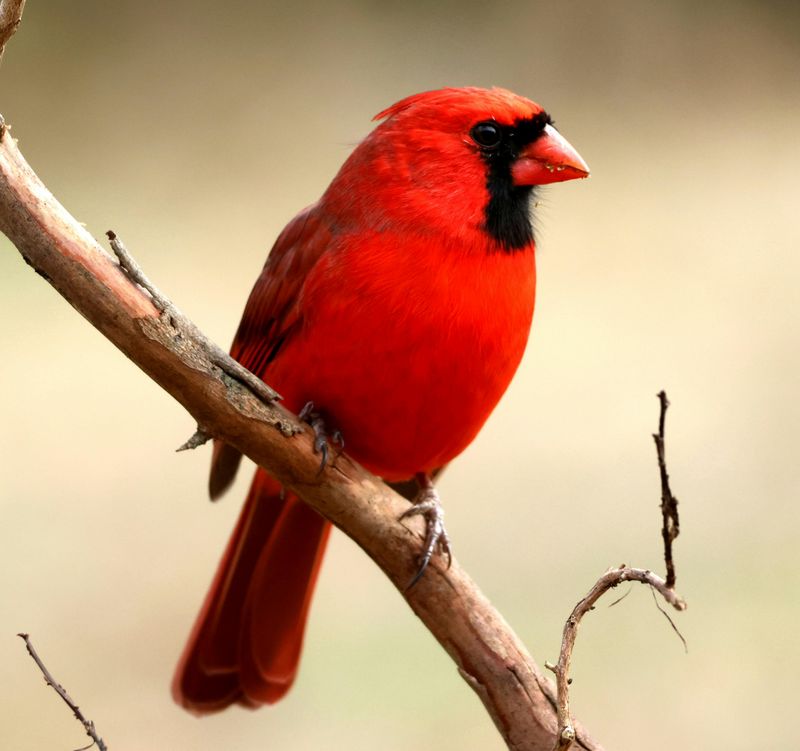
Native plants are basically cardinal magnets, and if one of these birds has found your yard, chances are good that native vegetation is within easy reach.
Cardinals have evolved alongside the plants that naturally grow in their region, so they know exactly which berries, seeds, and branches to seek out.
Spotting one near your home is often a sign that native greenery is thriving somewhere close by.
Plants like dogwood, elderberry, hawthorn, and wild grape are among the favorites for cardinals across the Midwest.
Wild grape and hawthorn can spread vigorously, so choosing locally sourced native varieties and monitoring their growth helps keep your yard balanced.
These species produce the exact type of food and cover that cardinals depend on through every season.
If any of these grow in your yard or a neighboring property, you have likely just rolled out the red carpet without even knowing it.
Native shrubs also provide the dense, thorny cover that cardinals prefer for roosting and sheltering from predators.
A thicket of native growth is not just pretty landscaping, it is functional bird real estate. Cardinals will return again and again to a spot that offers both food and a safe place to tuck in during cold snaps or stormy weather.
Adding even a few native plants to your yard can dramatically increase the number and variety of birds you attract.
Start small with a berry-producing shrub or a clump of native grasses, and watch what happens over the following weeks.
Nature responds faster than most people expect, and a cardinal sighting shortly after planting might be your first exciting reward.
Seasonal Change Is Approaching
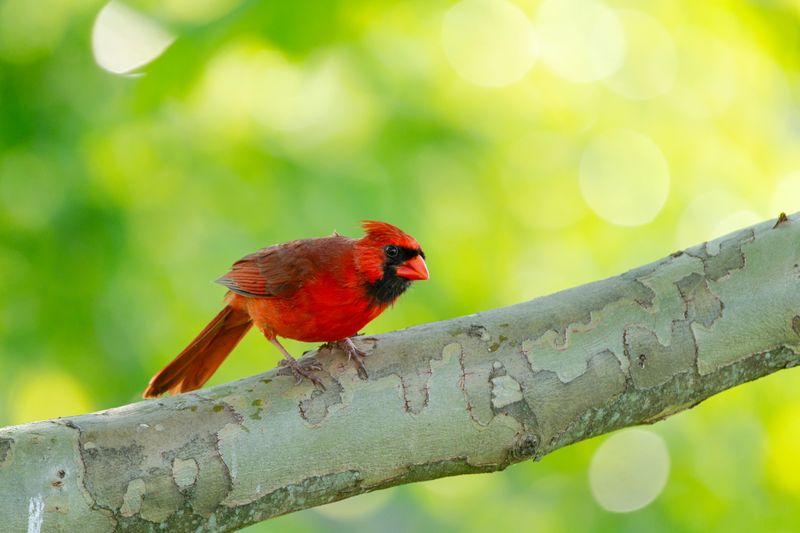
Cardinals are not migratory birds, which makes them extraordinary seasonal storytellers.
Unlike robins that vanish south when temperatures drop, cardinals stay put through Wisconsin winters and actually become more visible as the landscape goes bare.
When you start noticing them more frequently in your yard, it is often a quiet heads-up that the season is about to shift.
In late summer and early fall, cardinals begin moving in slightly larger groups called loose flocks. They are stocking up on calories and scouting reliable food sources before the cold really sets in.
If a cardinal is suddenly showing up daily where you rarely saw one before, autumn is likely knocking at the door.
During winter, a heated birdbath makes a significant difference for attracting cardinals when natural water sources freeze solid.
That flash of crimson in a frozen landscape is not just beautiful, it is also a signal that the bird has found your yard reliable enough to depend on during the harshest months.
That kind of trust from a wild creature is genuinely special. Watching cardinal behavior across the seasons gives you a surprisingly accurate read on what is coming weather-wise.
Birds respond to barometric pressure changes and temperature shifts before humans even reach for their phones to check the forecast.
A sudden surge of cardinals at your feeder right before a big storm may not be a coincidence. Birds are thought to respond to shifting barometric pressure, and cardinals may be doing instinctively what they have done for generations.
Clean Water Sources Are Close By
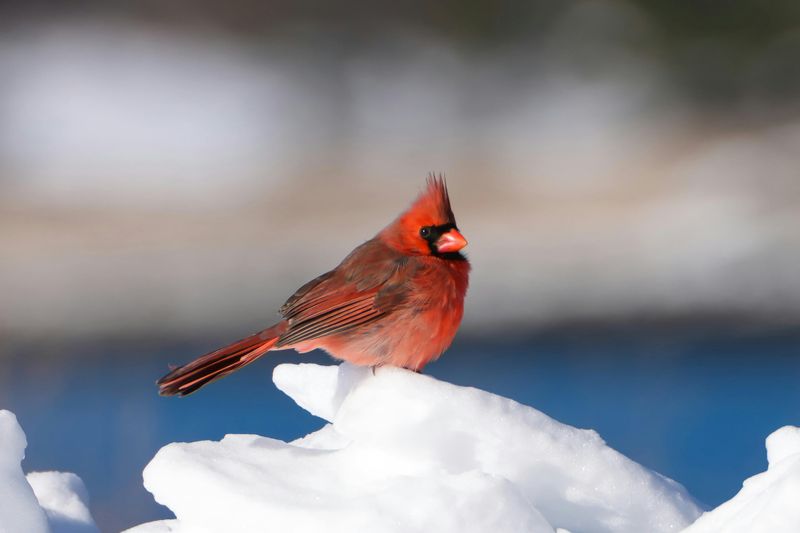
Water is one of the most underrated elements in any bird-friendly yard, and cardinals are no exception to that rule.
Fresh, clean water for drinking and bathing is just as important to these birds as a full feeder.
If a cardinal is spending time in your yard, there is a good chance a reliable water source is somewhere within its daily territory.
Cardinals bathe frequently, especially during warm months, and they prefer shallow, calm water with a gradual entry point.
A deep, steep-sided birdbath is awkward and uninviting for them, but a wide, shallow dish with about two inches of water is exactly what they need to drink and bathe comfortably.
They will splash around enthusiastically, which is honestly one of the most entertaining things you can watch from a kitchen window.
Natural water sources like small ponds, slow streams, or even consistently wet garden beds can also draw cardinals into your neighborhood.
If your yard borders any of these features, you have a natural advantage that many bird enthusiasts work hard to recreate artificially.
Keeping your birdbath topped off and scrubbed clean every few days makes your yard stand out as a premium stop on the local bird circuit.
During winter, a heated birdbath becomes an absolute game-changer for attracting cardinals when natural water sources freeze solid.
Birds expend enormous energy finding open water in cold months, and offering it freely builds real loyalty from your feathered visitors.
A cardinal that finds clean water at your place in January is likely to return to that spot reliably through the season.
Winter Food Sources In Your Area Are Plentiful
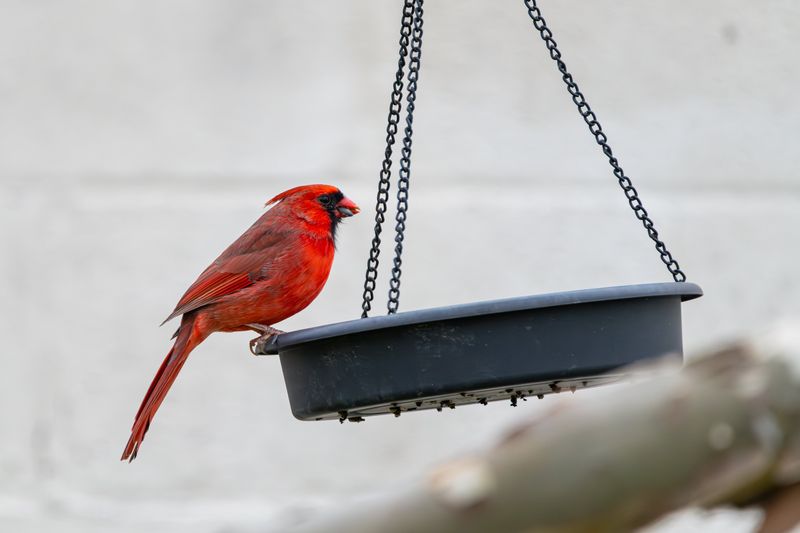
Sunflower seeds piled high in a feeder on a snowy afternoon will bring a cardinal in faster than almost anything else.
These birds are seed-eating specialists, and during winter when insects disappear and berries run out, a well-stocked feeder becomes a lifeline.
A cardinal choosing your yard as a regular winter stop is a direct sign that food is abundant and accessible right where you live.
Safflower seeds are another top choice because squirrels tend to ignore them, which means more food stays available for the birds you actually want to attract.
Cardinals have strong, thick beaks built perfectly for cracking open tough seed shells that smaller birds struggle with.
That powerful beak is one of nature’s most elegant little tools, refined through countless generations of evolutionary adaptation.
Beyond feeders, the presence of seed-producing plants left standing through winter also signals food richness in an area.
Gardeners who resist the urge to cut back their coneflowers and black-eyed Susans in fall are essentially leaving a buffet table outside for cardinals and other songbirds. Those dried seed heads rattling in the January wind are a winter feast hiding in plain sight.
A cardinal that keeps coming back through the coldest months is telling you something important: your yard or neighborhood has cracked the code on winter food availability.
That is not something every yard can claim, and it reflects real effort or fortunate geography.
Keep the feeder full, leave those seed stalks standing, and you will enjoy a splash of red against the snow all season long.
Safe Nesting Spots Exist In Your Surrounding Landscape
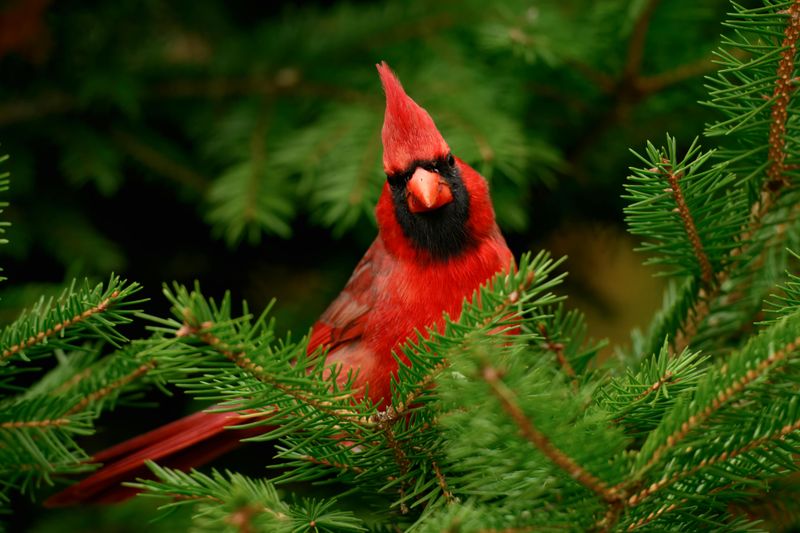
Spotting a cardinal in your yard during spring and early summer carries an especially exciting possibility: a nest might be closer than you think.
Cardinals are secretive nesters that tuck their cup-shaped nests deep into dense shrubs, tangles of vines, or low conifer branches.
A cardinal hanging around your yard during breeding season is a strong signal that the surrounding landscape offers the kind of hidden, protected spots they need to raise a family.
Female cardinals do most of the nest building, weaving together twigs, bark strips, grasses, and leaves into a surprisingly sturdy little structure.
They choose locations that are typically four to eight feet off the ground, well concealed from above and from the sides.
If your yard has dense evergreens, overgrown hedges, or thick ornamental shrubs, you may already be hosting cardinal real estate without knowing it.
Male cardinals are fiercely protective of nesting territory and will famously attack their own reflection in windows or car mirrors during breeding season.
If you notice a male cardinal repeatedly flying at your window, do not be alarmed, he is just doing his job as a territorial defender.
Covering the reflective surface temporarily can spare him the exhausting and unnecessary battle.
Creating a yard with layered vegetation at different heights gives nesting birds the structural variety they need to feel safe.
A cardinal choosing to nest near your home is one of the most rewarding signs that your outdoor space has become a genuine sanctuary.
Few things in nature feel quite as personal as a wild bird deciding your yard is safe enough to raise its young.