The Sweet And Tart Golden Fruit That Illinois Is Proud To Call Its Own
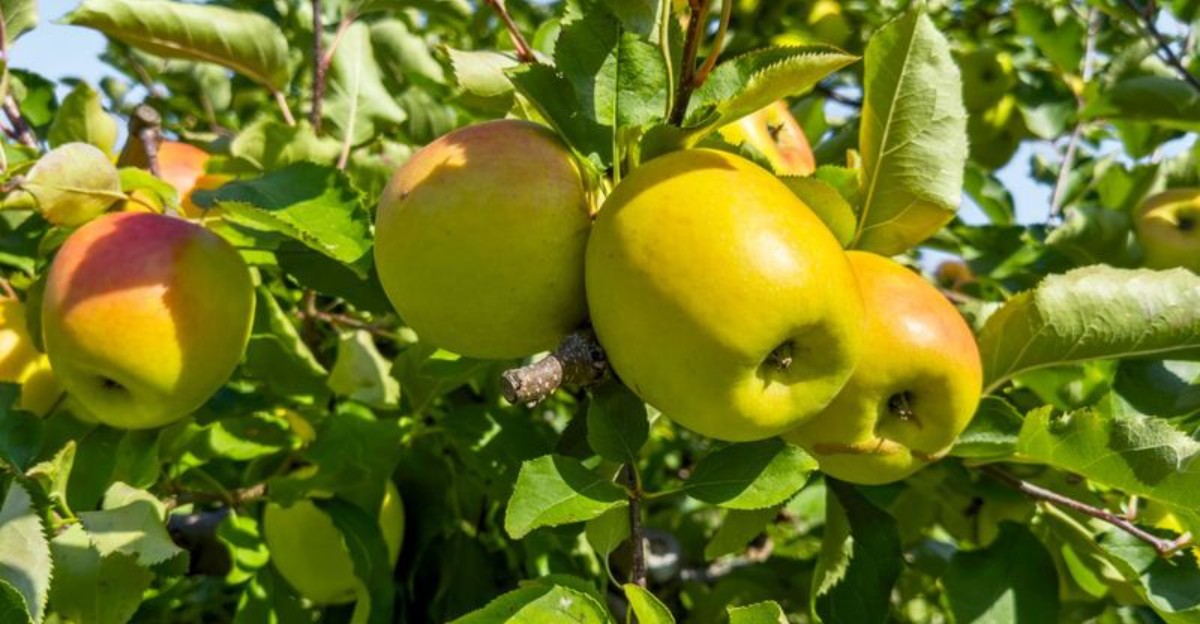
A group of fourth graders helped pick an official state fruit, and lawmakers listened. Those students made their case, and the bill became law in 2007.
The winner was not an old pioneer favorite or a grocery store star. It started as a single cross made in Urbana in 1972, born from a partnership between three universities.
I am surprised how few people in Illinois have tasted it. Fresh off the tree, the bite is sharp and spicy enough to make you squint. A few weeks of cold storage turn that zing into honeyed sweetness with a bright tang.
You can grow this golden treasure in a home orchard, too. It shrugs off one of the most stubborn apple diseases and keeps for months in the fridge. Why is it still a secret to so many Illinois fruit lovers?
A Golden Apple Born in Urbana Has a Surprising Backstory
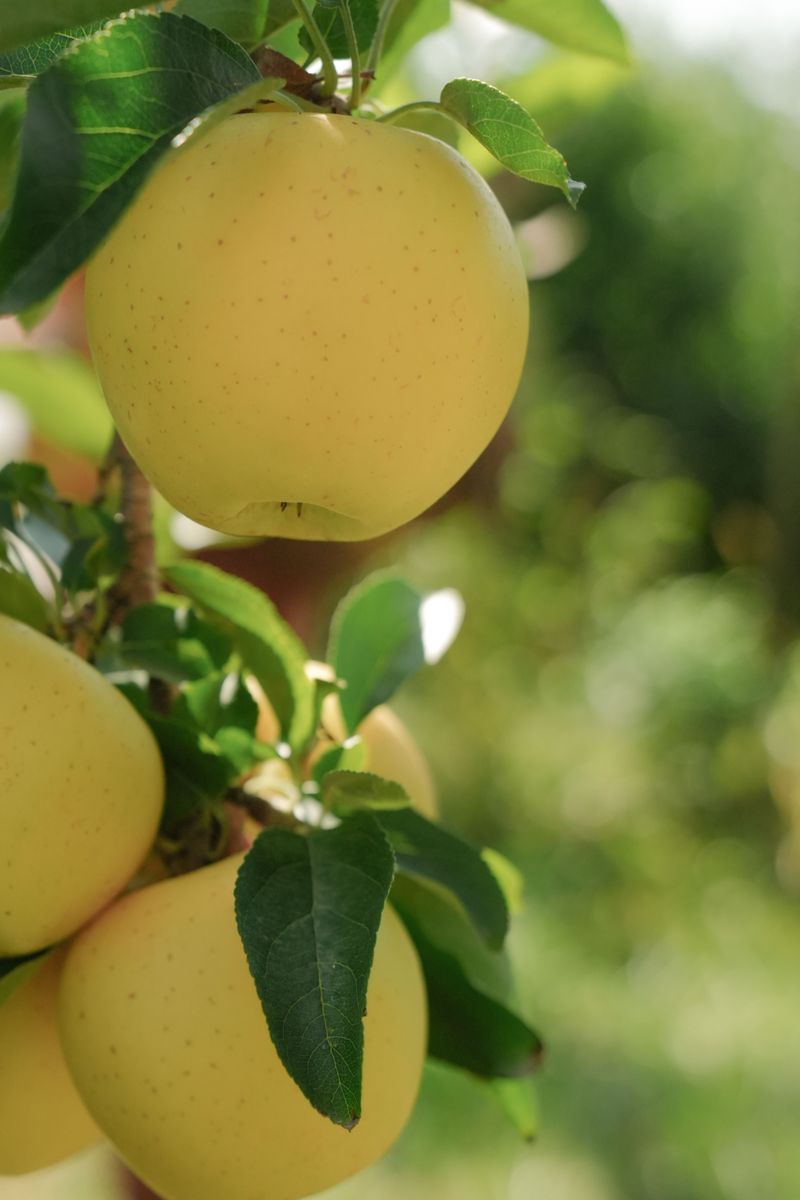
Fourth graders in Woodlawn get the credit for one of my favorite state symbol stories. Students at Woodlawn Grade School campaigned for the GoldRush apple, and Illinois named it the official state fruit in 2007.
Their choice had deep local roots. The original cross was made in Urbana in 1972 as part of the PRI program, a team effort by Purdue, Rutgers, and the University of Illinois.
That PRI name even hides inside other varieties from the program, such as Pristine and Priscilla.
Breeders were chasing one big goal. They wanted apples that could resist apple scab without needing heavy spraying.
GoldRush came from Golden Delicious crossed with a disease-resistant selection, so it carries a famous parent with a tougher backbone.
It took many years of testing before release. The variety was officially introduced in the early 1990s, so it is still fairly young compared to heirloom favorites.
I love that a kid-led project chose a fruit with such a scientific heritage. It shows that state pride can come from a lab and a test orchard, not just old farm lore.
Next time you see GoldRush at a farm stand, you will know its hometown story. Share it with a young gardener and watch their eyes light up.
Fresh-Picked GoldRush Apples Taste Totally Different After a Few Weeks in the Fridge
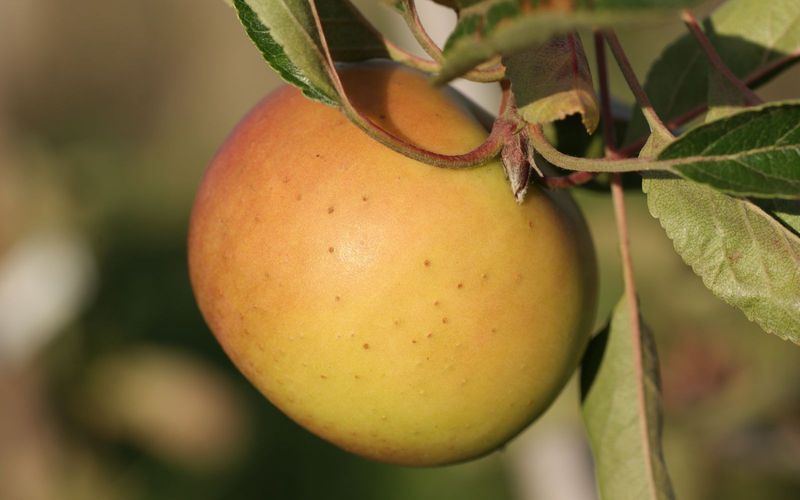
My first bite of a just-picked GoldRush made my cheeks pucker. The flavor was bold, spicy, and very tart, with only a hint of sweetness hiding underneath.
Patience changes everything with this apple. Growers often suggest letting the fruit rest in cold storage for about a month or more.
During that time, the sharp acids mellow and the sugars feel richer, almost like honey with a citrus edge.
Many fans say GoldRush tastes best around midwinter. By then, the skin has often turned from greenish yellow to a warm gold, sometimes with a light blush on the sunny side.
The flesh stays firm and crunchy for a long time. It is pale yellow, fine-grained, and slow to brown after slicing, which makes it a handy choice for lunchboxes.
Try a little taste test at home. Eat one apple right after you buy or pick it, then save a few in your refrigerator crisper drawer.
Sample one every few weeks and jot down what you notice. You will taste the shift from tangy to sweet yourself, and it feels like watching a fruit grow up in slow motion.
Plant Your GoldRush Apple Tree in a Sunny Spot With a Pollination Buddy Nearby
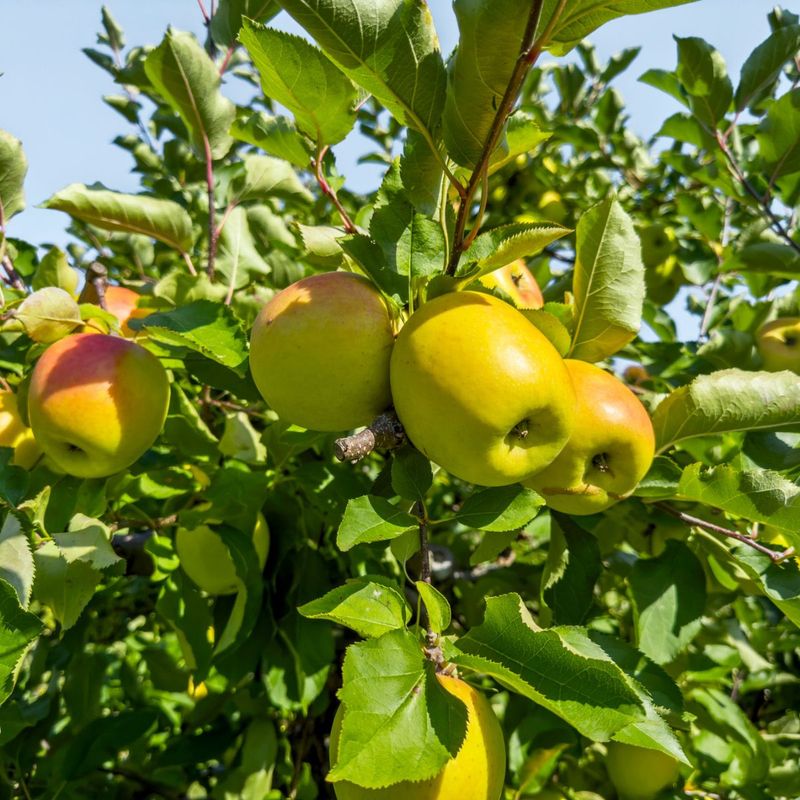
Sunshine is the biggest gift you can give a young apple tree. GoldRush needs full sun, which means at least six to eight hours of direct light each day.
Good drainage matters just as much. Apple roots dislike soggy feet, so choose a spot where rainwater does not puddle.
Slightly acidic to neutral soil, around a pH of 6.0 to 7.0, suits most apples well, and a soil test from your county extension office takes the guesswork out.
One detail trips up many beginners. GoldRush is not self-fruitful, so it needs a different apple variety nearby that blooms around the same time.
Crabapples can also serve as pollinators if their bloom overlaps. Bees carry the pollen between trees, so keeping them within about 50 to 100 feet helps.
GoldRush grows well in USDA zones 5 through 8. That covers most of Illinois, from the cooler north to the warmer south.
Plant bare-root trees in early spring while they are still dormant. Set the graft union above the soil line, water deeply, and spread mulch in a wide ring, keeping it a few inches away from the trunk.
Apple Scab Rarely Bothers These Tough GoldRush Leaves
Apple scab is the headache that sends many backyard growers reaching for the sprayer. Olive-green spots appear on leaves and fruit, and wet springs make it worse.
GoldRush carries the Vf gene, which gives it strong resistance to this common disease. That was the main reason the PRI breeders built it in the first place.
The protection goes further than scab. GoldRush is highly resistant to apple scab, but it can be susceptible to powdery mildew, so scab resistance does not cover every disease.
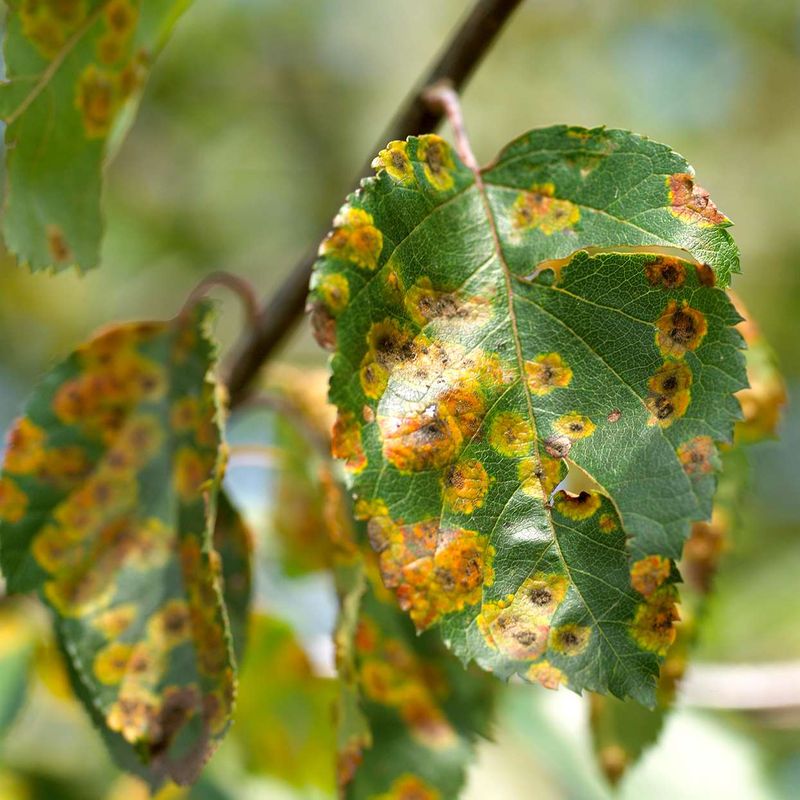
Resistance is not the same as immunity, though. GoldRush can be susceptible to cedar-apple rust, which shows up as bright orange spots on leaves.
Look around your yard for eastern red cedars or junipers. Those trees host the other half of the rust life cycle, so planting your apple farther away can reduce trouble.
Summer diseases such as sooty blotch and flyspeck may leave smudges on the skin. They are mostly cosmetic and can be wiped or peeled away.
Good airflow helps with nearly all of these issues. Prune for an open canopy and rake up fallen leaves each autumn to keep the orchard floor tidy.
Thinning Those Heavy Apple Clusters Keeps Your Tree From Skipping a Year
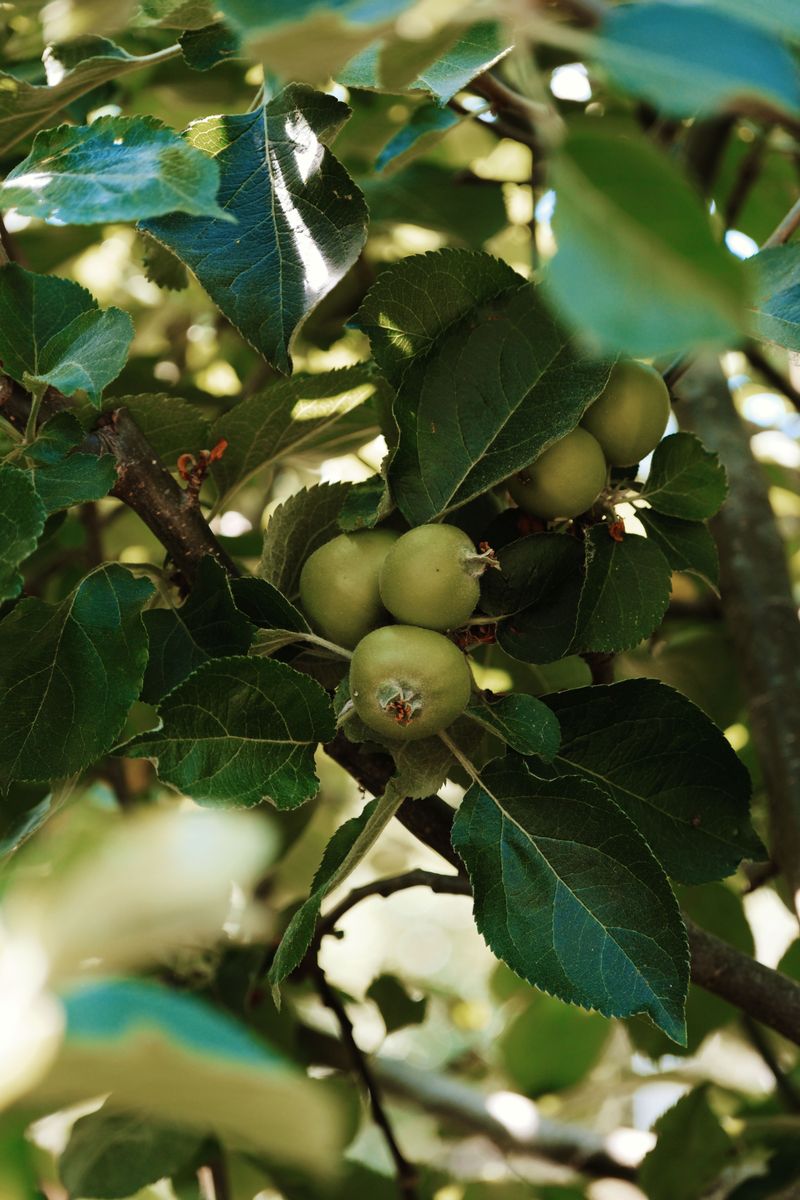
Here comes a tip that feels backward at first. Pulling off baby apples in early summer will give you a better harvest overall.
GoldRush tends to set heavy crops. When a tree carries too much fruit, the apples stay small and the tree may rest the next year, a habit called biennial bearing.
Thinning breaks that cycle. About three to four weeks after bloom, when the fruitlets are roughly the size of a marble or dime, remove the extras.
Keep one apple per cluster, usually the largest. Aim for roughly six to eight inches between remaining fruits along the branch. Snip stems with small scissors so you do not tear the spurs.
I know it feels painful to drop so many tiny apples on the ground. Yet the ones that remain grow larger, sweeter, and healthier.
Water also supports a steady crop. Young trees appreciate about an inch of water per week during dry spells, delivered deeply rather than in quick sprinkles.
Go easy with fertilizer. Too much nitrogen pushes leafy growth instead of fruit, so let a soil test guide your feeding.
GoldRush Apples Wait Until Late Autumn to Ripen on the Branch
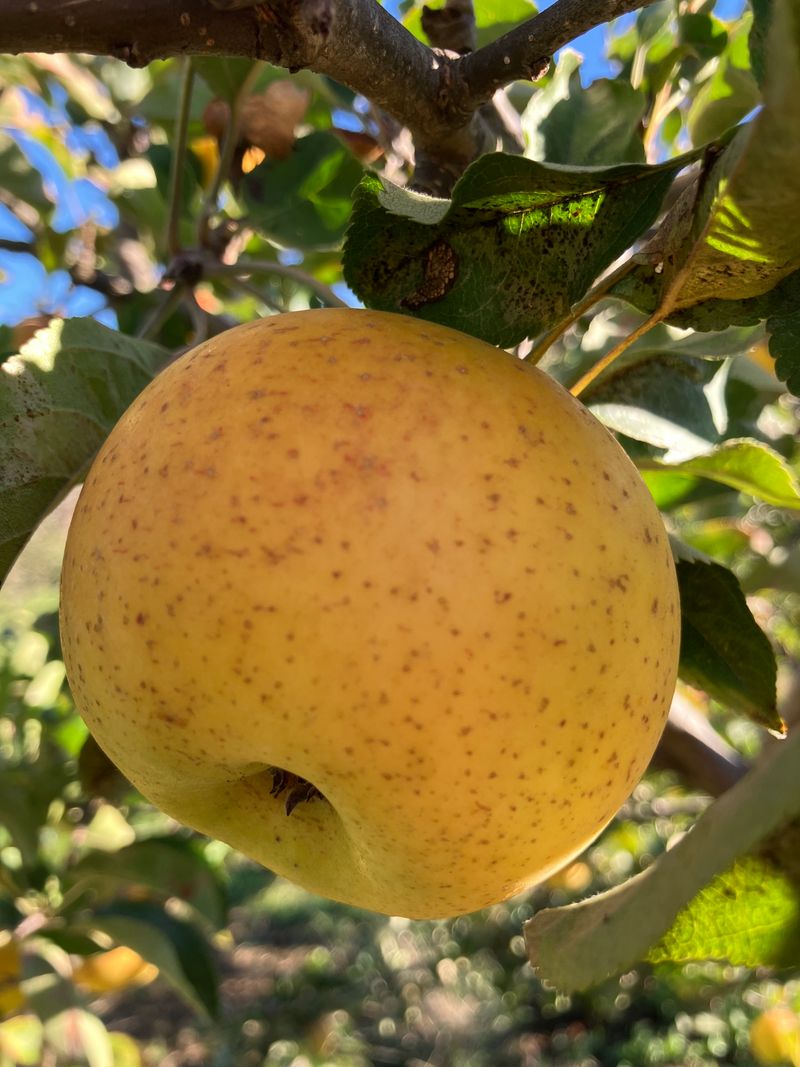
While most orchards wind down, GoldRush is just getting started. It is one of the last apples to ripen, usually from late October into early November across much of Illinois.
Timing shifts a little by region. Southern counties often harvest a bit earlier than northern ones, and each season’s weather plays a role too.
Watch the color and the seeds. Ripe fruit shifts from green toward yellow, and the seeds inside turn brown. A ripe apple should lift and twist off the spur with little effort.
Because it hangs so late, a hard freeze can be a concern. Light frost usually does little harm, but pick before a deep, sustained freeze arrives.
Storage is where this apple shines. Kept cold, near 32 to 36 degrees with some humidity, GoldRush can hold its crunch for six months or longer.
Handle the fruit gently, as bruises shorten storage life. Store apples away from potatoes and onions, which can pick up flavors.
I like setting the best ones aside in a perforated bag. Opening that drawer in February and finding a crisp homegrown apple feels like a winter treat.
Bake a GoldRush Apple Pie That Holds Its Shape
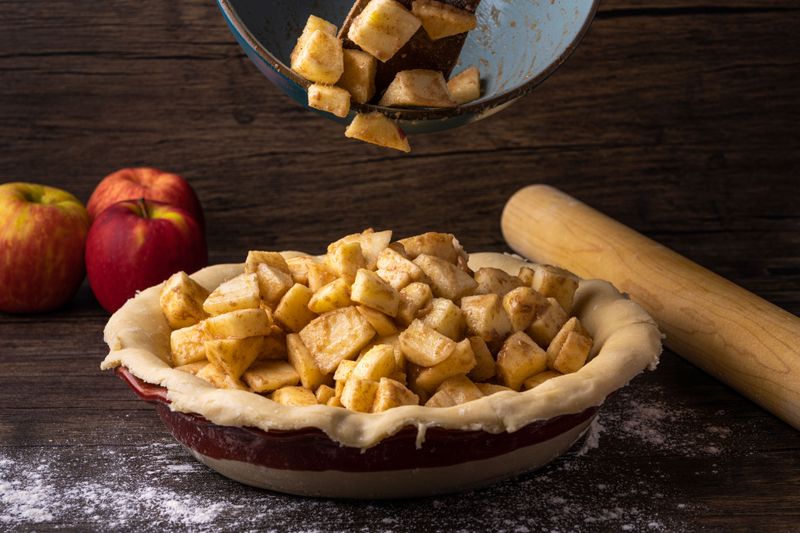
Mushy pie filling is a real letdown. Thankfully, GoldRush slices keep their shape in the oven, so every forkful still has a little bite.
Its natural tartness balances sweet recipes beautifully. Many bakers find they can trim the sugar a bit and still get rich flavor.
Crisps and cobblers work just as well. Mix GoldRush with a softer apple if you like a filling that is partly saucy and partly chunky.
Applesauce is another winner. Cook peeled slices with a splash of water and a pinch of cinnamon, then mash to your favorite texture.
Cider makers prize this variety too. Its high acid and complex flavor add brightness to fresh-pressed sweet cider.
For snacking, pair slices with sharp cheddar or peanut butter. The crisp flesh resists browning, so a sliced apple holds up nicely in lunch boxes.
Ready to go further? Visit a local orchard in late fall and ask about GoldRush, or order a tree from a nursery for spring planting.
Either way, you get to enjoy a home-state treasure with a fun history and a flavor that keeps improving all winter.