What August Heat Really Means For Your North Carolina Tomatoes And Peppers
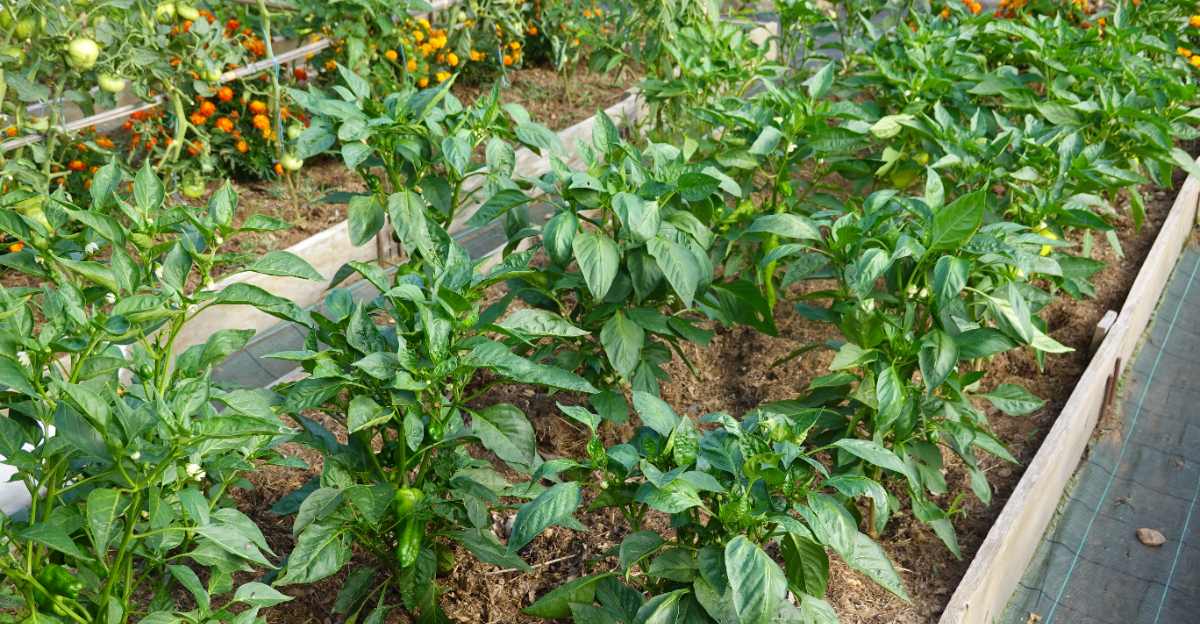
August heat puts significant stress on North Carolina tomatoes and peppers, often showing up as dropped blossoms even when plants otherwise look healthy.
Both crops struggle to pollinate properly once daytime temperatures climb too high, causing flowers to fall before fruit ever has a chance to form.
This heat stress can pause production entirely for several weeks, even though the plants themselves remain alive and green.
Consistent watering becomes especially critical during this stretch, since drought stress compounds the challenges already caused by extreme heat.
Providing afternoon shade through shade cloth or nearby taller plants can help reduce stress during the hottest parts of the day.
Mulching around the base helps regulate soil temperature and retain moisture more effectively throughout August.
Checking for blossom drop regularly helps gardeners understand whether heat is actively interfering with fruit production. Once temperatures ease slightly in early fall, both tomatoes and peppers typically resume more consistent flowering and fruit set.
1. Tomato Flowers May Stop Setting Fruit
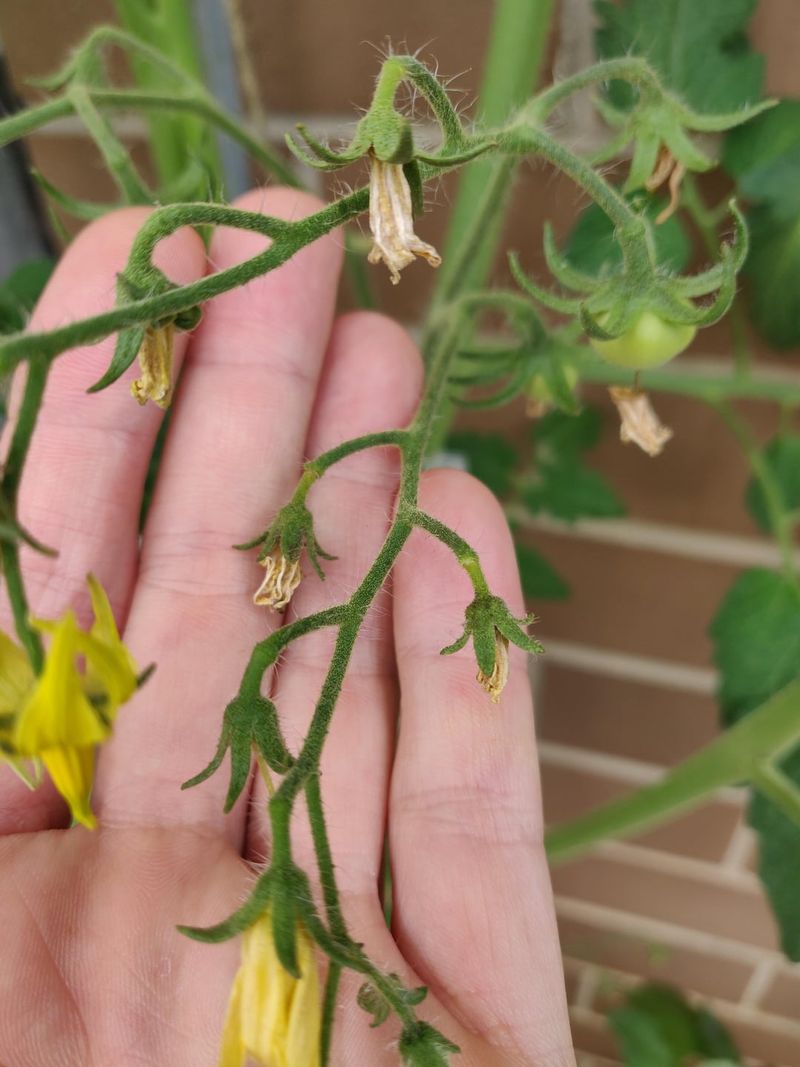
Picture this: your tomato plant looks healthy, it is full of flowers, and then nothing happens. No fruit forms, the blossoms just fall off, and you are left wondering what went wrong.
This is called blossom drop, and it is one of the most common frustrations North Carolina gardeners face every August. Tomatoes have a specific temperature window for successful pollination.
When daytime temperatures stay above 90 degrees Fahrenheit and nighttime temperatures stay above 75 degrees, the pollen inside the flower becomes sticky, clumpy, or completely non-viable.
The plant cannot complete fertilization, so it drops the flower rather than wasting energy trying to develop fruit from it.
This is not a sign that your plant is struggling in any other way. The roots, leaves, and stems can all be perfectly healthy while blossom drop is happening.
The plant is simply responding to conditions that make reproduction difficult. It is a natural survival response built into the tomato’s biology over thousands of years of evolution. The good news is that blossom drop is temporary.
Once nighttime temperatures start dropping back below 70 degrees, which usually happens in September across much of North Carolina, your tomato plants will begin setting fruit again with enthusiasm.
Your job during August is to keep the plant as healthy as possible so it is ready to perform when conditions improve.
Water consistently, keep the soil mulched, and avoid heavy fertilization with nitrogen during peak heat, since that pushes leafy growth instead of fruit production.
2. Peppers Can Drop Flowers Too
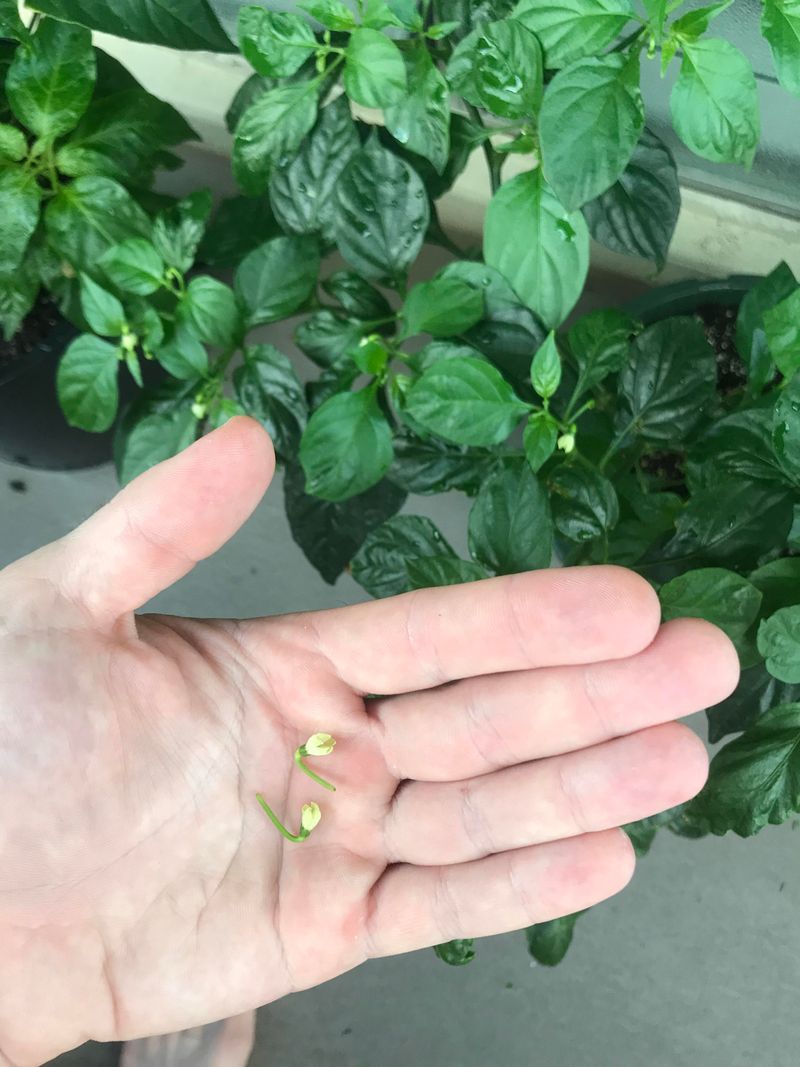
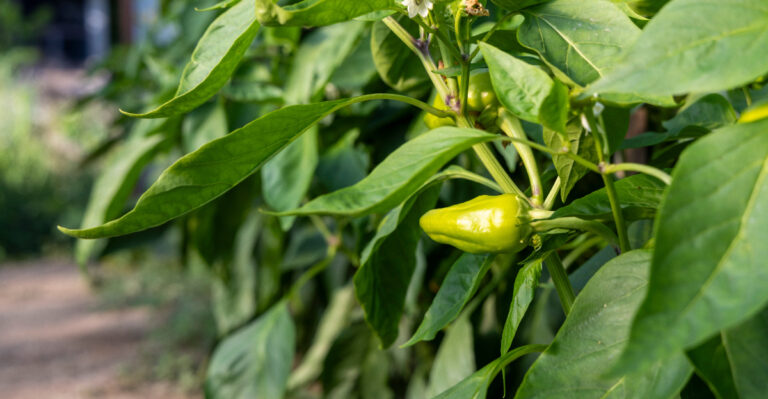
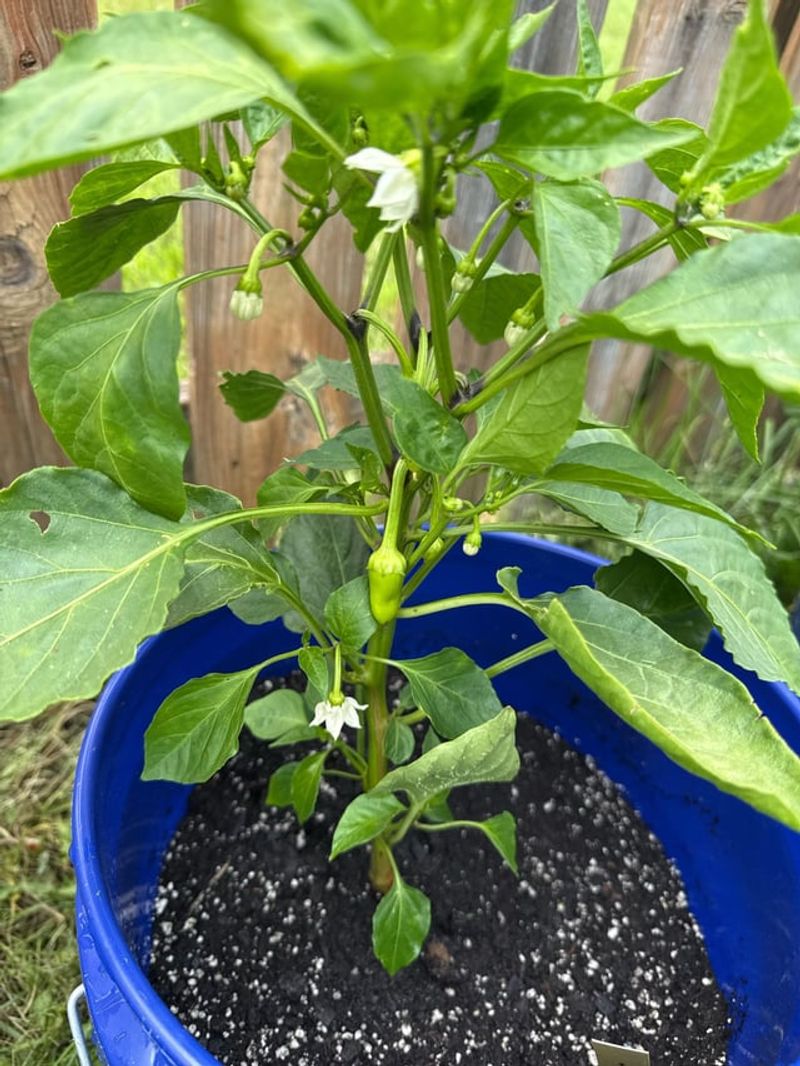
Peppers often get overlooked in the blossom drop conversation because most gardeners focus on tomatoes, but sweet peppers are just as sensitive to extreme summer heat.
If you have been watching your pepper plants bloom beautifully and then produce very little fruit, August temperatures are almost certainly the reason.
Sweet peppers prefer daytime temperatures between 70 and 85 degrees Fahrenheit for reliable fruit set. Once temperatures push consistently above 90 degrees, pollen viability drops significantly.
The plant senses the stress and begins shedding its flowers before fertilization can occur. Drought stress on top of heat makes this even worse, since a water-stressed plant diverts its energy away from reproduction entirely.
Your North Carolina Garden Changes Every Week. Your Plan Should Too.
Gardening in North Carolina changes quickly throughout the season. Every Friday you’ll receive a simple weekly plan showing exactly what to plant, prune, fertilize, harvest, and protect so you never miss the right timing.
Hot peppers like jalapeños and cayennes tend to handle heat slightly better than sweet bell peppers, but they are not immune. All pepper varieties will show reduced fruit set during prolonged heat waves.
Gardeners sometimes mistake this for a soil problem or a nutrient deficiency, but in most cases it is purely a temperature and moisture issue.
One practical step you can take is to shade your pepper plants during the hottest part of the afternoon using a light row cover or shade cloth rated at 30 to 40 percent.
This can lower the temperature around the plant by several degrees and improve pollination rates.
Keep watering steady and deep, and avoid letting the soil dry out completely between waterings. Healthy, well-hydrated pepper plants recover faster once temperatures ease up in early fall.
3. Keep Soil Moisture Consistent
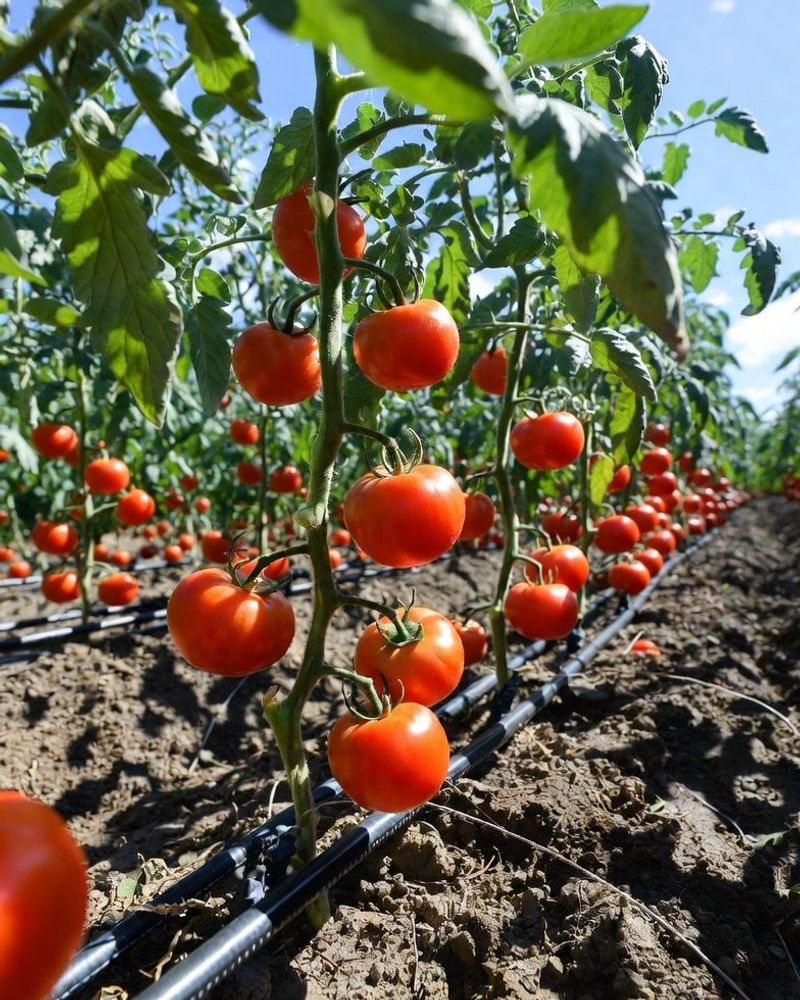
Consistent soil moisture is one of the single most important things you can do for your tomatoes and peppers during August.
It sounds simple, but the combination of intense heat, low humidity spikes, and sandy or clay-heavy soils that are common across North Carolina makes consistent watering genuinely challenging.
Tomatoes need about one to two inches of water per week during hot weather, and they need it delivered steadily rather than in big, irregular doses.
Letting the soil swing between bone dry and soaking wet causes a cascade of problems, from blossom drop to cracked fruit to nutrient uptake issues.
Peppers are similarly sensitive to irregular watering, and they will show stress quickly through wilting and flower loss.
Drip irrigation is the most efficient way to keep soil moisture steady. It delivers water directly to the root zone, reduces evaporation, and keeps foliage dry, which lowers the risk of fungal disease.
If drip irrigation is not an option, watering deeply at the base of the plant early in the morning gives the soil time to absorb moisture before the hottest part of the day hits.
Check your soil moisture by pushing a finger about two inches into the soil near the plant base. If it feels dry at that depth, it is time to water.
If it still feels moist, wait another day. Checking regularly through August helps you build a reliable routine and catch dry spells before they stress your plants into dropping flowers or developing fruit problems.
4. Watch For Blossom End Rot
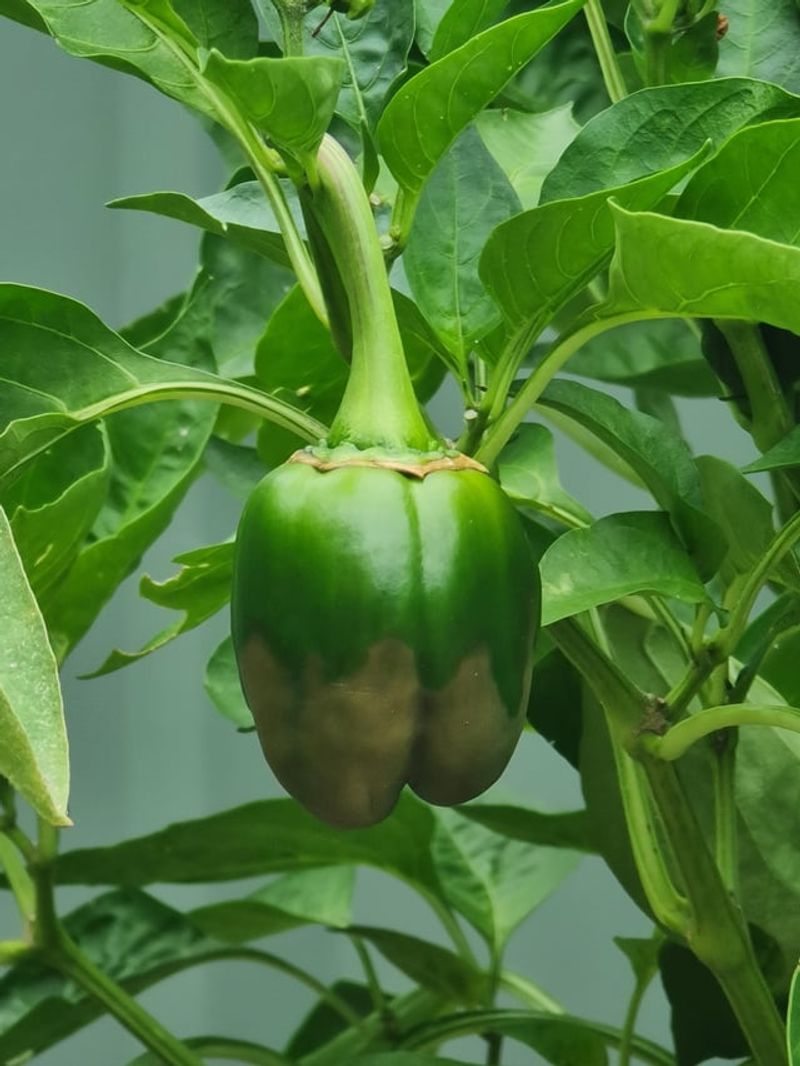
Blossom end rot is one of those garden problems that looks alarming the first time you see it. A dark, leathery, sunken patch forms on the bottom of your tomato or pepper, and the fruit that seemed perfectly healthy a week ago is now unusable.
The cause is not a fungus or a pest. It is a calcium problem triggered almost entirely by irregular watering. Here is how it works. Calcium moves through a plant dissolved in water.
When soil moisture fluctuates dramatically, calcium cannot travel fast enough to developing fruit. The cells at the blossom end of the fruit begin to break down from the inside, creating that characteristic dark, rotted-looking patch.
The calcium is often present in your soil, it just cannot reach the fruit fast enough when water delivery is inconsistent.
August in North Carolina is prime blossom end rot season because the heat increases water demand while summer rain patterns become unpredictable.
A few dry days followed by a heavy rain followed by another dry stretch is exactly the kind of cycle that triggers the problem.
Container-grown tomatoes and peppers are especially vulnerable because pots dry out much faster than in-ground beds.
The fix starts with steady watering, which is why consistent soil moisture matters so much. Mulching heavily around plants also helps slow moisture loss between waterings.
Some gardeners apply a foliar calcium spray as a short-term supplement, and while it is not a complete solution, it can help reduce the severity of symptoms when blossom end rot is already showing up on your fruit.
5. Mulch Helps Protect The Root Zone
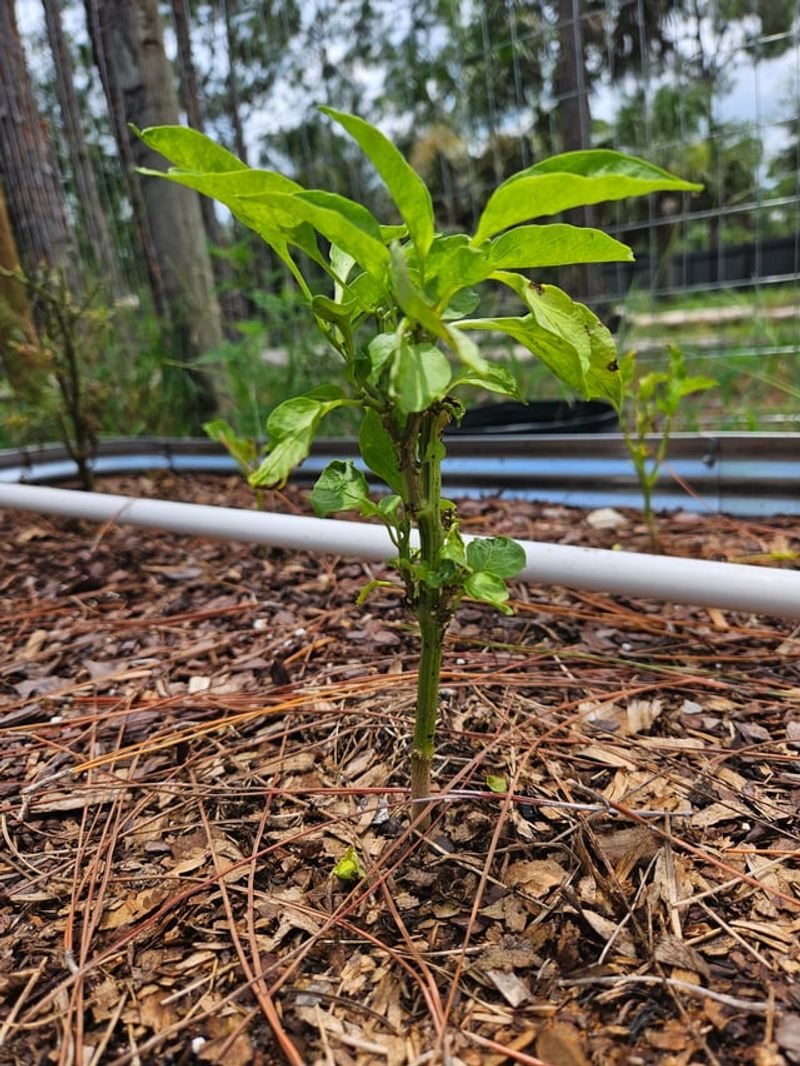
Mulch might be the most underrated tool in a summer gardener’s toolkit. A good layer of mulch around your tomatoes and peppers does more work than most people realize, especially during the brutal heat that August brings to North Carolina gardens.
The primary job of mulch is to slow moisture evaporation from the soil surface. Without mulch, the top layer of soil in a sunny garden bed can dry out within hours on a hot August day.
With three to four inches of straw, wood chips, or shredded leaves spread around your plants, that moisture stays in the soil much longer, giving roots consistent access to water between your watering sessions.
Mulch also moderates soil temperature. Bare soil in full sun can reach temperatures above 130 degrees Fahrenheit on a hot summer day, which stresses roots and reduces their ability to absorb water and nutrients.
A thick mulch layer keeps soil temperatures significantly cooler, sometimes by 20 degrees or more, creating a much more comfortable environment for root activity.
Organic mulches like straw and wood chips break down slowly over the season and add organic matter to the soil as they decompose, which improves soil structure over time.
Keep mulch pulled back a few inches from the main stem of each plant to prevent moisture buildup against the stem, which can encourage rot.
Reapply mulch if it thins out during the season, since a thin layer loses most of its insulating and moisture-retaining benefits pretty quickly in the August sun.
6. Keep Healthy Foliage Around The Fruit
Sunscald is a real problem for tomatoes and peppers during August, and it often catches gardeners off guard. You might notice a white, papery, or tan patch forming on the side of a tomato or pepper that faces the afternoon sun.
That is sunscald, and it happens when fruit is exposed to direct, intense sunlight without enough leaf cover to protect it. Healthy foliage acts as a natural umbrella for developing fruit.
When leaves are damaged by disease, stripped away by heavy pruning, or thinned out by pest pressure, fruit that was previously shaded suddenly gets full exposure to the hottest afternoon sun.
North Carolina’s August sun is intense enough to damage fruit in a surprisingly short amount of time, especially on the west-facing side of the plant.
This is one reason why aggressive pruning during midsummer can backfire. Removing too many leaves in an effort to improve airflow can leave fruit exposed.
A balanced approach works better: remove leaves that are clearly diseased or yellowing from the bottom of the plant, but leave healthy foliage in place to shade the fruit above.
If your plants have already lost significant leaf cover due to disease or pest damage, you can use a light shade cloth draped over the affected plants during peak afternoon hours as a temporary fix.
Keeping plants well-watered also helps leaves stay firm and upright rather than wilting and folding away from the fruit during the hottest part of the day. Foliage health and fruit protection really do go hand in hand throughout the summer.
7. August Can Increase Pest And Disease Pressure
Hot, humid August conditions in North Carolina create a perfect environment for garden pests and fungal diseases to thrive.
If you have not been scouting your tomatoes and peppers regularly, August is the month when a small problem can turn into a big one faster than you might expect.
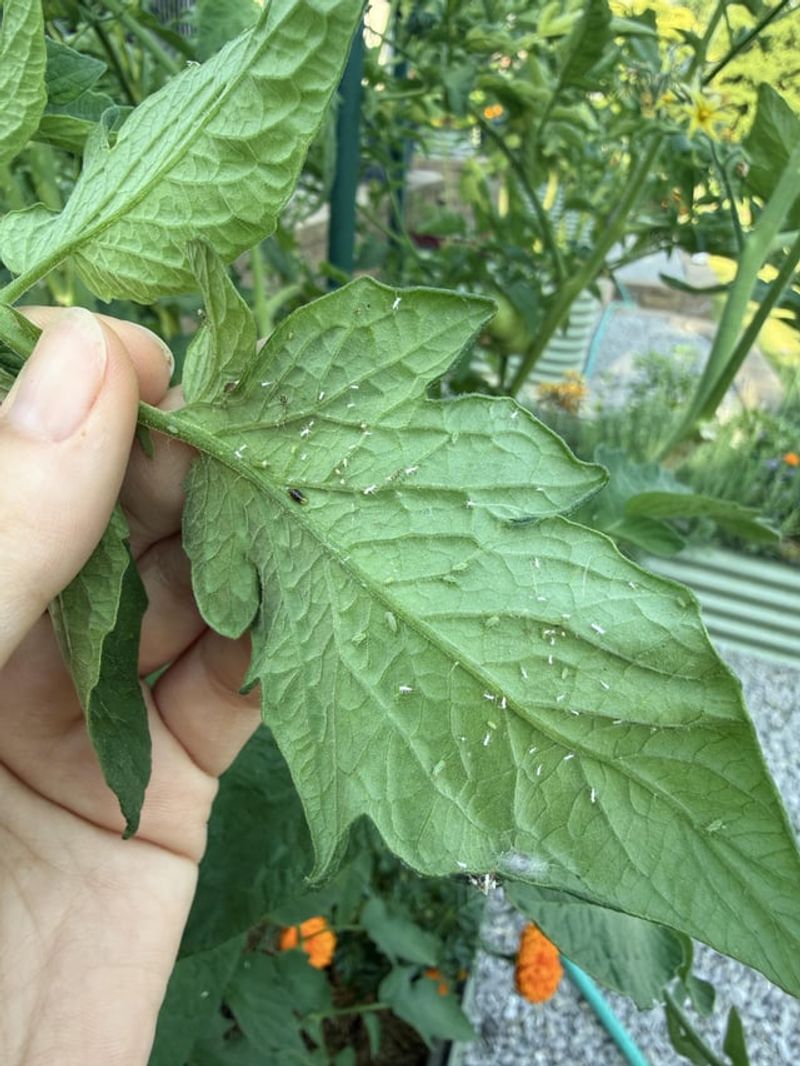
Spider mites love hot, dry conditions and can build up large populations on the undersides of tomato and pepper leaves within just a few days during a heat wave.
You might first notice a fine stippling or bronzing on the leaves before you spot the mites themselves.
Aphids also cluster on new growth, and their populations can spike quickly during warm weather. Both pests weaken plants and reduce their ability to handle heat stress.
On the disease side, August humidity creates ideal conditions for fungal problems like early blight, Septoria leaf spot, and powdery mildew.
These diseases spread quickly on foliage that stays wet, which is why watering at the base of plants rather than overhead matters so much. Once fungal disease takes hold across a large portion of the plant, it is much harder to manage.
Check your plants at least twice a week during August. Flip leaves over to look for pests, examine stems for unusual spots or lesions, and remove any heavily affected leaves right away to slow the spread of disease.
Catching problems early means you have far more options for managing them effectively. A few minutes of regular scouting can save an entire plant and keep your harvest on track through the rest of the season.
8. Cooler Weather Can Improve Production Again
Here is the part of the August heat story that every gardener needs to hold onto: it does not last forever. As September arrives and nighttime temperatures in North Carolina begin to drop back below 70 degrees, something encouraging happens in the garden.
Tomato and pepper plants that stayed healthy through the summer heat start flowering again, and this time those flowers actually set fruit. Fall fruit set on tomatoes can be surprisingly productive.
Plants that survived August in good condition have well-developed root systems and strong stems, which means they can support a solid flush of new fruit as temperatures moderate.
Many North Carolina gardeners report some of their best tomatoes of the year ripening in September and October, precisely because the plants had time to mature and the cooler nights improve flavor development in the fruit.
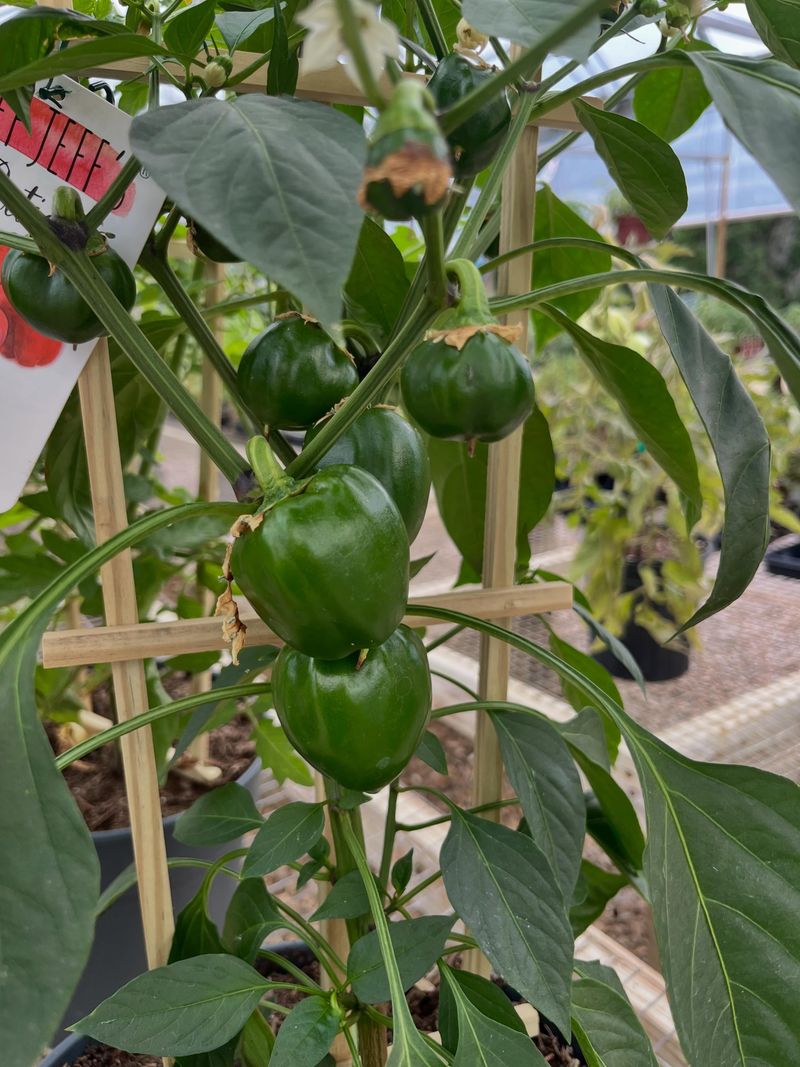
Peppers also respond beautifully to the shift in temperatures. Plants that seemed to stall out during peak summer heat will push out new flowers and begin setting fruit at a much more reliable rate once the worst of the heat passes.
Sweet bell peppers in particular tend to produce their best fruit during the warm-but-not-scorching days of early fall.
Getting your plants to that point in good shape is the whole goal of summer garden management. Every decision you make in August, from watering and mulching to pest control and leaf protection, is really an investment in your fall harvest.
Keep the plants alive and healthy now, and the garden will reward you generously once the heat finally breaks and growing conditions swing back in your favor.