The Texas Native Tree That Resists Oak Wilt Without Constant Spraying
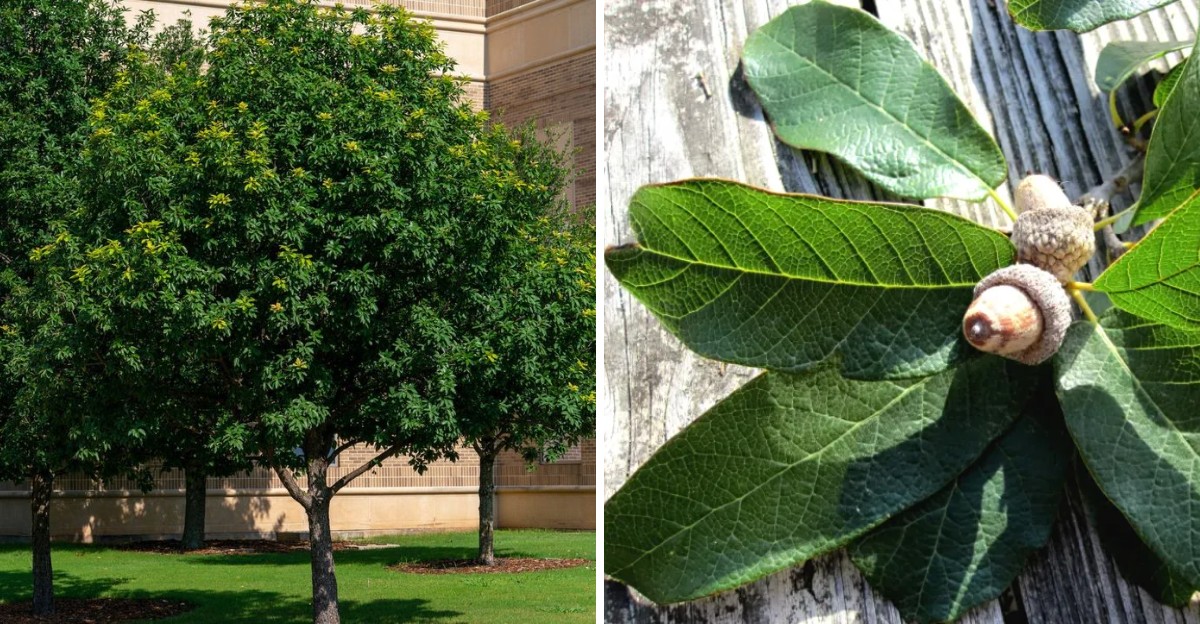
You planted that gorgeous shade tree to outlast the house, yet its leaves are browning. Texas summers stress your canopy, and the leaves curl from heat.
Sprays and trunk injections tempt you, but those costs add up fast. Arborist visits fill your busy calendar like unpaid invoices.
Meanwhile, you can plant a native tree that shrugs off those problems. Roots built for caliche soil settle in and drink deep.
Leaves stay green through long afternoons, and you save money on treatments. Picture yourself under that canopy while Texas summers soften into evening.
Cicadas will still buzz above you, since trees cannot hush those loud singers. Your wallet, your weekends, and your sanity all benefit from smarter planting.
Choose well, and you inherit shade that lasts through decades of long summers. Neighbors who chose differently last spring will notice your tree.
Mexican White Oak As The Smart Pick For Texas Yards
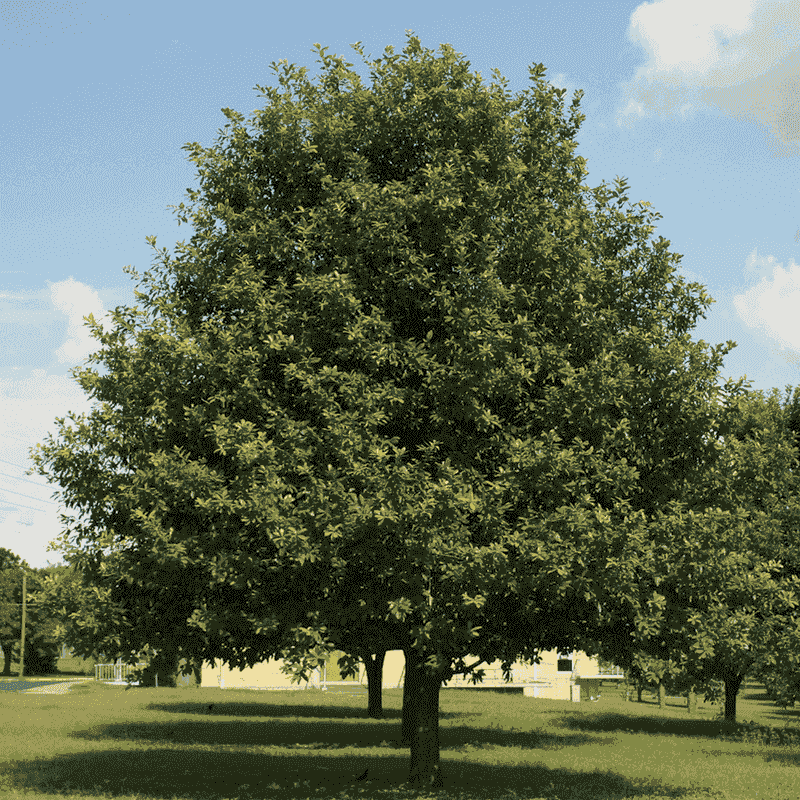
Ask an Austin arborist for an oak wilt resistant shade tree, and this name often comes up. Mexican white oak, also called Monterrey oak, is commonly recommended for Texas planting.
Its scientific name is Quercus polymorpha, which means many shapes. The leaves can look different from tree to tree in the same neighborhood, which keeps things interesting.
In the wild, it grows in northeast Mexico and in one small corner of Texas. A tiny population lives along the Devils River in Val Verde County.
The big reason gardeners love it is simple. As a member of the white oak section, it handles oak wilt far better than red oaks or live oaks.
That does not make it immune, since white oaks can still catch the fungus. Infected white oaks typically decline more slowly than red oaks, though some can still be lost.
You get a tree with a moderate to fast growth rate, roughly one to three feet a year with steady water. Mature trees reach about 30 to 50 feet tall and 30 to 40 feet wide.
The leaves stay green through most winters, giving your yard color when other trees look bare. Fuzzy silver undersides shimmer softly when a hot summer wind kicks up.
It also handles rocky, alkaline soil, which describes much of Central Texas. Limestone yards that frustrate other trees suit this oak just fine.
For busy homeowners who want shade without a spray schedule, it meets most needs. Plant one this fall, and future you will thank present you every summer.
The White Oak Family Advantage Against Fungus
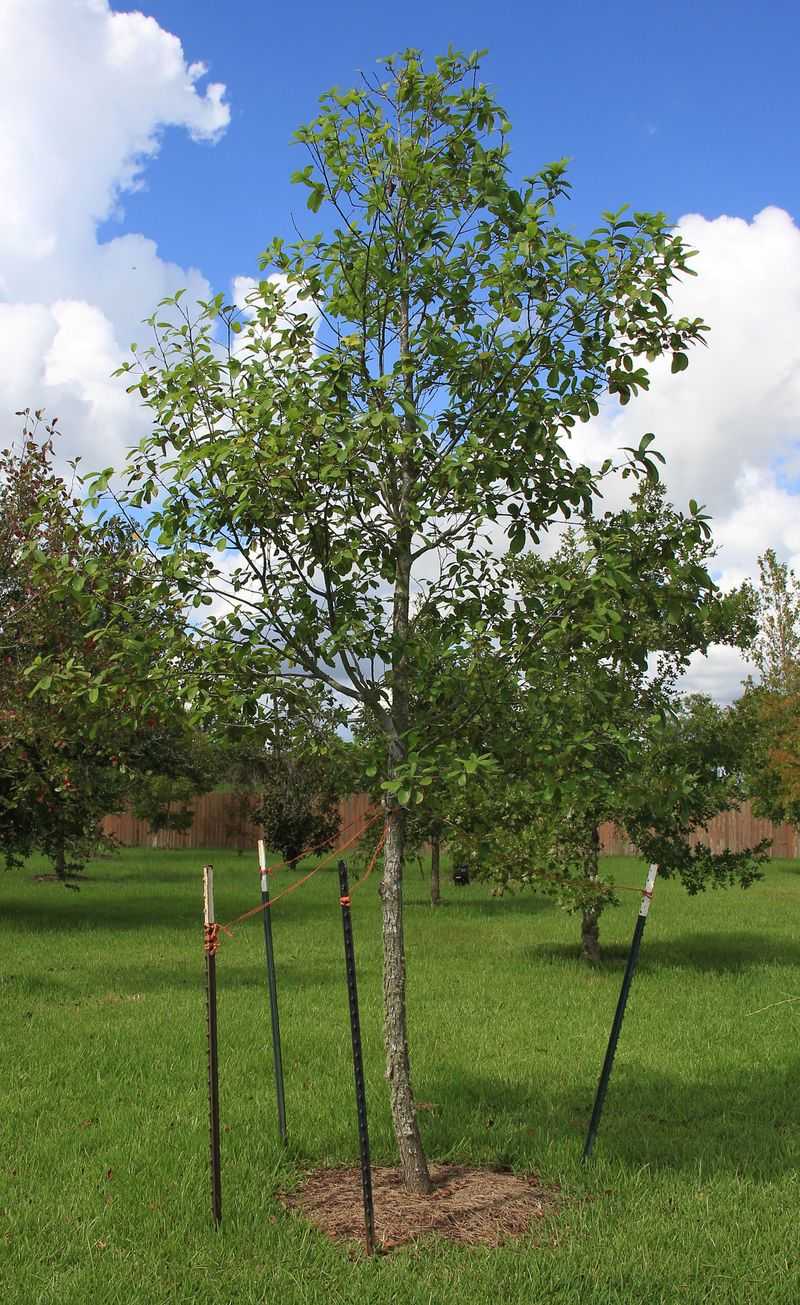
Oak wilt is a fungal disease that attacks a tree’s water system. The fungus blocks the tubes that carry water from roots to leaves.
Red oaks have wide, open tubes, so the fungus spreads quickly. A Spanish oak can decline within a few weeks, while live oaks usually decline over several months.
White oaks play a different game. Their water tubes fill with tiny plugs called tyloses, which act like corks that slow the fungus down.
Mexican white oak belongs to that cork-making crew. When the fungus sneaks in, the tree can wall it off before it travels far.
Your Texas Garden Changes Every Week. Your Plan Should Too.
Gardening in Texas changes quickly throughout the season. Every Friday you’ll receive a simple weekly plan showing exactly what to plant, prune, fertilize, harvest, and protect so you never miss the right timing.
Another clue lives in the sap beetles that carry oak wilt spores. Those beetles hunt for sweet fungal mats, which form mainly on red oaks.
White oaks seldom grow those mats, so they are not a major source of spores nearby. That means one Monterrey oak will not turn into a block-wide problem.
Roots matter too, because oak wilt loves to travel through connected root systems. Live oaks often share roots with neighbors, passing the fungus along beneath the soil.
Mexican white oaks seldom graft roots with live oaks, since grafts form mostly within one species. Planting one among live oaks adds shade without adding another link in the chain.
Resistant is not the same as immune, of course. Healthy, well-watered trees put up the strongest fight against any pathogen.
Give your oak good care, and its natural defenses handle most of the heavy lifting. Science does the rest.
Pruning Calendar For A Healthy Monterrey Oak
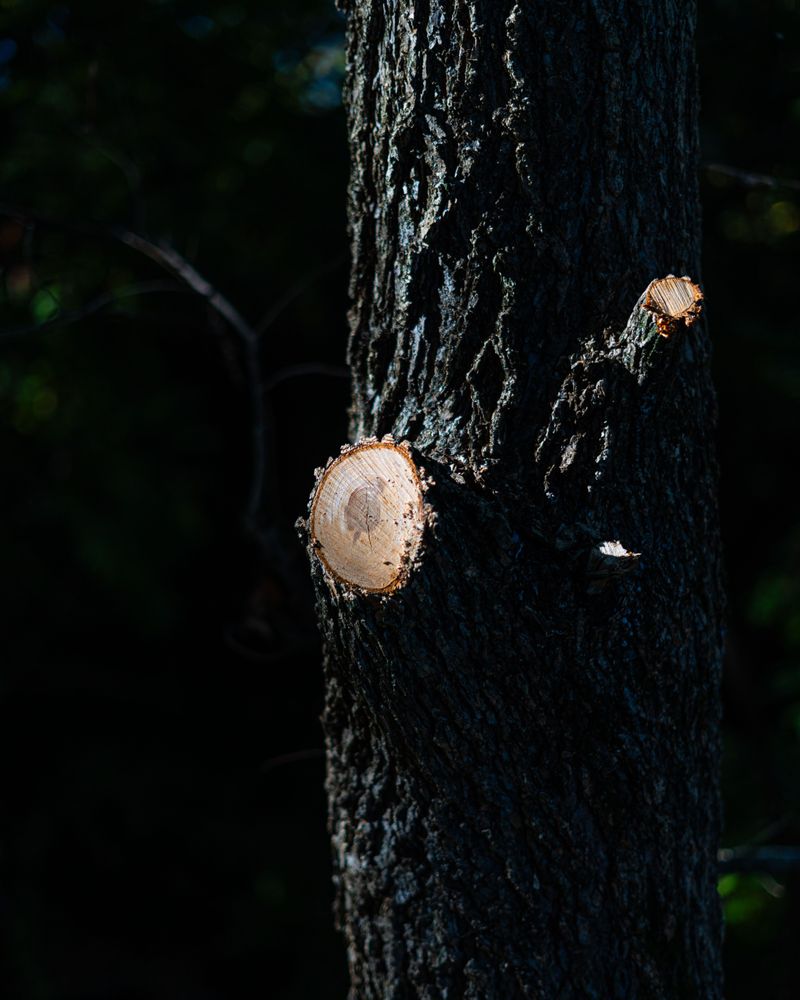
Grandpa may have trimmed trees whenever the mood struck, but Texas oaks need a smarter schedule. Fresh cuts in spring send out a sweet smell that sap beetles adore.
The Texas A&M Forest Service suggests avoiding oak pruning from February through June. Those months bring the most beetles and the most fungal mats.
Even though Mexican white oak resists the disease, smart timing protects it and the trees nearby. Your neighbor’s red oaks will appreciate the courtesy too.
The best window is the coldest stretch of winter, usually December and January. Check current Texas A&M Forest Service guidance before pruning in late summer, since recommendations vary.
Storms do not care about calendars, of course. If a branch snaps in April, remove it right away and make a clean cut.
Then grab a can of pruning paint or plain latex paint. Coat every fresh wound within minutes, because beetles can find a cut almost immediately.
Painting oak wounds is one of the few times Texas experts recommend wound dressing. For most other trees, it is not needed at all.
Young Monterrey oaks benefit from light shaping in their first few winters. Remove crossing branches and pick one strong central leader to guide the shape.
Clean your tools with rubbing alcohol between trees as an easy extra step. Sticky notes on the fridge with pruning months can save you a costly mistake.
A little planning now means fewer worries later. Your oak gets to grow, and you get to relax in its shade.
Common Planting Mistakes To Skip
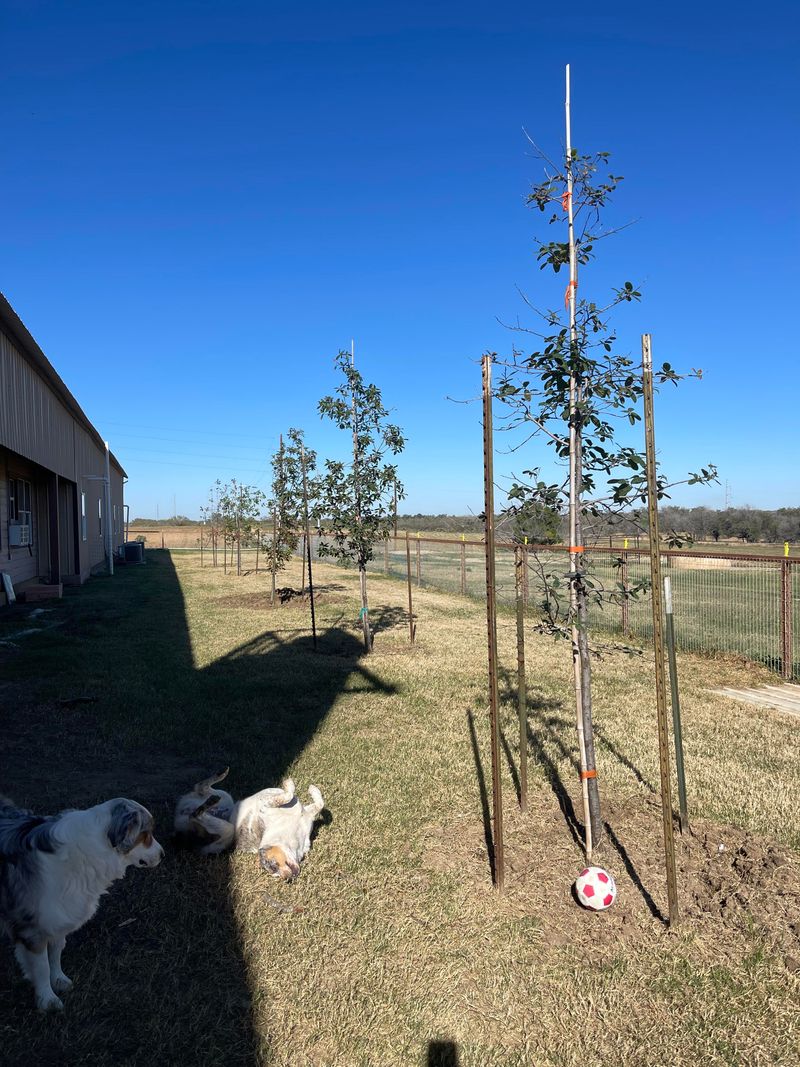
A baby oak planted so deep that only its top leaves peeked out struggled for two years. It looked about as happy as a cat in a bathtub.
Planting too deep is a common mistake with Mexican white oak. The root flare, where the trunk widens at the base, should sit right at ground level.
Another common slip is digging a narrow hole. Dig a hole two or three times wider than the root ball, but no deeper.
Skip the fancy bagged soil, too. Roots that grow in rich, fluffy fill may refuse to spread into the tougher native ground around it.
Mulch volcanoes are another common problem. Piling mulch against the trunk traps moisture and invites rot, so keep it a few inches away.
Spread mulch two to three inches thick in a wide circle instead. Picture a donut, not a mountain.
Some people also buy trees from unknown sources without checking the label. Look for Quercus polymorpha on the tag to confirm you are buying the right species.
Finally, avoid planting in late spring when Texas heat is cranking up. Fall planting gives roots several cool months to settle in before summer arrives.
Container trees with circling roots need attention, too. Gently tease those roots outward so they grow into the soil instead of circling the trunk.
Avoid these slip-ups, and your oak gets a running start. Replanted at the right depth, a struggling oak can finally look like it belongs.
Simple Care For A Strong Young Tree
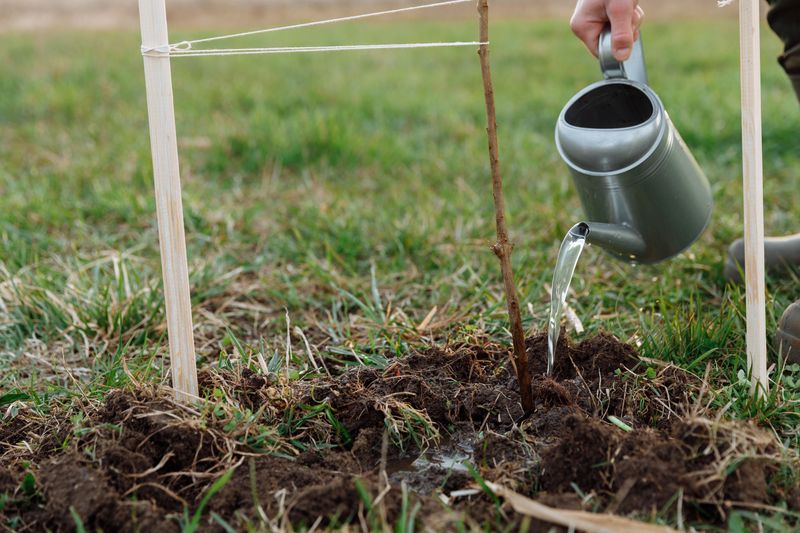
Raising a young oak feels a lot like raising a puppy. The first couple of years take patience, but the reward lasts a lifetime.
Water is the biggest gift you can give a newly planted Mexican white oak. Soak the root zone deeply once or twice a week during its first summer.
A slow trickle from a garden hose for 30 to 60 minutes works well, depending on soil and pressure. Deep watering teaches roots to dig down instead of staying lazy near the surface.
Check the soil before watering by pushing a finger a few inches down. If it feels damp, wait another day or two.
Once the tree settles in, usually after two or three years, it gets tough. Established Monterrey oaks tolerate drought well.
Fertilizer is seldom needed, especially in its first year. Too much nitrogen pushes soft, leafy growth that stresses the tree and attracts pests.
Keep grass and weeds pulled back from the trunk in a wide mulched ring. Lawn mowers and string trimmers can scar thin bark faster than you think.
Those scars matter for a less obvious reason. Fresh wounds can give oak wilt beetles an entry point, especially in spring, so protecting the bark helps prevent disease.
Skip staking unless your yard gets strong winds. Trees that sway a little build thicker, sturdier trunks over time.
Walk around your tree once a month and look for odd spots, cracks, or wilting leaves. Catching small issues early keeps your young oak on track.
A Shady Payoff Over The Years
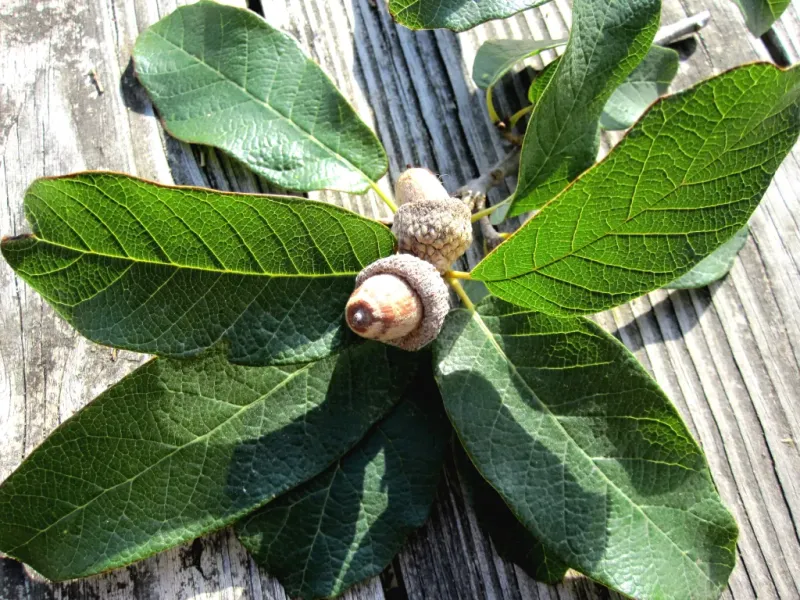
Fast forward ten years, and picture a backyard picnic under a wide, rounded canopy. Silvery leaves flutter overhead while kids chase fireflies across the grass.
A well-placed Mexican white oak can cool your home and lower summer energy bills. Shade on the west side of a house blocks the harshest afternoon sun.
Wildlife benefits, too, from your patient planting. Squirrels, jays, and deer munch the acorns, while birds nest in the sturdy branches.
Acorn production begins once the tree matures, and the timing varies with growing conditions.
Your yard also becomes part of a bigger defense plan. Mixing tree types keeps one disease from sweeping through a whole street.
Neighborhoods packed with live oaks learned that lesson the hard way. Adding Monterrey oaks, cedar elms, and other natives creates a safer, more varied community forest.
Keep up a few simple habits to protect your investment for decades. Prune only in safe months, paint fresh wounds, and avoid moving firewood from oak wilt areas.
Firewood from infected red oaks can carry fungal mats into your yard. Buy local, seasoned wood, or let it dry under clear plastic first.
With these steps, your tree can outlive your mortgage and maybe your great-grandkids’ sneakers. Healthy oaks like this one can thrive for many decades.
Plant one this fall, and you are gifting shade to people you may not meet. That is a lasting gift to future neighbors.