The Thrashing Worms Showing Up In California Mulch This Fall Are Worth A Closer Look
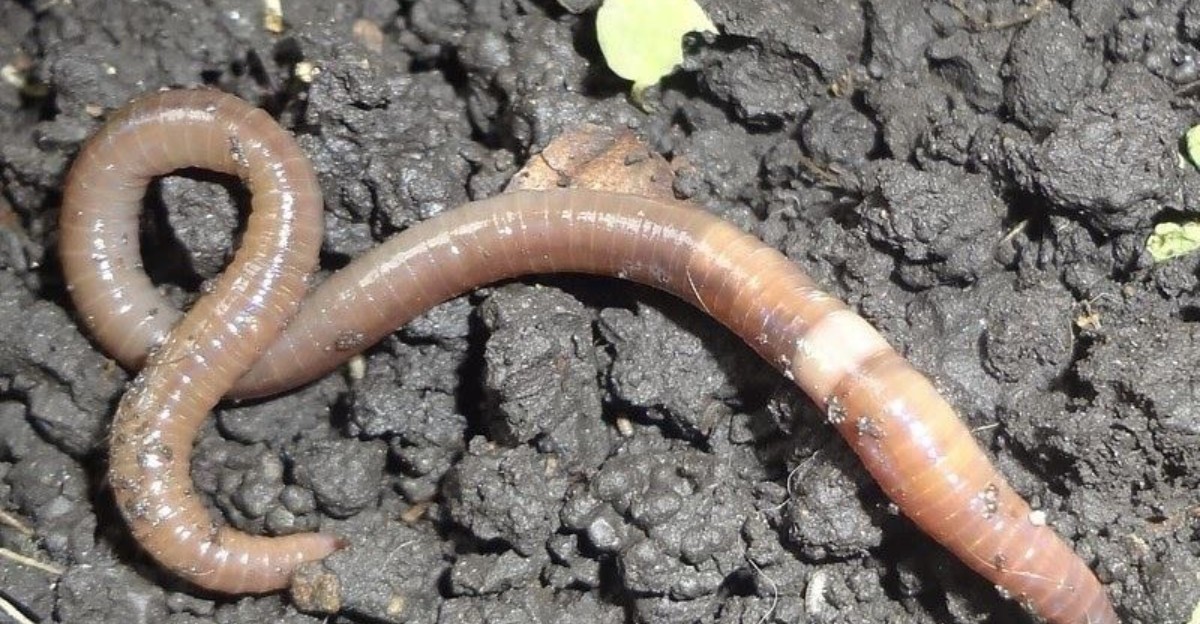
Fall mulch beds in parts of California may be hiding a surprise. A quick scoop of wood chips or compost can uncover something that moves with startling speed, twisting and flipping in a way most gardeners rarely see.
That wild little show deserves attention. Not every wriggler in the garden plays a helpful role, and this one carries a reputation that worries scientists and growers alike.
Its arrival tends to go unnoticed at first, quietly changing the ground beneath favorite plants.
Autumn makes the ideal season for a closer look, since the culprits grow large and active right now.
A little knowledge can protect far more than one backyard. Sometimes the smallest visitors deserve the biggest second glance.
Meet The Jumping Worm
Far from its native home in East Asia, mainly Japan and Korea, an unwelcome worm has been settling into American soil.
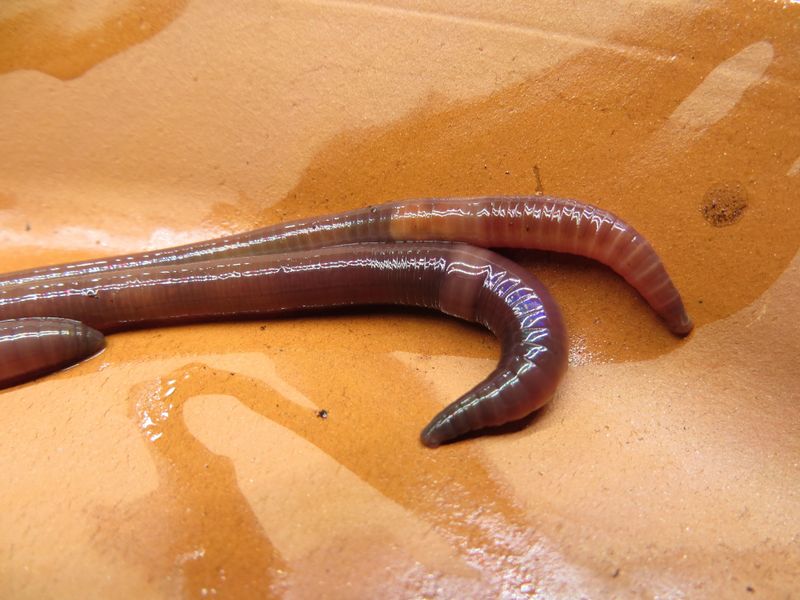
Known as the jumping worm, crazy worm, or snake worm, it has spread across much of the eastern and central United States and now turns up on the West Coast.
Its scientific name, Amynthas agrestis, helps when reading pest reports. UC Agriculture and Natural Resources reports recent finds in parts of California, including Sonoma, Napa, and Humboldt counties.
Because these worms are new arrivals here, every sighting helps experts understand how far they’ve traveled.
Most earthworms work as slow, steady helpers. Jumping worms behave more like hungry party crashers, living near the surface and chewing through leaf litter and mulch very quickly.
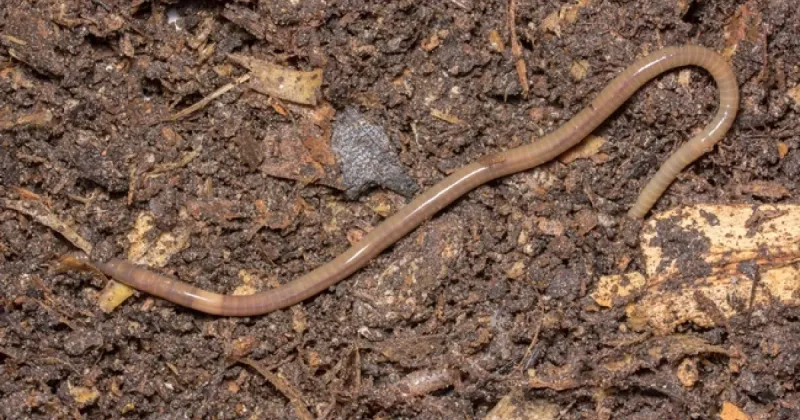
That top layer protects soil, feeds tiny organisms, and shelters seeds. Once it vanishes, the ground left behind can turn loose and crumbly, a bit like dry coffee grounds.
The California Department of Food and Agriculture gives this worm an A rating. That label goes to pests capable of serious economic or environmental harm once established.
Gardens, nurseries, and wild forests could all feel the effects.
Jumping worms usually live about one season. Adults lay tiny cocoons before cold weather arrives, and those cocoons hatch the following spring.
A single worm can start a new group without a partner, which helps explain how quickly they spread. That life cycle makes fall a prime time for a careful look.
They Thrash Like A Startled Snake
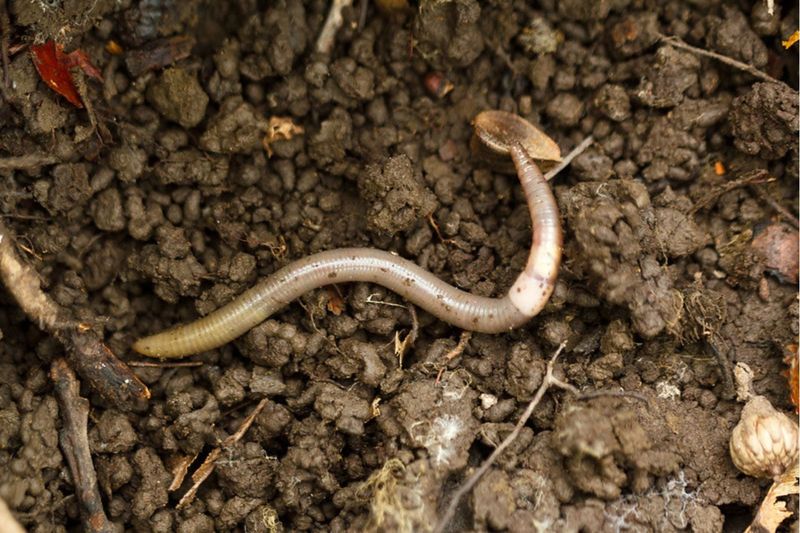
A shovel of mulch turned over usually sends worms stretching lazily away. A jumping worm does something else entirely, exploding into motion and slapping so hard it can bounce right off a gloved hand.
That frantic movement makes the easiest clue of all. Gardeners often describe it as a tiny snake that just got poked.
It may coil, flip end over end, or skitter across the ground in an S shape. Some even wiggle right out of a bucket.
A simple backyard test helps. A few worms gently uncovered with a trowel reveal plenty within a moment.
A regular nightcrawler stretches and slowly crawls away. A jumping worm reacts instantly and violently, almost as if it had too much coffee.
Another odd trick surprises many people. When grabbed roughly, a jumping worm may shed part of its tail, and the piece keeps twitching while the rest escapes.
Your California Garden Changes Every Week. Your Plan Should Too.
Gardening in California changes quickly throughout the season. Every Friday you’ll receive a simple weekly plan showing exactly what to plant, prune, fertilize, harvest, and protect so you never miss the right timing.
Gentle handling with gloves gives the clearest look. Rough grabs only create confusion.
Movement alone doesn’t prove anything, though. Stressed or overheated earthworms can squirm, too.
Thrashing works best as a first alert, followed by checks of the body band and nearby castings. Combining clues gives a far more reliable answer than any single trait.
A quick photo or short video while the worm moves helps officials confirm the species later. A wild wiggle on camera can say more than any written description.
A Pale Smooth Band Circles The Body
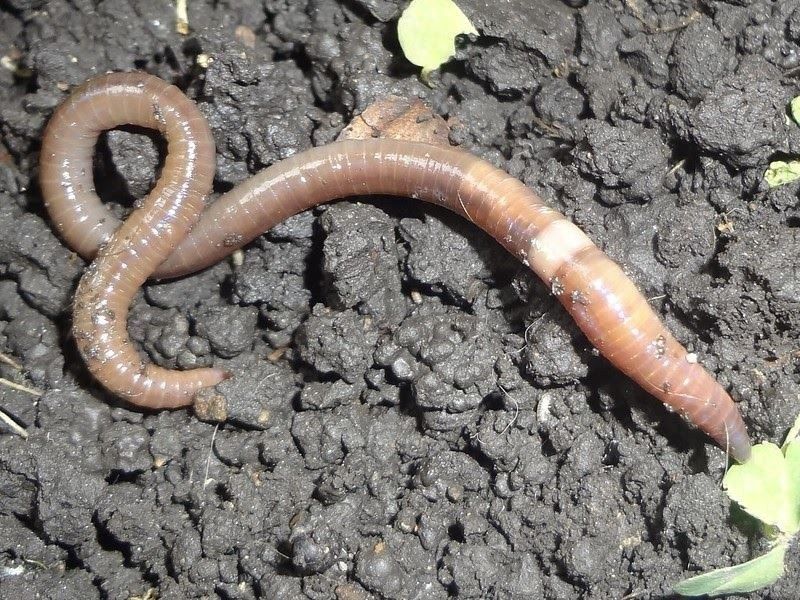
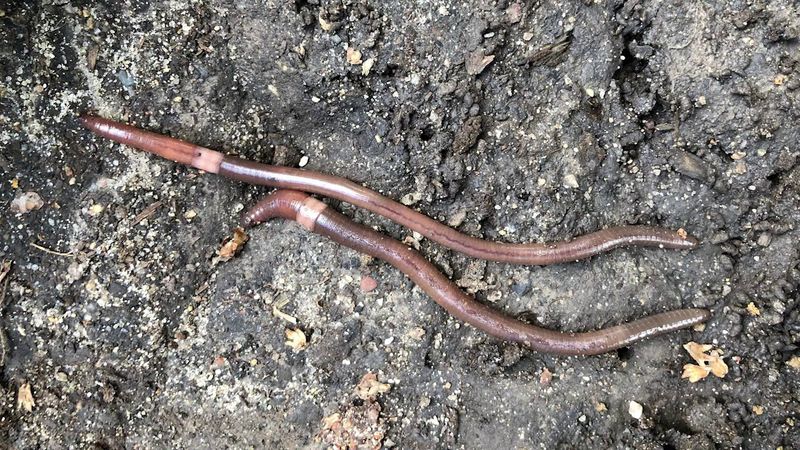
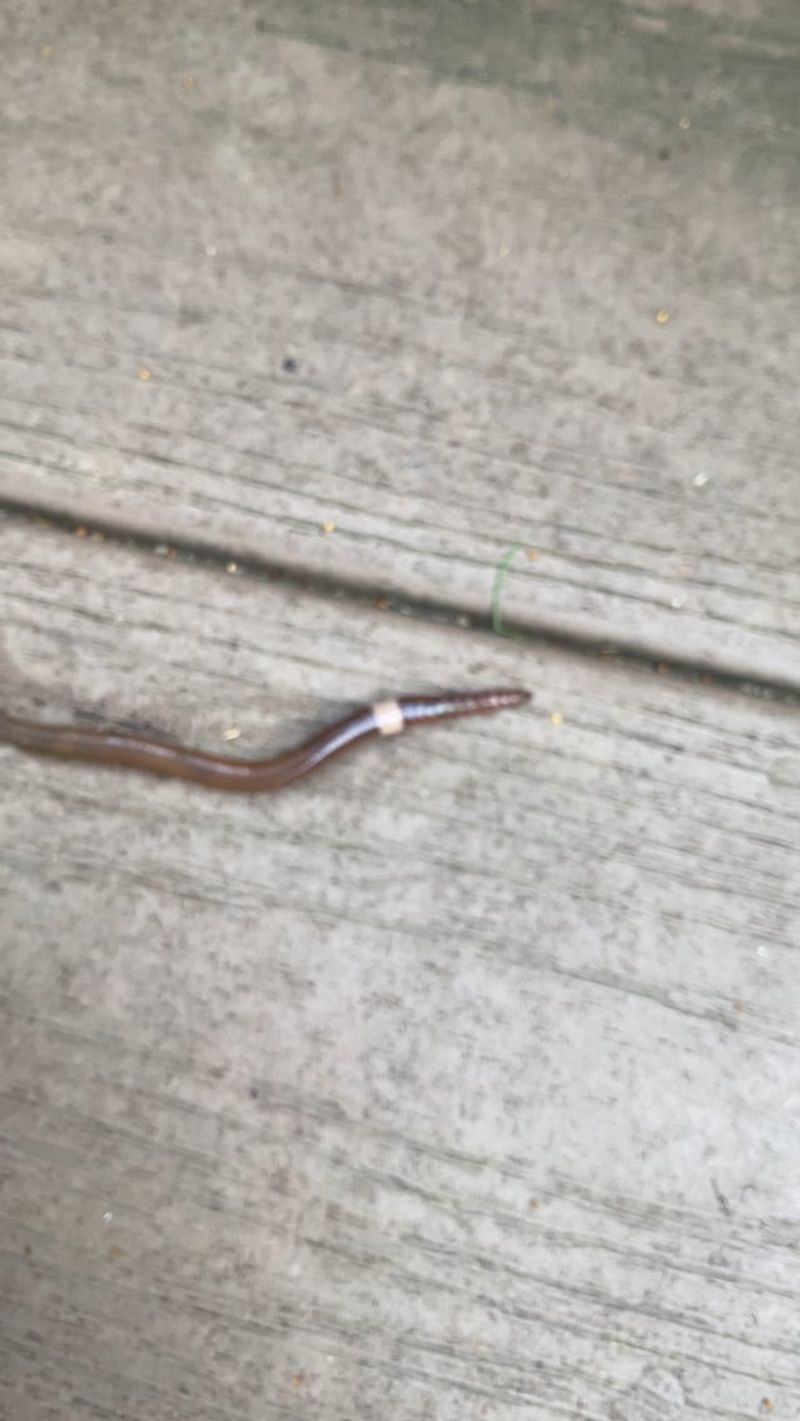
About a third of the way down from the head, adult earthworms carry a band called the clitellum. On a jumping worm, that band works as the giveaway that separates it from familiar garden worms.
The clitellum on this species looks milky white to pale gray. It wraps all the way around the body like a smooth ring.
It also sits flush with the skin. There’s no puffy, raised collar like other worms show.
Common European nightcrawlers look different. Their band is usually pinkish or reddish and appears swollen, like a little saddle, often stopping short of circling the whole body.
Comparing a few worms side by side makes the difference obvious. Even beginners can learn it quickly.
Feel matters, too. Jumping worms are firm, smooth, and glossy, with a shiny, almost polished look rather than the soft, slimy feel of many earthworms.
Their color often runs from gray to brown, sometimes with an iridescent sheen. That gleam can catch the eye in sunlight.
Size varies, but adults often measure around four to six inches long. In fall, many worms reach full size, so the band stands out clearly.
Young worms may lack a visible clitellum, making spring checks trickier.
A magnifying glass or phone camera zoom helps a great deal. A clear picture of the band in good light can make a report much easier for experts to confirm.
Coffee Ground Castings Give Them Away
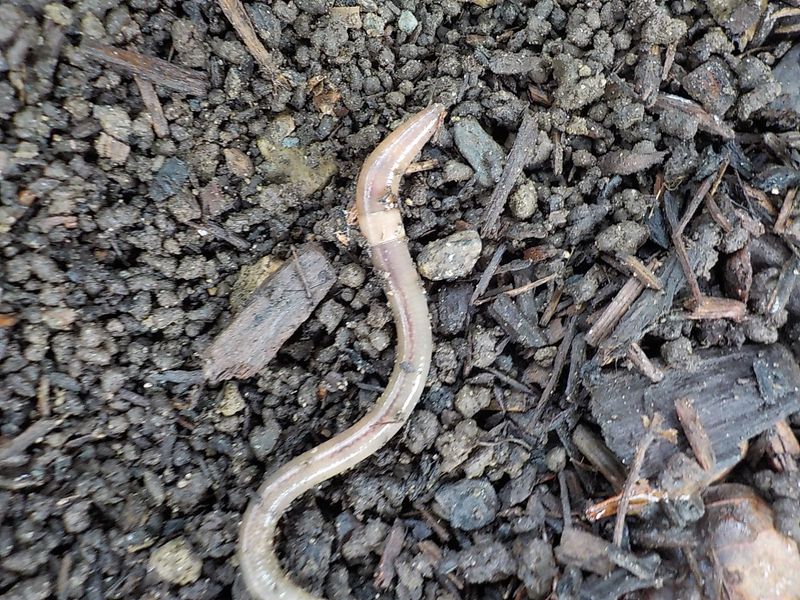
About a third of the way down from the head, adult earthworms carry a band called the clitellum. On a jumping worm, that band works as the giveaway that separates it from familiar garden worms.
The clitellum on this species looks milky white to pale gray. It wraps all the way around the body like a smooth ring.
It also sits flush with the skin. There’s no puffy, raised collar like other worms show.
Common European nightcrawlers look different. Their band is usually pinkish or reddish and appears swollen, like a little saddle, often stopping short of circling the whole body.
Comparing a few worms side by side makes the difference obvious. Even beginners can learn it quickly.
Feel matters, too. Jumping worms are firm, smooth, and glossy, with a shiny, almost polished look rather than the soft, slimy feel of many earthworms.
Their color often runs from gray to brown, sometimes with an iridescent sheen. That gleam can catch the eye in sunlight.
Size varies, but adults often measure around four to six inches long. In fall, many worms reach full size, so the band stands out clearly.
Young worms may lack a visible clitellum, making spring checks trickier.
A magnifying glass or phone camera zoom helps a great deal. A clear picture of the band in good light can make a report much easier for experts to confirm.
Mulch And Potted Plants Spread Them
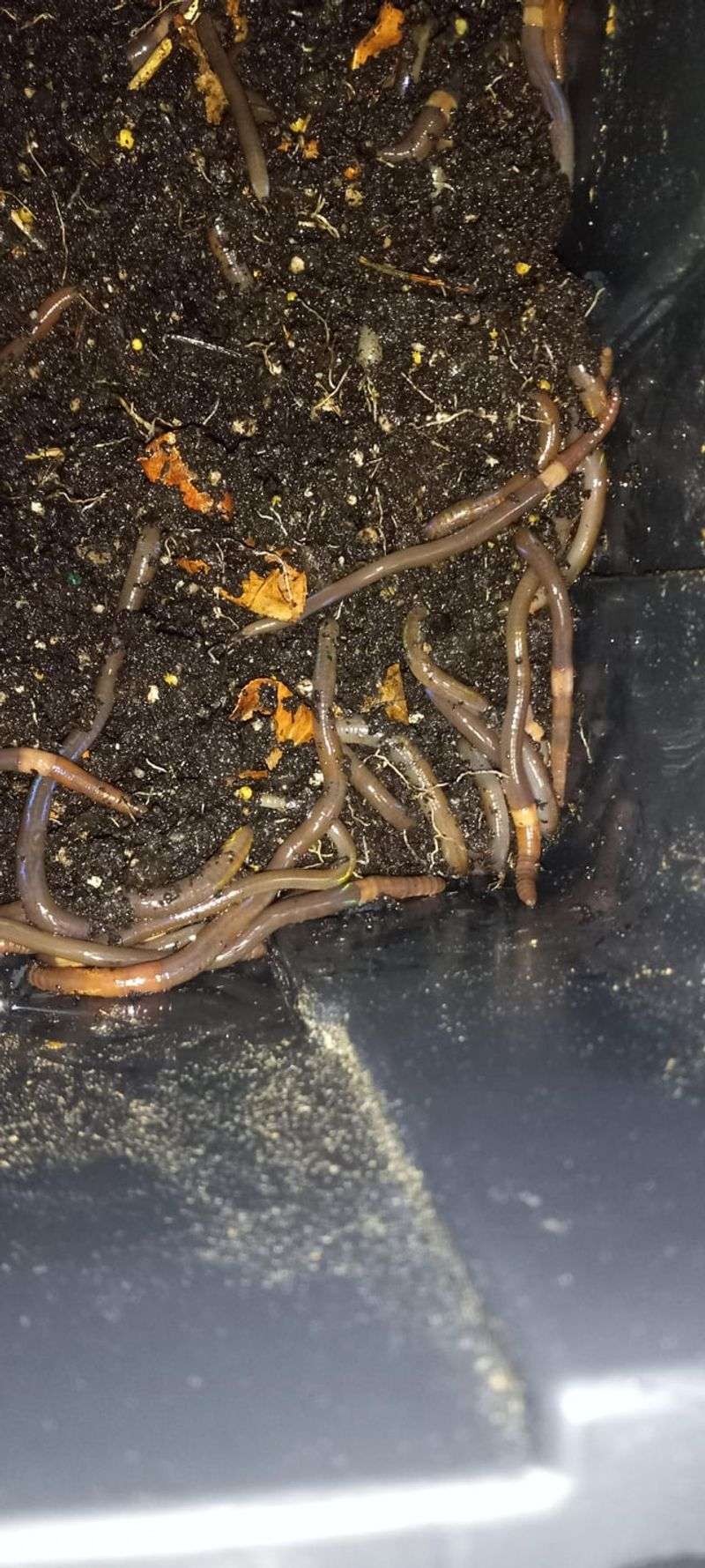
These worms can’t crawl from Napa to a distant town on their own. They need a ride, and people usually provide one without knowing it, inside a truckload of mulch or a plant pot.
UC ANR lists the main hitchhiking routes clearly. Mulch, compost, topsoil, and potted plants can all carry adult worms.
Even sneakier, these materials can carry cocoons. Those tiny egg cases, about the size of a mustard seed, blend right into soil.
Cocoons are tough. They can survive winter and hatch once spring weather warms.
A bag of compost that looks perfectly normal in fall can release young worms the following spring. By the time anyone notices, they may already be spreading.
Plant swaps and garden sales deserve extra care. Friendly sharing is a wonderful habit, yet a divided perennial can bring along unwanted guests in its root ball.
Gently shaking loose some soil and inspecting it before planting makes a smart move. A few minutes of checking can prevent years of trouble.
Fishing bait offers another route. Some jumping worms have been sold under names like Alabama jumpers, so leftover bait worms are best kept off land and out of compost.
Questions at the checkout help, too. Asking where mulch or compost came from and how it was handled makes sense.
Properly heated compost reaches temperatures that help stop cocoons from hatching.
A Mustard Pour Flushes Them Out
A gallon jug and a jar of ground yellow mustard from the spice aisle make a surprisingly effective detection kit. Together, they coax hidden worms to the surface.
UC garden educators describe the method as a handy way to check a bed.
About one third of a cup of ground yellow mustard mixed into one gallon of water does the trick. Shaking or stirring well spreads the powder evenly through the liquid.
Dry mustard powder works best here. The squeeze-bottle kind for hot dogs won’t do the job.
A test spot about one foot square makes a good starting point. Loose mulch cleared away exposes the soil underneath.
The mixture goes on slowly, soaking in rather than running off. Patience during pouring improves results.
A few minutes of waiting brings the action. The mustard irritates worms without harming the soil, so they wriggle up to escape it.
Jumping worms often appear quickly and thrash around, making them easy to spot.
Suspected jumping worms belong in a sealed bag or container. Photos of the band and body come first, before disposal in the trash or handling according to local official guidance.
Testing several spots helps, since worms can be patchy. Cool, moist fall days work especially well for this check.
A few minutes of mustard work can reveal whether a garden hosts unwanted guests or simply good old earthworms. That peace of mind comes cheap.
Report Finds To CDFA Or Your Ag Commissioner
Spotting a suspicious worm and saying nothing ranks as the most common mistake. One quick report can help protect an entire region.
California officials want to hear about possible jumping worms, especially in counties without confirmed finds.
Two main contacts handle these reports. The California Department of Food and Agriculture runs a pest hotline and an online reporting system for quick submissions.
The county agricultural commissioner’s office also handles local pest reports. Staff there can guide next steps and answer questions.
Good details make reports more useful. Clear photos of the worm, especially the white band near its head, along with pictures of the castings and the exact location, all help.
Recent mulch, compost, soil, or plant purchases deserve mention, too. Noting where they came from can point officials toward a possible source.
Officials may request a sample. A few worms in a sealed container, kept cool and out of direct sun, preserve evidence until they respond with instructions.
Reporting matters because jumping worms carry an A rating. Tracking them helps officials map where they live and how they move.
Reports can even reveal a contaminated supplier or a new hot spot. That information protects gardens far beyond the original backyard.
Neighbors benefit as well. Early warnings let nurseries, landscapers, and gardeners adjust their habits, and a few minutes spent reporting becomes a small act of community service.
Keep Infested Mulch And Soil On Site
Sharing extra compost with a neighbor feels generous. With jumping worms around, though, that kind gesture could spread trouble down the block.
Once worms become established, eliminating them completely rarely proves possible. Containment offers the best protection.
UC ANR advises against moving mulch, compost, soil, or plants known to contain jumping worms. Infested material is best left where it sits.
Plant divisions from affected beds also stay home. Boots, tools, and wheelbarrows cleaned before work in another area keep worms and cocoons from hitching a ride.
Soil solarization offers one option mentioned in UC ANR resources. Moist soil or mulch spread in a thin layer, covered with clear plastic, and sealed at the edges can sit in strong summer sun for several weeks.
The trapped heat reaches levels that worms and cocoons can’t survive. Summer brings the best results, so planning ahead for next year makes sense.
New material deserves a close look before it comes home. Bagged or bulk mulch, compost, and topsoil can be checked for thrashing worms and coffee-ground castings.
Nursery root balls deserve inspection, too.
Suppliers who heat compost to proper temperatures make the safest choice. Bare-root plants carry far less risk, and gently washing roots before planting can help further.
Small habits add up fast. Checking, asking, and keeping soil in place may not feel exciting, but they work.
One careful gardener can stop these wriggling invaders from turning a single yard into a neighborhood problem.