The One California Groundcover That Replaces Lawn In Full Sun With Little Water After Year One
A thirsty lawn can turn a California summer into a weekly battle with the hose. The grass fades, the water bill climbs, and that once-green patch starts demanding far more attention than it deserves. Honestly, lawns can be a little needy.
One sun-loving groundcover offers a very different kind of setup. It spreads into a low, living carpet and settles in more comfortably as its roots mature.
The first year still asks for patience, but the payoff can make that early effort feel surprisingly worthwhile.
The appeal goes beyond saving water. This plant can soften hard edges, cover bare soil, and give a yard a finished look without copying the traditional lawn formula.
For homeowners ready to rethink what a front or backyard should look like, this option brings plenty of personality. It may even make mowing feel like a chore that belongs to someone else for good, at last.
1. The Lawn Swap To Try
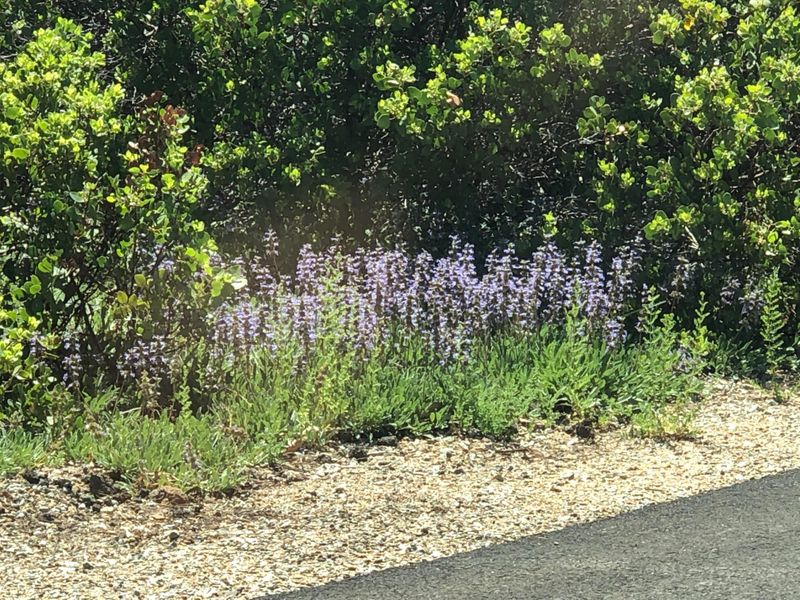
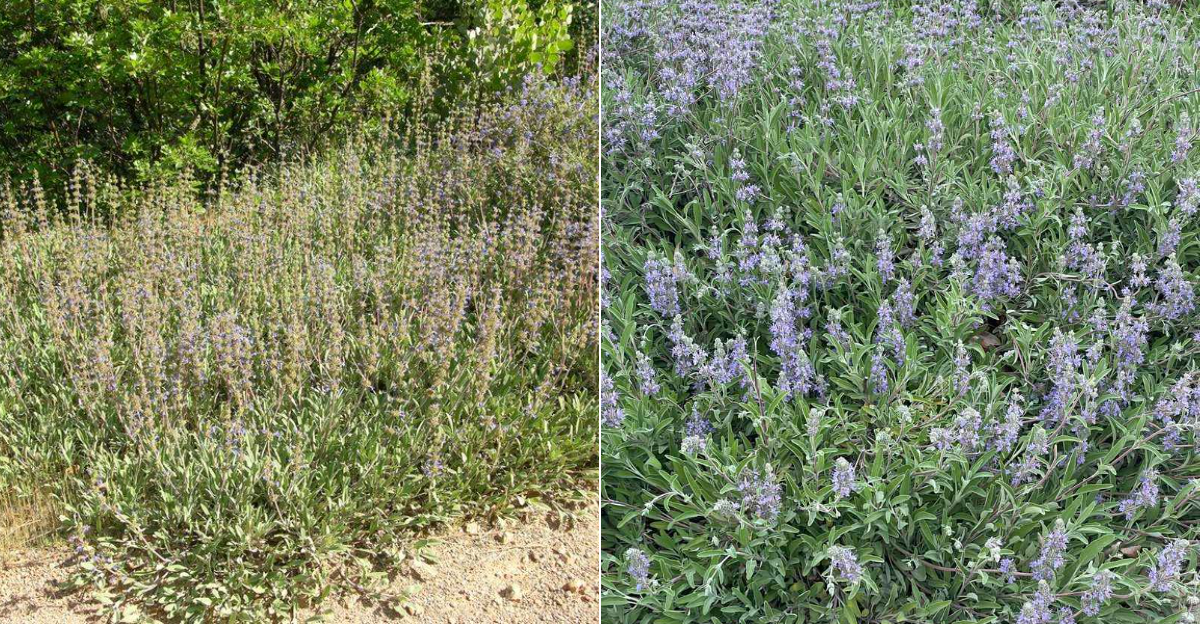
Salvia sonomensis, commonly called creeping sage, has been quietly earning a reputation as one of the best lawn replacements California has to offer.
It grows low to the ground, usually between six and eighteen inches tall, and spreads outward in a dense, mat-like form.
That spreading habit is exactly what makes it such a strong substitute for turf grass.
Most traditional lawns require mowing every week or two. Creeping sage grows slowly and evenly, so you rarely need to trim it at all.
That alone saves homeowners a significant amount of time and effort throughout the year. Many people who make the switch say they forget it even needs attention.
It works especially well in decorative lawn areas where foot traffic is low. Think of the strip of grass between your sidewalk and street, or the open space in a front yard that mostly just sits there looking green.
Creeping sage fills those spots with style. It also holds soil in place, which helps prevent erosion on slopes or uneven ground.
The plant is available at many native plant nurseries across the state and is not difficult to find. Once you see it spreading across a yard, it is hard not to want it for your own space.
It is a genuinely practical and attractive swap.
2. This Native Groundcover Loves Full Sun
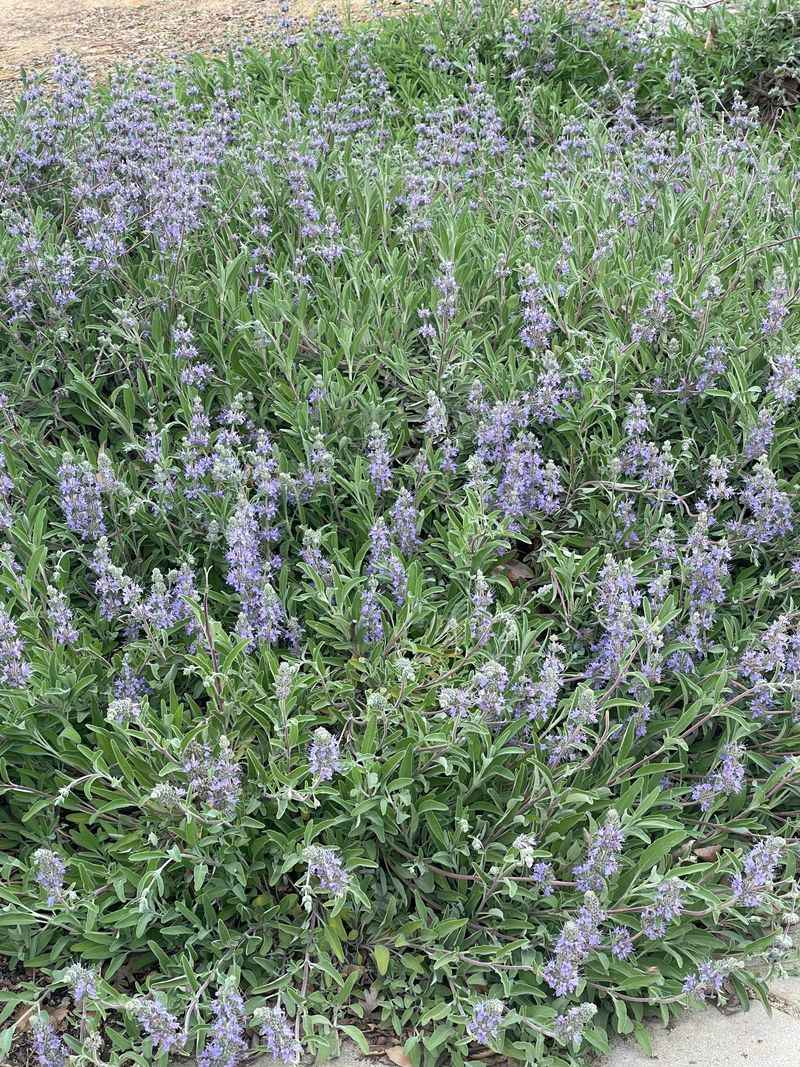
Full sun is where creeping sage absolutely thrives. Unlike many groundcovers that prefer shade or partial cover, this plant actually performs better the more direct sunlight it gets.
Six or more hours of sun per day is ideal, and it handles that intense afternoon heat without any complaints.
That sun tolerance is a big deal in California, where summer temperatures regularly climb past 90 degrees Fahrenheit. Most lawn grasses struggle under those conditions without heavy irrigation.
Creeping sage, on the other hand, was built for exactly this kind of environment. It evolved in the dry, sunny hillsides of Northern California, so heat is nothing new to it.
The leaves of the plant are slightly fuzzy and have a silvery-green color that actually reflects some sunlight, helping the plant manage heat stress on its own. That natural adaptation means less work for you and less stress on your water bill.
Your California Garden Changes Every Week. Your Plan Should Too.
Gardening in California changes quickly throughout the season. Every Friday you’ll receive a simple weekly plan showing exactly what to plant, prune, fertilize, harvest, and protect so you never miss the right timing.
Gardeners in hot inland valleys have reported great success with this plant in spots where other groundcovers simply could not survive. Even in coastal areas with milder sun, it performs well.
If your yard gets strong sun most of the day and you want something that will not wilt or turn brown by August, creeping sage is a very smart choice worth considering seriously.
3. It Needs Little Water After Year One
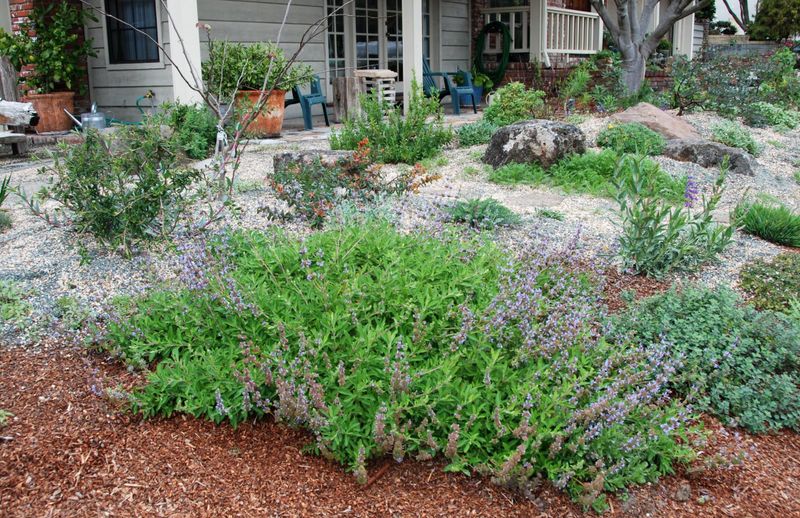
Water is one of the biggest concerns for homeowners, especially during dry years when restrictions kick in and bills go up. That is one of the strongest reasons creeping sage has become so popular as a lawn alternative.
After the first year, it needs very little supplemental water to stay healthy and green.
During the establishment period, which is roughly the first twelve months after planting, you do need to water it regularly. Think of it as helping the roots get deep and strong.
Once those roots are established, the plant taps into moisture stored deeper in the soil and relies on seasonal rainfall to get by. In most parts of California, that is enough.
Experts generally recommend watering established creeping sage once or twice a month during the dry summer months, or even less in cooler coastal areas.
Compare that to a traditional lawn, which may need watering three to four times per week in summer.
The water savings over a single season can be dramatic. Some homeowners report cutting their outdoor water use by more than half after replacing turf with this groundcover.
For anyone living under water restrictions or just trying to be more responsible with resources, this plant offers a genuinely effective and proven solution that does not sacrifice good looks.
4. Fragrant Leaves Make It Feel Special
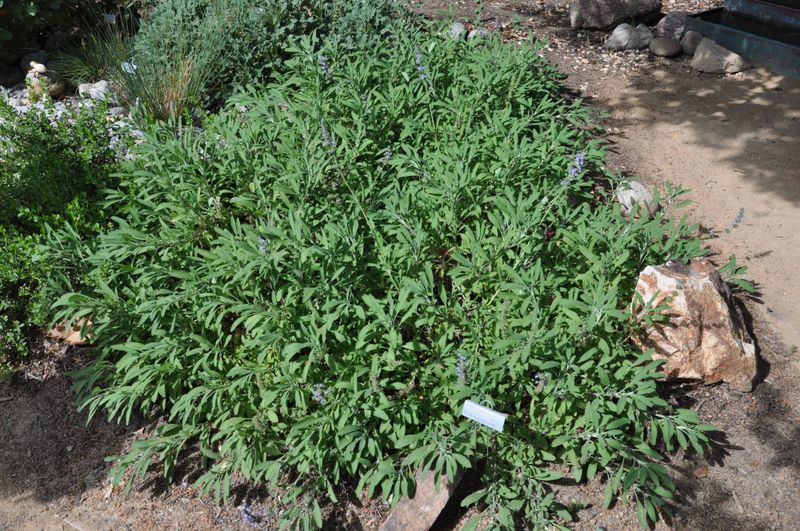
Not many groundcovers offer a sensory experience beyond just looking nice. Creeping sage is different.
When you brush against its leaves or walk near it on a warm day, it releases a soft, earthy, herbal fragrance that many people find calming and pleasant. That scent is a signature trait of the sage family.
The smell comes from natural oils in the leaves. These oils are part of the plant’s own defense system, helping it resist certain insects and survive in tough conditions.
As a bonus for gardeners, that same scent tends to discourage deer and rabbits from snacking on the plant. That makes it even more low-maintenance in areas where wildlife visits frequently.
Having a fragrant groundcover in your yard adds a layer of enjoyment that goes beyond just visual appeal. Sitting outside near a patch of creeping sage on a warm evening can feel surprisingly relaxing.
Some people describe the scent as a mix of herbal sage and fresh earth, which is a combination that feels very connected to the natural landscape of California.
Kids tend to love brushing their hands across it and smelling their palms afterward.
It is one of those small details that turns a functional plant into something that genuinely enhances the experience of spending time in your outdoor space every day.
5. Purple Blooms Bring In Pollinators
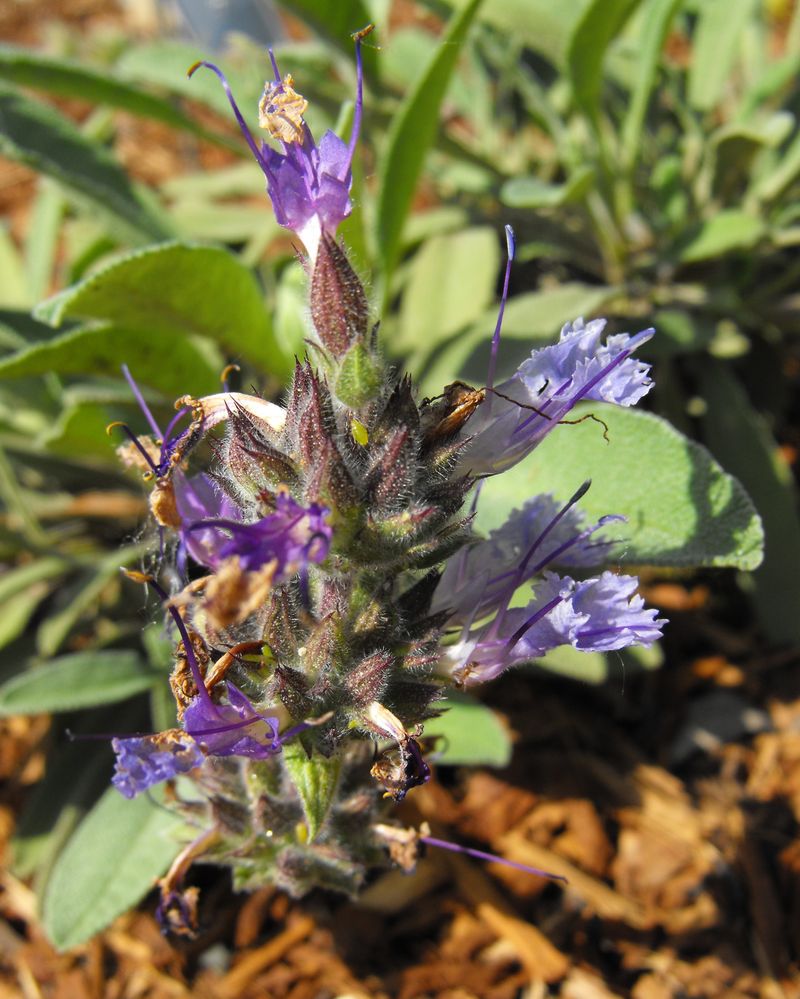
Come late winter and into spring, creeping sage puts on a show. Small clusters of purple-blue flowers pop up above the low-growing foliage and last for several weeks.
They are not flashy in the way that a rose or a sunflower might be, but they are charming and plentiful. And pollinators absolutely love them.
Bees, especially native bee species, are drawn to the flowers in large numbers. Hummingbirds also visit regularly.
This matters a lot because native pollinators across California have been under pressure from habitat loss and pesticide use.
Planting a groundcover that supports them is one of the easiest ways a homeowner can make a real difference right in their own yard.
The blooms appear in shades ranging from soft lavender to deeper violet-blue, depending on the specific variety. Some cultivars, like Canyon Snow, produce white flowers instead.
Regardless of color, the flowering period adds visual interest to what might otherwise just be a flat green surface. After blooming, the plant settles back into its spreading mat form and keeps looking tidy.
You do not need to cut back the flowers or do any special pruning after bloom season. The whole process is hands-off and rewarding.
Supporting pollinators while also reducing your lawn maintenance is a combination that is genuinely hard to beat for any thoughtful gardener.
6. It Replaces Turf You Don’t Walk On
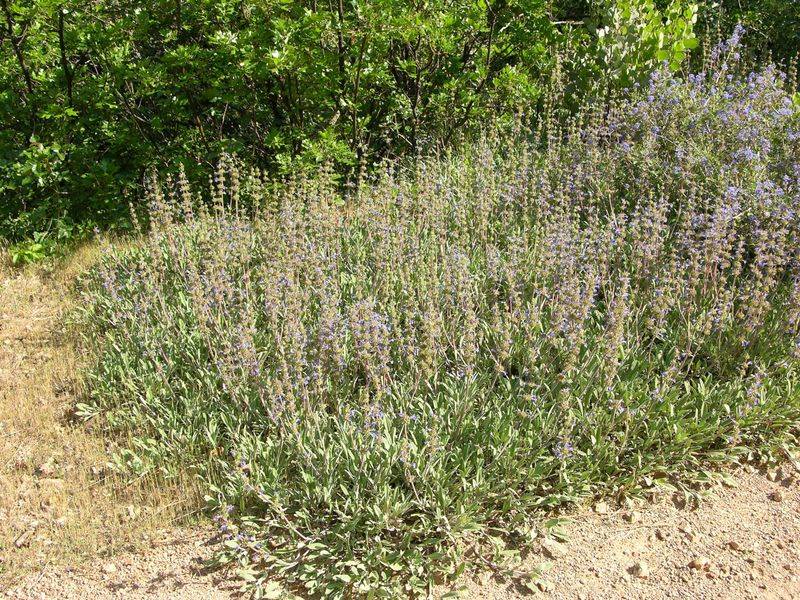
Here is something most lawn owners eventually admit: a big chunk of their grass never actually gets walked on. It just sits there, getting watered, mowed, and fertilized, without anyone ever really using it.
That is exactly the kind of space where creeping sage makes the most sense as a replacement.
Decorative lawn areas, like the strip along the front of a house, the space between a driveway and a fence, or the patch under a mailbox, are perfect candidates.
These are spots where people want something that looks tidy and green but does not need to handle foot traffic.
Creeping sage fills that role beautifully. It forms a dense, even mat that looks intentional and well-kept without much help from you.
It is worth noting that creeping sage is not built for heavy foot traffic. If you have kids running through the yard or dogs cutting across the same path every day, this is not the right plant for those high-use zones.
But for the purely visual parts of your landscape, it is a strong performer. Many homeowners have found that replacing just one or two of these low-traffic areas with creeping sage dramatically reduces their overall yard maintenance.
Less mowing, less watering, and a yard that looks just as polished and intentional as it did before. That trade-off is hard to argue with.
7. Slopes And Parkways Are A Strong Fit
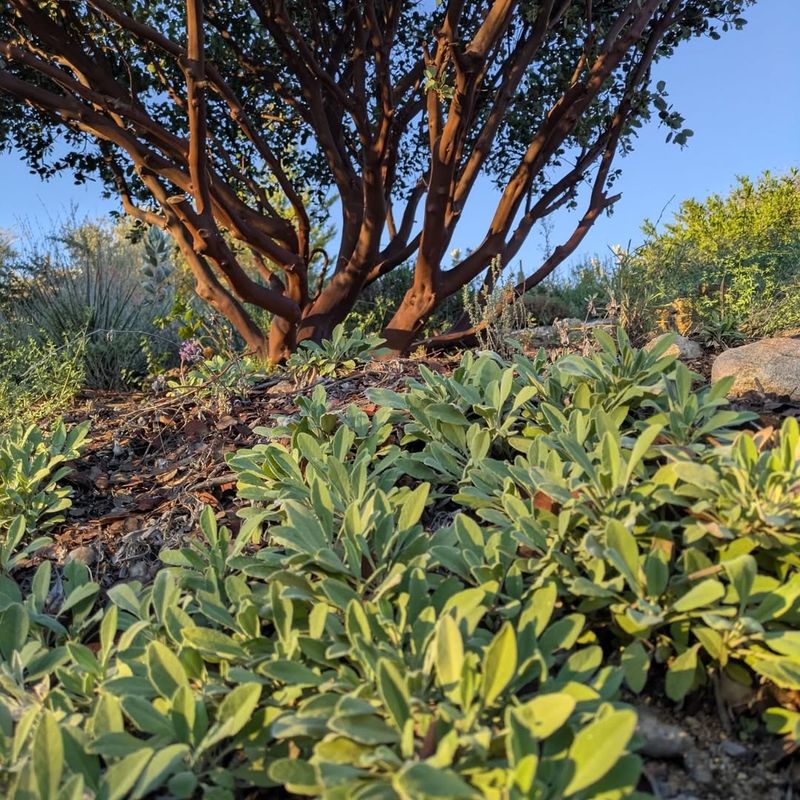
Slopes are one of the trickiest parts of any yard to manage. Grass on a slope is hard to mow safely.
It dries out faster because water runs off before soaking in. And bare soil on a slope erodes quickly when rain hits. Creeping sage solves several of those problems at once.
The plant spreads by sending out horizontal stems that root into the ground as they grow. That rooting habit helps hold soil in place, which is exactly what a slope needs.
Over time, a well-established patch of creeping sage can create a stable, weed-suppressing mat that protects the hillside underneath it. That is a practical benefit that goes well beyond just looking nice.
Parkways, the narrow strips of land between the sidewalk and the street, are another ideal spot.
These areas are notoriously difficult to keep green because they get full sun, reflect heat from the pavement, and often have poor soil.
Traditional grass struggles there. Creeping sage, with its heat tolerance and low water needs, handles those harsh conditions much more reliably.
Several cities across California have even started recommending or incentivizing native groundcovers in parkways as part of water conservation programs.
Some municipalities offer rebates when homeowners replace parkway turf with drought-tolerant natives.
Checking with your local water district is always a smart first move before planting.
8. It Works Best In Decorative Lawn Areas
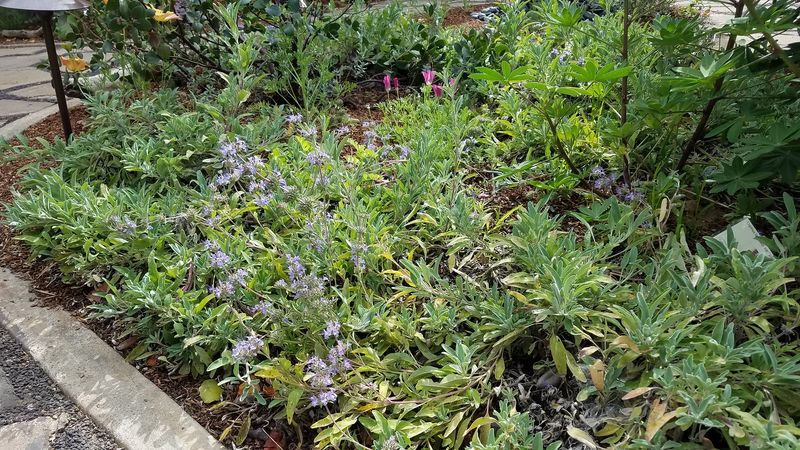
Creeping sage shines brightest when it is used thoughtfully. Planting it in the right spots makes all the difference between a yard that looks intentional and one that looks like an experiment.
The sweet spot is any area where looks matter more than function, meaning places people see but do not regularly walk across.
Front yards are the most popular choice. A front yard planted with creeping sage, paired with a few accent plants and a gravel or decomposed granite path, can look genuinely stunning.
The silver-green foliage has a soft, natural texture that feels both wild and well-designed at the same time.
It photographs beautifully and holds its color through most of the year, even in summer when other plants look tired.
Planning your layout before you plant makes a big difference. Give each plant about two to three feet of space to spread.
They will fill in over time and eventually form a seamless mat. Mulching between plants during the first year helps retain moisture and reduces weed competition while roots establish.
Once the plants link up and cover the ground, weeds have a much harder time breaking through. Maintenance at that point is minimal.
An occasional trim along the edges to keep things tidy is really all most homeowners need to do.
For a decorative front lawn area, that level of effort is refreshingly manageable and genuinely satisfying long term.