The Timing Trick For Louisiana Collards That Makes Them Sweeter
Your greens often turn bitter because they matured in the wrong weather. Heat pushes leaves to build sharp compounds that leave a bitter bite.
Cold changes the chemistry. When temperatures sink toward freezing, collards convert stored starch into sugar.
That sugar works as antifreeze inside the leaf cells. You see that change in Louisiana once the nights turn properly cool.
Mustard and turnip tops sweeten in cold weather too. Sweeter leaves need less sugar, less pork fat, and less masking from you.
Frost does the seasoning before you ever touch a spoon. Skip the early harvest and you lose tender leaves to bitter pots.
Louisiana’s frost window decides whether you serve tender or tough greens. Watch the forecast, because a wrong guess can bring back some bitterness. The overnight temperature that sweetens your collards is milder than you think.
Cold Nights Turn Starch Into Sugar
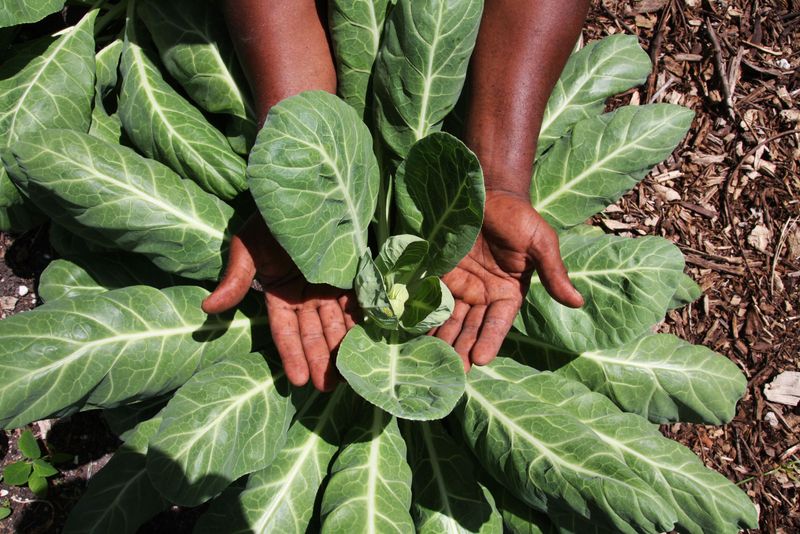
Picture a collard plant bracing for a chilly Louisiana night like a kid zipping up a hoodie. Inside its leaves, something clever starts happening while you sleep.
Collards store energy as starch, which tastes bland and slightly flat. When temperatures drop near freezing, the plant converts some of that starch into sugar.
Sugar works like natural antifreeze inside the leaf cells. Sweeter sap freezes at a lower temperature, so the plant protects itself from frost damage.
You get the bonus of that survival trick at the dinner table. The leaves lose their sharp bite and pick up a mellow, almost nutty sweetness.
So the real secret is timing your harvest around cold weather, not just planting greens and hoping. You want full-sized leaves ready when the first cool nights arrive.
A few nights in the upper thirties can make a noticeable difference. A light frost around 30 degrees often sweetens leaves even more.
Summer collards miss out on this change because warm nights keep sugar levels low. That helps explain why August greens can taste tougher and sharper.
Old-timers in Cajun country said greens were not worth picking until after the first frost. Horticulturists have documented this cold-sweetening effect, though it starts well above frost temperatures.
Pay attention to the forecast once fall arrives in your parish. Write down the first night dipping below 45 degrees and plan your picking around it.
Think of cold as the seasoning you cannot buy at the store. Mother Nature does the sweetening, and you simply show up with a basket.
The Best Planting Window In Louisiana
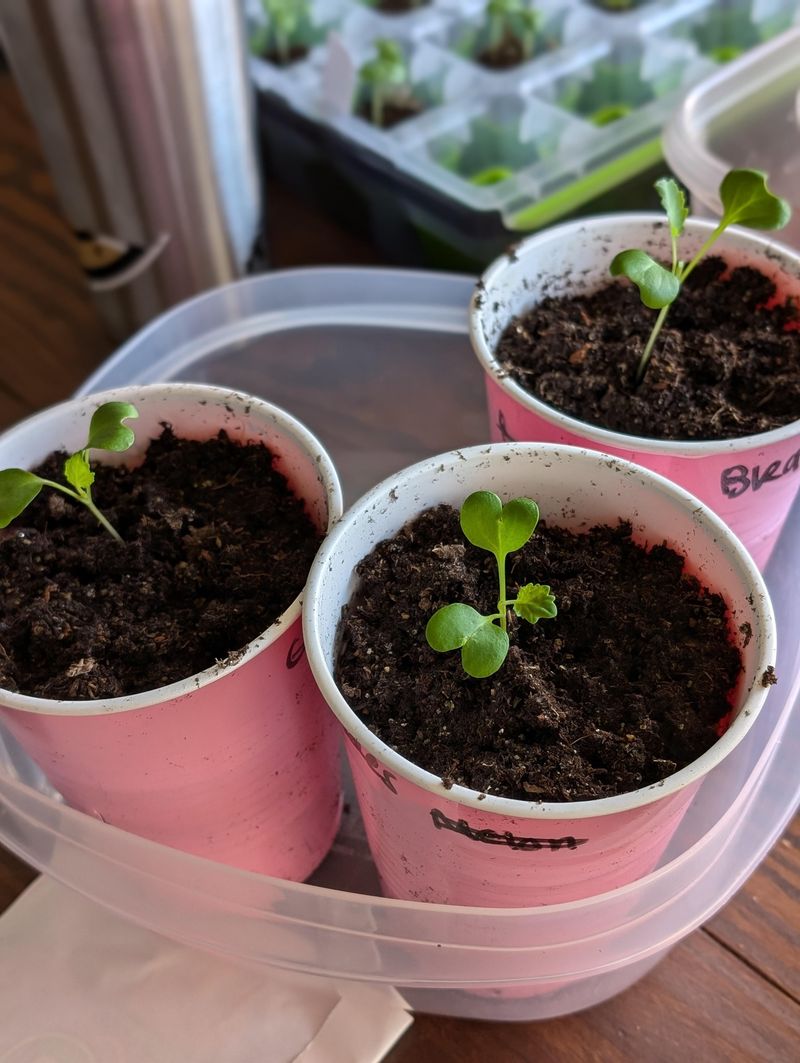
Louisiana gardeners face a funny puzzle, because fall often feels like summer wearing a light sweater. Planting too early or too late can spoil the sweet payoff.
Collards need about 60 to 80 days to reach a good harvest size from transplants. That means counting backward from your usual first cool spell.
In south Louisiana, set out transplants from late August through October. North Louisiana gardeners can start a bit earlier, from mid-August into September.
Southern growers who missed the early window can still plant before October ends. Pick sturdy transplants instead of seeds to shave a few weeks off.
Your Louisiana Garden Changes Every Week. Your Plan Should Too.
Gardening in Louisiana changes quickly throughout the season. Every Friday you’ll receive a simple weekly plan showing exactly what to plant, prune, fertilize, harvest, and protect so you never miss the right timing.
Plants set out in late October should reach picking size by late December or January, when chilly nights show up more often.
Choose a sunny spot that gets at least six hours of light each day. Rich soil with plenty of compost helps leaves grow broad and tender.
Varieties like Georgia Southern, Vates, and Champion handle Louisiana weather well. Hybrid types such as Flash grow fast and resist bolting.
Space plants about 18 inches apart so air moves freely between them. Crowded rows invite hungry pests and slow down healthy leaf growth.
Water deeply about once a week if rain stays scarce. Steady moisture keeps young plants growing toward that cold-weather finish line.
Mark your calendar with planting dates and expected harvest weeks. A little planning now means sweeter greens on the table by winter.
The Summer Planting Mistake To Avoid
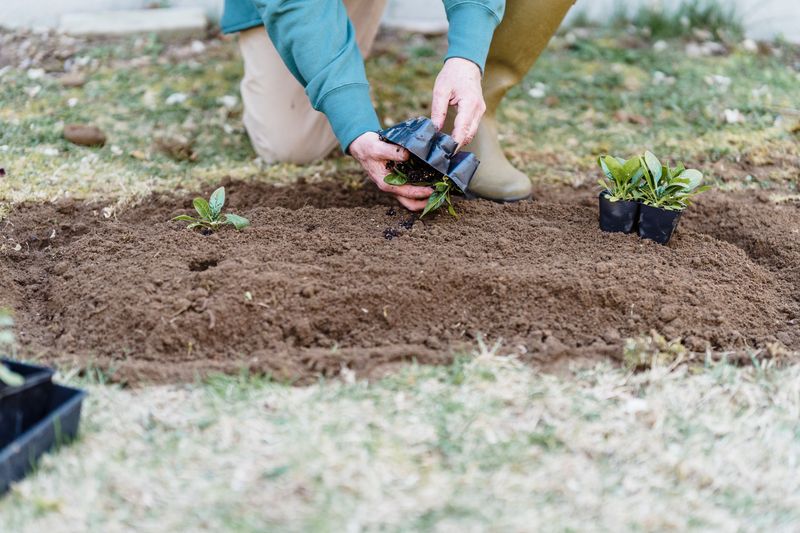
You may know a gardener who planted collards in June and bragged about giant leaves by August. Then he cooked them, took one bite, and reached for the sugar bowl.
Planting too early is a frequent error Louisiana gardeners make with these greens. Leaves that mature in heat skip the cold sweetening step.
Hot weather also stresses the plants in other ways. Heat can trigger bitter compounds and tougher, leathery leaf texture.
Summer collards attract more cabbage loopers, aphids, and harlequin bugs too. Bugs love warm weather as much as they love tender greens.
Another mistake is planting so late that plants stay tiny when the cold arrives. Small seedlings cannot build up enough sugar to make much difference.
Some folks also harvest too soon after a warm stretch. Picking during a muggy week gives you leaves with very little sweetness.
The fix starts with patience in late summer, even when you are eager to plant. Wait for the worst heat to ease, and give new transplants shade and steady water.
If you already planted early, do not panic or pull the plants. Keep picking lower leaves, and newer growth will mature during cooler weather.
Those later leaves will taste far better than the summer batch. Your patience gets rewarded once the nights turn crisp.
Think of early planting like showing up to a party before the host gets home. You are there, but the good stuff has not arrived yet.
Keep a simple garden journal noting planting dates and taste results each year. Over time, you will spot the perfect window for your own yard.
Harvesting The Morning After A Chill
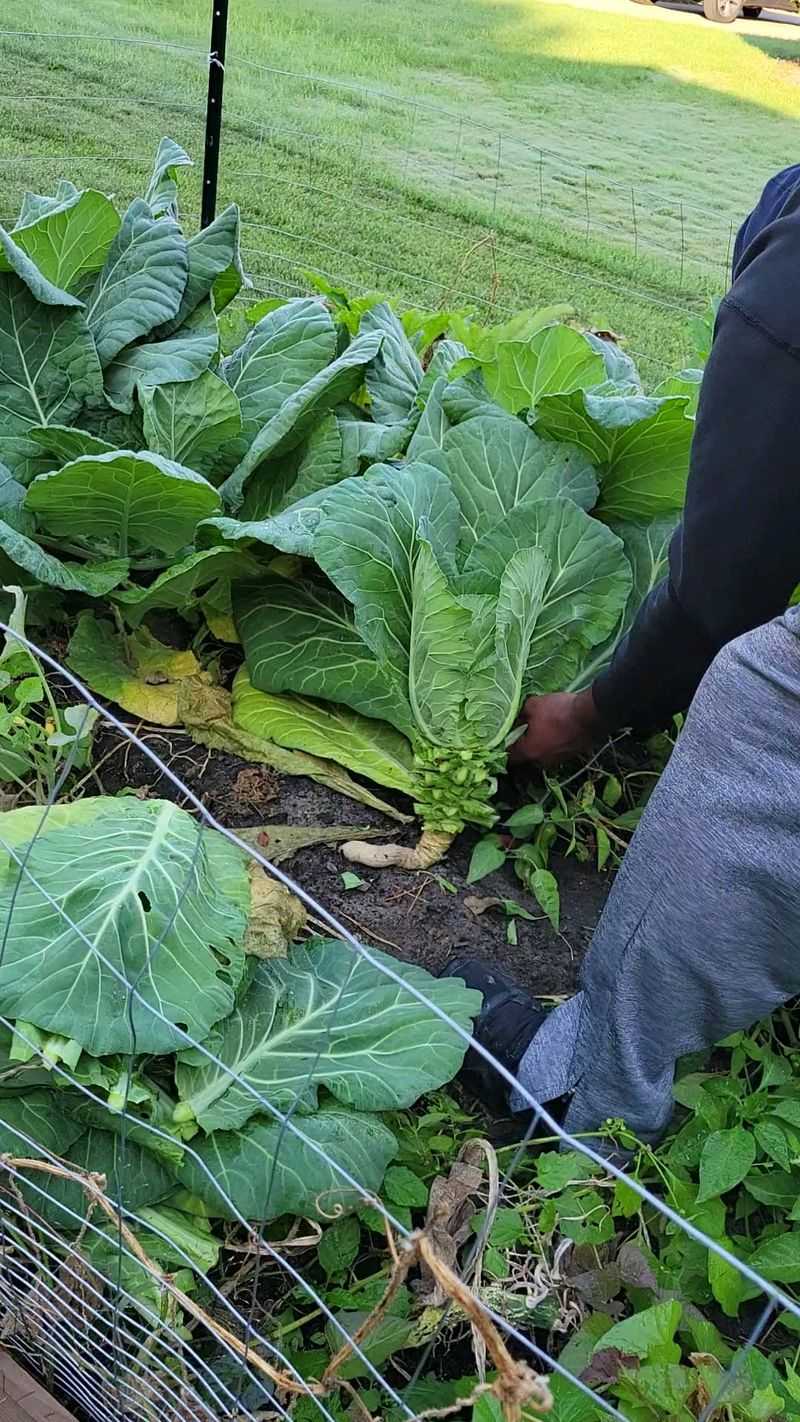
Grab your basket and a warm cup of coffee, because the best picking happens early. The morning after a cold night is prime time for sweet collards.
Sugar levels inside the leaves tend to be highest after a chilly night. Picking before the afternoon sun warms them helps you capture that sweetness.
If frost coats the leaves, let it melt before you start cutting. Handling frozen leaves can bruise them and leave dark, mushy spots.
Start with the lower, outer leaves that are about the size of your hand or larger. Leave the center bud alone so the plant keeps producing.
Cut stems with clean scissors or a sharp knife close to the main stalk. Tearing leaves by hand can damage the plant and invite disease.
Take no more than a third of the leaves at one time. The plant needs enough foliage left to keep growing strong all winter.
Rinse your harvest in cool water to remove grit and any hiding bugs. Store leaves in a damp towel inside a bag in the fridge.
Cold-sweetened collards keep their flavor for about a week when stored this way. Cook them sooner if you want the brightest taste.
Many cooks swear that greens picked after the first frost need less pepper vinegar. The leaves already bring their own mellow, rich flavor.
A quick tip helps on mild winters with few cold nights. Check the forecast and plan big harvests right after any dip below 40 degrees.
Sweeter Leaves In The Pot
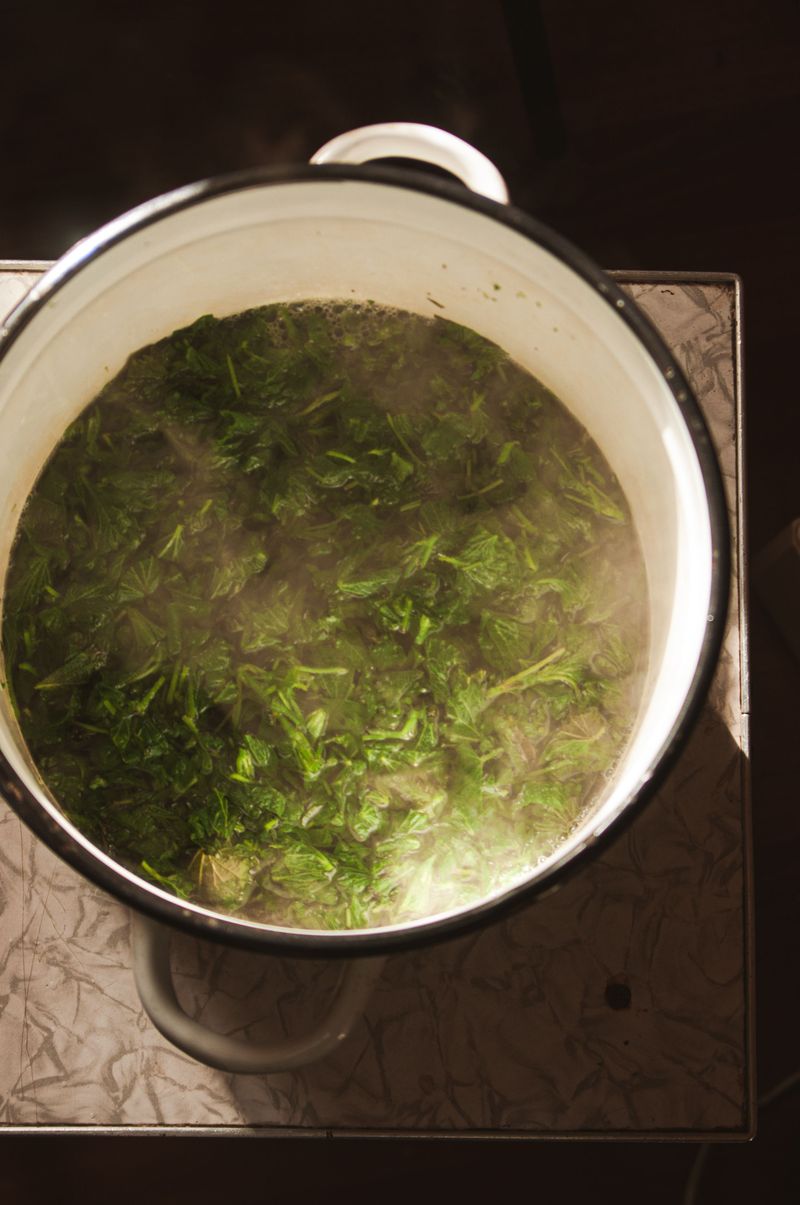
Ask any Louisiana grandmother about winter greens, and she will probably smile before she answers. Cold-weather collards cook up softer, sweeter, and more forgiving.
Sugar in the leaves balances the natural bitterness of the plant. You end up needing less sugar, vinegar, or heavy seasoning to make them taste good.
Cold-sweetened leaves also soften nicely during cooking. Cooking time still depends on leaf maturity.
Try a classic Cajun-style pot with smoked turkey, onion, garlic, and a splash of hot sauce. The sweetness pairs beautifully with smoky, salty flavors.
Remove the thick center stems before cooking, since they stay chewy. Slice the leaves into ribbons so they cook evenly.
Save the cooking liquid, which Southerners call pot liquor. It is packed with flavor and tastes rich with a wedge of cornbread.
Sweeter greens also shine in a garlicky saute or a slow-simmered gumbo z’herbes. Some picky eaters may enjoy them more.
Kids who wrinkle their noses at summer greens may ask for seconds in January. The milder taste makes a big difference for young taste buds.
Collards are also loaded with vitamins A, C, and K, plus fiber and calcium. Better flavor just makes eating healthy food easier.
Many families serve greens on New Year’s Day for good luck and money. Cold-sweetened leaves make that tradition taste even richer.
Try a side-by-side taste test with summer and winter leaves if you can. Your family will likely notice the difference after the first forkful.
Protecting Plants Through A Hard Freeze
A little cold sweetens collards, but a hard freeze can leave leaves limp and damaged. Smart gardeners know where the line sits.
Most collards handle temperatures down to about 20 degrees without much trouble. Below that, leaves can freeze solid and sustain serious damage.
Louisiana gets occasional hard freezes, especially in the northern parishes. Watch the forecast closely from December through February.
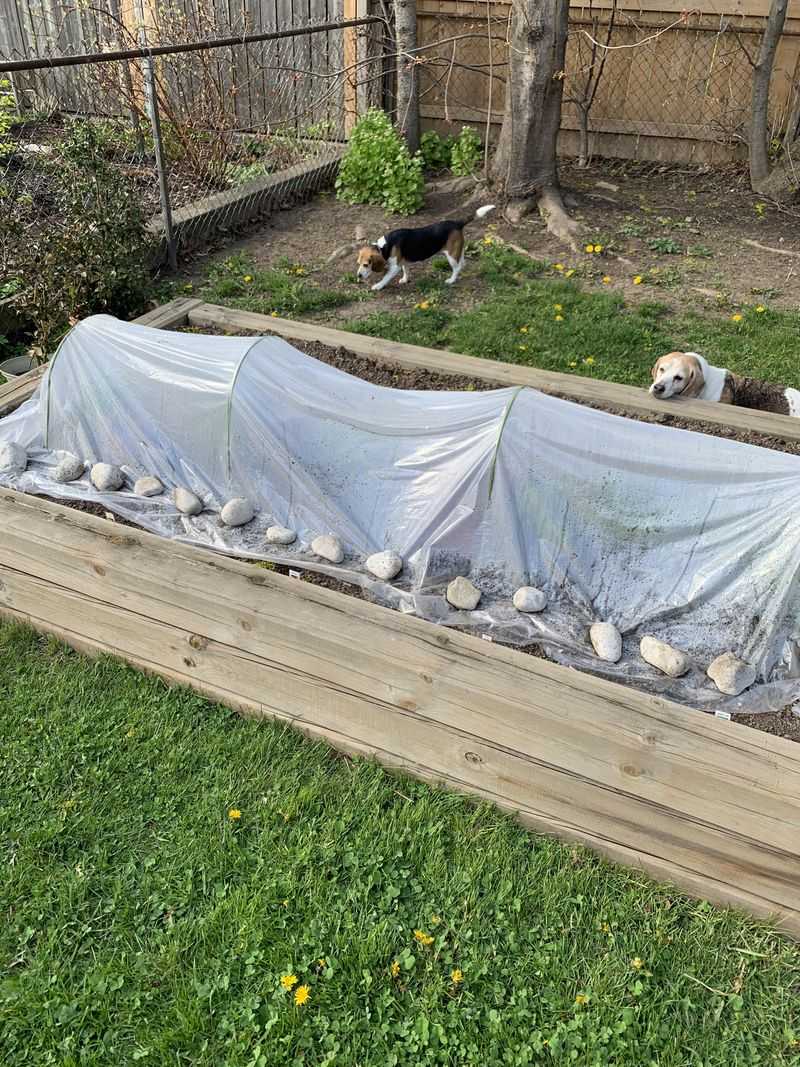
Cover plants with frost cloth, old bedsheets, or cardboard boxes when a hard freeze threatens. Remove covers the next morning once temperatures climb.
Avoid plastic touching the leaves, since it can transfer cold and cause burns. Use stakes or hoops to hold coverings above the plants.
Water the soil a day before a freeze arrives. Moist ground holds heat better than dry ground and keeps roots safer.
A thick layer of pine straw or shredded leaves around the base helps too. Mulch keeps soil temperatures steady during large swings in temperature.
If a freeze is coming, harvest the biggest leaves beforehand. You get sweet greens for the freezer and lighten the load on the plant.
Blanch extra leaves for three minutes, cool them in ice water, and freeze them flat in bags. They will taste great for months.
Healthy, well-fed plants bounce back faster after cold stress. A light side dressing of nitrogen fertilizer in early winter keeps them growing.
Protect your patch well, and it can feed you from fall into early spring. Plenty of sweet harvests await on the other side of a chilly forecast.