The Tiny Holes In Ohio Firewood That Mean You Shouldn’t Bring It Inside
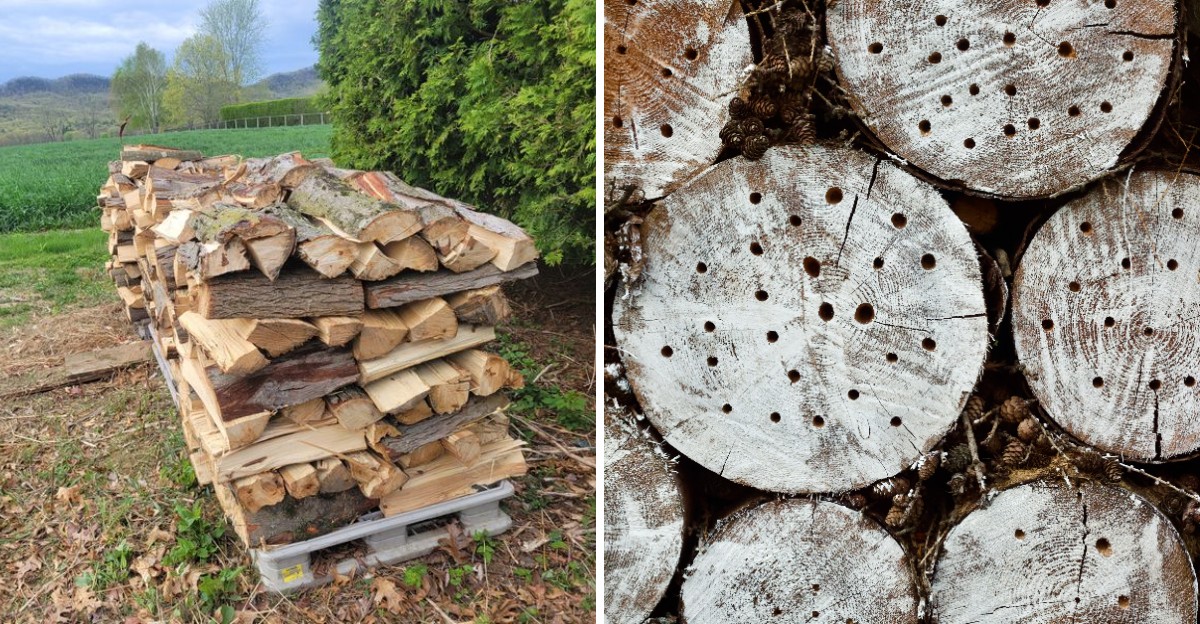
Stack a few logs by the fireplace and the sawdust drifting onto the hearth looks harmless. Look closer at the wood.
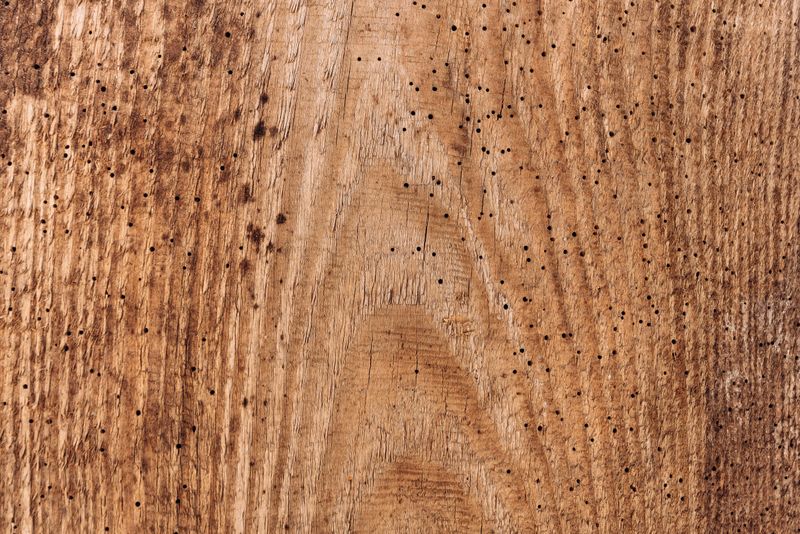
Ohio firewood piles can hide more than seasoned oak. Tiny round holes, no wider than a pencil lead, may be the doorway to something you’d rather not invite into the living room.
Most people spot them and keep stacking, figuring a little character never hurt anyone.
Warmth wakes up whatever’s tucked inside. Within days, the quiet log can turn into a whole new project for you and a pest control bill for your wallet.
The holes carry a message, and the details change what you should do next. A few checks take under a minute.
Rotate your pile before the first cold night. Your fire will burn just as well without the hitchhikers.
1. Holes Mean Wood-Boring Insects Lived Inside
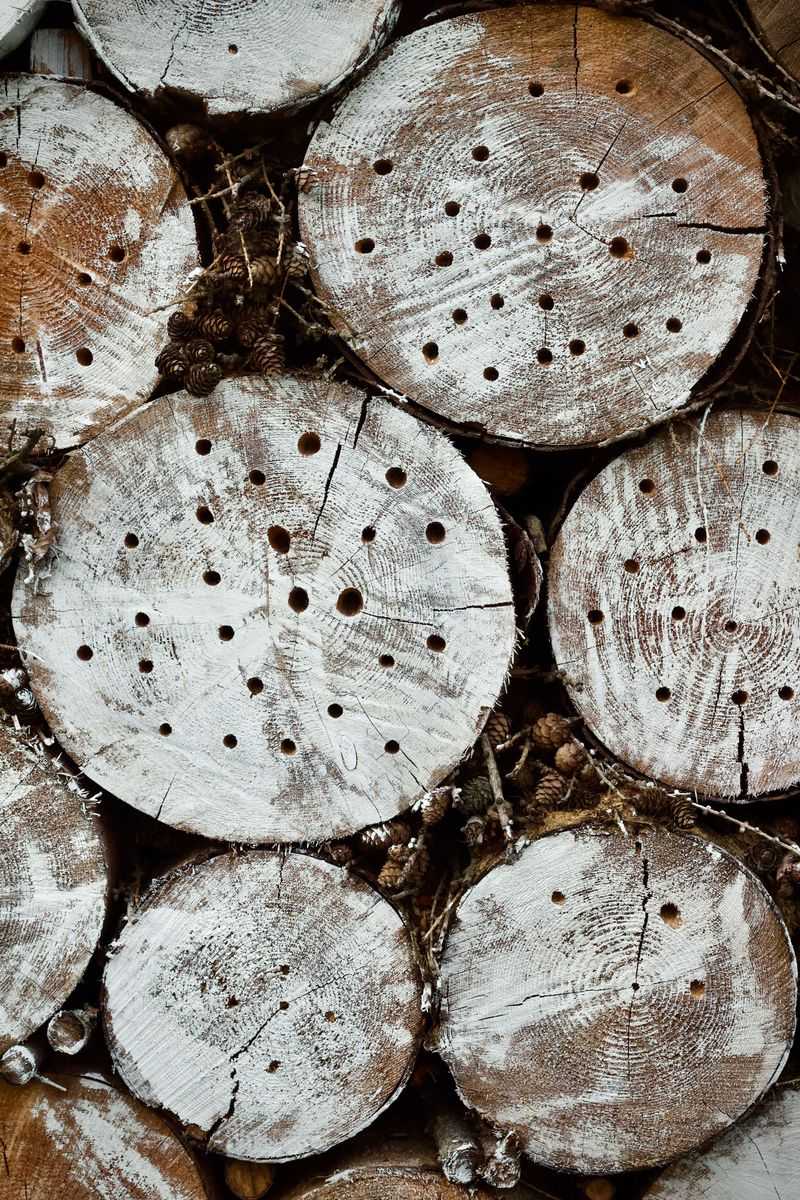
Think of every small hole in a log as a tiny front door. Something chewed its way out of that wood, and it probably spent months living inside first.
Wood-boring insects, mostly beetles, lay their eggs on or just under the bark. When the eggs hatch, the young larvae start eating and tunneling through the wood like miniature miners.
Those tunnels are called galleries, and they can wind around in squiggly patterns. If you peel back a loose strip of bark, you might spot them packed with crumbly, sawdust-like material.
Once a larva grows up, it turns into an adult and bores an exit hole to escape. That hole is the sign most people notice when they pick up a log from the pile.
Here is the tricky part about these clues. A single hole tells you some insects already left, but other larvae may still be tucked deeper inside, waiting their turn.
So treat holey firewood as a red flag rather than a guarantee of trouble. It does not mean the log is useless, but it does mean you should handle it with a bit more care.
Burning it outdoors in a fire pit is often the easiest choice. You still get the warm glow, and any hidden residents stay outside where they belong.
2. Some Insects Can Still Emerge Once Indoors
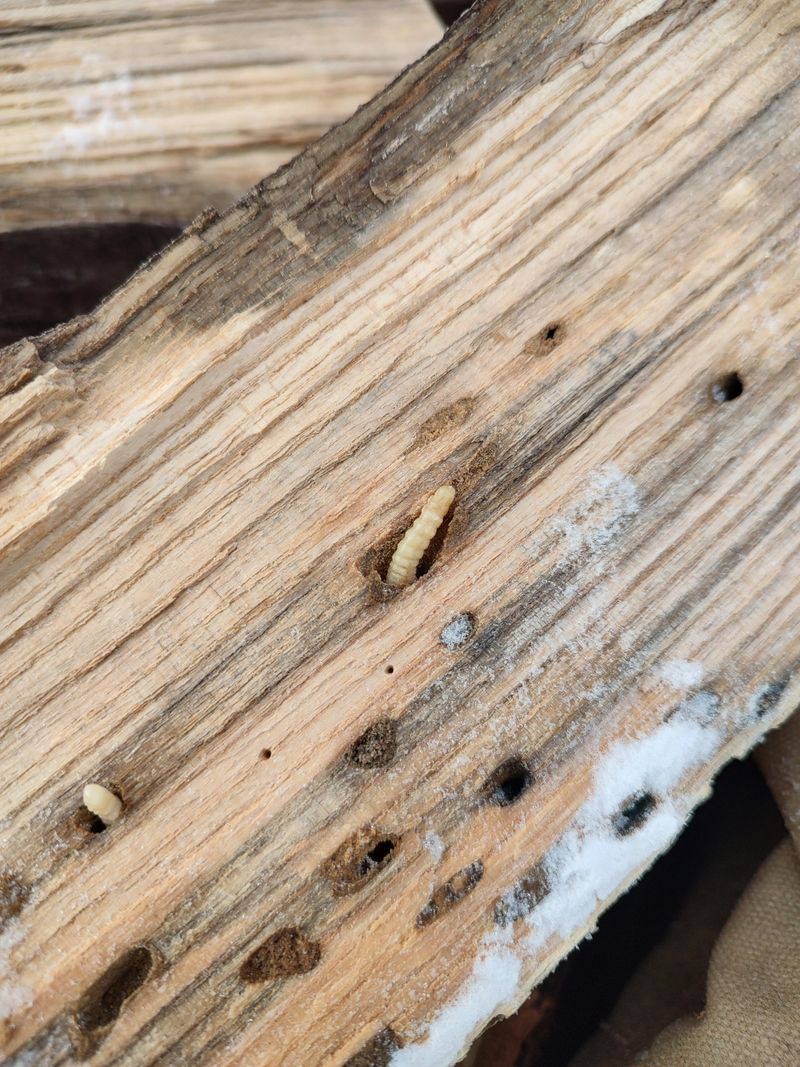
Imagine sleeping through a frosty winter and then waking up in a toasty living room. To a bug hiding in firewood, your house feels like spring arrived overnight.
Many insects slow way down when the weather turns cold. They rest quietly inside logs, under bark, or in cracks until warmer temperatures tell them it is time to move.
Bring that log into a heated home, and the wake-up call starts early. Beetles, spiders, flies, and even the occasional wood roach can wander out after a few days.
The good news is that most of these surprise visitors are simply a nuisance. They usually cannot harm the dry, finished wood in your walls, floors, or furniture.
You will often find them gathered near windows and lamps. Light and warmth pull them like a magnet, so check those spots if you see a stray bug or two.
Your Ohio Garden Changes Every Week. Your Plan Should Too.
Gardening in Ohio changes quickly throughout the season. Every Friday you’ll receive a simple weekly plan showing exactly what to plant, prune, fertilize, harvest, and protect so you never miss the right timing.
A handheld vacuum makes cleanup quick and easy. Empty the canister outside afterward so no one sneaks back in for a second visit.
Keeping your firewood rack far from couches and beds also helps. That way, any late risers stay in one area instead of exploring your whole home in the middle of January.
3. D-Shaped Holes Point To Emerald Ash Borer
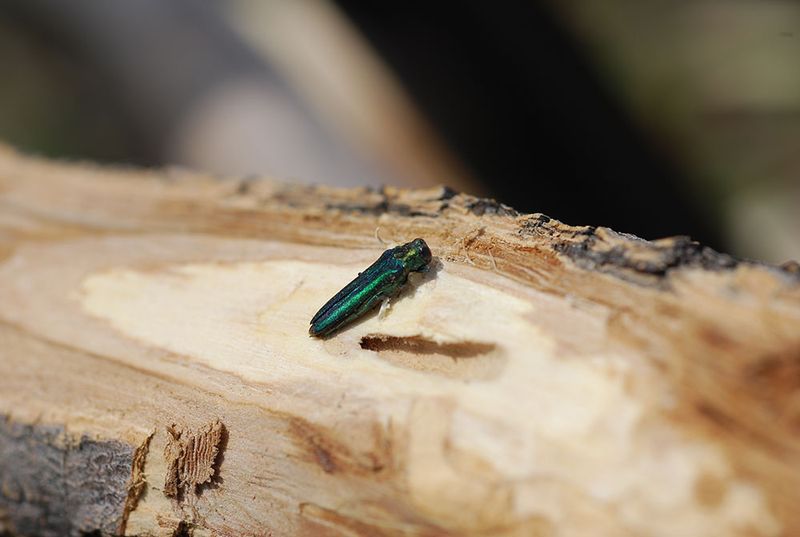
Grab a ruler and a magnifying glass, because this clue has a letter hidden in it. A hole shaped like a capital D, flat on one side and curved on the other, is a classic calling card.
That shape belongs to the emerald ash borer, a shiny green beetle only about half an inch long. The holes are small, usually around one-eighth of an inch across.
Fun fact: this pest was first found in Ohio back in 2003. Since then, it has spread across the state and wiped out huge numbers of ash trees.
Its larvae feed right under the bark in wavy, S-shaped tunnels. That feeding cuts off the flow of water and nutrients, and the tree slowly loses its strength.
Moving firewood is one of the biggest reasons this beetle traveled so far, so fast. A single trunk load of infested logs can carry hundreds of hungry larvae to a brand new area.
If you spot D-shaped holes, keep that wood local and burn it close to where you got it. Do not haul it to a campsite, a cabin, or a friend’s house in another county.
Buying firewood near where you plan to burn it is a simple, smart habit. Your neighborhood ash trees will thank you.
4. Pencil-Sized Round Holes Can Signal Asian Longhorned Beetle
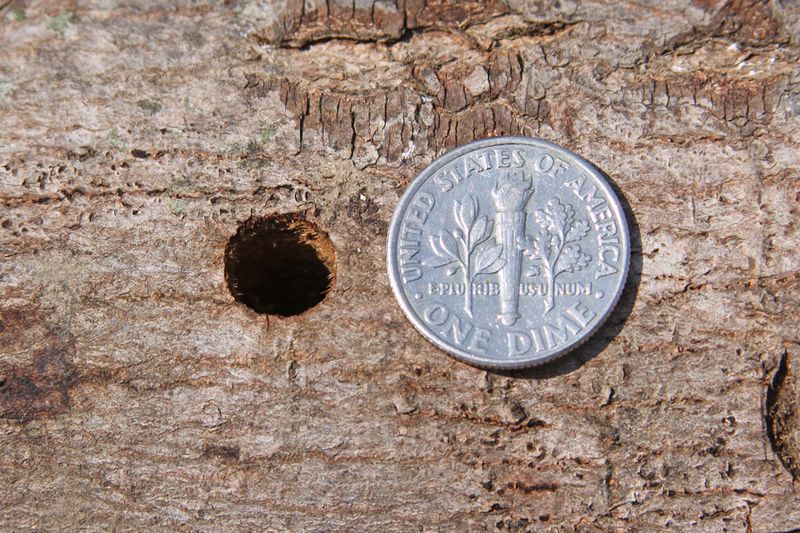
Here is a quick test you can do with something from your junk drawer. Take an ordinary pencil and gently slide it into a round hole in your firewood.
If the pencil sinks in deep, pay attention. Large, perfectly round holes about a quarter to half an inch wide can point to the Asian longhorned beetle.
The adult is hard to forget once you see it. It is shiny black with white spots and has extra-long antennae striped in black and white.
Unlike some pests that stick to one tree type, this beetle is a picky eater with a long menu. Maples are a favorite, but it also attacks birch, willow, elm, and other hardwoods.
Ohio has dealt with this beetle in the Clermont County area, east of Cincinnati. Crews have worked hard for years to remove infested trees and stop it from spreading further.
Moving firewood is one of the main ways it hitches a ride to new places. That is why there are quarantine rules in some areas about carrying wood out of certain zones.
If you suspect this beetle, snap a photo and report it to the Ohio Department of Agriculture. Your quick call could help protect thousands of trees across the state.
5. Tiny Holes With Sawdust Point To Powderpost Beetles
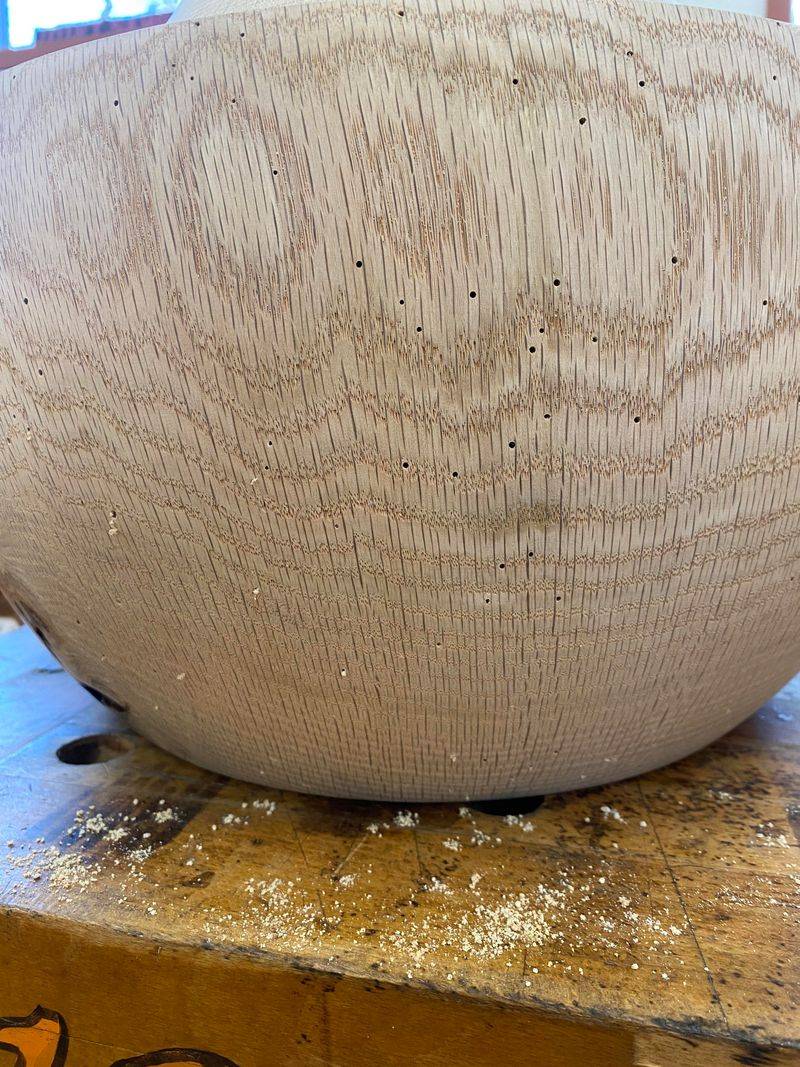
Ever noticed a little pile of powder that looks like someone spilled flour near your woodpile? Rub it between your fingers, and if it feels smooth like baby powder, you may have found a clue.
That fine dust is called frass, which is a fancy word for insect leftovers and chewed wood. When it shows up next to tiny round holes, powderpost beetles are often the reason.
The holes they make are very small, about the size of a pinhead. Sometimes you will see dozens of them peppered across one piece of wood.
The adult beetles are small and usually brown or reddish-brown. They are easy to overlook, since they mostly come out at night and hide during the day.
Their larvae do the real damage. They spend months, sometimes years, chewing tunnels inside the wood and turning it into crumbly powder.
Fresh frass that keeps appearing means the bugs are still busy inside. Old, yellowed dust that has settled for a while may just be a sign of past activity.
Either way, logs like these should stay outdoors. Set them aside and burn them soon in an outdoor fire pit instead of stacking them next to your cozy indoor hearth.
6. Powderpost Beetles Rarely Spread To Your Home’s Wood
Take a deep breath before you panic about your antique dresser. Most bugs that come out of firewood cannot survive in the dry, finished wood inside a typical home.
Powderpost beetles are the one group that can sometimes break that rule. Under the right conditions, they may move from firewood into furniture, floors, or wooden beams.
They are drawn to wood that is bare, unfinished, or a little damp. Think basement joists, crawl space beams, or an old unpainted chair stored in a humid corner.
Paint, stain, and varnish act like a protective shield. Adults struggle to lay eggs on sealed surfaces, so finished furniture usually stays safe.
The other good news is that these beetles work slowly. An infestation can take years to grow, so you will often have plenty of time to notice signs and take action.
Keeping basements and crawl spaces dry is one of the best things you can do. A dehumidifier and good airflow make your house far less inviting to wood-loving pests.
If you keep finding fresh powder near indoor wood, call a pest professional for a closer look. Catching the problem early makes treatment much easier and cheaper.
7. Bring In Only What You’ll Burn In A Day Or Two
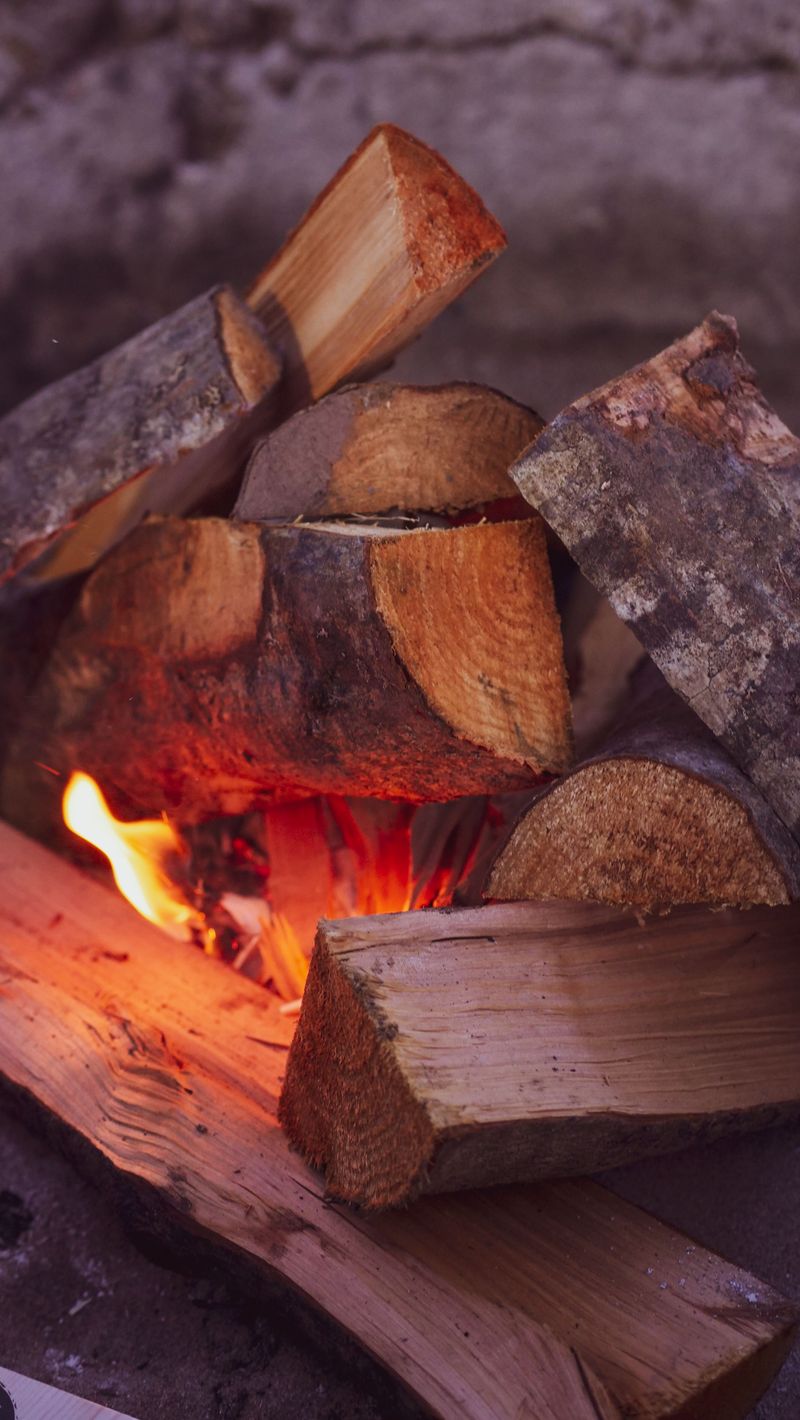
Grandpa had a simple rule for his woodstove: carry in tonight’s wood and tomorrow’s, and nothing more. Turns out, his old-school habit was also great pest control.
Insects hiding in cold logs need time to warm up before they become active. Most need several days of cozy indoor temperatures before they start crawling out.
If you burn your wood within a day or two, you beat them to the punch. The logs go into the fire before the bugs have a chance to wake up and explore.
A big pile stacked next to the fireplace for weeks gives them all the time they need. That is when people start finding beetles on curtains and spiders in the corners.
Keep your main woodpile outside, at least 20 feet from the house if you can. Raise it off the ground on a rack and cover just the top to keep rain off while letting air flow.
A small indoor log holder or basket works perfectly for your daily supply. It looks tidy, keeps the hearth area neat, and reminds you not to overstock.
Sure, it means one extra trip outside every couple of days. A little fresh winter air is a fair trade for a bug-free living room.
8. Knock Logs Together Before Carrying Them In
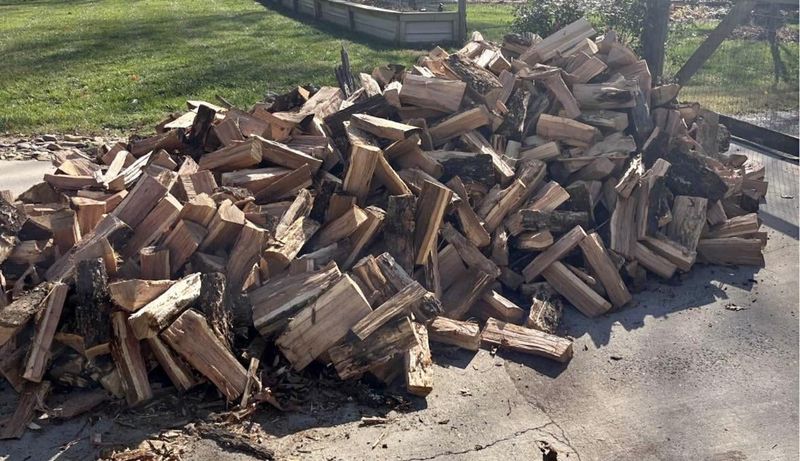
Clack, clack, clack. That satisfying sound of two logs bumping together might be the easiest pest prevention trick you will ever learn.
Before carrying an armload inside, grab two pieces and tap them firmly against each other. Loose insects, spiders, and bits of bark often tumble right off onto the ground.
Think of it like shaking out a beach towel before bringing it into the car. You will not catch everything, but you will leave plenty of unwanted extras behind.
While you are at it, give each log a quick once-over. Look for spider webs, silky cocoons, egg masses, or loose bark that could be hiding something.
Peeling off loose bark outside can help, too. Lots of critters like to snuggle in that cozy gap between the bark and the wood.
Wear a sturdy pair of gloves for this job. They protect your hands from splinters and from any surprise spider that decides to jump ship.
Got kids who want to help? Make it a fun game where they count the bugs that fall out, as long as an adult handles the heavier logs and keeps little fingers safe.
9. Never Spray Firewood With Insecticide
Reaching for a can of bug spray might seem like a clever shortcut. With firewood, though, it is one of the worst ideas you could try.
When treated wood burns, the chemicals do not just vanish. They can turn into harmful fumes that drift through your home or hang in the air around an outdoor fire.
Breathing that smoke is risky for everyone, especially kids, older adults, pets, and anyone with asthma. Nobody wants a side of chemical smoke with their marshmallows.
Spraying also does not work very well in the first place. Most wood-boring larvae live deep inside the log, far from where a spray can reach.
So you would be adding danger without solving the actual problem. That is a lose-lose deal for your health and your wallet.
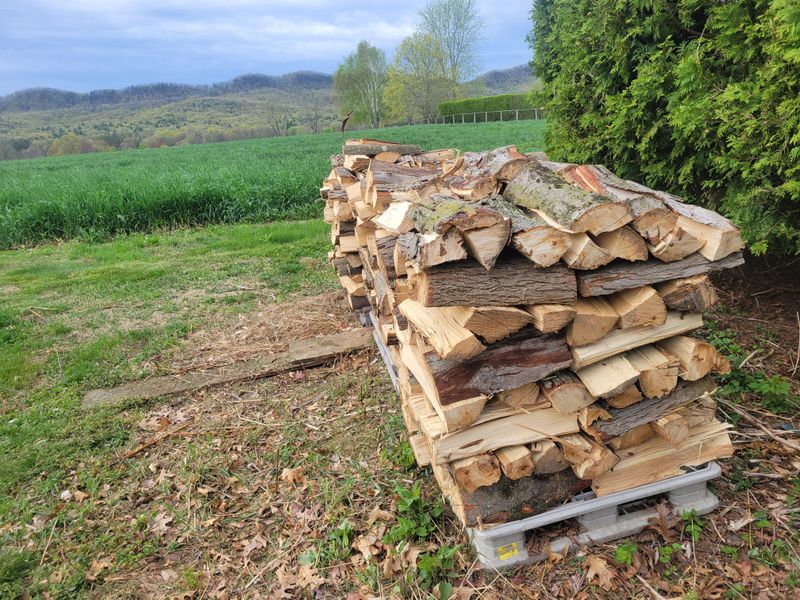
Smart storage does a much better job. Stack wood outside, keep it off the ground, let it dry, and bring in only small batches you plan to burn soon.
Buying heat-treated firewood is another great option. Look for a certification label, since heat treatment handles hidden pests safely and leaves nothing harmful behind when it burns.