The Meaning Behind Seeing A Red-Tailed Hawk In Your Ohio Yard
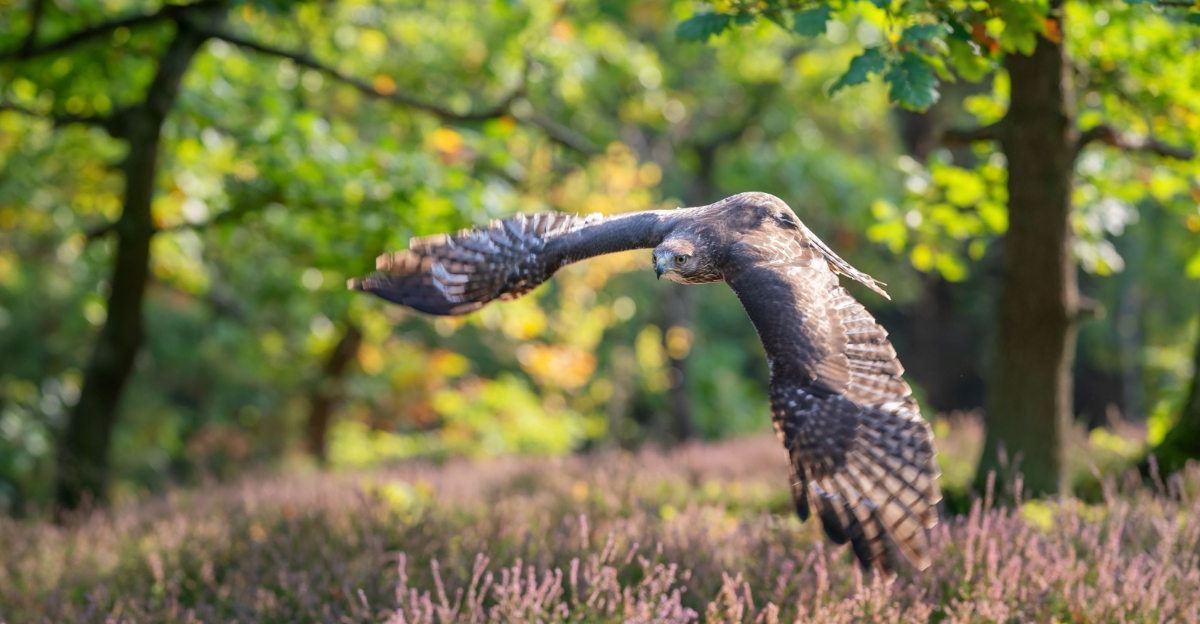
There’s something about a red-tailed hawk that just makes you stop. Maybe it’s perched on your fence post like it owns the place, or circling low overhead with that effortless, unhurried glide.
Either way, the moment it appears, everything else kind of fades out. Ohio is actually fantastic hawk territory, and that’s not an accident.
The mix of open lawns, mature trees, suburban edges, and rural pockets across the state creates exactly the kind of habitat these birds are drawn to. So when one shows up in your yard, it’s worth paying attention.
Some of what that visit means is rooted in straightforward wildlife behavior, and some of it is a little more personal and open to interpretation. Both are worth exploring.
Let’s take a closer look at what’s really going on.
1. Your Yard Offers Good Hunting Space
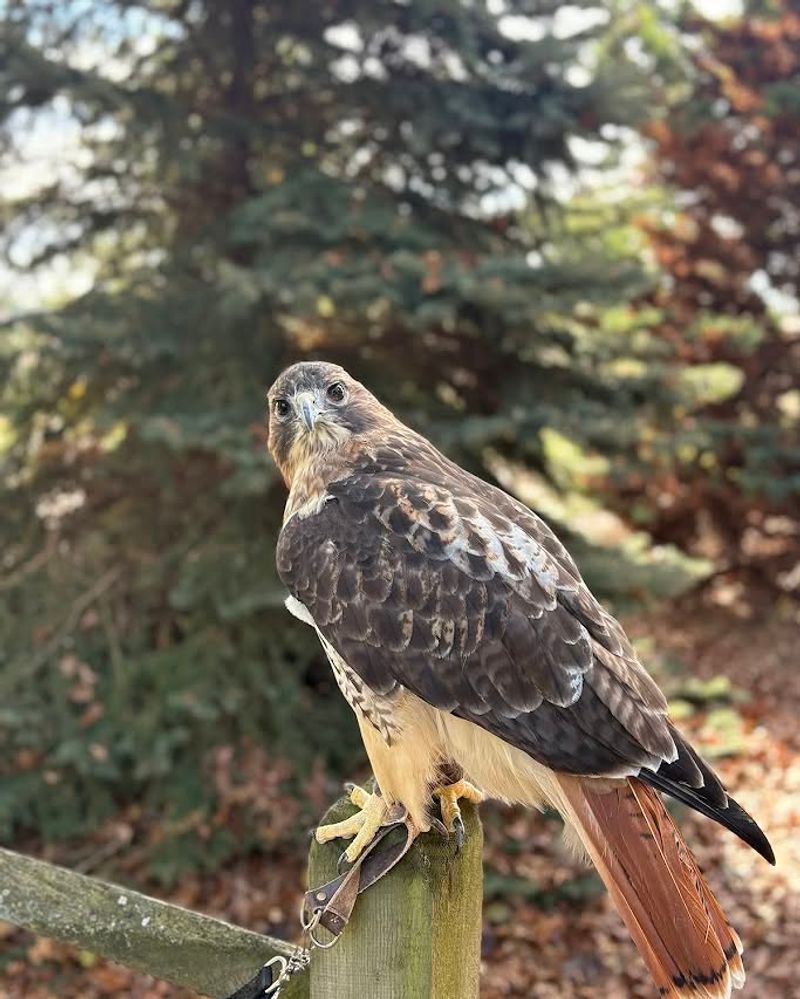
Open lawns are some of the most attractive hunting grounds a red-tailed hawk can find in a suburban Ohio neighborhood. When a hawk lands on your fence, a utility pole, or a low tree branch near your yard, it is almost certainly scanning the ground below for movement.
Red-tailed hawks rely heavily on open sight lines to spot prey from above, and a well-maintained lawn gives them exactly that advantage.
A yard with short grass and open space is essentially a natural hunting platform. Hawks are patient hunters.
They will sit still for several minutes, watching carefully before making any move. If your yard has a mix of open turf and nearby perch points like tall trees or rooftop edges, it becomes a very appealing spot for a hunting hawk.
Seeing one visit your yard repeatedly is a strong sign that your outdoor space offers real value to local wildlife. Rather than seeing this as something random, think of it as your yard functioning as part of a larger natural landscape.
Many homeowners are surprised to learn that their everyday backyard can support a bird as impressive and capable as a red-tailed hawk. It is a quiet reminder that nature is actively working around you, even in the middle of a busy neighborhood.
2. There Is Likely Prey Nearby
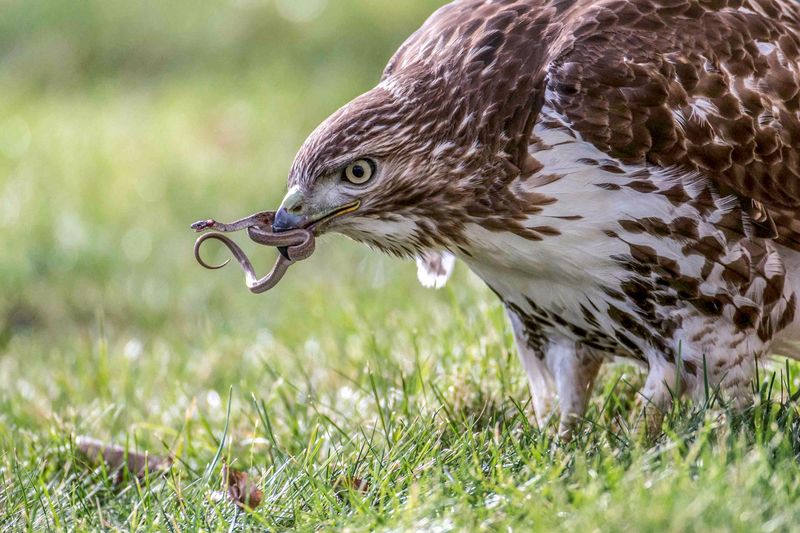
Red-tailed hawks do not wander into yards without reason. When one shows up in your yard, there is a strong chance the surrounding area supports a healthy population of small mammals.
Mice, voles, chipmunks, and rabbits are among the most common prey for red-tailed hawks across Ohio, and suburban yards often have more of these animals than homeowners realize.
Tall grass along fence lines, garden beds, compost areas, and bird feeders can all attract small rodents that in turn attract hawks. If you have noticed more chipmunks or mice around lately, the hawk may simply be following the food.
This is a completely natural and ecologically sound process that has been happening across Ohio landscapes for a very long time.
From a practical standpoint, a hawk visiting your yard can actually help keep small mammal populations in check in a natural way. Many gardeners and homeowners appreciate this kind of balance.
Your Ohio Garden Changes Every Week. Your Plan Should Too.
Gardening in Ohio changes quickly throughout the season. Every Friday you’ll receive a simple weekly plan showing exactly what to plant, prune, fertilize, harvest, and protect so you never miss the right timing.
Rather than reaching for traps or repellents, you may find that a visiting hawk is quietly handling the situation on its own terms. The presence of a hawk is a reliable signal that your yard sits within a functioning local food chain.
Paying attention to what else lives in and around your outdoor space can help you better understand why the hawk keeps coming back.
3. You May Live Near Edge Habitat
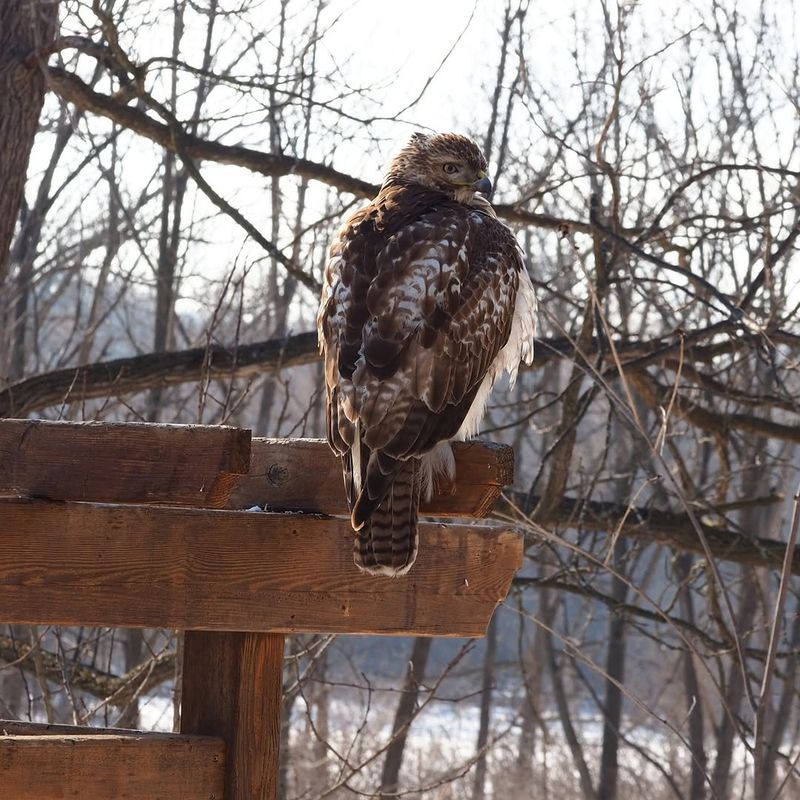
Edge habitat is the zone where two different types of land meet, such as where a neighborhood lawn transitions into a woodlot, a field border, or a creek corridor.
Red-tailed hawks thrive in these transition zones because they offer both open hunting ground and nearby trees for nesting and perching.
If a hawk is showing up in your yard with any regularity, there is a good chance your property sits near one of these edges.
Ohio has a rich mix of agricultural land, suburban development, and natural areas that create abundant edge habitat throughout the state.
Many neighborhoods border parks, nature preserves, farm fields, or wooded ravines without homeowners fully realizing it.
These edges are biological hotspots where animal activity tends to be higher, which naturally draws predators like red-tailed hawks into the area.
Understanding that you may live near edge habitat helps explain a lot about the wildlife you see in your yard. It is not just hawks.
Deer, foxes, songbirds, and various small mammals tend to move along these same corridors. A red-tailed hawk sighting can serve as an informal reminder to look more closely at what surrounds your property.
Ohio residents who take time to explore nearby natural edges often discover a surprisingly rich and active local wildlife community just beyond their back fence.
4. It Can Reflect A Healthy Local Food Web
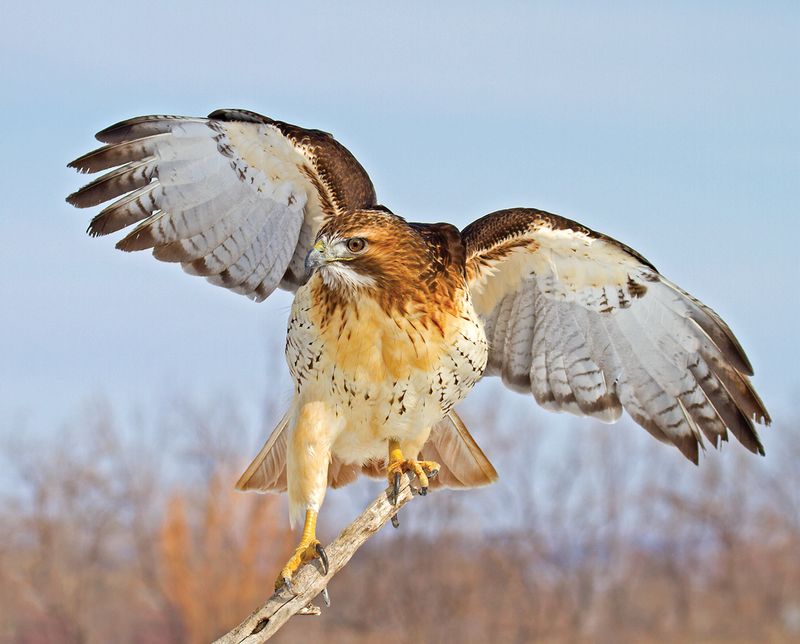
Seeing a top predator like a red-tailed hawk in your yard is genuinely good news for your local environment. Apex predators near the top of the food chain only thrive in areas that can support multiple layers of life below them.
A hawk’s presence suggests your neighborhood has enough insects, small mammals, and other wildlife to sustain a working food web.
Healthy food webs depend on balance. When plants support insects, insects support small animals, and small animals support larger predators, the whole system tends to stay stable.
A red-tailed hawk appearing in your yard suggests that balance may be present in your immediate area. This is especially meaningful in Ohio, where rapid suburban growth has fragmented many natural habitats over the decades.
For homeowners who have invested in native plants, reduced pesticide use, or added water features to their yards, a hawk sighting can feel like a sign that those efforts are paying off. A yard that supports biodiversity at multiple levels is doing something right.
Not every neighborhood can claim a red-tailed hawk as a regular visitor, so when one shows up, it is worth taking a moment to appreciate what that might say about the ecological health of your immediate surroundings. It is a meaningful signal worth noticing.
5. A Reminder To See The Bigger Picture
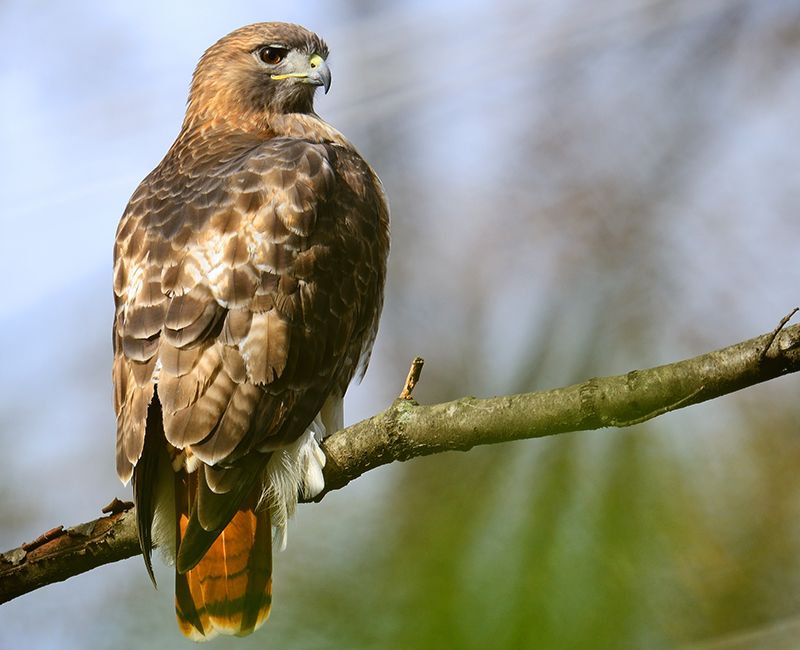
Once you move beyond the ecological explanations, hawk sightings begin to carry a different kind of weight for many people.
Across various cultures and personal belief systems, the red-tailed hawk is associated with clarity, vision, and the ability to rise above everyday concerns to see a broader perspective.
Whether or not you hold spiritual beliefs, there is something genuinely compelling about watching a hawk soar high above your Ohio neighborhood.
Many people report that seeing a hawk during a stressful or uncertain time in their life felt like a nudge to step back and look at their situation from a wider angle.
This kind of personal meaning is not scientific, but it is real in the sense that it can shift how someone feels or thinks in a given moment.
Symbolic meaning is personal and varies widely by background, culture, and individual experience.
If a red-tailed hawk has appeared in your yard during a moment of personal transition or difficulty, it may feel natural to interpret that as a sign to broaden your view. That kind of reflection can be genuinely useful, regardless of whether you believe in spiritual signs.
Taking a moment to pause, breathe, and consider the bigger picture in your own life is rarely a bad idea. The hawk simply gives you a reason to do it.
6. A Sign Of Change You Should Not Ignore
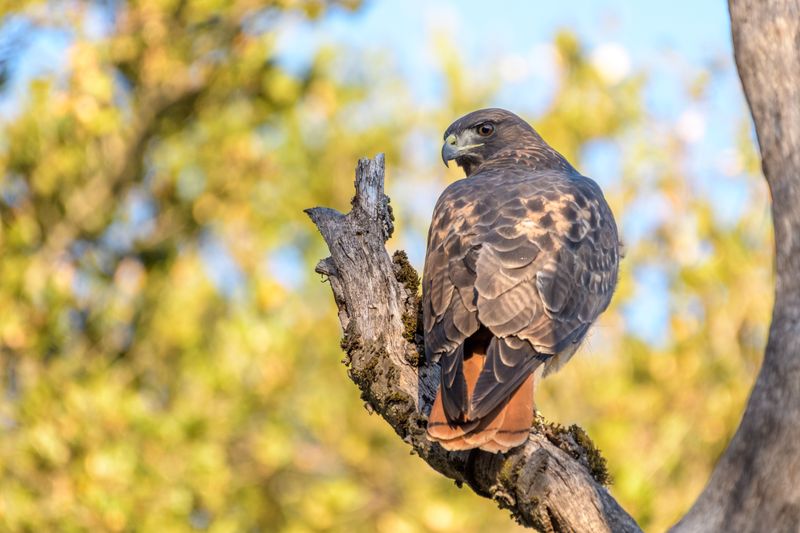
Red-tailed hawks are often connected in personal and cultural symbolism with the idea of transition and change.
For many people, a hawk appearing in an unexpected place or at an unexpected time feels like a signal that something in their life is shifting or about to shift.
This kind of interpretation is deeply personal and varies widely from person to person.
In Ohio, hawk sightings tend to increase during seasonal transitions, particularly in fall and early spring when birds are moving through or adjusting their territories.
So in a very literal sense, seeing a red-tailed hawk in your yard during these times does often coincide with real change in the natural world around you.
The connection between the hawk’s movement and seasonal change is a real ecological pattern.
On a more personal level, many Ohio residents who have gone through major life changes, such as a new job, a move, a relationship shift, or a period of personal growth, report that hawk sightings during those times felt meaningful to them.
Whether you frame this as a spiritual sign or simply a moment of heightened awareness, the experience can prompt useful self-reflection.
Paying attention to what is changing in your own life when a hawk appears may offer insights that are worth sitting with for a while, even if you cannot fully explain them.
7. A Moment Of Focus, Clarity, And Alertness
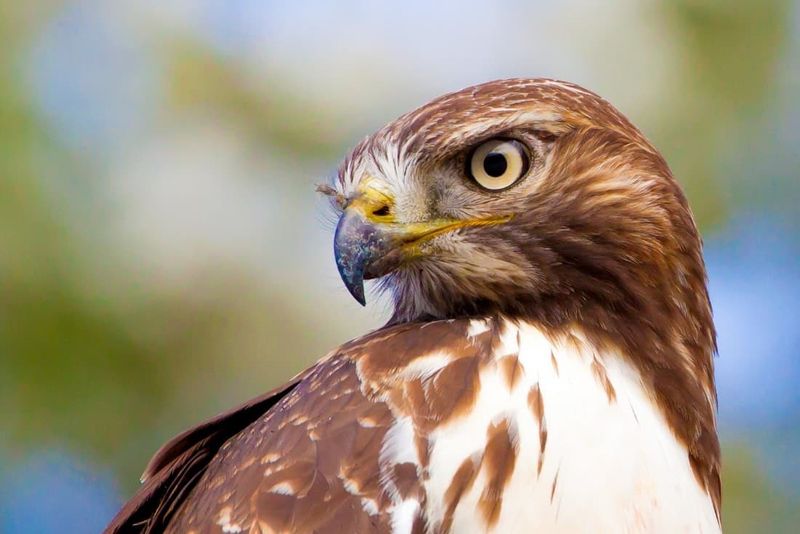
Few birds command attention the way a red-tailed hawk does. When one lands in your yard and locks its sharp eyes on something in the grass, the intensity of its focus is almost impossible to ignore.
That quality of total, undivided attention is something many people find deeply striking, and it is one reason hawks have become symbols of clarity and mental sharpness in various personal and cultural traditions.
Watching a hawk hunt requires a kind of patience and precision that most people rarely practice in their own daily lives. Everything about the bird in that moment is purposeful.
There is no distraction, no hesitation, and no wasted movement. For many Ohio residents, observing this behavior up close can feel like a quiet invitation to bring that same level of focus into their own work, decisions, or relationships.
This is one of the more grounded symbolic interpretations people tend to take from a hawk sighting, because the behavior itself supports the meaning. The hawk really is focused.
It really is alert. Whether you interpret that as a spiritual message or simply an inspiring observation from nature, the effect can be similar.
Slowing down, sharpening your attention, and approaching a challenge with calm precision are all reasonable takeaways from spending a few quiet minutes watching a red-tailed hawk work in your yard.
8. A Meaningful Sign Of Protection For Some People
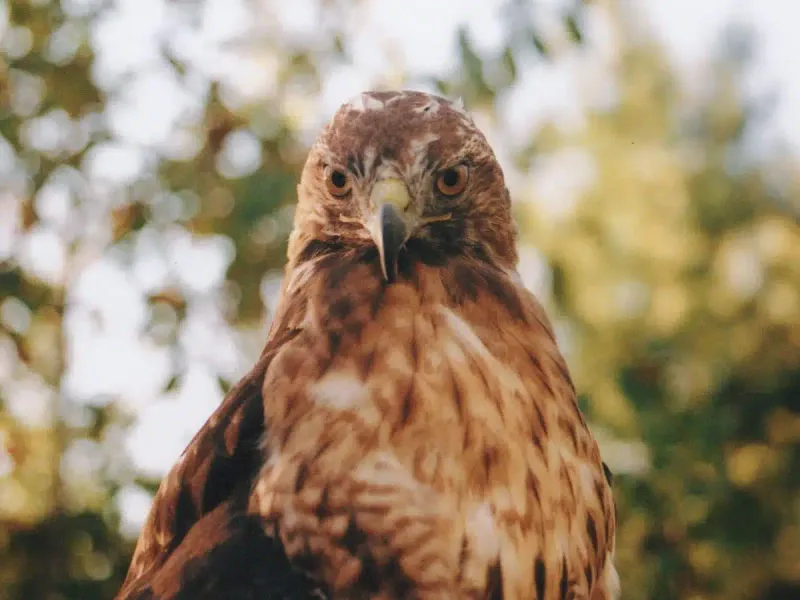
In several Indigenous traditions of North America, hawks are regarded as protectors and messengers. They are seen as guardians who watch over people and signal that help or guidance is nearby.
These are long-held cultural beliefs that deserve to be acknowledged with respect, even if they are not universally shared.
For people who come from or connect with these traditions, a red-tailed hawk appearing near their Ohio home can carry deep and personal significance.
Outside of specific cultural traditions, many people across different backgrounds describe feeling a sense of comfort or reassurance when a hawk appears near their home, particularly during times of grief, uncertainty, or personal hardship.
Whether this feeling is spiritual, psychological, or simply the result of a meaningful encounter with a wild and powerful animal, it tends to feel genuine to the people who experience it.
It is worth noting that symbolic meaning is not something that can be proven or measured, and it is not the same for everyone. What feels like a sign of protection to one person may feel like nothing more than a wildlife sighting to another.
Both responses are valid. If seeing a red-tailed hawk in your yard brings you a sense of comfort or safety, that feeling is yours to hold.
Nature has a quiet way of meeting people where they are, and sometimes a single bird can carry more meaning than words can easily explain.