The Tulip Planting Mistake That Leads To No Blooms In Your Pennsylvania Garden
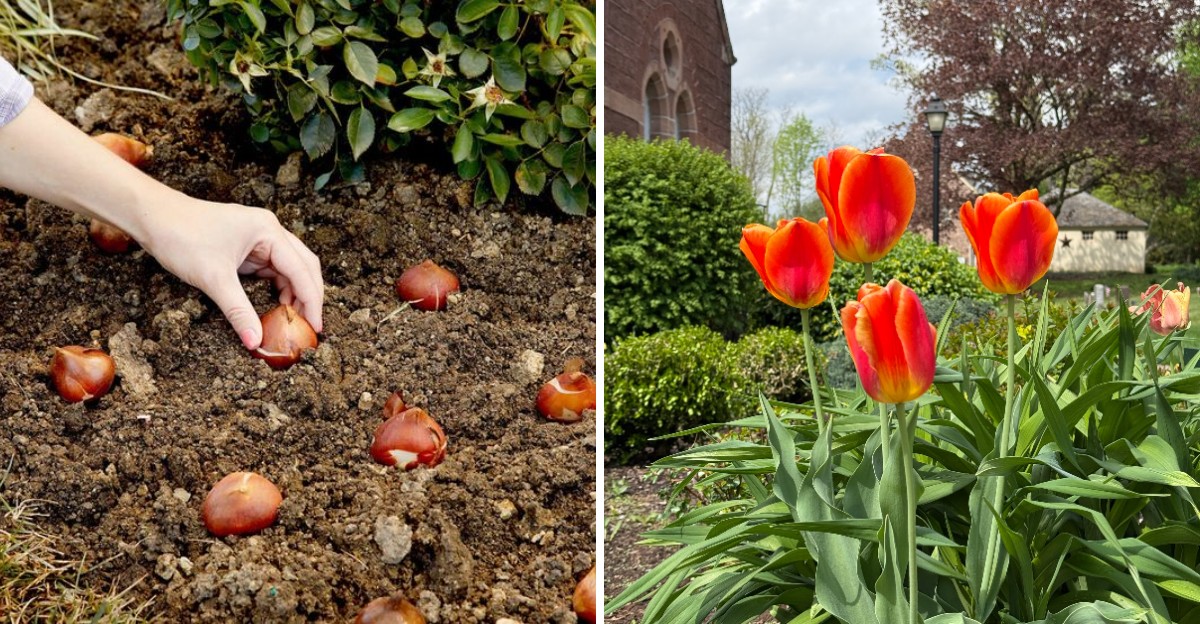
You planted tulip bulbs last fall, waited through a long Pennsylvania winter, and looked forward to a burst of spring color. Then April arrived, and the flowers never showed up.
Maybe a few leaves poked through the soil. Maybe the bulbs seemed to vanish completely. Or maybe you got a handful of small, weak blooms instead of the big show you planned.
It’s frustrating, and it’s surprisingly common. In many cases, the problem traces back to one simple planting mistake made months earlier, and plenty of Pennsylvania gardeners don’t realize they’re making it.
Fortunately, it’s also easy to fix. Avoid it this fall, and your garden will have a much better chance of filling with bright, cheerful tulips come spring.
Planting Bulbs Too Shallow
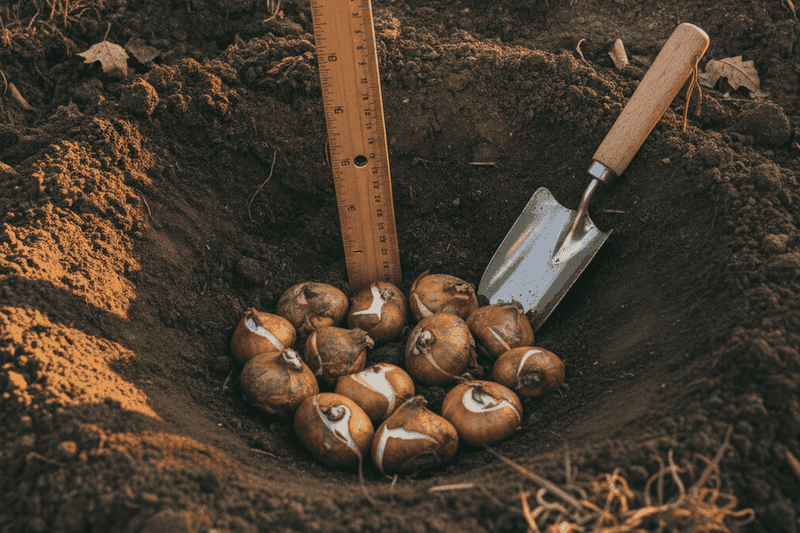
My neighbor once planted fifty tulip bulbs in one afternoon. She was proud of how fast she worked. By spring, only six weak flowers showed up, and she could not figure out why.
Her secret was not really a secret at all. She had only dug about two or three inches down. Lots of gardeners do the same thing because shallow holes are quick and easy to dig.
Sadly, shallow planting is one of the top reasons tulips fail. A bulb sitting close to the surface has very little protection. Cold air, heavy rain, and hungry animals can all reach it with ease.
So what happens to these bulbs? Some get damaged by hard freezes in January. Others rot when water sits on top of them. Many simply get dug up and eaten by squirrels or chipmunks.
Even when shallow bulbs survive, they often struggle. You might see short, wobbly stems that bend over in the wind. The flowers may be tiny, pale, or missing completely. Sometimes you only get a single leaf poking up.
Bulbs also need room to grow strong roots. Roots anchor the plant and pull up water and food. A shallow bulb has less soil around it, so its roots stay small and weak.
Here is a quick test you can try. If you planted tulips last fall and they looked poor, gently dig one up after the leaves fade. Measure how deep it sits. You may be surprised at how close to the top it was.
The fix is easy. Take a little more time and dig deeper. Your back may grumble, but your spring garden will thank you with bold, beautiful color.
Why Planting Depth Matters
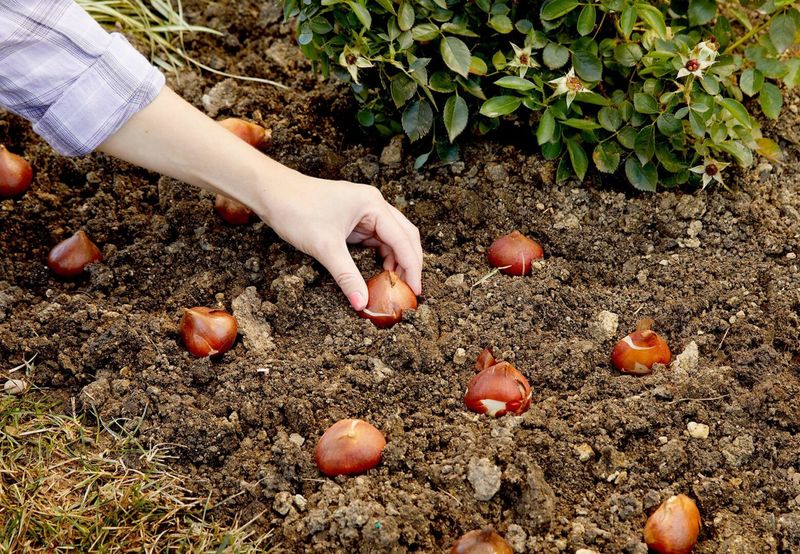
Think of soil as a big, cozy blanket. The thicker the blanket, the warmer you stay on a cold night. Tulip bulbs work the same way underground.
Pennsylvania winters are famous for wild swings. One week it is twelve degrees. The next week it feels like spring, and then the cold snaps back again. All that freezing and thawing can be rough on bulbs.
Deeper soil keeps the temperature steadier. The top few inches of ground change quickly with the weather. Down at six or eight inches, things stay much calmer. Bulbs resting there get a gentle, even chill instead of a roller coaster ride.
Your Pennsylvania Garden Changes Every Week. Your Plan Should Too.
Gardening in Pennsylvania changes quickly throughout the season. Every Friday you’ll receive a simple weekly plan showing exactly what to plant, prune, fertilize, harvest, and protect so you never miss the right timing.
Have you ever heard of frost heaving? It happens when wet soil freezes and swells up. The ground actually pushes upward and can shove shallow bulbs right out of the dirt. Once exposed, they dry out or freeze solid.
Deep bulbs stay put. The weight of the soil above them holds them firmly in place. They can grow roots in peace all winter long.
Fun fact: tulips actually need cold to bloom. They require about twelve to sixteen weeks of chilly weather to form flowers. Proper depth gives them that steady cold without the harmful extremes.
Then there are the squirrels. These busy critters love digging up tasty bulbs, especially in freshly turned soil. A bulb buried deep is simply more work to find and reach. Many squirrels give up and move on.
Deeper planting also helps stems grow tall and sturdy. A longer stem underground acts like an anchor. Your tulips will stand straighter during windy April storms and heavy spring showers.
How Deep To Plant Tulips
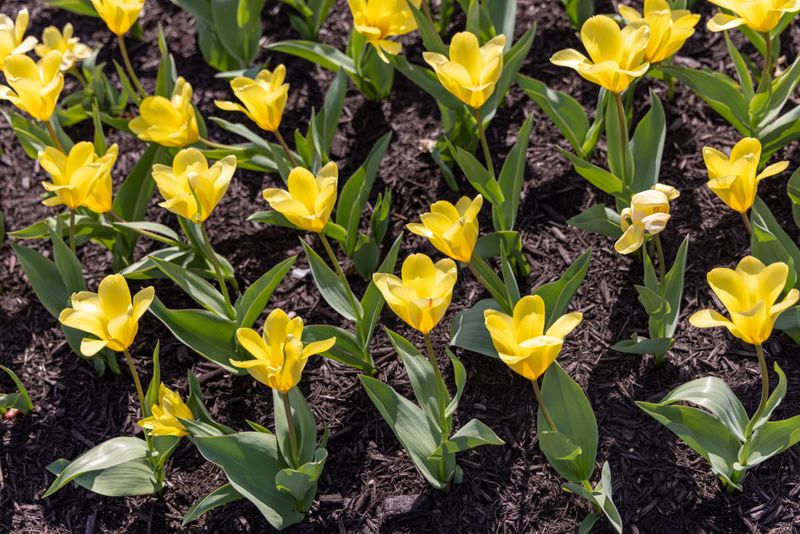
Ready to get your hands dirty? Good, because getting the depth right is easier than you might think.
The magic number is about six to eight inches deep. Another handy rule is to plant each bulb three times as deep as it is tall. So a two-inch bulb goes about six inches down. Always measure from the bottom of the bulb, not the top.
A simple tool can help a lot. A bulb planter is a hollow tube that pulls out a neat plug of soil. Many even have depth marks printed on the side. A regular trowel or small shovel works fine too.
Next, check which way the bulb faces. The pointy end should face up toward the sky. The flat, sometimes hairy end holds the roots, so it goes down. If you cannot tell, plant it on its side. The stem will find its way up.
Spacing matters too. Leave about four to six inches between bulbs. Close spacing gives a full, bright look, but bulbs still need a little elbow room to grow.
Want a showy display? Dig one wide hole instead of many small ones. Place ten or more bulbs inside, then cover them all at once. Groups of tulips look far better than single flowers scattered in a line.
After setting the bulbs, fill the hole with soil and press it down gently. Water well to settle everything and help roots start growing.
Finally, add two or three inches of shredded leaves or mulch on top. Mulch adds extra protection during cold snaps and keeps the soil moist and even.
Plant At The Right Time
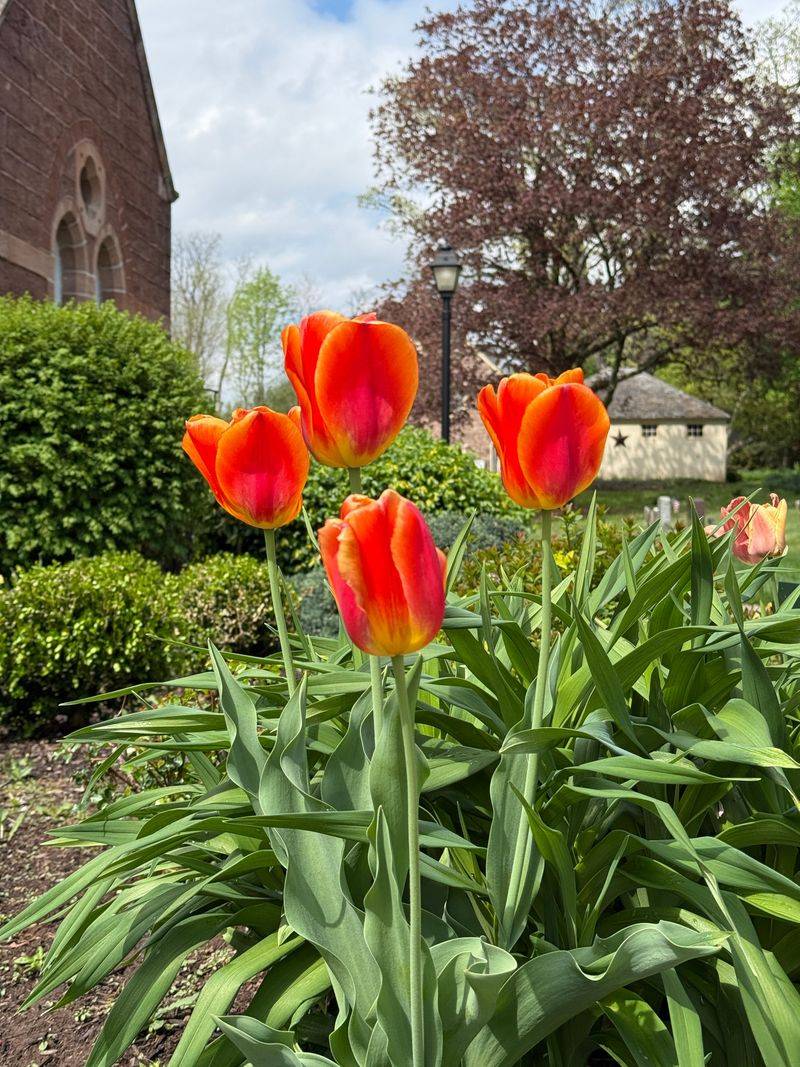
Timing is everything, as any good baker will tell you. Pull cookies out too early and they are gooey. Leave them too long and they burn. Tulips have their own perfect window too.
In Pennsylvania, the best time to plant is from mid-October into November. By then, the soil has cooled down, but it has not frozen yet. Bulbs get a few weeks to grow roots before winter settles in.
Why not plant in September? Warm soil can cause trouble. Bulbs sitting in warm, damp dirt are more likely to rot. Some may even sprout early, sending tender leaves up just in time for the first hard frost.
A good guide is soil temperature. Aim for about fifty to fifty-five degrees at planting depth. You can buy a cheap soil thermometer at most garden centers. If you do not have one, wait until nighttime temperatures stay in the forties for a week or two.
Parts of Pennsylvania vary a bit. Gardens near Erie or in the mountains cool off sooner. Folks around Philadelphia or Pittsburgh can often plant a little later, even into early December.
Did you know tulips were once worth more than houses? Back in the 1600s, people in Holland paid huge sums for rare bulbs. Luckily, today you can grab a bag at the store for just a few dollars.
Bought bulbs too early? Store them in a cool, dry, dark spot like a garage. Keep them away from apples and other fruit, which give off a gas that can harm the flower inside. Then plant once the weather turns crisp.
Choose A Well-Drained Spot
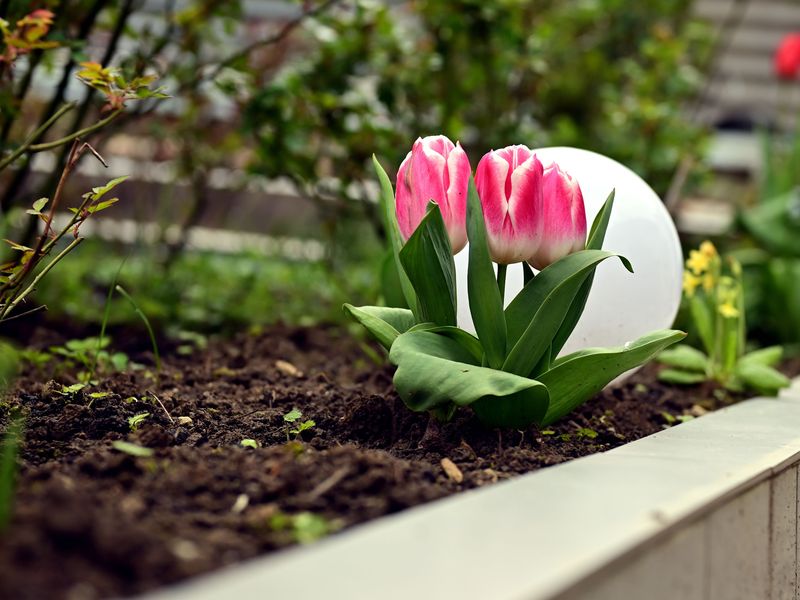
Soggy socks are miserable, right? Tulips feel the same way about soggy soil. Wet feet are one of the fastest ways to ruin a bulb.
Bulbs are like little storage packets full of food. When they sit in water for too long, they turn mushy and start to rot. Pennsylvania gets plenty of rain and melting snow, so drainage really matters here.
Start by watching your yard after a big storm. Where do puddles form? Where does water linger for hours or days? Those low spots are poor places for tulips. Skip them and choose higher ground.
Sunlight is the other key piece. Tulips love full sun, which means at least six hours of direct light each day. More sun gives stronger stems and brighter colors. A shady corner often leads to stretched, floppy plants.
Many parts of Pennsylvania have heavy clay soil. Clay holds water like a sponge. To loosen it up, mix in compost or shredded leaves before planting. Work it in about a foot deep so roots can breathe.
Raised beds are another smart choice. They sit above the ground, so extra water drains away quickly. Even a small mound of good soil can make a big difference.
Try this easy drainage test. Dig a hole about a foot deep and fill it with water. If it drains within a few hours, you are in great shape. If water still sits there the next day, pick another spot or improve the soil.
Also, avoid watering tulips much in winter. Nature usually provides plenty. Too much extra water just invites rot.
Help Them Bloom Again Next Year
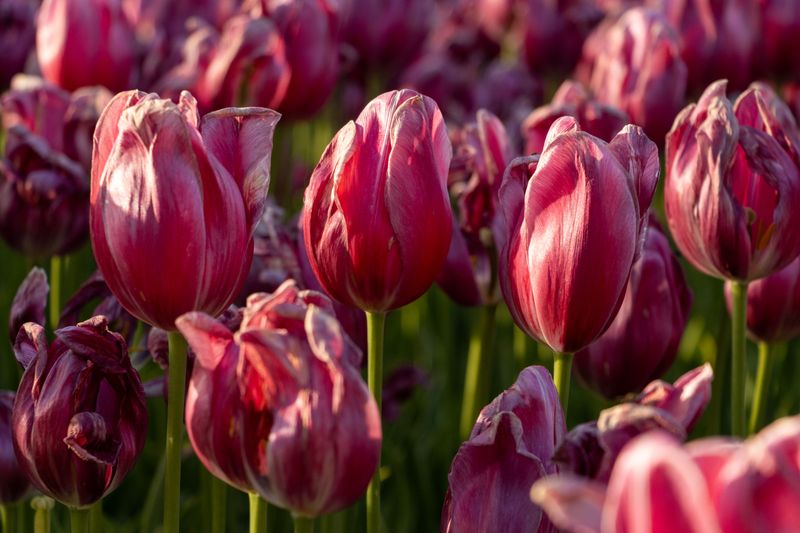
Your tulips finally bloomed, and they look amazing. Now comes the part many people skip, and it decides whether you see flowers again next spring.
Once the petals fade and fall, grab a pair of clean pruners. Snip off the old flower head just below where it meets the stem. Doing so stops the plant from wasting energy on making seeds.
Leave the leaves alone, though. It might be tempting to tidy up, but those green leaves are hard at work. They soak up sunlight and turn it into food. That food gets stored in the bulb to power next year’s blooms.
Wait until the leaves turn yellow and flop over. That usually takes about six weeks. Then you can gently pull or cut them away. Planting annuals nearby can help hide the messy look while you wait.
Here is a little truth many gardeners do not know. Lots of fancy hybrid tulips put on their best show for only a year or two. After that, they may send up just leaves. You did nothing wrong. They are simply bred for one big burst of beauty.
Want tulips that come back year after year? Choose long-lasting types. Darwin hybrids are tall, bold, and famous for returning. Species tulips, sometimes called botanical tulips, are smaller but tough. They often spread over time.
A light sprinkle of bulb fertilizer in fall can also help. Keep the area sunny and dry during summer, since tulips like a warm rest. With a little patience, your garden can greet you with color every single spring.