The Old Ohio Persimmon Seed Trick For Predicting Winter
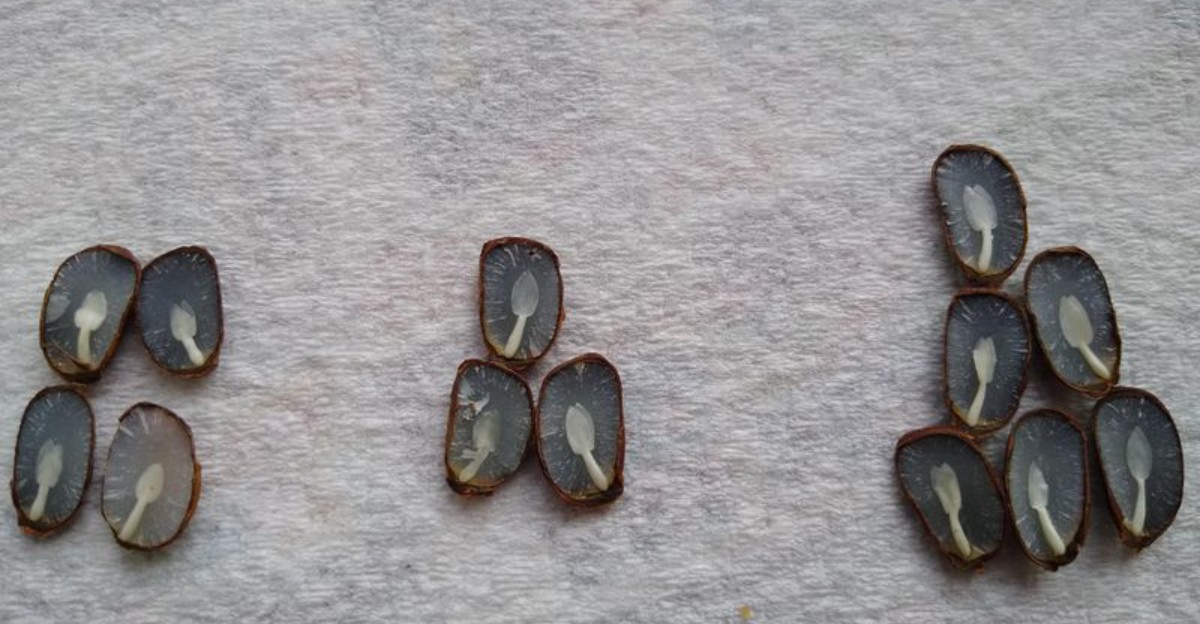
Crack open a persimmon seed this fall and the old-timers swear a tiny cutlery set is waiting inside.
Ohio folklore has a long memory, and this tale ranks near the top of the list. Farmers sliced seeds on kitchen tables, squinted at the shapes, and then planned their wood piles based on the verdict.
A spoon meant one thing. A knife meant another.
Grandkids still talk about it with a straight face.
The method sounds ridiculous until you see it done. Then it gets harder to roll your eyes.
Scientists have a few things to say about it, and so do the folks who’ve tried it for decades.
Grab a ripe persimmon, a sharp knife, and a steady hand. Your own forecast is sitting in that seed.
1. The Trick Comes From Ozark And Appalachian Folklore
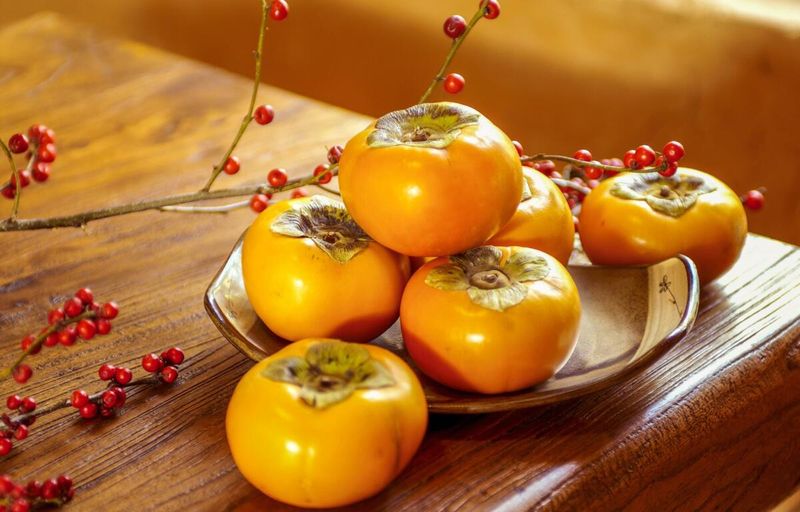
Picture a log cabin in the hills, a crackling fire, and a family gathered around a bowl of orange fruit. That scene has played out for generations across Appalachia and the Ozarks.
The persimmon seed forecast is a true piece of mountain heritage. People in rural Ohio, Missouri, Arkansas, Kentucky, and Tennessee have shared it for well over two hundred years.
Written records point back to at least the early 1800s. Some historians believe the idea may be even older, with roots among the Cherokee and other Eastern Woodland peoples who knew these trees well.
Back then, families had no weather apps or satellite maps. Knowing what winter might bring helped them decide how much firewood to chop and how much food to store.
Reading nature was a normal part of life. Folks watched woolly bear caterpillars, thick corn husks, and busy squirrels for clues about the cold months ahead.
The persimmon seed became one of the most beloved of these signs. It was simple, free, and easy to pass from grandparents to grandkids.
Today, the tradition lives on in county fairs, farm newsletters, and backyard gatherings. Trying it yourself connects you to a long line of curious people who once looked to the land for answers.
2. Start With Seeds From A Ripe Wild Persimmon
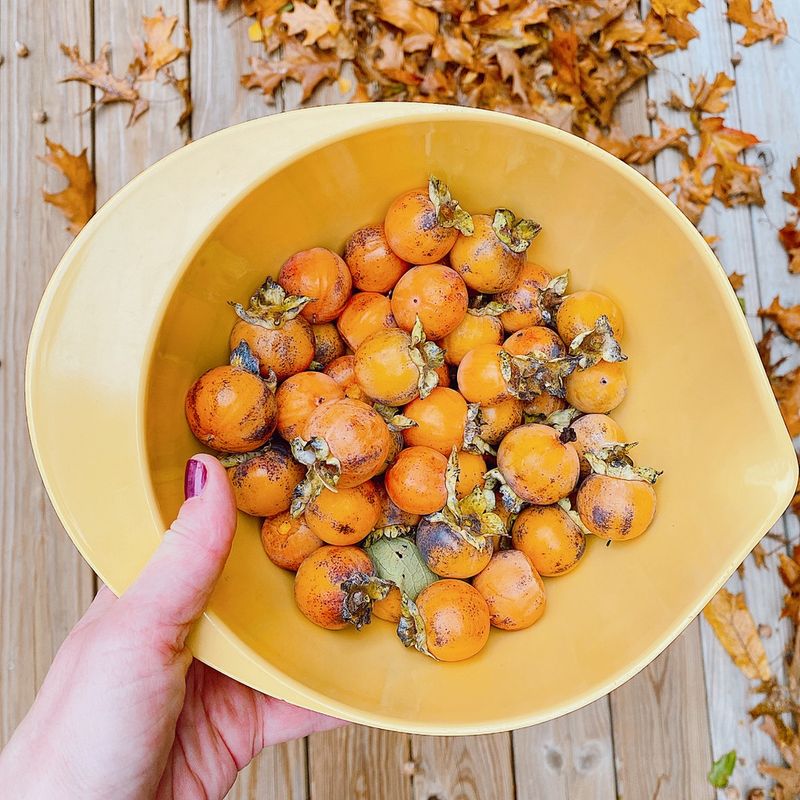
Here is a fun surprise for first-timers. An unripe persimmon will make your mouth pucker like you just licked a chalkboard.
For this forecast, you need the American persimmon, known by scientists as Diospyros virginiana. The big, shiny Asian persimmons sold in grocery stores do not work the same way, so skip those.
Wild American persimmons are small, about the size of a large cherry or a golf ball. They grow on tall trees along fence rows, field edges, and woodland borders across much of Ohio and the South.
Timing matters a lot. Wait until the fruit is soft, wrinkly, and even a little mushy, which often happens around the time of the first frost, though the frost itself isn’t what ripens them.
Many people simply gather persimmons that have dropped to the ground. Fallen fruit is usually ripe and ready, and it saves you from climbing anything.
Your Ohio Garden Changes Every Week. Your Plan Should Too.
Gardening in Ohio changes quickly throughout the season. Every Friday you’ll receive a simple weekly plan showing exactly what to plant, prune, fertilize, harvest, and protect so you never miss the right timing.
Choose fruit from trees near your home if you can. According to the old belief, local fruit gives a forecast for your own area.
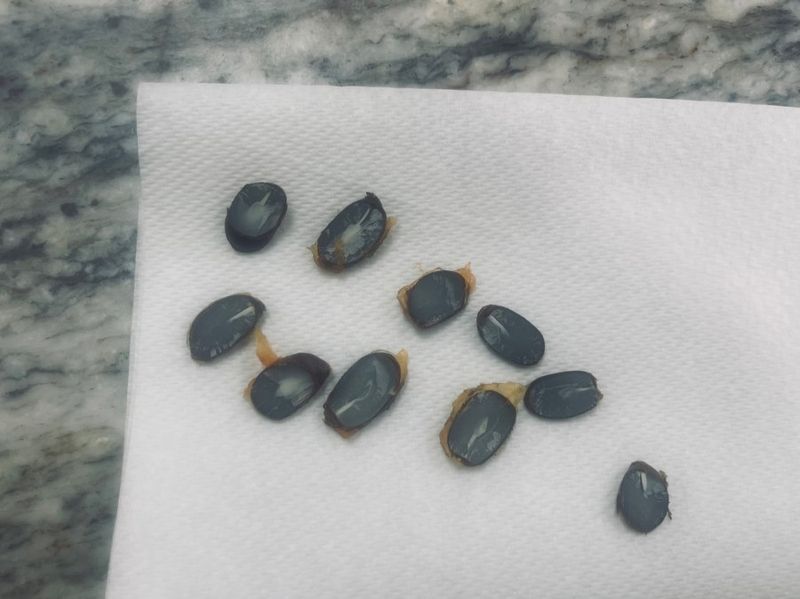
Squeeze out the seeds, rinse off the sticky pulp, and let them dry on a paper towel. Collect several seeds from different fruits so you can compare results and get a bigger picture.
3. Slice The Seed Along Its Long Edge
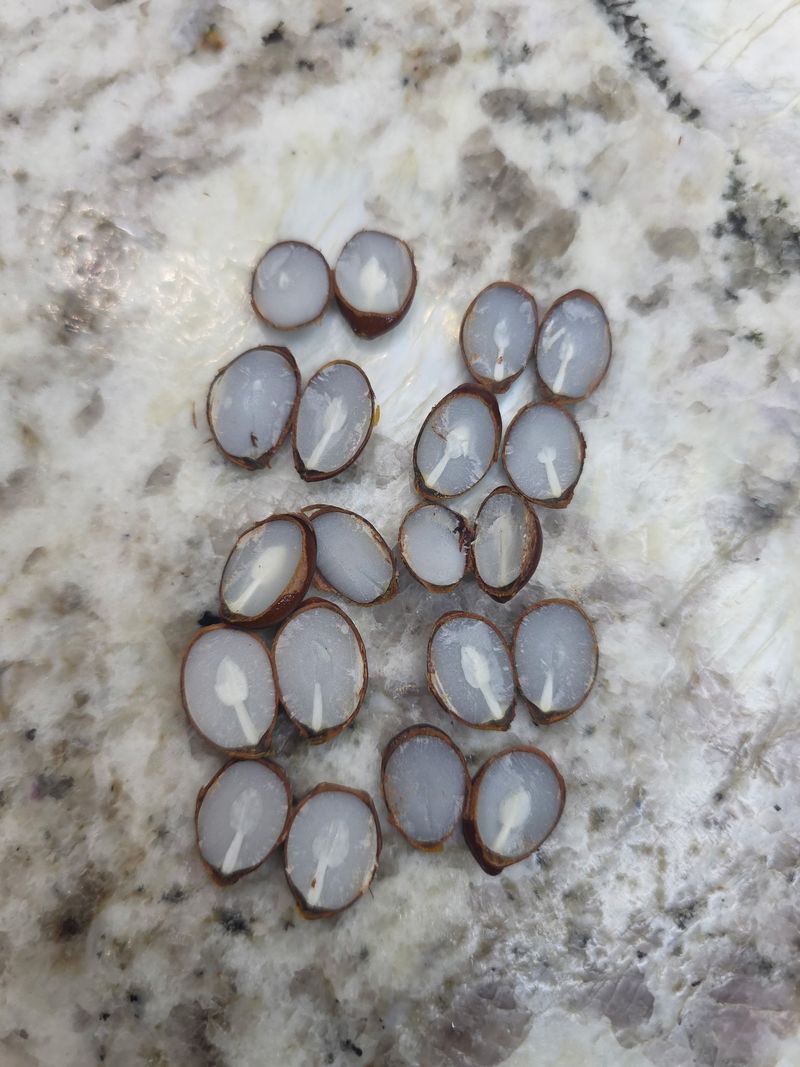
Think of a persimmon seed like a tiny treasure chest. Open it the right way, and the prize inside is easy to see.
Each seed is flat, oval, and brown, a bit like a small bean. You want to cut it lengthwise, along the longest edge, not across the middle.
A sharp paring knife works best for this job. Lay the seed flat on a cutting board, hold it steady with your fingers away from the blade, and press down slowly along the thin side.
Kids should ask an adult to handle the cutting. The seeds are hard and slippery, and a knife can slide quickly if you rush.
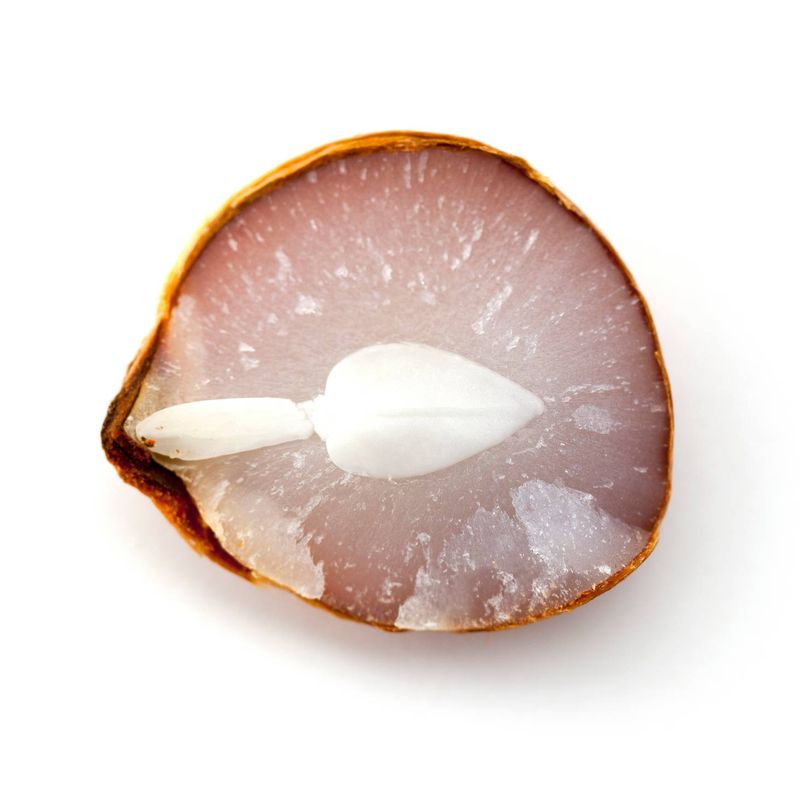
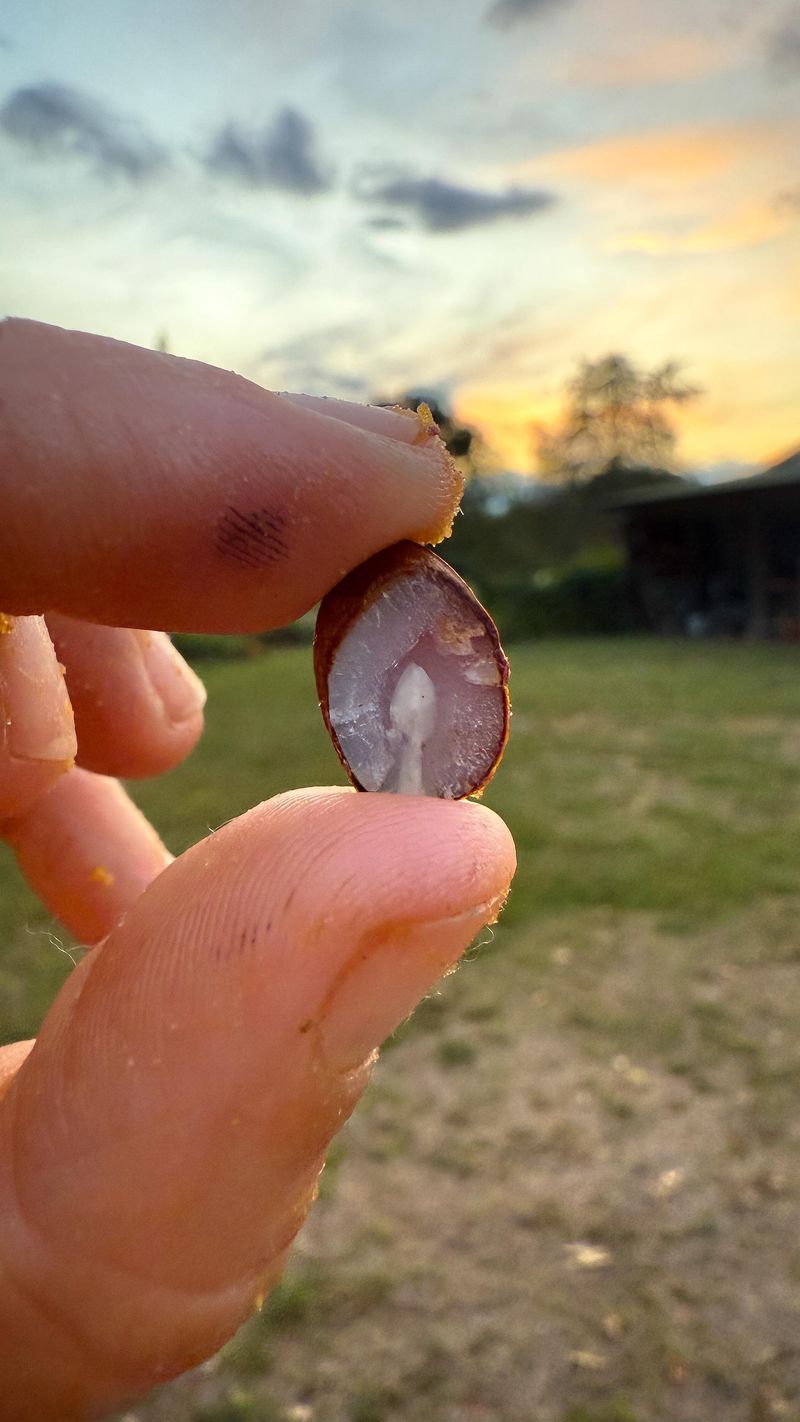
Once the seed splits into two halves, look closely at the inside. You will spot a pale, white shape sitting in the middle called the cotyledon.
That little shape is the baby leaf of a future persimmon tree. In folklore, it is also the winter weather report.
Some people use a magnifying glass to get a clearer look. Others snap a photo with their phone and zoom in.
Write down what you see for each seed. Keeping notes makes it fun to check back in spring and see how your forecast held up.
4. Soak Stubborn Seeds First To Soften Them
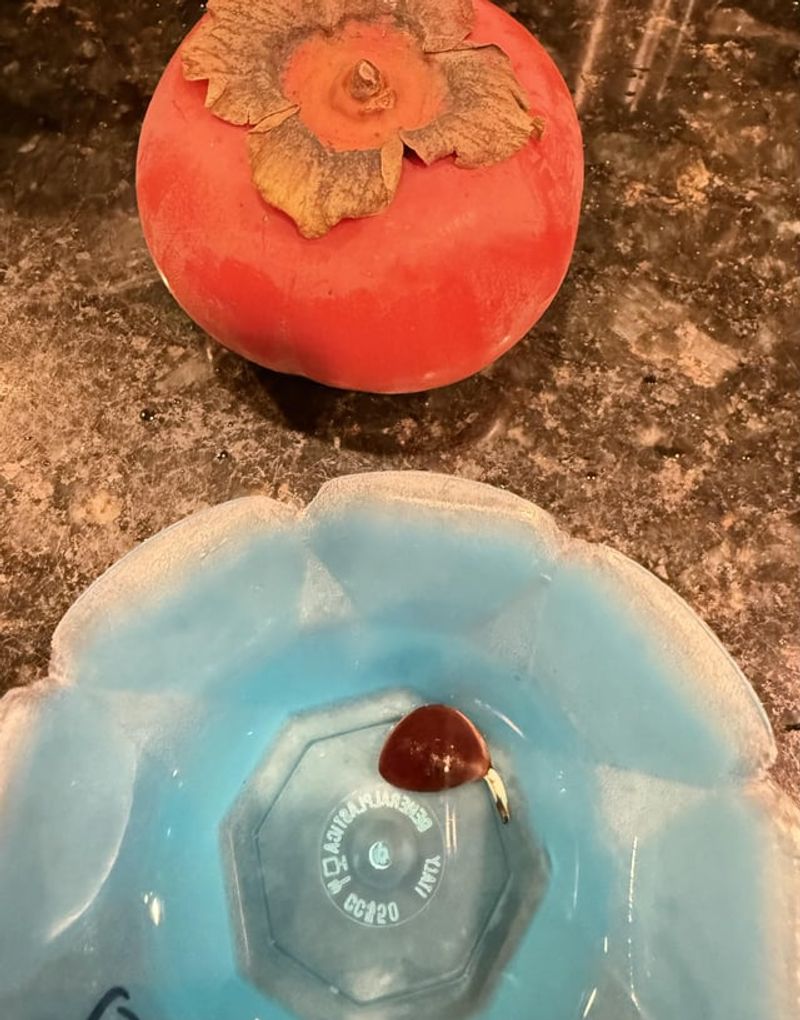
Ever tried to cut a stone with a butter knife? Some persimmon seeds feel just about that tough, especially after drying out.
Luckily, there is an easy fix. A warm water soak can soften the outer shell and make slicing much simpler and safer.
Fill a small bowl with warm tap water, not boiling. Drop your seeds in and let them sit for several hours, or overnight if they are extra stubborn.
The water slowly seeps into the shell. By the next morning, the seeds should feel a little less rock-hard when you press them.
Pat each seed dry before cutting. A wet seed can slip around on the board, so a quick wipe with a towel keeps things under control.
Soaking also helps protect the shape inside. When you force a knife through a hard seed, the delicate kernel can crack or crumble, and then you cannot read it at all.
Patience pays off here. A gentle, slow cut through a softened seed gives you two clean halves and a much clearer view.
Some families even turn soaking into part of the ritual. They set the bowl out the night before and gather in the morning to reveal their forecast together.
5. A Spoon Shape Means Snow To Shovel
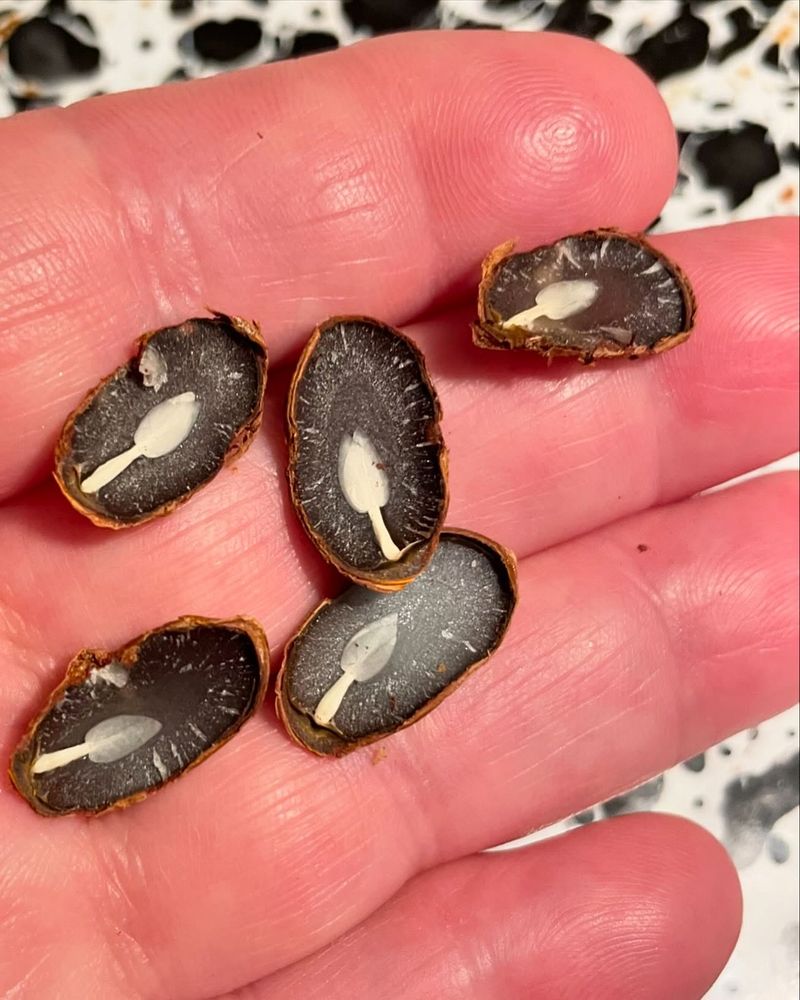
Better find your mittens and wax that sled. A spoon inside your persimmon seed is the classic sign of a snowy season.
The spoon shape is wide and rounded at one end, with a narrow handle. Many people say it looks just like a tiny serving spoon or shovel.
That shovel look is the whole point of the legend. Folks believed the spoon was telling them to get ready to scoop plenty of heavy, wet snow.
In the old days, this was handy news. Families might stack extra firewood, stock up on flour and lamp oil, and make sure the barn roof could handle a heavy load.
You can use the same idea today in a fun way. If your seeds show spoons, check that your snow shovel is not buried in the garage behind the pool toys.
It might also be a good reminder to pack a blanket and ice scraper in the car. Even if the seed is just guessing, being prepared is a smart habit.
Kids especially love finding spoons. Many hope it means extra snow days, snowball battles, and sledding down the biggest hill in town.
6. A Knife Shape Means Cutting Winds And Ice
Brrr. If the shape inside your seed looks long and skinny like a blade, folklore says winter will bite.
The knife shape is narrow and straight, without the round scoop of a spoon or the split tips of a fork. It can be a little harder to spot, so look carefully.
According to tradition, the knife stands for winds so cold they slice right through your coat. It also hints at icy roads, frozen ponds, and slick sidewalks.
Old-timers took this warning seriously. A knife forecast might send them out to seal drafty windows, wrap water pipes, and stack hay for the animals.
You can borrow some of that wisdom. Pull out your warmest scarf, a hat that covers your ears, and gloves without holes.
Adults might add rock salt or sand to the shopping list for icy steps. Checking the car battery and tires before a cold snap is another useful move.
Here is a fun fact for your next family dinner. Some storytellers say the knife can also mean the cold will feel sharp rather than snowy, so you might get bitter days with clear blue skies instead of big drifts.
7. A Fork Shape Means A Mild Winter
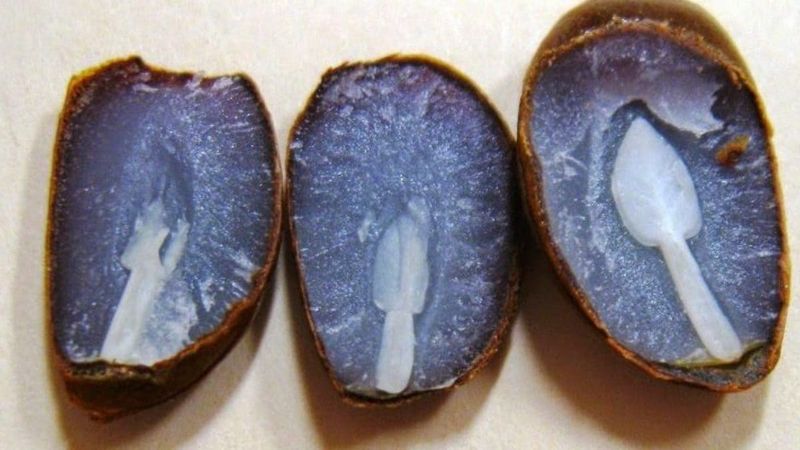
Good news for anyone who hates cold toes. A fork shape is the friendliest result you can find inside a persimmon seed.
This shape has a split or pronged tip at one end, much like a little dinner fork. Some forks show two prongs, while others show three or more.
Folklore says a fork points to a gentle winter. Expect lighter, powdery snow that blows around easily, along with fewer brutal cold spells.
Many people call it the easiest winter of the three shapes. It is the one that makes grown-ups cheer about lower heating bills and less shoveling.
Still, a mild forecast is not a free pass to skip winter prep. Ohio weather loves surprises, and a warm December can turn into a chilly February in a hurry.
Keep your basic supplies ready just in case. A good coat, boots, and a flashlight with fresh batteries are smart to have no matter what the seed says.
If you find a fork, celebrate in your own way. Maybe plan a winter hike, an outdoor bonfire, or extra time at the park, since a softer season could mean more chances to enjoy the outdoors.
8. Spoons Tend To Show Up Most Often
One person cracked open twelve seeds and found twelve spoons. That story gets passed around a lot, and it is not unusual.
Many people who try the trick notice the same pattern. Spoons appear most often, knives come in second, and forks are the rarest of the bunch.
So if your table fills up with spoons, do not be shocked. It is the most common shape out there, which is why so many folklore forecasts call for snow.
Finding a fork can feel like spotting a four-leaf clover. Some families even save a rare fork seed as a lucky keepsake.
To make your forecast more interesting, try opening a big batch. Cut ten, fifteen, or even twenty seeds, then count how many of each shape you find.
Write your tally in a notebook or on the fridge calendar. Some folks look at the majority shape, while others mix the results, like mostly spoons with a few knives meaning snow plus icy spells.
Comparing with neighbors or classmates adds to the fun. Seeds from different trees can show different shapes, and swapping results turns a simple kitchen activity into a friendly community project.
9. There’s No Science Behind It, But It’s Fun To Try
Let us be honest for a moment. A persimmon seed is a cute fortune teller, but it is not a meteorologist.
Scientists have found no proof that the shape inside a seed can predict winter weather. There is no tested reason connecting that little kernel to snowstorms months away.
The shape of the cotyledon mostly comes from the tree’s genes. Weather during the summer, when the fruit is growing, may change it a bit, but that tells you about the past season, not the coming one.
That does not mean the tradition is pointless. It gets families outside, teaches kids about native trees, and sparks great questions about plants and weather.
You can even turn it into a science project. Record your seed shapes in fall, track the real winter weather, and compare your notes in spring.
For real planning, check forecasts from the National Weather Service or your local news. Use the seeds for fun and the experts for facts.
In the end, the best part is the memories. Sticky fingers, laughing over a surprise fork, and swapping stories with grandparents make this old Ohio trick worth keeping alive.