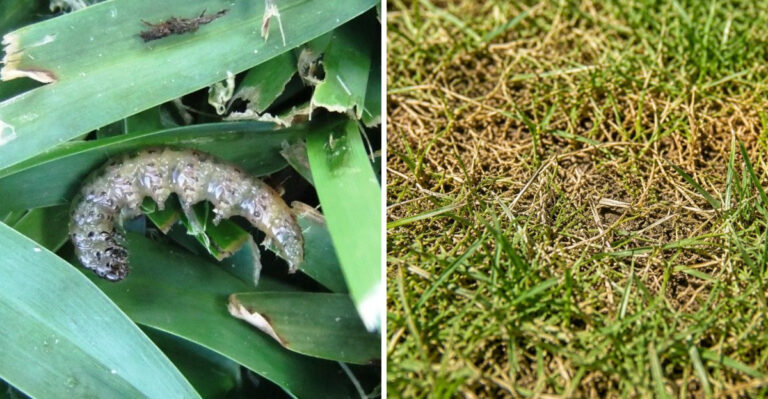
Georgia’s Purple Fountain Grass Looks Beautiful In Fall But Winter May Tell A Different Story
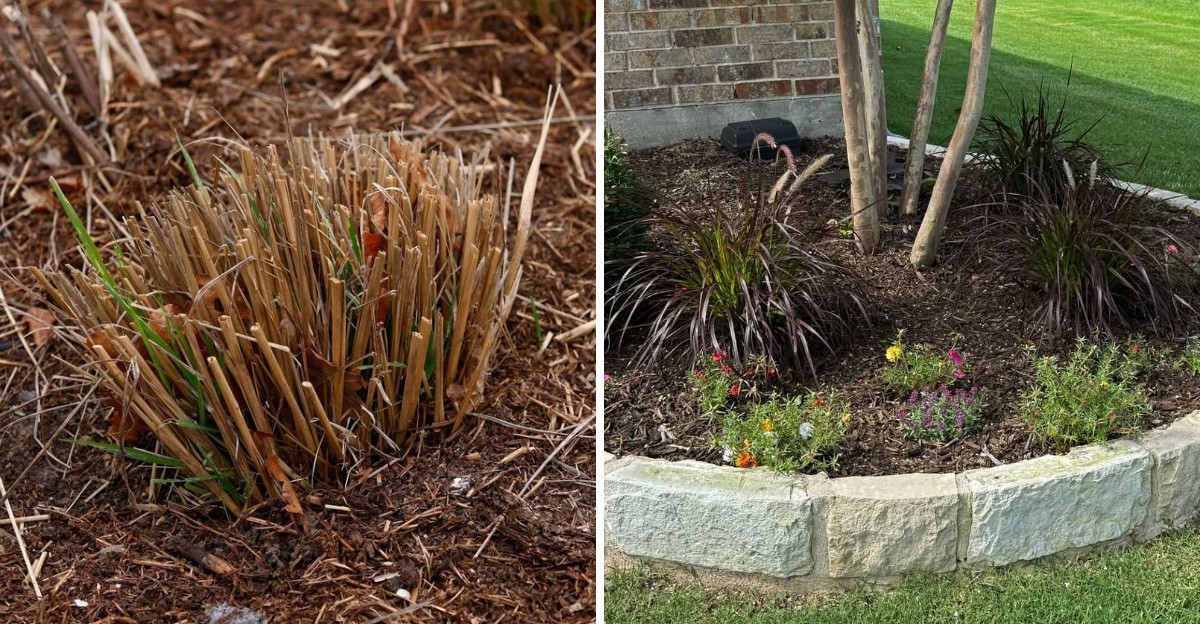
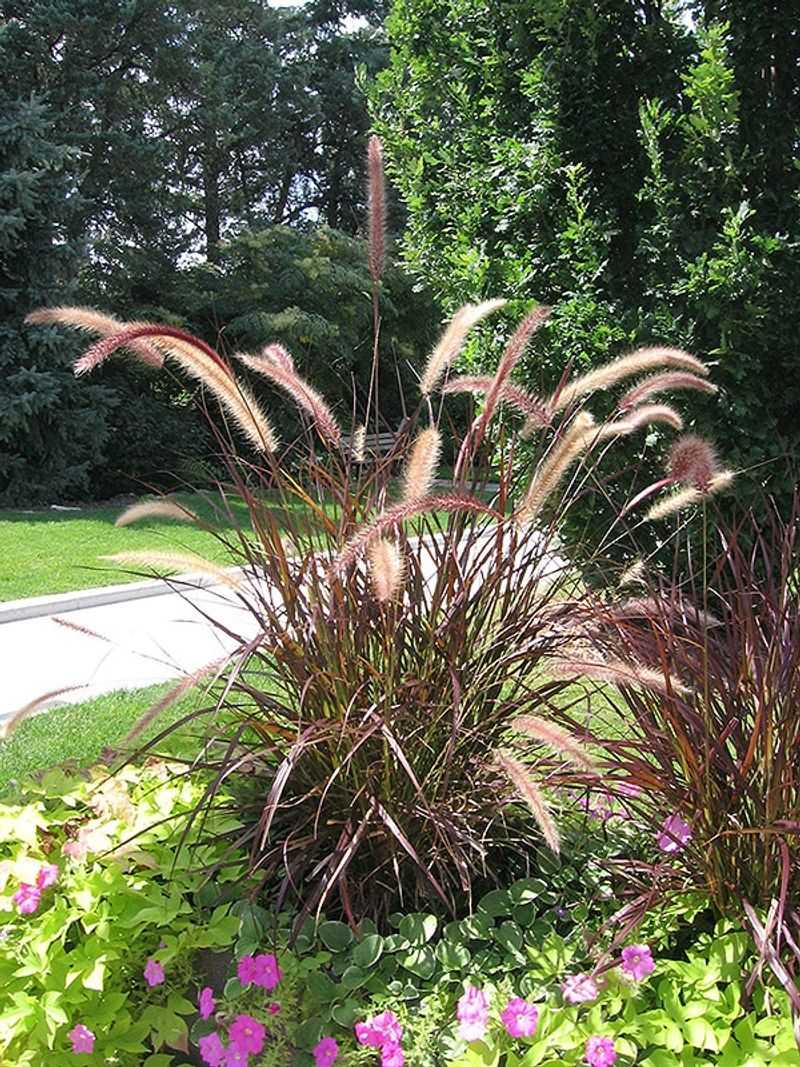
Burgundy plumes arching over a sunny bed can make a fall planting look finished almost overnight.
Purple fountain grass earns that spot with deep red leaves and soft seed heads that move in the breeze. Garden centers stock plenty of it now, often beside the mums.
Its tag may call it a perennial, but that depends heavily on where it grows.
This grass comes from warm climates and has little tolerance for hard freezes. Gardeners in much of north and central Georgia often find a brown clump by spring.
Coastal yards with mild winters sometimes see it return, though results vary year to year. Treat this season’s plants as a one-year display unless your winters stay mild.
What you do before the first frost can decide whether you replace it next spring or carry it through.
1. Hard Freezes Bring Its Burgundy Season To An End
One frosty morning can change everything. You walk outside expecting rich burgundy blades, and instead you find limp, tan foliage that looks nothing like it did a week earlier.
Purple fountain grass is a tender perennial that grows best in warm climates, so cold weather hits it hard.
A light frost may only scorch the leaf tips. A hard freeze is different, because temperatures that stay well below freezing for several hours can damage the crown at the base of the plant.
Once the crown is badly hurt, new growth usually does not appear in spring.
Timing varies across Georgia. North Georgia and the mountains tend to see freezing weather earlier in fall, while areas closer to the coast often stay mild longer.
Even so, an early cold snap can catch any part of the state by surprise.
Watch your local forecast closely as fall moves along. If you plan to save a plant, move it before the first hard freeze rather than after.
Faded foliage left in the ground is not harmful to your garden, and some people enjoy the tan color for a few weeks.
When it starts looking messy, though, you can pull the clump and add it to your compost pile. Just leave out any seed heads, since some gardeners prefer not to compost them.
2. Reliable Winter Survival Starts Around Zone 9
Plant tags tell an honest story if you know where to look. Most labels for purple fountain grass list it as hardy in USDA zones 9 through 11.
Those zones are based on average lowest winter temperatures, and they help explain why this grass struggles in colder areas.
Georgia mostly falls in zones 7 and 8, with a few cooler pockets in the northern mountains rated lower. Only small coastal areas may reach the warmest edge of zone 8 or touch zone 9 on the newest USDA map.
Zone 8b is warmer than 7a, but it still falls short of what this plant needs to come back reliably.
Keep in mind that hardiness zones are averages, not promises. A mild winter might let a plant pull through in a protected spot, while a sharp cold snap can end its run in a warmer area.
Your Georgia Garden Changes Every Week. Your Plan Should Too.
Gardening in Georgia changes quickly throughout the season. Every Friday you’ll receive a simple weekly plan showing exactly what to plant, prune, fertilize, harvest, and protect so you never miss the right timing.
You can check your exact zone using the USDA Plant Hardiness Zone Map online by entering your ZIP code.
Microclimates matter too. A clump next to a south-facing brick wall may stay a little warmer than one in an open, low-lying yard where cold air settles.
Still, treat any winter survival outside zone 9 as a pleasant surprise rather than something to count on.
3. That Makes It An Annual Across Most Of The State
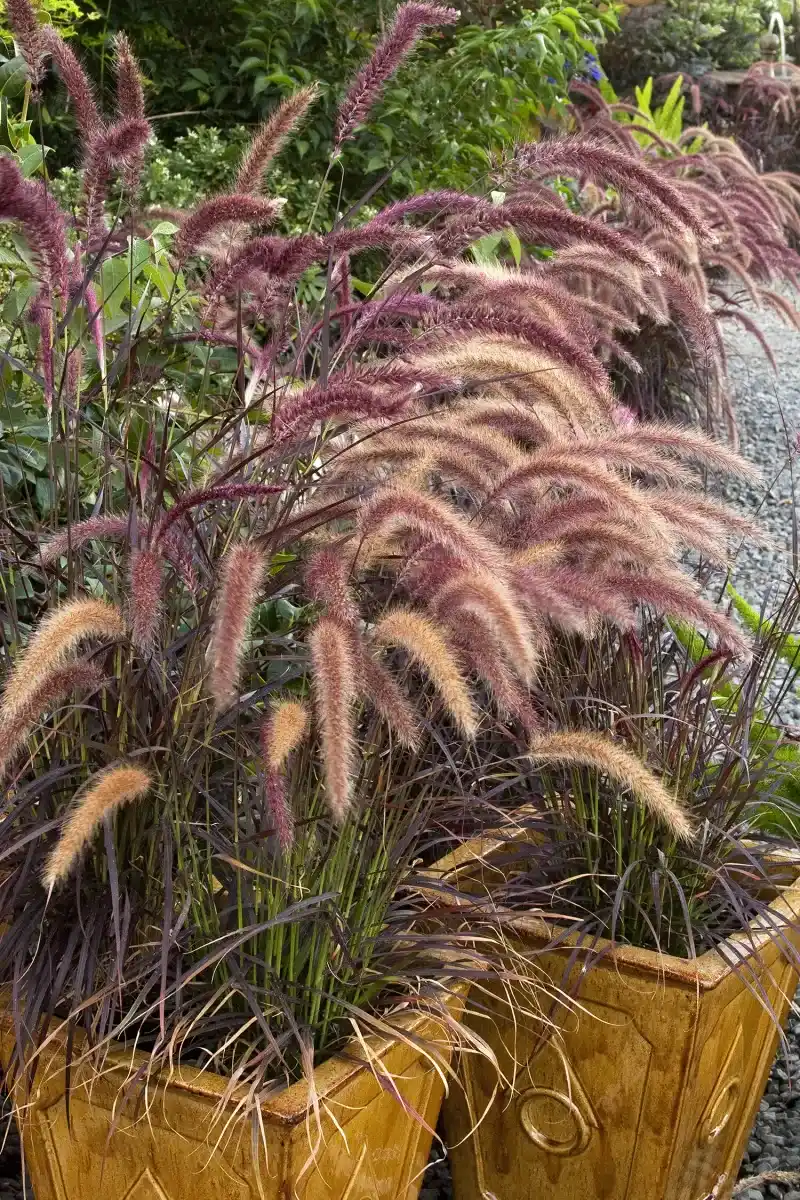
Call it a summer fling instead of a lifelong partner. In most Georgia landscapes, purple fountain grass works best when you plan on enjoying it for one growing season.
Gardeners often plant it in spring after the danger of frost passes, and it fills out quickly in warm weather.
By late summer and fall, it usually looks its best, with tall plumes waving above deep reddish leaves. That gives you months of color for the price of a nursery pot.
Thinking of it as an annual can actually make planning easier.
You can pair it with other warm-season plants like lantana, pentas, or sweet potato vine, then refresh the whole bed next year. Since you expect to replace it, you can try a new color scheme each spring.
Budget for it the same way you would for petunias or coleus.
Some people feel let down when the plant does not return, but the issue is the climate, not their gardening skills. Even experienced growers in cooler parts of the South handle this grass the same way.
If you want something that stays put for years, a hardy perennial grass may suit your yard better.
For bold, quick color in containers or borders, though, treating purple fountain grass as a seasonal plant is a practical choice.
4. Hardy Chinese Fountain Grass Is A Different Plant Entirely
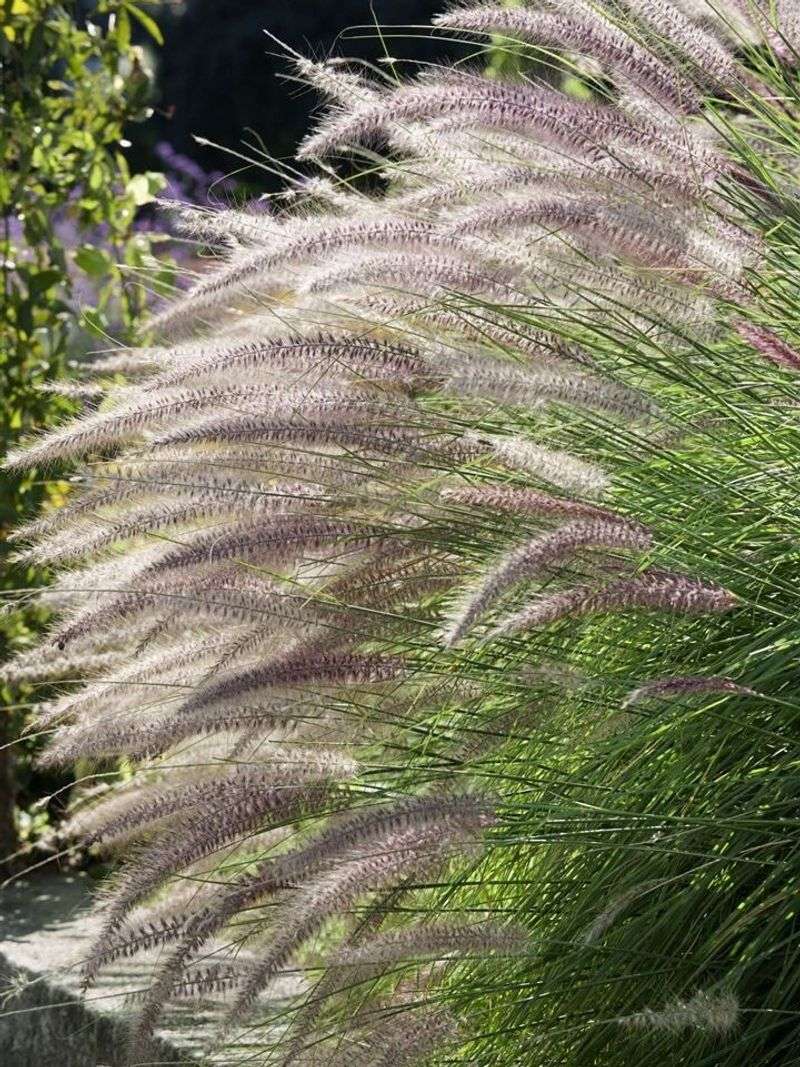
Similar names can lead to real confusion at the garden center. Chinese fountain grass, Pennisetum alopecuroides, sounds like a close cousin, yet it behaves very differently in winter.
Most sources list it as hardy in roughly zones 5 or 6 through 9, depending on the variety.
That range covers nearly all of Georgia, which is why it often returns year after year. Popular types such as ‘Hameln’ and ‘Little Bunny’ stay fairly compact and fit well in home beds.
Its leaves are usually green rather than burgundy, though fall can bring golden or tan tones.
Plumes tend to be creamy, pinkish, or soft brown, depending on the selection. They will not match the rich wine color of purple fountain grass, but they still add movement and texture.
One caution is worth knowing. Chinese fountain grass can reseed in some gardens, so check varieties and remove seed heads if seedlings pop up where you do not want them.
Read the plant tag carefully before you buy, and look for the full botanical name.
Labels that simply say fountain grass can mean either plant. Asking a staff member or checking the scientific name can save you from a winter surprise.
5. Potted Plants Can Spend The Winter Indoors In A Bright Window
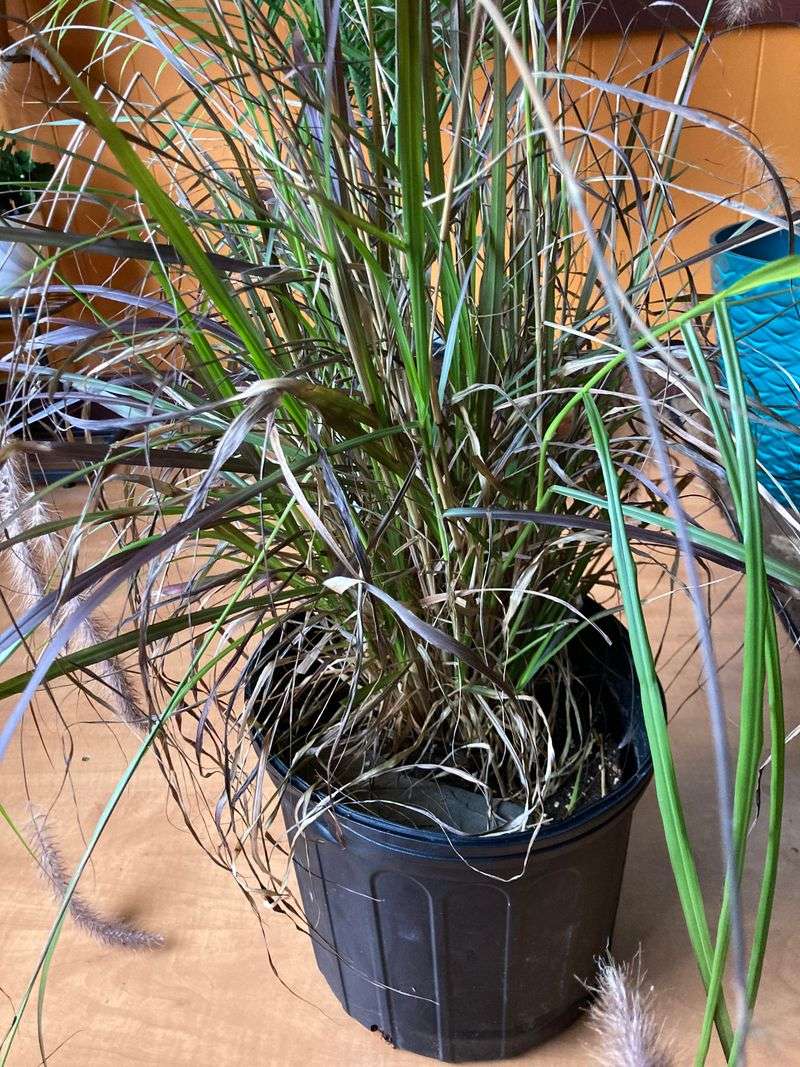
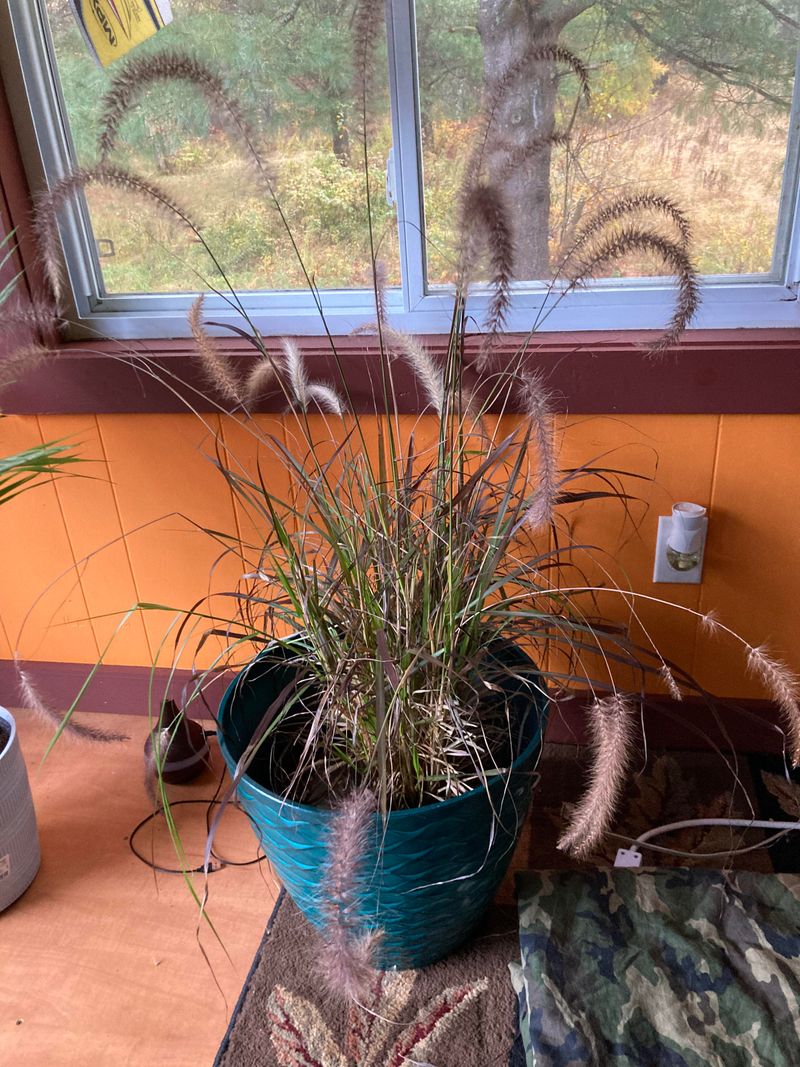
Want to keep your favorite clump? Growing it in a container gives you a real chance to carry it through winter.
Gardeners in Georgia often move potted purple fountain grass indoors before cold weather arrives and set it near their sunniest window.
A south-facing window usually works well because it offers the most winter light. An unheated but frost-free sunroom or garage with good light can also do the job.
Expect the plant to slow down a lot indoors.
Growth may look thin, and some leaves may fade or turn brown. That is fairly normal, since indoor light is much weaker than summer sun outside.
Water only when the top inch or so of soil feels dry, because soggy soil can lead to root rot.
Skip fertilizer through winter, as the plant is resting rather than actively growing. Keep it away from heat vents, which can dry the foliage quickly.
Results vary from home to home, and not every plant makes it to spring.
Once the frost danger passes, ease it back outdoors over a week or two. Start in shade, then slowly add more sun so the leaves do not scorch while adjusting.
6. Trim Back Long Foliage Before Moving Potted Plants Indoors
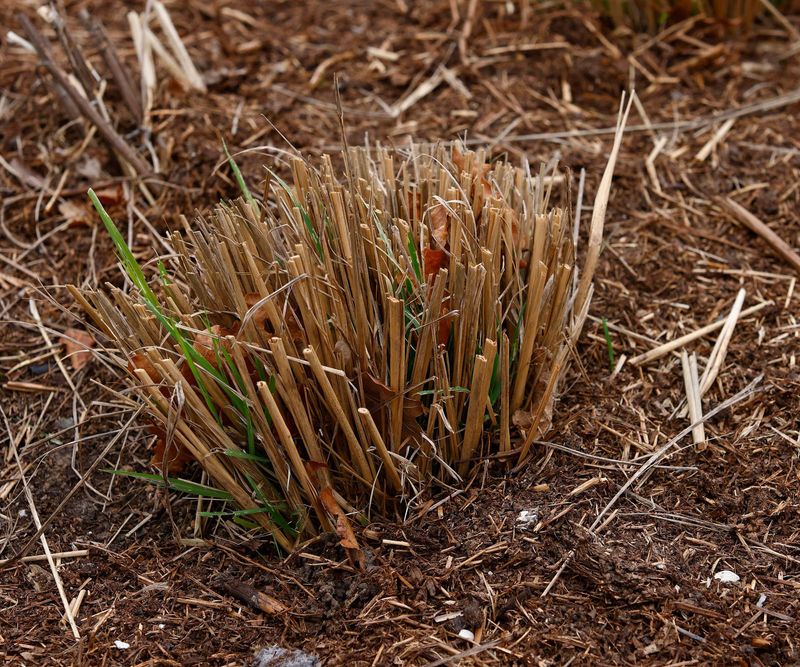
Picture a giant mop of grass sweeping across your living room floor. Trimming before you bring the pot inside solves that problem fast.
Cutting the foliage down to several inches above the soil makes the plant much easier to move and fit near a window.
Grab sharp, clean pruning shears or hedge clippers for the job. Gathering the blades together with twine first can make a neater cut and less cleanup.
Removing the plumes also keeps fluffy seeds from scattering across your carpet.
Before carrying the pot in, take a minute to look for pests. Check the leaf bases and the soil surface for insects like aphids or spider mites, and rinse the plant gently with water if you spot any.
Doing this outdoors keeps the mess outside where it belongs.
Plan the trim for a mild day in fall, ahead of the first expected freeze in your part of Georgia. Waiting until after frost damage may leave you with less healthy growth to work with.
Shorter foliage also needs a bit less water and light while it rests.
Do not worry about cutting too much. New blades usually push up once days grow longer and the plant returns outdoors in spring.
7. Mulch May Offer Some Protection In The Mildest Coastal Winters
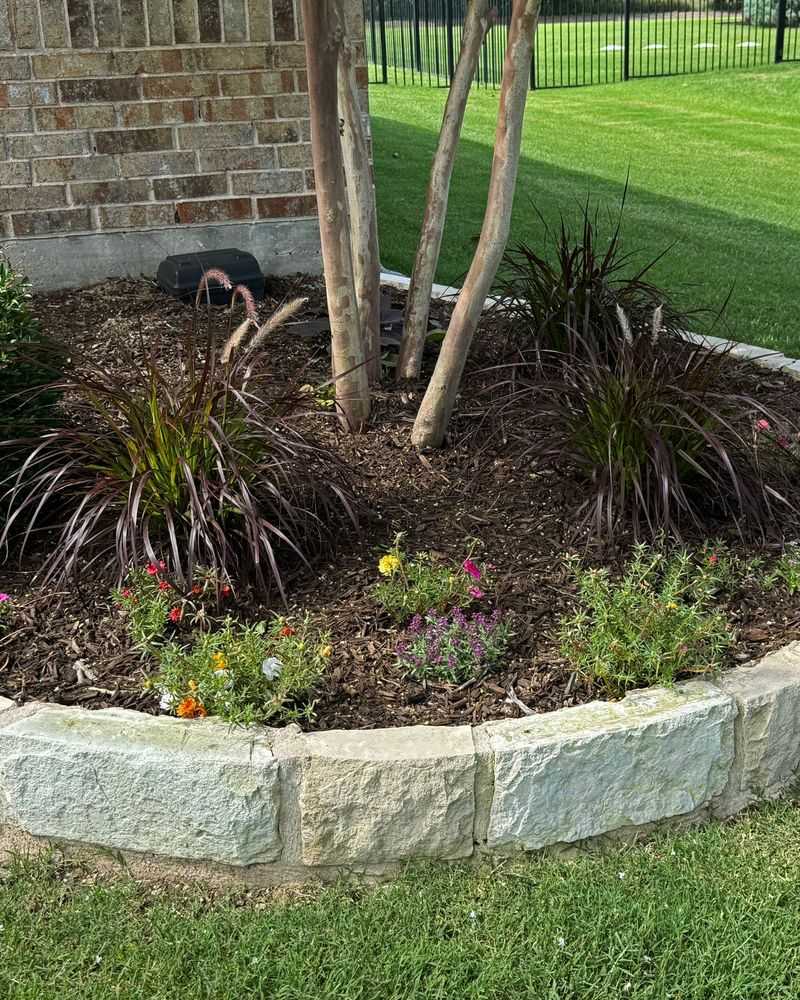
Coastal gardeners sometimes get lucky. In the mildest corners of the state, a thick layer of mulch might help an in-ground clump hang on through winter.
Mulch works by buffering soil temperatures around the crown, which is the part of the plant that matters most for regrowth.
Pine straw, shredded leaves, or pine bark are common choices around Savannah, Brunswick, and the barrier islands. Spread a few inches around the base after the foliage fades, but avoid packing it tightly against the stems.
Good drainage matters just as much as warmth.
Cold, wet soil can damage the roots, so a well-drained bed gives the plant a better shot. Low spots where water collects tend to be riskier.
Be realistic about the odds. Mulch cannot protect a plant from a strong arctic blast, and even the coast sees hard freezes in some years.
Think of it as extra insurance, not a sure fix.
Leave the old foliage in place until late winter if you like, since it may offer a little added shelter for the crown. Then cut it back as spring warms up.
If green shoots appear, you have a bonus season. If not, a fresh plant from the nursery can bring that burgundy color right back.