The Ultimate North Carolina Native Trees Road Trip
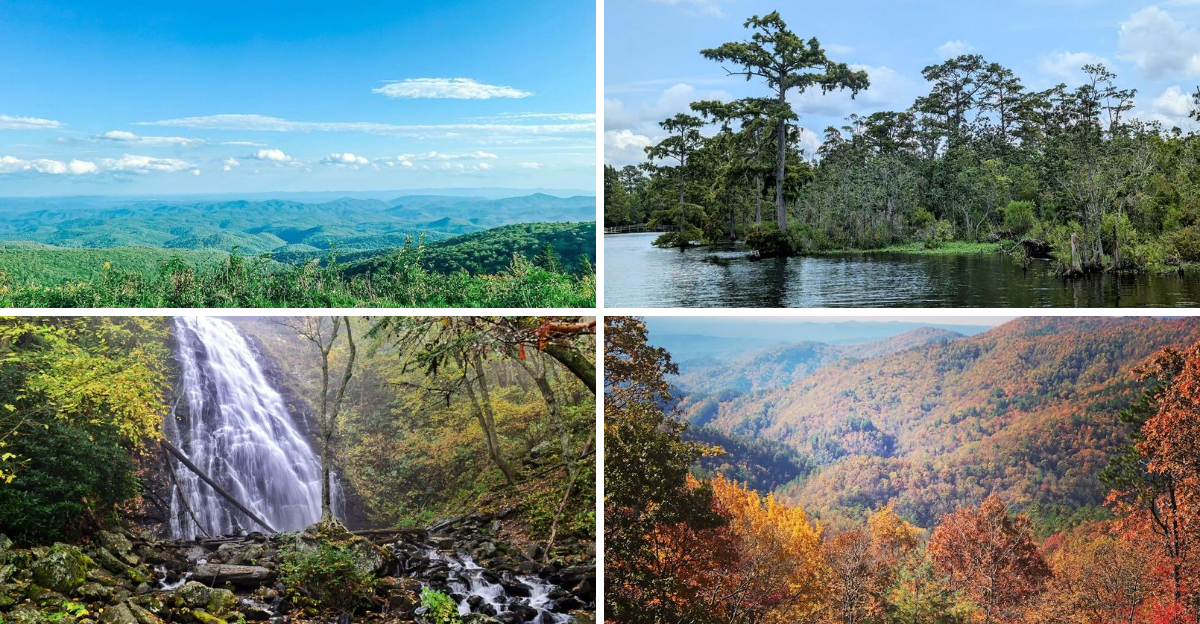
Load the car, charge every battery, and get ready for a drive that rewrites what you thought a forest could look like. This journey cuts through three distinct landscapes, each shaped by different soil, elevation, and centuries of undisturbed growth.
Cypress knees push through black swamp water like something out of a dream, while poplar canopies stretch wide enough to blot out the sky along mountain ridgelines. Pine flatwoods hum with insects and birdsong you rarely catch anywhere else.
Every mile brings a new species worth pulling over for, camera in hand. This isn’t a quick drive-by tour. It’s a slow, deliberate look at trees that have outlived generations of people who once walked beneath them.
Bring good shoes, patience, and curiosity. By the final stop, you’ll notice bark patterns and leaf shapes you walked past your entire life without seeing.
This Route Takes You Through Some Of The State’s Most Iconic Native Trees
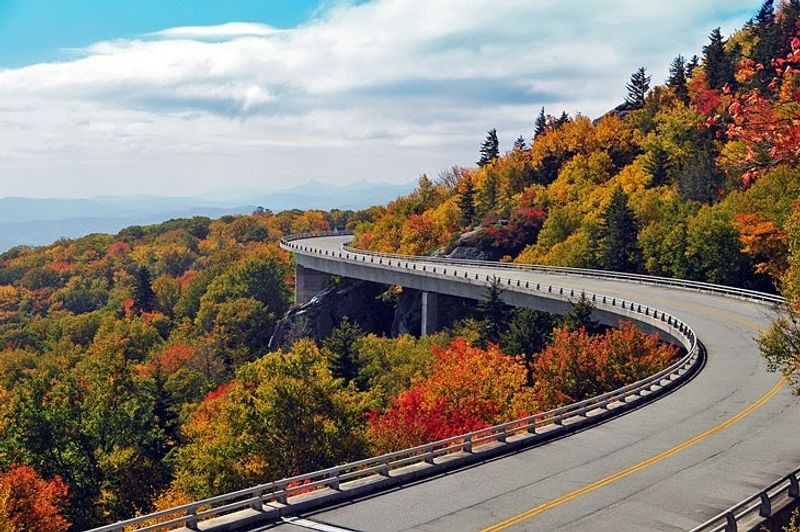
Buckle up, because this road trip hits three distinctly different ecosystems in one drive. The route stretches from the mountain ridges of the west all the way to the flat coastal marshes of the east.
You will pass through the Blue Ridge highlands, roll across the rolling Piedmont, and eventually reach the wide-open Coastal Plain. Each zone has its own personality, its own native trees, and its own reasons to pull over and stare.
Native trees are not just pretty backdrops. They are the backbone of local wildlife habitats, the anchor of healthy soil, and the quiet storytellers of each region’s history.
Spotting a longleaf pine or a flowering dogwood in its natural setting feels completely different from seeing one in a nursery. Out here, they belong. They have roots that go back centuries, and that kind of presence is hard to ignore.
This route is also surprisingly beginner-friendly. You do not need a botany degree to enjoy what you see along the way.
A simple tree identification app on your phone can turn a casual drive into a full-on nature scavenger hunt. Kids love it, and honestly, so do adults who swear they are not into trees yet.
You start out chasing scenery and end up noticing things you never had a name for. That shift happens somewhere between the first overlook and the last.
The Blue Ridge Parkway Showcases Towering Tulip Poplars And Oaks
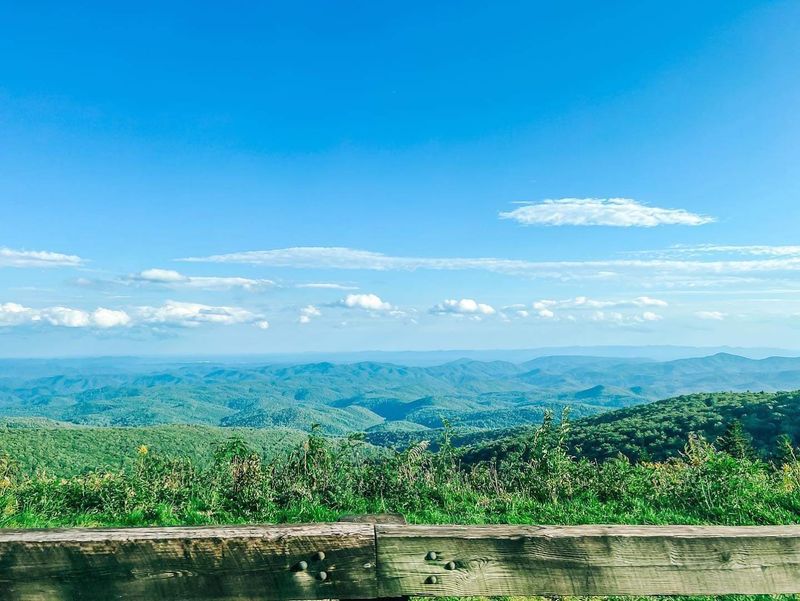
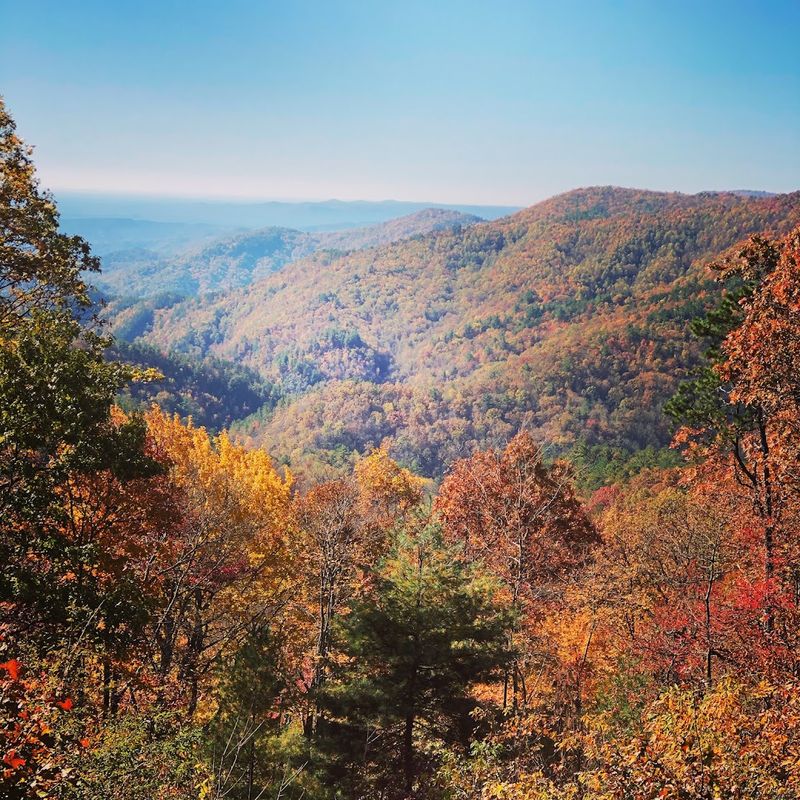
Few roads in America hit as hard as the Blue Ridge Parkway on a crisp October morning. The tulip poplars here grow to jaw-dropping heights, sometimes topping 150 feet, their yellow fall leaves catching the light like stained glass.
Tulip poplars are one of the tallest native hardwoods in the eastern United States. They thrive in the rich mountain soil of western North Carolina, and the Parkway gives you front-row seats to their full glory.
Alongside the poplars, you will spot several oak species competing for the canopy. Chestnut oaks, scarlet oaks, and northern red oaks all grow here, each with slightly different leaf shapes and bark textures worth noticing.
Your North Carolina Garden Changes Every Week. Your Plan Should Too.
Gardening in North Carolina changes quickly throughout the season. Every Friday you’ll receive a simple weekly plan showing exactly what to plant, prune, fertilize, harvest, and protect so you never miss the right timing.
Oaks are ecological powerhouses. As a group, they can host over 500 species of caterpillars, birds, and insects, making them some of the most important trees in any forest system.
Stop at any of the Parkway overlooks and just look up. The canopy above you is a living roof built over thousands of years by these native giants.
Hiking trails along the Parkway, like those near Grandfather Mountain, take you deep into old-growth pockets where the trees feel ancient and untouched. Bring a light jacket because the elevation keeps things cool even in summer.
This stretch sets the tone for everything ahead. Start here, and the rest of the drive already has something to live up to.
The Piedmont Region Reveals Dogwoods And Redbuds In Full Color
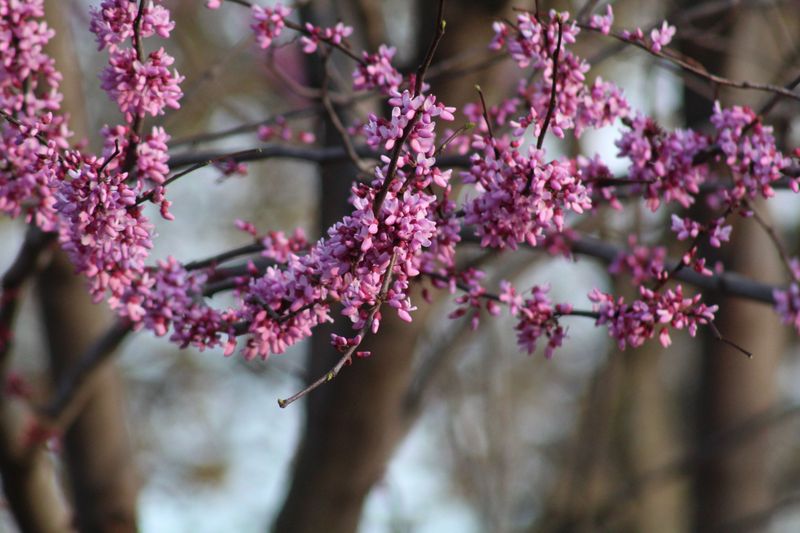
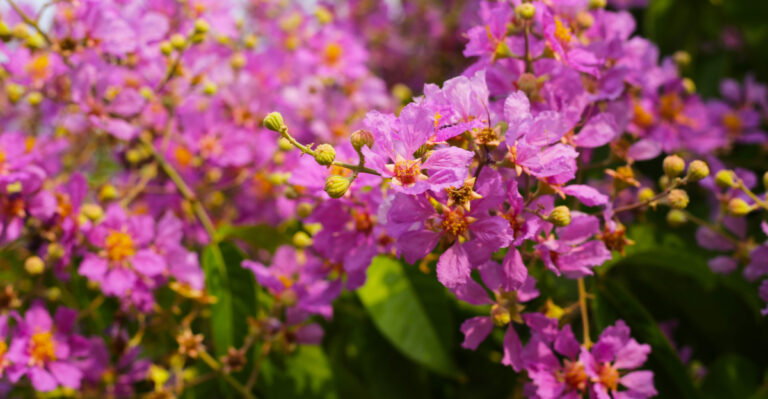
Spring in the Piedmont feels like someone turned up the color contrast on the whole world. Flowering dogwoods burst open in clouds of white, while redbuds add electric pink-purple along every roadside and forest edge.
The flowering dogwood is North Carolina’s state flower, and the Piedmont is one of the best places to see it showing off. These small trees rarely grow taller than 30 feet, but their presence in a forest is impossible to miss.
Redbuds bloom even before their leaves emerge, which gives them a surreal, almost magical quality in early spring. They often appear along stream banks and woodland edges, adding warm bursts of color to otherwise bare landscapes.
Both trees are native to the region and have deep cultural roots. Indigenous communities used dogwood bark for medicinal purposes, and the tree’s tough wood was historically prized for tools and shuttles in textile mills.
Driving through the Piedmont on a clear April morning, windows down, is one of those experiences that stays with you. The air smells faintly sweet, and every bend in the road reveals another cluster of blossoms.
Towns like Chapel Hill, Pittsboro, and Hillsborough make great pit stops along this stretch. Local parks and greenways often have labeled tree walks, which make identification easy even for first-timers.
The Piedmont leg of this journey proves that native trees do not need mountains or coastlines to steal the show. Sometimes all they need is a little spring sunshine and the right road to shine along.
The Coastal Plain Offers A Look At Bald Cypress And Longleaf Pine
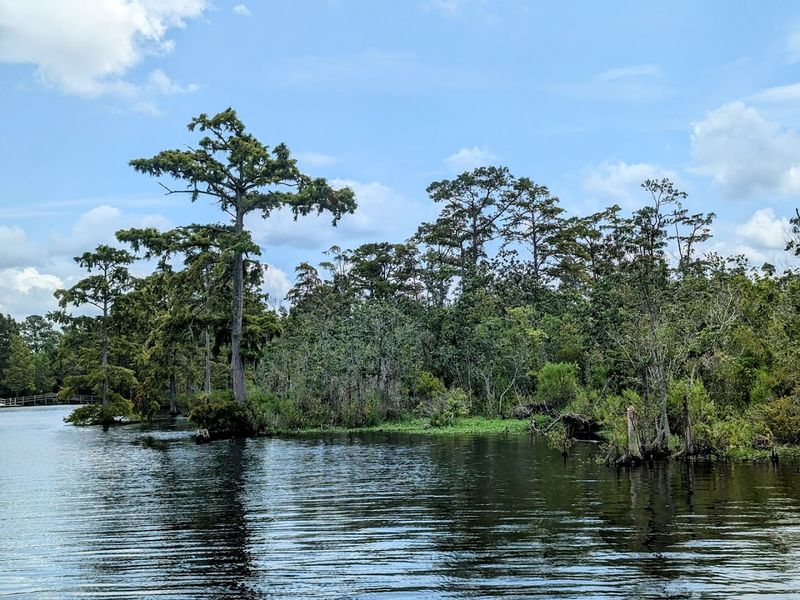
Nothing prepares you for the first time you see a bald cypress standing knee-deep in dark swamp water. These ancient trees look like something out of a prehistoric landscape, with their knobby root structures and feathery green needles.
Bald cypresses are deciduous conifers, which means they lose their needles in fall, turning a stunning coppery-orange before dropping. They can live for over a thousand years, and some of the oldest ones in the region predate European settlement by centuries.
The Coastal Plain is also home to one of North America’s most ecologically important trees: the longleaf pine. These towering pines once covered 90 million acres across the Southeast, but less than three percent of that original range remains today.
Longleaf pine ecosystems support an astonishing variety of wildlife. The red-cockaded woodpecker, the gopher tortoise, and dozens of rare wildflower species all depend on the open, fire-maintained forests these pines create.
Croatan National Forest near New Bern is one of the best spots to see both species in relatively close proximity. The forest has marked trails and interpretive signs that make the experience educational without feeling like a lecture.
Pocosin Lakes National Wildlife Refuge is another stop worth adding to your map. The landscape there feels remote and wild in a way that is increasingly rare along the East Coast.
This final stretch leaves you looking twice at swamps and pine flats most drivers speed straight through.
Best Times Of Year To See Each Region At Its Peak
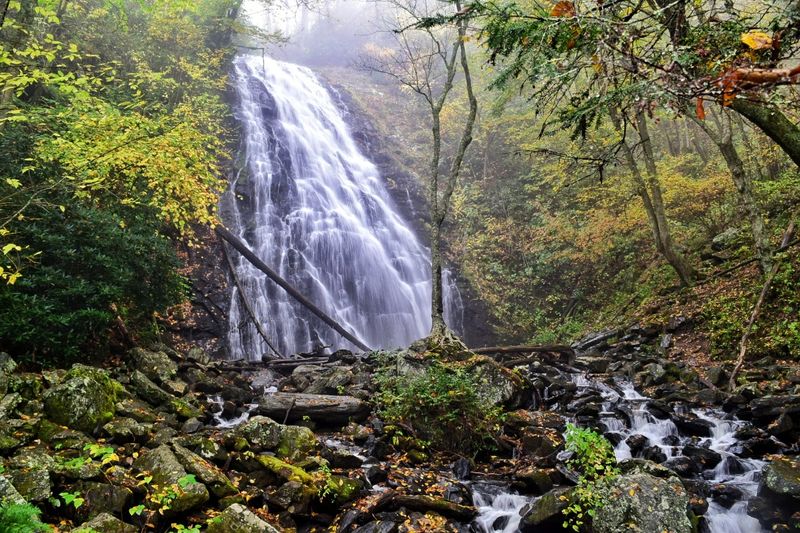
Timing is everything on a trip like this, and each region has its own sweet spot. Getting the seasons right can mean the difference between a good trip and an absolutely unforgettable one.
The Blue Ridge section peaks in mid-October when the tulip poplars and oaks turn gold, red, and amber. Weekends during peak fall color can get crowded, so aim for a Tuesday or Wednesday if your schedule allows.
The Piedmont dogwoods and redbuds are best seen from late March through mid-April. Bloom timing shifts slightly from year to year based on winter temperatures, so checking a local bloom tracker in early March is a smart move.
The Coastal Plain bald cypresses hit their copper-orange peak in November, just after most people have stopped thinking about fall color. Longleaf pines look their best in late spring when the forest floor blooms with native wildflowers beneath the open canopy.
Summer is actually a wonderful time to drive all three regions if you prefer fewer crowds and lush green scenery. The heat can be intense in the Coastal Plain, so bring plenty of water and start your outdoor stops before 10 a.m.
Winter is underrated for tree spotters. Without leaves, the structure of oaks and bald cypresses becomes dramatically visible, and the forests feel spacious and quiet in a way summer rarely offers.
No matter when you go, each season brings something worth stopping for. Plan around your favorite tree, and the rest of the trip will fall beautifully into place.
Tips For Planning Stops Along The Way
A great road trip does not happen by accident, and this one rewards a little advance planning. Knowing where to pull over, where to eat, and where to spend the night makes the whole experience smoother and more enjoyable.
Download an offline map before you leave because cell service gets spotty in the mountain and swamp sections. Apps like iNaturalist and LeafSnap work great for tree identification and even log your sightings automatically.
State parks along the route often have free parking and short interpretive trails. Merchants Millpond State Park in the northeast, Gorges State Park in the west, and Raven Rock State Park in the Piedmont all offer easy access to native tree ecosystems.
Pack a small daypack with sunscreen, bug spray, and a light rain jacket for every stop. Mountain weather changes fast, and the Coastal Plain can get buggy near dusk in warmer months.
Local diners and farm stands along rural state highways are worth seeking out. Eating local keeps money in the community and often leads to the best conversations about where to find the most stunning trees nearby.
Consider breaking the trip into two or three days instead of rushing it as a single long drive. Slowing down lets you actually absorb the scenery instead of just checking boxes.
This kind of drive rewards lingering, not rushing. The trees have been standing here for centuries, a few extra minutes at each stop won’t hurt anyone.