A Conspicuous Native That Keeps Color Going Long After Summer Fades In North Carolina

Most North Carolina beds look pretty tired by the time Labor Day rolls around. The zinnias are spent, the coneflowers have gone to seed, and the porch feels a little less lively. Blue mistflower, a native perennial that can carry soft blue-purple blooms from late summer well into fall, is one plant that genuinely earns its spot when other flowers are winding down. If you have a moist corner of the yard and room to let something spread, this overlooked native is worth a closer look.
A Native That Keeps Color Going Into Fall
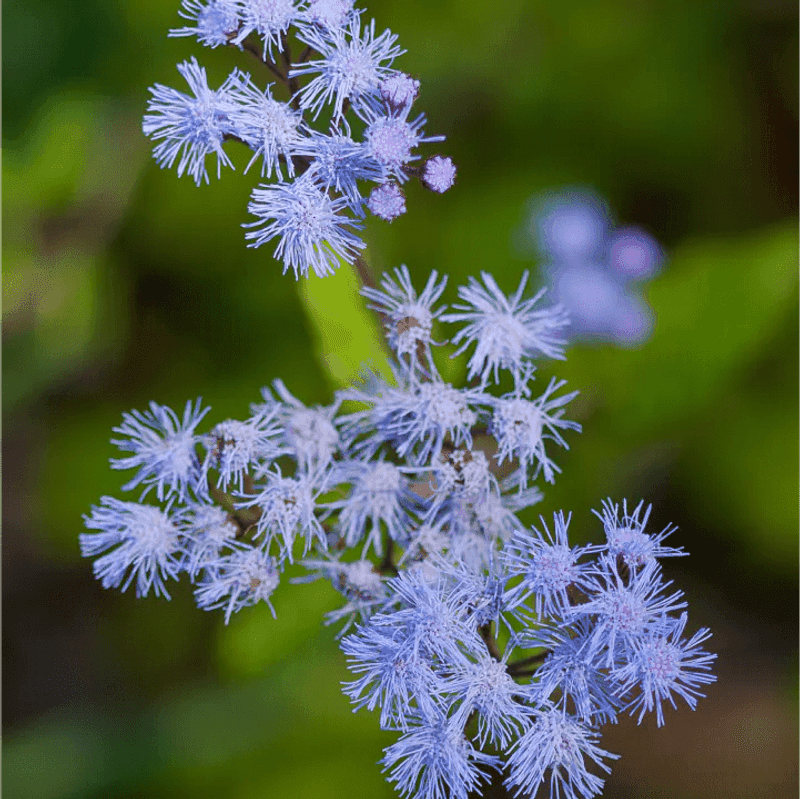
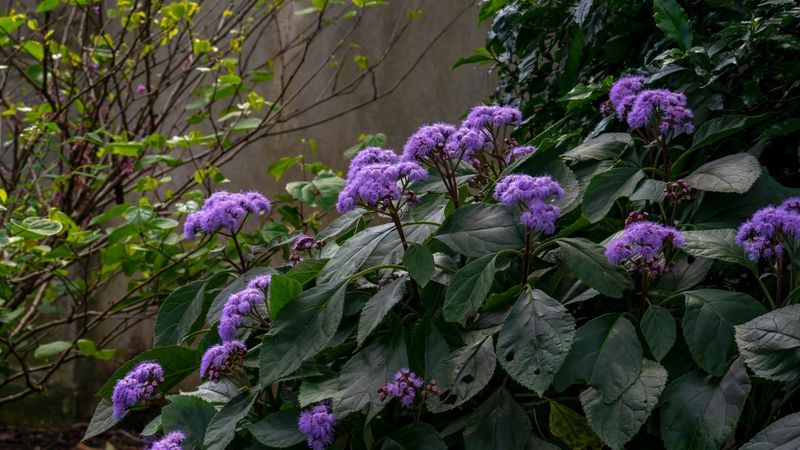
Blue mistflower, Conoclinium coelestinum, goes by a few names you might see on nursery tags: blue boneset and hardy ageratum are two common ones. Whatever the label, the plant is a North Carolina native perennial with a bloom window that NC State Extension documents as July through October, with fruit interest carrying on into November. That stretch covers exactly the weeks when many early-season flowers have already faded.
NC State lists it for all three of the state’s major regions: the Coastal Plain, the Piedmont, and the mountains. It is hardy across USDA Zones 5a through 10b, which takes in every commonly cited gardening zone in North Carolina. The plant grows roughly 18 inches to 3 feet tall and produces small, fluffy flower clusters in a blue-purple color that is genuinely uncommon among native perennials.
That said, blue mistflower is not the only native still showing color in September. Goldenrods, asters, Joe-Pye weed, late black-eyed Susans, sunflowers, and cardinal flower all bloom in the same general window, as the NC State Extension gardener handbook on native plants makes clear. The honest takeaway is that blue mistflower is one of the more conspicuous late-season options, especially where its site needs are met. When the soil is right and the location fits, it can extend real color beyond Labor Day in a way that few gardeners expect from a plant this easy to overlook.
Moisture Shapes Its Late-Season Performance
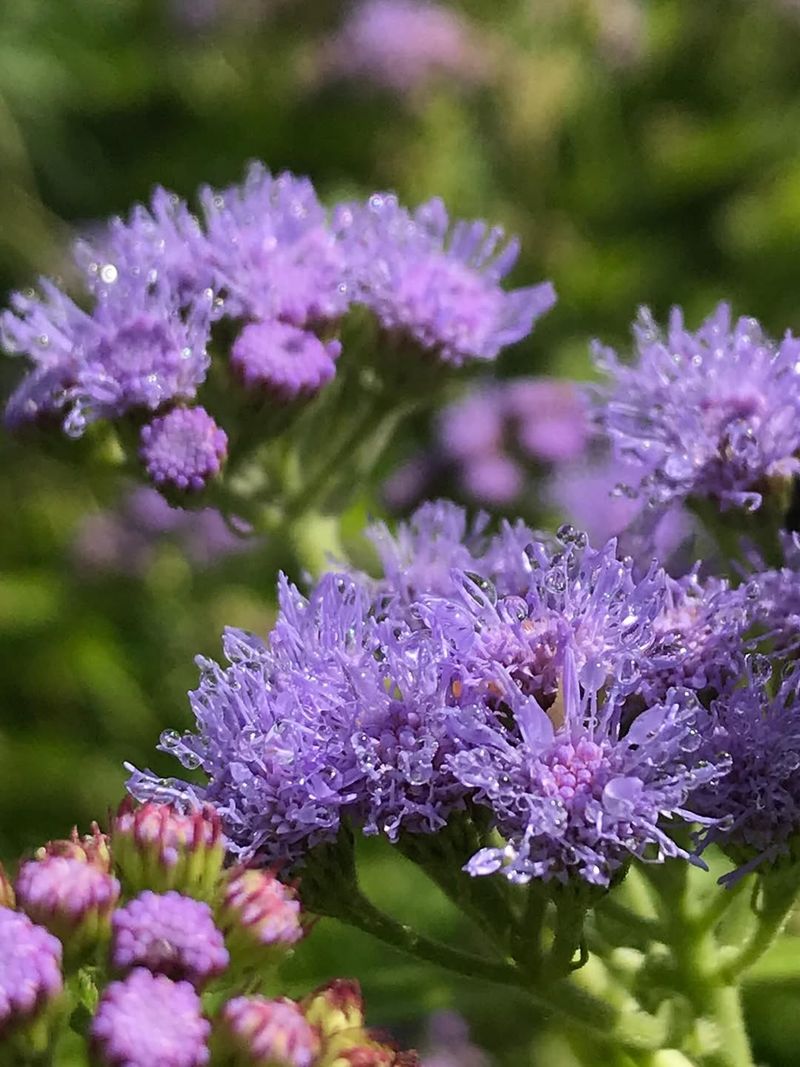
Walk the edges of a Piedmont drainage swale on a warm September morning and you may find blue mistflower thriving exactly where the soil stays damp longest. That is not a coincidence. The plant’s preference for moist, humus-rich soil is the single biggest factor shaping whether it delivers a strong late-season show or just limps along.
NC State’s blue boneset profile notes that the plant does not perform well when conditions dry out. Damp low spots, pond edges, rain-garden margins, and moist beds in the Coastal Plain are natural fits. A hot, dry, sharply drained berm in the Sandhills is the wrong place for it, at least without reliable supplemental water through summer. One coastal landscaping guide describes the plant as drought-tolerant, but that conflicts with NC State’s more specific guidance, so the safer bet is to treat moist soil as a genuine requirement rather than a preference you can work around.
On the light side, the plant handles full sun, defined by NC State as at least 6 hours of direct sun daily, or partial shade, which falls in the 2-to-6-hour range. A spot under the high canopy of a mature tree, where dappled light comes and goes through the afternoon, can work well if the soil stays consistently moist. Regional differences also matter: a mountain garden may see bloom timing shift compared to a Coastal Plain planting, and a dry summer can compress the flowering window no matter where you are. Matching the site to the plant’s actual needs is what unlocks the late-season color the plant is capable of delivering.
Your North Carolina Garden Changes Every Week. Your Plan Should Too.
Gardening in North Carolina changes quickly throughout the season. Every Friday you’ll receive a simple weekly plan showing exactly what to plant, prune, fertilize, harvest, and protect so you never miss the right timing.
Its Flowers Support Fall Pollinators

The flowers themselves are worth a closer look before you think about what they attract. Each cluster is made up of small, fluffy, tubular blooms arranged in a flat-topped head, and the blue-purple color reads as genuinely soft and airy from a few feet away. Fruit interest can continue from August through November, which gives you a reason to leave the plant standing well past peak flower color rather than cutting it back the moment the blooms fade.
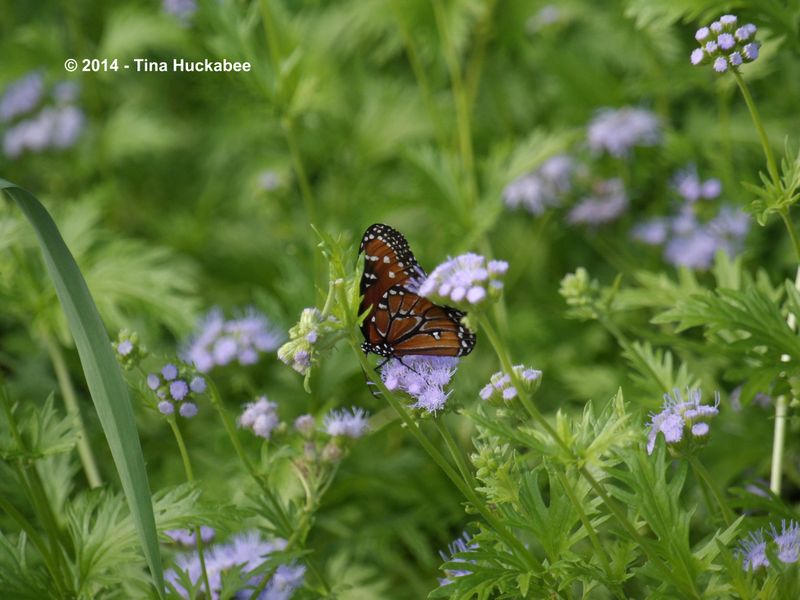
For pollinators, the timing matters as much as the flower type. The Monarch Joint Venture identifies approximately August 16 through October 30 as a key fall nectar period, when migrating monarchs and other butterflies need abundant food to fuel long flights and build energy reserves. Blue mistflower blooms directly inside that window. Butterflies, native bees, and other pollinators use its nectar, and birds can use the seeds once flowering is done.
What the plant does not do is outperform every other fall nectar source or hold some unique claim on monarch attention. Goldenrod, asters, ironweed, and Joe-Pye weed all attract fall pollinators in North Carolina, and a yard that includes several of those plants alongside blue mistflower will serve wildlife better than a single-species patch. The flat-topped flower clusters make nectar easy to access for a wide range of visitors, which is part of why the plant earns its space in a fall pollinator bed. Think of it as one reliable layer in a longer seasonal sequence, not the whole story on its own.
Plan For A Plant That Spreads
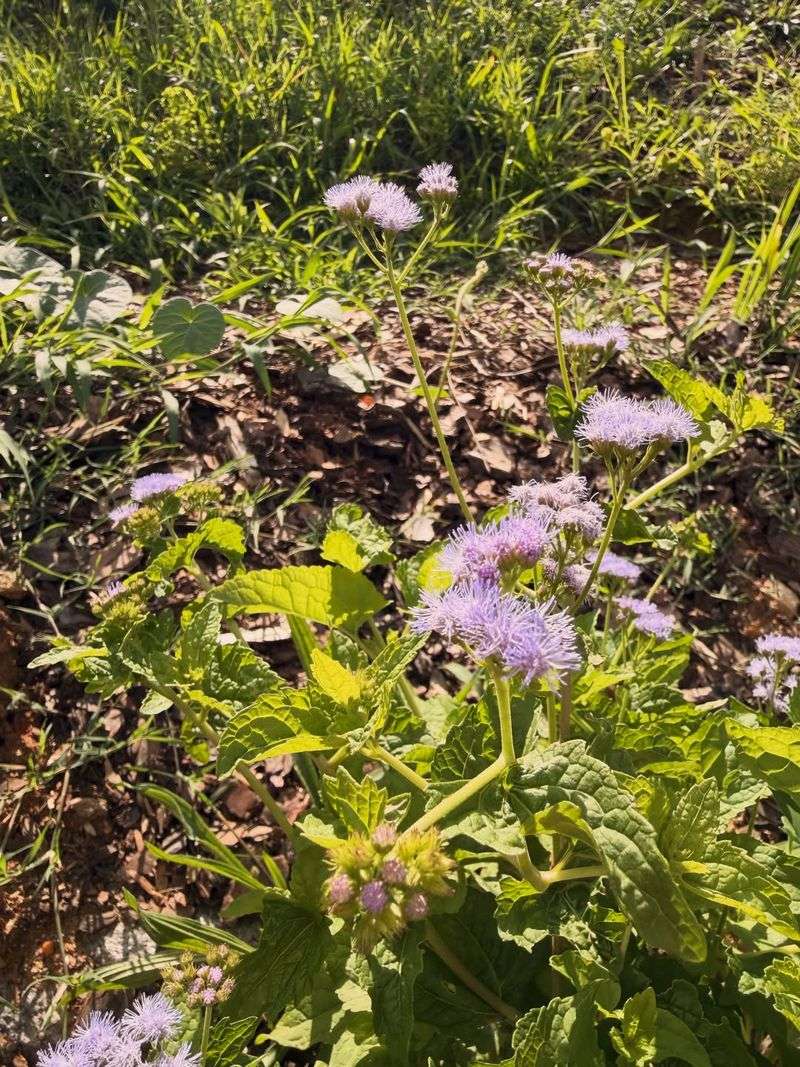
Here is where it gets tricky. Blue mistflower spreads by rhizomes underground and by self-seeding above ground, and it does both with enough energy that NC State’s blue boneset profile describes the plant as weedy and notes it is not recommended for smaller planting areas because of its aggressive nature. That is not a minor footnote. If you tuck it into a narrow formal border next to delicate small perennials, you will likely spend the following springs pulling it out of places it was not invited.
Aggressive spread within a garden is not the same as being invasive in the ecological sense. Blue mistflower is native to North Carolina, and the sources reviewed here do not identify it as a non-native invasive species in the state. But a native plant can still crowd its neighbors, and this one will, given the chance. The right approach is to choose a roomy location where expansion is genuinely acceptable: a large naturalized bed, a slope above a pond, or a wide rain-garden margin where a spreading colony is actually the goal.
Keep it away from bed edges that border a neighbor’s property or a lawn you care about keeping clean.
Managing the spread is straightforward once you build it into your spring routine. NC State recommends dividing taller plants in early spring and cutting them back at that time to reduce flopping later in the season. Walk the edges of the planting in April, pull any rhizome runners that have crossed your intended boundary, and pot up the divisions to share with a neighbor who has a moist spot of their own. Treated as a managed spreader rather than a tidy clump, the plant rewards you with a reliable late-season colony instead of a maintenance headache.
Match The Plant To The Soil
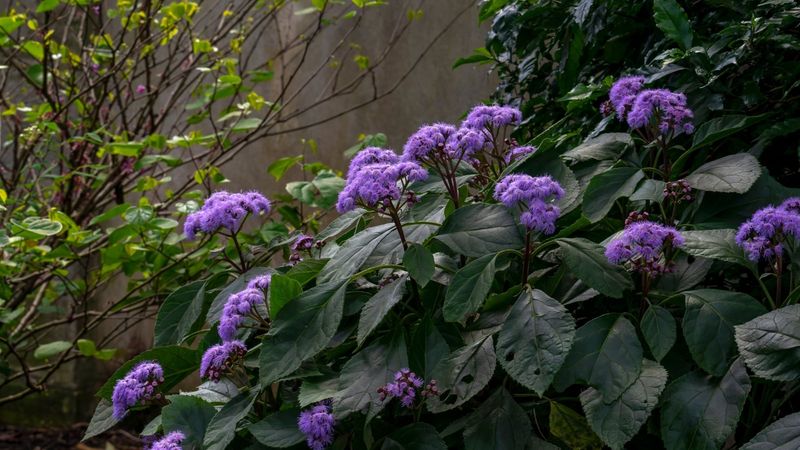
Knowing the plant’s mature size shapes every spacing and placement decision. NC State documents blue mistflower reaching approximately 18 inches to 3 feet tall and 18 inches to 3 feet wide at maturity. From that size range, a practical spacing estimate falls somewhere between 18 and 36 inches apart. That is an inference from the mature width, not a published spacing rule for this specific plant, so treat it as a starting point rather than a hard prescription.
Wider spacing gives each plant room to expand and makes spring edge management easier. Closer spacing fills in faster and creates a denser colony sooner.
Piedmont red clay deserves its own paragraph. Planting a single root ball into a small amended hole surrounded by dense clay is a common mistake, and it tends to produce a waterlogged pocket that roots cannot escape. The better approach, as the NC State Extension native plants handbook recommends, is to test the soil first and, where compaction is a problem, incorporate a 1-to-3-inch layer of compost across the entire planting area before putting anything in the ground. That broader improvement gives roots somewhere to go as the plant establishes and spreads.
Sandy Coastal Plain soil drains faster and warms earlier, which can shift bloom timing slightly compared to heavier Piedmont clay. In either case, the goal is a planting area that holds reasonable moisture without staying waterlogged for days after a rain. A naturally moist low spot often needs less preparation than a bed you are trying to force into shape. Choose the site that already fits the plant’s needs, then improve the soil across the area rather than just around the root ball.
Plant For Establishment, Not An Instant Peak
Fall planting has a real advantage for native perennials in North Carolina. Soil temperatures stay warm well into October across the Piedmont and Coastal Plain, which means roots keep growing even after the air cools down. That root development during fall and early winter is what sets a plant up for a stronger performance the following season, and it is the main reason fall is worth considering for blue mistflower even though the plant will not put on a dramatic show immediately after you set it in the ground.
Keep new plants well-watered during the first 3 to 4 weeks after planting, especially if fall turns dry, which it sometimes does in North Carolina before the hurricane-season rains taper off. Apply 2 to 3 inches of shredded leaf mulch or wood-chip mulch across the planting area to hold soil moisture and moderate temperature swings, but pull the mulch back so it does not press against the plant’s stems. NC State’s landscaping for wildlife guide supports this general approach for establishing native perennials.
A nursery-grown plant may give you some first-season bloom, but do not count on a full September peak in year one. The research does not guarantee that, and a plant spending its first fall building roots is doing exactly what it should. On fertilizer:
NC State advises using soil tests and visible plant growth as your guide rather than applying fertilizer on a schedule. If the plant looks healthy and is growing well, it does not need feeding.Excess nitrogen in particular tends to push soft, floppy growth that makes an already spreading plant harder to manage. Let the soil do the work, and give the plant a full growing season before you judge what it can do.
Build A Broader North Carolina Fall Garden
Blue mistflower earns its place, but a yard that stops there is leaving late-season value on the table. Late-season native options documented for North Carolina include goldenrods, asters, Joe-Pye weed, late black-eyed Susans, native sunflowers, cardinal flower, and turtlehead. Planting several of those alongside blue mistflower creates a sequence of bloom and seed that supports pollinators and birds from late summer through the first frost, which typically arrives in the Piedmont somewhere between late October and mid-November.
The monarch question comes up often, and the distinction matters. Adult monarchs passing through North Carolina in fall do use blue mistflower for nectar, and that is genuinely useful. But monarch caterpillars require milkweed as a host plant, and no amount of nectar flowers substitutes for that. The Monarch Joint Venture is direct on this point: a garden intended to support monarchs needs both locally appropriate milkweed and a sequence of nectar sources through the season.
Blue mistflower covers the nectar side of that equation during fall migration, which is one real contribution among several a complete habitat garden requires.
For sourcing, buy nursery-grown plants from a seller who can tell you where the plant came from and confirm its identity. The North Carolina Native Plant Society maintains a nursery directory, though the listings are not endorsements or verifications of any particular business. Do not collect plants from roadsides, parks, or protected areas without checking the specific legal and land-management rules for that location. Choose a moist, roomy site where the plant’s spread is manageable, pair it with goldenrod and asters and a patch of milkweed, and blue mistflower becomes one dependable, genuinely blue layer in a living North Carolina yard that stays interesting long after summer is done.