Which Shade Cloth Works Best For Arizona Plants In Extreme Heat
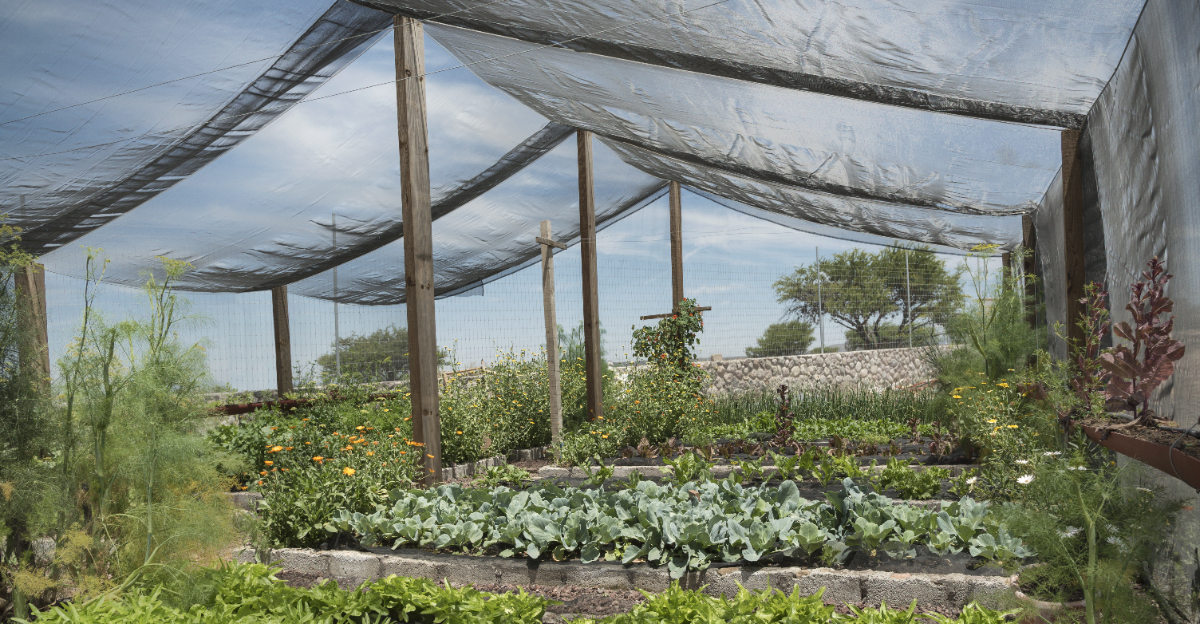
Choosing shade cloth should feel simple, but one quick choice can disappoint you fast. Many gardeners reach for the darkest fabric without thinking twice.
That shortcut often creates fresh problems instead. Give your plants the light they still need, not just extra shade.
Extreme heat affects every plant differently, and Arizona gardens prove it. Vegetables, flowers, herbs, and young shrubs all respond differently under the same cover.
Picking the right shade percentage helps plants stay cooler without blocking too much sunlight. Small changes now can prevent weak growth, faded leaves, and disappointing harvests later.
Learn which shade cloth matches your plants before another scorching afternoon puts them under unnecessary stress.
The best option depends on what you grow, where it sits, and how much afternoon sun it receives every day.
1. Start By Choosing The Right Shade Level
Shade cloth percentage is not just a number on a label. It tells you how much sunlight gets blocked before reaching your plants.
A 30% shade cloth blocks roughly a third of incoming sunlight. That might sound mild, but it can drop leaf surface temperatures noticeably on a blazing afternoon.
A 50% cloth is a solid middle ground for most home gardens. It cuts enough light to reduce heat stress without making shade-loving vegetables struggle for energy.
Go above 70% and you are cutting out a lot of light. That level suits nursery seedlings or extremely sensitive transplants, not established outdoor plants.
Choosing shade level depends on what you are growing, where your garden sits, and how intense your afternoon sun gets. North-facing beds may need less coverage than south-facing ones baking all day.
Most gardeners in hot desert regions find that 30% to 50% works well for general use. Going higher is sometimes helpful for short-term protection during extreme heat events.
Matching shade percentage to your plant type is the starting point for everything else. Get that wrong and no other adjustment will fully fix the problem.
2. Knitted Shade Cloth Lasts Longer In Extreme Heat
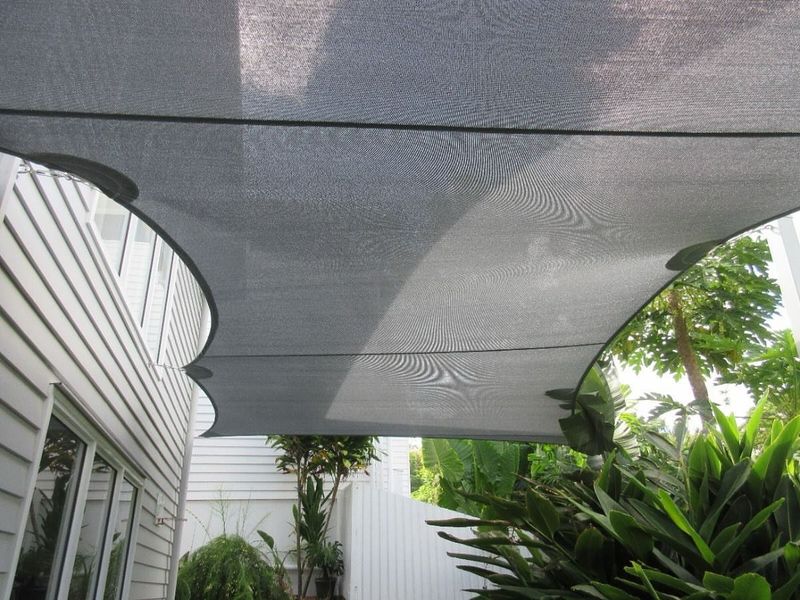
Knitted shade cloth is built differently than woven fabric, and that difference matters in brutal heat.
Woven cloth tends to fray at cut edges. Knitted cloth does not unravel when cut, which makes installation and trimming much easier.
UV-stabilized knitted polyethylene holds up well through repeated summers without breaking down quickly. Cheap alternatives may degrade within a single season under intense sun exposure.
Airflow is another advantage. Knitted cloth has a slight open structure that allows some air movement through the fabric.
That small amount of circulation helps reduce heat buildup under the cloth.
Woven shade cloth tends to trap heat more because its tighter construction limits airflow. In regions where temperatures exceed 110 degrees regularly, that trapped heat can work against your plants.
Knitted cloth also handles wind better in many cases. It flexes slightly instead of catching gusts like a solid surface.
That flexibility reduces tearing during monsoon season storms.
Look for cloth labeled UV-stabilized or UV-resistant. Not all products on the market carry that rating, and unrated cloth can degrade faster than expected.
Your Arizona Garden Changes Every Week. Your Plan Should Too.
Gardening in Arizona changes quickly throughout the season. Every Friday you’ll receive a simple weekly plan showing exactly what to plant, prune, fertilize, harvest, and protect so you never miss the right timing.
Spending a little more upfront on quality knitted cloth usually pays off over multiple growing seasons.
3. Reflective Shade Cloth Reduces Heat Buildup
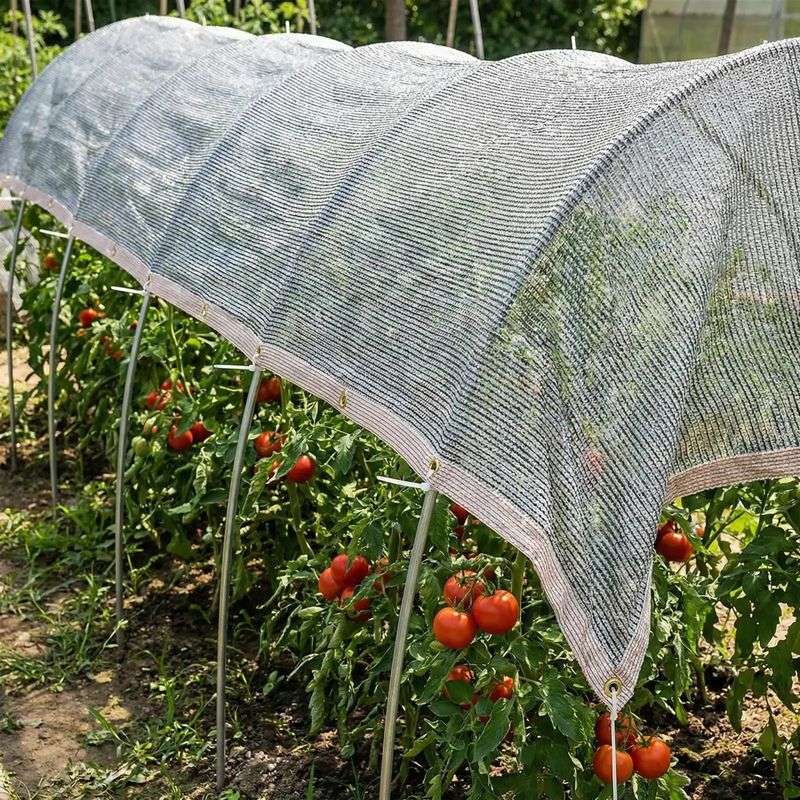
Standard black shade cloth absorbs heat. Reflective shade cloth sends it back up instead.
That single difference can lower temperatures under the cloth by several degrees compared to darker alternatives. In extreme desert heat, a few degrees of difference is genuinely meaningful for plant health.
Reflective cloth is typically silver, white, or a combination of both. The lighter color bounces sunlight away rather than soaking it in.
Black cloth is inexpensive and widely available. However, on days above 105 degrees, black cloth sitting close to foliage can radiate absorbed heat back down onto leaves.
That creates conditions worse than no cover at all in some cases.
Aluminized shade cloth takes reflection further. It has a metallic layer woven into the fabric that actively redirects solar radiation upward.
Some growers use it specifically during peak summer weeks.
Reflective cloth costs more than basic black options. Whether that cost is worth it depends on how extreme your local conditions get and what you are trying to protect.
Pairing reflective cloth with proper ventilation underneath gives even better results. Trapped hot air is still a problem regardless of what the cloth does on top.
4. Vegetables Need More Coverage Than Desert Natives
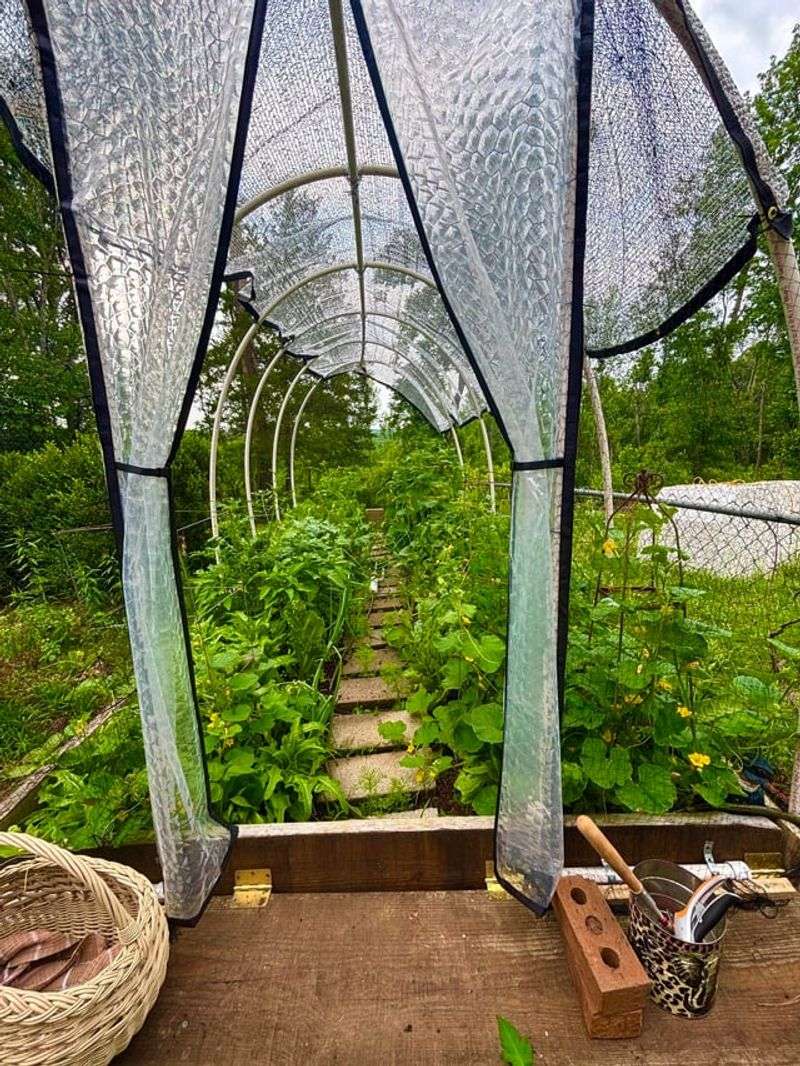
Not every plant in your yard needs the same protection. Mixing them up leads to problems.
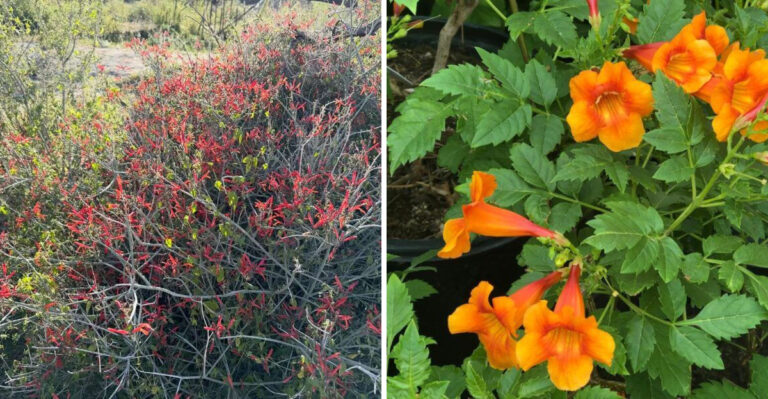
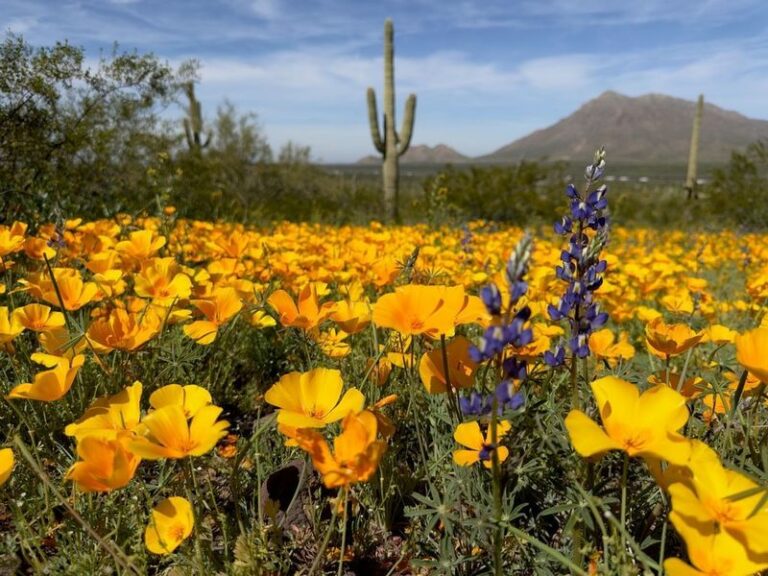
Desert natives like saguaro, palo verde, and brittlebush evolved under full sun exposure. Adding dense shade cloth over them can actually slow growth and interfere with their natural processes.
Vegetables are a different story. Tomatoes, peppers, lettuce, and squash all originate from climates far milder than a Phoenix summer.
Their leaves are not designed to handle sustained triple-digit heat without help.
Leafy greens suffer fastest. Lettuce and spinach bolt almost immediately when temperatures spike.
A 40% to 50% shade cloth can extend their productive season by several weeks in spring and fall.
Fruiting vegetables like tomatoes need some sun to set fruit properly. Too much shade reduces yield even while it protects leaves.
Finding balance matters more than maximum coverage.
Herbs vary widely. Basil wilts fast in intense sun.
Rosemary and thyme handle heat better and need less intervention.
Fruit trees, especially young citrus, can benefit from temporary shade cloth during record heat events. Established trees with full canopies manage better on their own.
5. More Shade Isn’t Always Better
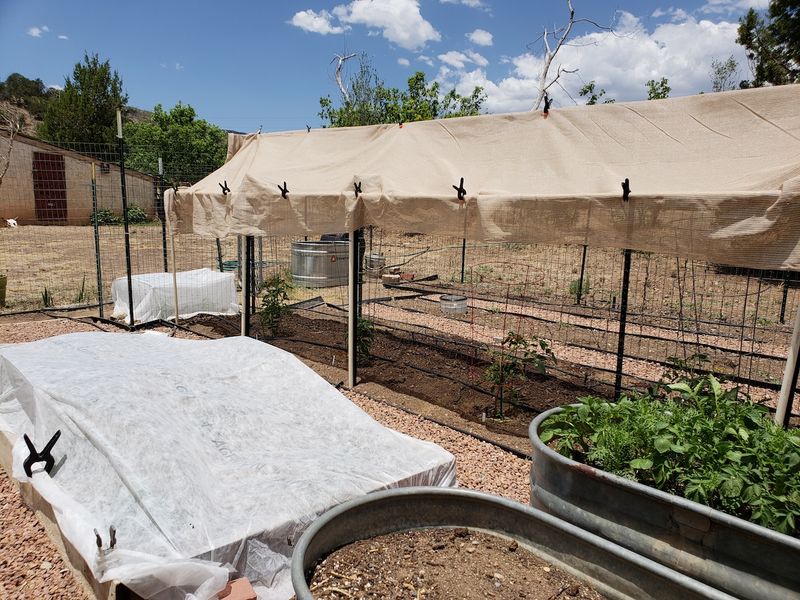
Piling on more shade cloth feels like the safe move when temperatures are extreme. It often backfires.
Plants need sunlight to photosynthesize. Block too much and they start producing less energy than they need to grow or recover from heat stress.
Vegetables grown under 70% or 80% shade cloth in summer may stay alive but produce little. Tomatoes, in particular, need adequate light to trigger fruit development.
Heavy shade pushes them toward leaf growth instead.
Etiolation is a real risk. That is when plants stretch unnaturally toward light, producing weak, spindly stems.
It happens when shade is too dense for extended periods.
Humidity can also become a problem under heavy shade. Less airflow and reduced evaporation create a damp microclimate.
In some conditions, that encourages fungal issues on leaves and soil.
Moderate shade with good ventilation works better than maximum coverage with poor air circulation. The goal is reducing heat stress, not eliminating sunlight.
30% to 50% handles most situations well without pushing plants into light deprivation. Going higher should be a short-term measure, not a permanent setup.
Observe your plants closely after installing any cloth. Pale leaves, slow growth, or stretching stems are signals to reduce shade.
6. Raised Shade Cloth Keeps Plants Cooler
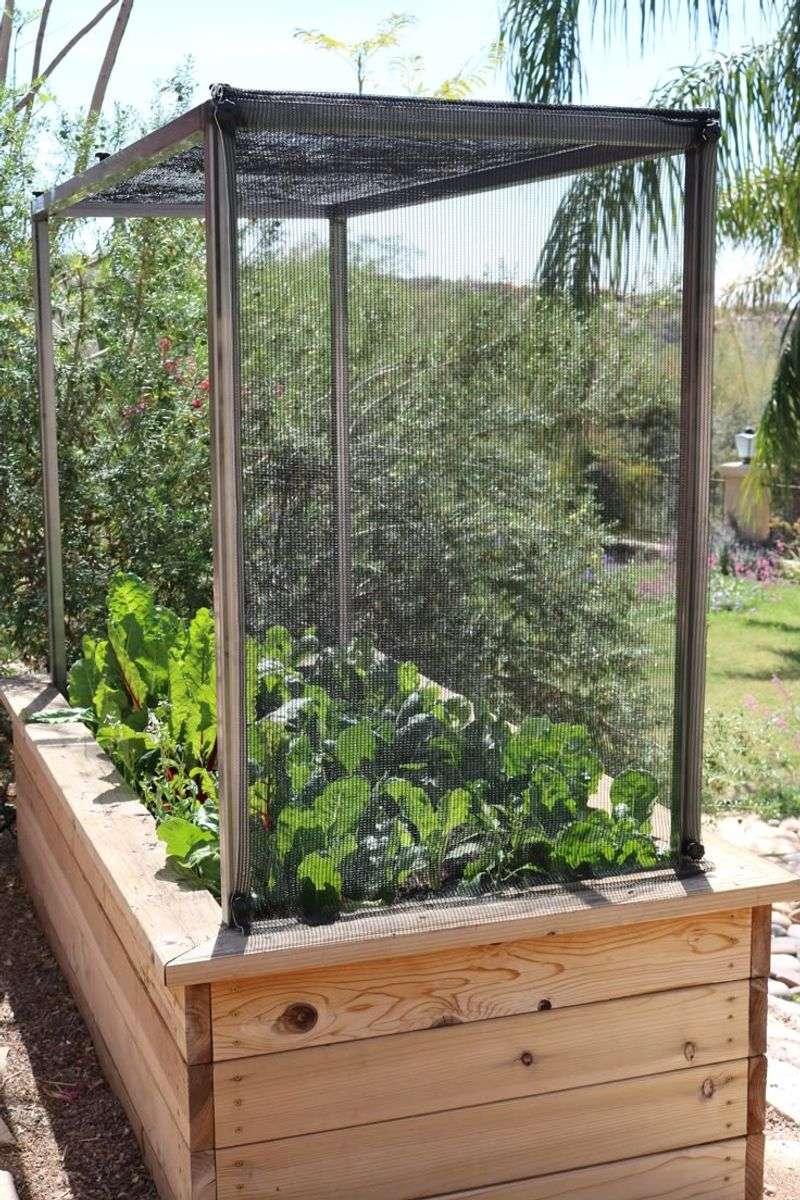
Where you put the cloth matters as much as which cloth you pick.
Draping shade cloth directly over plants creates a different environment than suspending it above them. Direct contact traps heat against leaves and reduces airflow dramatically.
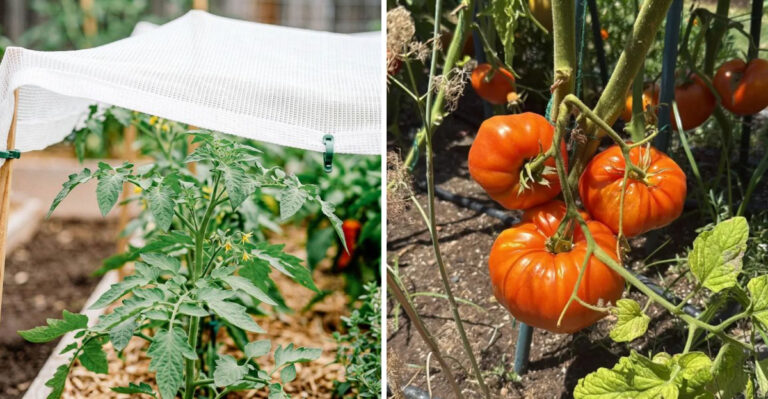
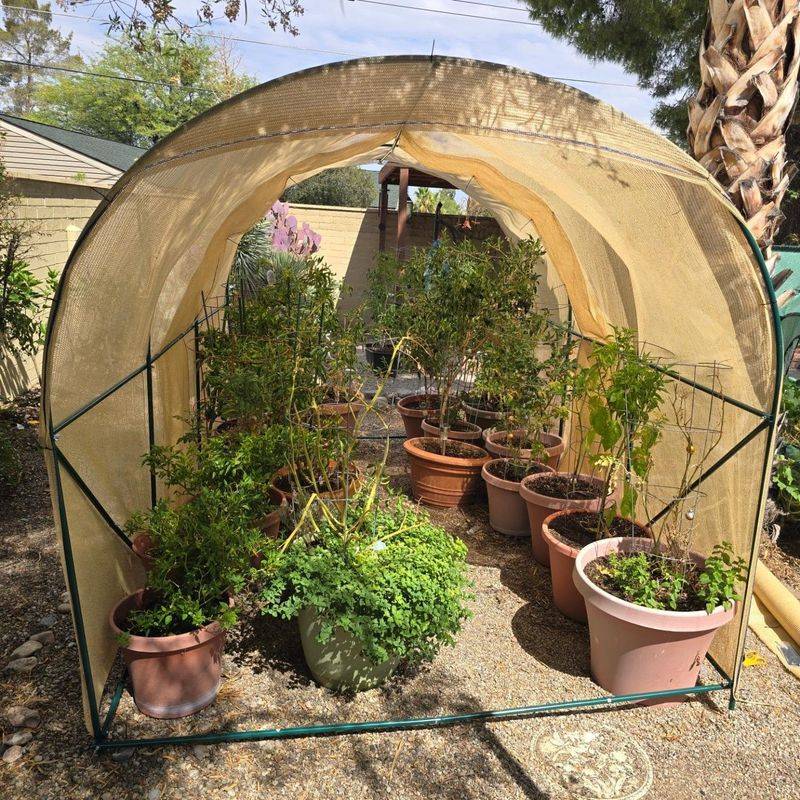
Raising cloth on hoops, conduit pipes, or a simple frame creates an air gap. That gap allows heat to escape upward instead of settling onto foliage.
Even a foot of clearance makes a measurable difference.
Metal conduit pipes are affordable and widely available. A simple hoop structure can be built with basic tools and holds cloth securely through wind events.
PVC pipe works for lighter cloth but can soften and sag in extreme heat if left in direct sun. Metal holds its shape better during summer in desert regions.
The height of your structure affects temperature underneath. Higher clearance generally means better airflow.
Aim for at least 12 to 18 inches above the plant canopy when possible.
Securing the edges of the cloth prevents it from blowing off during monsoon winds. Binder clips, sandbags along the base, or securing to stakes all work depending on your setup.
A raised shade structure also makes watering and harvesting easier.
7. The Best Shade Cloth Depends On The Plant
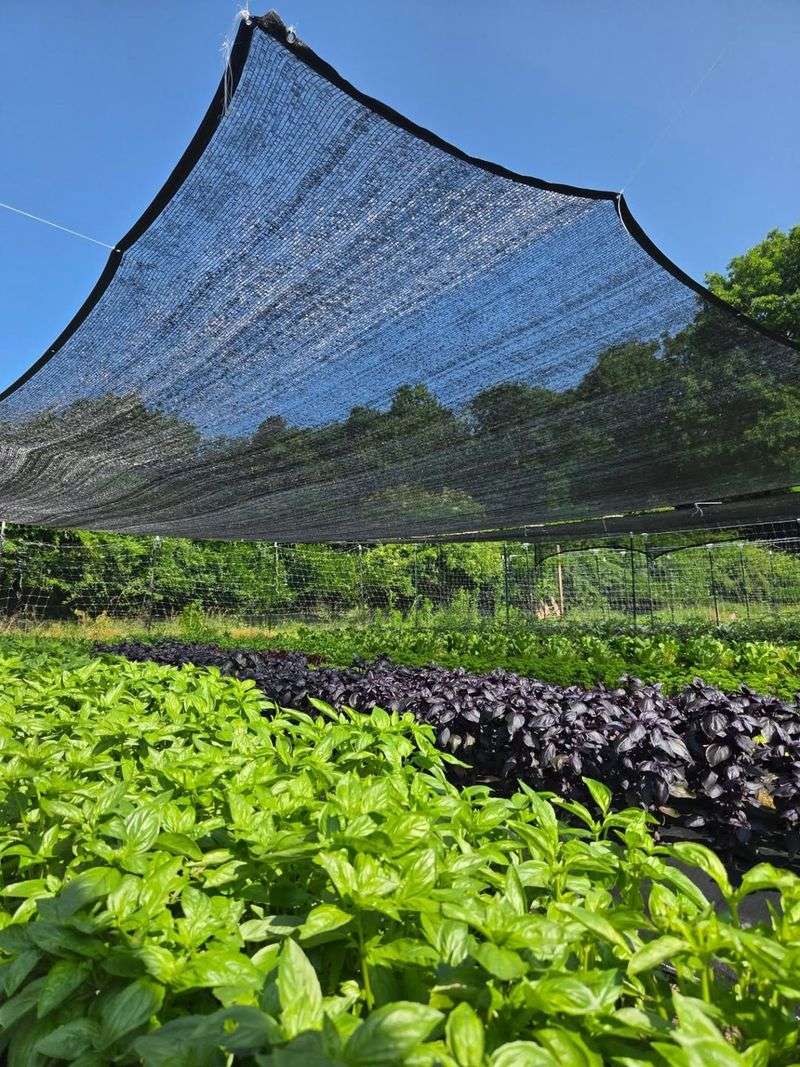
No single shade cloth works perfectly for every plant in every situation. That is just the reality of gardening in extreme heat.
Succulents and cacti rarely need any shade cloth at all. Most are adapted to full exposure and can handle intense sun without intervention, though young transplants may benefit from brief protection.
Leafy greens like lettuce and spinach do best under 40% to 50% shade. That level keeps soil cooler and slows the bolting process that heat triggers in these crops.
Tomatoes and peppers grow well under 30% to 40% shade during peak summer. They need enough light to set fruit but benefit from reduced afternoon intensity.
Citrus trees generally manage on their own once established. Young trees under two years old may appreciate temporary cloth during record heat stretches, but established trees rarely need it.
Herbs split into two groups. Heat-tolerant ones like oregano and thyme need little shade.
Basil, cilantro, and parsley do better with some afternoon coverage during the hottest weeks.
Flowers vary widely. Native wildflowers handle full sun.
Impatiens and begonias prefer shade and suffer quickly in direct desert afternoon sun.