The Venomous Newcomer Leaving Spiky Egg Sacs Under South Carolina Patio Chairs
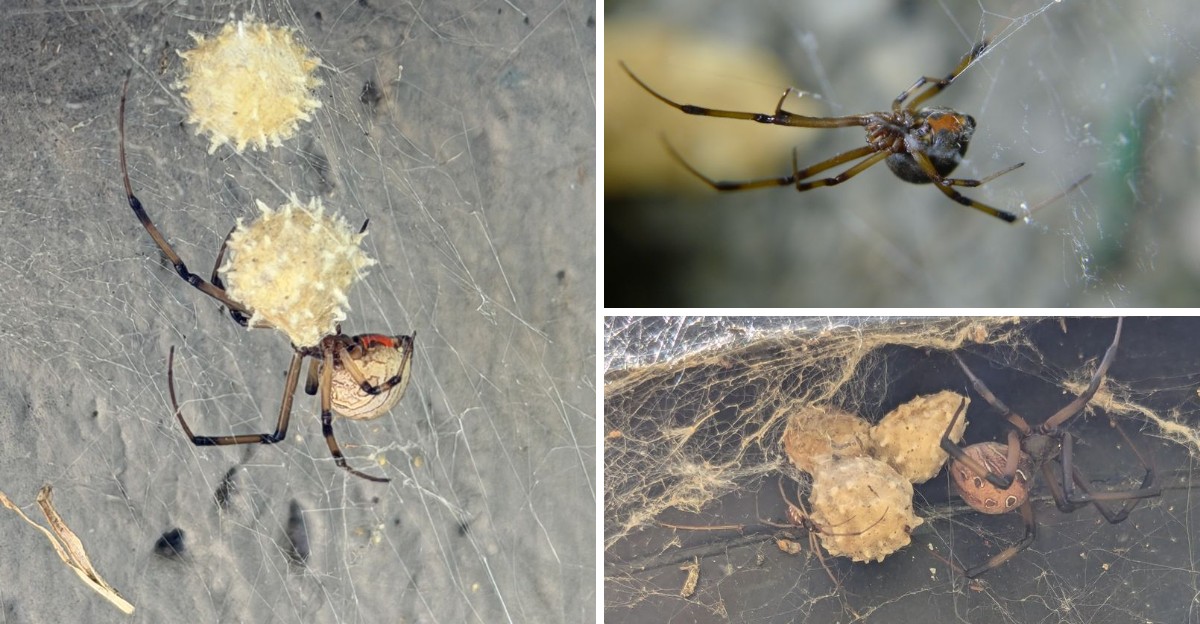
Some of the tiny cream-colored balls under South Carolina patio chairs are covered in little silk spikes. They look like a sandspur that learned to knit.
I found my first one while dragging a chair into the shade. Call me stubborn, but I assumed it was a weird seed pod from the oak tree. I even poked it with a twig before a quick look underneath changed my mind.
Truth is, each of those spiky orbs can hold over a hundred eggs. The spider that made it arrived from somewhere far away and has quietly settled into backyards across the Southeast. It favors the same shady spots where you set your iced tea.
Here’s what gets me most. Once you learn to spot those bumpy silk balls, you start finding them everywhere. So how many are tucked under your own outdoor furniture right now?
Those Spiky Silk Balls Under Your Patio Chair Belong to a Recent Arrival
Flip over a plastic patio chair in late summer, and you might spot a pale ball about half an inch across. Its surface is covered in tiny pointed bumps. Most people guess it is a seed, a fungus, or a sandspur stuck to the plastic.
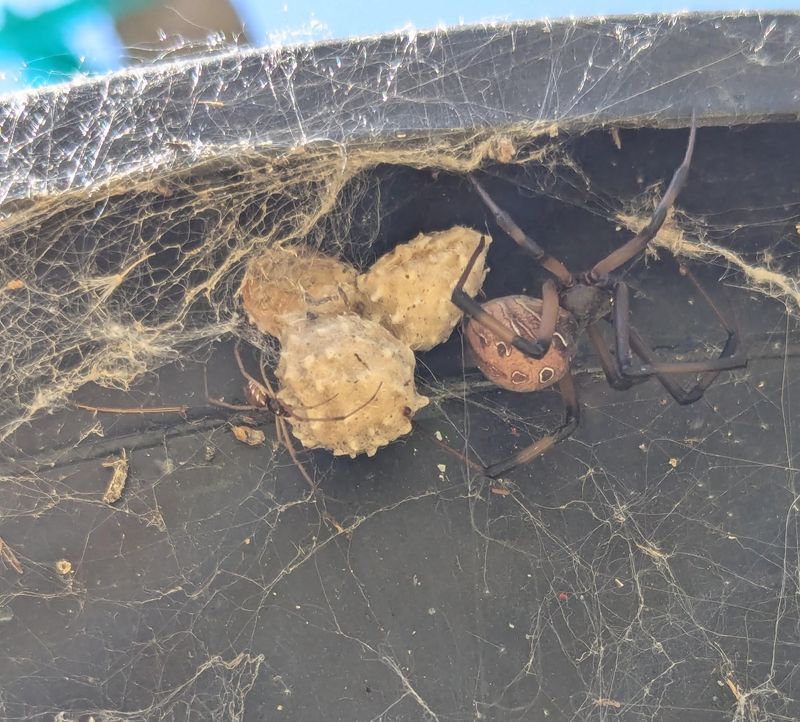
That bumpy ball is the egg sac of the brown widow spider, known to scientists as Latrodectus geometricus. Clemson Cooperative Extension and university researchers describe it as the clearest clue that this spider lives nearby. Each sac can hold roughly 100 to 150 eggs, and one female can make several sacs in a season.
The sacs are usually creamy white, tan, or light yellow. Fresh ones look bright and fluffy, while older ones may turn dingy or show tiny holes where spiderlings left. You often find a few clustered together in the same sheltered corner.
So why does it matter? A single overlooked sac can turn into many small spiders scattered across your porch. Spotting the sacs early gives you a simple, low-stress way to manage this neighbor before the population grows. Think of each spiky ball as a little flag telling you exactly where to look next.
The Brown Spider Known by Its Orange Hourglass
Guilty as charged, I once mistook a brown widow for a harmless house spider. The colors fooled me completely at first glance in the shade. A closer look with a flashlight told a different story.
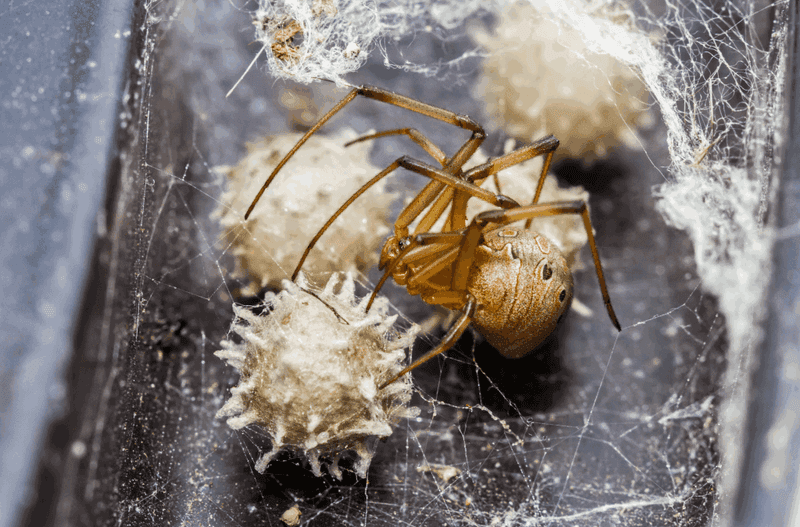
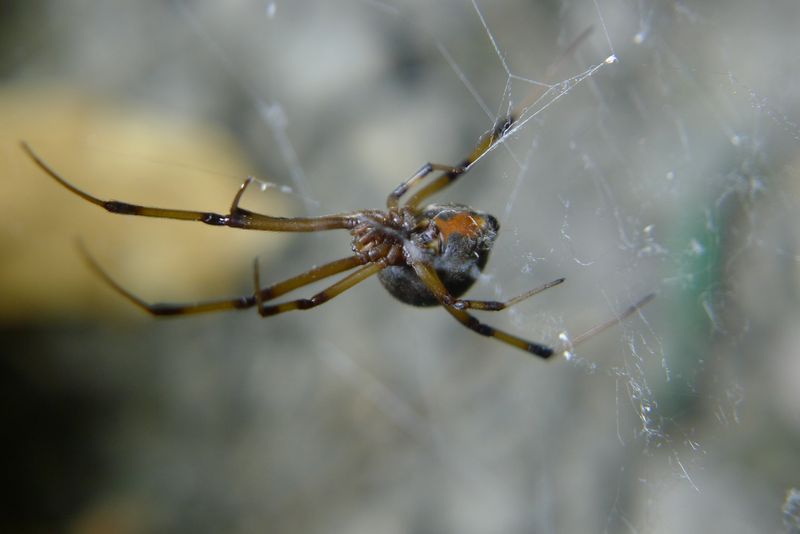
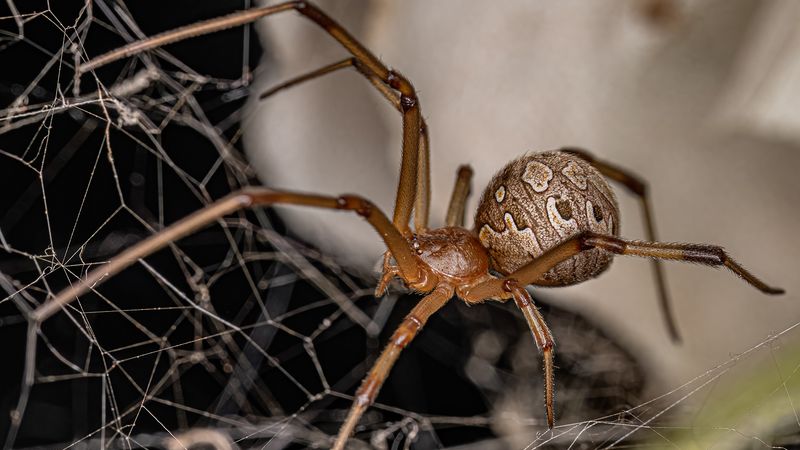
Adult females are about half an inch long with a round, bulbous abdomen. Their bodies range from light tan to dark brown or gray. The top of the abdomen often shows a mottled pattern of black, white, and orange marks.
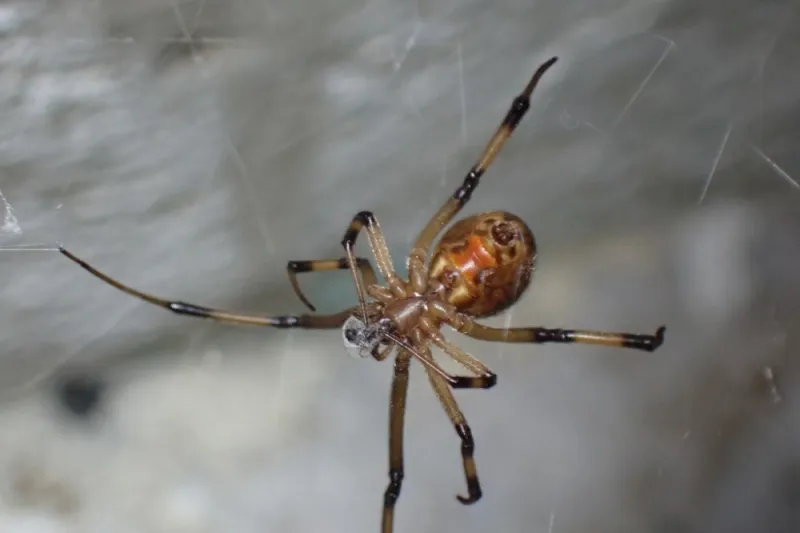
Turn one over, and you will see the real giveaway. Brown widows carry an orange or yellowish hourglass on the belly, while southern black widows usually show a bright red one. Their legs also have banded light and dark stripes, which black widows lack.
Males are much smaller and rarely bite people. The females are the ones guarding webs and egg sacs. They tend to be shy and will often drop or hide when disturbed.
Keep in mind that young black widows can look brownish too. If you are unsure, the egg sac is your best tie-breaker. Snap a photo from a safe distance and compare it with an extension fact sheet before deciding what you have found.
Smooth Sacs Versus Bumpy Sacs Tell the Widow Species Apart
Here is my favorite trick for telling these spiders apart. Ignore the spider for a moment and look at the eggs. The sac shape answers the question faster than any body marking.
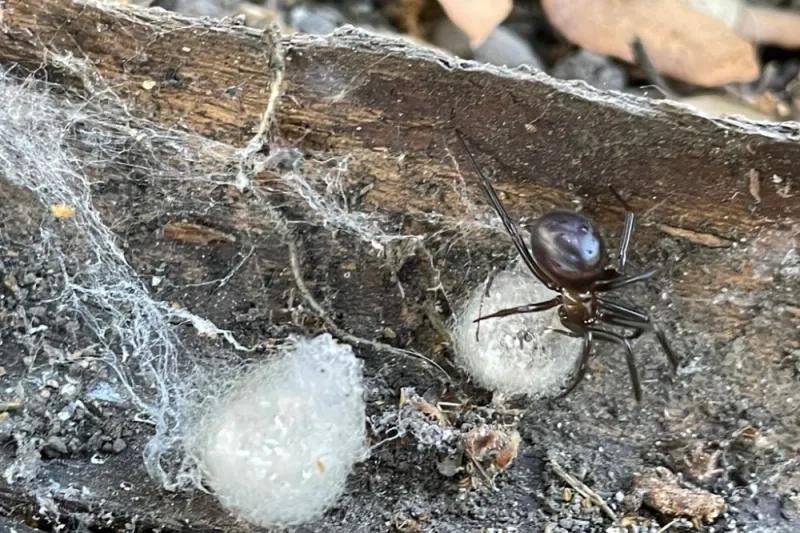
Brown widow sacs are covered in small silk spikes, giving them that sea-mine or sandspur look. Black widow sacs are smooth, round to pear-shaped, and usually papery tan or gray. South Carolina has native southern black widows, so you may run into both kinds.
Brown widow sacs are also slightly smaller, about a half inch across. You will often find several in one spot because the female keeps producing them through warm months. Black widows tend to hide in rougher, more secluded places like woodpiles and crawl spaces.
One fun fact makes this even more useful. Researchers have documented how far brown widows have spread across the United States since they first arrived. Reports from the public have also helped scientists understand how widely the spider has spread.
If you see spikes, you almost certainly have a brown widow. If the sac is smooth, treat it as a possible black widow and handle it with gloves and extra caution.
How Serious Is a Brown Widow Bite, Really
Fair warning, the word venomous sounds scarier than the typical reality here. Brown widows do carry a neurotoxic venom related to black widow venom. Studies suggest they usually inject less of it, so bites tend to be milder.
Most reported bites cause pain, redness, and swelling around the bite site. Some people feel muscle aches or nausea for a short time. Serious reactions are uncommon, though they can happen.
Bites usually occur when a hand presses against a hidden spider. Reaching under a chair arm, slipping on an old garden glove, or grabbing a stored flowerpot are classic examples. The spider is defending itself, not hunting you.
Wash any bite with soap and water and apply a cool pack. Keep the area still and calm. Call your doctor or the Poison Control line at 1-800-222-1222 for guidance.
Seek medical care quickly if pain spreads, cramps set in, or breathing feels hard. Children, older adults, and people with health conditions deserve extra attention after any widow bite. Bringing a photo of the spider, if you can safely get one, helps the medical team make good decisions.
Chair Undersides, Railings, and Empty Pots Make Cozy Spider Nurseries
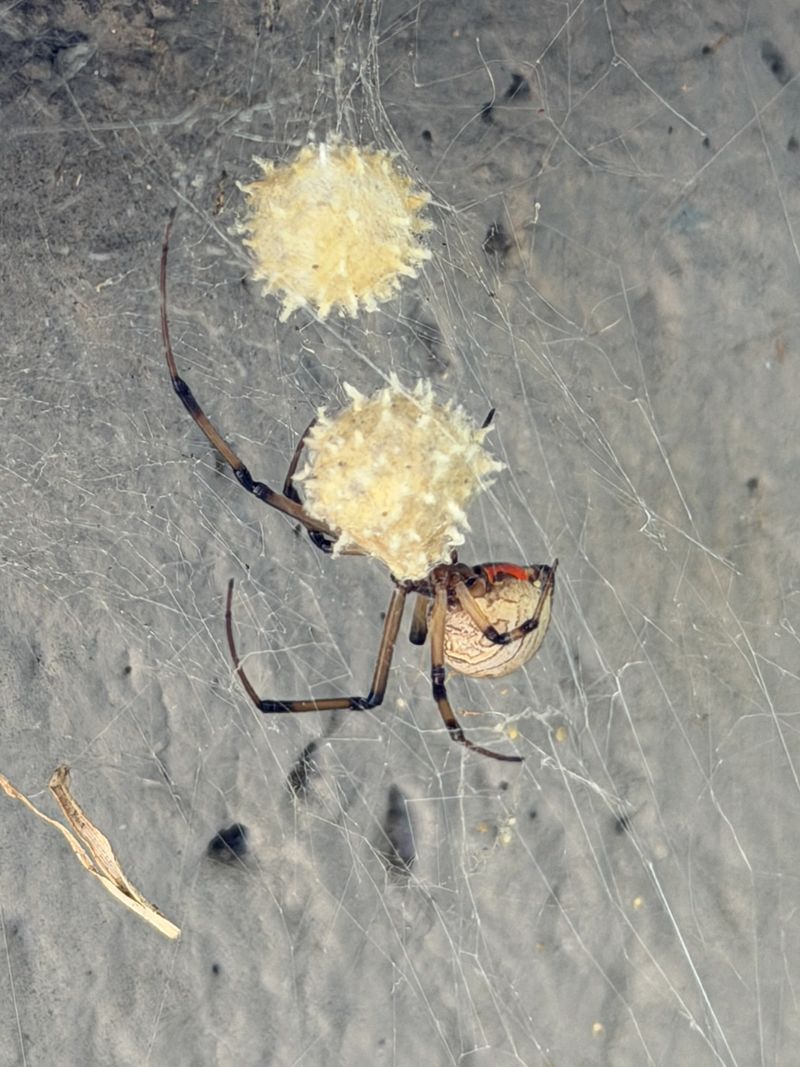
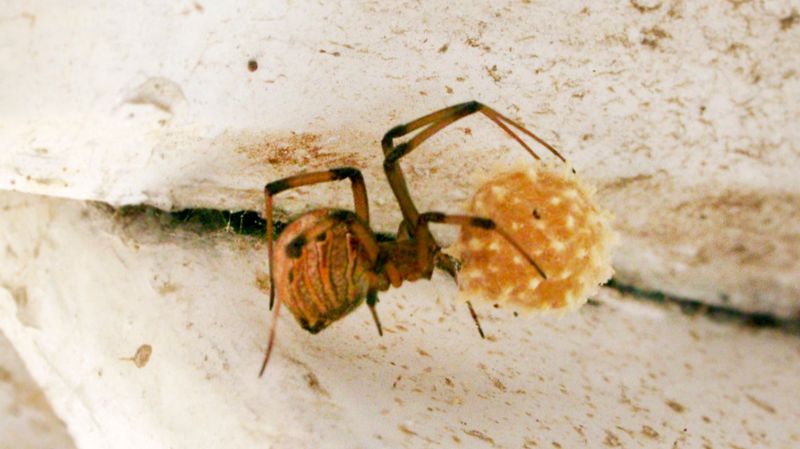
Brown widows love the spots we rarely check. The underside of a resin chair offers shade, shelter from rain, and a sturdy frame for webs. Plenty of insects wander by, too.
Other favorite hideouts include porch railings, mailbox lips, grill covers, and upside-down flowerpots. Kids’ play sets, pool equipment, and stacked lawn toys are also common. Old tires and buckets catch their attention as well.
Their webs look messy and tangled rather than neat circles. You may notice a small retreat area where the spider hides during the day. Egg sacs usually hang just inside or beside that retreat.
Unlike black widows, brown widows seem comfortable close to people. That is one reason they show up so often in suburban yards and city patios. A busy deck with lots of furniture gives them dozens of tidy little hiding places.
Take a slow walk around your outdoor space with a flashlight. Check the curves under armrests, the seams of folding chairs, and the rims of planters. You will quickly learn which corners your local spiders prefer, and those become your regular inspection checkpoints.
Gloves, a Vacuum, and a Sealed Bag Handle Most Egg Sacs
Trust me on this one, a vacuum beats a can of spray for most patio spider problems. It removes spiders, webs, and egg sacs in one quick pass. You also avoid spreading chemicals where kids and pets play.
Start by putting on sturdy gloves and grabbing a flashlight. Vacuum each sac and web you find, getting into chair seams and corners. A shop vac or handheld model works well outdoors.
When you finish, remove the bag or empty the canister into a plastic bag. Seal it tightly and place it in your outdoor trash can. Some folks freeze the sealed bag for a few hours first for extra peace of mind.
No vacuum handy? Scrape sacs into a jar with a stick, then seal the lid. Squashing sacs with a gloved hand or a shoe also works, though it gets a bit messy.
Repeat the sweep every week or two through the warm season. Brown widows keep producing sacs, so one cleaning rarely finishes the job. If you keep finding large numbers, a licensed pest professional can target problem areas safely.
A Tidy Porch Gives Brown Widows Fewer Places to Settle
I learned the hard way that clutter is basically a welcome mat for spiders. My stack of empty nursery pots once held more sacs than I could count. Clearing it out made a noticeable difference.
Store unused pots, buckets, and toys indoors or in a closed bin. Keep firewood and lumber off the ground and away from the house. Toss old tires, which hold water and shelter spiders alike.
Shake out cushions, gloves, and shoes left outside before using them. Wipe down chair undersides with a broom every week during warm months. A quick sweep breaks webs before sacs appear.
Outdoor lights attract the insects that spiders eat. Switching to yellow bug lights or motion-activated fixtures can reduce that buffet near your doors. Trimming shrubs away from the house helps too.
Remember that many spiders in your garden are helpful predators. Garden orb weavers, jumping spiders, and wolf spiders eat loads of pests. Focus your efforts on the brown widow hotspots near seating and play areas, and let the rest of your garden helpers keep working in the flower beds.
Warm Months Bring the Most Brown Widow Egg Sacs to the Lowcountry and Beyond
Every spring, I start my patio check as soon as the pollen settles. Brown widows become more active as temperatures climb. In South Carolina, egg sac production tends to ramp up from late spring through early fall.
The coast and warmer southern counties often see the most activity because winters there stay mild. Spiders in the Upstate may slow down more during cold snaps. Even so, sheltered spots near homes can keep them going in many areas.
The species is native to Africa, according to most researchers. It reached Florida decades ago and has since spread through much of the Southeast, often riding along on potted plants, furniture, and shipping goods. Its steady spread is why many locals call it the newcomer.
Make a simple routine part of your gardening calendar. Inspect chairs and pots monthly during warm weather, and do a deep clean in fall before storing furniture. A spring check catches anything that overwintered.
Share what you learn with neighbors, especially families with young kids. Knowing that spiky sacs mean brown widows turns a creepy surprise into a manageable chore. With steady habits, your patio stays a relaxing spot instead of a spider nursery.