The Virginia Cave Beetle That Exists In A Single Underground System And Nowhere Else
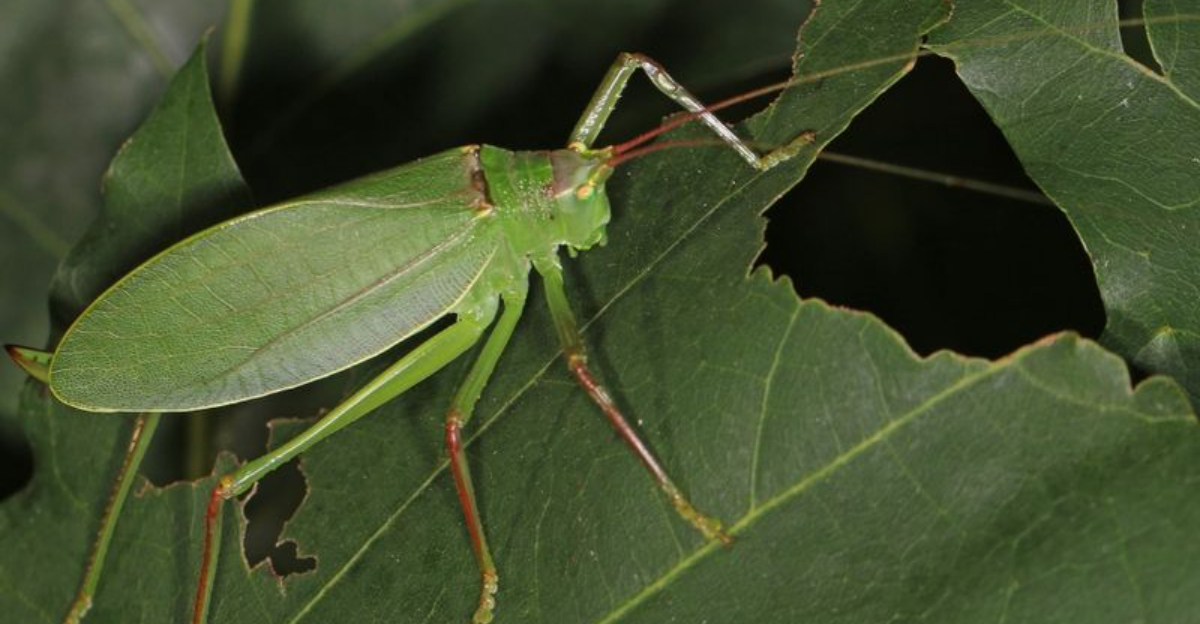
Darkness closes in fast around you the instant you step inside. Beneath Virginia, cold stone presses close on every side. Silence surrounds you completely until it feels strangely alive.
Water drips somewhere unseen, quietly marking slow, hidden time. Nothing entirely familiar prepares you for what waits below. Every crack, current, and subtle shift here shapes what lives on.
Fragile hardly describes what you are about to discover. Virginia holds quiet secrets you will never find anywhere else. Underground worlds rarely reveal their true, delicate hidden rhythm.
Questions multiply the instant you imagine crawling through those narrow tunnels. Life underground depends entirely on conditions you seldom notice above. Curiosity quietly pulls you deeper, past comfort you thought was fixed.
Only this ancient cave system gives you a creature found nowhere else. Patience slowly rewards you with fine details most people overlook completely. You will not walk away from this story unchanged.
A Beetle With One Tiny Address
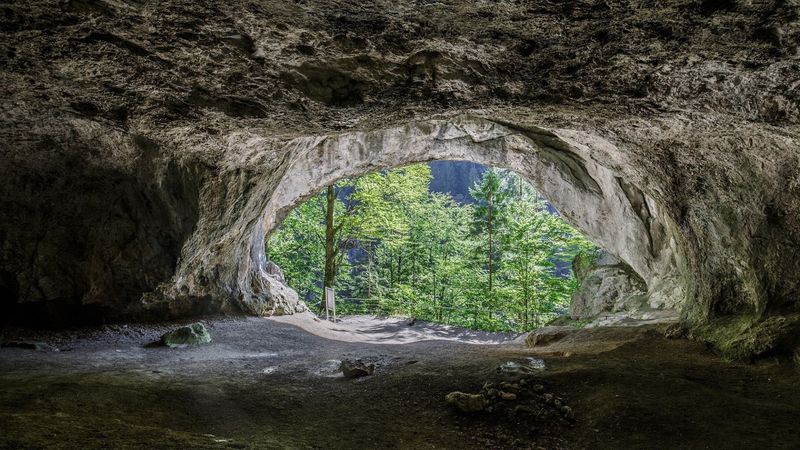
Most animals have a range, even if it is small. The Natural Bridge Cave Beetle breaks that pattern by living in just one underground system near Natural Bridge, Virginia.
This trait is shared by many related cave beetles, more than half of which are known from only a single cave, making its home range one of the smallest of any animal in the country.
Picture living your whole story in a world of stone rooms, narrow cracks, and cool wet air. That is normal for this beetle, and it helps explain why scientists pay such close attention to the cave around it.
A species with only one home can be strongly shaped by local conditions. Water flow, cave temperature, food scraps washed in from above, and even changes in nearby land use may affect daily life for a creature with nowhere else to go.
That single-site lifestyle also makes the beetle memorable to students and families. It turns a hard science topic into something easy to grasp, because anyone can understand why one place matters so much when an entire species depends on it.
Virginia has many natural wonders, but this one is especially surprising because it is hidden underground. You cannot spot it from a roadside overlook, yet it is part of the state’s unique living heritage.
Learning about the beetle can change how people think about caves. Instead of empty holes in rock, caves become neighborhoods with rules, resources, and residents that need calm, clean surroundings to keep their fragile balance over time.
One tiny address may sound limiting, but it also makes the beetle unforgettable. Few animals show so clearly how a single patch of Earth can hold an entire world.
Built For Darkness
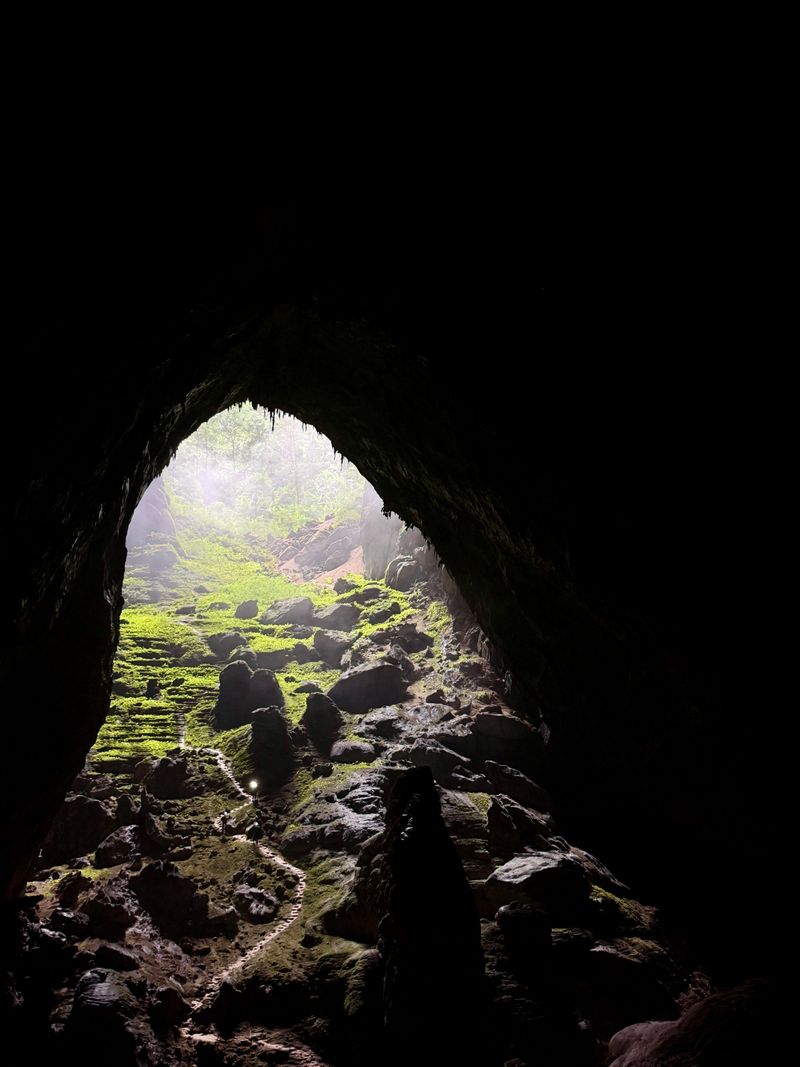
At first glance, a cave beetle can look almost ghostly. Life in darkness has shaped the Natural Bridge Cave Beetle in ways that help it move, sense, and survive without sunshine.
Many cave animals are pale because they do not need strong coloring underground. Pigment often matters less in a place where light barely reaches, so energy can go toward other features that are more useful.
Your Virginia Garden Changes Every Week. Your Plan Should Too.
Gardening in Virginia changes quickly throughout the season. Every Friday you’ll receive a simple weekly plan showing exactly what to plant, prune, fertilize, harvest, and protect so you never miss the right timing.
The beetle also has a body suited for narrow spaces and rough cave surfaces. Long legs and antennae can help it feel its surroundings, almost like a person stretching out hands in a dark room.
Eyes may be reduced in cave species because vision becomes less helpful over long stretches of time. Instead, touch and chemical signals can become more important for finding food, mates, and safe paths across wet stone.
Cool temperatures and high humidity are part of the design challenge too. A surface insect built for fields or forests would face a very different set of conditions than a beetle that spends life in steady, shadowy chambers.
For young readers, this is a great example of adaptation. Animals are not randomly odd-looking, they often reflect the places they live, and this beetle’s cave-ready features tell a clear story about its hidden environment.
Next time you hear the phrase built for the job, think of this species. Its body is like a quiet map of underground life, written in pale color, careful movement, and senses tuned to darkness.
Life Inside A Limestone World
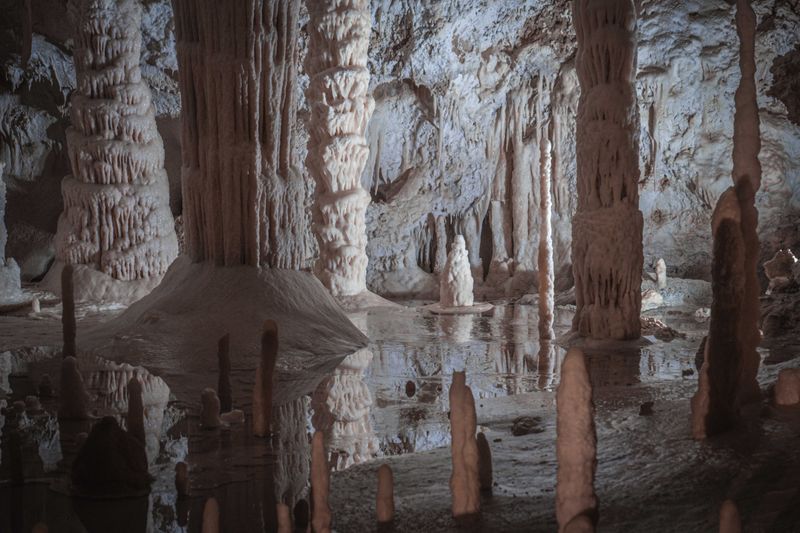
Imagine a neighborhood made of limestone, dripping water, and deep quiet. The Natural Bridge Cave Beetle lives in a cave system where the walls, floor, moisture, and airflow help shape every part of its routine.
Limestone caves form over long periods as water moves through rock and slowly carves passages. That process creates cracks, shelves, and damp surfaces where tiny animals can travel, rest, and search for bits of organic material.
Food is not laid out in neat rows underground. Small cave creatures often depend on nutrients washed in by water, carried by air, or dropped by other animals, so even a little input from above can matter a lot.
Humidity is another big piece of the puzzle. Many cave species do best where the air stays moist, which helps them avoid drying out in an environment that is stable but not especially forgiving.
Water quality can influence the whole system. If runoff from outside carries pollutants, sediment, or other changes into the cave, the habitat may shift in ways that ripple through the underground community.
That is why people who study caves think about the land above them too. Forest cover, building projects, drainage patterns, and visitor habits can connect to life below more than most people first expect.
The beetle’s limestone world may seem hidden and far away, yet it is linked to everyday choices on the surface. One cave system is not just a hole in the ground, it is a living place with delicate working parts.
Why Scientists Watch It So Closely
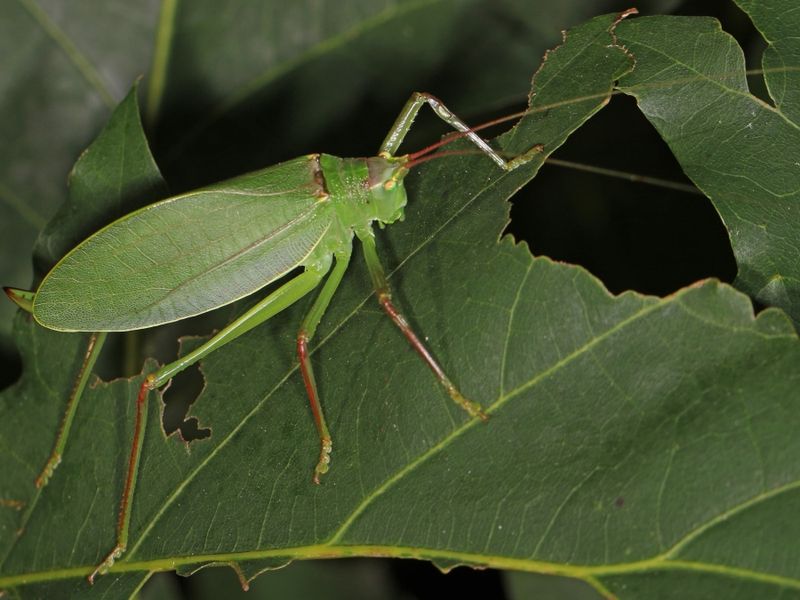
Scientists get excited about rare species for good reason. When an animal is found in only one underground system, even small changes can raise big questions about its future, habitat, and long-term stability.
The Natural Bridge Cave Beetle is useful to researchers because it acts like a living clue. By studying where it is found and how it uses the cave, experts can learn more about subterranean ecosystems that are easy to overlook.
Careful monitoring may include checking cave conditions, mapping passages, and looking at water patterns. Researchers try to gather information without causing extra stress, because fragile species and fragile habitats need careful, minimal-impact monitoring.
Another reason for close study is that caves can hide change until it becomes serious. A shift in moisture, pollution, or human traffic may not be obvious at first, so regular observation helps people notice trends earlier.
Scientists also compare cave species to understand adaptation and evolution. Animals isolated in underground systems can show how life responds to darkness, limited food, and long stretches of environmental stability.
For students, this is a neat reminder that science is not only about giant animals or famous parks. Some of the most valuable lessons come from tiny creatures in places most people will never casually stroll through.
Watching the beetle closely is really about watching a whole system carefully. Its presence can signal whether the cave remains healthy, making this small insect an important guide to a hidden Virginia habitat.
How Surface Activity Affects The Cave
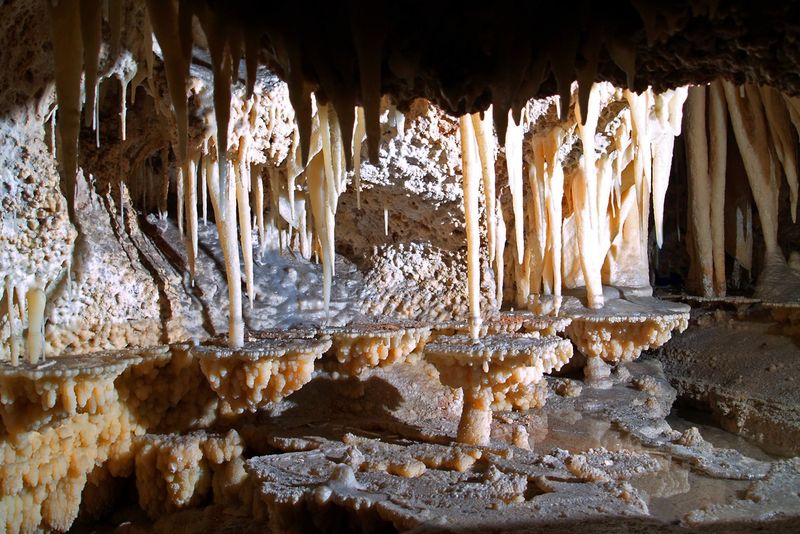
One important factor is that a cave animal can be affected by things happening far above it. The Natural Bridge Cave Beetle depends on underground conditions, but those conditions are tied to the surface in more ways than many people realize.
Rainwater moving through soil and rock can carry changes downward. If that water picks up sediment, chemicals, or other pollutants, the cave environment may shift, and delicate species can feel the effects.
Heavy foot traffic can matter too, especially in sensitive cave areas. Soil on shoes, broken formations, litter, and disturbance near key passages may alter places that small animals use for shelter or movement.
Construction and land clearing can also influence drainage patterns. When water flows differently, the cave may receive more runoff in one season, less moisture in another, or new material that changes the balance underground.
Because this beetle lives in just one known system, there is less room for error. A species spread across many regions has backup options, but a species with one home depends on careful choices near that one location.
The good news is that awareness helps. Protected land, smart cave management, and respect from visitors can reduce unnecessary stress on the habitat without taking away the wonder of learning about it.
So the story is not only about a beetle under rock. It is also about forests, water, trails, and people above ground, all connected through the hidden plumbing of a Virginia cave system.
A Small Creature With A Big Conservation Message
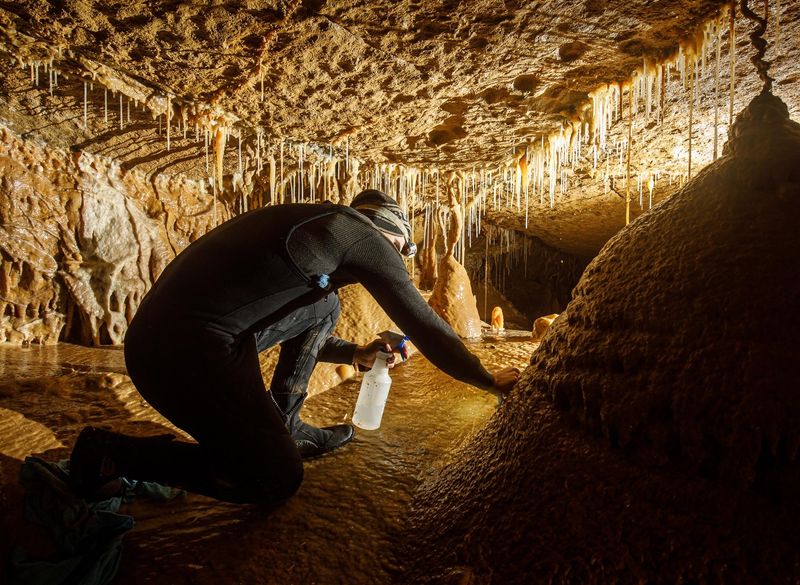
Some animals become symbols because they are huge or flashy. The Natural Bridge Cave Beetle earns attention for the opposite reason, showing how a tiny, hidden species can carry a meaningful conservation lesson.
Its story is often used to illustrate a broader conservation idea. When a species is limited to one cave system, protecting that habitat may directly support the species itself, which many conservationists see as a concrete, personal form of action.
The beetle also helps people understand biodiversity on a local scale. You do not need to travel to a distant jungle or ocean reef to find remarkable life, because notable species can exist in your own state, quietly tucked underground.
That idea can inspire community pride. Schools, nature groups, and local visitors may feel more connected to conservation when they realize their region holds a species found nowhere else on Earth.
There is also a lesson in humility here. Human eyes are drawn to grand landscapes, but small residents in dark corners can be just as meaningful to the health and identity of a place.
Protecting cave habitats often supports more than one organism. Cleaner water, thoughtful land use, and respectful access can benefit whole underground communities, not only the species that gets the headline.
Amid many competing environmental priorities, this beetle offers a quieter kind of importance. It reminds us that stewardship is often about noticing the overlooked and caring for places that do not advertise their value.