The Virginia Native Grasses That Turn Yards Golden Before October
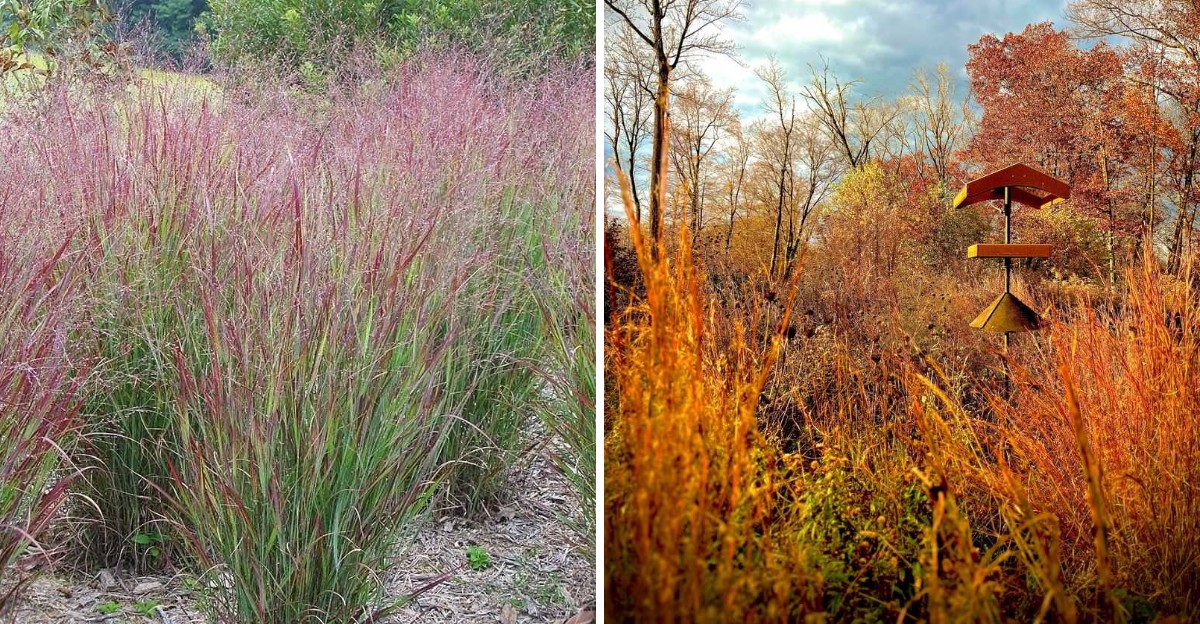
By late September, many Virginia gardens start losing their summer color. But look closer at the edges, and a different show is beginning.
Many native grasses develop shades of gold, bronze, copper, or tan as autumn arrives. They bring movement to the yard while other plants start slowing down.
These grasses do more than add fall beauty. They provide cover for wildlife, support insects, and help hold soil in place during heavy rain.
Best of all, many native grasses handle local conditions with little fuss. A few well-placed clumps can add texture, color, and life to a yard that feels tired by late summer.
1. Switchgrass Adds Golden Texture And Winter Structure
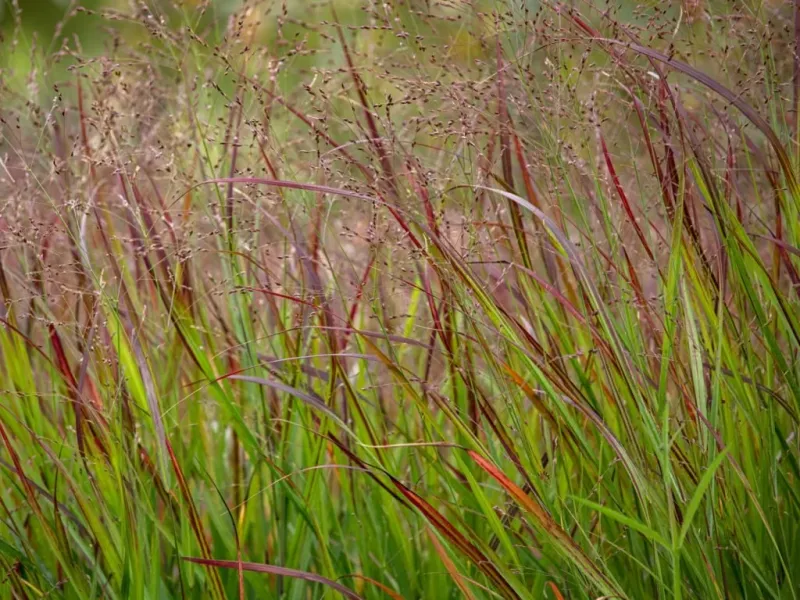
Picture a fountain of upright stems catching the wind, then freezing in place when frost arrives. Switchgrass, known to botanists as Panicum virgatum, pulls off that look better than almost anything else.
Height varies quite a bit, from around 2.5 feet on compact garden types to 10 feet on wild prairie forms. Most homeowners pick a cultivar in the 3 to 5 foot range for beds and borders.
By late August the medium green blades start shifting toward yellow, orange, and soft tan-beige. Selections like Shenandoah go further, blushing burgundy and deep red as nights turn cool.
The flowers deserve a mention too. Airy panicles open in midsummer with a pink haze, then mature into beige or reddish-purple seed heads that hang on through snow.
Switchgrass tolerates a wide range of soils, from moist areas to drier sandy sites, making it useful in many landscapes.
Birds treat the seed heads like a buffet, and the dense base gives small creatures a place to hide when winter winds pick up. Butterflies use the clumps for cover as well.
Care is refreshingly simple. Cut stems back to about six inches in late winter, before new growth pushes up, and skip the fertilizer since rich soil makes stems flop.
Plant three or five together for a bold sweep rather than a lonely tuft. Give each clump roughly three feet of elbow room and full sun for the strongest color.
2. Little Bluestem Brings Bronze And Copper Tones
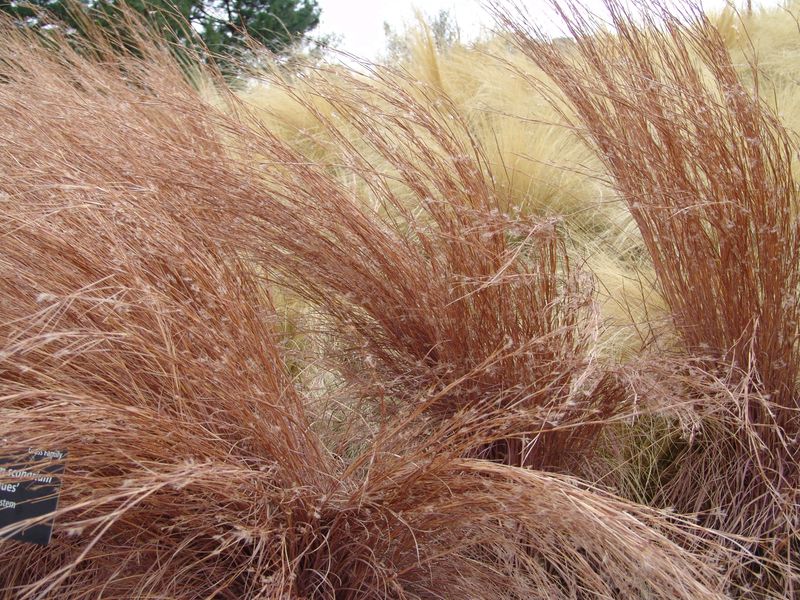
Few plants light up quite like little bluestem when October is still a week away. Schizachyrium scoparium starts the season a cool blue-green, then ignites into mahogany red, bronze, and copper.
Size stays manageable for small yards. Clumps usually settle between 1.5 and 4 feet, though flowering stems on some selections stretch taller by late summer.
The fine texture is the secret weapon. Slender blades create a soft, mounded shape that mixes beautifully with coneflowers, asters, and black-eyed Susans.
Silvery seed tufts appear in late summer and early fall, and they catch light like tiny sparks. Small birds pick at those seeds well into the cold months.
Sun matters more than soil here. Give it six or more hours of direct light and well-drained ground, even the poor, gravelly kind, and it thrives without babying.
Overly rich or soggy sites cause floppy stems, so hold off on compost and drip irrigation once plants settle in. Established little bluestem handles drought well, though long dry periods can still affect growth.
Your Virginia Garden Changes Every Week. Your Plan Should Too.
Gardening in Virginia changes quickly throughout the season. Every Friday you’ll receive a simple weekly plan showing exactly what to plant, prune, fertilize, harvest, and protect so you never miss the right timing.
Deer often show less interest in little bluestem than in many garden plants, though browsing can still occur. Several skipper butterflies rely on the leaves as caterpillar food, so you get pollinator value too.
Leave the stems standing through winter for structure and wildlife shelter. A quick trim in March resets everything for the coming season.
Fun detail: its color holds so well that dried stems still read coppery in February sunlight, long after neighboring perennials have faded to brown.
3. Big Bluestem Creates Tall Autumn Movement
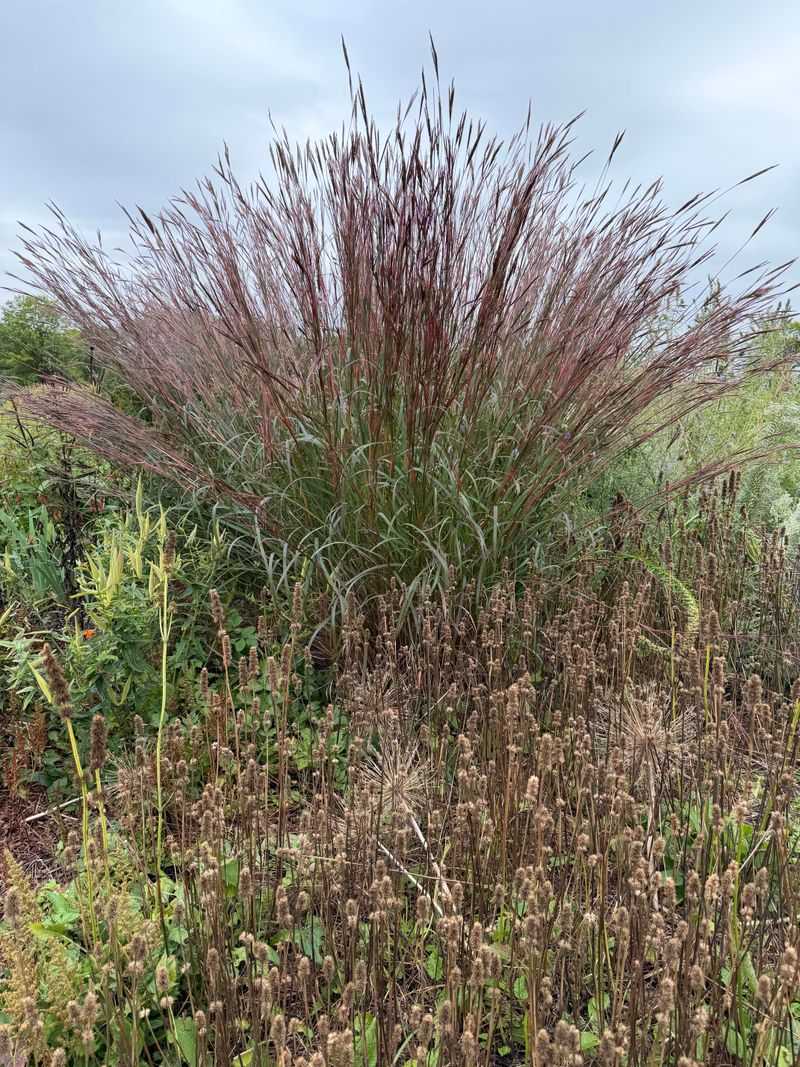
Old-timers called it the king of the prairie grasses, and one look explains why. Andropogon gerardii can rise anywhere from 4 to 10 feet, turning a flat yard into something with real presence.
Spring growth comes up gray to blue-green, cool and calm. Summer adds red tinges along the stems, hinting at the show ahead.
Then autumn hits. Coppery red, reddish-bronze, orange, and purple blend together, and a single clump can hold three or four shades at once.
Seed heads split into three finger-like branches that look remarkably like a turkey’s foot. That quirky shape is the easiest way to identify the plant, and it holds its form through winter storms.
Roots go deep, sometimes several feet down, which explains the plant’s stubborn drought tolerance. Those same roots grip soil on slopes where runoff causes trouble.
Wildlife benefits stack up fast. Songbirds eat the seeds, nesting birds use the stalks, and the heavy clumps shelter beneficial insects through cold spells.
Placement takes a little planning since mature plants block views. Tuck them along a back fence, beside a shed, or use a row as a living screen.
Full sun keeps stems upright, and average to dry soil suits it fine. Water during the first summer, then step back.
Cut the clump low in late winter and watch fresh shoots appear by May. Divide crowded plants every four or five years to keep them vigorous.
4. Indiangrass Forms Warm Golden Plumes In Fall
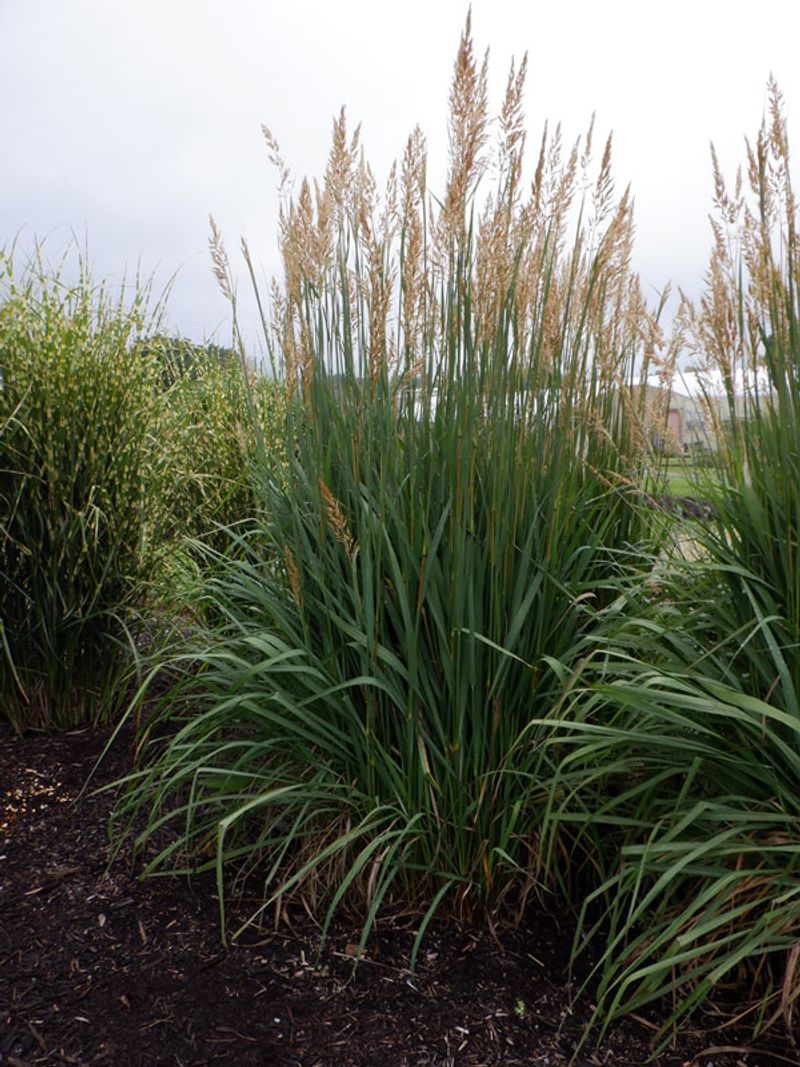
Golden is the only fair word for Sorghastrum nutans in September. Feathery plumes open in a shade somewhere between honey and bronze, and they practically hum in afternoon light.
Plants reach 3 to 8 feet depending on soil and moisture. The blue-green foliage alone earns its spot before flowering even begins.
Fall brings warm amber, orange-yellow, and sometimes deep orange washed with purple. Seed heads darken to rich copper and stay put through much of winter.
Texture is the standout quality. Those soft plumes look almost fuzzy up close, which contrasts nicely with stiff, upright neighbors like switchgrass.
Sun and drainage keep it happy. Once roots settle in, usually by the second summer, dry spells cause little concern, and fertilizer is unnecessary.
Prairie ecologists treat indiangrass as a cornerstone species because so many creatures depend on it. Songbirds strip the seeds, small mammals burrow at the base, and insects use the stems year-round.
For a meadow-style corner in a yard, pair it with goldenrod, mountain mint, and asters. The whole planting peaks together in late September.
Give each plant two to three feet of space so air moves freely and clumps keep their shape. Crowding leads to leaning stems.
One caution worth knowing: indiangrass self-sows in open ground. That habit fills a meadow nicely but may surprise you in a tidy perennial border, so trim if you want tighter control.
5. Purple Lovegrass Adds Airy Late Season Color
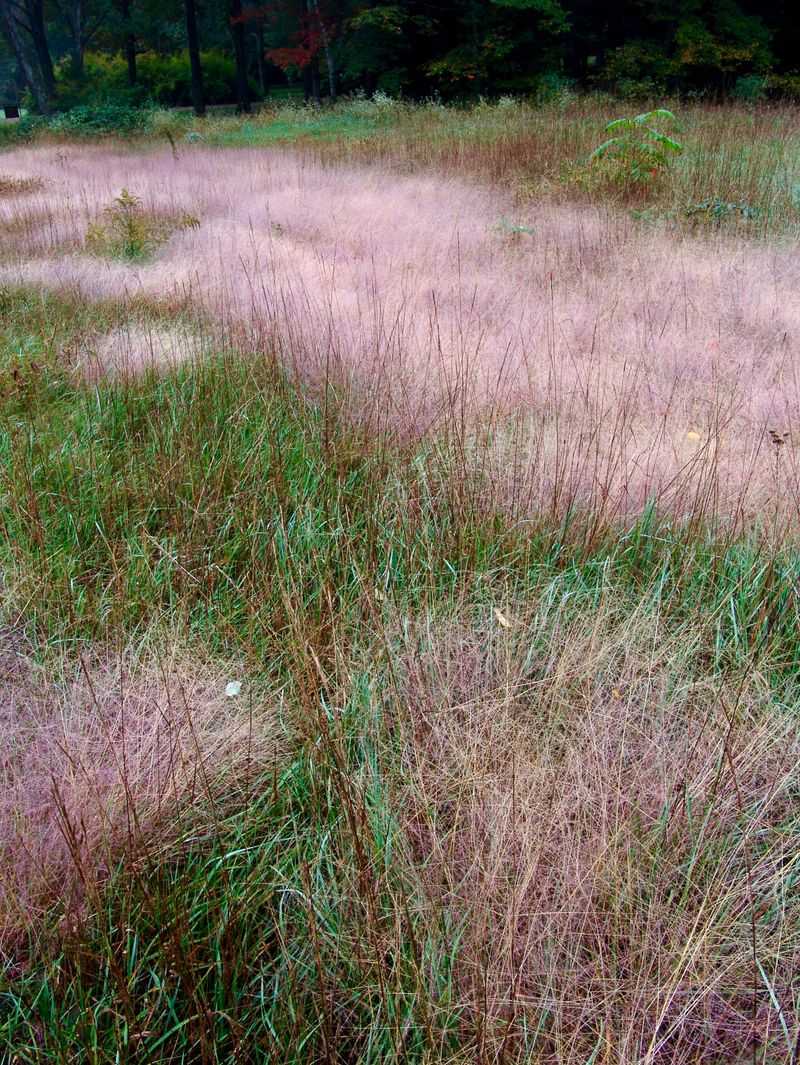
Some plants whisper instead of shout. Eragrostis spectabilis floats a pinkish-purple haze about knee high, and from a distance it looks like colored fog settled on the ground.
Clumps stay small, roughly 1 to 2 feet tall, with flower stalks topping out near 2.5 feet. That compact size works along walkways and at the front edge of beds.
Bloom season runs from midsummer into early fall. Reddish-purple and plum-purple panicles open first, then mellow into bronze, copper, and reddish-bronze as the weeks pass.
Poor soil is a feature, not a problem. Sandy spots, gravel strips, and dry banks all suit it, and heavy watering actually causes weak, sprawling growth.
Full sun brings out the richest tones. Shade thins the flowers and washes out the color, so pick the brightest patch you have.
Deer show little interest, which keeps the display intact in rural corners of the state where browsing is a constant headache.
Seeds feed sparrows and finches, while the low clumps shelter ground beetles and other helpful insects. Roots knit loose soil together on slopes.
Here is a quirky bit: mature seed heads snap off and tumble across open ground like miniature tumbleweeds, scattering seed as they roll.
Maintenance amounts to a single haircut in late winter. Shear the old growth to a few inches and let fresh blades emerge in spring.
Plant in drifts of five or more for the cloud effect to really register.
6. Eastern Gamagrass Builds Strong Native Texture
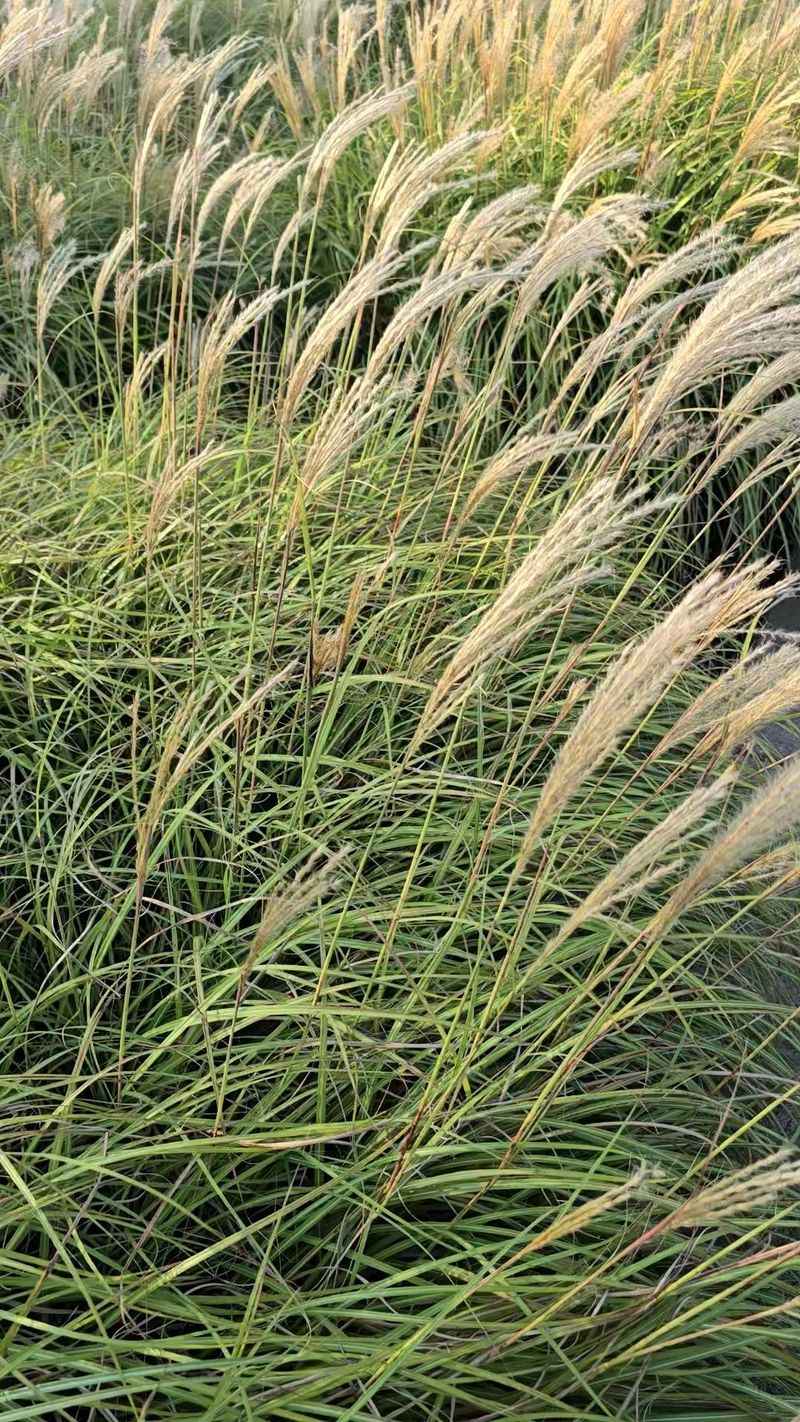
Corn’s wild cousin grows right here in the East, and it makes a statement. Tripsacum dactyloides shares ancestry with field corn, which shows in its broad, coarse leaves.
Mature clumps get big. Expect anywhere from 2 to 12 feet depending on moisture, with most garden plants landing around 5 or 6 feet.
Leaves arch outward in wide ribbons, creating a bold texture that plays off fine-bladed grasses beautifully. Stems and foliage sometimes pick up purplish tones during the growing season.
Autumn shifts the color toward orange-pink, burgundy, and warm reddish shades. The effect is softer than bluestem but still striking under low light.
Flower spikes are worth a close look. Orange male stamens dangle above purple or red female stigmas from spring through fall, tiny details most people miss from the porch.
Moisture is the real preference. Damp ditches, pond edges, and low spots that stay soggy after storms are exactly where it shines in Virginia.
Partial shade is tolerated, which widens your planting options. Deep fibrous roots dig in and hold streambanks against washing.
Deer and birds both eat the seeds, and cattle farmers have long valued the foliage as high-quality forage.
Give it room from the start since dividing a mature clump takes serious effort and a sharp spade. Three to four feet of spacing prevents crowding.
Trim in late winter and expect strong regrowth once the soil warms.
7. River Oats Brings Elegant Shade Garden Movement
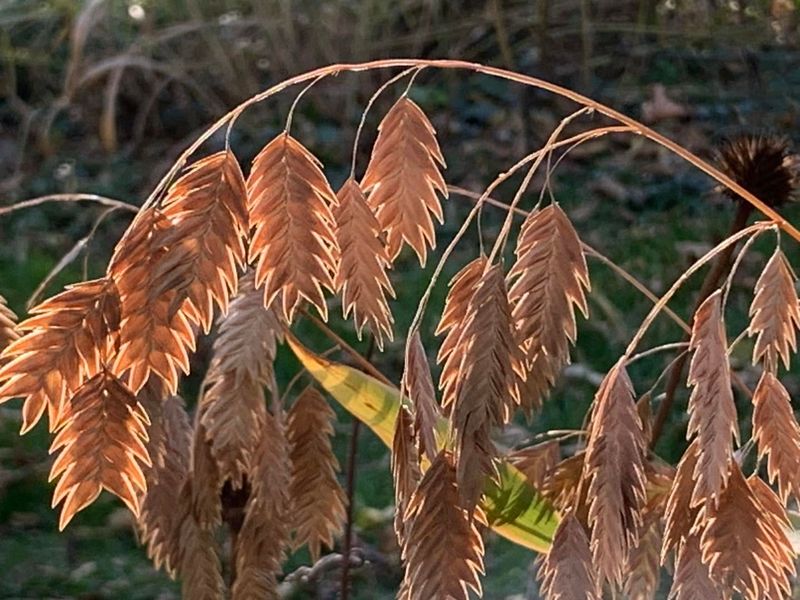
Shade gardeners finally get a grass of their own. Chasmanthium latifolium, called river oats or northern sea oats, grows happily where sun-loving grasses sulk.
Stems arch gracefully to 2 to 5 feet, carrying wide, bamboo-like leaves along their length. The overall look is relaxed rather than stiff.
Seed heads steal the show. Flat, nodding spikelets hang like tiny green fish scales in summer, then turn purplish-bronze, coppery, and golden-brown as fall arrives.
Movement is the reason people fall for it. The slightest breeze sets those dangling oats swaying, adding motion to quiet corners under trees.
Moist, well-drained soil in partial to full shade suits it best, though it handles morning sun with enough water. Woodland edges across Virginia are a natural fit.
Wildlife value runs deep. Several butterfly species lay eggs on the leaves, and birds plus small mammals work through the seeds in winter.
A word of warning: it seeds around enthusiastically. Cutting the stems before seeds ripen keeps volunteers in check, and the cut stems make excellent dried arrangements.
That same eagerness becomes an asset on shaded slopes where you want fast, self-renewing cover.
Clumps also spread slowly by short rhizomes, filling gaps over a few seasons. Dig and move extras in early spring if they wander too far.
Frost deepens the seed head color to a warm gold, which makes the plant look better after the first cold snap, not worse.
8. Sideoats Grama Adds Colorful Native Character
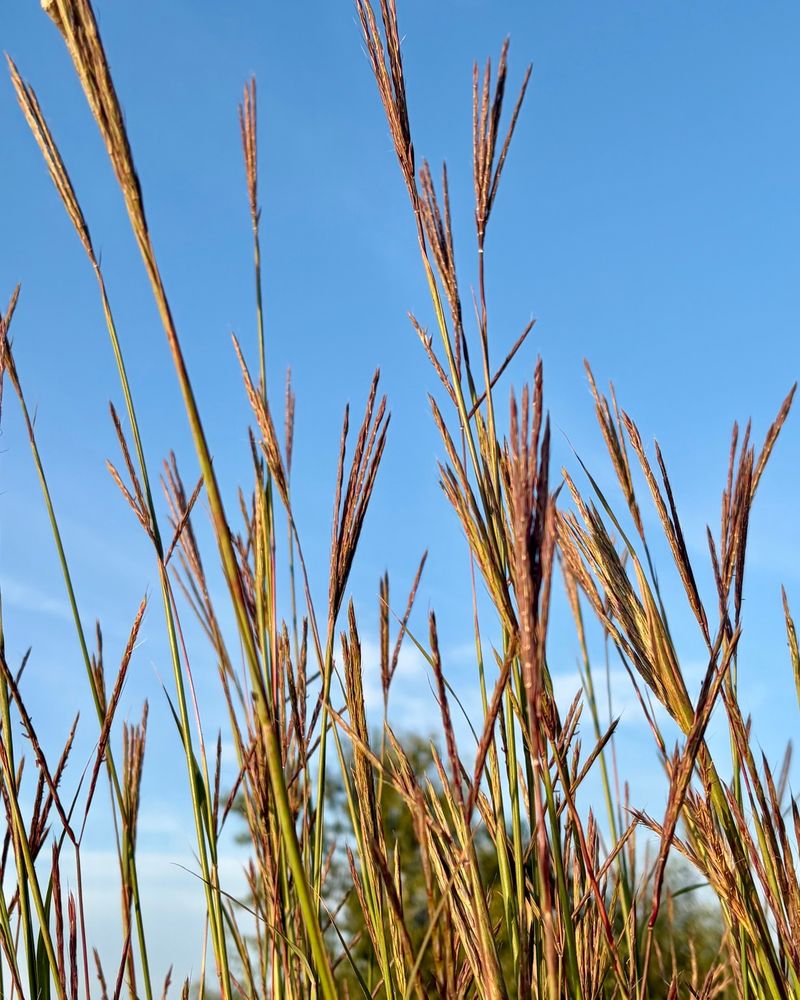
The name gives away the best feature. Bouteloua curtipendula hangs its little oat-shaped spikelets along one side of each flowering stem, like tiny flags on a line.
Size stays polite. Tidy clumps reach 1 to 3 feet, with flower stalks stretching to about three feet, so it fits small beds and narrow strips.
Blue-green blades carry the plant through summer without much fuss. Fall brings reddish-purple, plum, gold, amber, and red all mingled together.
Spikelets emerge purple, which is unexpected and charming up close. They fade to tan or reddish-orange and hold their position into winter.
Sideoats grama is drought-tolerant once established and performs best in well-drained, sunny sites. Well-drained sandy or clay soil in full sun produces the sturdiest plants and the brightest color.
Overwatering and shade both cause disappointment, so treat it a bit rough and it rewards you. Skip the fertilizer entirely.
Roots bind loose soil, making it a practical choice for driveway edges and sunny banks where mowing is awkward.
Birds pick the seeds, and several skipper butterflies use the foliage during their caterpillar stage. Pollinators visit the small flowers too.
Try it along a gravel path where you can see the dangling spikelets at eye level from a bench. The detail is easy to miss from far away.
Trim old growth in late winter, and divide every few years if centers thin out. A single spring cleanup handles the entire year of care.
9. Broomsedge Creates Classic Virginia Field Beauty
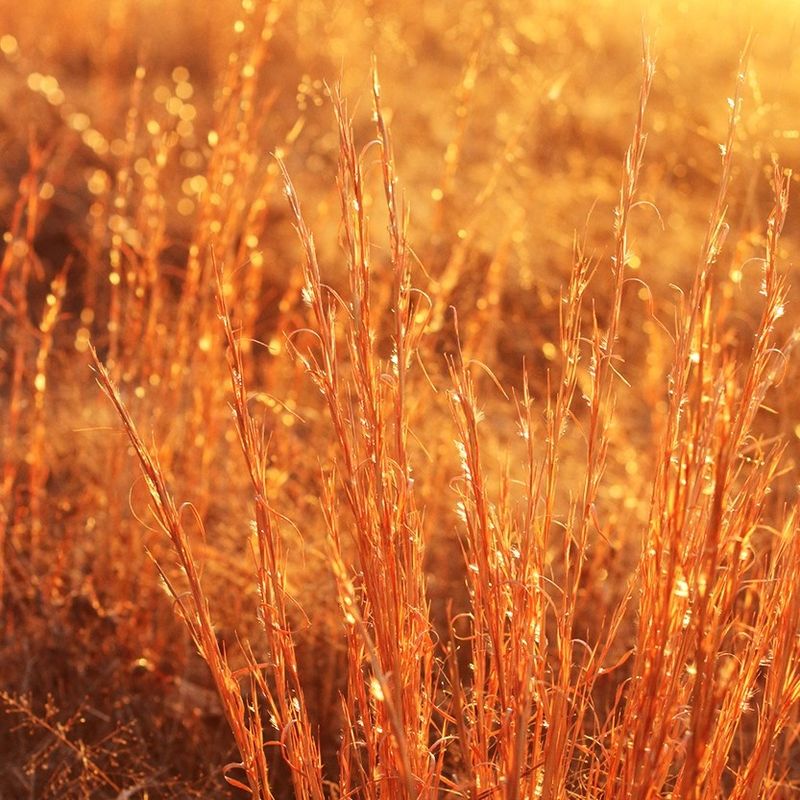
Drive any back road in late fall and you will see it: whole fields glowing orange-tan under gray skies. Andropogon virginicus carries the state name for good reason, since it defines the look of Virginia old fields.
Slender stems form narrow, upright clumps, usually 2 to 4 feet tall though sometimes reaching 6. The shape is vertical and neat rather than sprawling.
Green summer foliage gives no hint of what comes next. Cool weather turns it purplish, then straw-yellow, golden-orange, coppery, reddish-tan, and bright orange-tan.
Fluffy silver seed heads appear along the stems in late summer and fall. Backlit by low sun, they turn the whole clump into a glowing outline.
Tough sites are its specialty. Compacted clay, old construction fill, acidic ground, and worn-out pasture all support it when little else takes hold.
Farmers once bundled the dried stems into brooms, which is exactly how the plant earned its common name.
Quail, sparrows, and other songbirds use the dense clumps for winter cover and food. Field mice and rabbits shelter at the base during cold snaps.
Gardeners sometimes overlook it because it grows wild everywhere, yet a deliberate drift along a fence line looks intentional and gorgeous.
Very little care is needed. Mow or cut the patch in late winter, and let it reseed to thicken over time.
Pair with asters and goldenrod for a scene straight out of the countryside.
10. Pennsylvania Sedge Adds Soft Evergreen Ground Cover
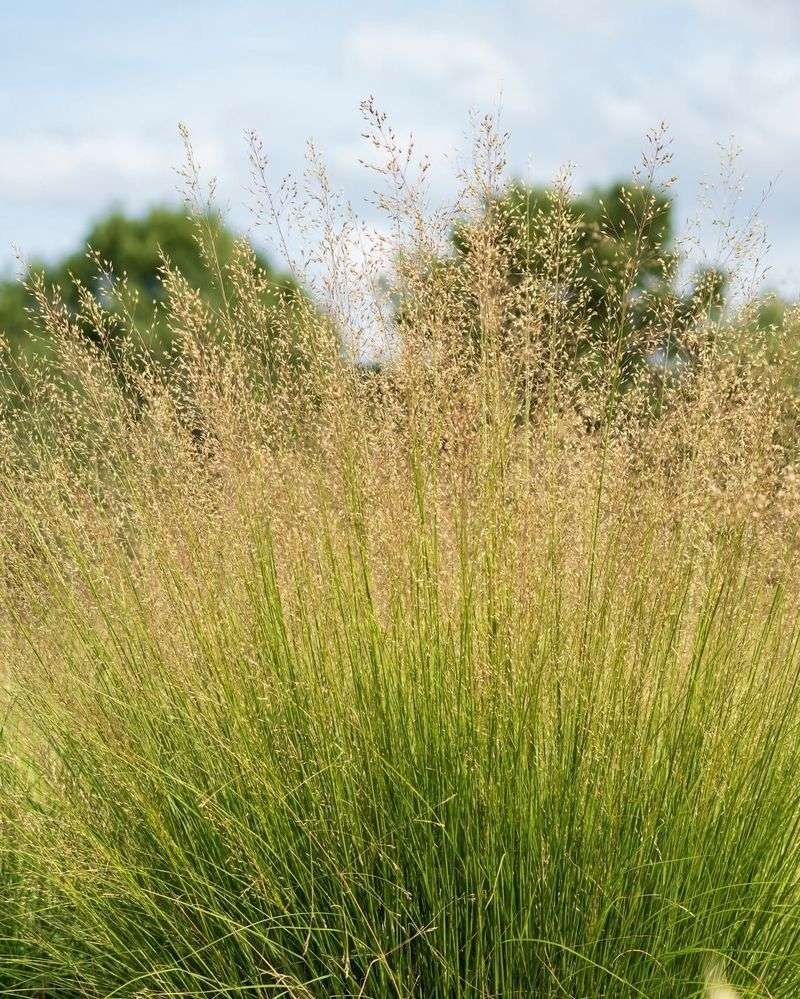
Struggling with bare dirt under an old oak? Pennsylvania sedge can be a useful ground cover for dry shade, especially beneath mature trees where turf struggles.
Height stays low, generally 6 to 16 inches, and the blades flop over into gentle waves. The effect looks like a meadow that someone gave a light brushing.
Spread happens slowly through underground rhizomes, forming loose mats rather than aggressive colonies. Patience pays off over three or four seasons.
Foliage holds a pleasant forest green for most of the year and is considered semi-evergreen. Fall brings a sandy-tan tint that blends naturally with fallen leaves.
Spring flowers are small and easy to overlook. Whitish or yellowish spikelets appear early, sometimes tinged reddish-purple or nearly black, offering quiet interest.
Dry shade is the sweet spot, which is unusual and genuinely useful. Well-drained, slightly acidic soil under mature trees fits perfectly.
Deer generally leave it alone, and birds plus various insects use it for food and cover throughout the year.
As a lawn alternative it needs no mowing, though some people trim it once in early spring for a tidier look.
Plant plugs about a foot apart and mulch lightly the first year while roots establish. Water through the first dry summer, then let nature take over.
Mixed with ferns and woodland wildflowers, it turns a bare shady patch into something that feels finished and calm.