What Georgia Gardeners Should Plant Now That The Fall Window Is Wide Open
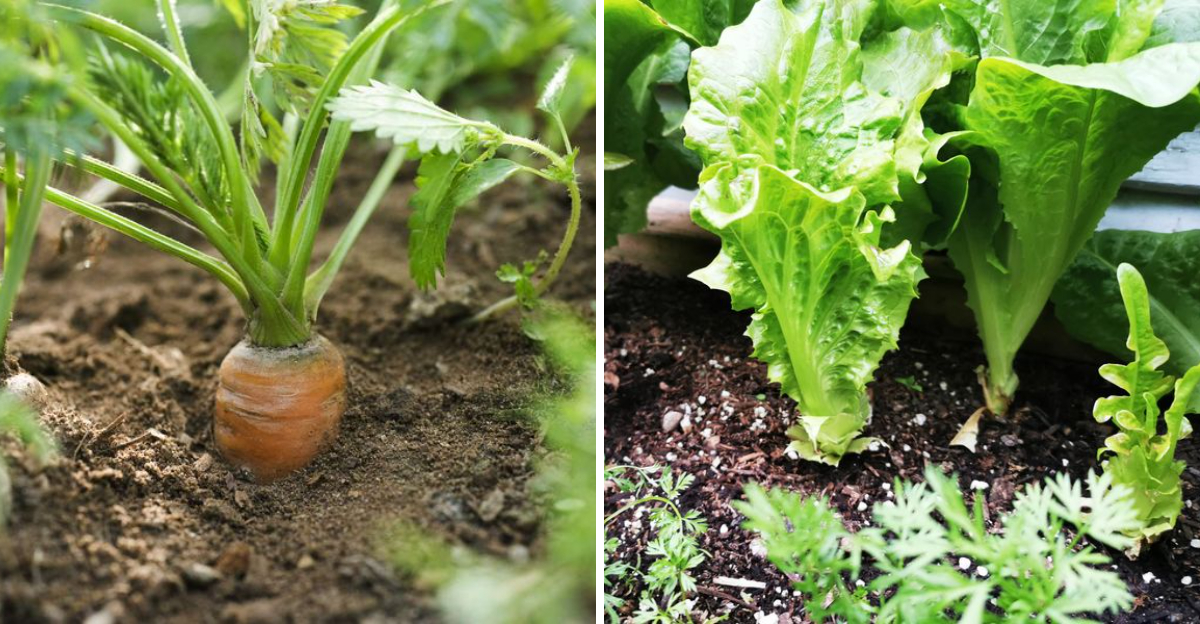
The summer garden is not finished yet. That is the tricky part.
Your peppers may still be producing. Your tomatoes may still be hanging on. The afternoon heat may still feel like July. But underneath that stubborn summer weather, Georgia’s fall garden is quietly waiting for its turn.
A few seeds planted at the right moment can completely change what your yard looks like in the cooler months. Miss the window, and some of the best crops will have to wait until another season rolls around.
The secret is not rushing outside with a shovel. It is knowing which plants actually enjoy this strange in-between period.
Some love warm soil. Some need cooler nights. Some can handle Georgia’s lingering heat better than you would expect.
So what deserves a spot in your garden right now? Which crops can turn a tired summer bed into a fresh fall harvest?
The answer might surprise you. A few familiar vegetables are ready to step in, and they are about to make your garden’s second act even better.
1. Plant Collards While The Window Is Open
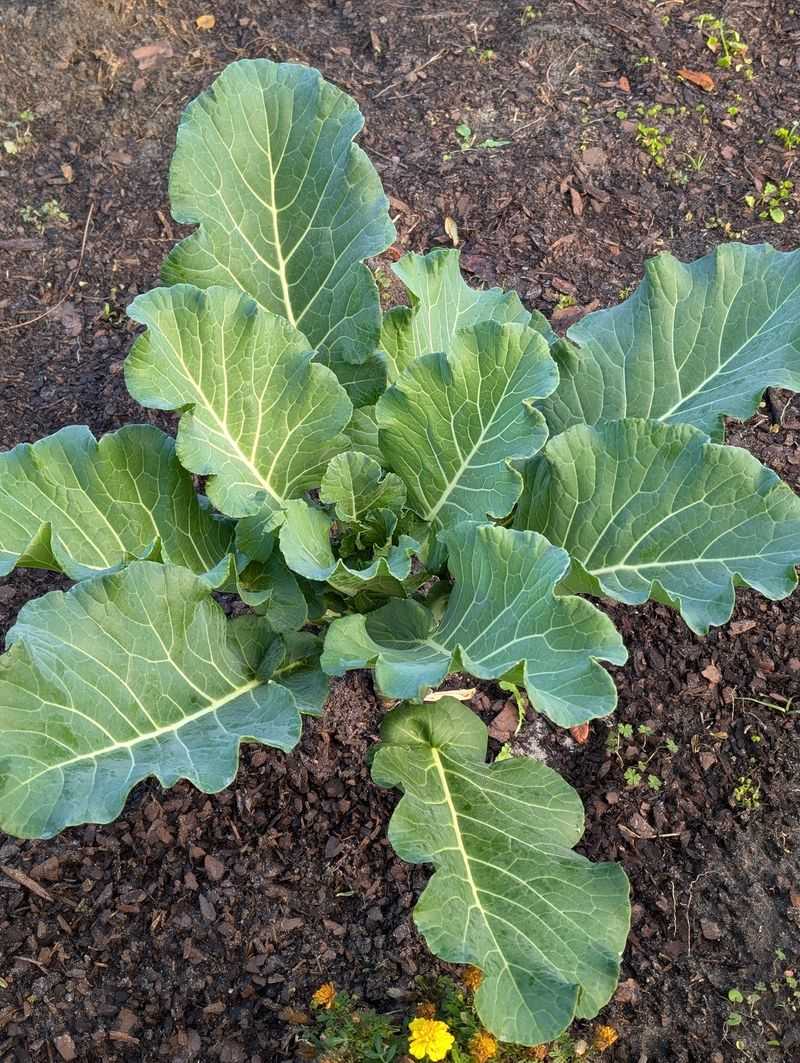
The calendar says summer, but collards are already preparing for their favorite season.
Georgia gardeners have a small advantage with this crop. Collards can handle the warm days of late August while getting ready for the cooler weather ahead. That makes them one of the easiest fall vegetables to start when the planting window opens.
Seeds can go directly into the garden about a quarter inch deep. Keep the soil evenly moist while they sprout, especially during those hot Georgia afternoons when the surface dries quickly.
Once seedlings reach a few inches tall, thin them so plants sit about 18 inches apart. That extra room matters because collards like to stretch out their broad leaves.
Want a simple trick? Harvest the outside leaves first instead of cutting the whole plant. The center keeps growing, giving you a longer supply of fresh greens.
Collards become even better after cool nights arrive. Light frost can improve their flavor by making the leaves taste sweeter and more tender. That is why many Southern gardeners treat cold weather like a secret seasoning tool.
Most Georgia gardens can keep collards producing through much of winter. A few plants can provide a surprising amount of food from a small space.
Your garden might still look like summer today, but those collards are already planning the next chapter.
2. Set Out Kale For Cool Weather Harvests
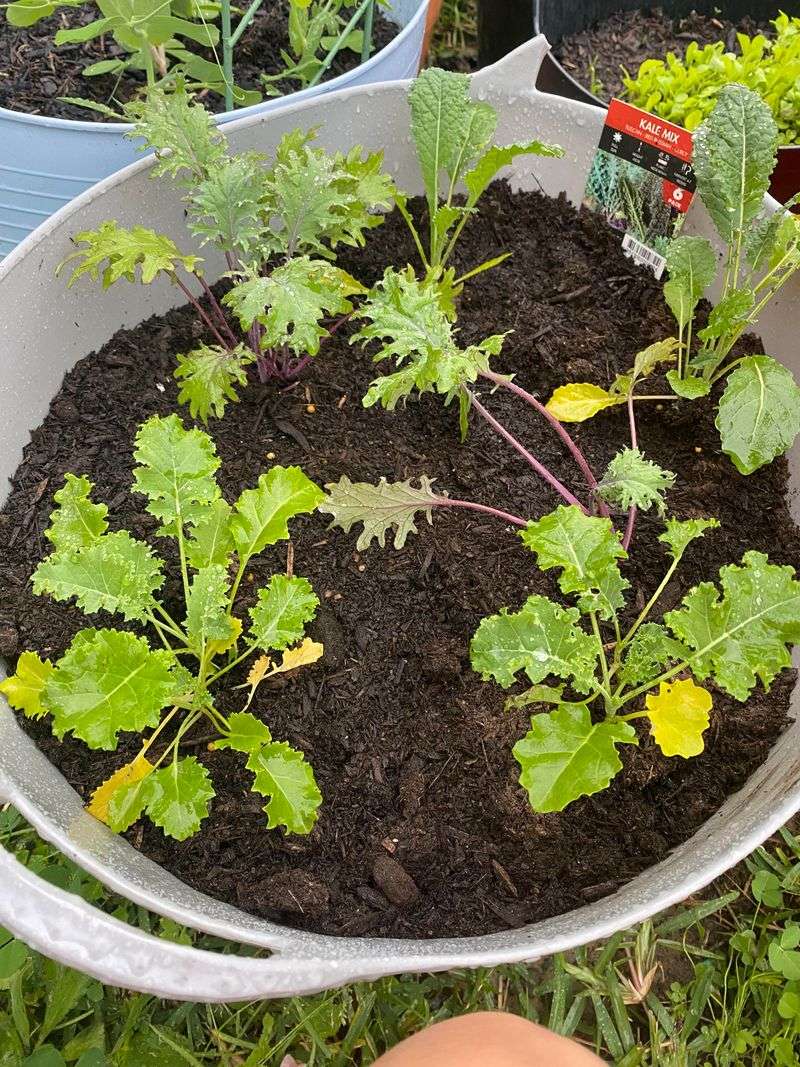
Kale does not need a perfect autumn day to get started. It just needs a little patience from the gardener.
Late August and September are useful planting times for Georgia kale because young plants can establish roots before the coolest weather arrives.
Transplants often give gardeners a faster start, especially for anyone who feels behind after a busy summer.
Space kale plants about 12 to 18 inches apart. Crowded plants compete for sunlight and airflow, which can lead to smaller leaves and weaker growth. A little breathing room helps each plant build a stronger shape.
Your Georgia Garden Changes Every Week. Your Plan Should Too.
Gardening in Georgia changes quickly throughout the season. Every Friday you’ll receive a simple weekly plan showing exactly what to plant, prune, fertilize, harvest, and protect so you never miss the right timing.
The first few weeks matter most. Keep moisture steady after transplanting because young kale roots are still adjusting. A light layer of straw or shredded leaves around the plants helps hold moisture and keeps the soil temperature more stable.
The fun part comes later.
Kale grown through cooler weather develops a softer texture and a sweeter taste. Those crisp fall mornings do some of the work for you. The plant changes with the season, almost like it knows dinner plans are coming.
Harvest the outer leaves first and leave the center untouched. That small habit keeps the plant producing for weeks longer.
Georgia gardeners often overlook kale because summer gets all the attention. But once the heat backs away, kale quietly becomes one of the hardest-working vegetables in the entire garden.
3. Transplant Broccoli Before The Season Gets Late
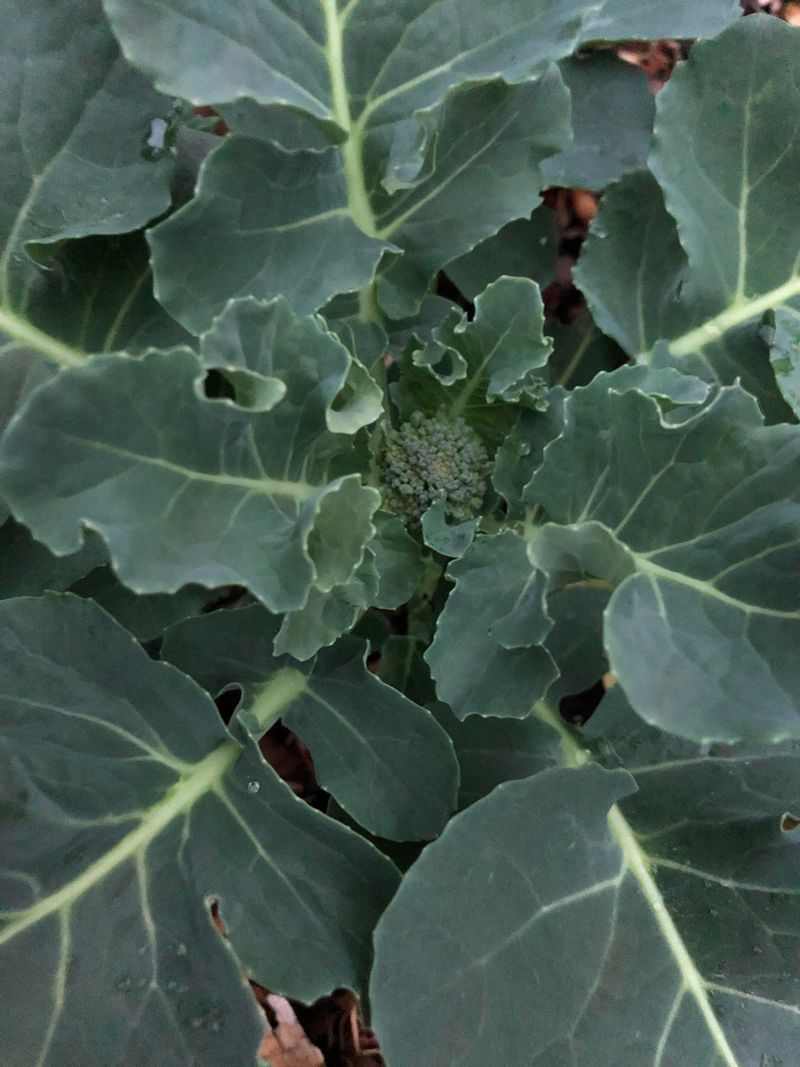
Broccoli is a little impatient. It wants the cooler season, but it also needs enough time to get there.
That is why late summer planting matters.
Georgia gardeners who wait too long may end up watching tiny broccoli plants struggle to form full heads before winter arrives.
Starting with transplants gives this crop the advantage it needs because broccoli can take around 80 to 100 days from planting to harvest.
Young broccoli plants face one challenge right away: leftover summer heat. A few days of hot weather will not ruin them, but some afternoon protection can help.
A little temporary shade during the hottest part of the day gives new transplants time to settle in.
Plant broccoli about 18 inches apart and keep the soil consistently moist. These plants are hungry, too. Adding compost before planting gives roots a better foundation and supports steady growth.
Watch the center of the plant as the season moves along. That main head should stay tight and green. Harvest before the small flower buds begin opening.
Here is the fun bonus. The first head is not the end of the story. Side shoots often continue producing after the main harvest, giving you extra meals from the same plant.
Broccoli may need more planning than radishes or lettuce, but the payoff is worth the wait. A fall garden with fresh broccoli feels like a small victory against the changing seasons.
4. Sow Carrots For A Fall Root Crop
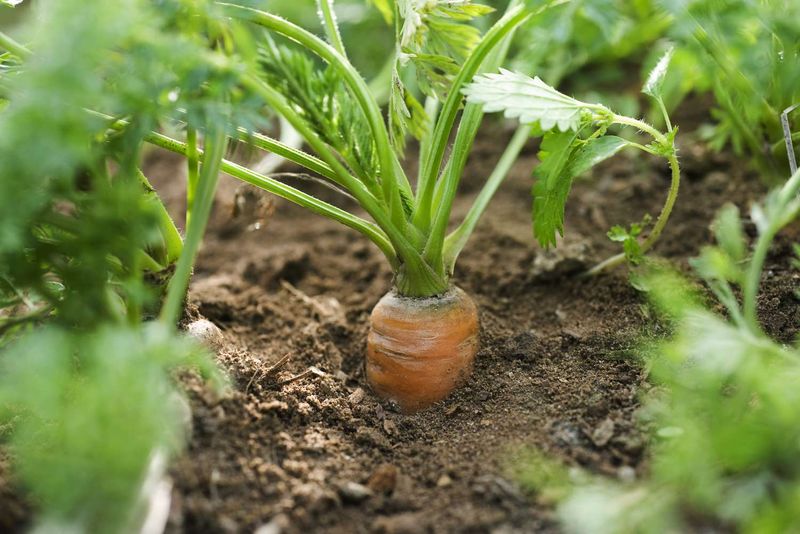
Carrots are a little different from many fall vegetables. They do not rush. They quietly work underground while the gardener waits for the surprise.
That hidden growth is exactly what makes them fun.
Georgia gardeners should focus on soil preparation before planting. Heavy clay can make carrot roots twist, split, or stop growing properly.
Loose soil with compost mixed in gives roots a much easier path downward. Raised beds are especially helpful because they allow better control over texture and drainage.
Sow carrot seeds shallowly, around a quarter inch deep. The tricky part comes after planting. Carrot seeds need steady moisture while they wake up, and late summer soil can dry quickly under Georgia’s sun.
A light covering of compost or fine mulch can help keep the seedbed from crusting over.
Check the area often during the first couple of weeks. A quick morning glance can make a big difference. If the surface feels dry, give it a gentle watering instead of waiting for the seedlings to struggle.
Once the tiny plants appear, thinning becomes important. It feels strange removing seedlings after waiting so patiently for them to grow, but crowded carrots rarely reach their full potential.
Leave enough space for roots to develop without fighting underground neighbors.
The best part arrives later. Cool nights help carrots build sweeter flavor, and a light frost can improve the taste even more.
Pulling a bright orange carrot from soil you planted months earlier feels like opening a garden gift box. The garden hides the reward, then hands it back when you least expect it.
5. Start Beets While Soil Is Still Warm
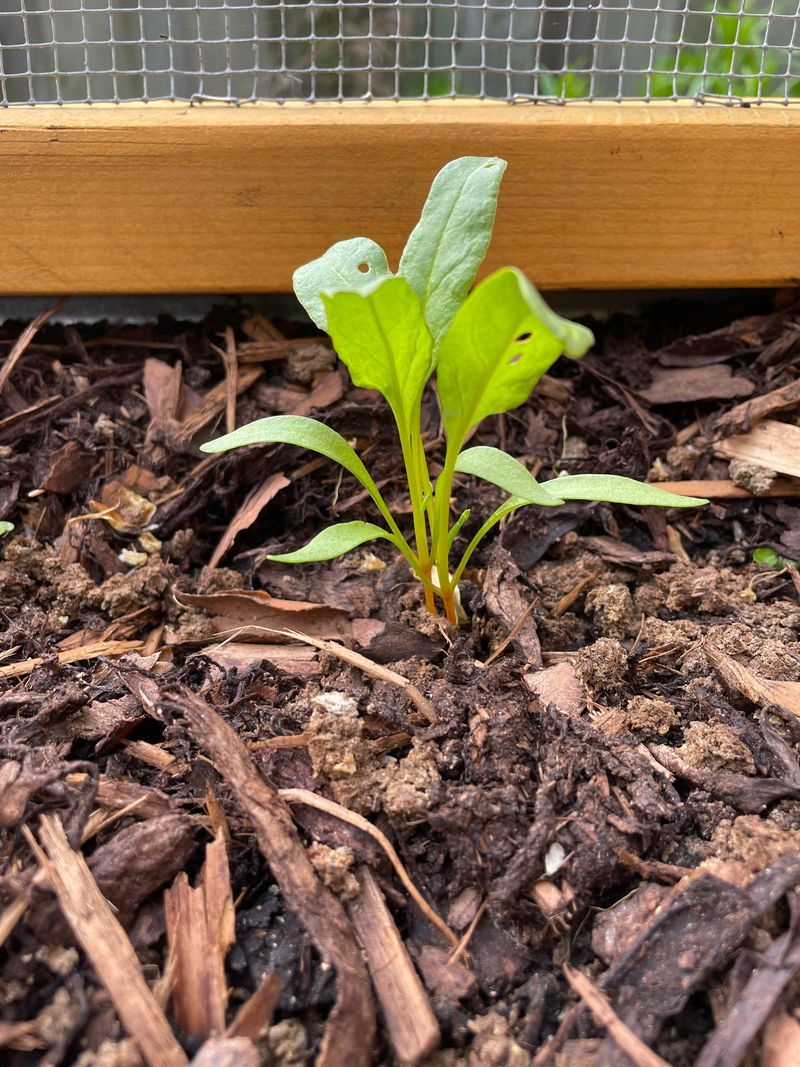
Some vegetables ask for space. Beets simply ask for a chance.
One tiny seed can create a harvest above and below the soil. The leaves become a useful green, and the roots become the colorful prize waiting underground. That double-duty nature makes beets a smart choice for Georgia fall gardens.
Late August and early September offer good planting conditions because the soil is still warm enough for quick germination. Sow seeds about half an inch deep and keep the rows evenly watered while seedlings appear.
There is one small detail many gardeners forget. Beet seeds are actually clusters. Several seedlings can emerge from one spot, creating a crowded little neighborhood underground. Thin them when they are young so each beet has room to grow.
Those extra greens do not need to go to waste. Young beet leaves can be cooked like other garden greens, giving you something useful while the roots continue developing.
Keep moisture consistent, especially during dry stretches. Uneven watering can lead to rough texture or irregular roots. Mulch around the plants helps keep the soil cooler and reduces moisture swings.
Most beets are ready in around two months, but you can harvest smaller roots earlier if you prefer a tender texture.
Detroit Dark Red and Chioggia are popular choices, but the real fun is trying different colors. Red, golden, and striped roots can turn a simple garden harvest into something that looks like it came from a farmer’s market.
6. Sow Lettuce As Nights Begin Cooling
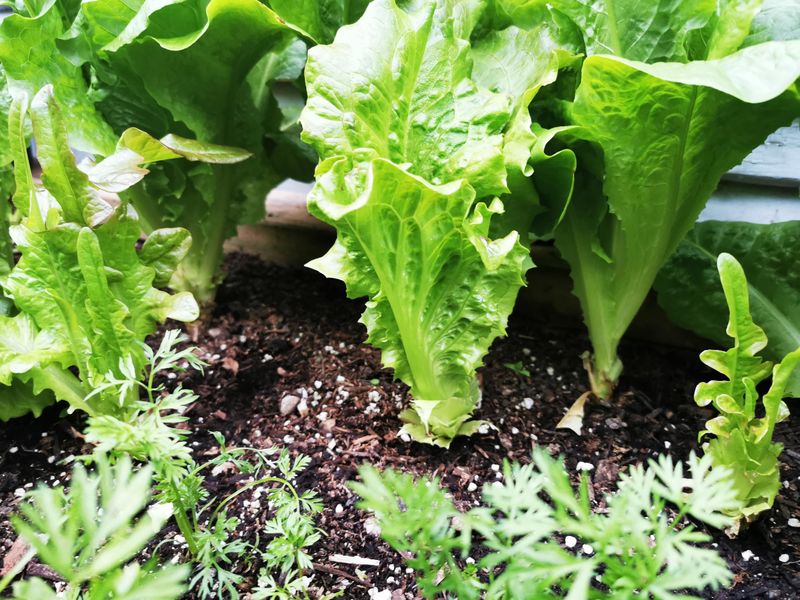
Lettuce has a simple request. It wants relief from the heat.
That sounds easy, but Georgia gardeners know summer does not always leave quietly. Late August soil can still feel warm enough to slow lettuce germination, especially during sunny afternoons.
Starting lettuce at the right time makes all the difference. Seeds should be planted very shallow, only about an eighth of an inch deep. They need light, moisture, and cooler conditions to get started successfully.
A little shade during the beginning can help. A simple shade cloth or a spot with afternoon protection keeps the soil temperature lower while seeds are trying to sprout. Once cooler nights arrive, lettuce usually becomes much easier to manage.
Loose-leaf varieties often perform especially well in Georgia fall gardens. They grow quickly, tolerate changing temperatures, and allow gardeners to harvest a few leaves at a time instead of waiting for a full head.
Keep the soil moist but avoid turning the bed into a swamp. Too much water can create problems just as quickly as too little. A gentle watering routine keeps young plants growing steadily.
Succession planting is where lettuce becomes really useful. Sow a new small row every couple of weeks, and your harvest keeps coming instead of arriving all at once.
A fresh bowl of lettuce picked from the backyard in October has a different kind of satisfaction. It is proof that the garden still has plenty of surprises left after summer packs its bags.
7. Plant Radishes For A Fast Turnaround
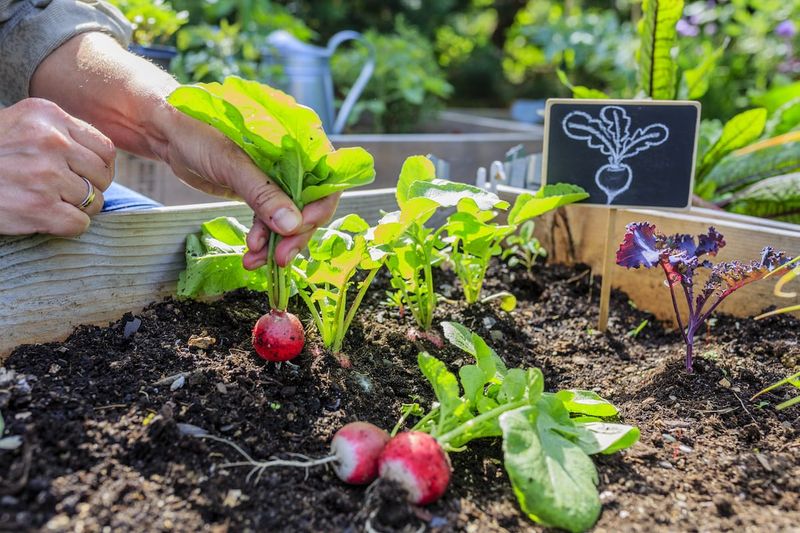
Need a quick garden win? Radishes are ready to help.
Some crops make you wait months for the first harvest. Radishes are much less dramatic. They grow quickly, fill empty spaces, and give gardeners a reward before slower vegetables are ready.
Plant seeds about half an inch deep and keep them close together at first. Once seedlings appear, thin them so roots have room to expand.
This small step makes a huge difference because crowded radishes often become skinny, tough, or strangely shaped.
The beauty of radishes is their speed. Many varieties reach harvest size in less than a month. That makes them perfect for spots between larger fall crops like broccoli or kale.
Georgia gardeners can keep sowing radishes every couple of weeks through fall. Instead of one giant harvest, you get a steady supply of crisp roots ready for salads, roasting, or snacking straight from the garden.
Cherry Belle is a classic choice, but French Breakfast adds a little extra personality with its longer shape and colorful skin.
Do not forget the leaves, either. Young radish greens can be cooked and enjoyed like other leafy vegetables.
The biggest mistake is leaving mature radishes in the ground too long. They are quick growers, and they like attention. Check them regularly once harvest time gets close.
Radishes are the garden equivalent of a fast little helper. They arrive early, do their job, and make empty spaces feel productive again.
8. Start Spinach As Soil Temperatures Ease
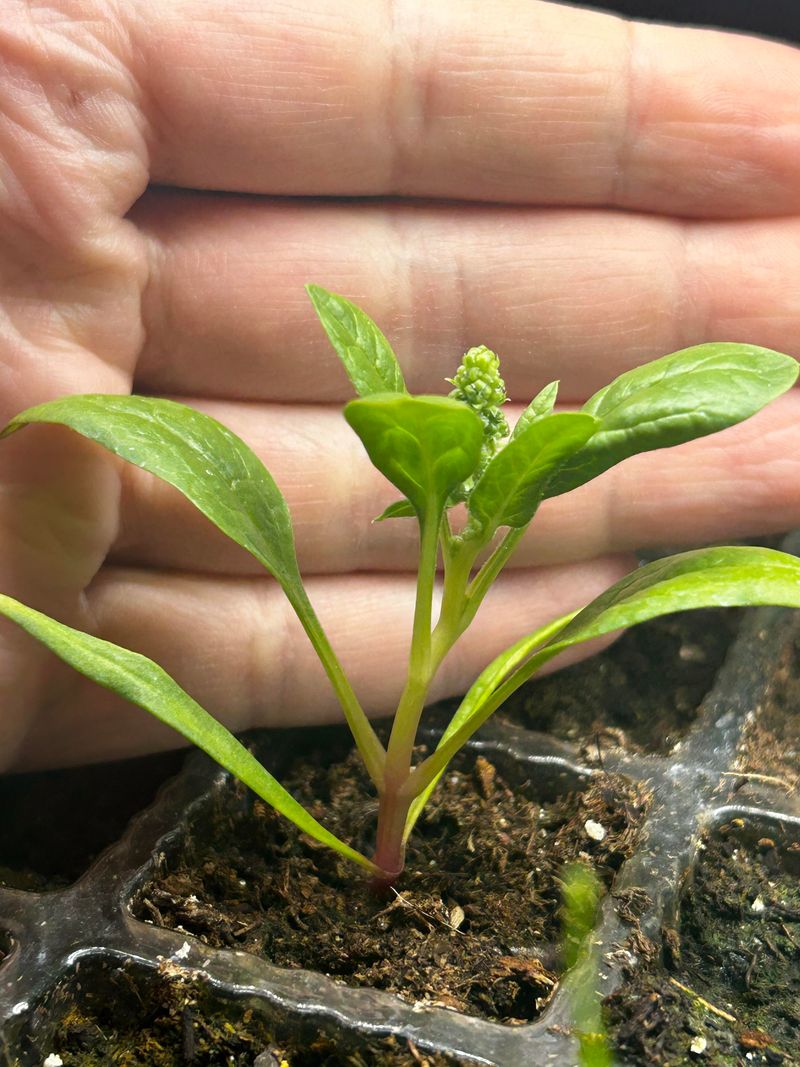
Spinach is the patient one in the fall garden.
Many gardeners get excited about planting everything at once, but spinach has different plans. It prefers cooler soil and usually performs better once Georgia’s summer heat starts losing its grip.
Late September into October is often a better window than the hottest part of August. Soil temperatures need to drop before spinach seeds reliably sprout. Planting too early can lead to disappointing germination and a frustrating empty row.
Sow spinach seeds about half an inch deep and keep the soil evenly moist. Once seedlings appear, thin them so plants have enough room to form healthy leaves.
The early growth may seem slow. Do not worry. Spinach often takes its time at first, then becomes much happier as temperatures continue falling.
Harvest the outer leaves and let the center keep growing. This method stretches the harvest and keeps the plant productive for longer.
Bloomsdale Long Standing and Tyee are reliable varieties for many Georgia gardens. They handle cooler conditions well and can continue producing into winter in many areas.
Spinach rewards gardeners who wait for the right moment. It does not chase the last days of summer. It waits quietly until the weather finally feels right.
That patience pays off when you step outside on a cool morning and pick fresh leaves from a garden that still has plenty to offer. Your summer crops may be slowing down, but spinach is just getting started.