Why Mourning Doves Choose The Same Nesting Spot In A California Yard Every Year
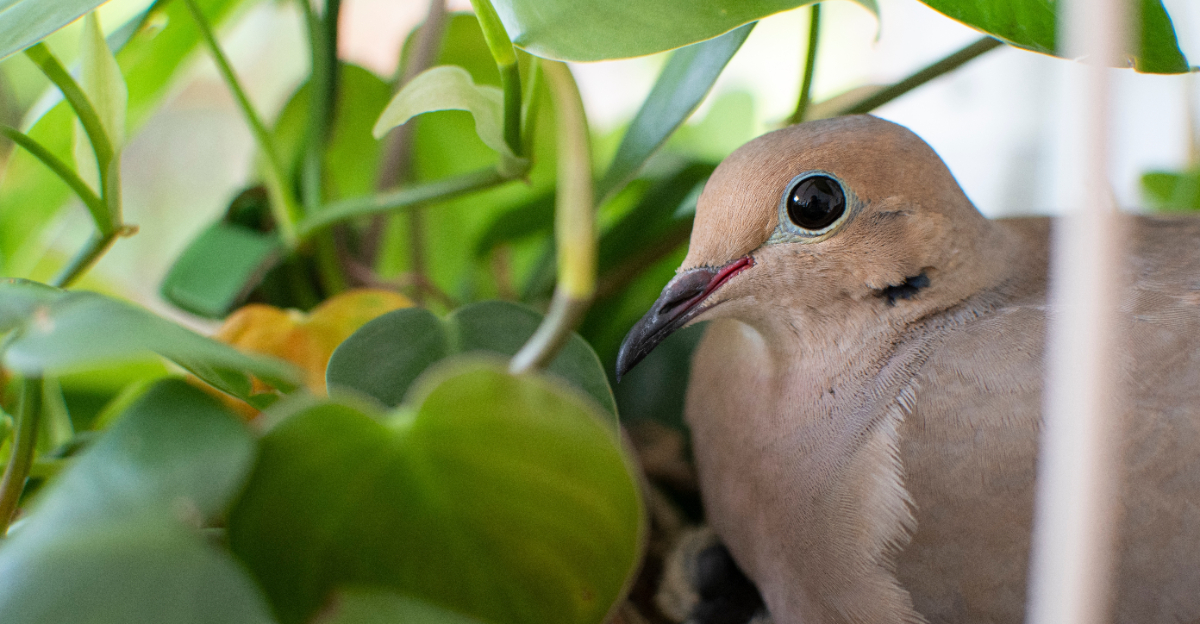
Mourning doves have a funny way of making themselves at home. One spring, they appear on a ledge, branch, planter, or patio beam.
The next year, there they are again, acting like they never left. Honestly, they may know the yard better than the people living in it.
Seeing the same nesting spot used year after year can feel sweet, strange, and slightly suspicious. Is the location especially comfortable?
Did the birds remember it? Are they quietly claiming permanent residency without paying rent?
California yards offer plenty of tempting places for a pair of doves to settle down, but their choices are not always as random as they look. Small details around the property can make one spot stand out, even when it seems ordinary to us.
Before moving a planter or trimming that favorite branch, it is worth taking a closer look at why these gentle birds keep coming back.
1. The Spot Feels Safe Enough To Reuse
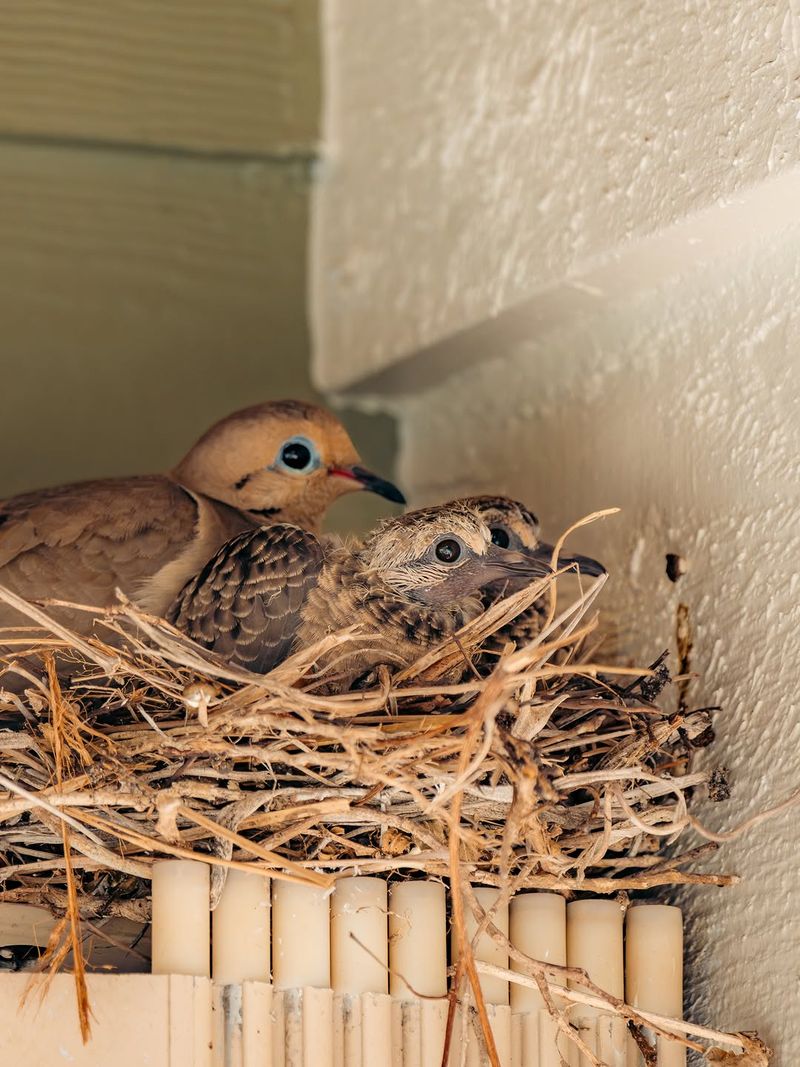
Safety is the number one priority for any nesting bird. Mourning doves are no different.
When a dove finds a spot where it raised chicks without being bothered by predators, it remembers that location. That memory is powerful enough to bring the bird back the very next season.
Doves do not just pick any random branch or ledge. They are watching for signs of danger.
A spot that stayed quiet and undisturbed all season long is a huge green light for them. If no cats climbed up, no crows swooped in, and no people got too close, the dove marks that location as trustworthy.
In yards across California, this pattern plays out every spring. Homeowners notice the same pair returning to the same corner of a patio cover or the same low branch of a lemon tree.
The birds are not acting on blind instinct alone. They are using real past experience to make a smart choice.
You can help reinforce this sense of safety by keeping pets indoors during nesting season. Try not to disturb the area around the nest.
Even small changes like moving a chair nearby can make a dove feel uneasy. The more stable and quiet you keep the space, the more likely those birds will keep coming back year after year.
2. Sheltered Branches Make Nesting Easier
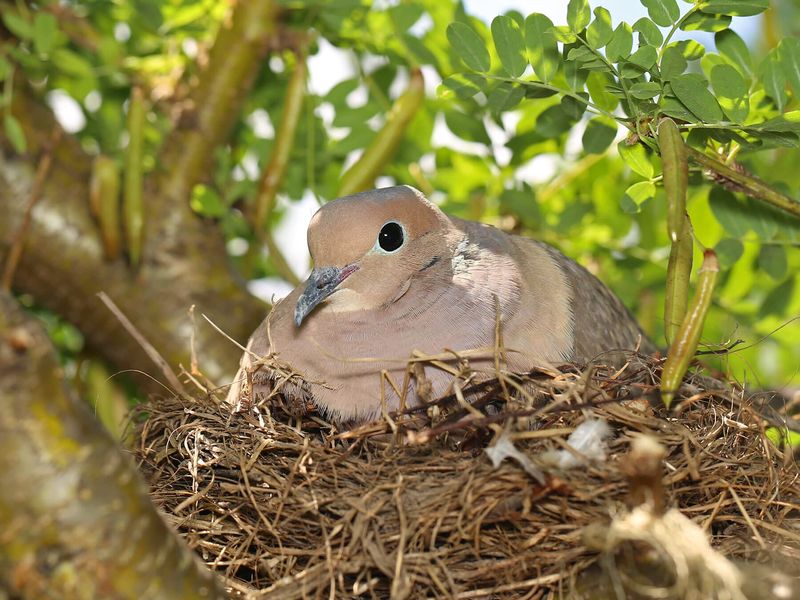
Not every branch works for a mourning dove. They are picky about structure.
A good nesting branch offers some kind of cover from above, like a canopy of leaves or a thick cluster of smaller branches.
That overhead shelter protects the nest from rain, wind, and the hot afternoon sun. Doves build very simple nests. They use loose twigs and barely weave them together.
The nest looks almost unfinished compared to other birds. Because of that, the surrounding branches do most of the work.
A well-sheltered fork in a tree can cradle that flimsy nest and keep it from falling apart.
In warmer parts of California, shade becomes especially important. A nest exposed to full afternoon sun can overheat.
Your California Garden Changes Every Week. Your Plan Should Too.
Gardening in California changes quickly throughout the season. Every Friday you’ll receive a simple weekly plan showing exactly what to plant, prune, fertilize, harvest, and protect so you never miss the right timing.
Doves seem to understand this. They consistently choose spots with at least partial shade during the hottest part of the day.
Dense shrubs like pittosporum, bougainvillea, or even overgrown rosemary are popular choices in backyard gardens here.
These plants offer layered coverage that gives doves both shade and a sense of enclosure.
If you want to attract nesting doves, planting or allowing dense shrubs to grow naturally is one of the best things you can do.
Avoid trimming those plants during nesting season so the shelter stays intact for the whole breeding cycle.
3. Doves Prefer Quiet Corners
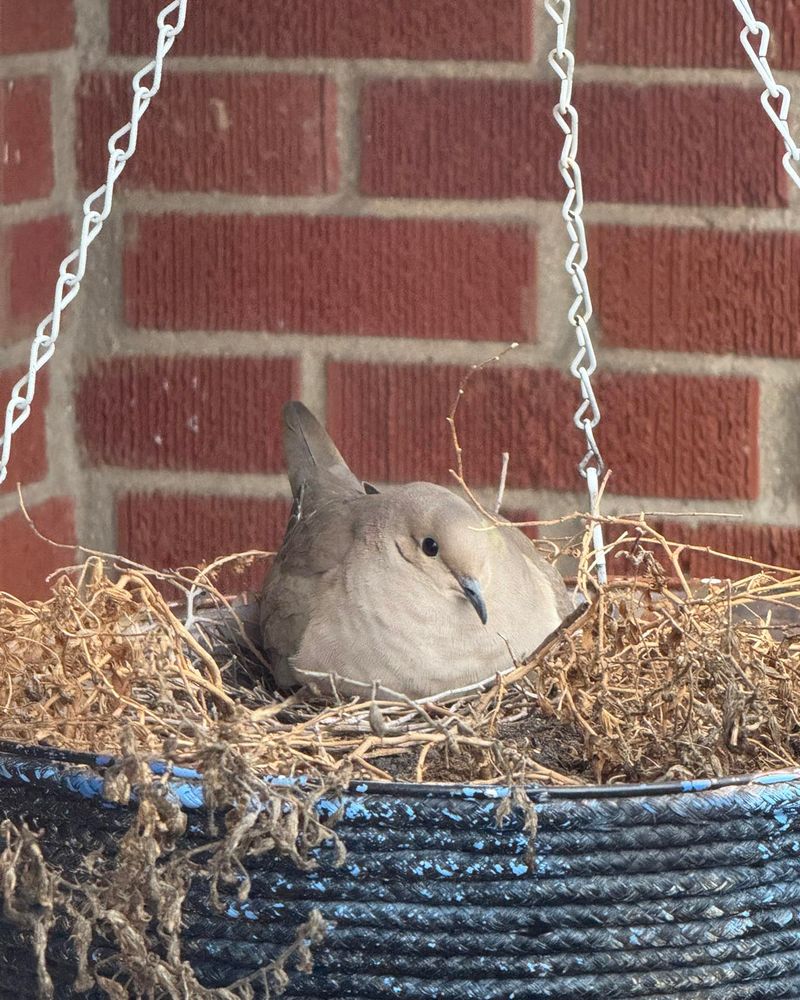
Loud yards are not attractive to mourning doves. These birds have a calm, slow-moving personality, and they seek out spaces that match that energy.
A noisy corner near a busy driveway or a spot next to a barking dog is usually avoided. Doves want peace, and they will go out of their way to find it.
Quiet corners of a yard are especially appealing. Think of the back fence near a garden bed, or the far end of a patio where foot traffic is low.
These tucked-away areas give doves the low-key environment they need to sit on eggs for two full weeks without constant stress.
Many California homeowners have noticed that doves tend to nest on the side of the yard least used by the family. It is not a coincidence.
The birds are actively choosing the calmer zone. Even in smaller yards, doves will find the one corner that sees the least activity.
If you want to encourage doves to return, consider leaving one area of your yard intentionally undisturbed. Do not place outdoor furniture there.
Limit how often you walk through that section during spring and summer. Even reducing noise from music or power tools near that area can make a difference.
Doves notice everything, and a consistently calm corner becomes their favorite address over time.
4. Nearby Food Keeps Them Coming Back
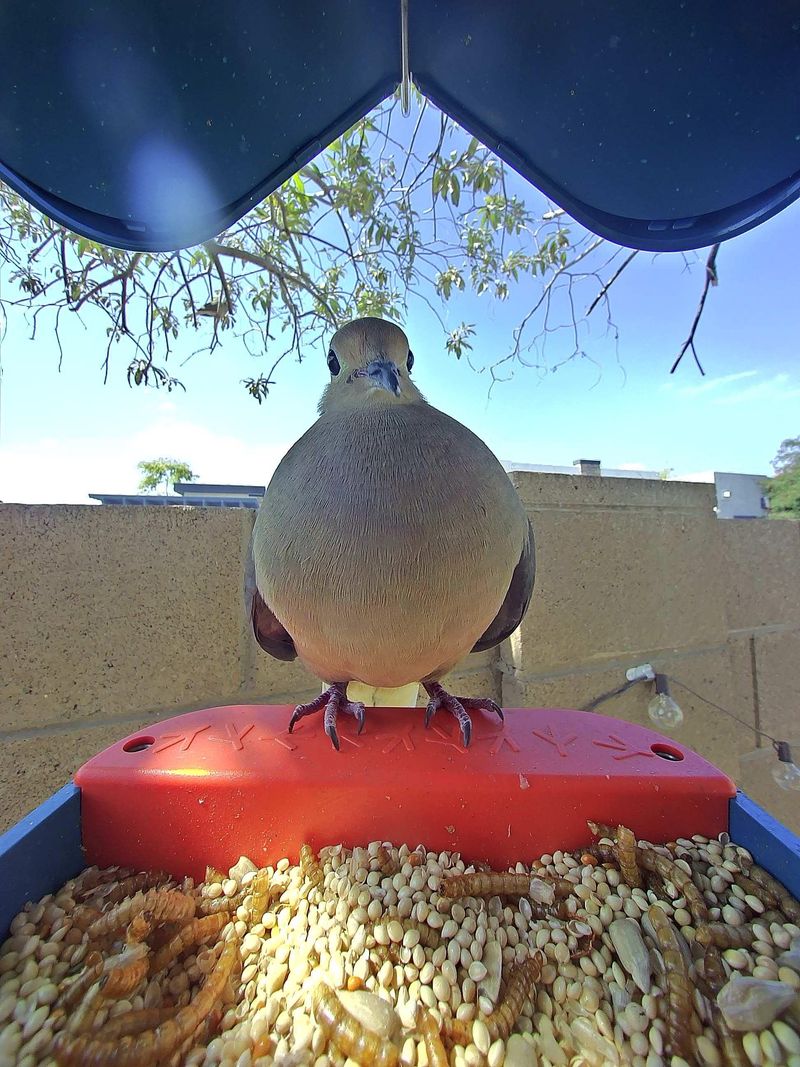
Food availability plays a huge role in where mourning doves decide to nest. These birds are ground feeders.
They walk slowly across lawns and garden beds, picking up seeds that have fallen from plants or feeders. A yard with a steady food supply is far more attractive than one without.
Doves love small seeds. Millet, safflower, and cracked corn are among their favorites.
Sunflower seeds also work well. If you have a feeder that drops seeds onto the ground below it, doves will show up regularly.
They prefer flat or slightly elevated feeding areas where they can see their surroundings while they eat.
Many California native grasses and wildflowers produce seeds that doves naturally forage for. Letting a patch of your yard grow a little wild can actually attract more birds.
Plants like toyon, deerweed, and native bunch grasses are great choices. They provide natural food without requiring you to buy anything extra.
When a dove finds a yard with reliable food nearby, it associates that location with survival and comfort. Over time, that yard becomes a trusted resource.
Nesting close to food just makes sense for them. The less energy they spend searching for meals, the more energy they can put into raising their young.
A well-stocked yard becomes a destination they return to every single year without hesitation.
5. Water Sources Make A Yard More Useful
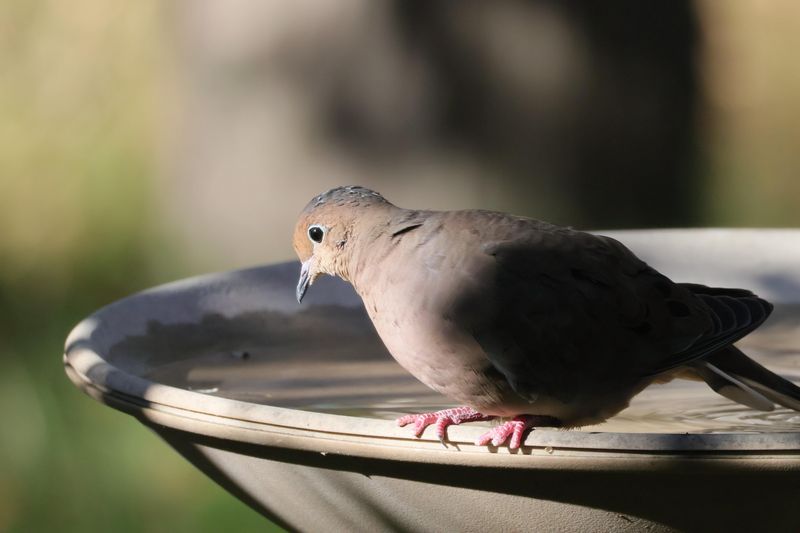
Water is just as important as food when it comes to attracting nesting birds. Mourning doves need to drink regularly, especially during the dry months that are so common across much of California.
A yard with a reliable water source becomes dramatically more appealing to them.
Birdbaths are the most popular option. Doves prefer shallow water, no deeper than about two inches.
They like to stand in the water and drink at the same time. A deep birdbath is less useful to them.
Flat, wide dishes placed near the ground or on a low platform work best for this species.
Moving water is even more attractive. The sound of dripping or trickling water carries through the air and signals to birds that water is nearby.
Simple dripper attachments or small solar-powered fountains can make your birdbath much more effective at drawing in doves and other species.
Once doves discover a dependable water source in a yard, they return to it consistently. Over time, that water source becomes part of their daily routine.
When nesting season arrives, they naturally choose a spot close to where they already spend time each day.
Keeping your birdbath clean and filled throughout the year, not just during spring, helps build that habit in the birds.
A year-round water source creates year-round loyalty from your local dove population.
6. Old Nest Sites Can Signal Safety
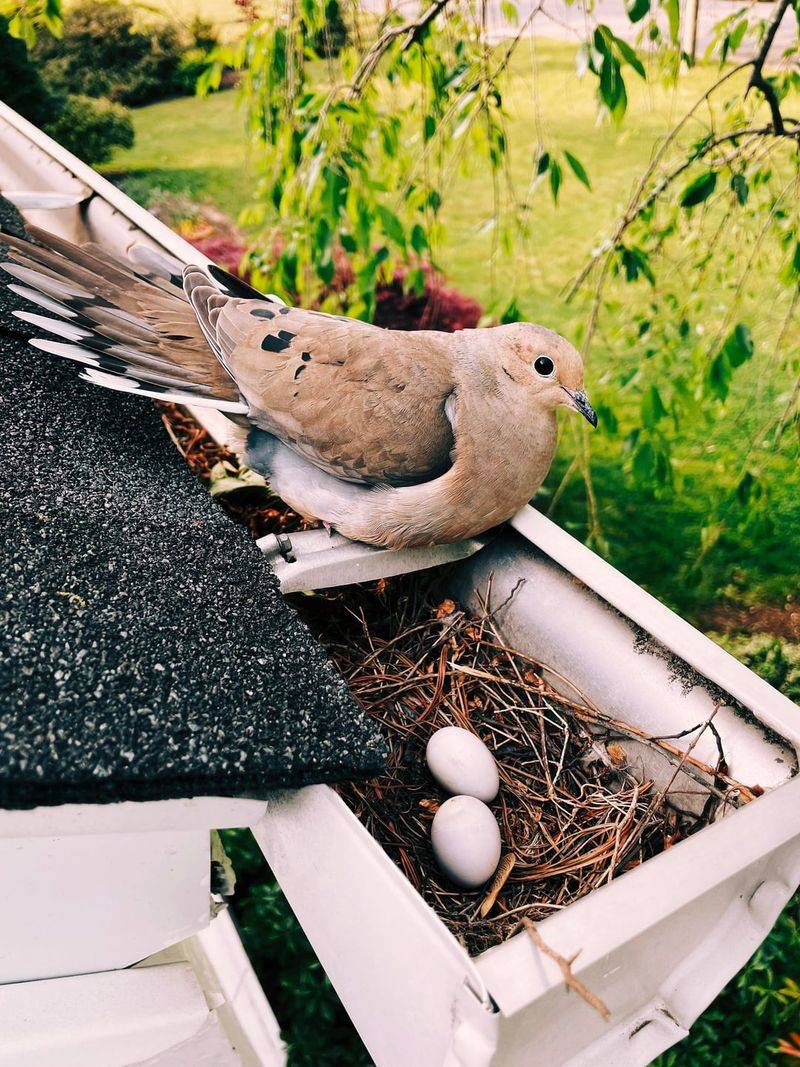
Here is something most people do not know: mourning doves sometimes reuse old nests or build new ones right on top of them. An existing nest is not just a convenience.
It is actually a signal that the location has already been proven safe. That matters a lot to a bird choosing where to raise its next brood.
When a dove spots an old nest in a tree, it reads that nest as a record of past success. Something about that spot worked before. The structure survived the wind. The eggs hatched.
The chicks flew away without trouble. That history is built into the location itself, and the dove recognizes it.
Other doves, not just the original pair, may also be attracted to an existing nest site. If the original pair does not return, a new pair may move in and take advantage of the same spot.
This is especially common in yards with limited suitable nesting locations.
Leaving old nests in place after nesting season ends is one of the simplest things you can do to invite doves back. Resist the urge to clean up every nest you find in your yard.
That old pile of twigs is actually valuable real estate in the bird world. It saves the birds time and energy when the next breeding season begins, and it keeps your yard on their mental map of trusted locations.
7. Pairs Return To Familiar Territory
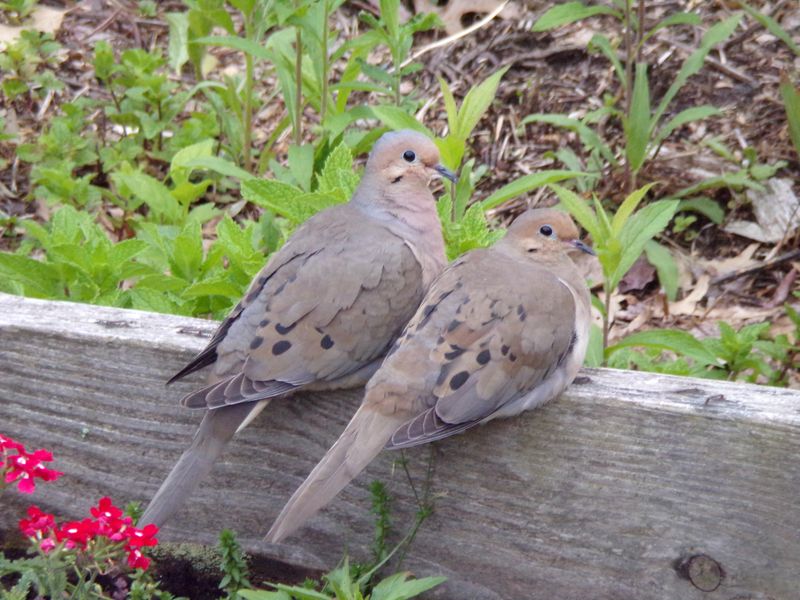
Mourning doves often mate for life, or at least for multiple seasons. That long-term bond between a pair means both birds share the same memory of where they have nested before.
When spring rolls around, both birds are drawn back to the same territory together.
Birds have strong site fidelity, which is a fancy way of saying they feel attached to places they know. For mourning doves, this attachment is especially strong.
Studies have shown that many dove pairs return to within a few feet of their previous nest site each year. That kind of precision is remarkable for a bird that travels widely outside of nesting season.
In neighborhoods across California, this loyalty shows up in very predictable ways. The same pair arrives in March or April, perches on the same fence post, and begins checking out the same branches.
Longtime residents often recognize individual pairs by their habits and the spots they favor.
The bond between a pair reinforces their shared territory. When both birds agree on a location, they are more confident and more committed to nesting there.
That shared confidence leads to faster nest building and earlier egg laying. You can support this by keeping the yard consistent from year to year.
Avoid major landscaping changes near known nesting areas. Familiar surroundings help the pair settle in quickly and get the breeding season started on the right foot.
8. Pruning Can Ruin The Nesting Spot
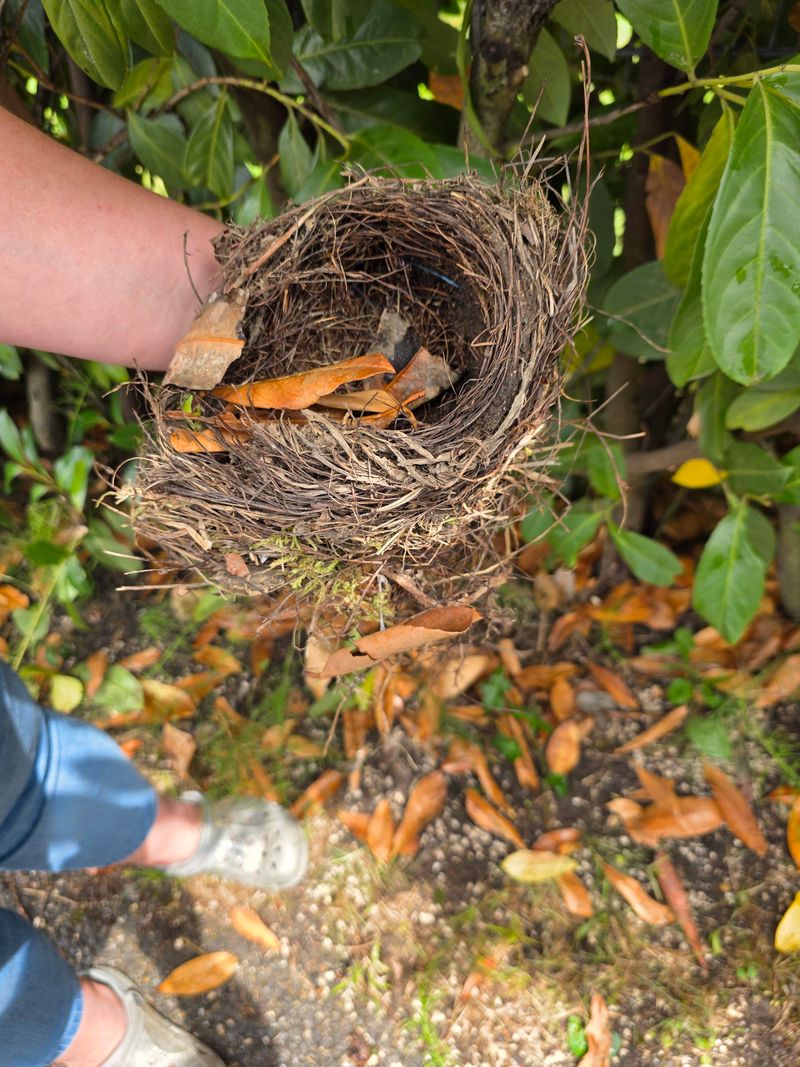
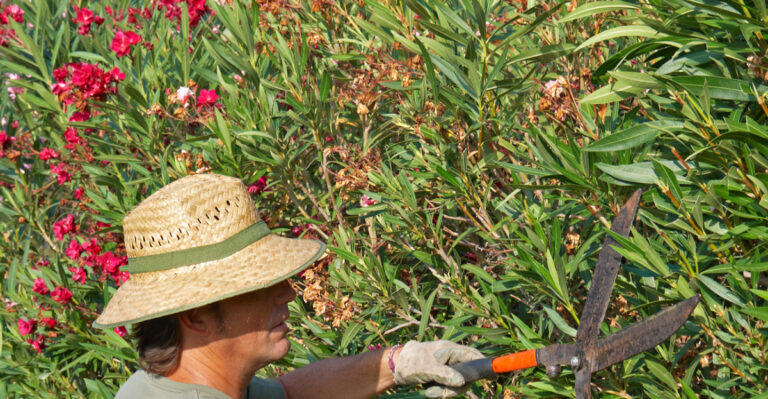
One of the most common ways homeowners accidentally push mourning doves away is by pruning at the wrong time.
Heavy trimming during nesting season can destroy the exact features that made a spot attractive in the first place.
Suddenly, a sheltered branch becomes an exposed twig, and the nest is gone.
Doves rely on the shape and density of a plant to protect their nest. When a bush gets cut back hard, it loses that structure.
Even if the nest itself is not touched, the loss of surrounding branches can expose it to sun, wind, and predators. The birds may abandon the site entirely.
Timing your pruning is key. In most parts of California, nesting activity peaks between March and August.
Doing your heavy trimming in late fall or early winter gives plants time to grow back before the next breeding season. It also ensures you are not accidentally disturbing active nests.
Before you pick up any pruning shears, take a slow walk around the yard and look carefully into your shrubs and trees. Mourning dove nests are easy to miss because they are so simple and flat.
Spotting a nest before you start trimming can save a whole nesting attempt. Once the season ends and the birds have moved on, feel free to shape your plants.
But during active months, let those branches grow a little wild. The doves will thank you for it by coming back again next year.