Why Dragonflies Are Circling Your Virginia Yard This Summer
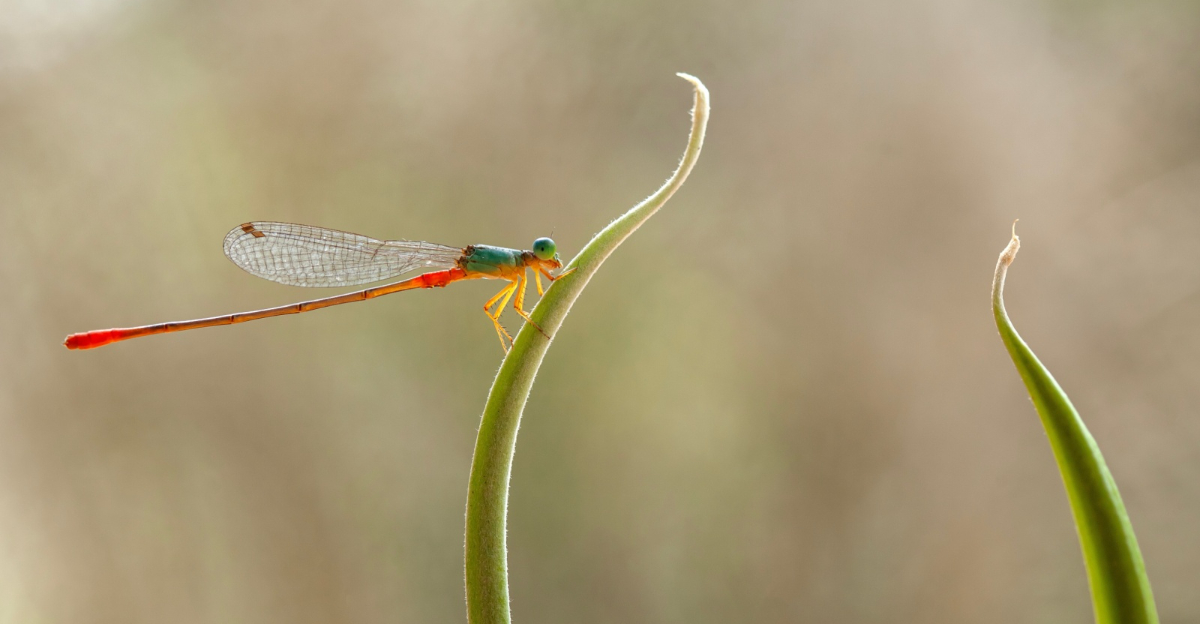
Wings slice through dusk faster than your eyes can track. Something invisible just pulled every dragonfly in the neighborhood toward your porch light.
Virginia summers create perfect conditions for this airborne frenzy, and few residents notice why. Warm, humid air breeds swarms of gnats and mosquitoes near standing water.
Dragonflies chase that food supply with high accuracy, hunting mid-flight without ever landing. Nearby ponds, ditches, or birdbaths often explain sudden clusters above your lawn.
Barometric pressure shifts before storms push insects lower, dragging predators down with them. Virginia’s mix of wetlands and suburban sprawl creates ideal hunting corridors for these ancient insects.
Their bodies barely changed across ancient eras, yet their instincts remain razor sharp. Every loop and dive serves a purpose you rarely notice.
Patterns emerge once you start watching closely enough. Curiosity builds with every pass made above your head. You will never see dragonflies the same way.
Why Dragonflies Are Attracted To Your Space
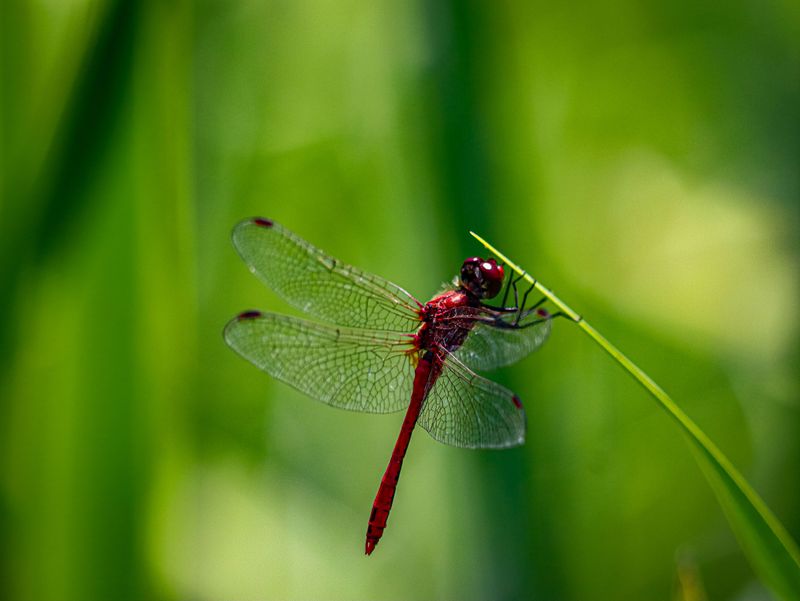
Your yard offers exactly what dragonflies are looking for. They are not circling out of curiosity or confusion.
Dragonflies are precision hunters, and your outdoor space is packed with exactly what they want. They scan the air constantly for movement, heat, and food.
A yard with tall grass, garden beds, or a water feature becomes a prime hunting ground fast. Dragonflies can spot prey from a considerable distance.
Their compound eyes cover nearly a full circle of vision, giving them a view that most creatures can only dream about. When your yard has the right combination of sun, shelter, and insects, they will keep coming back.
Warm, open spaces with low wind are especially appealing to them during summer afternoons. They love hovering in sunlit patches near shrubs or fences.
The edges of your yard, where the lawn meets garden beds or trees, are hotspots for dragonfly activity. These transition zones are rich with flying insects that dragonflies target all day.
Even the color of your garden flowers can play a role in drawing them near. Bright blooms attract the small flies and gnats that dragonflies love to chase.
Understanding why dragonflies are circling your Virginia yard this summer starts with recognizing that your space has something valuable to offer.
Once you know what they want, you can either enjoy their visits or encourage even more of them to show up.
Standing Water And Breeding Conditions Nearby
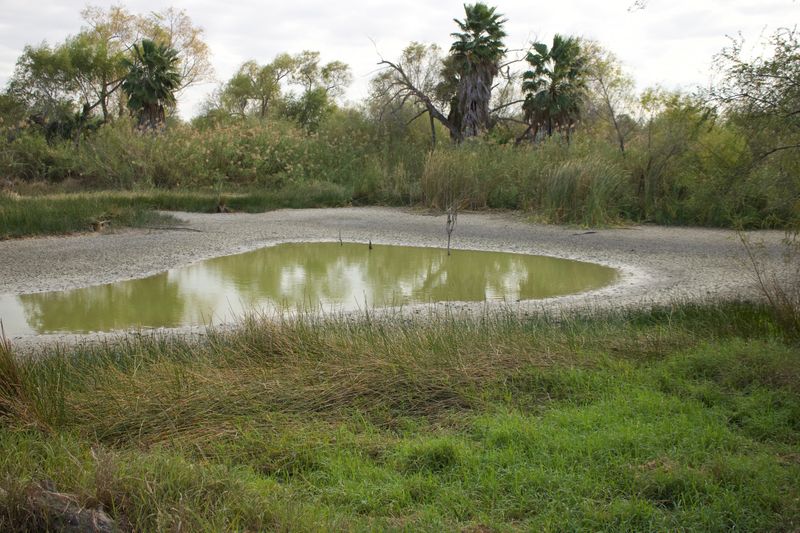
Dragonflies are not just passing through your yard by accident. They are almost always near water because water is where they raise their young.
Female dragonflies lay eggs directly on or just below the surface of still or slow-moving water. Ponds, birdbaths, rain barrels, and even clogged gutters can become nurseries.
The larvae, called nymphs, live underwater for months or even years before emerging as adults. A yard with standing water nearby becomes a breeding site for dragonflies.
Virginia has no shortage of natural water sources, from tidal creeks to neighborhood retention ponds. If your yard sits within easy flying distance of any of these, expect frequent visitors all season.
Your Virginia Garden Changes Every Week. Your Plan Should Too.
Gardening in Virginia changes quickly throughout the season. Every Friday you’ll receive a simple weekly plan showing exactly what to plant, prune, fertilize, harvest, and protect so you never miss the right timing.
Even a small container of stagnant water in your yard can attract egg-laying females. Check low spots, plant saucers, and forgotten buckets after rain.
If you want to encourage breeding, a small garden pond with native aquatic plants is one of the best investments you can make. Shallow edges are especially important because nymphs need to crawl out of the water when they are ready to transform.
Avoid using pesticides near any water feature, since nymphs are extremely sensitive to chemical runoff. Clean water with some aquatic vegetation creates ideal conditions.
Standing water is the single biggest reason dragonflies are circling your Virginia yard this summer. Get the water right, and you get the dragonflies.
Insect Populations Fueling Their Feeding Frenzy
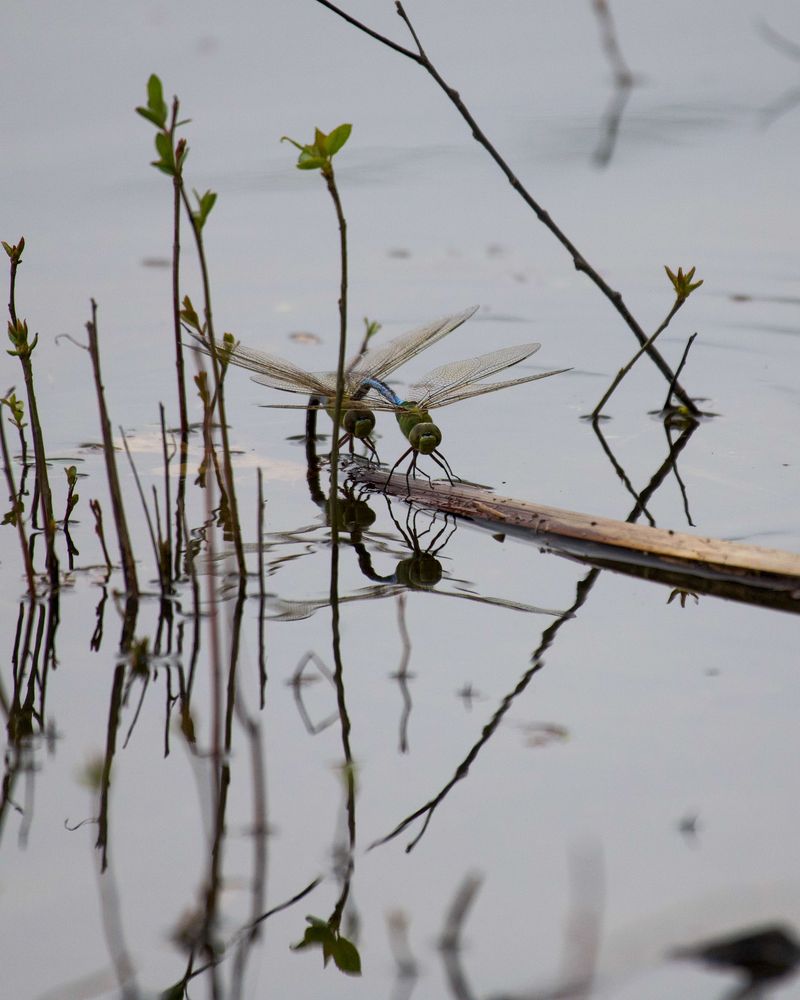
Forget bird feeders and flower gardens for a moment. The real draw for dragonflies is a sky full of bugs.
Mosquitoes, gnats, midges, small flies, and even tiny moths are all on the menu. A single dragonfly can eat hundreds of insects in one day.
Virginia summers are notoriously humid, and that humidity creates massive insect hatches. After a rain, the air near your yard can fill with thousands of tiny flying insects that are nearly invisible to you.
Dragonflies see them perfectly and go into full hunting mode. They catch prey in mid-air using their front legs like a basket, scooping insects right out of the sky.
Their hunting success rate is remarkably high, often cited as one of the best among predators. Few other animals match that level of efficiency.
If your yard has lots of mosquitoes, you actually have a natural solution flying right above your head. Dragonflies help reduce those pests far more effectively than a citronella candle.
Gardens rich with decomposing mulch, compost bins, and flowering plants tend to host more small insects. More insects mean more dragonfly activity throughout the warm months.
Think of it as a food chain playing out right in your backyard. The bigger the insect buffet, the longer the dragonflies stay and the more actively they hunt around your space.
What A Large Swarm Signals About Air Conditions
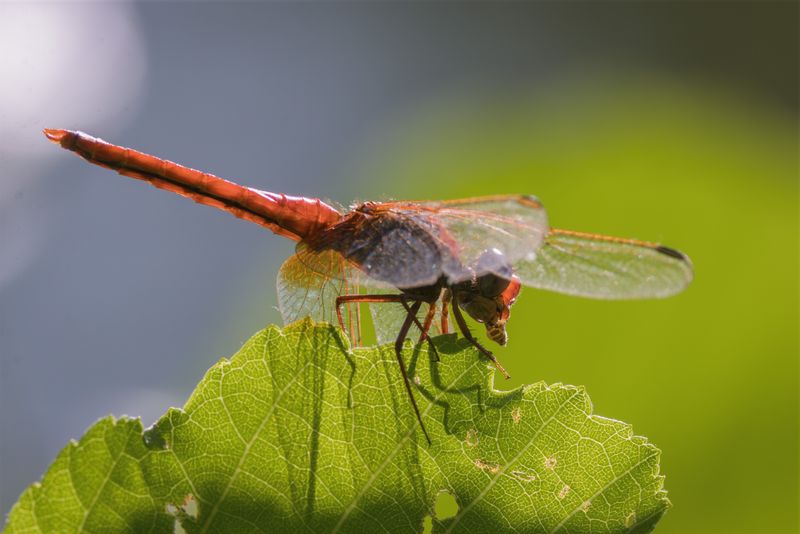
When you see dozens of dragonflies swarming at once, pay attention to the sky. A big swarm is often nature’s weather report.
Dragonflies are remarkably sensitive to changes in barometric pressure. Before a storm rolls in, pressure drops, and flying insects tend to fly lower and in greater numbers.
Dragonflies follow their food source, so when insects drop lower, the dragonflies drop too. This can create the illusion of a sudden, dramatic swarm right before a thunderstorm hits.
Virginia summers are famous for fast-moving afternoon storms, especially from June through August. If you notice dragonflies swarming low and frantically, there is a good chance rain is on the way within a few hours.
On clear, high-pressure days, dragonflies tend to fly higher and spread out more. You might not even notice them until you look up toward the treetops.
A swarm can also signal a mass emergence of insects after a warm rain. When conditions are right, millions of gnats or midges can hatch at the same time, drawing in dragonflies from a wide area.
This is called a feeding swarm, and it can look almost chaotic from the ground. But every dragonfly in that swarm is locked onto a specific target.
Watching dragonfly behavior is a surprisingly reliable way to read your local environment. They act as reliable indicators telling you exactly what is happening in the air around your yard.
Common Myths About Dragonfly Gatherings
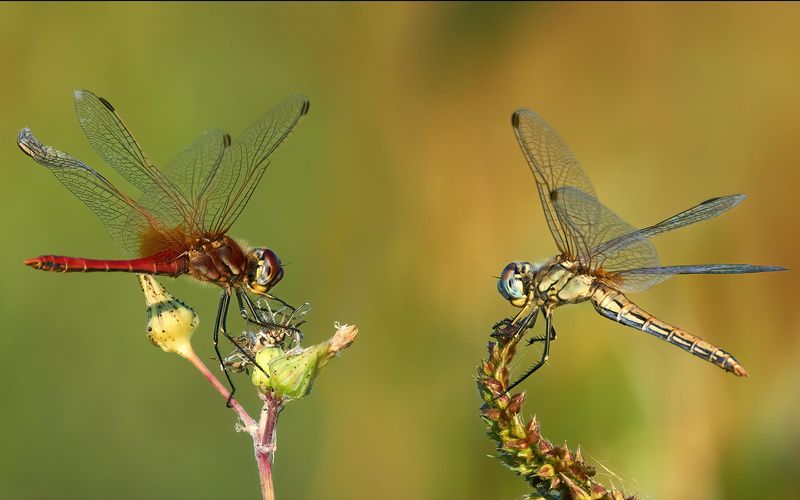
A lot of people panic when they see dragonflies swarming. Some folks genuinely believe the insects are dangerous or a sign of something bad.
Here is the truth: dragonflies cannot sting you, and they have almost no interest in humans at all. They are entirely focused on hunting insects.
One popular myth is that a swarm means the area is infested with harmful bugs. That is backwards thinking, because the swarm is actually cleaning up the insect population around you.
Another common belief is that dragonflies bite aggressively. While a large dragonfly can technically pinch if you grab it, they do not seek out people to bite.
Some people think dragonflies are bad for garden plants. In reality, they prey on insects that damage plants, making them a beneficial presence in the garden all summer long.
There is also a myth that seeing many dragonflies means your yard has a mosquito problem out of control. Actually, the opposite is often true because the dragonflies are actively managing the mosquito numbers.
A few cultures historically viewed dragonfly swarms as omens of bad luck. Modern science tells a different story, one where dragonflies play an important ecological role.
Understanding dragonfly behavior helps you stop fearing these incredible insects and start appreciating them. Once you know the facts, watching a swarm becomes one of summer’s most entertaining free shows right in your own backyard.
How To Welcome More Of Them Naturally

Want more dragonflies patrolling your yard all summer? The steps are simpler than you might expect.
Start with water. A small pond, even just a few feet wide, can transform your yard into a dragonfly hotspot within a single season.
Add native aquatic plants like pickerelweed, arrowhead, or water iris along the shallow edges. These give nymphs a place to climb out when they are ready to emerge as adults.
Skip the pesticides entirely, especially near any water source. Chemicals that target mosquitoes often harm dragonfly nymphs and the other insects that dragonflies depend on for food.
Let a section of your lawn grow a little longer or plant native wildflowers along a border. Taller vegetation gives adult dragonflies perching spots where they rest and watch for prey.
Place flat rocks in sunny spots near your pond or garden. Dragonflies are cold-blooded and need to warm up in the morning before they can hunt efficiently.
Reduce outdoor lighting at night when possible. Bright lights attract insects that are not dragonfly prey and can disrupt the natural rhythms of your yard’s ecosystem.
Birdbaths work too, especially if you change the water every few days and add a few small pebbles for perching. Even this tiny water source can draw in curious dragonflies looking for a place to hunt.
Dragonflies are circling your Virginia yard this summer because conditions are right. Make those conditions even better, and you will have natural pest control all season long.