The Virginia Vegetable That Keeps Producing Through July’s Worst Heat
Massachusetts summers are not supposed to feel like this. But lately, the thermometer climbs past 95 degrees and just stays there, turning your garden into something you dread checking on in the morning.
The basil goes limp. The lettuce bolts overnight. Even plants that seemed perfectly happy last week start showing signs of serious trouble.
Most gardeners either panic and overwater or walk away and hope for the best. Both are mistakes. Extreme heat does not have to cost you the whole season. It just means a different kind of gardening.
The plants in your yard are not helpless, but they do need you to shift your approach fast. A few targeted moves, made at the right moment, can be the difference between a garden that recovers and one that does not.
The Vegetable Virginia Gardeners Overlooked For Decades
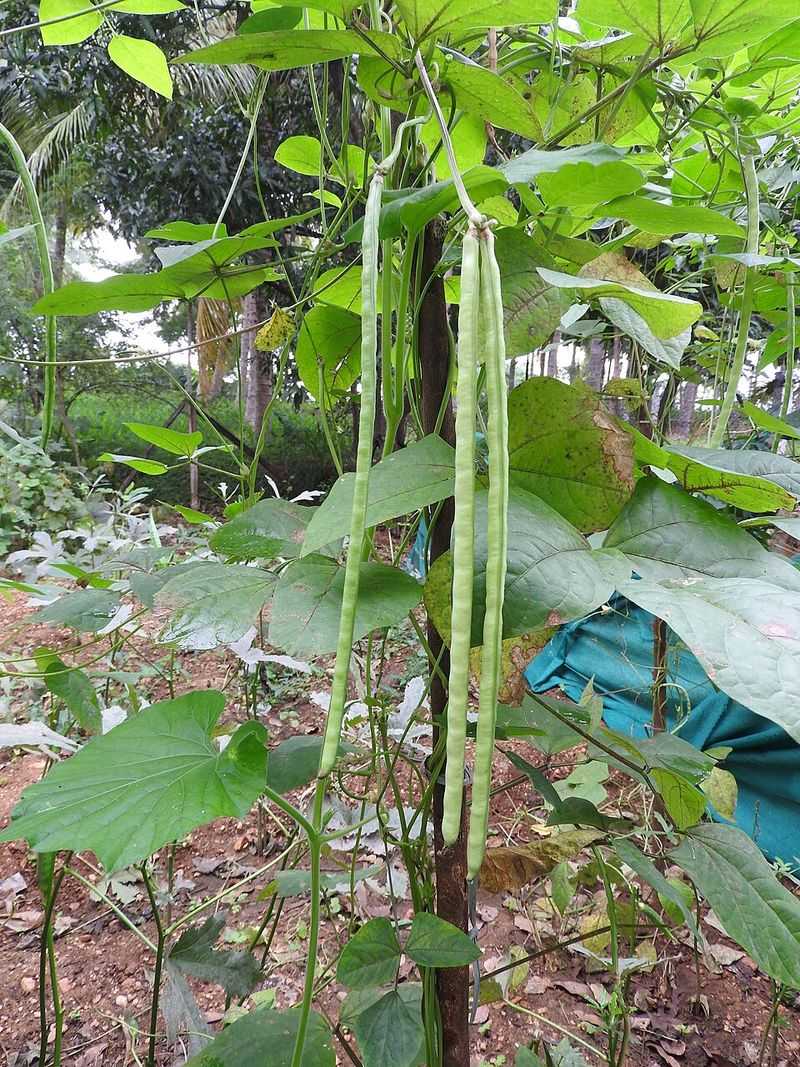
Nobody talks about southern peas at the fancy garden centers, and that is a shame. Walk into most Virginia nurseries in spring, and you will find tomato starts stacked to the ceiling. Pepper plants line every shelf, and cucumber seeds fill the racks.
Southern peas, though, are often nowhere in sight. That neglect has deep roots, honestly. For generations, these plants were labeled poor man’s food and quietly dismissed by mainstream gardening culture.
That unfair reputation stuck, pushing southern peas off suburban garden plots for decades. But gardeners who ignored that label discovered something remarkable.
Southern peas produce abundantly when nearly every other crop surrenders to summer heat. They fix nitrogen in the soil, meaning they actually improve your garden bed as they grow.
Setup is simple and the payoff is not. These plants just work, quietly and steadily, through the hottest, most miserable weeks of the Virginia growing season.
Farmers in Southside Virginia and the Piedmont region never stopped growing them. Grandmothers in rural counties kept seed packets tucked in kitchen drawers, passing varieties down through families like heirlooms.
Now, younger gardeners are rediscovering what their great-grandparents already knew. Southern peas are one of the most reliable warm-season crops a Virginia gardener can grow.
The vegetable Virginia gardeners overlooked for decades is finally getting the recognition it deserves. Once you grow your first crop, you will completely understand why.
Why July Heat Is Exactly What Southern Peas Need
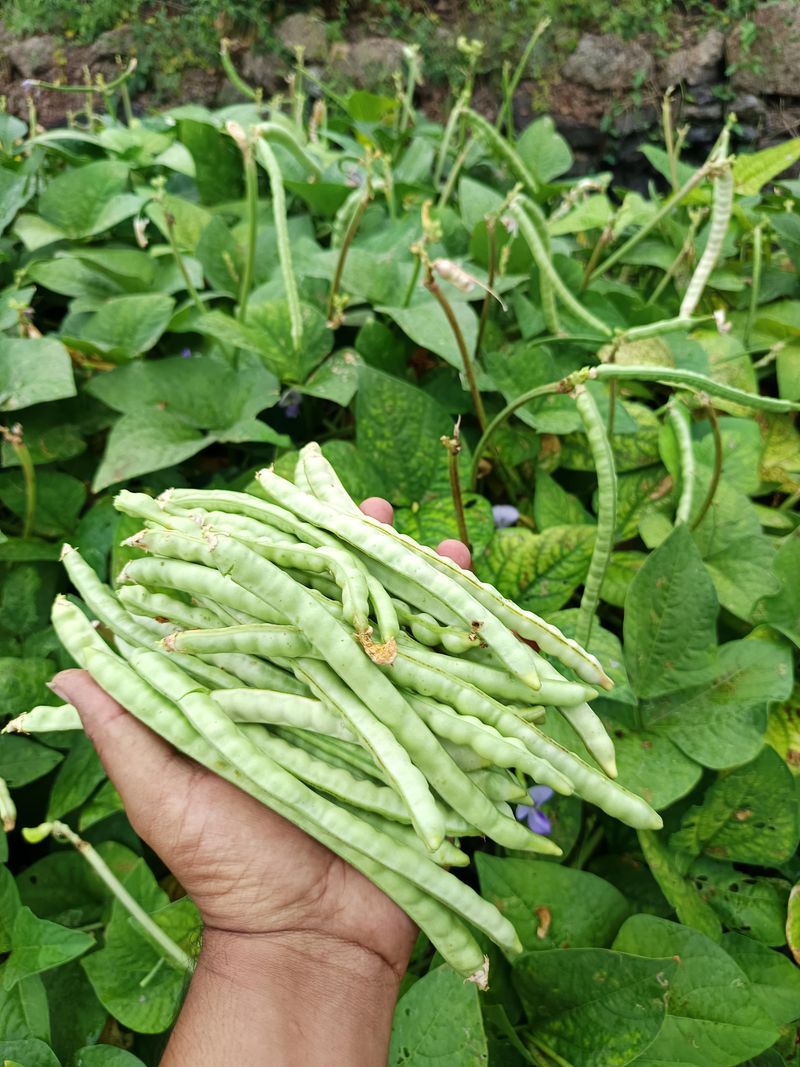
Most vegetables treat July like an enemy, but southern peas treat it like fuel. When the thermometer hits 90 degrees in Virginia, these plants shift into high gear.
Their roots reach deep into warm soil, pulling up moisture and nutrients with remarkable efficiency. Cool-season crops like spinach and lettuce bolt and turn bitter in that same heat.
Beans struggle, squash wilts by afternoon, and gardeners start feeling defeated. Southern peas, meanwhile, are blooming like it is the best day of their lives. The science behind this is straightforward and fascinating.
Southern peas evolved in tropical and subtropical regions of Africa before arriving in America centuries ago. Their cells are built to handle intense solar radiation and prolonged dry spells.
Your Massachusetts Garden Changes Every Week. Your Plan Should Too.
Gardening in Massachusetts changes quickly throughout the season. Every Friday you’ll receive a simple weekly plan showing exactly what to plant, prune, fertilize, harvest, and protect so you never miss the right timing.
They handle high temperatures far better than most common garden vegetables, continuing to grow and produce when others shut down. That means July’s worst heat wave is not a problem for these plants.
It is an invitation to produce even more pods than the week before. Virginia summers, with their combination of heat, humidity, and occasional afternoon thunderstorms, mimic the conditions southern peas evolved to love.
The humidity that makes gardeners miserable actually helps the plants stay hydrated between rain events.
Warm nights and high soil temperatures speed up pod development noticeably compared to cooler growing conditions. July’s worst heat is exactly the growing condition southern peas were born for.
The Best Southern Pea Varieties For Virginia Gardens
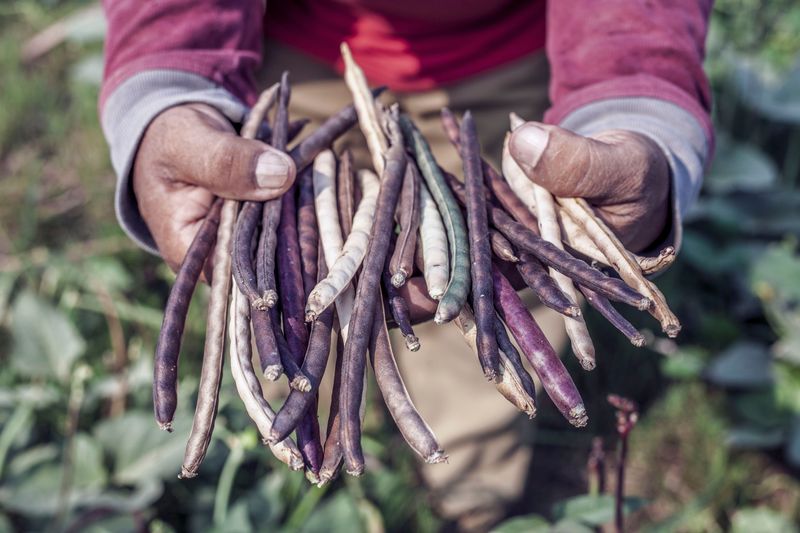
Choosing the right variety makes an enormous difference in how well your garden performs. Not every southern pea is identical, and Virginia gardeners have strong opinions about which ones earn a spot in the ground.
Purple Hull Pink Eye is arguably the most popular choice across the state. Its pods turn a vivid purple when ready to harvest, making picking almost effortless even for beginners.
The flavor is mild, sweet, and creamy, appealing to even picky eaters who claim they dislike peas. Iron and Clay Cowpea is another solid option, especially if you want a crop that doubles as a cover crop for soil improvement.
Whippoorwill is an old heirloom variety with a devoted following among seed savers in the Piedmont and Shenandoah Valley. Gardeners describe its flavor as rich and earthy, almost nutty, which pairs beautifully with smoked meats and cornbread.
Zipper Cream is a favorite for fresh eating because its pods zip open with almost no effort. That ease of shelling saves hours during a busy harvest week.
Crowder peas are another beloved type, named for how tightly the seeds crowd together inside the pod. Their dense texture holds up well in long-simmered dishes and soups.
Mississippi Silver handles even the most brutal Virginia summers without issue. Try two or three varieties in your first season to find what suits your garden and your table best.
Planting Southern Peas In Virginia For Maximum Yield
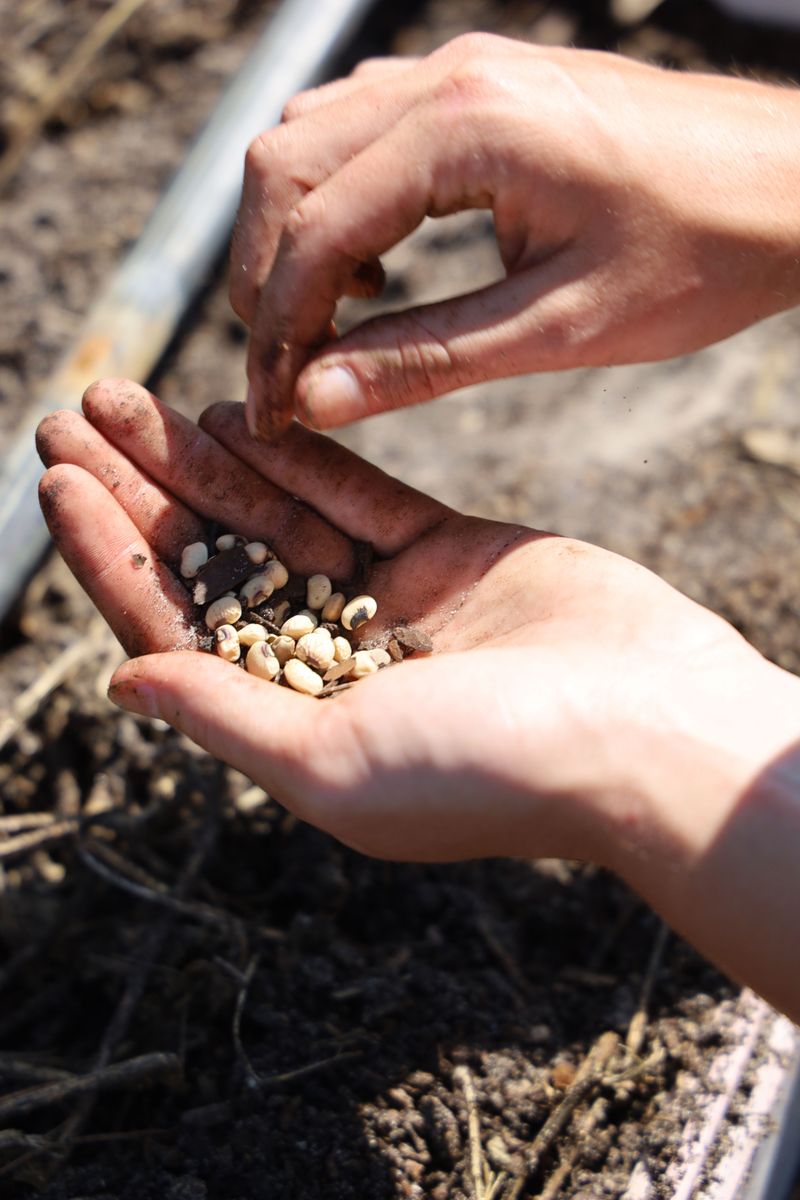
Timing is everything when it comes to planting southern peas in Virginia. Soil temperature matters far more than the calendar date, and you want that soil reading at least 65 degrees before seeds go in.
In most parts of the state, that sweet spot arrives somewhere between late May and mid-June. Northern Virginia gardeners often plant a week or two later than those in the Southside region.
Plant seeds about one inch deep and space them roughly three to four inches apart in the row. Rows should sit about two to three feet apart to allow good airflow between plants.
Good airflow reduces fungal risk during Virginia’s humid summers. Southern peas need little fertilizer, and too much nitrogen drives leafy growth at the expense of pods.
A light application of compost worked into the bed before planting is usually plenty. Water newly planted seeds consistently until they germinate, which typically takes five to ten days in warm soil.
Once plants are established and growing steadily, they become remarkably drought-tolerant. Deep, infrequent watering encourages roots to push downward, making plants more resilient during dry spells.
Mulching between rows helps lock in moisture and keeps the soil temperature consistent. Straw or shredded leaves work beautifully as mulch and break down to feed the soil over time.
A well-planted bed rewards you with pods for weeks without much fuss at all.
Harvesting And Storing Your Southern Pea Crop
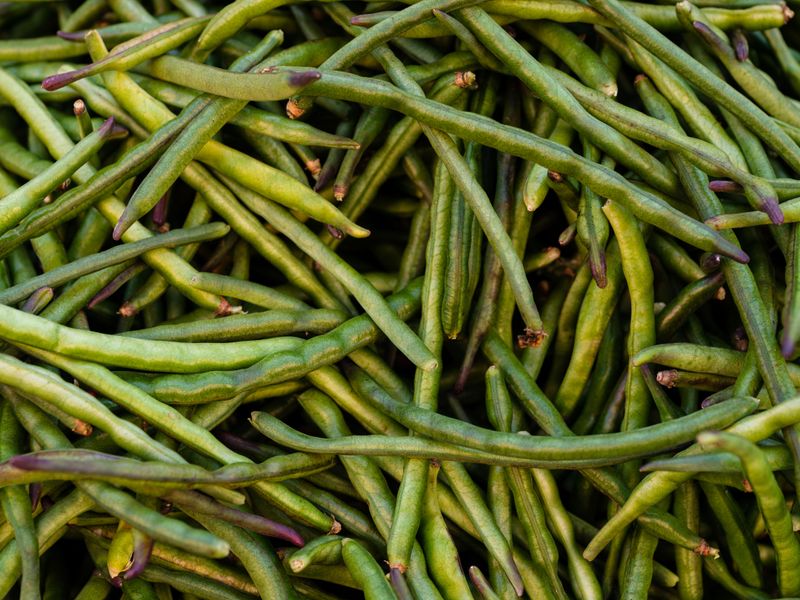
Harvest timing separates a great crop from a missed opportunity. Pick southern peas too early and the seeds are underdeveloped and starchy, lacking the full, satisfying flavor you are after.
Wait too long and the pods dry out on the vine, turning the seeds tough and chewy. The sweet spot for fresh eating is when pods feel plump and firm but still have some flexibility.
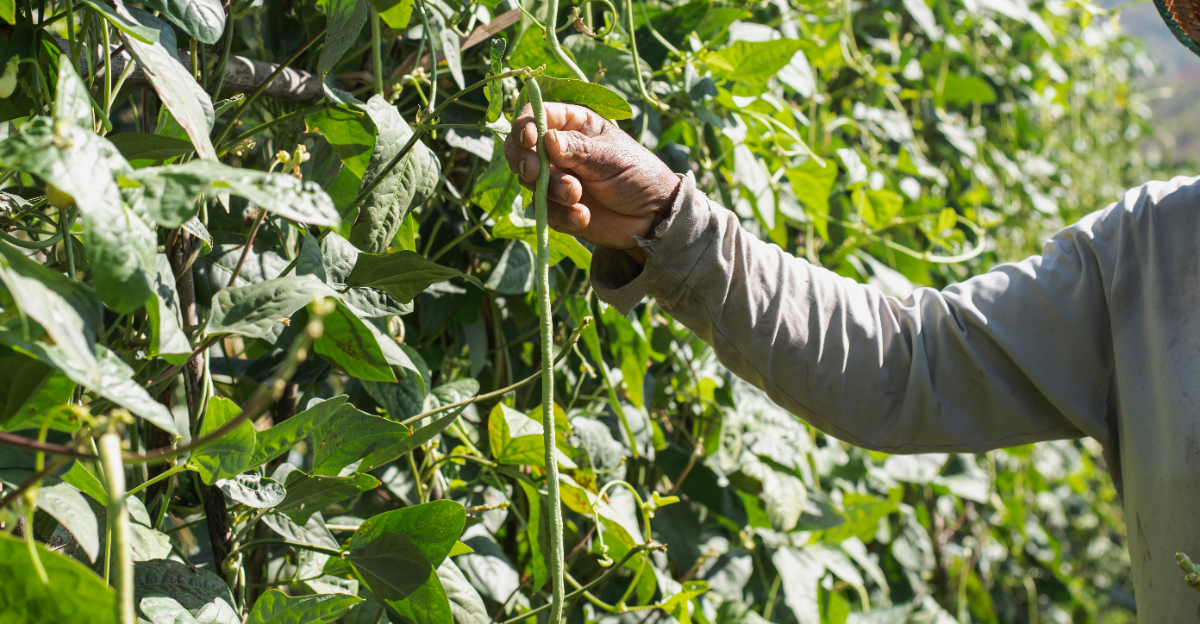
Purple Hull varieties make this easy because the pod color tells you exactly when they are ready. A pod that has shifted from green to a deep, rich purple is giving you a clear green light to harvest.
Check your plants every two to three days once pods start forming. Southern peas produce continuously, meaning new pods keep appearing as long as you keep picking the mature ones.
Leaving ripe pods on the plant can cause production to taper off, so consistent picking keeps the harvest going. Fresh-shelled peas need to be refrigerated and used within two to three days for peak flavor.
For longer storage, blanching and freezing is the most popular method among Virginia home gardeners. Blanch shelled peas in boiling water for two minutes, then plunge them immediately into ice water to stop cooking.
Drain them thoroughly, pack into freezer bags, and label with the date before freezing. Properly frozen southern peas maintain excellent flavor and texture for up to twelve months.
Dry storage is also an option if you let pods fully mature and dry on the vine before shelling.
Simple Ways To Cook And Preserve Southern Peas
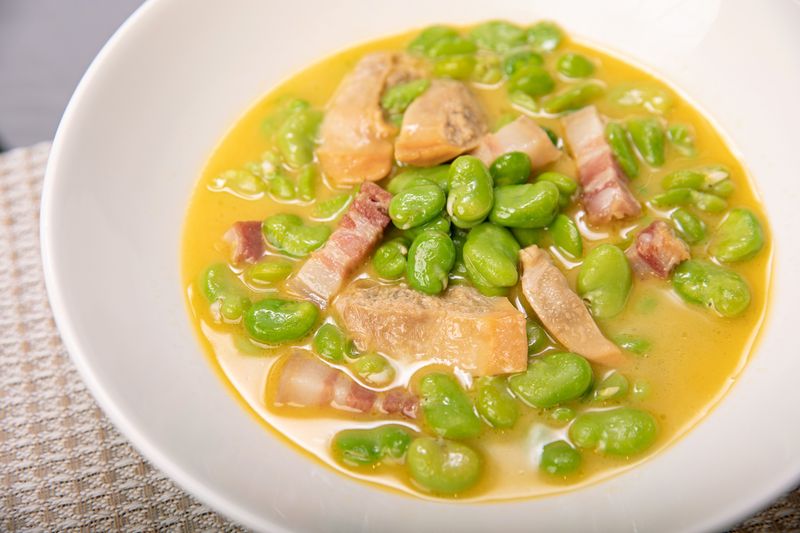
Southern peas have a mild, earthy flavor that works equally well in simple weeknight meals and slow-cooked Sunday dishes.
Fresh peas cooked low and slow with a smoked ham hock, onion, and a pinch of salt is the classic approach that has worked for generations. Cover the peas with water, bring the pot to a gentle boil, then reduce heat and simmer for about 45 minutes.
The broth that forms during cooking, called pot likker, is liquid gold and should never be thrown away. That broth is worth saving. It adds deep, smoky flavor to cornbread, rice, or anything else you put it on.
For a lighter preparation, saute shelled peas with olive oil, garlic, cherry tomatoes, and fresh basil for a quick summer side. That combination takes about fifteen minutes and pairs well with grilled chicken or fish.
Southern peas also work wonderfully in cold salads with chopped cucumber, red onion, and a tangy vinaigrette.
Canning is another preservation method worth learning if you plan to grow a large crop. Pressure canning is required for low-acid vegetables like peas, so a proper pressure canner is essential for safety.
Follow tested recipes from sources like the National Center for Home Food Preservation for reliable results. Canned peas hold their flavor well and make weeknight cooking faster all through the fall and winter months.
However you choose to prepare them, southern peas reward every effort with honest, satisfying flavor. The Virginia vegetable that keeps producing through July’s worst heat belongs on your table all year long.