Massachusetts Plants That Thrive All Summer Without Any Extra Watering
Massachusetts summers have a way of testing gardeners. One week it’s perfect, the next you’re staring at cracked soil and a forecast with no rain in sight.
Dragging a hose across the yard loses its appeal fast. The thing is, some plants genuinely don’t care. They’ve been handling New England heat and dry spells long before anyone thought to water them.
Deep roots, waxy leaves, and tough stems do the work so you don’t have to.
From shrubby natives that light up in fall to low-growing groundcovers that shrug off drought, these eight plants will make you wonder why you ever picked up a hose in the first place.
1. Beautyberry (Callicarpa Americana)
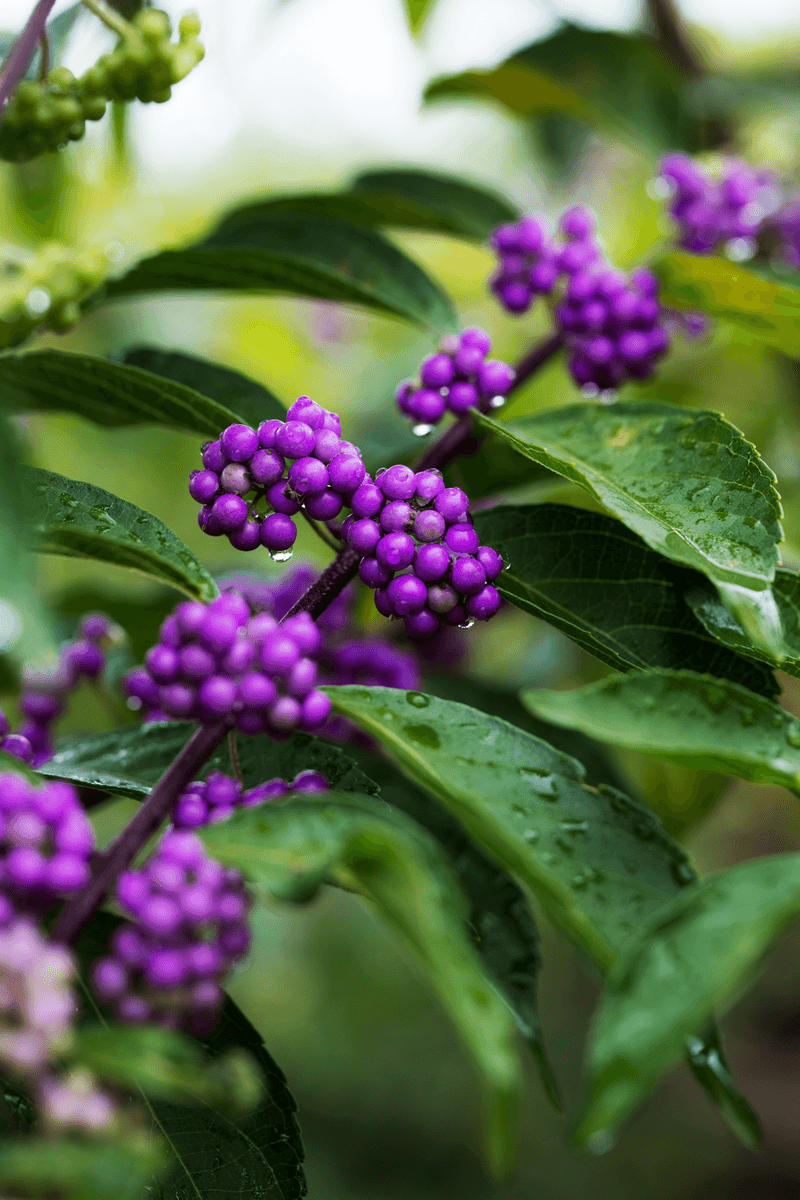
Nobody expects a shrub to stop traffic, but Beautyberry does exactly that. Those electric purple berry clusters look almost fake, like someone hot-glued candy to the branches.
Beautyberry earns its dramatic finish by spending the whole summer quietly doing its job. It handles dry spells without complaint, roots down deep, and asks for almost nothing in return.
Plant it in full sun or part shade and watch it grow four to eight feet tall. It fills awkward corners with ease and adds serious structure to mixed borders.
The berries appear in late summer and persist well into fall, giving birds a reason to visit. Gardeners in the Northeast love it because it handles summer heat with minimal fuss once it finds its footing.
Pruning hard in early spring keeps it tidy and encourages the most berry production. Skip the fertilizer and definitely skip the hose after the first season.
Wildlife benefits enormously from this shrub, since songbirds flock to the berries before migration. Once established, Beautyberry becomes one of the most self-sufficient plants you will ever grow.
It pairs beautifully with ornamental grasses and late-season coneflowers for a bold autumn display. If low-maintenance drama is what you want, this shrub delivers every single year.
2. Baptisia / False Indigo (Baptisia Australis)
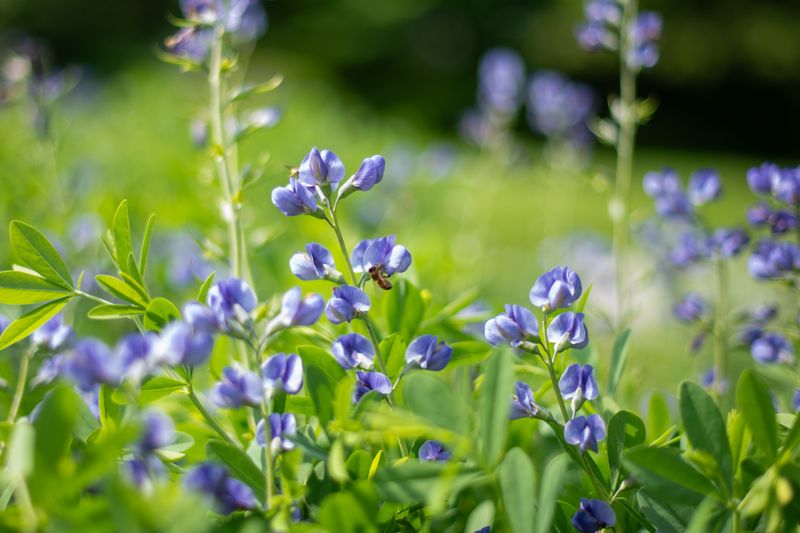
Baptisia is the plant that makes gardeners look like they actually know what they are doing. It blooms in late spring with gorgeous blue-purple flower spikes that rival lupines in sheer beauty.
Once those flowers fade, the inflated seed pods take over as a quirky, rattling ornamental feature. Kids love shaking them, and dried arrangements benefit from their bold, dark presence.
The real magic of False Indigo is its root system, which drives deep into the soil like an anchor. That deep reach means it pulls moisture from layers most plants never touch.
Once it settles in, this tough native handles summer drought without skipping a beat.
Baptisia grows three to five feet tall and three to four feet wide, forming a substantial mounded shrub over time. Plant it once and expect it to outlive your lawnmower, your car, and possibly your mortgage.
It fixes nitrogen in the soil, quietly improving the ground around it for neighboring plants. That means less fertilizer for everything growing nearby, which is a genuine bonus.
Your Massachusetts Garden Changes Every Week. Your Plan Should Too.
Gardening in Massachusetts changes quickly throughout the season. Every Friday you’ll receive a simple weekly plan showing exactly what to plant, prune, fertilize, harvest, and protect so you never miss the right timing.
Full sun brings the best bloom performance, though it tolerates light shade with grace. Hardy through Zone 3, it handles brutal winters and scorching summers without missing a beat.
Baptisia is the backbone plant every low-maintenance garden needs but not everyone knows to ask for. Plant it once, walk away, and prepare for compliments every spring.
3. Barren Strawberry (Waldsteinia Fragarioides)
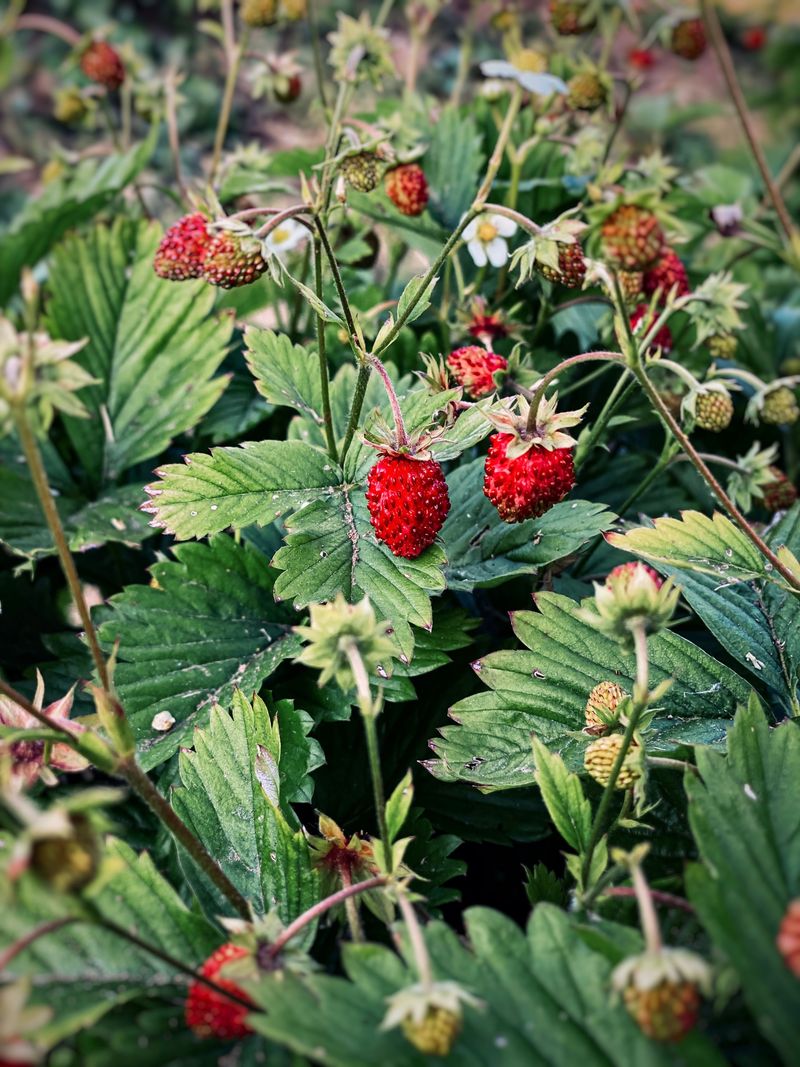
Image Credit: © Eugene Golovesov / Pexels
Barren Strawberry sounds like a disappointment, but it is secretly one of the best groundcovers you will ever plant. The name just means it skips the fruit part and focuses entirely on looking great.
Tiny yellow flowers pop up in spring, cheerful as sunshine against the glossy green leaves. After blooming, the foliage stays attractive all season long without any coaxing from you.
This native groundcover spreads steadily to fill in bare spots under trees and along shaded paths. It knits together into a dense mat that chokes out weeds without smothering neighboring plants.
Drought tolerance is where Barren Strawberry really shines as a landscape workhorse. Once it roots in, summer heat and dry soil barely register as problems for this tough little spreader.
It stays low, usually under six inches, making it ideal for slopes and edging along walkways. The semi-evergreen foliage holds color even into winter, giving the garden a finished look year-round.
Deer tend to leave it alone, which is a massive win for anyone gardening in suburban or rural areas. Pairing it with hostas and ferns creates a layered shade garden that practically runs itself.
Unlike invasive groundcovers that take over everything, Waldsteinia spreads politely and stays manageable. It fills gaps beautifully without staging a hostile takeover of the entire yard.
For shaded spots where grass refuses to grow, this plant is the answer you have been searching for. Low water, low maintenance, and surprisingly high charm make it a standout choice.
4. Smoke Bush (Cotinus Coggygria)
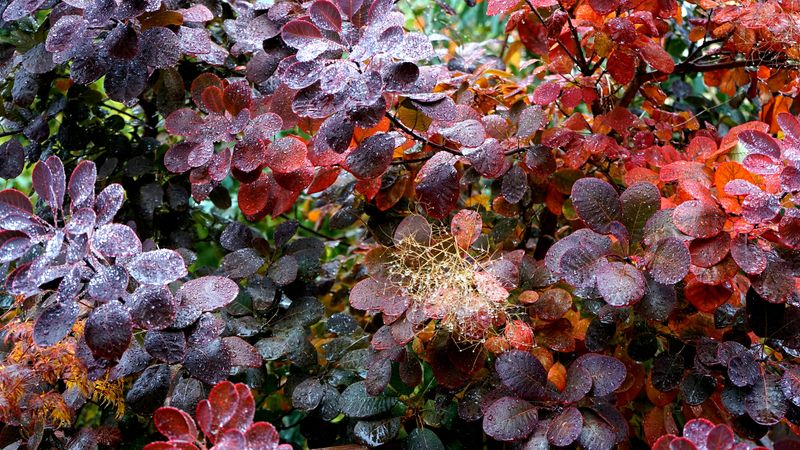
Smoke Bush earns its name the moment those feathery plumes emerge and catch the light. The effect looks like soft lavender smoke drifting above the foliage, which stops visitors mid-sentence.
Beyond the show-stopping plumes, many cultivars offer deep burgundy or purple leaves that glow in afternoon sun. The color payoff from spring through fall is genuinely hard to match in a single shrub.
Established Smoke Bush handles dry summers with remarkable ease, thriving in lean, well-drained soil where other shrubs struggle.
Full sun brings out the richest foliage color and the most dramatic plume display. Partial shade is tolerable, but the color tends to fade and the growth becomes a bit leggy.
This shrub grows ten to fifteen feet tall if left unpruned, creating a bold focal point. Hard pruning each spring keeps it compact and encourages the most vibrant new foliage growth.
Pollinators love the small flowers hiding beneath those smoky plumes, making it a wildlife-friendly choice. Birds use its dense branching for shelter during hot summer afternoons.
Smoke Bush is one of those rare plants that looks expensive but asks for almost nothing in return. Plant it in a sunny spot with decent drainage and then simply step back and admire.
Few shrubs offer this combination of drought toughness, four-season interest, and pure visual drama. Once you plant one, you will wonder how your garden ever managed without it.
5. Fragrant Sumac ‘Gro-Low’ (Rhus Aromatica)
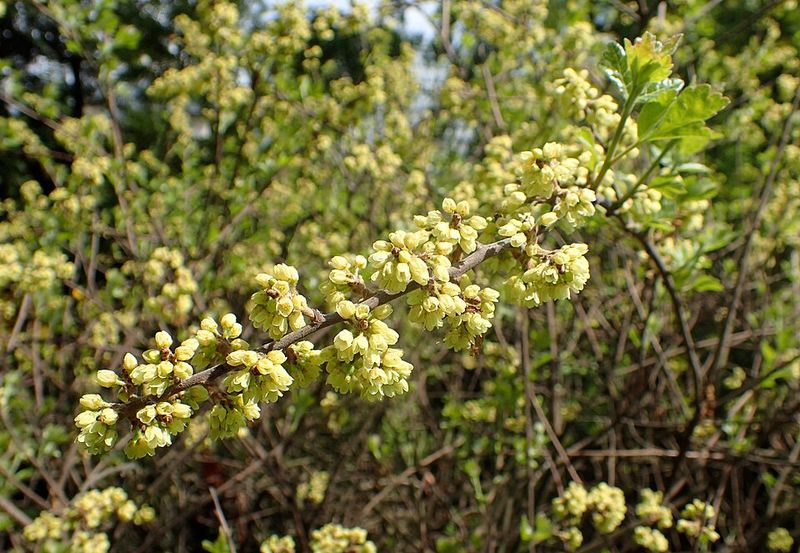
Slopes, dry banks, and sun-baked hillsides are basically impossible for most plants. Fragrant Sumac ‘Gro-Low’ treats those brutal conditions like a personal invitation to spread and thrive.
This low-growing cultivar stays under two feet tall but spreads six feet wide, carpeting difficult terrain effortlessly. The result is a weed-suppressing, erosion-controlling groundcover that never needs irrigation once established.
In spring, tiny yellow flowers appear before the leaves, offering early nectar to pollinators waking up from winter. The aromatic foliage that follows smells faintly spicy when you brush against it on a warm day.
Summer heat is no problem for this tough native shrub, which evolved for exactly these conditions. Dry soil, full sun, rocky ground? That is basically its preferred home address.
The real seasonal payoff comes in fall, when the foliage turns blazing shades of orange, red, and scarlet. Few low-maintenance plants offer this kind of autumn drama without any effort from the gardener.
Small red berries follow the fall color, attracting songbirds and small mammals through winter. The birds appreciate the food source, and you appreciate not having to plant anything else for wildlife.
Deer generally avoid it, and it requires no fertilizer once it finds its footing in the landscape. That combination of toughness and beauty makes it one of the most underused plants in the region.
For anyone tired of fighting erosion on a sunny slope, this shrub is the answer. Plant it, mulch it once, and let nature handle the rest.
6. Blanket Flower (Gaillardia Aristata)
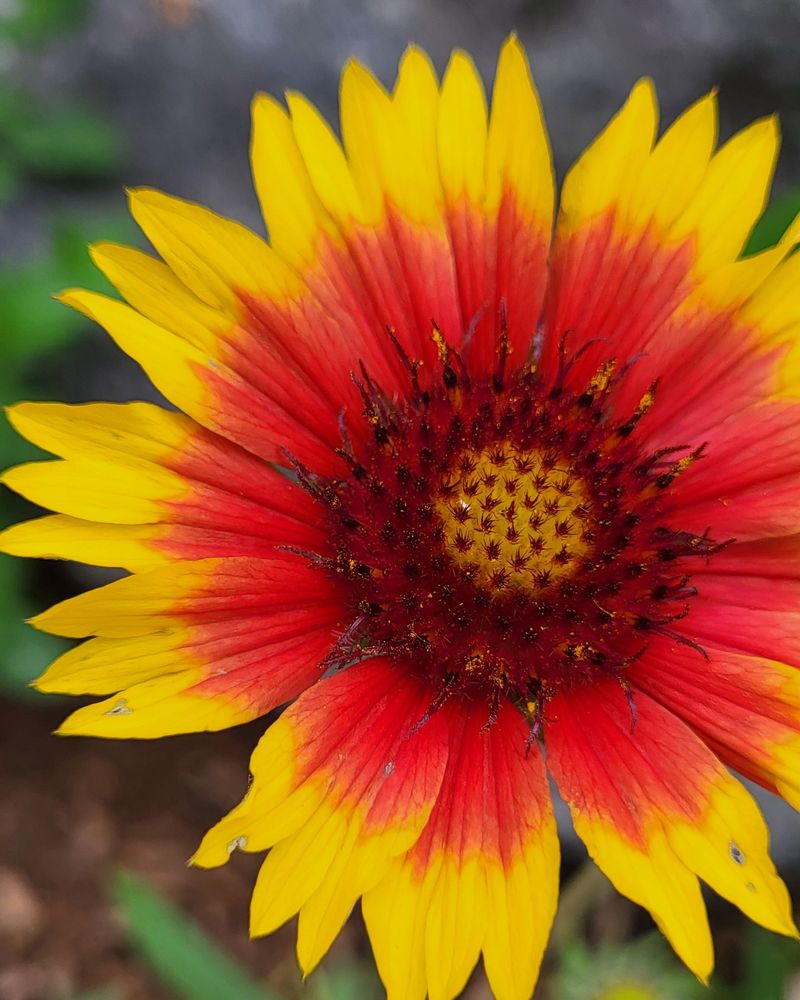
Blanket Flower blooms like it has somewhere important to be and no time to waste. Bold red and yellow petals radiate outward from a rust-colored center in a display that screams summer.
Native to dry prairies, Gaillardia was practically designed for gardeners who forget to water. Poor soil, full sun, and no supplemental irrigation? This perennial considers that a perfect growing situation.
Blooms start in early summer and keep coming until frost, which is an unusually long performance for any perennial. Removing spent flowers encourages even more blooms, though the plant produces freely even without it.
The key to success with Blanket Flower is excellent drainage. Wet or clay-heavy soil causes more problems for this plant than drought ever could.
Raised beds, sandy borders, and south-facing slopes suit it perfectly. Mix in some gravel when planting in heavier soil to improve drainage and mimic its natural prairie habitat.
Pollinators absolutely mob Gaillardia throughout the season, with bumblebees and butterflies visiting constantly. Goldfinches arrive later in the season to harvest seeds from the bristly seed heads.
Plants typically grow one to two feet tall, making them ideal for front-of-border placement. They mix effortlessly with ornamental grasses, coneflowers, and Black-eyed Susans for a carefree meadow look.
Short-lived as perennials go, Blanket Flower often reseeds generously to replace itself each season. The combination of nonstop color and no summer watering makes it an absolute garden essential.
7. Russian Sage (Salvia Yangii)
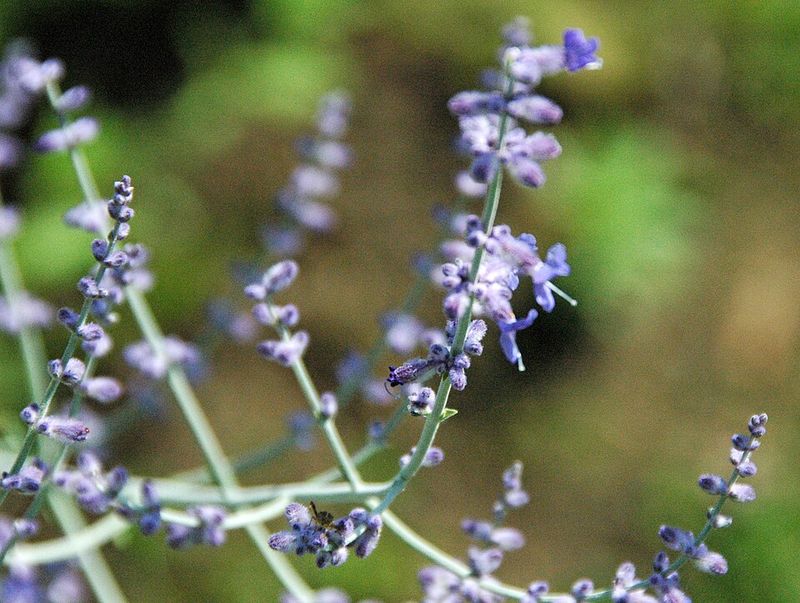
Image Credit: James St. John, licensed under CC BY 2.0. Via Wikimedia Commons.
Russian Sage looks like someone took a lavender field and gave it a wild, untamed makeover. The silver stems and hazy blue-purple flowers create a soft, billowing effect that photographs beautifully.
Reclassified from Perovskia to Salvia yangii, this plant remains one of the most drought-tolerant perennials available. Once established, it genuinely does not need supplemental water, even during the driest stretches of a New England summer.
The aromatic foliage smells faintly of sage when touched, which deer and rabbits find completely unappealing. That natural repellent quality makes it a smart choice for gardens in areas with heavy wildlife pressure.
Blooms appear in midsummer and persist for weeks, drawing in bees and butterflies in impressive numbers. The long bloom period means pollinators have a reliable food source when other plants start fading.
Full sun and well-drained soil are the two non-negotiable requirements for this plant. Clay soil holds too much moisture and can cause root rot, so amend heavily or choose a raised spot.
Plants grow three to five feet tall, creating a bold vertical presence in the border. Cutting them back hard in spring keeps the growth tidy and prevents the flopping that older plants sometimes develop.
Russian Sage pairs brilliantly with ornamental grasses, Echinacea, and Rudbeckia for a low-water perennial combination. The silver and blue tones cool down hot-colored plantings and add an airy elegance.
Massachusetts plants that thrive all summer without extra watering rarely look this refined and effortless. Russian Sage delivers cool sophistication with no summer fuss.
8. Amsonia / Blue Star (Amsonia Tabernaemontana)
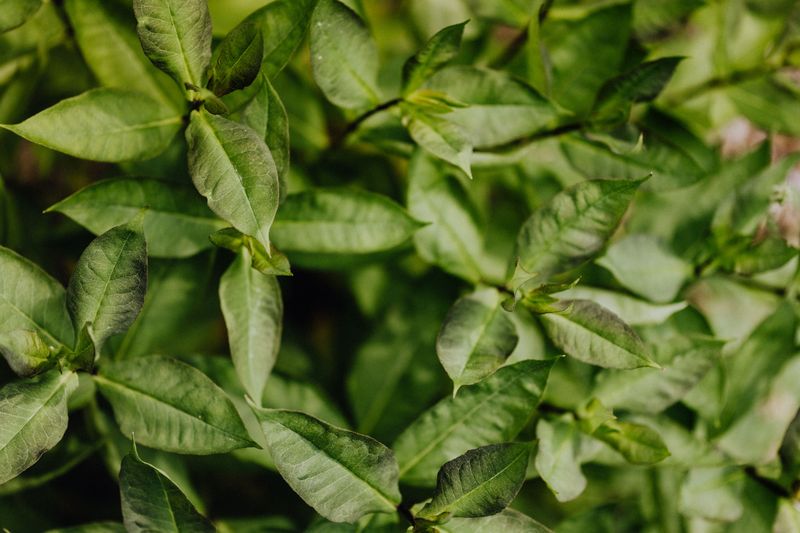
Amsonia is the quiet overachiever of the perennial world, and most gardeners have never heard of it. That is a genuine shame, because few plants offer three full seasons of interest with such effortless grace.
In late spring, clusters of pale blue star-shaped flowers open above neat mounds of willow-like foliage. The soft blue color is rare in the garden world and pairs with almost everything around it.
After blooming, the fine-textured foliage stays lush and attractive through the heat of summer. That lush summer presence is exactly what makes it such a reliable mid-border plant.
Drought tolerance kicks in once the plant establishes its deep, fibrous root system in the first season. After that, summer rains alone are typically enough to keep it thriving and looking sharp.
Fall brings one final surprise: the foliage turns brilliant golden yellow, rivaling the best autumn-coloring shrubs. That unexpected color shift makes it one of the most satisfying plants in a four-season garden.
Blue Star grows two to three feet tall and wide, forming a tidy clump that never needs staking. It stays exactly where you put it without spreading aggressively or crowding its neighbors.
Deer avoid it, pollinators love the spring flowers, and it requires no fertilizer after establishment. Those qualities alone make it worth seeking out at specialty nurseries.
Among Massachusetts plants that thrive all summer without any extra watering, Amsonia stands out for its three-season beauty. Plant it once and collect compliments for decades.