The Watering Habit That Works Against Lantana In Summer
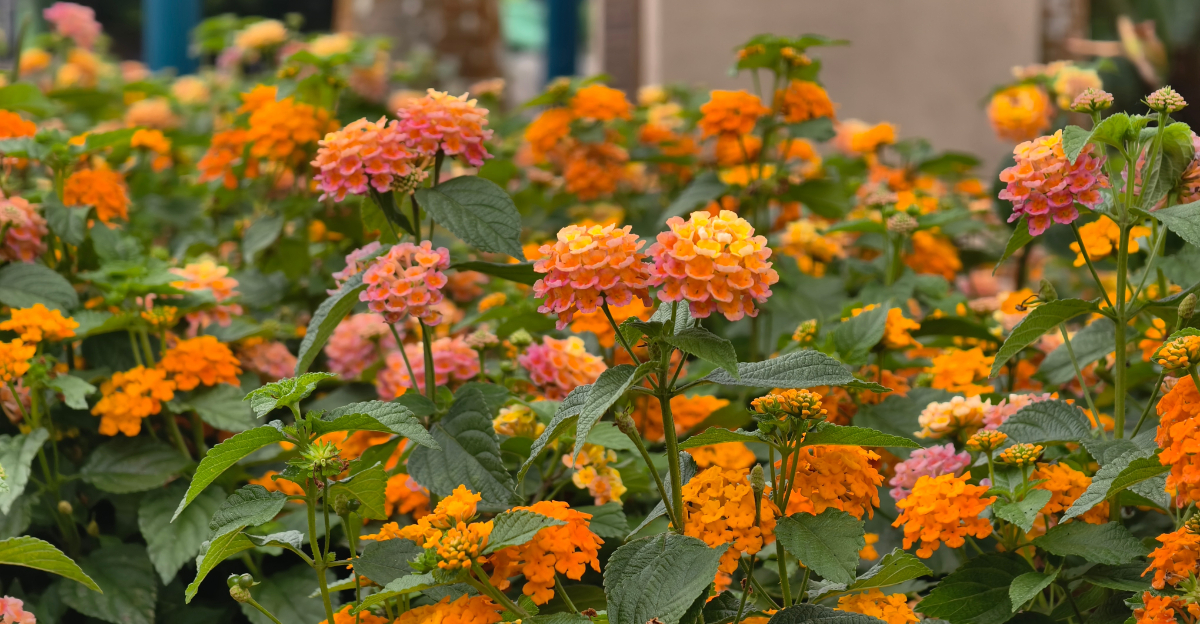
Lantana has a reputation for being nearly indestructible. Full sun, poor soil, weeks without rain, it handles all of it without complaint. That toughness is exactly why most gardeners never think twice about how they water it.
They figure a plant this hardy can take whatever it gets. And that assumption is where the trouble starts. Frequent, shallow watering is one of the most common summer habits in any garden, and lantana quietly suffers for it.
It shows up slowly, in ways that are easy to write off. Just a slow, steady decline that looks a lot like heat stress, or bad soil, or bad luck. The fix is simple, but you have to know what you’re looking for first.
Understanding why lantana struggles under this one routine changes everything about how you care for it through the hottest months of the year.
Shallow Watering Keeps Lantana Roots Too Close To The Surface
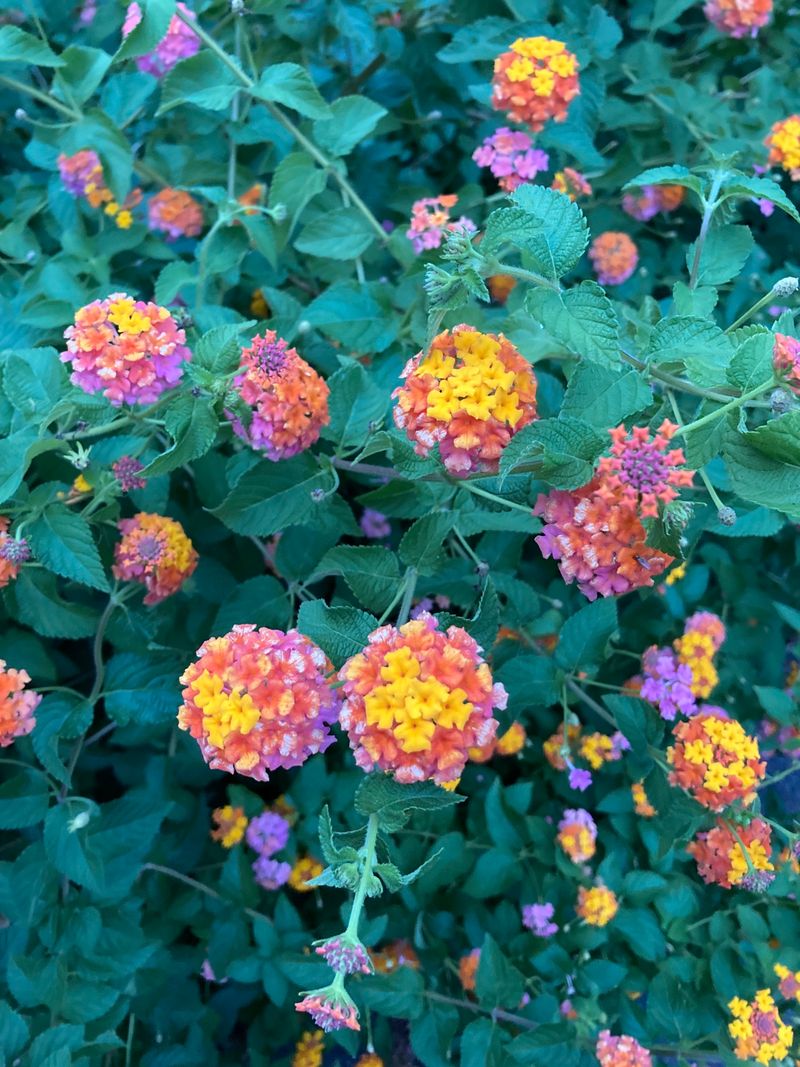
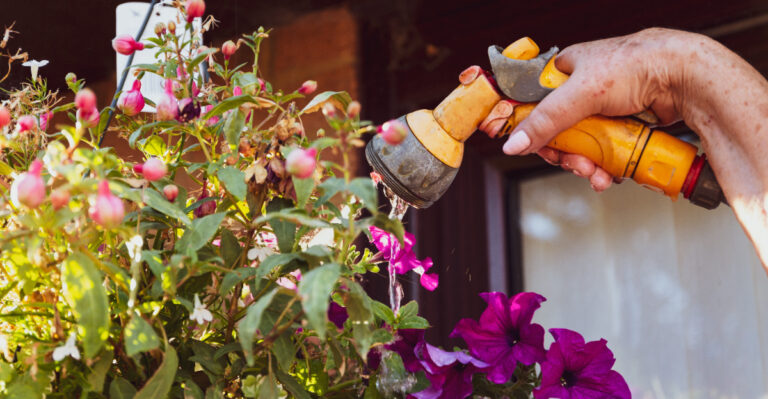
Grab your hose and give lantana a quick sprinkle. That habit feels helpful, but it is quietly working against your plant every single day.
Shallow watering only wets the top inch or two of soil. Roots follow moisture, so they stay near the surface instead of pushing deeper.
Surface roots are fragile roots. Summer heat bakes the top layer of soil fast, leaving those shallow roots exposed to extreme temperatures.
Lantana actually thrives when its roots grow deep into cool, stable soil. Deep soil holds moisture longer and buffers roots from the scorching heat above.
When you water lightly and often, you train the plant to depend on surface moisture. That creates a cycle that is hard to break without intentional change.
Think of it like this: a plant with deep roots has a backup supply. A plant with surface roots runs out of water the moment the sun gets serious.
Gardeners often assume lantana needs frequent watering because summers are brutal. The truth is that frequency matters far less than depth when it comes to this plant.
Changing how deep your water reaches changes everything about how lantana handles summer stress. One small shift in technique makes the roots stronger, tougher, and far more independent.
Stop rewarding shallow growth with constant surface moisture. Push that water deeper, and your lantana will follow it down to where summer heat cannot reach.
Shallow Roots And Summer Heat Are A Bad Combination
Peak summer heat is no joke for any garden plant. Soil surface temperatures can climb past 100 degrees Fahrenheit on a hot summer afternoon.
Shallow roots sit right in that danger zone. They cannot escape the heat the way deep roots can by settling into cooler, moister layers below.
When roots overheat, they struggle to absorb water efficiently. The plant starts to wilt even when you just watered it an hour ago.
Lantana has a reputation for being drought-tolerant, and that reputation is earned. But drought tolerance depends on roots being deep enough to access stored soil moisture.
A plant with surface roots loses that advantage completely. It becomes dependent on the gardener instead of drawing on its own natural reserves.
Heat also speeds up evaporation from shallow soil. The moisture you added at 7 a.m. can disappear within a few hours on a scorching July day.
That rapid loss forces the plant into repeated stress cycles. Each stress cycle weakens the root system a little more and slows flower production noticeably.
The watering habit that works against lantana in summer creates this exact problem. Frequent, shallow watering traps roots in a hot, unstable zone with no escape.
Roots need depth to survive peak heat with confidence. Give them a reason to grow downward, and lantana will handle the harshest summer days without missing a beat.
Your Lantana Is Telling You Something Is Off
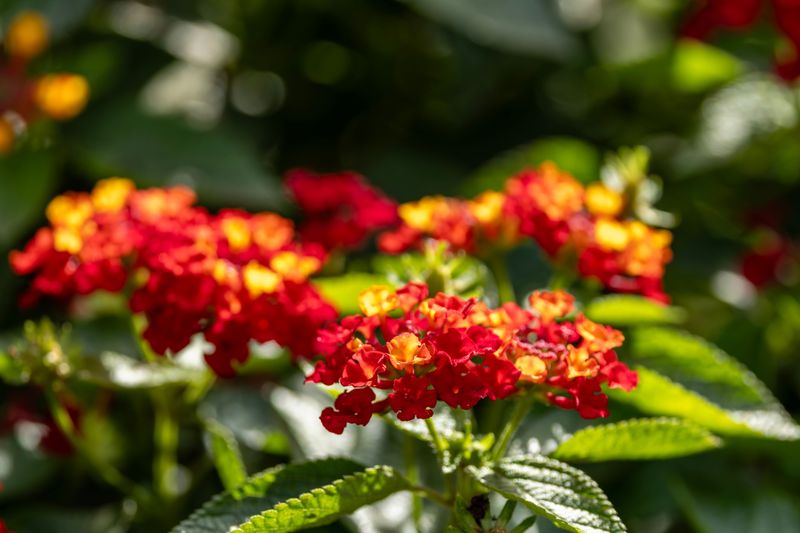
Your lantana is talking to you. Most gardeners just do not know how to listen to what it is saying.
Wilting in the morning is one of the first red flags. Healthy lantana should stand firm early in the day, even before you water it.
Yellowing leaves near the base of the plant are another warning. That yellowing often signals root stress caused by inconsistent moisture reaching shallow zones.
Flower production slowing down mid-summer is a major clue. Lantana blooms generously when it feels secure, but stress shuts that process down fast.
Dry, crusty soil around the base of the plant tells part of the story. If the top inch dries out within hours of watering, your roots are suffering up there.
Sparse, pale blooms instead of vibrant clusters also signal trouble. The plant is redirecting energy away from flowers and toward basic survival tasks.
Stems that look soft or slightly mushy near the soil line can indicate another problem. Overwatering the surface without allowing drainage creates rot conditions right where roots are concentrated.
Check the soil about three inches down after watering. If it feels bone dry at that depth, your water never reached the root zone that actually matters.
These signs are not random bad luck. They are direct feedback from a plant that needs deeper, less frequent watering to truly recover and bloom again.
Less Frequent Watering Gives Lantana Roots Room To Grow
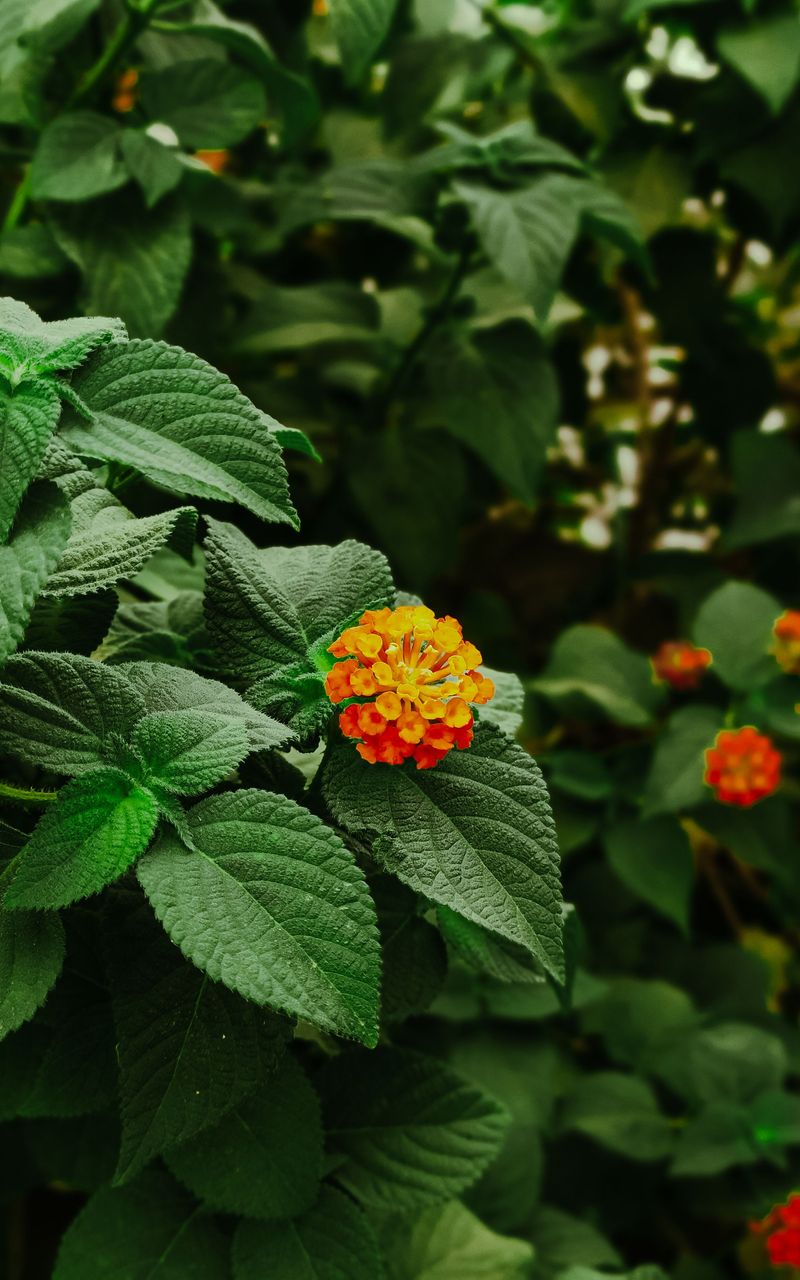
Deep watering sounds complicated, but it is actually simpler than what most people are already doing. Slow down, water less often, and let it soak in properly.
The goal is to wet the soil at least six to eight inches below the surface. That depth is where lantana roots want to be during hot months.
Run your hose at a slow trickle near the base of the plant for several minutes. Fast, forceful water runs off before it can sink deep enough to matter.
Let the water move downward gradually. Gravity does the work when you give it enough time and enough volume to penetrate the soil properly.
After a deep watering session, wait. Do not water again until the top two inches of soil feel dry when you press your finger into it.
That waiting period is not neglect. It is training. Roots sense the moisture level dropping and push deeper to chase the water that remains lower down.
Over several weeks of this routine, the root system shifts dramatically. Roots anchor themselves in cool, stable soil that holds moisture far longer than the surface.
Once lantana roots are established at depth, the plant becomes genuinely low-maintenance. It handles heat waves, dry spells, and hot afternoons without dramatic wilting or stress.
The watering habit that works against lantana in summer is the shallow one. Swap it for deep and infrequent, and your plant will reward you with nonstop blooms.
The Right Time To Water Lantana In Hot Weather
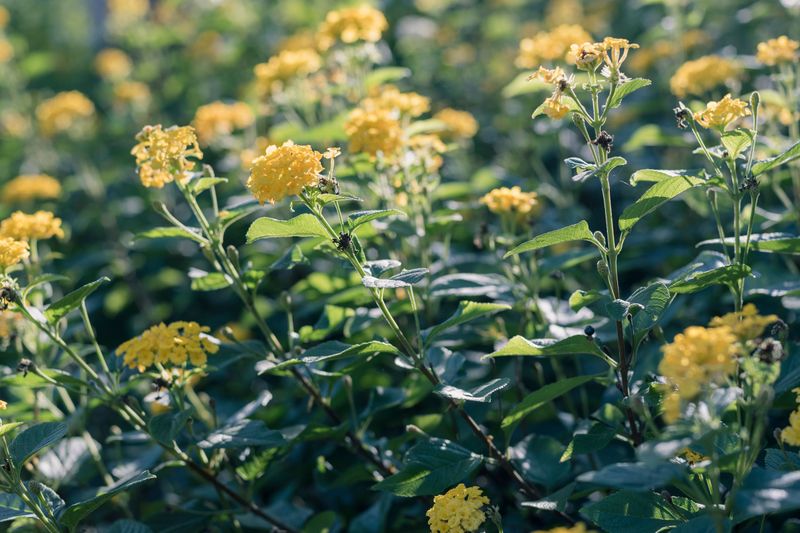
Timing your watering sessions can make or break how effective they are. Even perfect technique falls short if you water at the wrong moment.
Early morning is the gold standard for watering lantana. The soil is cooler, evaporation rates are low, and moisture has time to soak in before heat peaks.
Watering between 6 a.m. and 9 a.m. gives roots the best chance to absorb what you put down. The plant starts the day hydrated and ready for sun.
Midday watering is one of the most common mistakes in summer gardens. Water evaporates quickly from hot soil, and very little of it actually reaches the root zone.
Evening watering can create conditions that work against the plant. Moisture lingering on leaves and soil overnight may encourage fungal issues, which lantana can be susceptible to in the wrong conditions.
Afternoon sessions between 3 p.m. and 6 p.m. are acceptable in a pinch. Temperatures start dropping then, which reduces evaporation compared to the brutal midday hours.
Consistency in timing also matters more than most gardeners realize. Plants build internal rhythms around watering schedules, and disrupting those rhythms adds unnecessary stress.
Pick a morning window and stick with it each time you water. Your lantana will adapt to that schedule and use moisture more efficiently as a result.
Pairing good timing with deep, infrequent watering is the most powerful combination. These two habits together give lantana exactly what it needs to thrive all summer long.
Other Watering Habits That Set Lantana Back In Summer
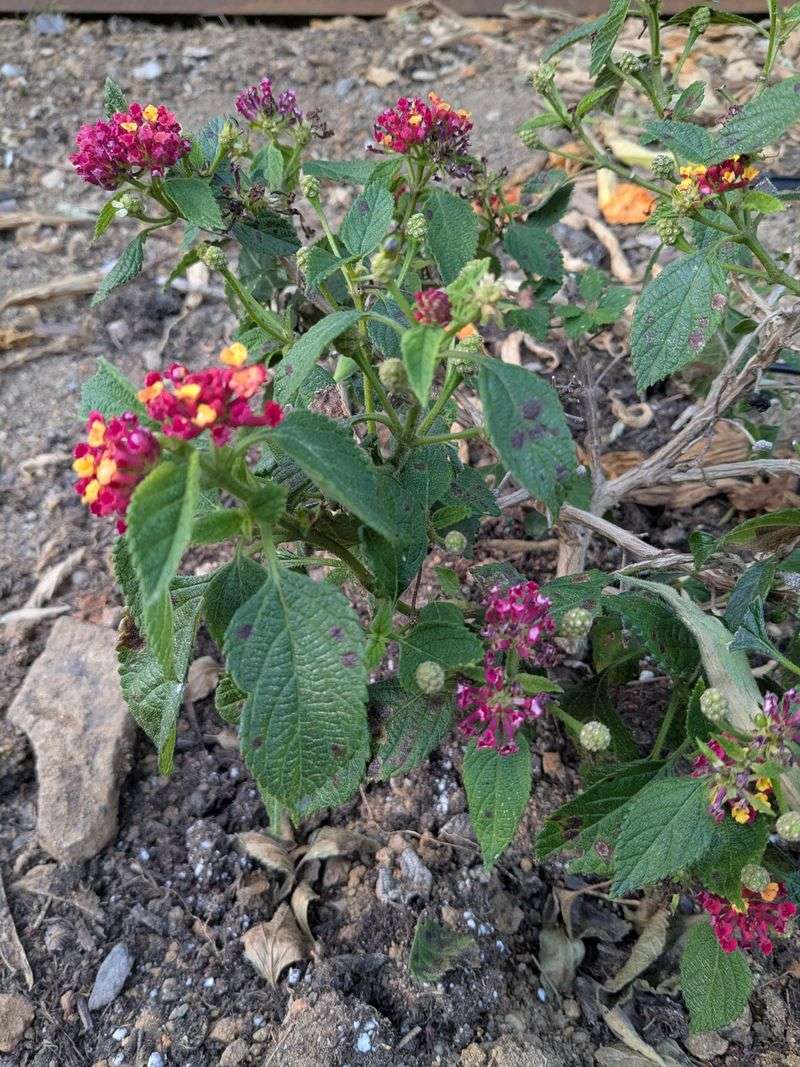
Shallow and poorly timed watering are not the only habits that hurt lantana. A few other common practices quietly damage this plant throughout the season.
Using overhead sprinklers is a big one. Lantana does not like wet foliage, and sprinklers spray leaves, stems, and flowers instead of targeting the root zone.
Wet foliage in hot weather creates the perfect conditions for powdery mildew. That fungal issue spreads fast and weakens the plant from the outside in.
Overwatering is just as harmful as underwatering, and it is surprisingly common with lantana. This plant prefers lean conditions and suffers when roots sit in soggy soil for too long.
Soggy roots cannot breathe properly. Oxygen-starved roots rot slowly, and a rotting root system cannot support healthy growth no matter how much you water.
Watering on a rigid daily schedule ignores what the plant actually needs. Some weeks are hotter and drier, while others bring natural rainfall that makes watering unnecessary.
Always check the soil before adding more water. A quick finger test two inches down tells you more than any calendar or alarm reminder ever could.
Water sitting in a hose left in direct sun can get surprisingly hot. Let it run for a few seconds before directing it toward your plant.
The watering habit that works against lantana in summer comes in many forms. Identifying your specific habit and correcting it is the fastest path to a healthier, more vibrant plant.