Why Lemongrass Thrives In Arizona Heat Better Than Most Patio Plants
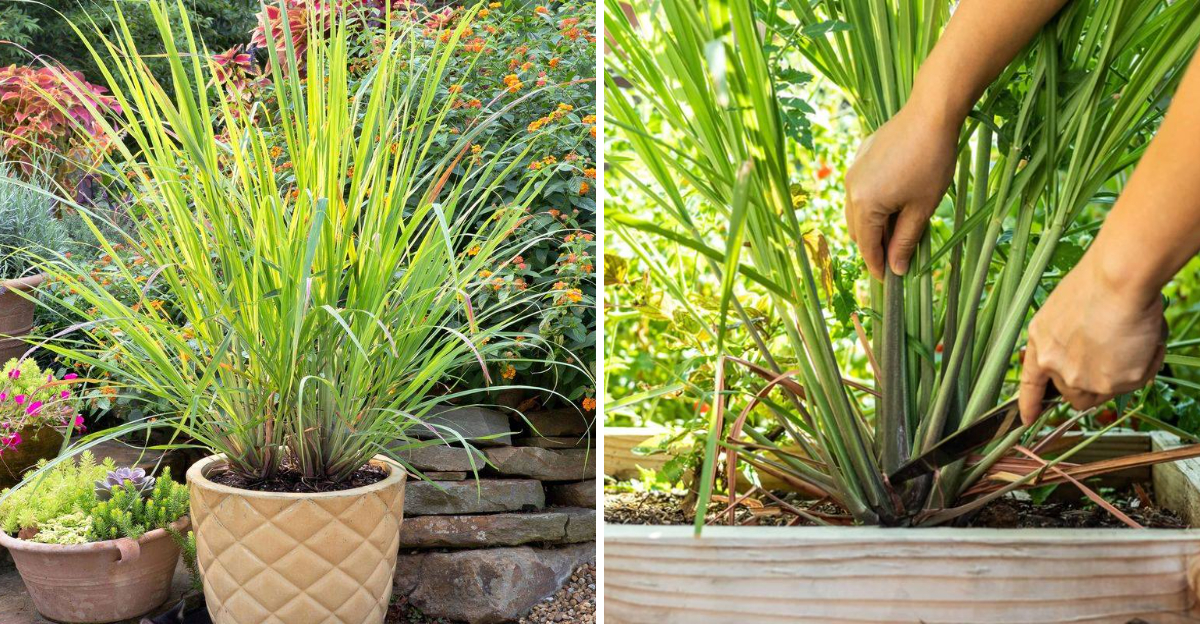
Arizona summers have a way of testing every plant on the patio. Some herbs take one look at triple-digit heat and immediately start looking stressed, crispy, and slightly offended.
Lemongrass, meanwhile, keeps pushing out fresh green growth like it is enjoying the challenge. That is part of what makes it such a fun plant to grow in Arizona.
While smaller herbs can struggle through long stretches of heat, lemongrass brings bold texture, bright color, and a fresh citrusy scent that somehow makes a hot patio feel a little more inviting.
Brush past it once and suddenly your whole container garden smells amazing.
It also looks surprisingly good in desert-style spaces. The tall grassy foliage softens gravel landscapes, raised planters, and sunny courtyards without feeling out of place.
Plus, harvesting stalks for cooking gives the plant extra bragging rights in the backyard.
1. Lemongrass Loves Warm Spring Planting
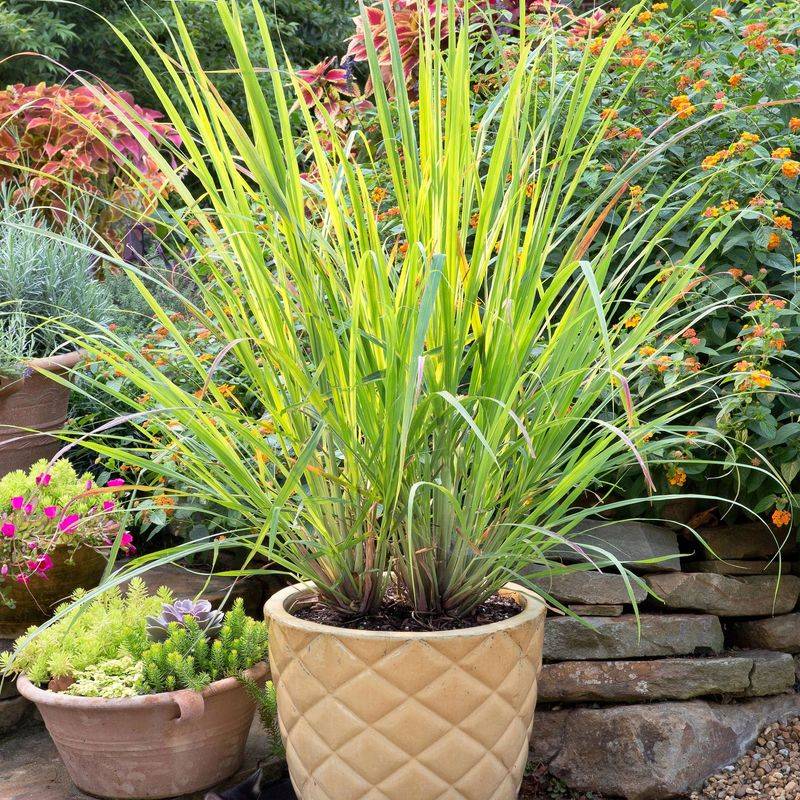
Warm soil is one of the most important factors in getting lemongrass off to a strong start, and Arizona spring delivers exactly that.
While many regions are still dealing with cool nights in March or April, Arizona soil warms up quickly and stays that way, giving lemongrass the conditions it genuinely prefers.
Planting in late March through early May in Arizona means roots settle into soil that already holds heat, which encourages faster establishment compared to cooler climates.
Lemongrass is a tropical grass by nature, originating from warm regions of Southeast Asia where soil temperatures rarely drop.
That background makes it well-suited to the Arizona spring, where daytime temperatures climb steadily and nights stay mild.
Container gardeners in Arizona can start even earlier by placing pots in south-facing spots that absorb morning sun and hold warmth through the evening.
Getting lemongrass into the ground or a container during the warm spring window gives it several weeks to develop roots before the intense Arizona summer heat arrives. A well-rooted plant handles summer stress much better than one planted late.
Spring planting in Arizona is not just convenient – it is genuinely the most productive timing for this heat-loving herb.
2. Full Sun Helps Lemongrass Grow Strong
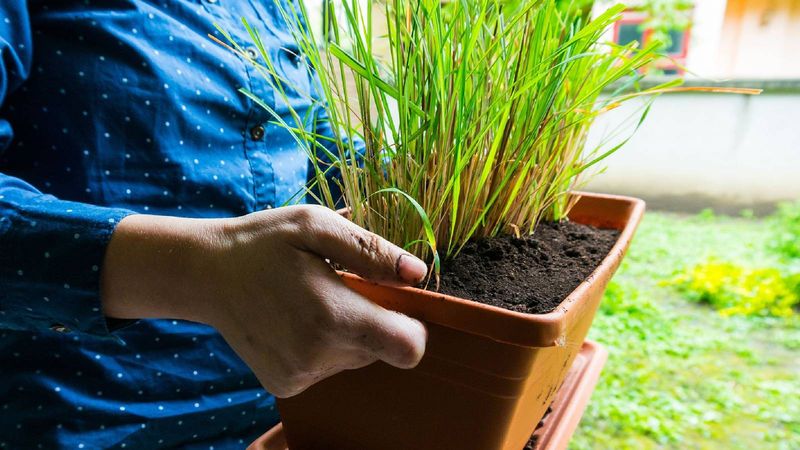
Blazing afternoon sun that sends most herbs scrambling for shade is exactly where lemongrass feels most at home.
On an Arizona patio, where reflected heat from walls and concrete can push temperatures even higher than the air temperature, lemongrass tends to respond with dense, upright growth rather than wilting.
Most culinary herbs like basil or cilantro lose their energy quickly in that kind of direct exposure, but lemongrass leans into it.
Six to eight hours of direct sun each day supports the strongest growth, and in Arizona that is rarely hard to achieve.
Patios that face south or west often receive even more than that, and lemongrass generally handles the extra light without much trouble as long as moisture levels stay consistent.
The leaves may develop a slightly deeper green when given full sun compared to shadier conditions.
Placing containers in the sunniest corners of an Arizona patio is a smart move for lemongrass.
Your Arizona Garden Changes Every Week. Your Plan Should Too.
Gardening in Arizona changes quickly throughout the season. Every Friday you’ll receive a simple weekly plan showing exactly what to plant, prune, fertilize, harvest, and protect so you never miss the right timing.
Raised planters along south-facing walls capture full sun from morning through late afternoon, which supports the kind of thick, layered growth that makes lemongrass useful both as a harvest herb and as a visual accent.
Sun is genuinely one of its strongest advantages in Arizona gardens.
3. Moist Soil Supports Fast Summer Growth
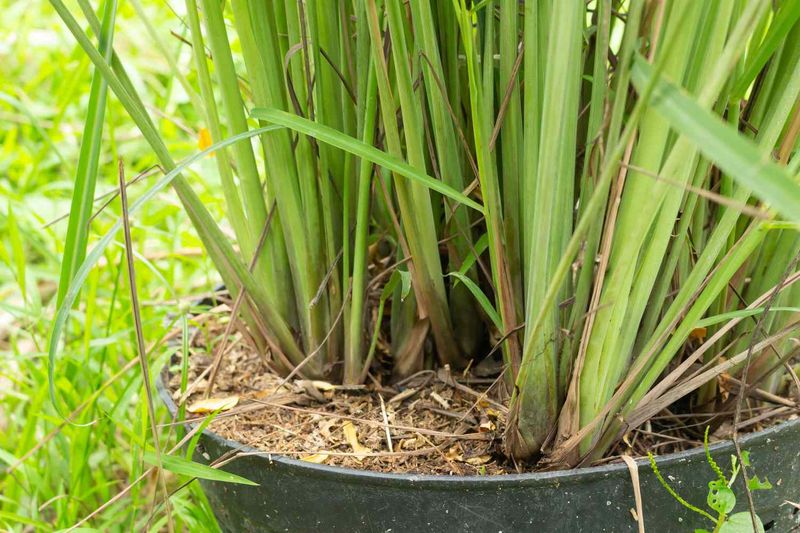
Summer in Arizona can dry out a container faster than most gardeners expect. Lemongrass thrives in heat, but it still needs consistent moisture to maintain its rapid summer growth rate.
Unlike drought-tolerant desert plants, lemongrass is a tropical grass that draws heavily on soil moisture to fuel the new shoots and expanding clumps that appear throughout the warm season.
In Arizona containers, daily watering during July and August is often necessary, especially for pots sitting in direct sun or exposed to warm desert winds.
The top inch or two of soil can dry out within hours on a hot afternoon, and lemongrass roots need moisture deeper in the container to stay active.
Checking soil moisture in the morning and again in the evening during peak summer is a practical habit for Arizona patio gardeners.
Raised planters and in-ground herb beds retain moisture a bit longer than small containers, but they still benefit from regular irrigation in the Arizona summer.
Mulching the soil surface with wood chips or straw can slow evaporation and reduce how often watering is needed.
Consistent moisture paired with Arizona heat creates the conditions where lemongrass grows fastest and produces the most fragrant, harvestable stalks throughout the season.
4. Good Drainage Keeps Roots Healthier
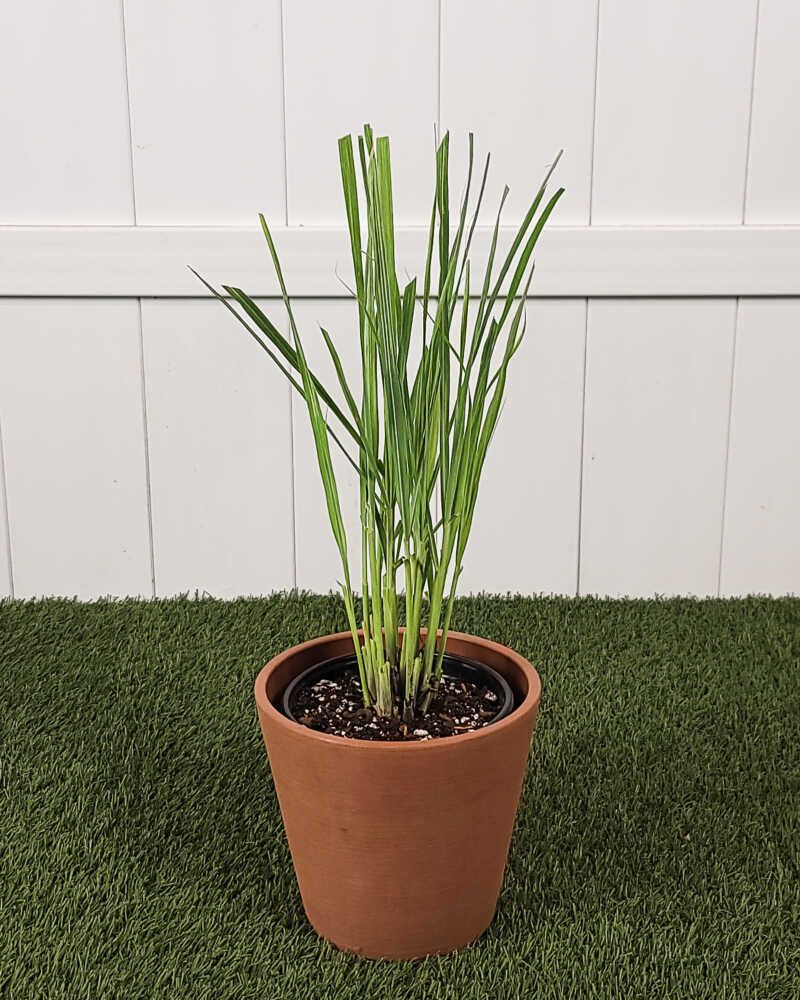
Roots sitting in waterlogged soil will struggle no matter how heat-tolerant a plant is, and lemongrass is no exception. While it needs consistent moisture, it also demands soil that drains freely between waterings.
In Arizona containers, that balance is easier to achieve than it might seem, especially when using a quality potting mix that includes perlite or coarse sand to keep the soil loose and aerated.
One common mistake Arizona patio gardeners make is using dense garden soil in containers.
That type of soil compacts over time and holds too much moisture around the roots, which can lead to poor growth and root problems during the humid stretches of monsoon season.
A well-draining potting mix specifically designed for containers gives lemongrass roots the air pockets they need between watering cycles.
Containers with multiple drainage holes at the base are worth prioritizing. Elevating pots slightly on pot feet or bricks also helps water escape freely rather than pooling beneath the container.
In raised planters, mixing compost with coarse material improves drainage while still holding enough nutrients for steady growth.
Good drainage is one of the quieter factors behind healthy lemongrass in Arizona, but it makes a real difference across the growing season.
5. Containers Make Heat Management Easier
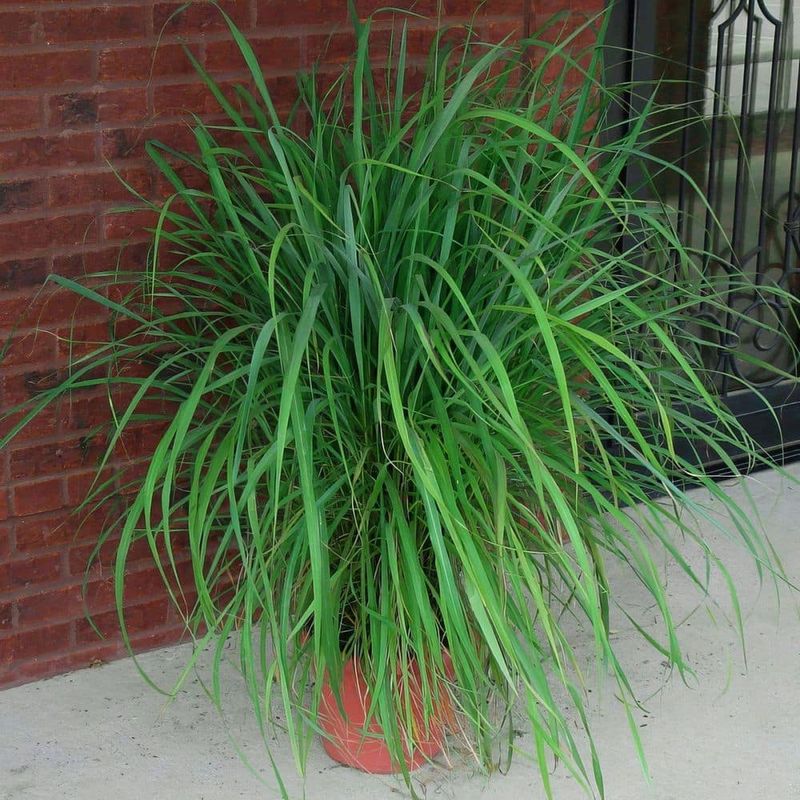
Growing lemongrass in containers on an Arizona patio offers a level of flexibility that in-ground planting simply cannot match.
When afternoon temperatures become extreme, containers can be shifted to a spot that receives some afternoon shade without uprooting the plant.
That kind of easy repositioning is especially valuable during Arizona’s hottest weeks in June and early July, before the monsoon moisture arrives to soften the heat.
Containers also allow Arizona gardeners to control the soil environment more precisely. Choosing the right potting mix, adjusting drainage, and monitoring moisture levels is simpler in a container than in a large garden bed.
Large pots in the 15 to 20 gallon range give lemongrass enough room to develop a substantial clump while still remaining movable with a bit of effort.
Dark-colored containers absorb more heat from the Arizona sun, which can warm the root zone more than the plant prefers during peak summer.
Lighter-colored or glazed ceramic containers reflect some of that heat and keep root temperatures more moderate.
Wrapping dark pots in burlap or placing them inside a slightly larger decorative container can also reduce root zone heat. These small adjustments make a noticeable difference in how well lemongrass performs across the long Arizona summer.
6. Tall Grassy Foliage Adds Patio Privacy
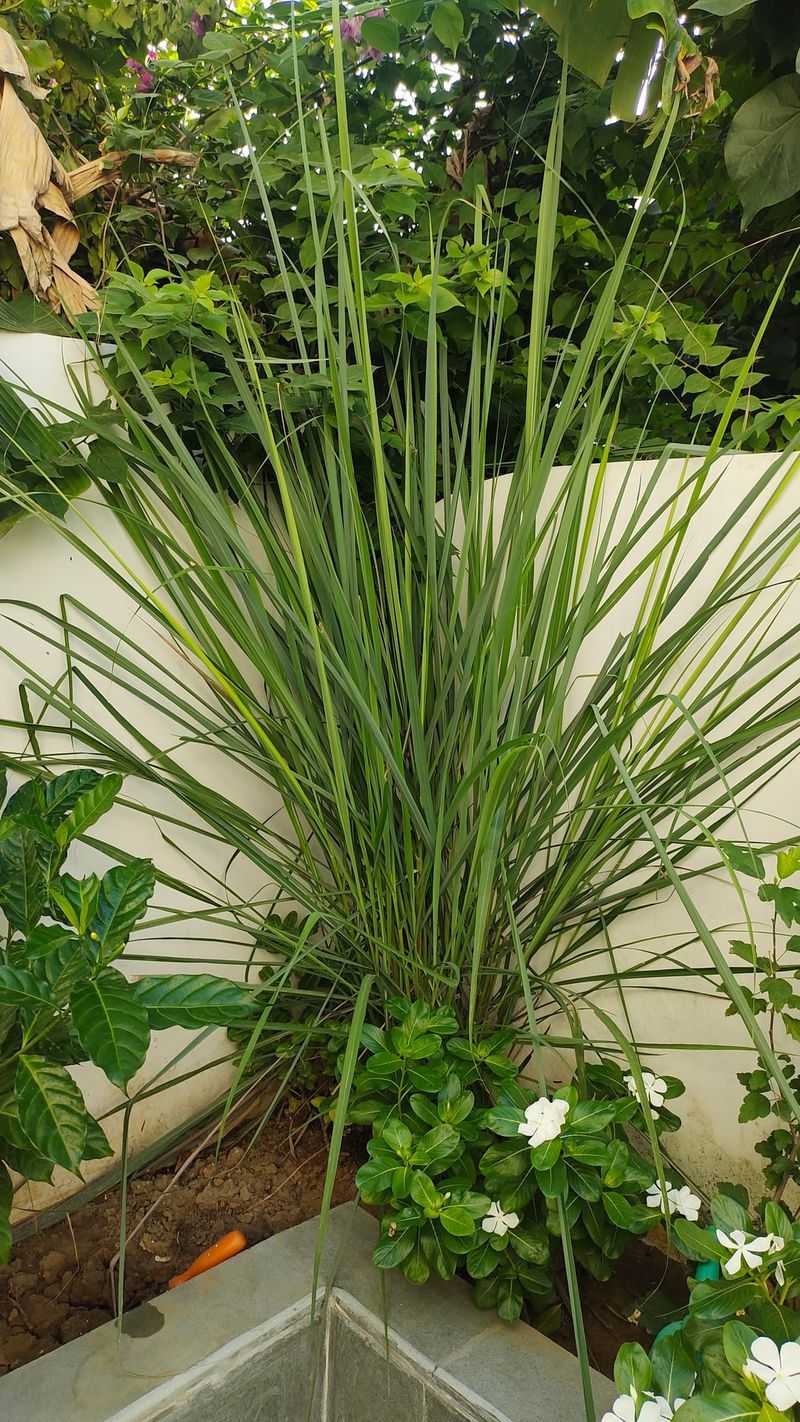
Few patio plants grow as tall and as fast as lemongrass during an Arizona summer. Mature clumps can reach four to five feet in height, and the wide, arching blades fan out to create a dense, grassy wall of foliage.
That kind of growth makes lemongrass genuinely useful as a natural screen along patio edges, fence lines, or open courtyard borders where privacy from neighboring yards or busy streets is welcome.
Unlike ornamental grasses that may look similar but offer nothing beyond appearance, lemongrass brings fragrance and harvest value to the same space.
Brushing past the leaves releases a bright citrus scent that many Arizona homeowners find refreshing on warm evenings.
That combination of function and visual appeal makes it a strong candidate for any patio corner that could use both height and purpose.
Placing several large containers of lemongrass in a row along a patio railing or open side yard creates a layered, tropical-looking border that feels lush even in a dry Arizona setting.
The foliage softens hard surfaces like concrete walls and block fencing, which are common in Arizona residential spaces.
For patios that lack shade structure or natural windbreaks, a row of lemongrass adds a sense of enclosure without requiring permanent construction.
7. Regular Harvesting Keeps Growth Productive
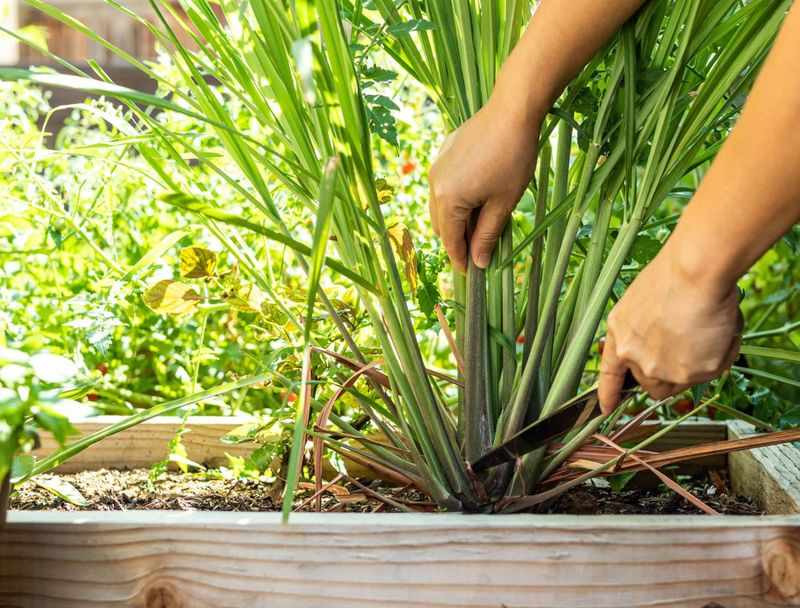
Harvesting lemongrass regularly is one of the best ways to keep the plant producing strong new growth throughout the Arizona warm season.
When outer stalks are removed from the base of the clump, the plant responds by pushing up fresh shoots from the center.
That cycle of harvest and regrowth continues from late spring through early fall in Arizona, giving gardeners a steady supply of fragrant stalks for cooking, teas, and other uses.
The outer stalks are generally the most mature and the most ready to harvest, while the pale, tender inner stalks are still developing.
Cutting or twisting stalks near the base rather than trimming the tops preserves the plant’s energy and keeps the clump shaped well.
Leaving at least half of the growth intact during each harvest gives the plant enough foliage to continue photosynthesizing and fueling new shoots.
In Arizona’s long growing season, a healthy lemongrass clump can be harvested multiple times between spring and fall. Some gardeners harvest lightly every few weeks, while others wait for the clump to fill out before taking a larger cutting.
Either approach works as long as the plant stays well-watered and is not stripped too aggressively at once. Consistent harvesting also prevents the clump from becoming too dense and crowded at the center.
8. Cold Sensitivity Makes Warm Arizona Weather Useful
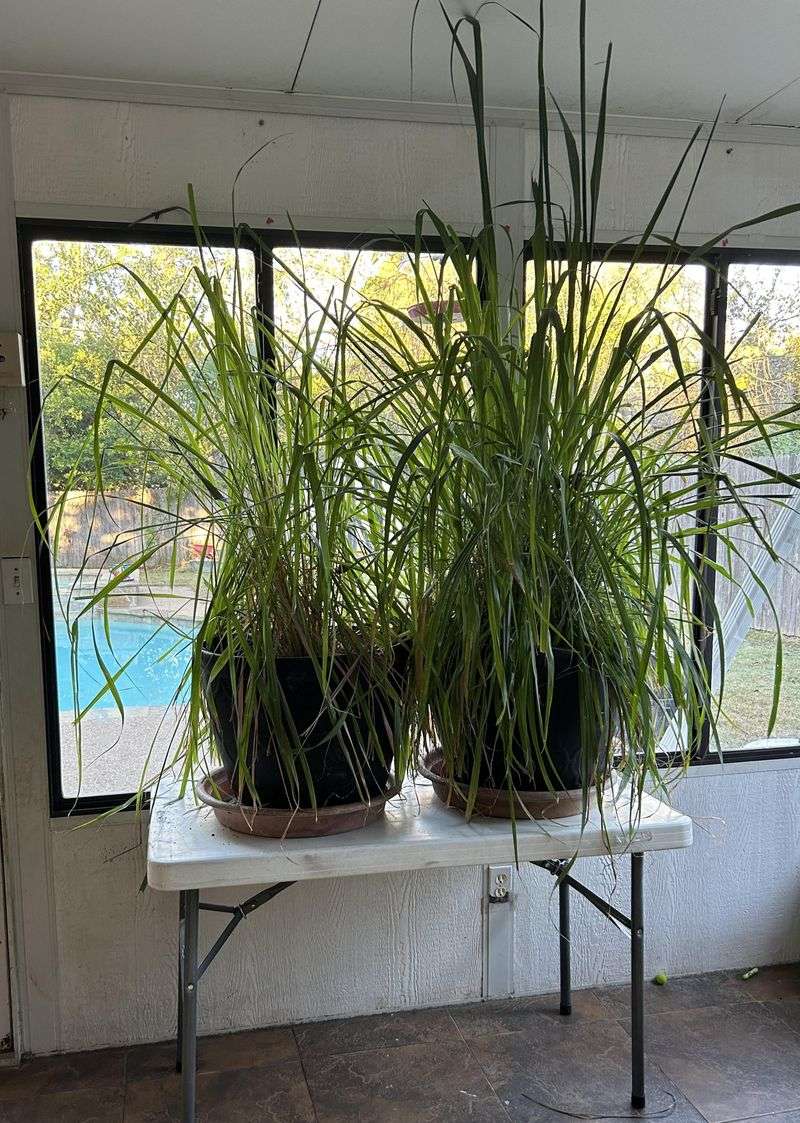
Lemongrass originates from tropical climates where cold temperatures are rarely a concern, and that background shapes how it performs in different regions.
In many parts of the country, growers must bring lemongrass indoors each fall to protect it from frost.
In much of Arizona, however, winters are mild enough that lemongrass can stay outside through much of the cooler season, especially in low-elevation areas like the Phoenix metro and Tucson’s warmer neighborhoods.
Temperatures below about 32 degrees Fahrenheit can damage lemongrass foliage, and extended freezes can harm the root zone.
However, Arizona’s low-elevation valleys rarely experience prolonged freezing conditions, making it possible to overwinter lemongrass outdoors with some basic protection during the coldest nights.
Moving containers to a covered patio, garage, or south-facing wall on nights when temperatures are expected to drop can be enough to carry the plant through winter.
That cold sensitivity, which would be a serious drawback in northern climates, becomes almost a non-issue in most of Arizona.
Gardeners in Tucson, Phoenix, Mesa, and similar areas can treat lemongrass more like a semi-permanent fixture in their patio garden rather than a seasonal annual.
That extended growing window gives Arizona gardeners more harvests and more time to enjoy the plant’s fragrance and texture throughout the year.
9. Spring Planting Helps Roots Settle Before Summer
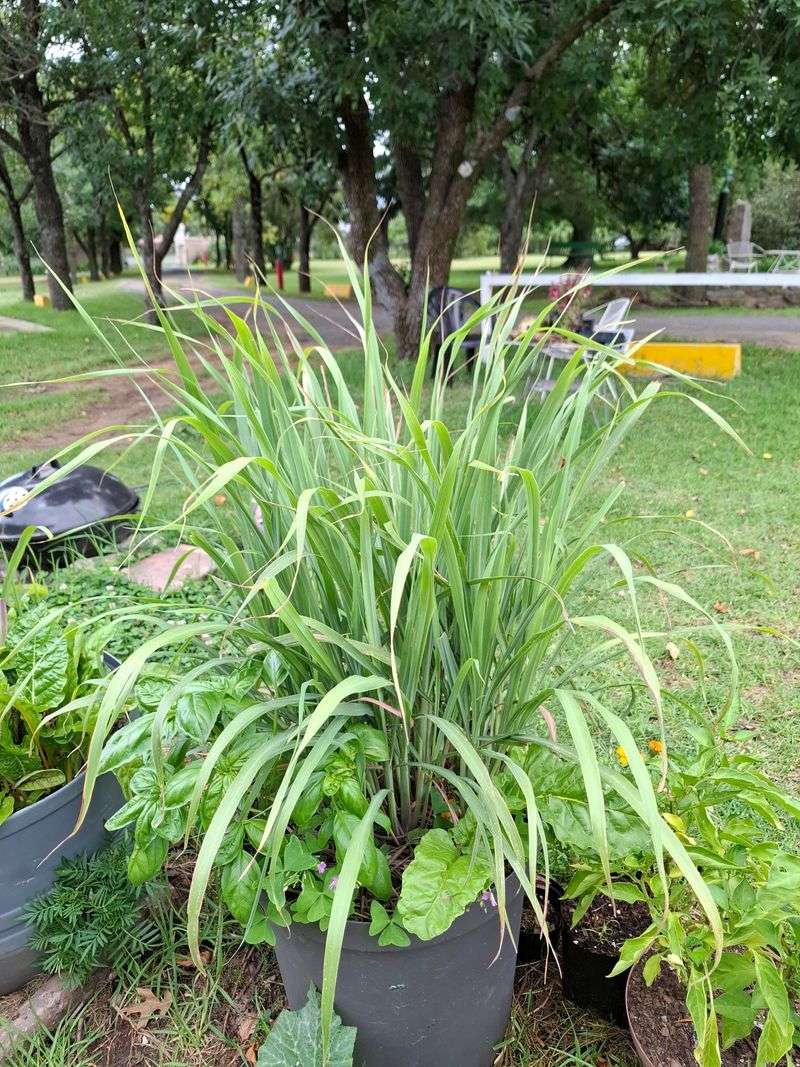
Planting lemongrass a few weeks before the peak of Arizona summer heat gives the root system time to spread out and anchor into the soil before stress levels climb.
A plant that goes into a container or garden bed in late March or April has roughly six to eight weeks of warm but manageable temperatures to establish itself.
That establishment window makes a meaningful difference in how confidently the plant handles intense July heat.
Newly planted lemongrass needs more frequent watering than an established clump because the roots have not yet spread far enough to draw moisture from a wide area of soil.
During those first few weeks in an Arizona spring, checking soil moisture daily and watering when the top inch feels dry helps the plant build a healthy root network.
Once roots settle in, the plant becomes notably more resilient to the heat and dry air that define Arizona summer.
Nursery transplants tend to establish faster than divisions from a friend’s garden, simply because they arrive in a contained root ball that transitions easily into a new container.
Either source works well in Arizona as long as planting happens during the warm spring window.
Waiting until summer to plant means the roots are racing to catch up while the heat is already at its most demanding, which creates extra stress early on.