The Watering Mistake Ohio Gardeners Make With Lantana In Containers
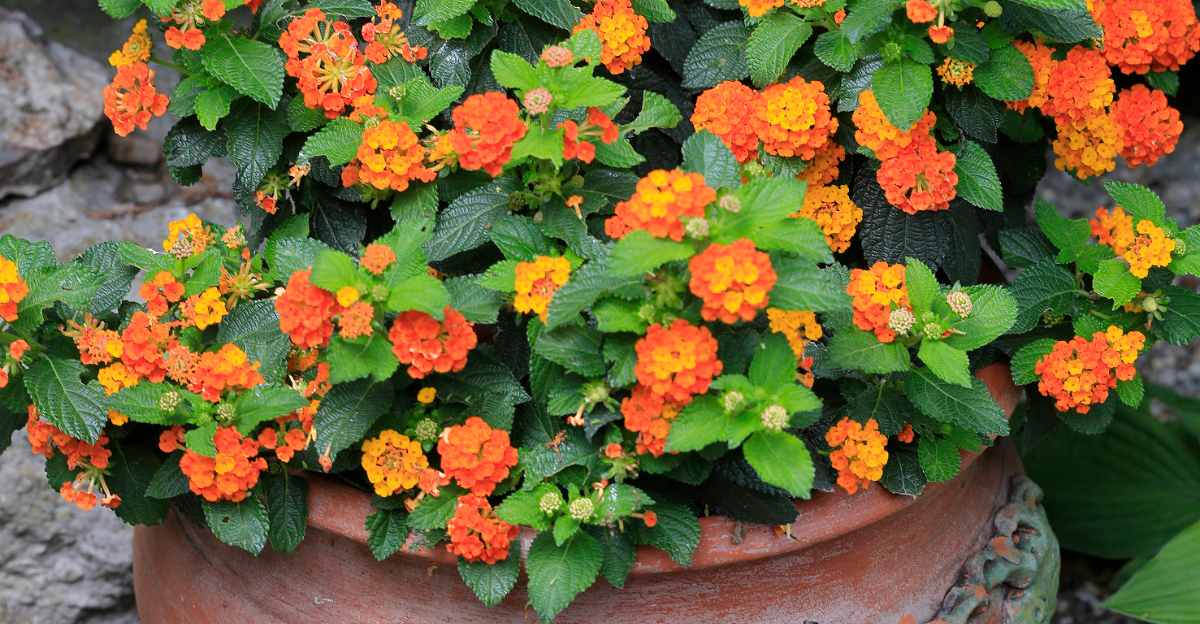
Lantana has a reputation for toughness, and in the ground it mostly earns that reputation. Stick it in a container though, and the rules change in ways that catch a lot of Ohio gardeners off guard.
What works in a garden bed can quietly work against you the moment lantana goes into a pot. Watering is where most container lantana problems start.
Not because Ohio gardeners are careless, but because the instinct that works for most container plants is exactly the wrong instinct for this one. The signs of trouble are easy to misread too.
Yellowing leaves, poor blooming, a plant that looks stressed despite regular attention. Most people assume the plant needs more water.
That assumption tends to make things worse before it makes them better. Container lantana has specific needs that differ from what most gardening advice covers.
Getting the watering right is the thing that changes everything.
1. Stop Watering Lantana Pots On A Fixed Schedule
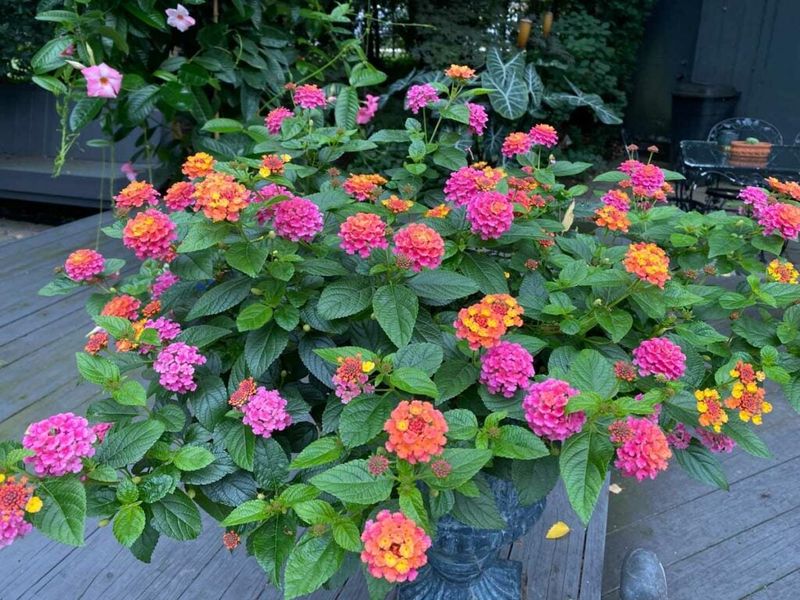
A sunny patio can dry one pot fast while the one sitting right beside it still feels damp. That difference matters a lot when you are growing lantana in containers.
The biggest watering mistake home gardeners make is following a fixed schedule instead of checking the soil first.
Watering every morning simply because it is morning sounds responsible, but it can cause real problems. Some days the potting mix still holds plenty of moisture from the day before.
Other days, a stretch of heat and wind can pull the moisture out of a container much faster than expected.
Container conditions change constantly. Pot size, plant size, sun exposure, wind, and air temperature all affect how quickly the mix dries.
A small black pot on a west-facing driveway can dry out in a single afternoon during a heat wave. A large planter tucked against a shaded wall may stay moist for two or three days.
Responding to what the potting mix actually feels like, rather than what the calendar says, is the most reliable way to keep lantana healthy all season. Before reaching for the hose, take ten seconds to press your finger into the mix and see what is really going on.
2. Check The Top Two Inches Before You Water
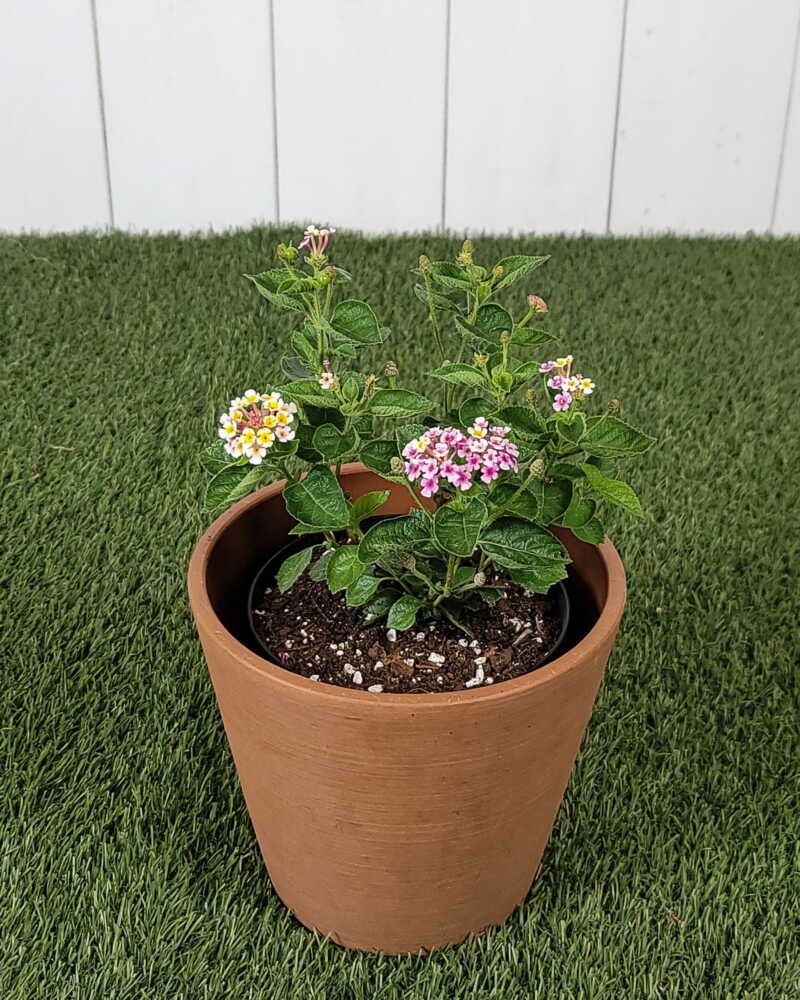
Pressing your finger about an inch or two into the potting mix is one of the simplest and most reliable habits a container gardener can build. If the mix feels damp at that depth, the roots still have what they need.
If it feels dry, that is the signal to water.
This check takes only a few seconds, but it gives you real information instead of a guess. Many gardeners are surprised to find that the surface of the potting mix can look dry while the mix an inch below still holds moisture.
Watering based on appearance alone often leads to giving the plant more water than it needs.
For beginners, this process feels straightforward once you try it a couple of times. You do not need any tools or gadgets.
Your Ohio Garden Changes Every Week. Your Plan Should Too.
Gardening in Ohio changes quickly throughout the season. Every Friday you’ll receive a simple weekly plan showing exactly what to plant, prune, fertilize, harvest, and protect so you never miss the right timing.
Your finger works perfectly well. Some Ohio gardeners also use a wooden chopstick or a pencil, pressing it into the mix and checking whether it comes out with damp soil clinging to it.
Checking before watering protects your lantana from the two most common container problems. Those are soil that stays too wet and soil that dries out completely without anyone noticing.
Both situations affect flowering and overall plant performance during the growing season.
3. Let Drainage Do More Than The Watering Can
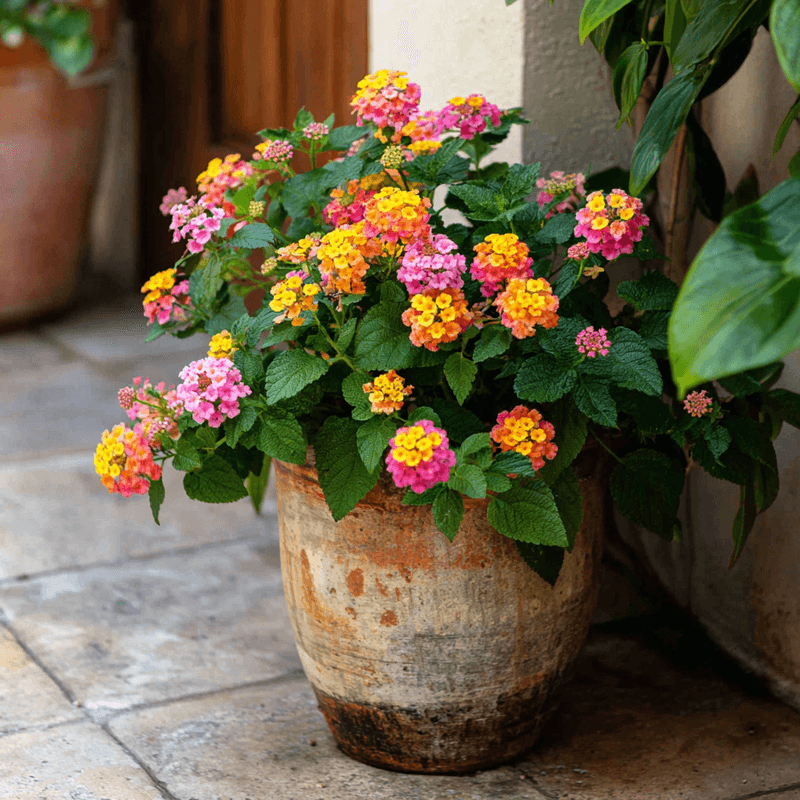
Good drainage is not just a bonus feature for a lantana container in Ohio. It is a requirement.
Without drainage holes that actually work, even careful watering habits cannot protect the roots from staying too wet.
Decorative cachepots, which are the outer pots that hold a planted container, are a common cause of hidden drainage problems. Water drains out of the inner pot and then collects at the bottom of the cachepot with nowhere to go.
From the outside, everything looks fine. Below the surface, the roots are sitting in pooled water.
Blocked drainage holes are another issue worth checking. Compacted potting mix, roots growing through the holes, or debris sitting at the base of the pot can all slow or stop drainage.
Lifting the pot and looking at the holes occasionally takes almost no time and can prevent a slow-building problem.
The potting mix itself also plays a role. A mix that holds too much moisture and does not allow excess water to move through freely keeps the root zone wetter than lantana prefers.
A quality container mix with good structure lets water pass through while still holding enough moisture to support the plant between waterings. Drainage and soil quality work together, not separately.
4. Avoid Soggy Soil That Cuts Down Blooms
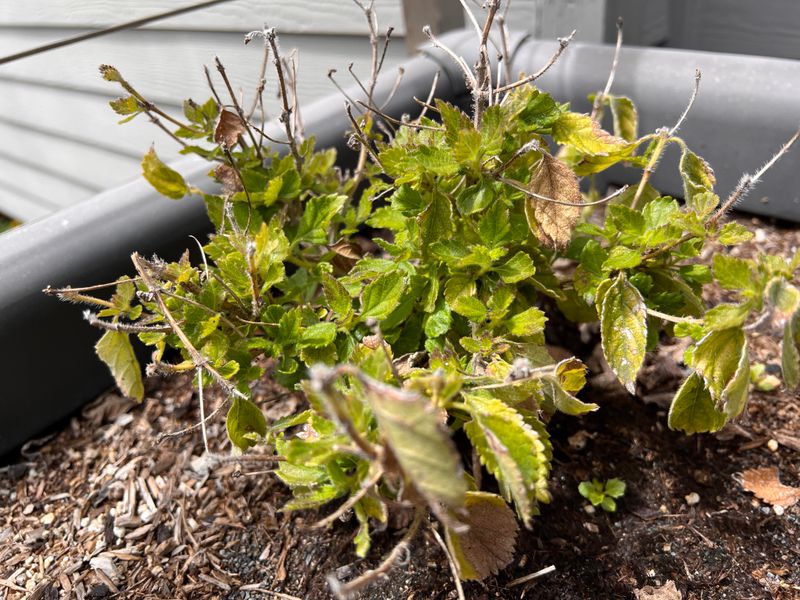
More water does not automatically mean more flowers. With lantana, the opposite is often true.
Consistently wet potting mix tends to push the plant toward weak, leafy growth rather than the dense flower clusters most gardeners are hoping for.
Lantana is a plant that comes from warm, somewhat dry environments. It has adapted to handle heat and periods without much rainfall.
In a container, those natural tendencies still matter. Keeping the roots surrounded by soggy potting mix works against the plant’s strengths rather than supporting them.
Overwatered lantana often shows its stress through reduced blooming rather than through dramatic wilting or visible damage. The plant may look green and alive while quietly underperforming.
Gardeners sometimes respond by fertilizing more, changing the location, or worrying about pests, when the real issue is simply too much water sitting around the roots.
Correcting soggy soil starts with checking drainage and adjusting watering frequency. If the mix feels wet every time you check it, and you have been watering on a regular schedule, cutting back the frequency is usually the right move.
Letting the upper potting mix dry between waterings gives lantana the conditions it actually grows well in. Blooming tends to improve once those conditions are restored.
5. Water Deeply When The Potting Mix Dries
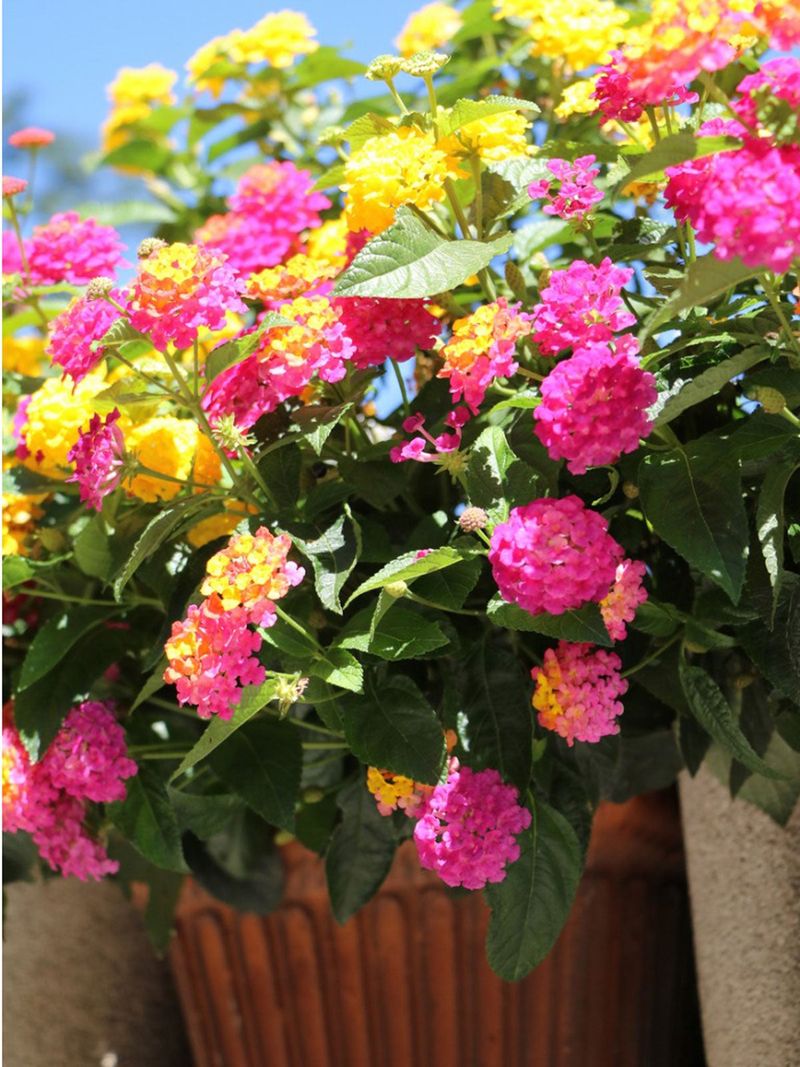
Once the upper potting mix has dried out to about an inch or two deep, watering thoroughly makes a real difference. The goal is to move moisture all the way down through the root zone, not just wet the surface and call it done.
A common habit that causes problems is giving containers a small splash of water each day. This approach keeps the very top of the potting mix slightly moist while the lower portion, where most of the roots are working, stays dry.
The plant looks like it is being watered, but the roots are not actually getting what they need.
Deep watering means applying enough water that you see it begin to drain from the holes at the bottom of the pot. That is the sign that moisture has moved through the entire root zone.
After that, you wait. You let the upper mix dry again before repeating the process.
This pattern, deep watering followed by a drying period, suits lantana much better than constant light watering. It encourages roots to grow downward through the pot.
That makes the plant more stable and better able to handle the heat spells that are common during summer in this state. Patience between waterings is part of good container care.
6. Give Hot Containers A Daily Soil Check
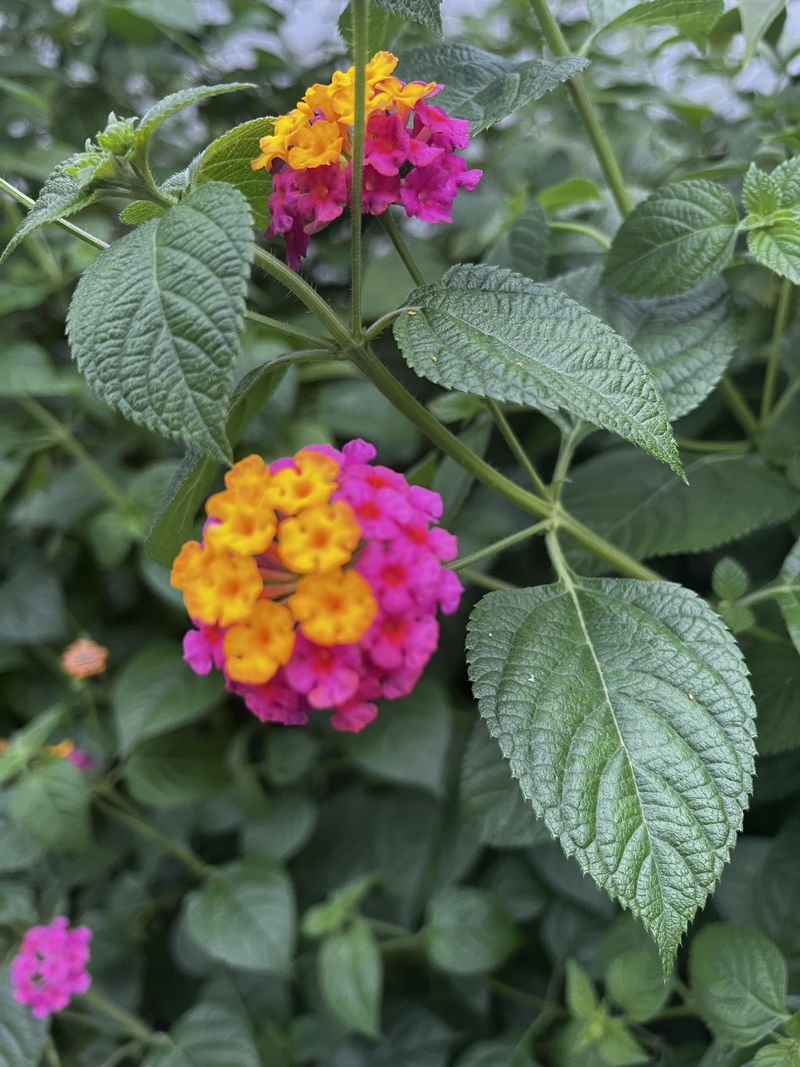
During a stretch of hot, dry, windy weather, container soil can behave very differently than it does during a mild week.
On the hottest days of summer, a pot sitting on a concrete driveway or a south-facing porch can lose moisture much faster than you might expect.
Checking soil daily during heat spells is a smart habit, but it is worth repeating that checking and watering are not the same thing. The check is just information gathering.
Sometimes the mix still feels moist even after a hot day, and watering would only add more water to soil that does not need it yet.
Dark-colored pots absorb more heat from the sun than light-colored ones, which can speed up moisture loss from the root zone. Containers placed directly on hot pavement also heat up from below.
Both of these situations can make a pot dry faster than a similar container sitting on a shaded wooden deck.
Keeping an eye on weather forecasts during summer helps too. If several hot and windy days are coming, daily checks become especially useful.
If cooler and cloudy weather is on the way, the same pot may hold moisture much longer than it did the week before. Adjusting your attention to match the weather keeps lantana in better shape all season.
7. Keep Saucers From Holding Standing Water
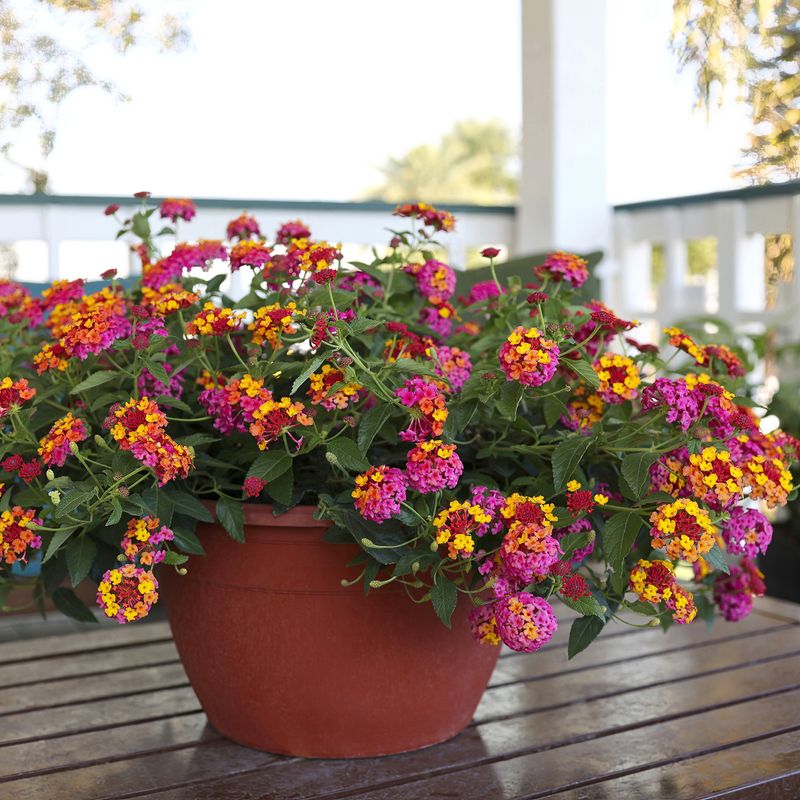
Saucers serve a useful purpose on patios and porches by protecting surfaces from water stains and drips. The problem shows up when water collects in the saucer and stays there, keeping the base of the pot sitting in moisture for hours or even days after watering.
When the drainage holes at the bottom of a pot are surrounded by standing water, that water can actually be drawn back up into the potting mix through capillary action. This works against the drainage system that is supposed to protect the roots.
The pot drains, but then slowly reabsorbs moisture from below.
Emptying saucers after watering, and after heavy rain, solves the problem quickly. It takes only a moment and makes a noticeable difference over the course of a season.
Tilting the saucer slightly or using a turkey baster to remove pooled water are both practical options when the container is too heavy to lift easily.
This issue comes up more often near covered porches and patios where rainwater drips off a roof edge and lands directly in the saucer. Gardeners sometimes water carefully all week and then unknowingly undo that effort after one rainstorm.
Checking the saucer after any significant rainfall is a habit worth building into your regular container care routine.
8. Match Watering To Pot Size And Weather
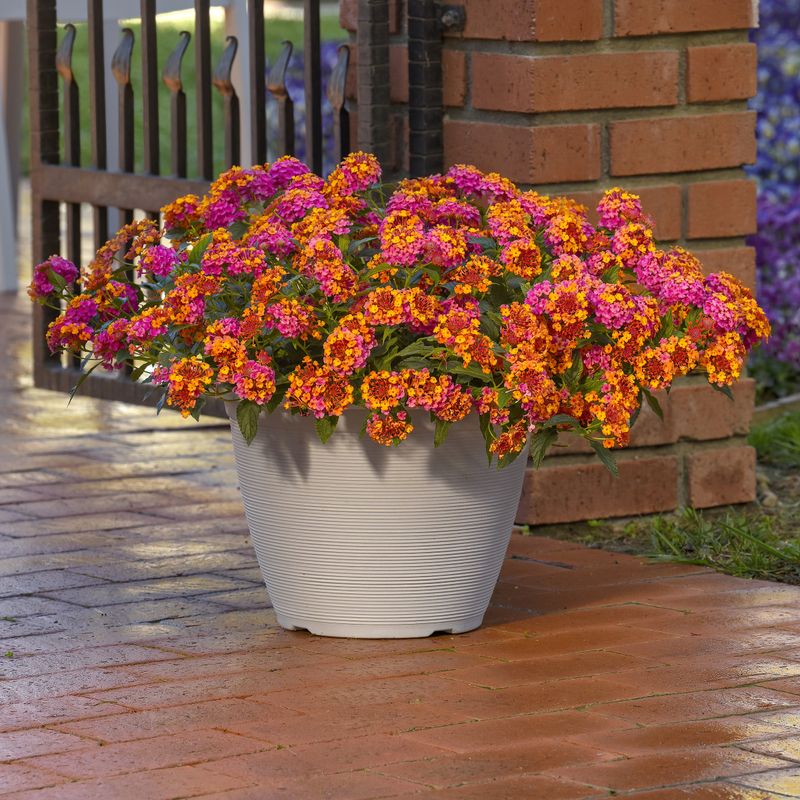
A lantana growing in a small hanging basket and one growing in a large ceramic planter are not going to need water on the same schedule. That is true even if they are sitting in the same spot.
Pot size is one of the biggest factors that determines how quickly the potting mix dries out.
Small containers hold less potting mix, which means less total moisture and faster drying. During a hot and breezy week, a six-inch pot can dry out completely within a day.
A twelve-inch or larger planter holds more mix and tends to stay moist longer between waterings, though it still needs regular checking.
Wind pulls moisture from containers faster than many gardeners realize. A spot that feels calm in the morning can get steady afternoon breezes that quietly draw moisture out of the mix over several hours.
Porches and elevated decks are often windier than ground-level garden beds, which affects how quickly containers dry.
Adjusting your watering habits to match the actual pot, plant, and weather conditions is the core idea behind all of this advice. Rigid routines are convenient, but they do not account for the real variation in container conditions across a season.
Responding to what the soil tells you leads to healthier lantana. Following the soil rather than a fixed plan also supports more consistent blooming from late spring through the first cool nights of fall.