Natural Ways To Repel Ticks From Your Florida Yard That Actually Work
Florida yards can feel like paradise, until the tall grass, damp leaves, and shady fence lines start acting like tiny tick hotels.
Cute, right?
Not exactly. Florida’s warm, humid weather gives ticks plenty of chances to stay active through the year, so yard care matters more than many homeowners realize.
The good news is that you do not need to rely on magical herb patches or mystery sprays with big promises. The smartest natural strategy is plain old habitat management, which sounds boring until it saves your ankles.
Mowed paths, cleaner patio edges, sunnier corners, and fewer brushy hiding spots can all make your yard less inviting for ticks and the small animals that help move them around.
A few practical changes can make outdoor time feel much more comfortable.
1. Keep Grass Mowed In High-Use Areas

Walking barefoot across a freshly mowed lawn feels completely different from pushing through overgrown grass that brushes against your ankles. That difference matters more than most people realize when it comes to ticks.
Short, well-maintained grass in the areas your family actually uses – near patios, along walkways, and around play equipment – creates an environment that is far less inviting for ticks than tall, humid vegetation.
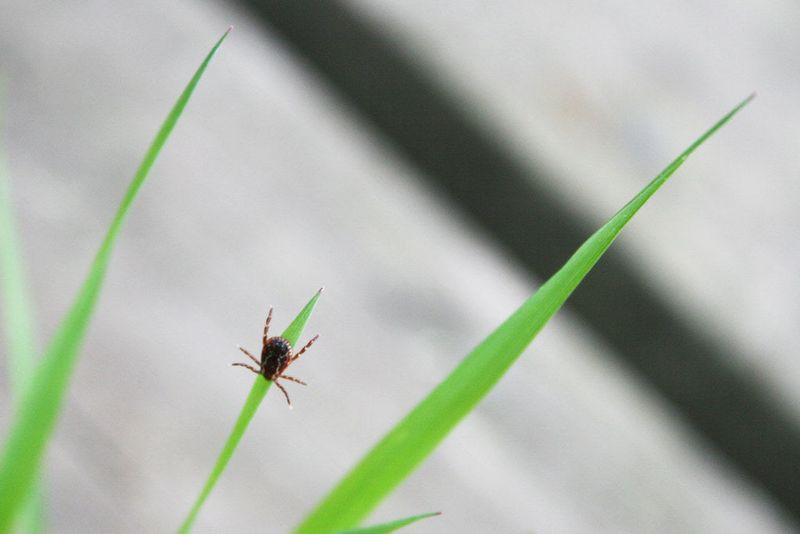
Ticks do not jump or fly. They wait on the tips of grass blades and low vegetation in a behavior called questing, holding their front legs out until a host brushes by.
Tall, moist grass gives them more surface area to work with and helps them stay hydrated in the heat.
In Florida’s warm, rainy-season months, grass can grow surprisingly fast, so staying on top of mowing in high-traffic zones genuinely makes a difference.
You do not need to keep every corner of your yard looking like a golf course. Focus your mowing efforts on the spaces where people and pets spend the most time.
Side yards, fence-line strips, and paths between the house and any outbuildings are easy spots to overlook.
Keeping those areas trimmed regularly, especially during Florida’s wetter months, is one of the most practical and low-cost steps you can take toward a yard that feels safer for outdoor time.
Tick checks after time outside still matter.
2. Clear Leaf Litter Near Patios And Paths
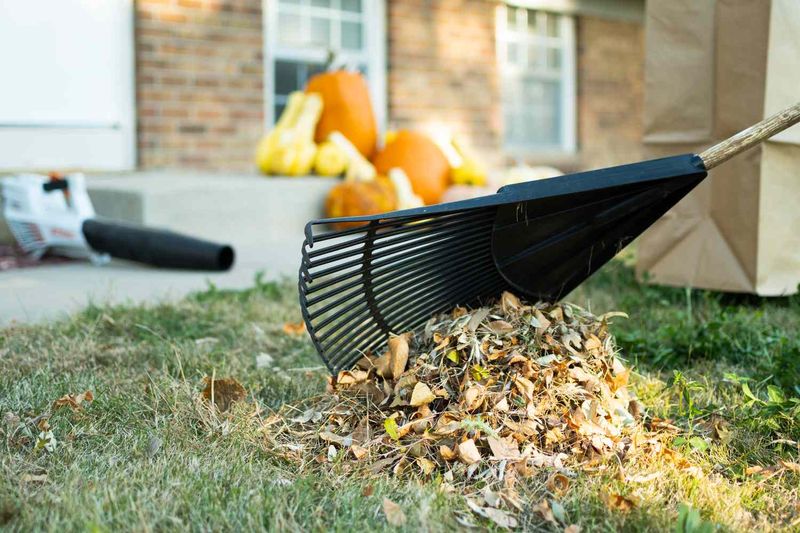
After a rainy afternoon in Florida, leaf litter near a patio or walkway can go from slightly damp to soaking wet almost overnight. That kind of moist, layered debris creates a sheltered microclimate that small animals and ticks find useful.
Keeping those areas cleared is one of the quieter but genuinely helpful habits for managing tick habitat close to the home.
Damp leaf piles near steps, seating areas, and frequently used garden paths can serve as shelter and a travel corridor for small rodents and other host animals. Where host animals move, ticks often follow.
Clearing leaf litter from these spots removes both the shelter and the humidity that helps ticks survive through Florida’s warmer months.
That does not mean leaf litter is always a problem. In low-traffic, natural areas of your yard or garden beds far from where people and pets gather, leaves can still play a useful role in soil health and wildlife habitat.
Your Florida Garden Changes Every Week. Your Plan Should Too.
Gardening in Florida changes quickly throughout the season. Every Friday you’ll receive a simple weekly plan showing exactly what to plant, prune, fertilize, harvest, and protect so you never miss the right timing.
The goal is simply to keep the stuff from piling up near the edges of your outdoor living spaces. Pay extra attention to corners where leaves tend to collect – along fence bases, under patio furniture, and around the base of steps.
A rake and a few minutes of effort after Florida’s frequent rain and wind events can keep those high-contact zones noticeably cleaner and less welcoming to ticks.
3. Cut Back Tall Grass And Brush Along Edges
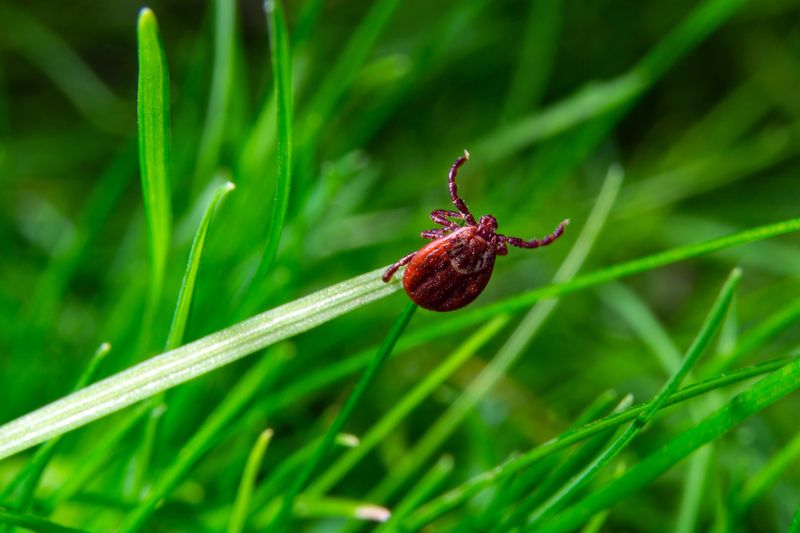
Shaded fence lines and overgrown property edges are some of the most overlooked spots in a Florida yard.
That strip of tall grass and tangled brush between your maintained lawn and a wooded area, shed, or back fence might not seem like a priority, but it is exactly the kind of transitional zone where ticks tend to be more active.
These edge areas stay shaded and humid, especially in Florida’s rainy season, and they often serve as regular travel routes for small animals like mice, opossums, and raccoons. Ticks use these same paths.
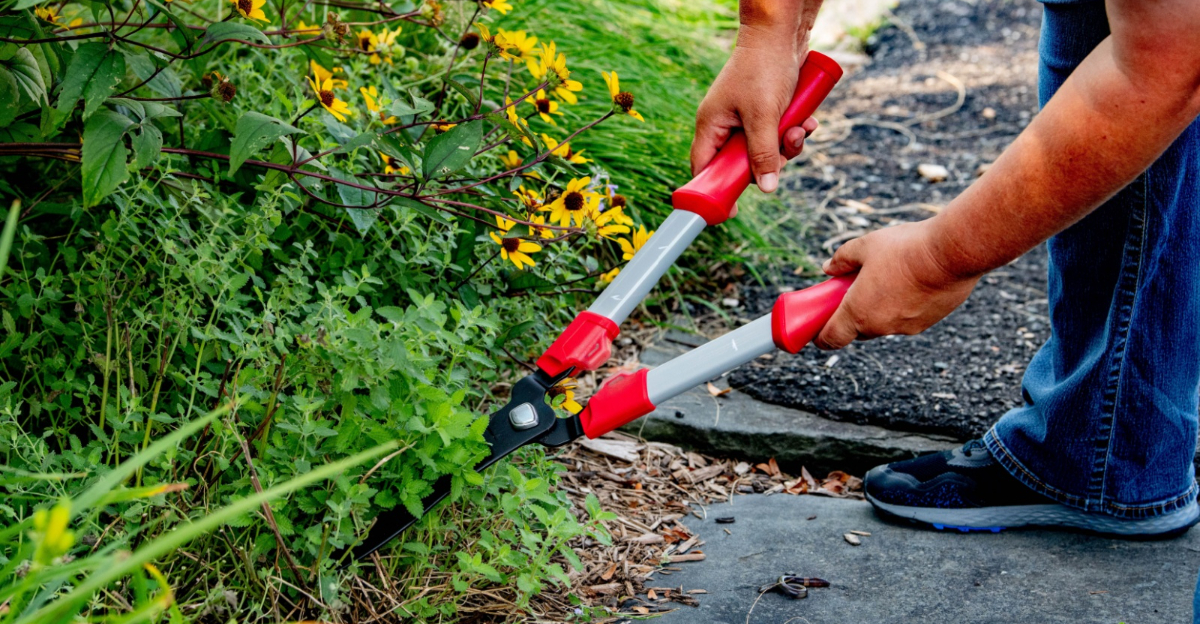
Trimming back the vegetation along these borders – where your lawn meets woods, overgrown corners, or the side of a structure – reduces the sheltered, humid conditions that make those edges so tick-friendly.
You do not need to clear-cut everything or create a harsh, bare boundary. A reasonable trim that keeps grass and brush from getting knee-high is enough to make a noticeable difference.
Focus on the routes your pets take, the paths between buildings, and any spots where the lawn softens into wilder growth.
In Florida, warm weather and frequent rain mean these areas can go from tidy to overgrown in just a few weeks during summer.
Checking and trimming those edges every few weeks during peak growing season is a straightforward habit that supports a less tick-friendly yard overall. Personal protection and tick checks remain important.
4. Add A Three Foot Wood Chip Or Gravel Border
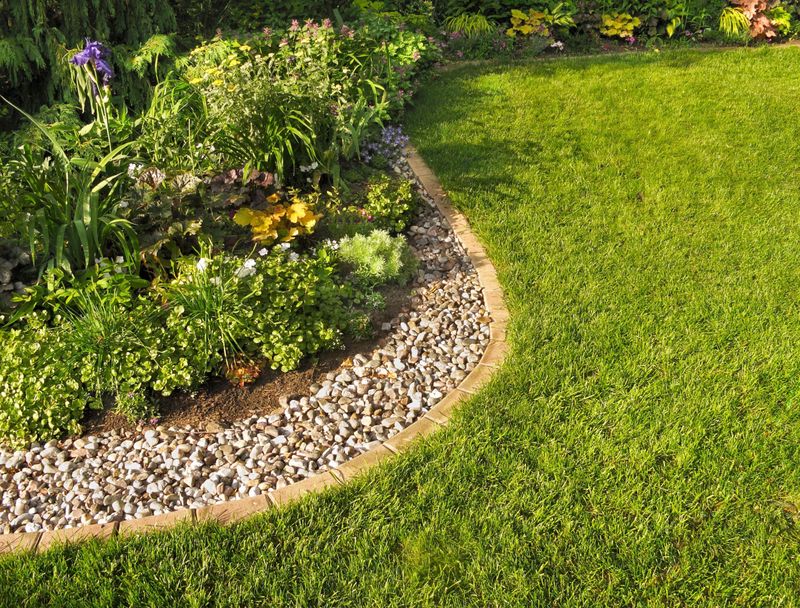
One of the more practical physical steps you can take in a Florida yard is placing a dry barrier between your maintained lawn and any wooded or brushy areas nearby.
A three-foot-wide strip of wood chips or gravel along that edge creates a dry separation zone that ticks are generally reluctant to cross, since they depend on moisture to survive and move.
This kind of border is especially useful along the back of a property where a lawn meets natural Florida vegetation, along play areas, beside garden paths, or anywhere a neat yard transitions into thicker growth.
Gravel and wood chips both drain quickly and dry out fast under Florida’s sun, which makes them far less hospitable than moist soil or grass.
Setting up the border does not require heavy equipment or landscaping experience. A simple layer of coarse wood chips or pea gravel, kept clean and refreshed as needed, does the job well.
Avoid letting leaves and debris accumulate on top of the barrier, since that can reduce how effective the dry zone is over time.
In Florida, where rain is frequent and humidity stays high for much of the year, maintaining that dry strip takes a bit of regular attention.
It works best as part of a broader yard management approach rather than as a standalone fix. Pairing it with regular mowing and brush trimming makes the whole strategy more useful.
5. Move Play Areas Away From Brushy Edges
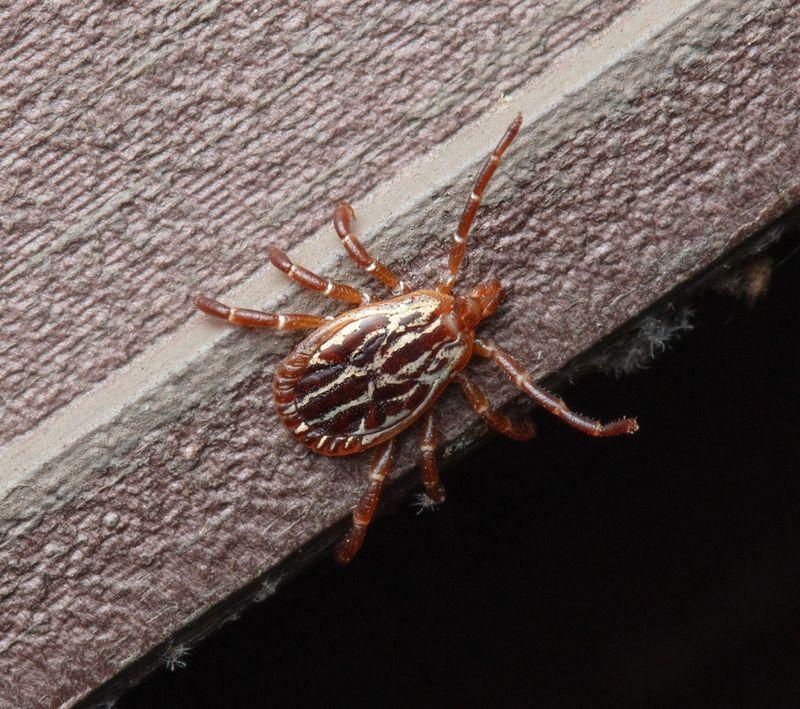
Sunny open yards feel completely different from the shaded, brushy corners near fence lines and tree edges – and that difference matters when deciding where to set up a swing set, sandbox, or regular family gathering space.
Placing play equipment and seating areas in open, well-maintained parts of the yard rather than near wooded borders or dense shrubs is a practical step that reduces how much time kids and pets spend near tick-prone zones.
Ticks tend to be more active in shaded, humid areas with access to host animals. The edges where a maintained Florida lawn meets natural vegetation, low-hanging tree branches, or brushy growth are the spots where tick activity is more likely.
Open, sunny, regularly mowed turf in the middle of a yard is generally a much less favorable environment.
If your current play area is tucked close to a fence with overgrown brush or near a wooded corner, even shifting it a few feet toward the center of the yard can make a meaningful difference.
It is also worth trimming any low branches that hang over seating or play zones, since leaf drip and shade create damper conditions underfoot.
Florida families who spend a lot of time in the backyard during the warmer months will get more out of their outdoor spaces by keeping high-use areas open, bright, and away from the wilder edges of the property. Tick checks after outdoor play are still a good habit.
6. Stack Firewood Neatly In A Dry Sunny Spot

Loose, haphazard firewood piles tucked into shady corners near the house have a way of becoming small shelters for mice and other rodents without anyone noticing for weeks.
In Florida, where mild winters mean firewood sometimes sits unused for long stretches, those piles can quietly become a problem spot in an otherwise well-managed yard.
Rodents are important hosts for certain tick species, and when small animals settle into a comfortable woodpile near the house, ticks can follow.
Keeping firewood stacked neatly on an elevated rack, in a dry and sunny area of the yard, removes the dark and sheltered conditions that make a woodpile attractive to small animals in the first place.
A few simple habits make a real difference here. Stack wood in organized rows rather than loose piles.
Keep it off the ground if possible, since direct soil contact invites moisture and creates easier access for rodents.
Choose a spot that gets good sun exposure during the day so the wood stays dry, and avoid pushing the stack up against the house, a fence, or a dense hedge where shade and shelter combine.
In Florida’s humid climate, even firewood that seems dry on top can hold moisture underneath if it is not stored thoughtfully.
Checking the stack occasionally for signs of animal activity and keeping the surrounding area clear of leaves and debris rounds out a sensible approach to this easy-to-overlook yard detail.
7. Reduce Rodent Hiding Places Near The House
Cluttered side yards and hidden corners near the house foundation are easy to ignore when the rest of the yard looks tidy.
But dense debris, brush piles, old equipment, and stacked materials near the home can quietly attract small rodents looking for a sheltered place to settle.
Reducing those spots is a useful part of making a Florida yard less hospitable to ticks over time.
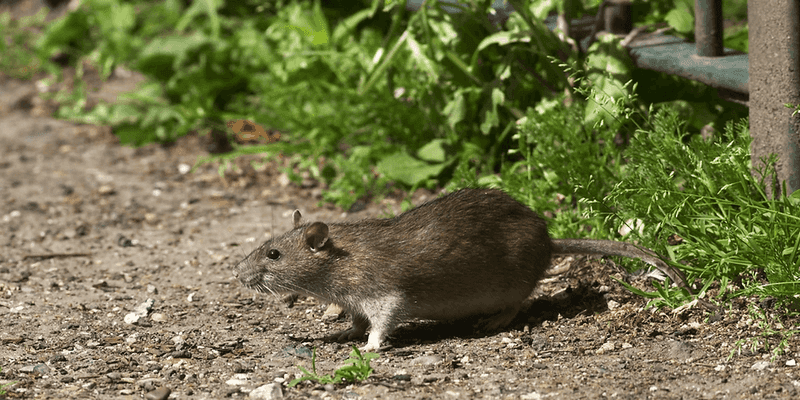
Small host animals play a significant role in tick activity around residential properties.
When rodents find comfortable hiding places near the house – under old lumber, behind stored containers, or inside overgrown shrub beds along the foundation – they tend to stay close and return regularly.
Ticks that feed on these animals can end up much closer to the outdoor living areas your family and pets use.
Going through the side yards, back corners, and foundation edges of a Florida home a couple of times a year and clearing out accumulated junk, stacked debris, and overgrown ground cover is a worthwhile task. It does not need to be a major overhaul.
Even removing a few piles of old materials or trimming back dense shrubs that press against the house can reduce the number of comfortable hiding spots available to small animals.
This approach will not eliminate tick risk on its own, but combined with regular mowing, brush trimming, and other yard habits, it contributes to an overall environment that is simply less useful to ticks and their hosts.
8. Let More Sunlight Reach Shady Damp Areas
On a humid Florida morning, the shadiest corner of a backyard can feel noticeably cooler and damper than the rest of the yard – and that is exactly the kind of microclimate that ticks tend to prefer.
Trimming shrubs, cutting back low-hanging branches, and thinning out dense plantings to let more sunlight into shaded areas can help dry out those spots and make them less comfortable for ticks.
Bright, open areas that dry out quickly after rain are generally less favorable for tick activity than shaded, moist edges.
Florida’s combination of frequent rain and heavy tree canopy can create persistently damp corners even during dry stretches, especially along fence lines, under large shrubs, or in spots where drainage is poor.
Opening those areas up to more sunlight speeds up drying and changes the character of the space.
Balancing this with good plant care and Florida-Friendly Landscaping goals matters too.
The idea is not to remove every tree or shrub in the yard, but to thoughtfully thin out the densest, lowest, and most persistently damp spots – especially those near patios, paths, pet areas, and play zones.
Removing a few low branches from a large shrub or trimming the bottom of a hedge to let air and light through can make a surprising difference in how quickly the ground dries after rain.
Pair this habit with the other yard management steps here for the most practical overall effect.
Tick checks after outdoor time remain a smart routine.