The Watering Mistake That Makes Oregon Plants Weaker Before July
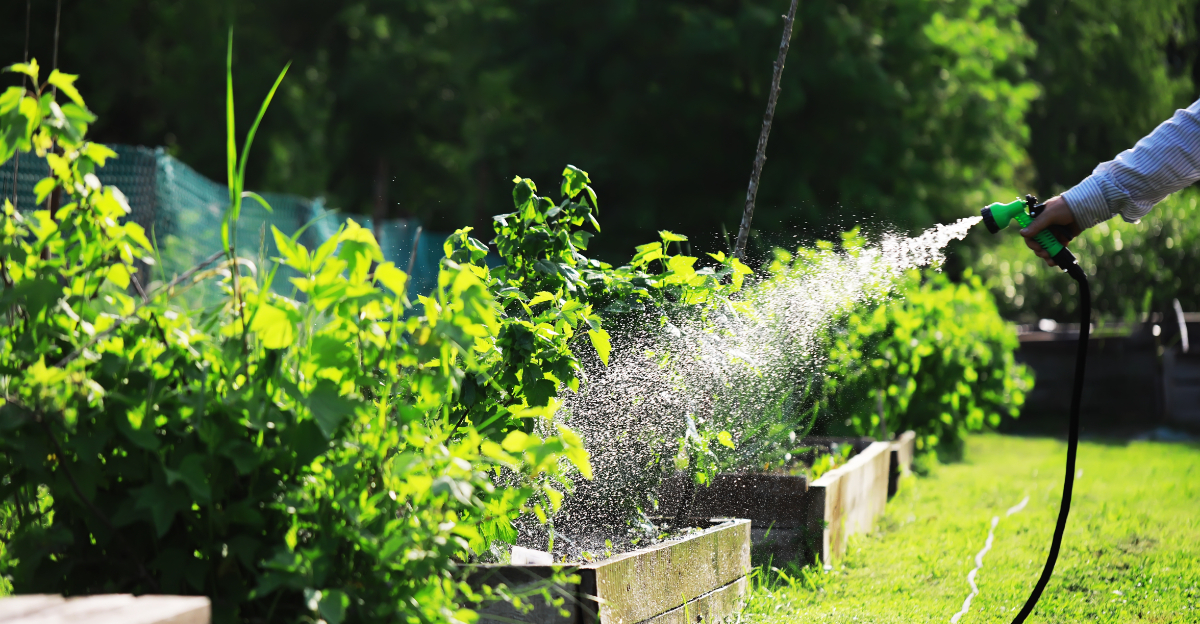
June can trick Oregon gardeners into watering the wrong way. The soil may look damp after a cool morning or a light rain, but roots can still be struggling deeper down.
A quick sprinkle feels helpful, yet it often teaches plants to stay shallow right before July heat starts testing them. That is when weak growth, drooping leaves, and thirsty beds begin showing up fast.
The mistake is easy to make because Oregon weather can feel forgiving until it suddenly is not.
Plants need moisture where their roots can actually use it, not just a wet surface that dries out by afternoon.
Once you understand how this watering habit weakens plants, you can help them grow steadier, tougher, and much better prepared for summer.
1. Shallow Watering Trains Roots To Stay Near The Surface
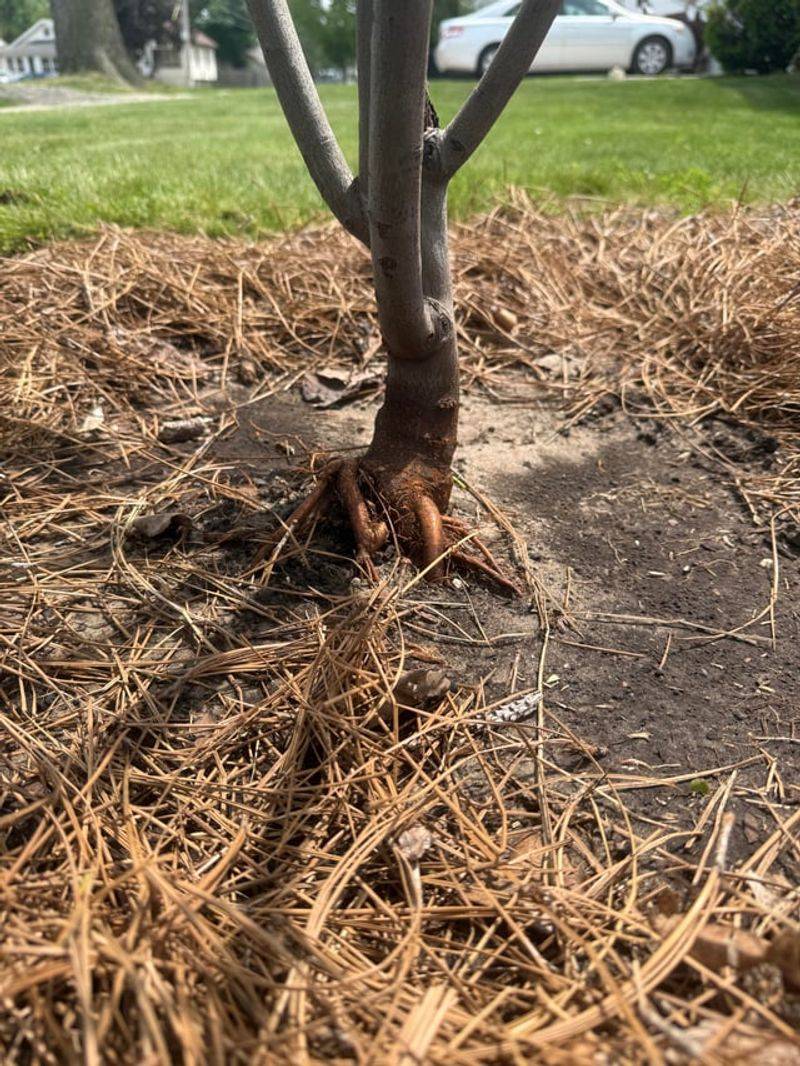
Roots follow water. That is one of the most important things to understand about how plants grow.
When water only soaks the top inch or two of soil, roots have no reason to grow deeper. They stay right where the moisture is, close to the surface.
This becomes a real problem as summer approaches. The top layer of soil is the first to dry out when temperatures climb.
If roots are stuck near the surface, they run out of moisture fast. Plants that could have been strong and steady end up looking tired and wilted by mid-July.
Shallow watering is one of the easiest mistakes to make. It feels like you are doing the right thing by watering every day.
But short, frequent watering sessions actually keep roots lazy and weak. They never have to search for water, so they never grow down into the cooler, wetter layers of soil below.
A simple test can show you how deep your water is actually reaching. Push a wooden skewer or stick into the soil after watering.
If it only comes out wet at the tip, your water is not going deep enough. You want moisture to reach at least six to eight inches down.
Water less often but let it soak in slowly and deeply each time. Your plants will start growing stronger roots within just a few weeks of changing this one habit.
2. Daily Sprinkles Can Make Plants Less Drought-Ready
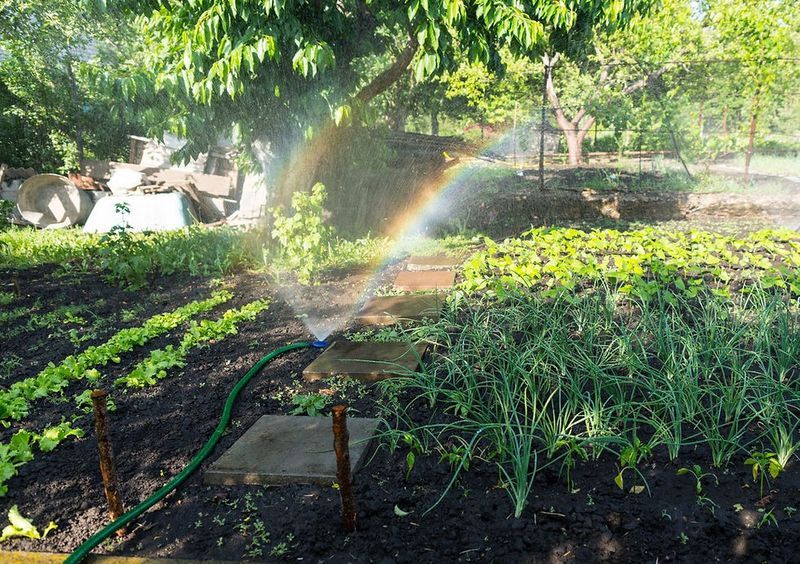
Watering a little bit every single day sounds like good plant care. It feels responsible, even loving.
But this habit can actually work against your plants in a big way before summer hits.
When plants get water every day without fail, they never learn to handle dry spells. Their roots stay near the surface because moisture is always available right there.
The plant never has to work harder to find water. Over time, this creates a plant that is not built to survive when the rain stops and the sun gets intense.
Plants that grow in drier conditions naturally develop deeper, wider root systems. Those roots anchor the plant better and reach moisture that surface-level roots simply cannot find.
A plant with deep roots can handle a few hot, dry days without showing stress. A plant raised on daily sprinkles cannot do the same.
Your Oregon Garden Changes Every Week. Your Plan Should Too.
Gardening in Oregon changes quickly throughout the season. Every Friday you’ll receive a simple weekly plan showing exactly what to plant, prune, fertilize, harvest, and protect so you never miss the right timing.
Cutting back to watering two or three times a week, but watering more deeply each time, helps plants build real toughness. Think of it like exercise.
A little stress, followed by recovery, makes the plant stronger. Letting the top inch of soil dry out between watering sessions encourages roots to grow downward in search of moisture.
Starting this habit now, before July arrives, gives your plants enough time to develop the strong root systems they will need to get through the hottest weeks of the year with ease.
3. Surface Moisture Disappears Fast Once July Heat Arrives
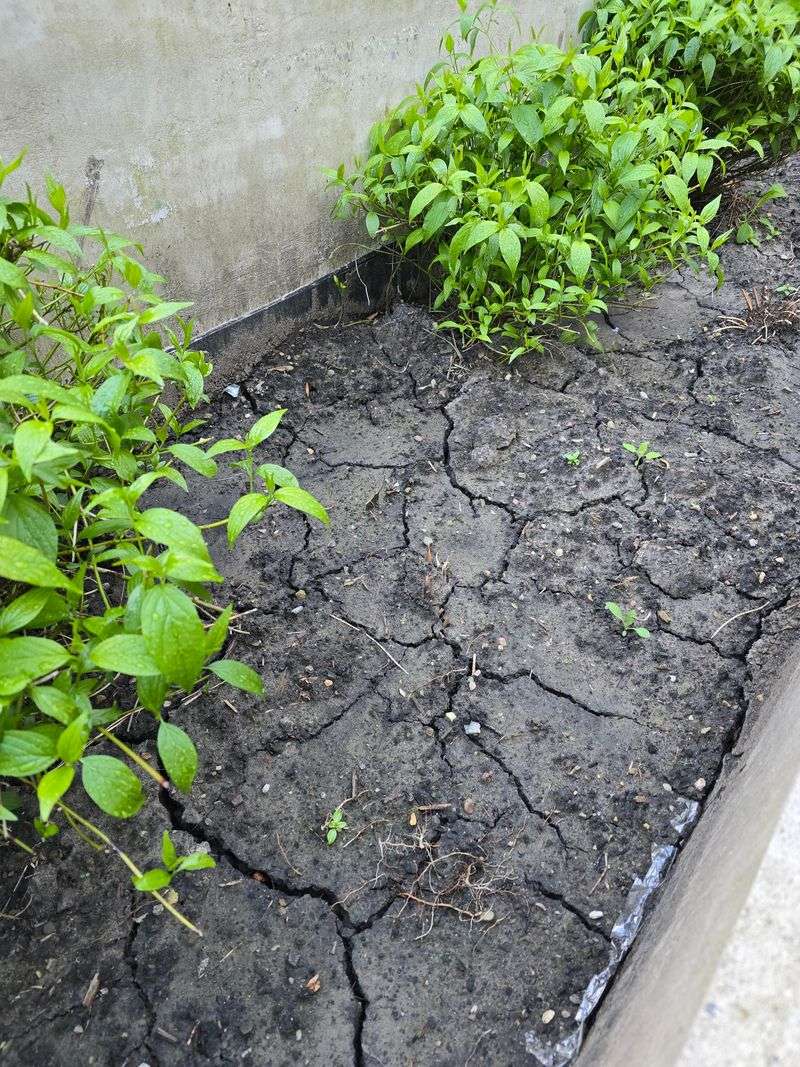
Anyone who has gardened through a Pacific Northwest summer knows how quickly things can change. One week it is mild and cloudy, and the next the sun is blazing and the soil feels like dust.
That shift happens fast, and plants that are not prepared for it really show the strain.
Surface moisture evaporates quickly under strong sunlight. Even if you water in the morning, the top inch of soil can be completely dry by afternoon on a hot July day.
Wind speeds up this process even more. If your plant roots are living in that top layer, they are constantly running out of water during the worst heat of the day.
Soil temperature also rises at the surface. Hot, dry soil near the top can actually stress roots and slow plant growth.
Plants growing in this state spend more energy trying to survive than they do producing flowers, fruit, or new growth.
Watering deeply before July gives roots the chance to move into cooler, lower layers of soil where moisture lasts much longer. Those deeper layers stay cooler even when the surface bakes in the sun.
Plants with roots down six to ten inches can pull moisture from those zones throughout the day, keeping themselves hydrated without relying on surface water that vanishes in hours.
Getting ahead of the heat now means your garden stays greener and healthier all the way through the toughest weeks of summer.
4. Deep Watering Builds Stronger Roots Before Summer Peaks
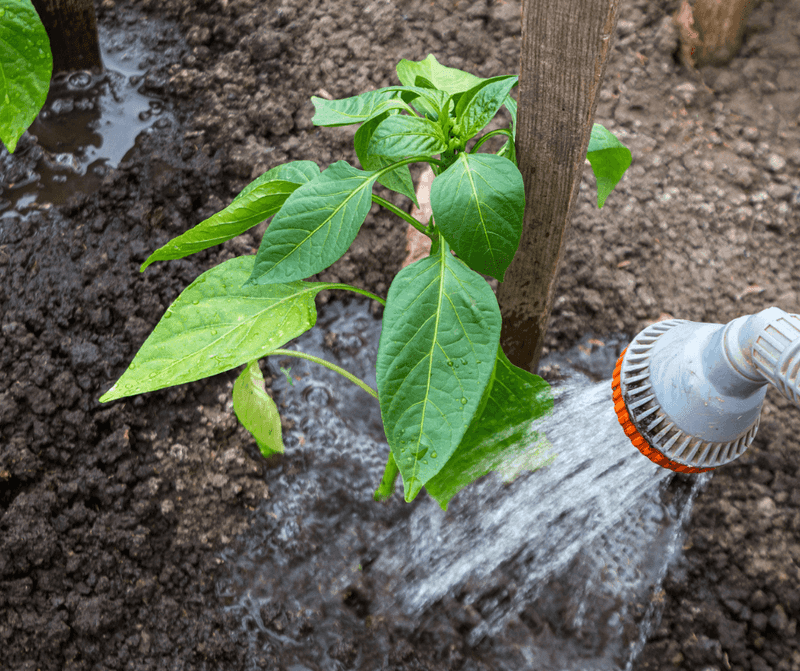
Not many gardening tips are as straightforward and effective as this one: water deeply, and water less often.
This simple change can completely transform how well your plants hold up once summer temperatures rise.
Deep watering means letting water soak six to ten inches into the soil each time you water. This encourages roots to grow downward to reach that moisture.
Roots that grow deep are anchored better and can access the cool, moist layers of soil that stay wet long after the surface dries out. That is exactly what plants need to stay strong through July and August.
Soaker hoses and drip irrigation are great tools for deep watering. They deliver water slowly right at the base of the plant, giving it time to sink into the soil instead of running off.
A slow, steady soak once or twice a week works better than a quick spray every day. You use less water overall and get much better results.
Starting this habit in spring, before the heat arrives, gives roots time to grow downward and establish themselves in those deeper soil layers.
By the time July rolls around and the surface dries out, your plants will already have a strong root network reaching into cooler ground.
You will notice the difference quickly. Plants watered deeply look fuller, grow faster, and bounce back from heat much more easily than those kept on shallow daily watering schedules.
5. Watering Between Plants Wastes Moisture And Feeds Weeds
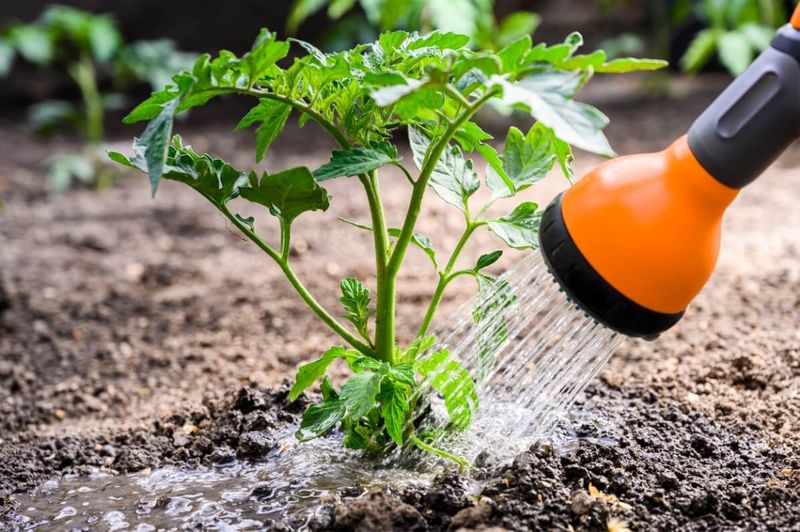
Where you aim your water matters just as much as how much you use. A lot of gardeners water the whole bed evenly, soaking the soil between plants just as much as the soil right at the root zone.
This wastes a surprising amount of water and creates another problem at the same time.
Bare soil between plants is exactly where weed seeds are waiting. When you water that open ground, you are giving those seeds everything they need to sprout.
More weeds mean more competition for the water and nutrients your garden plants actually need. Before long, you are spending more time pulling weeds than enjoying your garden.
Watering directly at the base of each plant keeps moisture where it belongs. Drip lines and soaker hoses make this easy by delivering water right to the root zone.
Hand watering with a wand or hose works too, as long as you aim carefully. Skipping the open spaces between plants cuts down on weed growth and makes sure your plants get the full benefit of every drop.
This approach also reduces evaporation. Wet bare soil loses moisture to the air quickly.
Soil that stays dry between plants holds onto less surface water overall, which means less is wasted. Focused watering is a small habit change with a big payoff.
Less water used, fewer weeds to pull, and healthier plants that get exactly what they need without sharing with unwanted guests in the garden.
6. Clay Soil Needs Slow Water, Not Quick Sprays
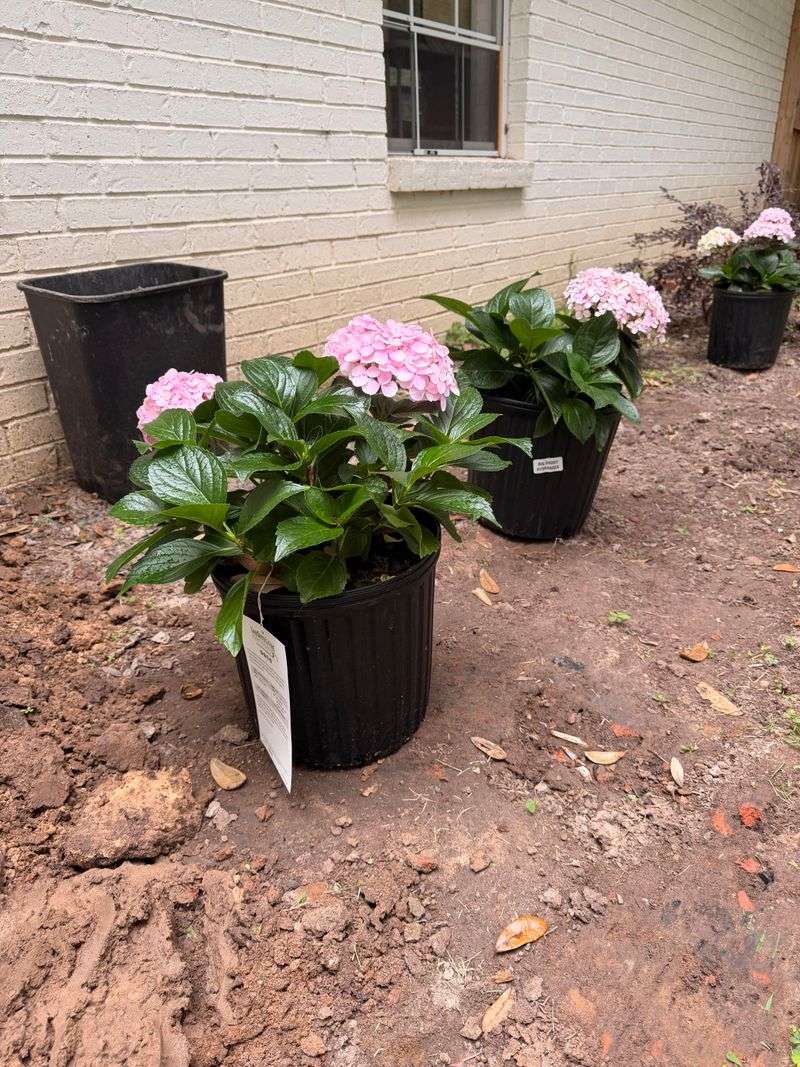
Clay soil is common across many parts of this state, and it comes with a quirk that trips up a lot of gardeners. It does not absorb water quickly.
If you spray it fast, the water just sits on top and runs off before it ever soaks in. That means your plants may be getting far less water than you think, even if you water regularly.
The key with clay soil is patience. Slow, steady watering gives the soil time to absorb moisture gradually.
Soaker hoses are one of the best tools for this. They release water at a slow trickle over a long period, which is exactly what clay needs.
Setting up a drip system or running a soaker hose for an hour or more lets water work its way down through the dense layers.
Another trick is to water in cycles. Run the water for ten minutes, wait twenty minutes for it to absorb, then water again.
This pulse method prevents runoff and gets more moisture into the root zone with each session. It takes a little more time upfront, but your plants will thank you for it.
Clay soil does have one advantage worth mentioning. Once it is wet, it holds moisture longer than sandy soil does.
That means if you water deeply and correctly, you may not need to water as often. Getting the technique right before July means your clay soil becomes an asset rather than a frustration during the hottest months of the year.
7. Sandy Soil Dries Out Faster Than Gardeners Expect
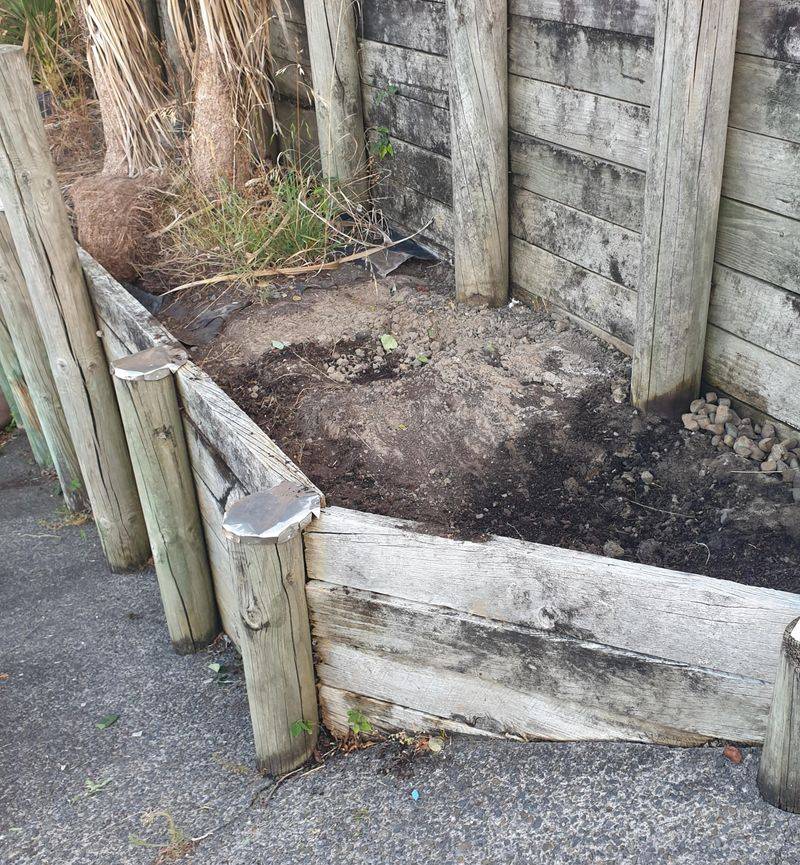
Sandy soil is on the opposite end of the spectrum from clay. Water moves through it quickly, sometimes too quickly.
You can water generously and check back an hour later to find the soil already feels dry a few inches down. For gardeners used to heavier soils, this can be a real surprise.
The loose, gritty texture of sandy soil means water drains fast. Nutrients wash through quickly too, which is why plants in sandy ground sometimes look pale or underfed even when you fertilize regularly.
Before July, this soil type needs extra attention to make sure plants are getting enough moisture to build strong roots.
Watering more frequently helps, but the real fix is improving the soil itself. Adding compost or organic matter to sandy soil helps it hold water longer.
Even a few inches of compost worked into the top layer makes a noticeable difference. Mulching on top also slows evaporation and keeps moisture in the soil between watering sessions.
For sandy areas, drip irrigation works really well because it delivers water slowly and steadily right where roots can use it. Watering by hand with a slow, steady stream at the base of the plant is also effective.
Checking soil moisture before every watering session helps you avoid both underwatering and overwatering.
Sandy soil rewards attentive gardeners who pay close attention to what is happening just below the surface rather than guessing based on what the top looks like.
8. Mulch Helps Deep Water Last Longer
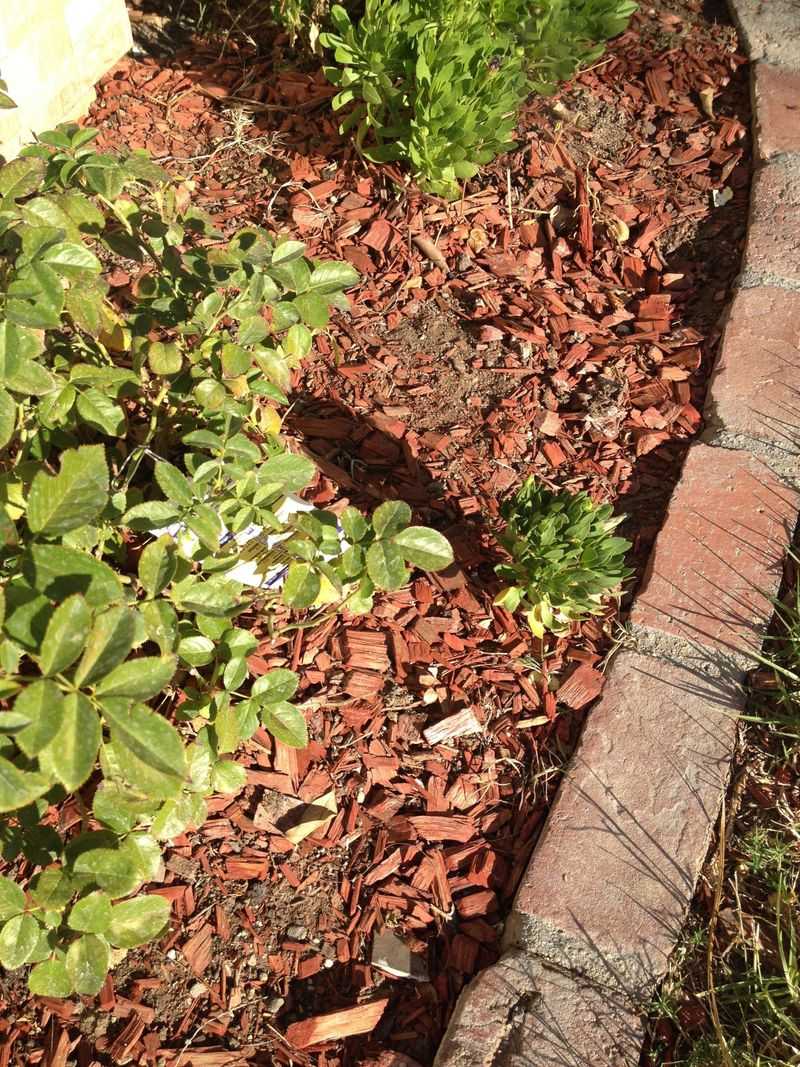
One of the simplest things you can do to protect all your deep watering work is to add mulch. A two to three inch layer of mulch on top of your garden soil acts like a lid on a pot.
It slows evaporation and keeps moisture in the ground much longer after each watering session.
Without mulch, the sun and wind pull moisture out of the soil quickly. Even if you water deeply, that moisture near the surface can disappear within a day or two during warm weather.
Mulch breaks that cycle. It shades the soil, keeps it cooler, and gives the water you put in more time to reach deep roots before it evaporates.
Wood chips, straw, shredded leaves, and bark are all great mulch options. Spread them around the base of your plants, keeping a small gap right at the stem to prevent rot.
Mulch also suppresses weeds, which means less competition for water and fewer hours spent pulling unwanted plants out of your beds.
In this state, spring rains can make gardens feel like they do not need much help. But once those rains slow down and July arrives with longer dry spells, unmulched soil dries out fast.
Adding mulch now, while the soil still has good moisture in it, locks that moisture in and gives your plants a head start.
It is one of the most affordable and effective ways to stretch every drop of water you put into your garden before summer peaks.