Watch For These 7 Signs Of Japanese Beetles In Your Illinois Garden And Act Fast
Your garden is being eaten, and deer are not the ones doing it. Japanese beetles are small, fast, and shockingly destructive, and they do not work alone.
One beetle lands on a rose bush, starts feeding, and sends out a chemical signal. Hours later, dozens more show up. By the time you notice, your plant looks stripped bare within days.
Illinois gardens take a hard hit every summer. These copper-and-green beetles arrive in late June and spend the next six weeks chewing through roses, fruit trees, and grape vines without stopping.
They feed in groups, they feed fast, and they are not picky. Over 300 plant species are on their menu. The good news is they leave behind clear evidence.
Once you know what Japanese beetle damage actually looks like, you will catch it early enough to do something about it. Here are the seven signs to watch for right now.
1. Skeletonized Leaves On Your Plants
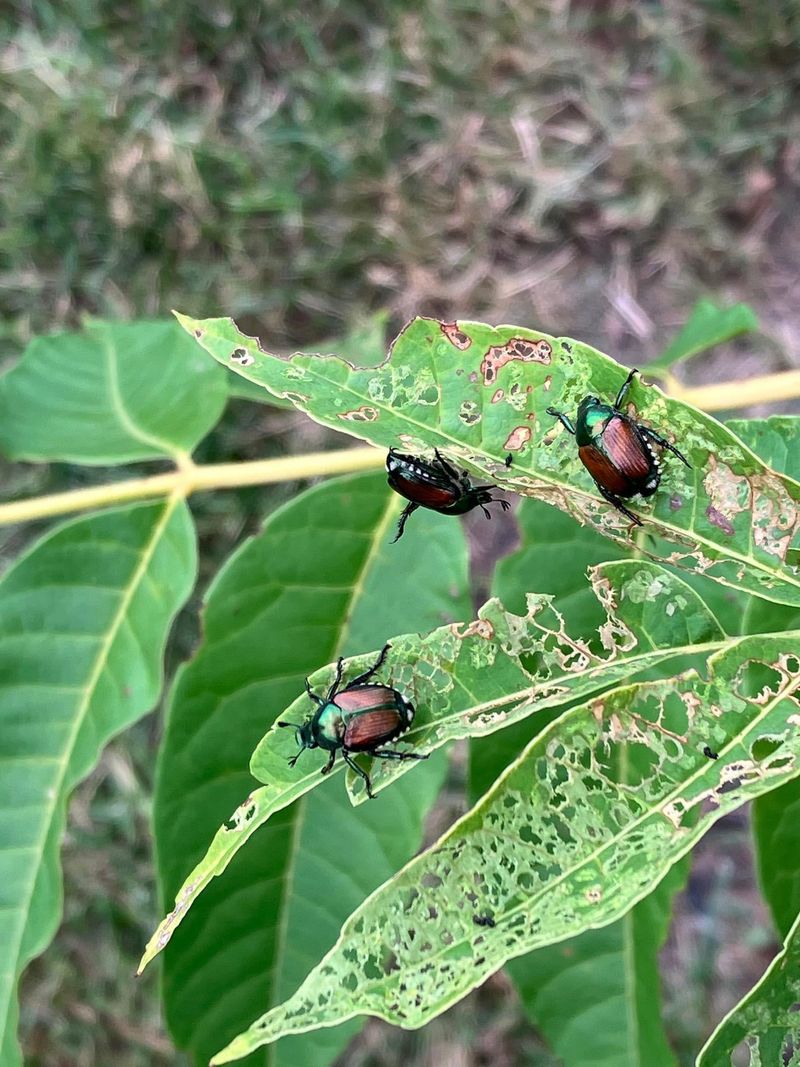
Your leaves look like someone held them up to a window and punched holes through every soft part. That lacy, see-through look is one of the most recognizable signs of Japanese beetles in your Illinois garden, and it happens fast.
Japanese beetles feed on the soft tissue between a leaf’s veins, leaving behind a skeleton of green lines.
This feeding style is called skeletonizing, and it is their signature move. One leaf might show damage overnight, and a whole shrub can look stripped within a week.
Roses, linden trees, grapes, and raspberries are among their top targets. If you notice the damage starting on upper leaves and spreading downward, that pattern is a strong clue that beetles are at work.
Other insects leave different marks, but that clean, vein-only look is almost always a beetle calling card. Check your plants in the morning when beetles are most active and easier to spot.
You can knock them into a bucket of soapy water as a simple, chemical-free control method. Doing this daily during peak season makes a real difference.
Do not wait until the whole plant is stripped before acting. The longer beetles feed, the more stressed your plant becomes, making it harder to bounce back.
Skeletonized leaves also attract more beetles through a pheromone signal, so early removal matters. Healthy plants can survive some damage, but repeated heavy feeding weakens them season after season.
Catching this sign early puts you in the best possible position to protect what you have grown.
2. Feeding Starts At The Top Of The Plant
Beetles are not random snackers. They have a very specific strategy, and once you understand it, spotting Japanese beetles in your Illinois garden becomes much easier.
These insects almost always start feeding at the very top of a plant and work their way down. They prefer the sunniest, warmest parts of a plant, which tend to be the highest leaves and flowers.
If you notice damage concentrated at the crown of your shrubs or the top of your fruit trees, look closer. This top-down feeding pattern is useful because it gives you an early warning before the whole plant is affected.
Your Illinois Garden Changes Every Week. Your Plan Should Too.
Gardening in Illinois changes quickly throughout the season. Every Friday you’ll receive a simple weekly plan showing exactly what to plant, prune, fertilize, harvest, and protect so you never miss the right timing.
Damage at the tips is easier to miss at first glance, especially on tall plants. Make a habit of looking up at your plants, not just at eye level.
Beetles at the top of a plant are also more exposed, which makes them easier to shake loose. A quick tap of the branch over a bucket of soapy water in the early morning is surprisingly effective.
Beetles are sluggish when temperatures are cool, so morning is your best window. Taller trees can be harder to treat manually, but knowing where to look helps you decide when to call in reinforcements.
Targeted sprays or neem oil applied to the upper canopy can slow feeding without soaking the entire plant. Always follow label directions on any product you choose.
Spotting that top-heavy damage pattern early means you are already one step ahead of a pest that multiplies its damage the longer it feeds unchecked.
3. You Spot More Than One Beetle At A Time
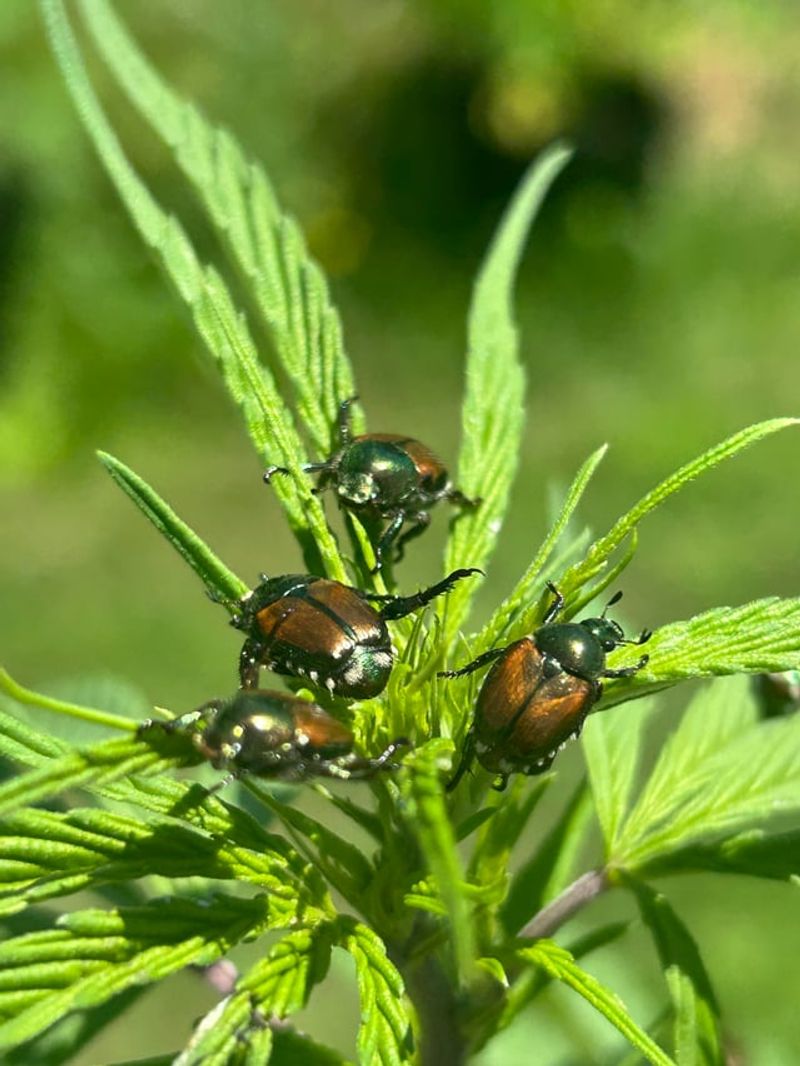
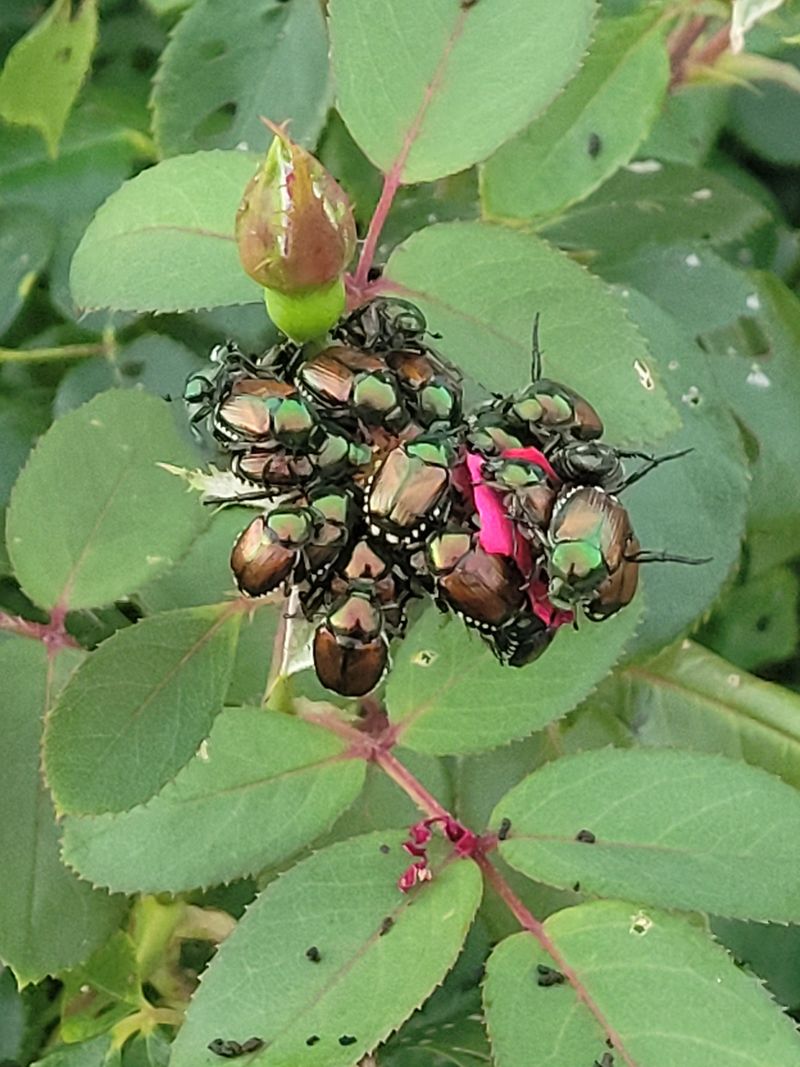
One beetle is a warning. A group of beetles is a full-scale alarm. Japanese beetles are notorious for their group-feeding behavior, and seeing several on a single plant means the situation is already escalating.
When a beetle finds a good food source, it releases a scent that acts like a dinner bell for others nearby. This aggregation pheromone is why you rarely find just one beetle munching alone.
Where there are three, there will soon be thirty if you do not act. These beetles are easy to identify once you know what you are looking for.
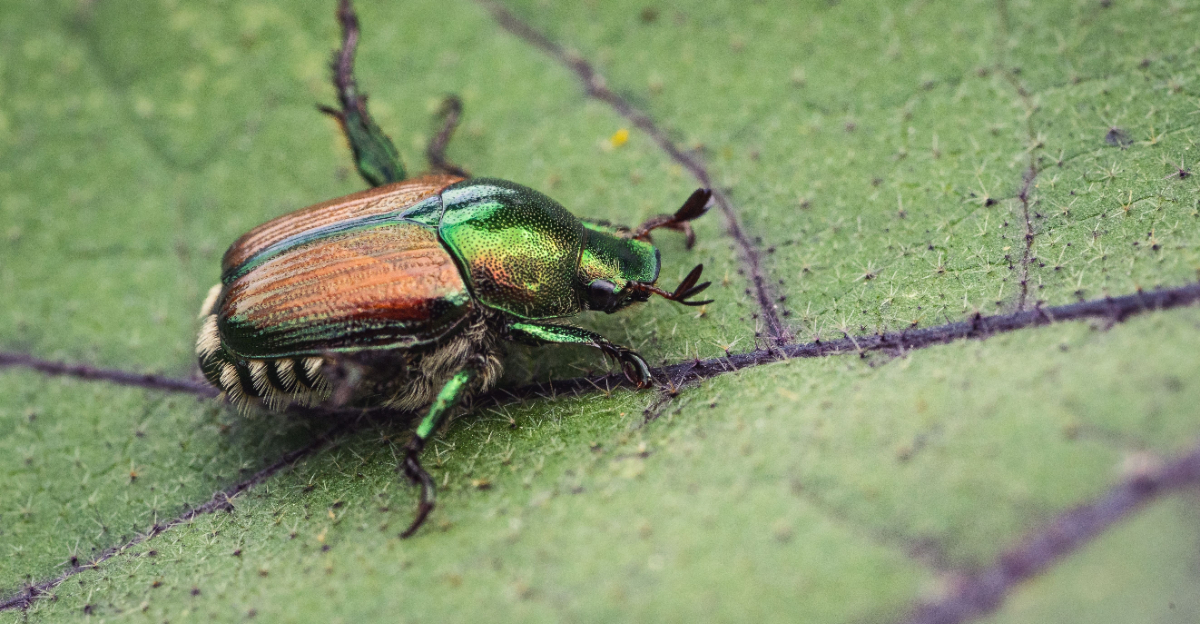
They are about the size of a blueberry, with a shimmery green head, copper-brown wings, and small white tufts of hair along their sides. That combination of colors is hard to confuse with anything else in an Illinois summer garden.
Seeing a cluster on your roses or grape leaves is your cue to start daily monitoring and removal. Hand-picking works well when populations are still manageable.
Drop them into soapy water rather than brushing them onto the ground, where they can simply fly back up. Avoid using Japanese beetle traps near your garden.
Research consistently shows that traps attract far more beetles than they capture, drawing even larger numbers to your yard. Place any traps well away from plants you want to protect, if you use them at all.
The moment you spot a crowd of these metallic hitchhikers, act with purpose. A quick daily sweep during peak season can keep a manageable problem from turning into a full garden emergency.
4. Flowers And Fruit Show Chewing Damage
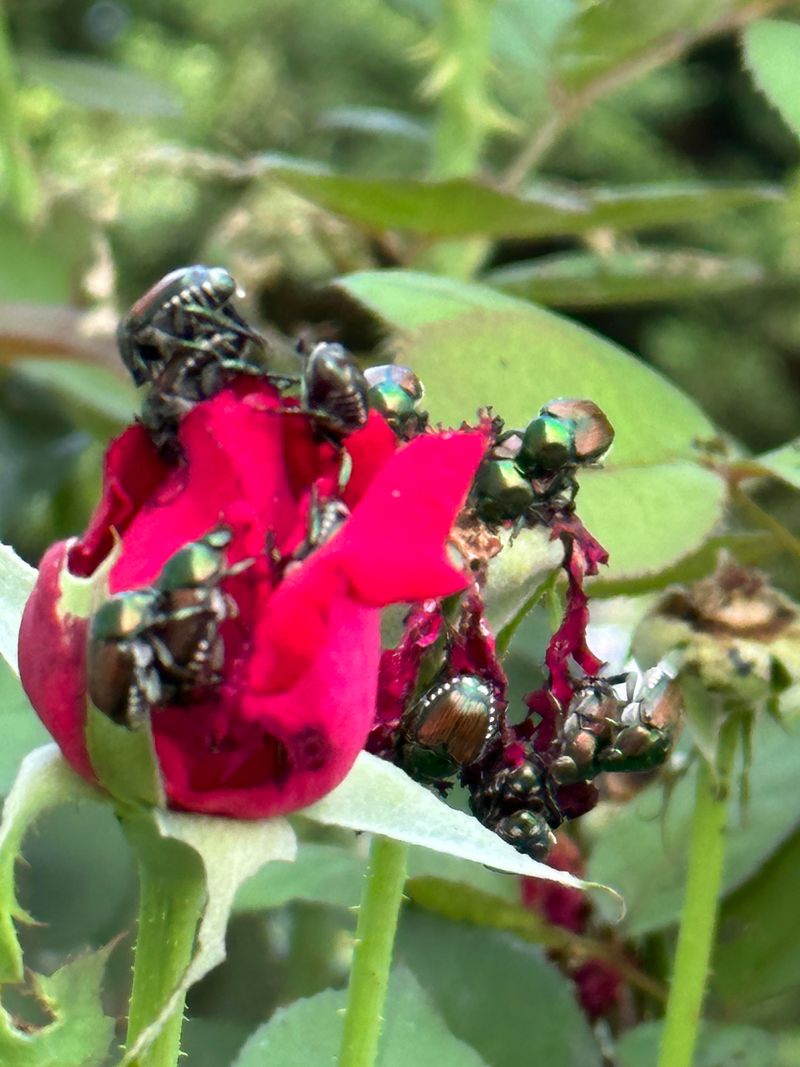
Chewed-up blooms and nibbled fruit with brown patches are not hail damage. Japanese beetles move past the leaves fast and go straight for the good stuff.
Beetles have a strong preference for flowers, especially roses, zinnias, and hibiscus. They chew through petals in an irregular pattern, leaving edges that look torn rather than cleanly cut.
A rose that was budding beautifully one day can look like crumpled brown paper the next. Fruit trees are equally vulnerable.
Beetles will chew the skin of apples, peaches, and plums, leaving open wounds that invite rot and other pests. Even small amounts of feeding can ruin the appearance and flavor of homegrown fruit.
For gardeners who tend fruit trees, this sign is especially frustrating. Check your blooms and fruit every morning during July and early August, which is peak feeding season in the Midwest.
Look for irregular bite marks and groups of beetles tucked inside flower heads. They like to hide in the center of blooms, so gently part the petals when you inspect.
Japanese beetles are not random feeders. They target the most fragrant and visually prominent blooms first, which is why your showiest plants tend to take the worst hits earliest in the season.
Row covers can protect individual plants or small trees during peak beetle season. Lightweight fabric covers let in light and air while keeping beetles out.
Remove them in the evening if your plants need pollinator visits. Flower and fruit damage is a sign the infestation has matured past the early stage.
Catching it now still gives you time to limit the losses and protect the rest of your garden this season.
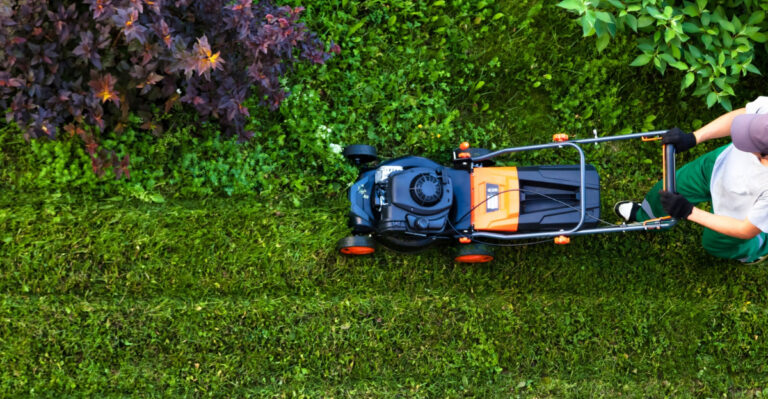
5. Brown Patches Appear In Your Lawn
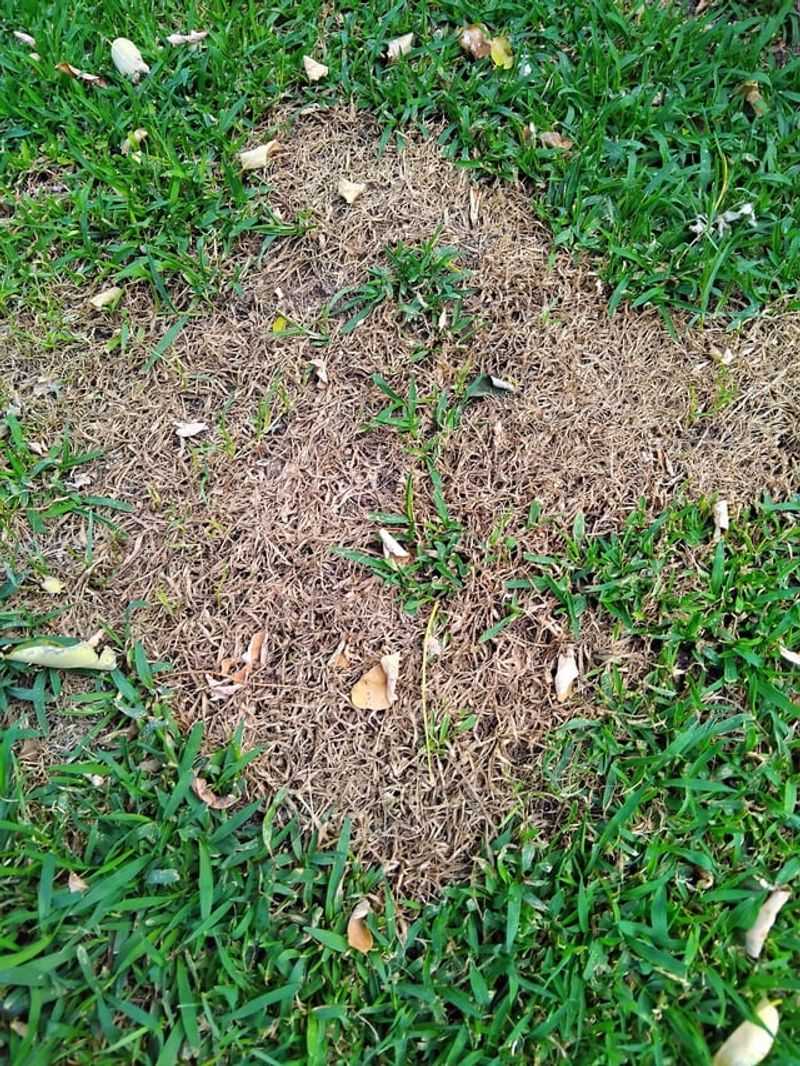
Your lawn looked perfectly green in June, and now there are brown patches spreading like spilled coffee across the yard. Before you blame the heat or a broken sprinkler head, check underground.
Japanese beetle grubs feed on grass roots, and those brown patches are a classic warning sign. Adult beetles lay their eggs in lawn soil during mid-summer, and the hatched grubs immediately begin feeding on roots just below the surface.
By late summer and early fall, the damage becomes visible as irregular brown zones that feel spongy or loose when you walk on them.
A healthy lawn with deep roots can handle a few grubs per square foot. The trouble starts when populations climb above ten to fifteen grubs per square foot, which is enough to sever roots faster than the grass can regrow.
At that point, patches of turf can be rolled back like a loose carpet. To confirm grubs are the cause, cut a one-foot square of sod about two to three inches deep and count the C-shaped white larvae.
Finding more than ten in that sample is a strong sign that treatment is needed. Do this check in August or September for the most accurate count.
Beneficial nematodes and milky spore are two organic options that target grubs without harming other lawn life. Chemical grub controls are also available and work best when applied while grubs are still small and near the surface.
Connecting those brown patches to Japanese beetles early means you can treat the lawn before the damage spreads any further into your yard this season.
6. Birds Are Digging Around In Your Grass
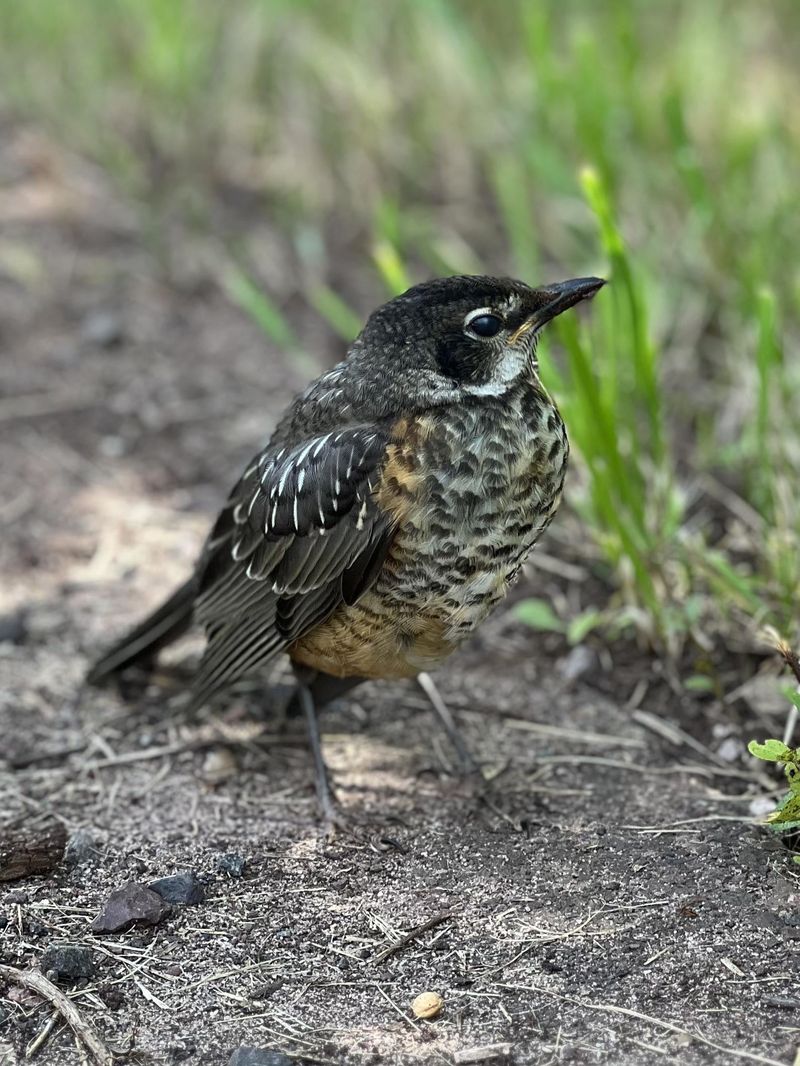
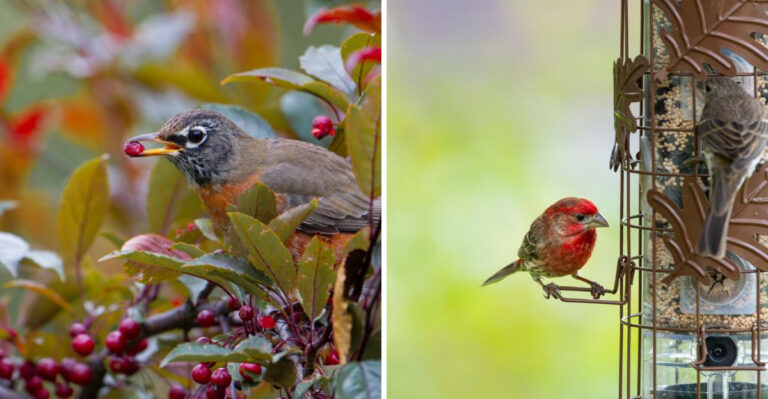
Crows, starlings, and robins suddenly treating your lawn like an all-you-can-eat buffet is not a coincidence. Foraging birds have a sharp instinct for grubs.
A yard full of them is one of the most overlooked signs of a Japanese beetle problem. When grub populations are high, birds peck and dig aggressively into the soil, pulling up chunks of turf in the process.
You might notice small holes, scattered grass clumps, or entire sections of lawn that look like they were rototilled overnight. Raccoons and skunks will do the same thing after dark, leaving behind even larger patches of torn-up sod.
This kind of wildlife activity is actually your lawn sending you a message. The birds are not hurting your grass on purpose.
They are responding to what is happening underground, and what is happening underground is a grub feast that you need to address. Chasing birds away will not fix the real problem.
Treating the grubs is the most effective way to stop the digging. Once the food source disappears, the wildlife will move on to someone else’s yard.
Timing matters here. Grub treatments work best when applied in late July through August, when newly hatched grubs are small and feeding near the surface.
Waiting until fall means the grubs have burrowed deeper and are harder to reach with surface treatments.
Trust the birds. When they start tearing up your turf with unusual enthusiasm, take it as a clear nudge to check for grubs before the damage doubles in size.
7. Beetles On The Ground Under Trees And Shrubs
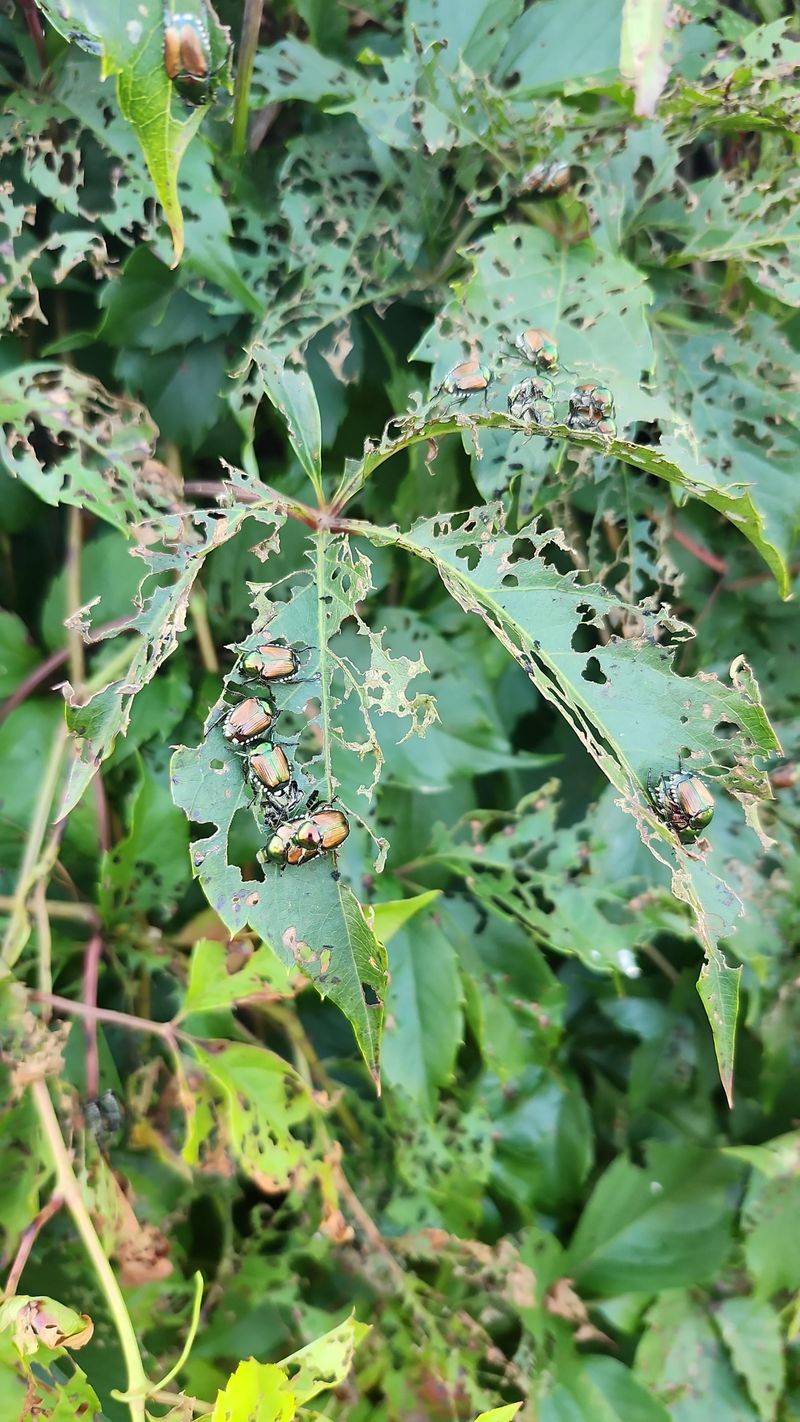
Finding beetles on the ground beneath your trees and shrubs is not a minor detail. It means heavy activity above.
Japanese beetles drop to the soil when they finish feeding or move between plants. If you see them at ground level, the canopy above is likely crawling with more.
Beetles lay their eggs in the soil near plants they have been feeding on. A cluster of adults near the base of a shrub means grubs are likely being deposited right there.
What you see on the ground today shapes what happens to your lawn next spring. The adults and the grubs are the same problem, just six months apart.
Checking the soil beneath heavily damaged plants is a smart part of any garden patrol. Gently scrape back the top inch or two of soil and look for small white larvae or adult beetles that have dropped from the plant.
A concentration of beetles at ground level often means the feeding above is intense enough to warrant immediate action. Start your garden checks from the ground up.
Keeping the soil around your plants drier during mid to late summer is more effective than mulching. Female beetles prefer moist, soft soil for egg laying, so reducing irrigation during peak season can discourage them.
Keep grass short and well-watered near affected plants to reduce egg survival. Beetles on the ground mean the infestation is active and already cycling into the next generation.