The Watering Schedule Arizona Citrus Needs To Survive 115° Temperatures
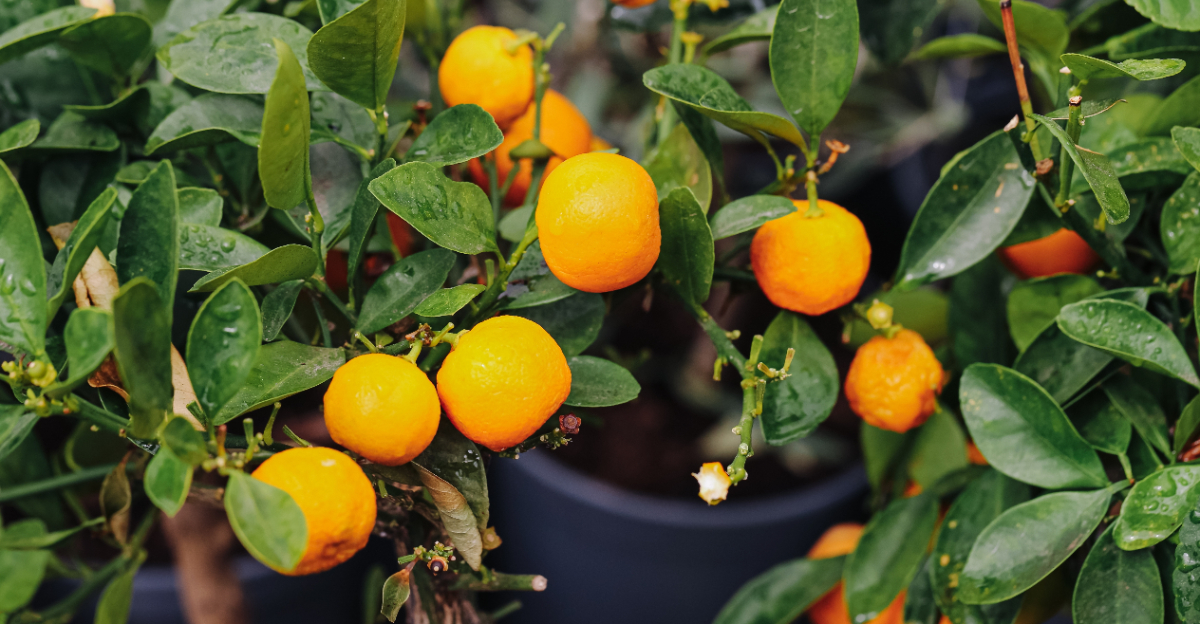
Your citrus tree may look fine today, but 115° temperatures can quickly change that. Leaves, fruit, and roots all feel the strain when extreme heat settles in.
Water becomes the biggest factor in how well a tree handles those brutal days. In Arizona, the right schedule matters far more than simply turning on the hose more often.
Plenty of gardeners unknowingly make small watering mistakes that build up over time. The damage usually appears after the hottest weather has already arrived.
Keeping citrus healthy through summer is all about consistency.
Once you know when to water and how long to water, your tree has a much better chance of staying strong through the worst heat of the season.
1. Water Before Sunrise Whenever Possible
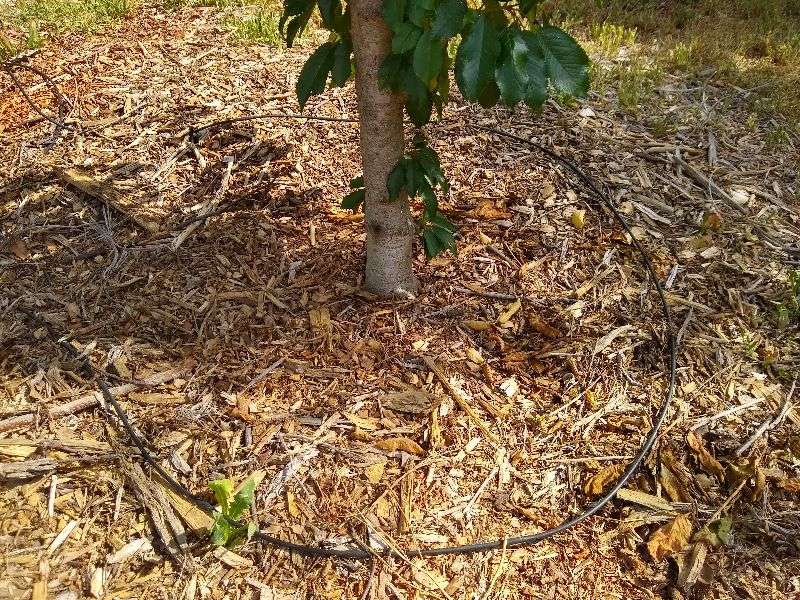
Watering at the wrong time of day can waste more than half your effort. When the sun is high and the air temperature is climbing past 100 degrees, water evaporates off the soil surface before roots ever get a chance to absorb it.
Early morning watering, ideally between 4 a.m. and 7 a.m., gives moisture time to soak down into the root zone before heat builds. Roots are also more active during cooler hours, so uptake tends to be more efficient.
A timer-based drip system makes pre-sunrise watering easy without requiring you to wake up before dawn every day. Set it once and let it run on schedule throughout the summer months.
Evening watering is sometimes suggested as an alternative, but it can leave foliage and soil surface damp overnight. In humid monsoon conditions, prolonged moisture on leaves may encourage fungal problems.
Morning watering sidesteps that risk and still delivers water during a lower-evaporation window.
Even a small adjustment in timing can meaningfully reduce how much water your tree actually needs each week during peak summer heat.
2. Deep Soaks Beat Daily Sprinkles
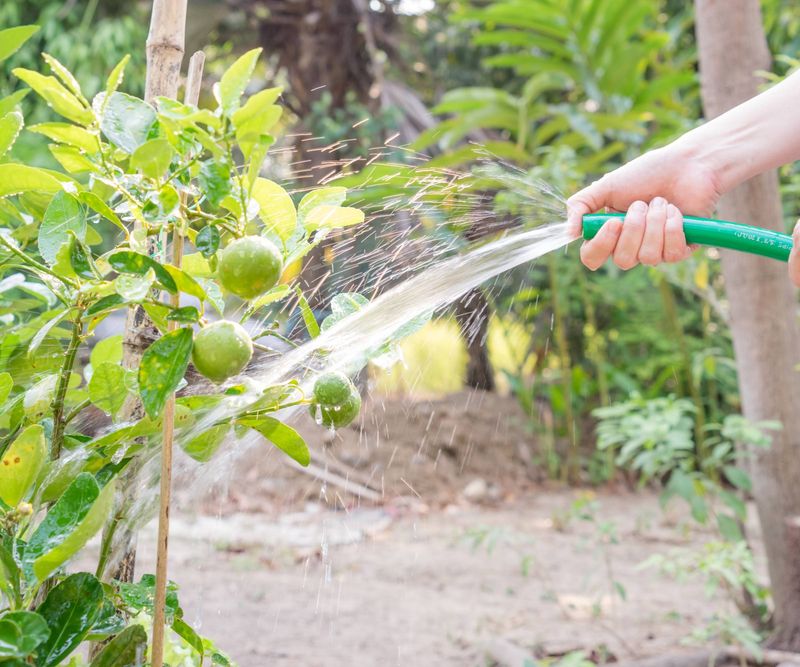
Shallow watering is one of the most common mistakes citrus growers make in hot desert climates. Frequent light watering only wets the top few inches of soil, which dries out within hours under intense summer heat.
Roots follow moisture. When water barely penetrates the surface, roots stay shallow and become more vulnerable to heat stress and drought.
Deep, infrequent soaks train roots to grow downward where soil stays cooler and holds moisture longer.
A mature citrus tree in summer may need water delivered slowly over one to two hours to achieve meaningful soil penetration. Aim for moisture reaching 18 to 24 inches deep, which is where most active feeder roots are concentrated.
Drip emitters or flood irrigation work better than overhead sprinklers for achieving this depth. Sprinklers tend to spread water too widely and too shallowly to do much good for established trees.
Check penetration depth by pushing a long screwdriver or soil probe into the ground after watering.
If it slides in easily to 18 inches or more, your soak was sufficient. If it stops at 6 inches, you need to water longer or slower to reach the root zone effectively.
3. Young Citrus Needs More Frequent Irrigation
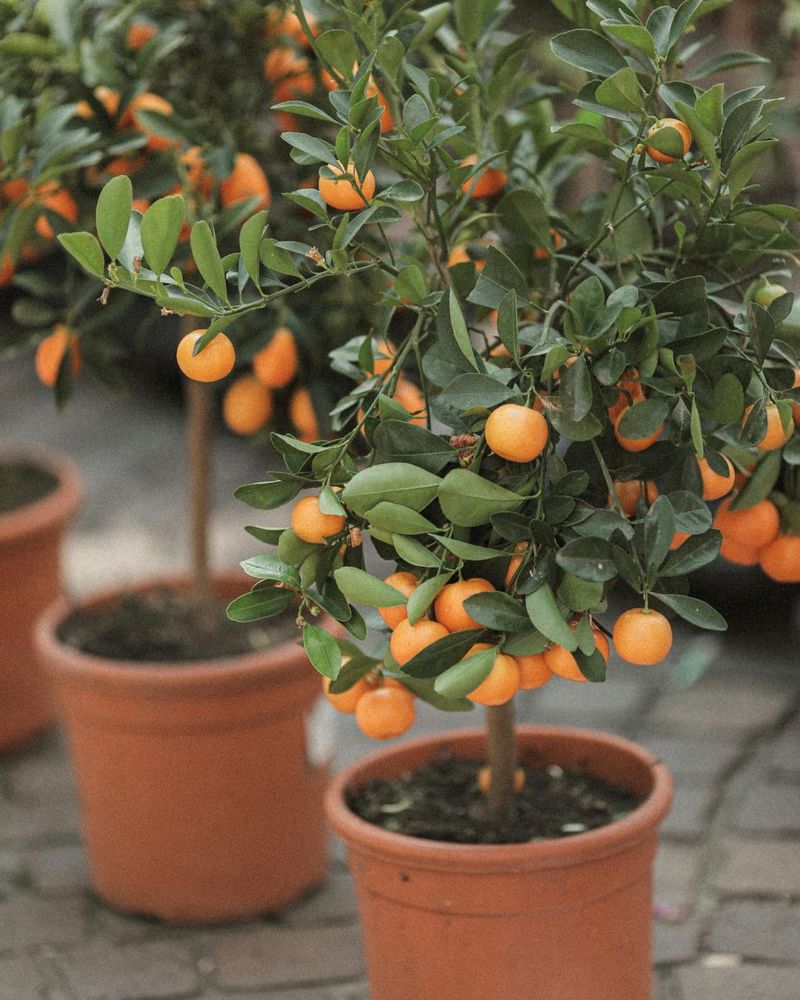
A newly planted citrus tree has a very small root system. It cannot pull water from a wide area the way a mature tree can, so it runs out of soil moisture much faster during hot weather.
Your Arizona Garden Changes Every Week. Your Plan Should Too.
Gardening in Arizona changes quickly throughout the season. Every Friday you’ll receive a simple weekly plan showing exactly what to plant, prune, fertilize, harvest, and protect so you never miss the right timing.
During the first summer, young trees in hot desert regions may need water every two to three days when temperatures stay above 105 degrees.
Skipping even a single watering during a heat spike can cause significant stress to a tree that has not yet established.
Keep emitters close to the trunk at first, within 12 to 18 inches.
As the tree grows through its first and second year, gradually move emitters outward to encourage roots to spread beyond the planting hole.
Mulch is especially helpful for young trees. A three to four inch layer of wood chip mulch placed around the base, but kept a few inches away from the trunk, slows evaporation significantly and keeps root zone temperatures lower.
Watch the leaves for early signs of stress. Slight cupping or a dull, matte appearance on foliage can signal that a young tree needs water sooner than your schedule calls for.
Adjust based on what the tree shows you, not just the calendar.
4. Sandy Soil Dries Out Faster Than Clay
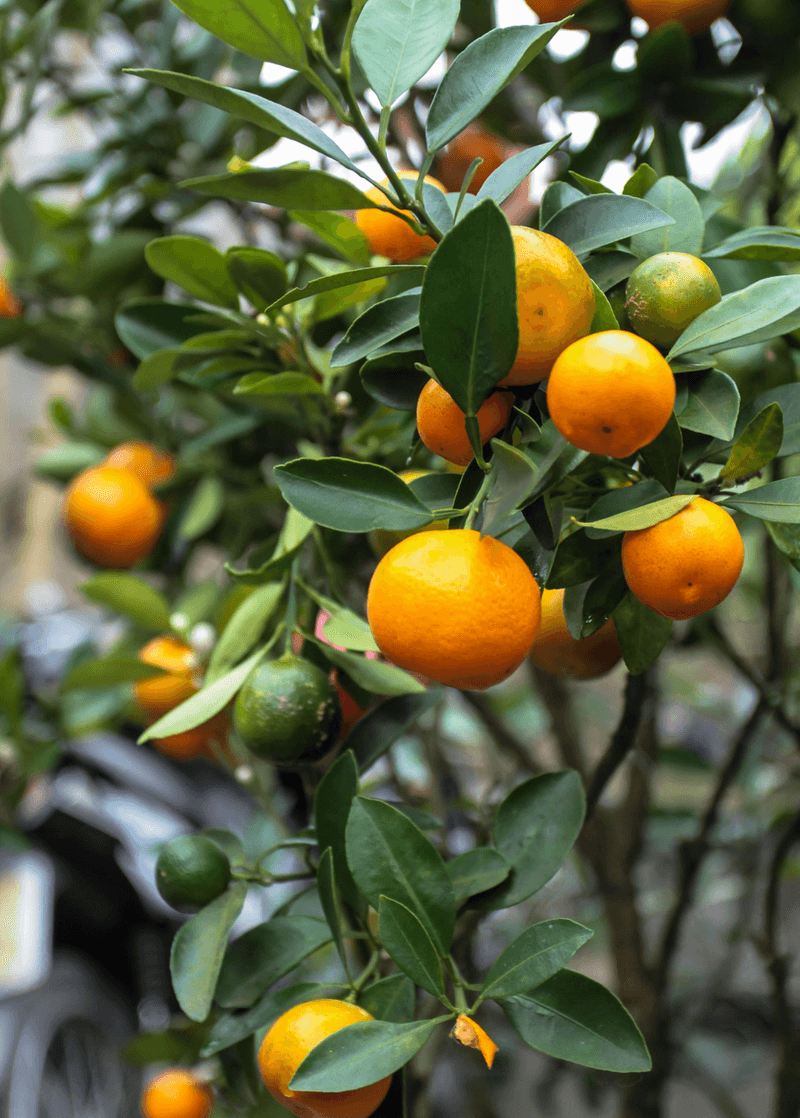
Soil type shapes everything about how often you need to water. Sandy soil has large particles with big gaps between them, which means water drains through quickly and does not linger near roots for long.
Clay soil is the opposite. It holds moisture much longer but can become compacted and slow to absorb water when it is very dry.
Most desert yards fall somewhere between the two extremes, often with rocky or caliche layers underneath that affect drainage further.
In sandy soil, citrus may need watering up to twice as often as in heavier soil during peak summer months. Knowing your soil type helps you set a realistic watering schedule instead of guessing.
A simple jar test can help. Fill a jar with soil and water, shake it, and let it settle for 24 hours.
Sand settles on the bottom, silt in the middle, and clay stays suspended longest. The proportions tell you roughly what you are working with.
Amending sandy soil with compost over time can improve its water-holding capacity.
Adding organic matter each season gradually builds better structure, which means water stays available to roots longer between irrigation cycles during summer heat.
5. Heatwaves Call For Shorter Watering Intervals
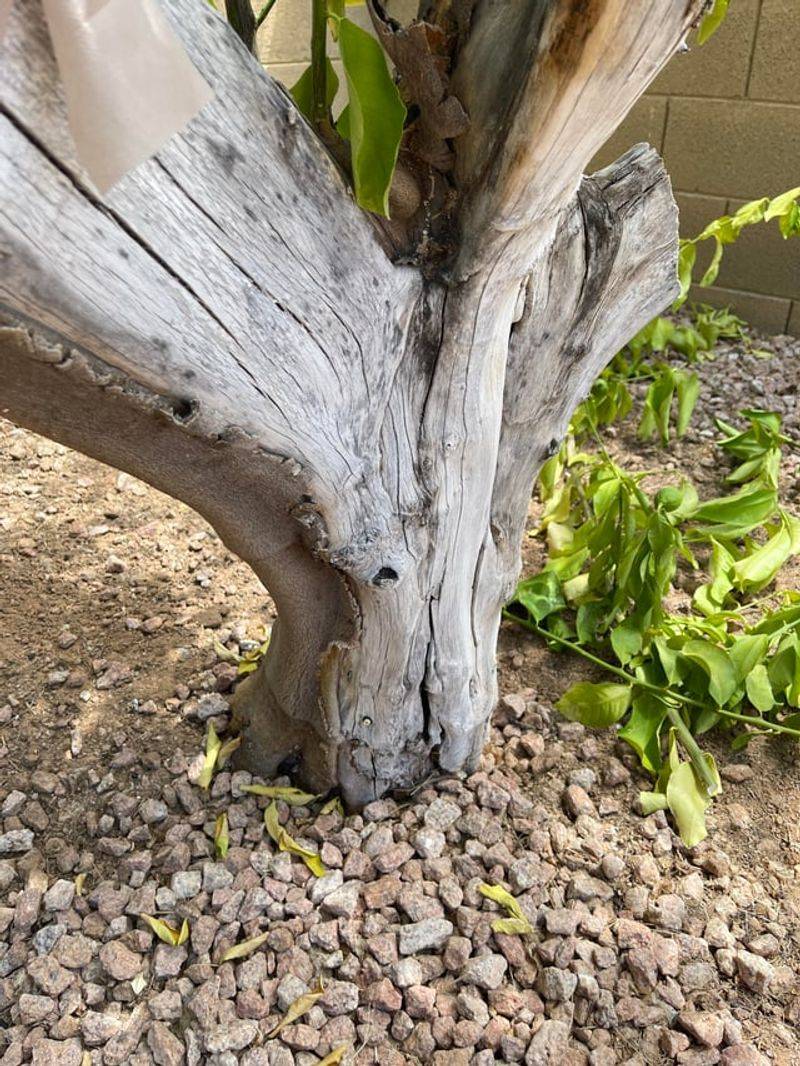
When a heat wave rolls in and temperatures stay above 110 degrees for several days straight, your regular watering schedule may not be enough. Evaporation rates spike, and trees lose water through their leaves faster than usual.
Cutting your watering interval by one day during extreme heat events is a reasonable adjustment for most established trees.
A tree that normally gets watered every five days might need water every three or four days during a stretch of record-breaking temperatures.
Watch for signs that your tree is struggling before making changes.
Leaf curl during the afternoon is somewhat normal in intense heat, but if leaves stay curled in the morning before temperatures climb, the tree is likely moisture-stressed and needs water sooner.
Avoid the urge to water every single day during a heat wave unless your tree is very young or newly planted.
Overwatering can cause root problems just as easily as underwatering, especially in poorly draining soil.
Once temperatures drop back to their normal summer range, return to your established schedule.
Temporary adjustments during extreme events are smart management, but a steady, predictable routine is still the foundation of healthy citrus care through a long desert summer.
6. Monsoon Rain Does Not Always Replace Irrigation
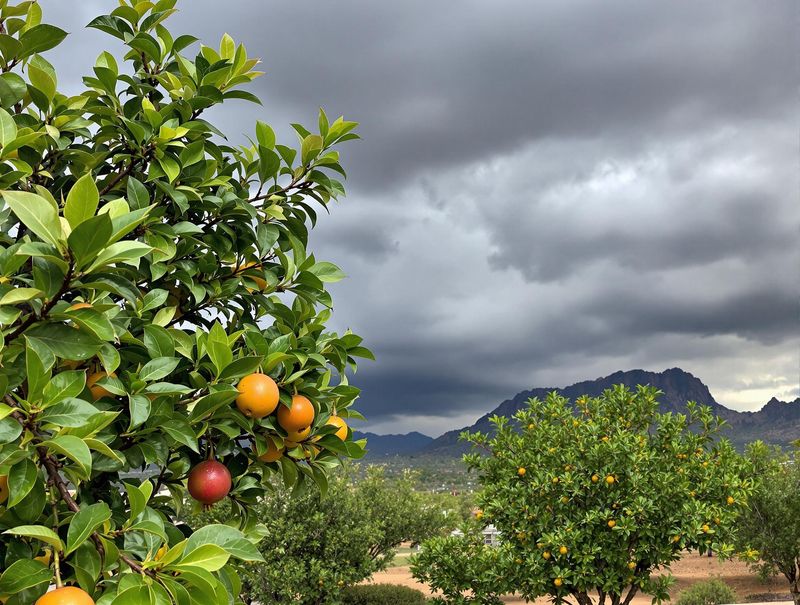
Monsoon season brings visible relief after months of dry heat. Rain falls hard and fast, and it feels like nature is finally stepping in to help.
The reality is more complicated than it looks.
Desert soil, especially caliche-heavy ground, can shed water rapidly during heavy downpours.
A sudden inch of rain may run off the surface before it ever soaks down to where roots can access it.
That means your tree may receive far less water from a storm than the rain gauge suggests.
Monsoon moisture is also unpredictable. Some weeks bring daily storms while others pass without a single drop.
Building your irrigation schedule around monsoon rain leaves your trees at the mercy of a variable weather pattern.
A good approach is to check soil moisture after a significant storm before skipping your next irrigation cycle. Push a probe or screwdriver into the root zone.
If it reaches 18 inches without resistance, the rain did its job. If not, irrigate on schedule.
Monsoon humidity does reduce some of the atmospheric stress on trees, which lowers water demand slightly.
That is a real benefit, but it rarely eliminates the need for supplemental irrigation entirely during the hottest months of the year in the desert Southwest.
7. Wait Until The Root Zone Begins To Dry
Overwatering is a real problem, not just a minor inconvenience. Roots sitting in constantly wet soil struggle to absorb oxygen, which weakens the tree over time and makes it more vulnerable to root rot and other issues.
Letting the root zone begin to dry between watering cycles is actually healthy for established citrus. A slight dry-down period encourages roots to grow deeper in search of moisture, which builds a more resilient root system over time.
The trick is knowing the difference between a healthy dry-down and genuine drought stress. Soil at a depth of six inches should feel barely moist to slightly dry before you water again.
Bone-dry soil at that depth during summer heat means you have likely waited too long.
Checking soil moisture manually once a week takes about two minutes and gives you far more useful information than any fixed schedule can. Conditions change week to week based on temperatures, wind, and humidity.
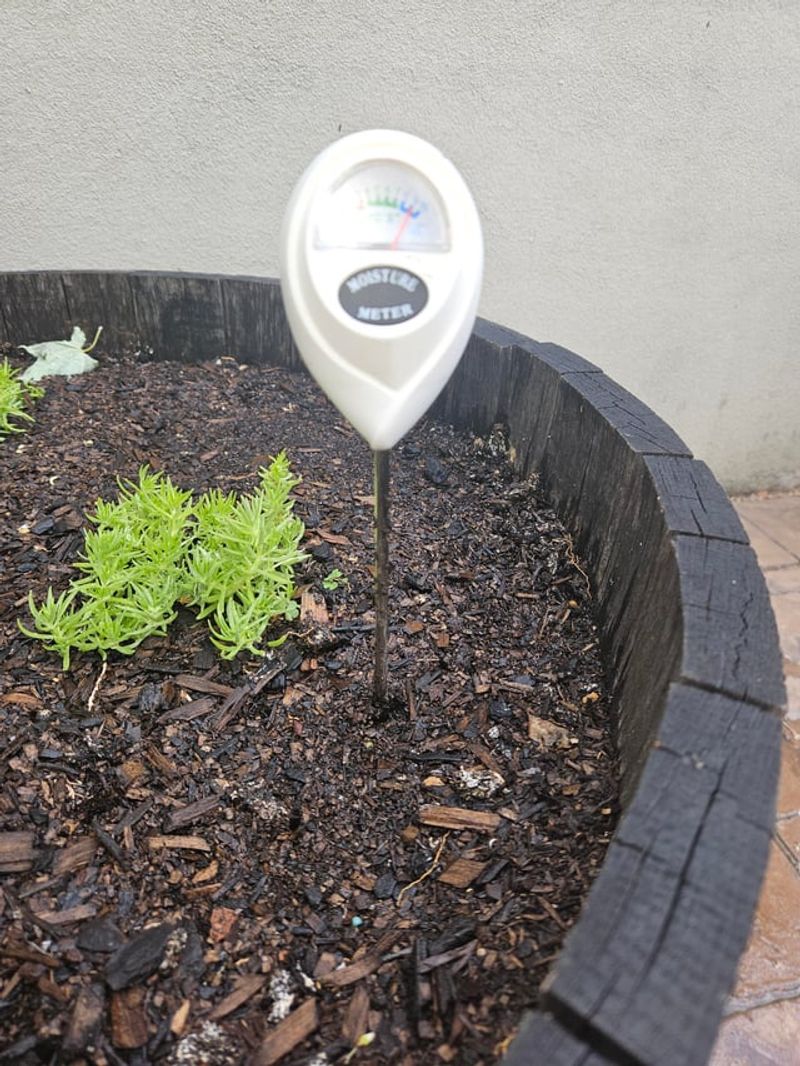
A soil moisture meter is a useful and inexpensive tool if you prefer a more precise reading. Place the probe near the drip line of the tree, not right against the trunk.
Readings taken at the drip line better reflect the moisture available to feeder roots where most water uptake actually happens.
8. Basin Watering Reaches More Active Roots
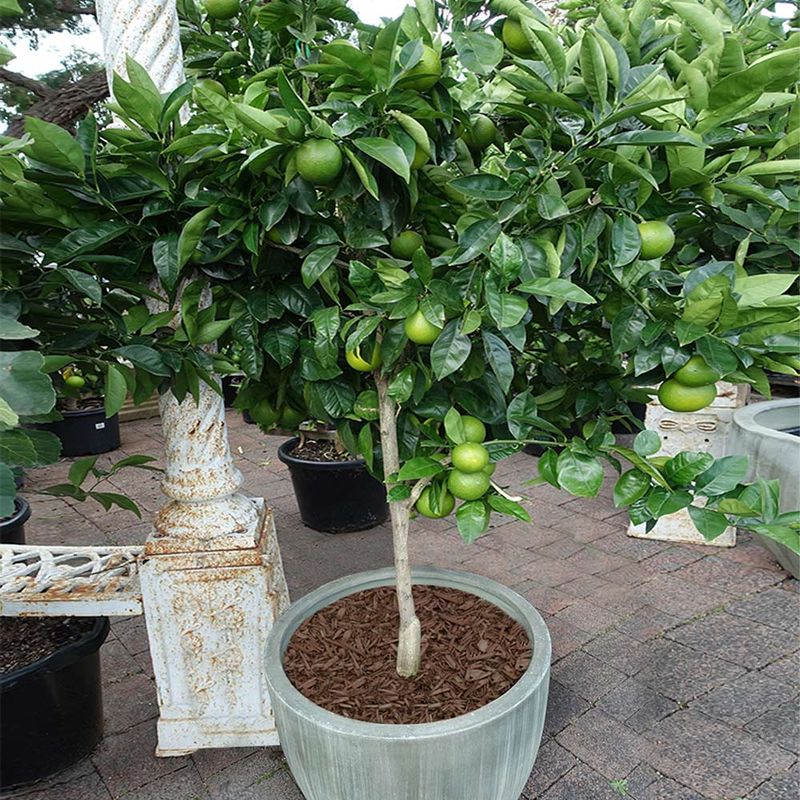
Building a watering basin around your citrus tree is one of the most practical things you can do for desert growing.
A basin is simply a low earthen berm built in a ring around the tree that holds water in place long enough for it to soak down rather than run off.
Position the basin at the drip line of the tree, which is the outer edge of the canopy.
Roots extend outward roughly in line with the canopy spread, so that is where water is most useful. Watering only near the trunk often misses the most active feeder roots entirely.
Basin size should grow as the tree grows. A small basin that worked for a two-year-old tree will be too small for a mature tree with a canopy spanning eight to ten feet.
Rebuild and expand the basin each season if needed.
Fill the basin slowly and let it drain completely before refilling. Two or three fills per watering session can drive moisture down significantly deeper than a single fill alone.
Combining a basin with a layer of mulch inside it further slows evaporation and keeps soil temperatures lower.
Mulch breaks down gradually and adds organic matter to the soil, which improves water retention over multiple growing seasons in hot, sandy desert conditions.