Why Vitex Trees Develop Scorched Leaves In Arizona Summer And How To Prevent It
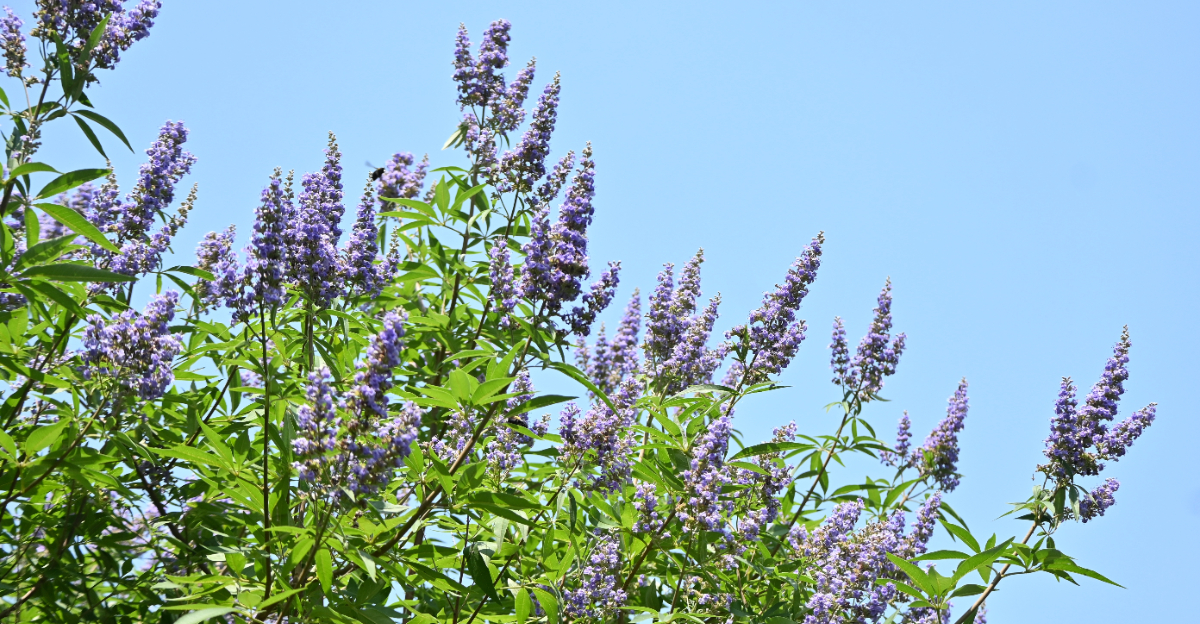
Vitex is one of those trees that seems like it can handle anything, so scorched leaves often catch gardeners by surprise.
If the edges start turning brown or the foliage suddenly looks dry, it does not always mean the tree is dying or needs more water.
In many cases, the problem comes from a combination of intense sun, reflected heat, and watering habits that are easy to overlook.
In Arizona, summer conditions can push even heat-loving plants beyond their comfort zone if a few details are off. Before you reach for the hose or assume insects are to blame, it helps to know what your tree is really trying to tell you.
A few simple adjustments can reduce further leaf scorch, protect healthy growth, and keep your Vitex looking its best through the hottest part of the season.
1. Heat Stress Is The Most Common Cause Of Leaf Scorch
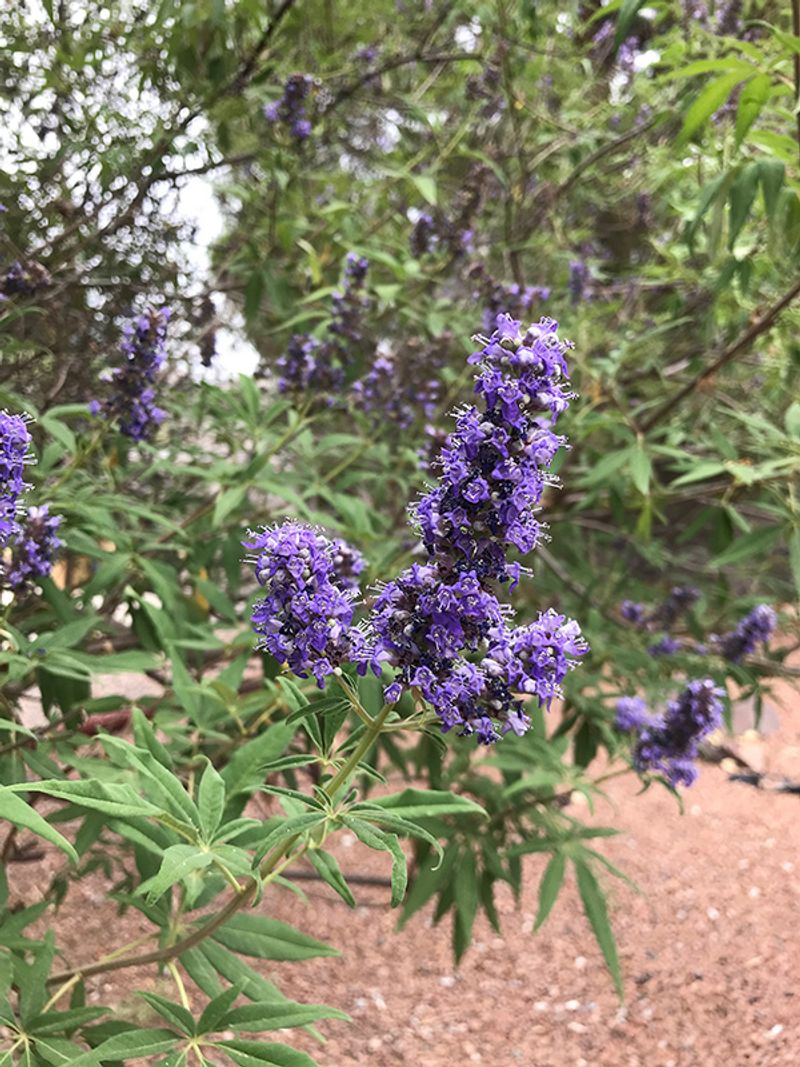
Scorched leaves on a vitex are not random. When temperatures spike above 105 degrees, leaf tissue literally overheats faster than the tree can cool itself down.
Vitex trees move water from roots to leaves constantly. In extreme heat, that process struggles to keep up.
Leaf edges brown first because they get the least water flow and the most direct sun exposure.
Most people assume the problem is watering, but heat stress alone can cause scorch even when soil moisture is fine. Reflected heat from walls, driveways, and rocks nearby makes conditions even harder for the tree to handle.
Recognizing heat stress early matters. Look for browning that starts at the leaf tips and margins, not in the center.
Center browning usually points to a different issue entirely.
A tree under heat stress may also drop some leaves early. That is actually a survival response, not a sign of serious damage.
Reducing leaf surface area helps the tree manage water loss more efficiently during brutal stretches of summer heat.
You cannot control the weather, but you can reduce how much stress the tree absorbs.
2. Water Before The Root Zone Dries Out Completely
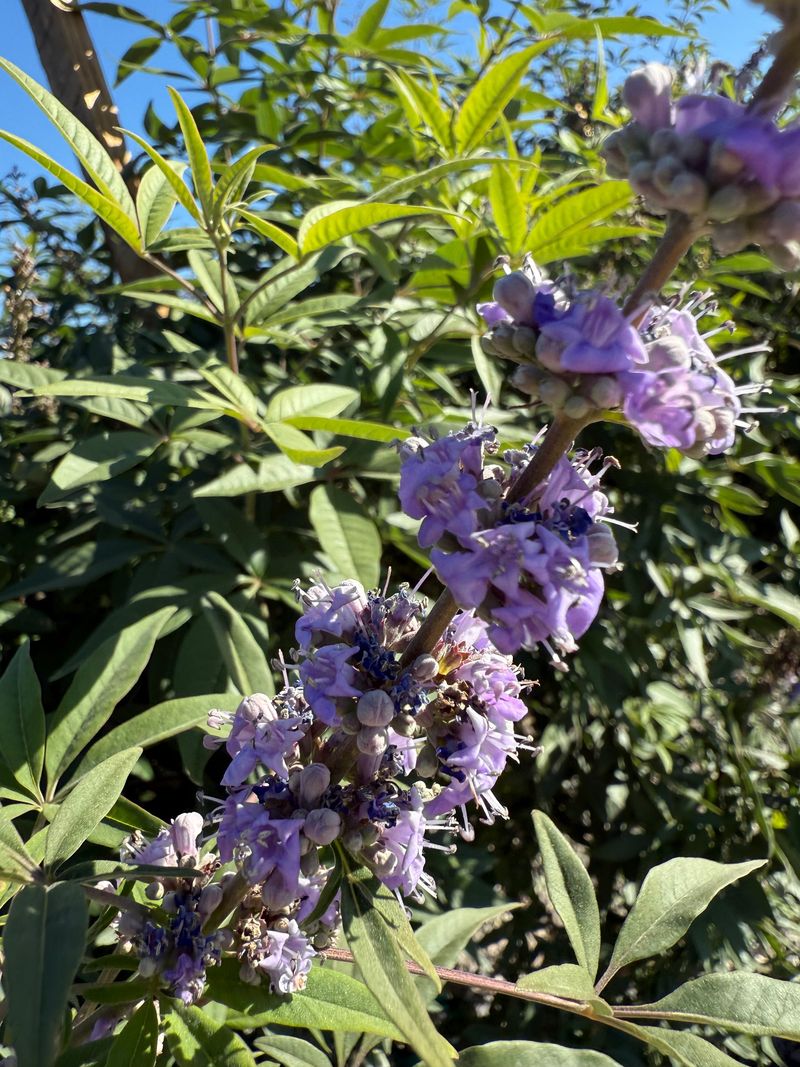
Waiting too long between watering sessions is one of the fastest ways to push a vitex toward leaf scorch. Once the root zone goes bone dry, the tree cannot recover quickly, even after a good soak.
Vitex trees are drought tolerant, but drought tolerant does not mean drought proof. During peak summer, established trees in hot climates often need deep watering at least once or twice a week, depending on soil type and sun exposure.
Sandy soils drain fast and need more frequent watering. Clay soils hold moisture longer but can develop dry pockets that water skips over.
Either way, checking soil moisture a few inches down gives you a much clearer picture than guessing from the surface.
Deep, slow watering beats frequent shallow watering every time. Shallow watering keeps moisture near the surface, which encourages roots to stay high instead of going deep where temperatures are cooler and moisture lasts longer.
A slow drip for 30 to 45 minutes works well for most established vitex trees. Adjust based on your tree size and how quickly your soil drains after a good rain or irrigation session.
Your Arizona Garden Changes Every Week. Your Plan Should Too.
Gardening in Arizona changes quickly throughout the season. Every Friday you’ll receive a simple weekly plan showing exactly what to plant, prune, fertilize, harvest, and protect so you never miss the right timing.
Mulching around the root zone also helps stretch the time between waterings. A 3-inch layer of organic mulch keeps soil cooler and reduces surface evaporation, which is a practical advantage during the hottest weeks of the season.
3. Flush The Soil To Reduce Salt Buildup Around Roots
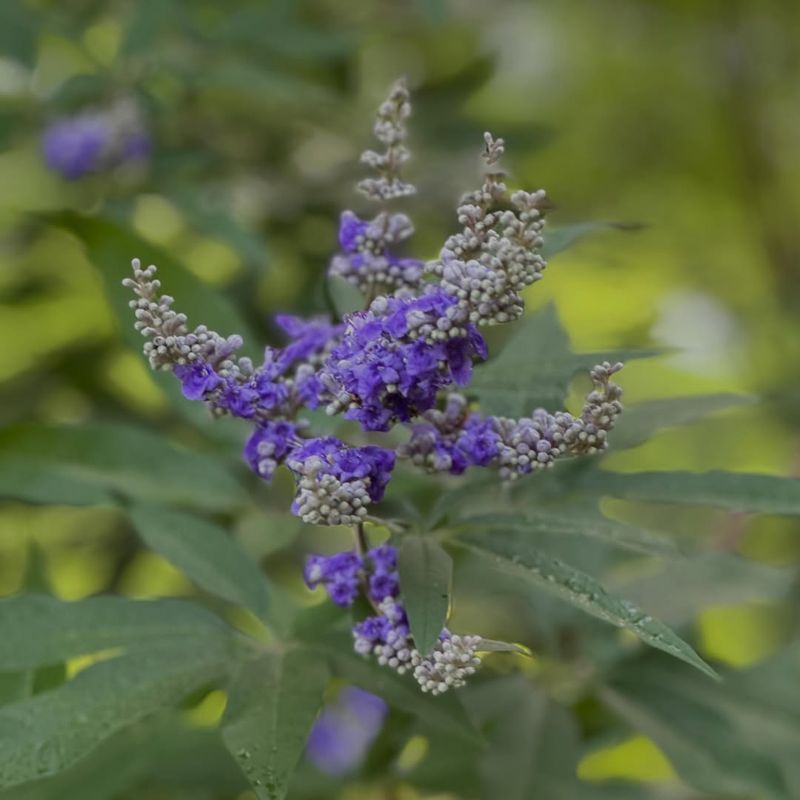
Salt buildup in desert soil is a real and underappreciated problem. In Arizona, irrigation water carries dissolved minerals, and when water evaporates in the heat, those minerals stay behind in the soil.
Over time, salt concentrations near roots can reach levels that interfere with water uptake. Even if you water regularly, roots surrounded by salty soil struggle to absorb moisture efficiently.
Leaves respond by scorching at the edges, which looks almost identical to heat stress or drought damage.
Flushing the soil pushes accumulated salts deeper, below the main root zone where they cause less harm. Run water slowly around the base of the tree for an extended period, longer than a normal watering session, to move salts downward.
Doing this once every four to six weeks during the growing season can make a noticeable difference. You do not need special equipment.
A slow garden hose or drip emitter left running for an hour works reasonably well for most home garden situations.
Avoid high-sodium water sources if possible. Softened water is particularly problematic because water softeners replace calcium and magnesium with sodium, which is harder for plants to tolerate at elevated concentrations.
4. Avoid Heavy Pruning During Extreme Summer Heat
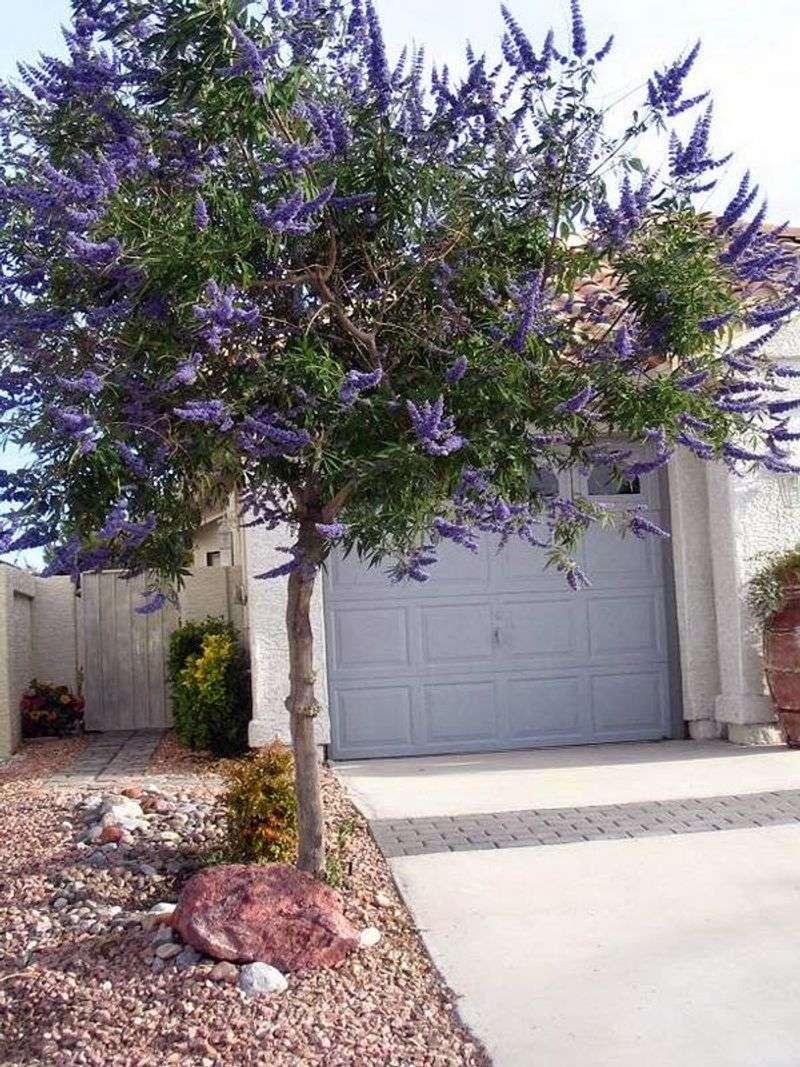
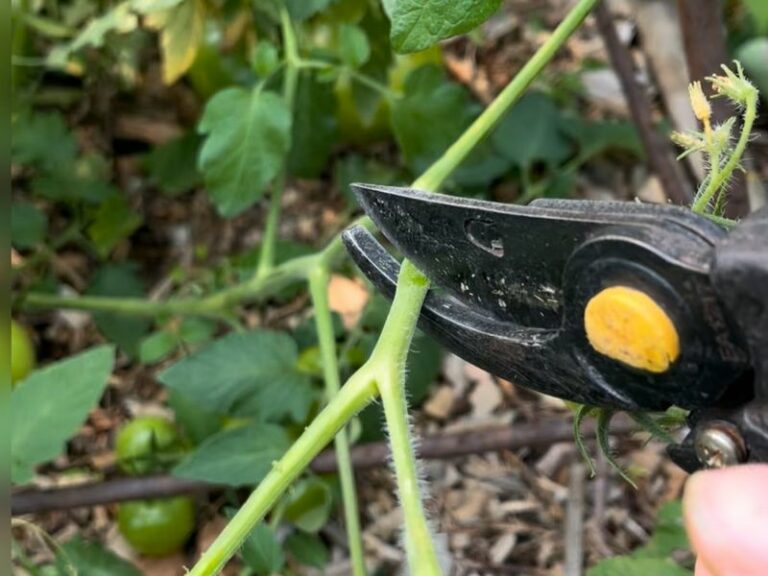
Grabbing the pruning shears during a heat wave feels productive, but it can backfire badly on a vitex that is already under stress. Heavy pruning removes leaf mass, which the tree needs to generate energy and regulate temperature.
Leaves do more than just look nice. Each leaf helps the tree manage water and energy, and cutting too many at once forces the tree to redirect resources toward new growth at exactly the wrong time of year.
New growth that emerges after heavy summer pruning is tender and soft. That fresh tissue has almost no tolerance for intense heat and direct sun.
It scorches fast, sometimes within days of appearing, which leaves the tree looking worse than before the pruning happened.
Light shaping is fine during summer if you are only making a few small corrective cuts. Keep pruning minor and targeted.
Save significant structural pruning for late winter or very early spring, when the tree is not under thermal stress.
If you recently pruned heavily and now see increased leaf scorch, give the tree time to stabilize. Consistent watering and a layer of mulch around the base will help more than any follow-up pruning at this point.
Patience works in your favor here. Vitex trees are resilient, and most recover well once the most intense heat of the season passes and conditions become more manageable for new leaf development.
5. Healthy New Growth Shows The Tree Is Recovering
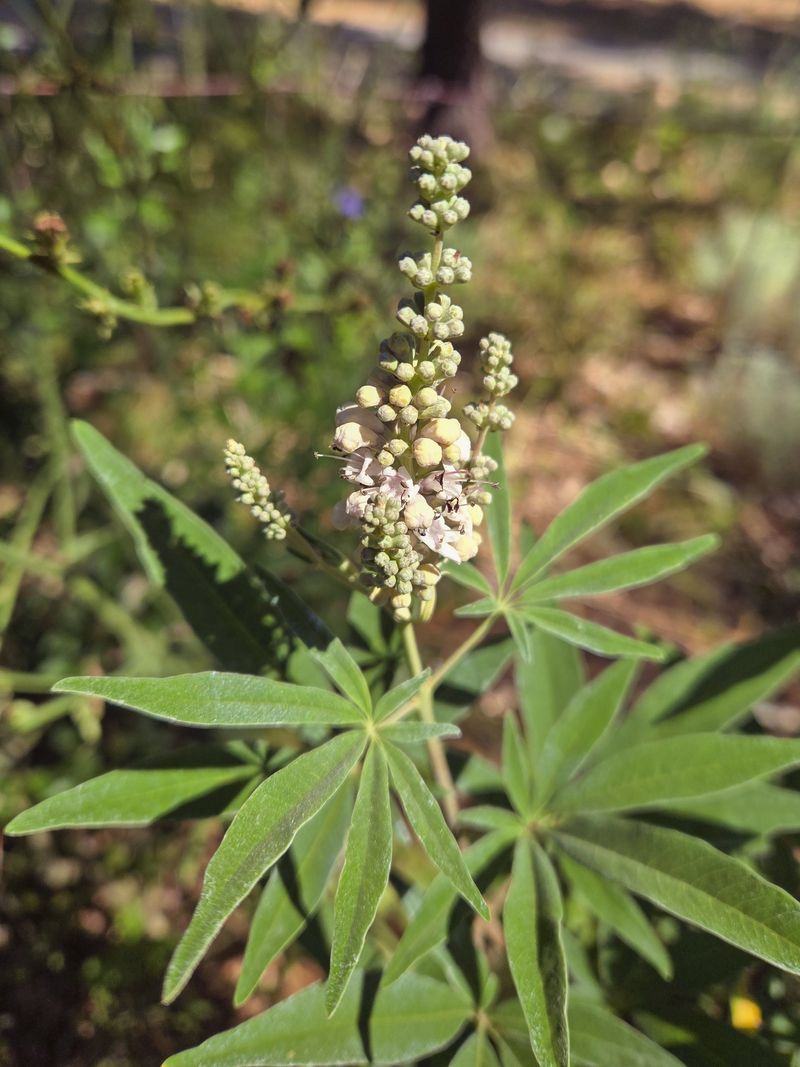
Spotting new green growth on a scorched vitex is genuinely encouraging. It means the root system is still functioning and the tree is pushing resources toward recovery despite the heat pressure it has been under.
New growth on vitex often appears at branch tips first. Small, bright green leaves unfurling on stems that looked dry and stressed just a week earlier is a reliable sign that the tree is stabilizing and not in serious long-term decline.
Recovery speed depends on several factors. Watering consistency, soil quality, and how severe the initial scorch was all play a role.
A tree that was mildly scorched will bounce back faster than one that lost most of its canopy to extended heat exposure.
Resist the urge to fertilize heavily when you see new growth. A burst of fertilizer during summer heat pushes rapid, soft growth that the tree may not be able to support in hot conditions.
A light, balanced fertilizer application in early fall is a better approach.
Keep watering on schedule even after you see recovery signs. New leaves are fragile and need consistent moisture to harden off properly.
Skipping waterings during this phase can set the tree back again quickly.
6. Reflected Heat Can Make Leaf Scorch Much Worse
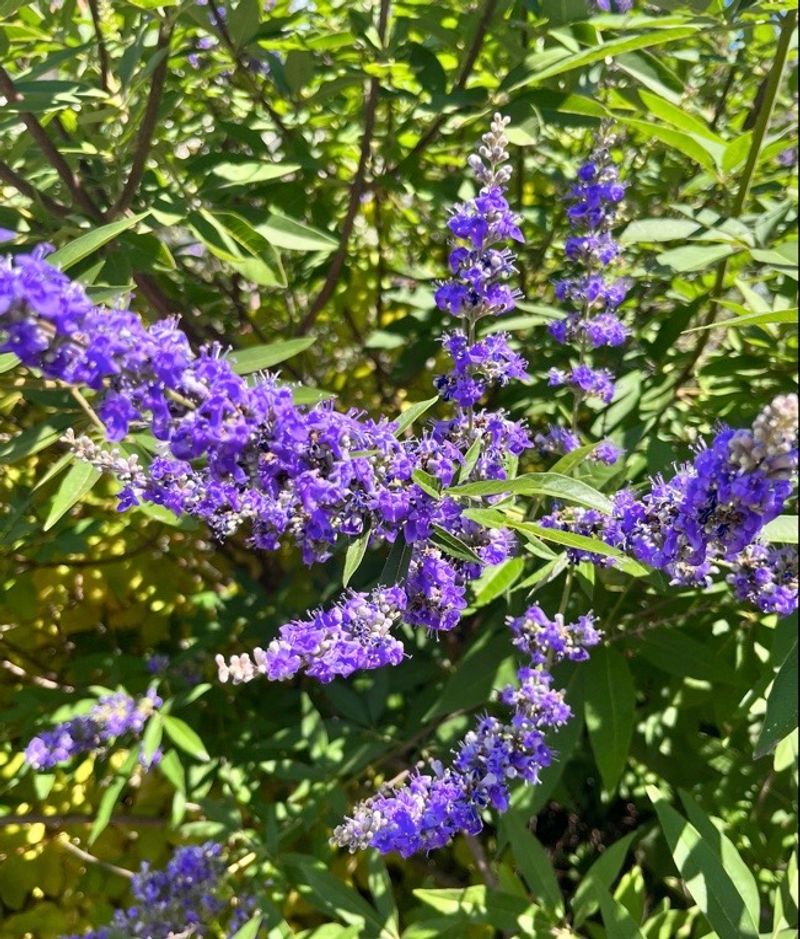
Not all heat comes from the sun directly above. Walls, sidewalks, driveways, and rock mulch all absorb heat during the day and radiate it back outward, sometimes pushing the temperature around a tree several degrees higher than the official air temperature.
A vitex planted near a south-facing block wall faces a double challenge. Intense direct sun hits from above while stored heat radiates from the wall beside it.
Leaf scorch on the side of the tree closest to the wall is often more severe than on the open side.
Light-colored stucco walls reflect sunlight directly onto nearby foliage. Dark walls absorb heat all day and release it slowly through the evening, meaning the tree gets little relief even after the sun goes down.
Repositioning an established tree is not realistic, but you can reduce reflected heat with a few adjustments. Shade cloth attached to a nearby structure can block some direct and reflected light during the worst afternoon hours.
Swapping rock mulch for organic mulch around the base also helps. Rock holds and radiates heat, while wood chip mulch stays cooler and insulates the soil below.
That single change can meaningfully reduce root zone temperatures during summer.
If you are planting a new vitex, think carefully about placement. Avoiding spots directly adjacent to south or west-facing walls and large paved surfaces reduces heat stress risk from the start, before the tree even has a chance to struggle.
7. Check For Root Problems If Leaf Scorch Keeps Returning
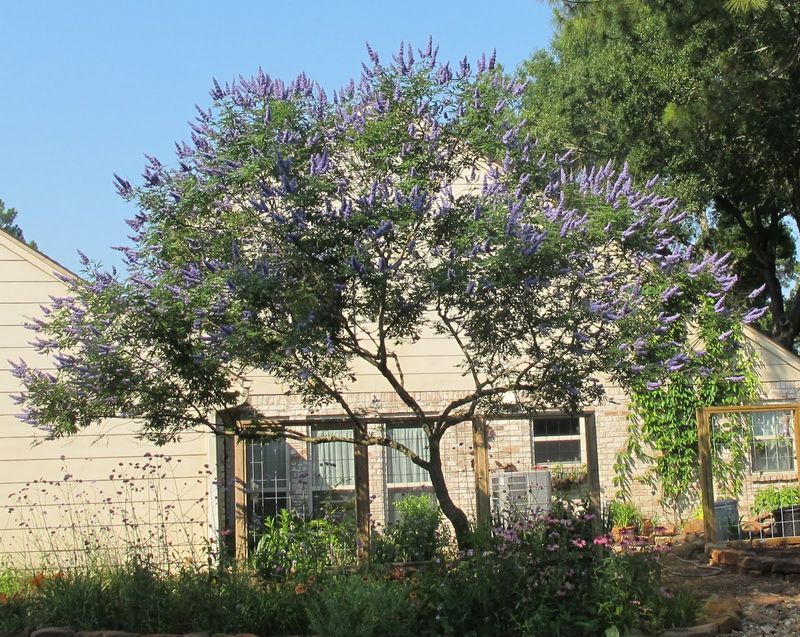
Persistent leaf scorch that comes back season after season, even with good watering and care, is worth investigating more closely. Repeated scorch without a clear cause often points to a root issue rather than surface-level heat or water problems.
Compacted soil is a common culprit in established desert yards. When soil packs tight over time, roots cannot spread or breathe properly.
Water pools on the surface instead of soaking in, and roots stay shallow and stressed even when you water regularly.
Root rot is another possibility, especially in areas with poor drainage. Overwatering in heavy clay soil creates conditions where roots suffocate.
Ironically, a tree with rotting roots shows symptoms that look almost exactly like drought stress, including leaf scorch and wilting.
Gently digging a few inches into the soil near the drip line, the outer edge of the canopy, can reveal root color and condition. Healthy roots are typically white or tan and firm.
Dark, mushy roots that smell unpleasant suggest rot is present.
If compaction is the issue, aerating the soil around the root zone can help over time. Breaking up the surface and adding organic matter improves drainage and gives roots more room to expand outward and downward.