What Kansas Gardeners Can Still Plant After Labor Day
Frost doesn’t end your growing season in Kansas, it rewrites it. Cooler air flips a switch in certain vegetables, making them sweeter and tougher instead of weaker. Nobody warns you that the days after Labor Day are actually prime planting territory.
You still have time to plant crops that shrug off a light frost. Certain greens, roots, and alliums thrive precisely when the mercury drops across Kansas. Growers who catch this window harvest deep into October while everyone else has already quit.
Timing becomes everything after summer heat finally breaks. Every choice you make in the next few weeks decides how long your harvest stretches.
Miss the window and you’re stuck waiting for spring like everyone else. Hit it right and your kitchen stays stocked with fresh produce while neighbors already shut theirs down.
What you plant right now decides if your garden thrives past frost or goes silent for winter.
1. Spinach
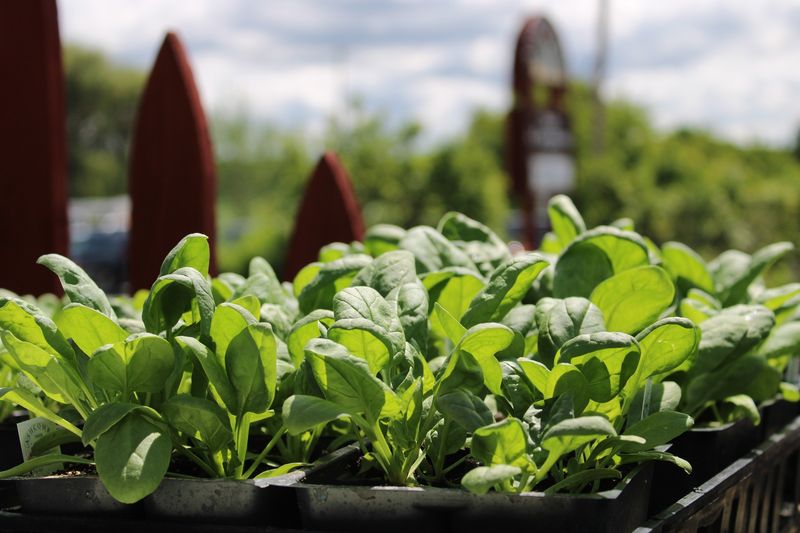
Spinach is basically built for fall. It grows faster, tastes sweeter, and handles frost better than almost any other leafy green you can grow.
Plant your seeds directly into the ground as soon as possible after Labor Day. Spinach needs around six weeks before a hard freeze, so timing matters a lot.
Loose, well-drained soil works best. Mix in some compost before sowing, and your seedlings will pop up within a week.
Space seeds about two inches apart in rows. Thin them to about four inches once they sprout, giving each plant room to spread out.
One of the best things about fall spinach is flavor. Cold temperatures trigger the plant to convert starches into sugars, making leaves taste noticeably sweeter after a light frost.
Water consistently and check the soil often, since spinach roots sit close to the surface and dry out faster than deeper-rooted crops.
Kansas gardeners planting after Labor Day can expect a solid harvest before Thanksgiving. Cover plants with a row cover on nights below 28 degrees for added protection.
Pick outer leaves first to keep the plant producing longer. A single spinach plant can give you multiple rounds of harvest if you treat it right.
Spinach is also nutritious, loaded with iron, folate, and vitamins A and C. Growing your own means you get it at peak freshness.
2. Radishes
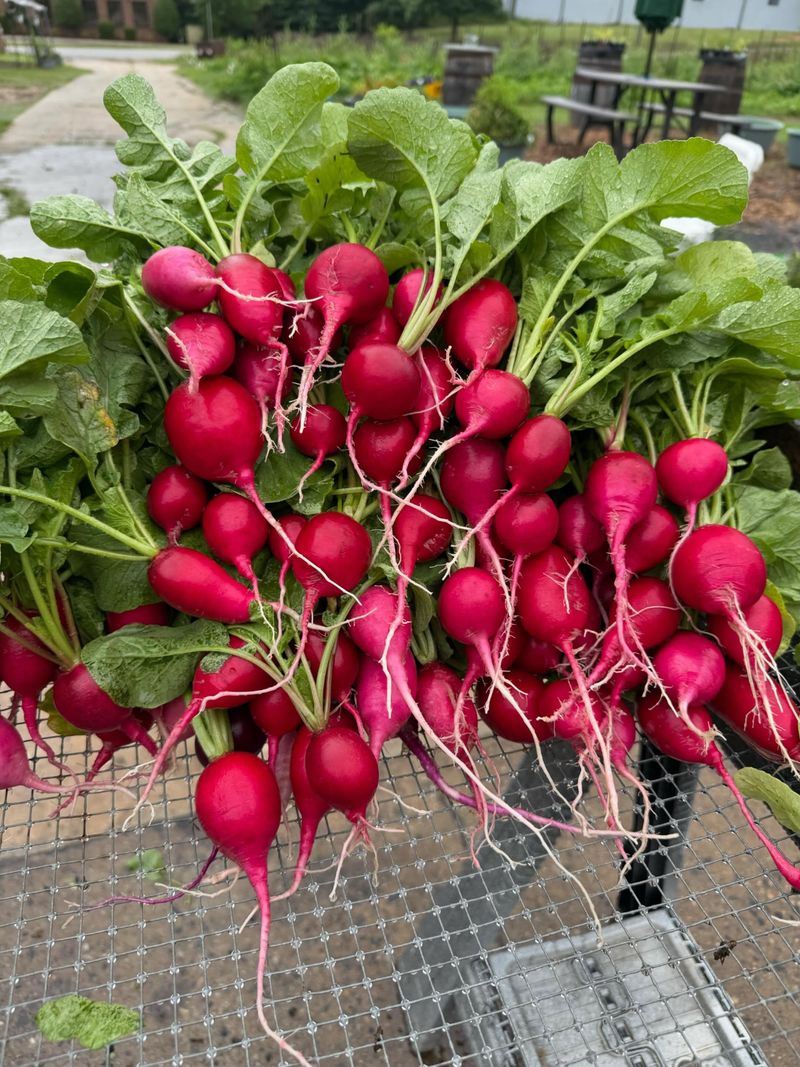
Radishes are the speed racers of the fall garden. Some varieties go from seed to table in just 22 days, which makes them perfect for planting well after Labor Day.
Sow seeds directly into the ground about half an inch deep. Scatter them roughly one inch apart and thin to two inches once they germinate.
Radishes prefer cooler soil, and fall in Kansas delivers exactly that. Warm late-summer soil can make them bolt quickly, but dropping temperatures slow them down in the best way.
Water them regularly and evenly. Inconsistent moisture causes radishes to crack or turn pithy and hollow inside, which affects that satisfying crunch.
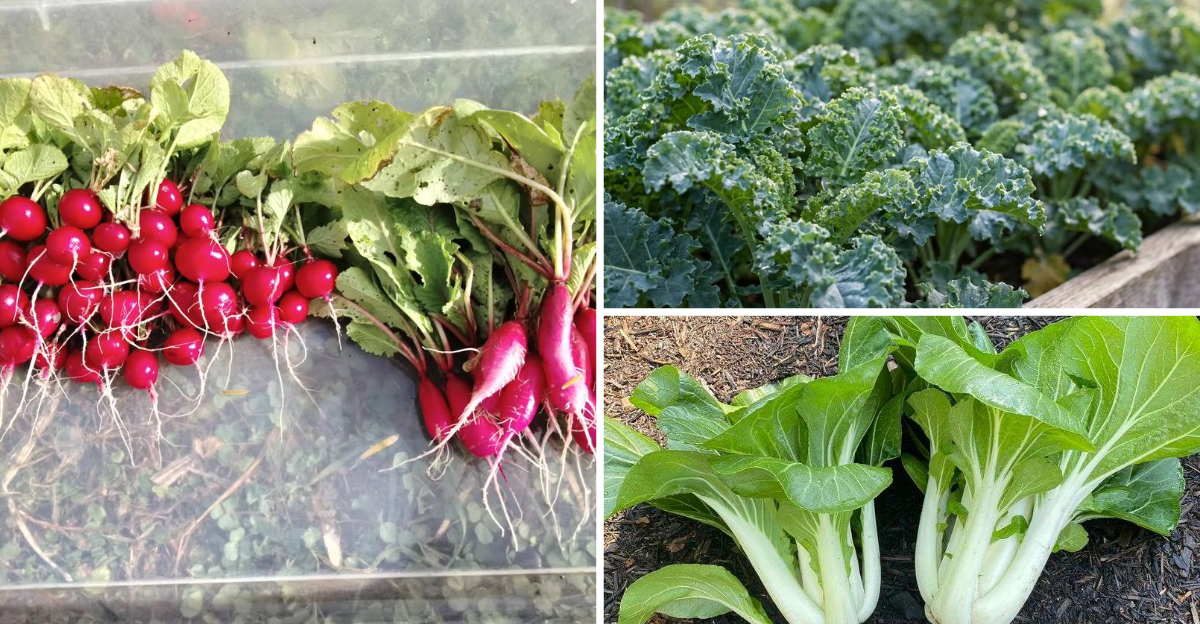
There are so many varieties worth trying in the fall. French Breakfast, Cherry Belle, and Daikon are all reliable performers once the heat fades.
Your Kansas Garden Changes Every Week. Your Plan Should Too.
Gardening in Kansas changes quickly throughout the season. Every Friday you’ll receive a simple weekly plan showing exactly what to plant, prune, fertilize, harvest, and protect so you never miss the right timing.
Daikon radishes are especially fun because they grow large and can be roasted, pickled, or eaten raw in salads. They take a bit longer than small red types but reward your patience.
Radishes also double as companion plants. They help loosen compacted soil as their roots grow, which benefits nearby crops like lettuce or spinach.
Harvest radishes promptly once they reach mature size. Leaving them in the ground too long causes them to turn woody and bitter, so check them often.
Few things beat pulling a bright, crisp radish from cool autumn soil.
3. Lettuce
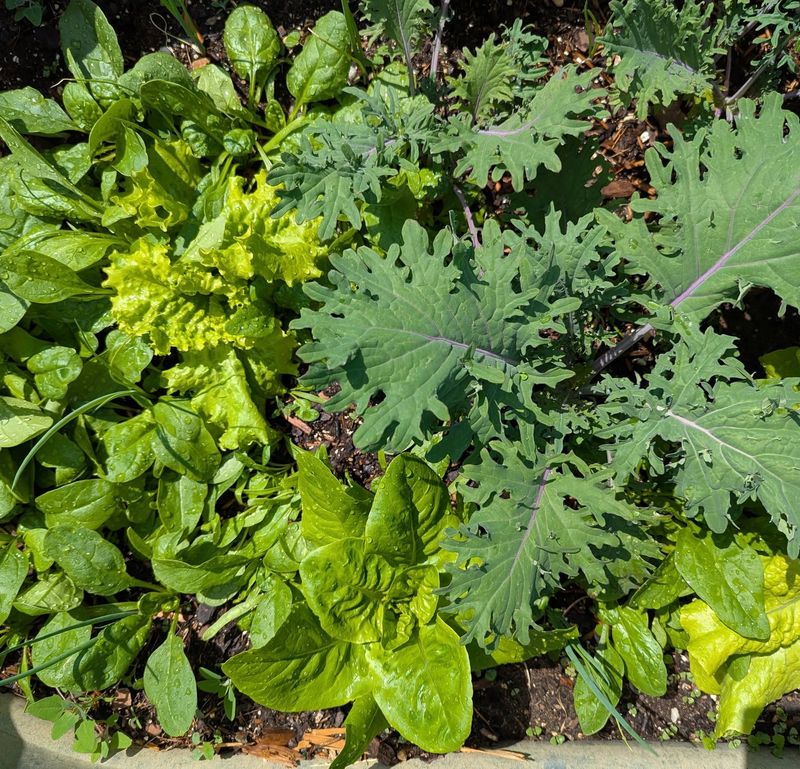
Lettuce loves the cool season more than almost any crop you can grow. Hot summer weather makes it bolt and turn bitter, but fall temperatures bring out its best qualities.
After Labor Day, Kansas soil is still warm enough to germinate seeds quickly, while cooling air keeps young plants from stressing.
Choose loose-leaf varieties for the fastest results. Buttercrunch, Black Seeded Simpson, and Red Sails all perform well in fall conditions across the state.
Broadcast seeds lightly over prepared soil and press them in gently. Lettuce seeds need light to germinate, so avoid burying them too deep.
Thin seedlings to about six inches apart once they reach an inch tall. Crowded lettuce plants compete for nutrients and produce smaller, weaker leaves overall.
Consistent watering keeps lettuce tender and mild. Dry conditions stress the plant and speed up bolting, even in cooler weather.
A cold frame or row cover can extend your harvest significantly. Lettuce can handle light frost, but a little protection pushes the season several extra weeks.
Harvest by cutting outer leaves and leaving the center intact. This cut-and-come-again method means one plant can feed you for weeks instead of days.
You get crisp, fresh greens at a time when store prices often climb, with flavor that holds up well against anything from the shelf.
4. Turnips
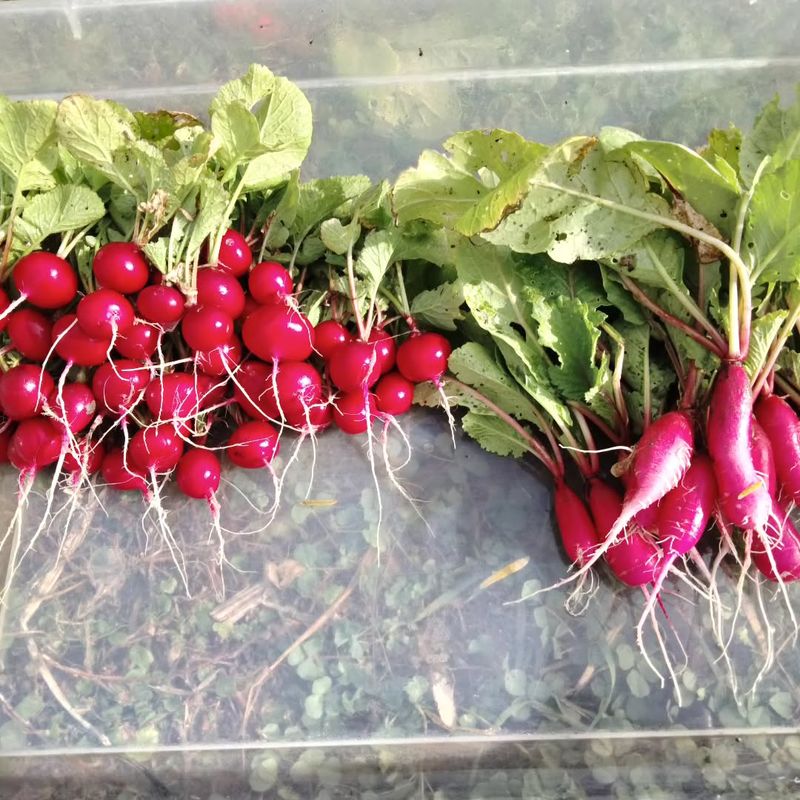
Turnips are wildly underrated, and fall is when they truly shine. Both the roots and the leafy tops are edible, giving you two vegetables from one seed packet.
Plant turnip seeds directly in the garden about a quarter inch deep. Sow them thickly at first, then thin seedlings to four inches apart once they establish themselves.
Turnips grow fast, typically maturing in 40 to 60 days. Planting right after Labor Day gives you a solid window before Kansas winters arrive in full force.
These roots actually improve in flavor after a frost. Cold temperatures convert their starches to sugars, giving them a sweeter, milder taste than summer-grown turnips.
Turnip greens are just as valuable as the roots. Steam or sauté them with a little garlic and olive oil for a simple, nutritious side dish.
Consistent soil moisture is important during root development. Dry spells can cause the roots to crack or turn bitter, so check moisture levels often.
Purple Top White Globe is the classic variety, and for good reason. It is reliable, fast-growing, and handles light frost with little extra effort from the gardener.
Hakurei turnips are worth seeking out if you want something different. They are small, sweet, and tender enough to eat raw like an apple right out of the garden.
Harvesting sweet, heavy roots from cool soil is one of fall gardening’s most rewarding moments.
5. Kale
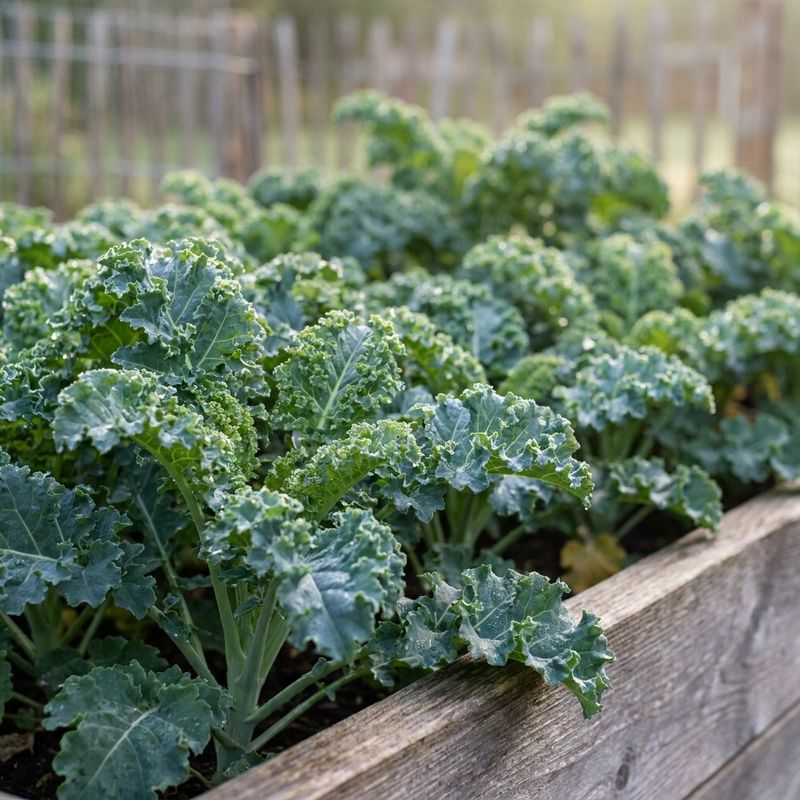
Kale gets better with cold, and that is not just a catchy phrase. Frost triggers a chemical change in the leaves that makes them sweeter and more tender than summer kale.
Start seeds directly in the garden after Labor Day, about half an inch deep. Kale germinates quickly in warm soil and establishes itself before temperatures drop sharply.
Thin plants to about 12 inches apart once seedlings reach three inches tall. Kale grows large, and crowded plants produce smaller, tougher leaves with less flavor overall.
Red Russian and Lacinato are two top choices for fall planting in the Midwest. Both are cold-tolerant, productive, and flavorful when harvested after the first frost hits.
Kale is remarkably tough once established. It can survive temperatures down to around 20 degrees without a cover, making it one of the most resilient fall crops available.
Harvest by removing outer leaves first and leaving the central growing tip intact. This keeps the plant producing fresh leaves for weeks, sometimes even into early December.
Kale pairs well with garlic, lemon, and parmesan in simple pasta dishes. It also holds up beautifully in soups and stews, adding body and nutrition to every bowl.
Pest pressure drops significantly in fall compared to summer. Fewer aphids and caterpillars mean your kale plants stay cleaner with less effort from you as the gardener.
Kale is a hearty, low-maintenance option for anyone planting after Labor Day.
6. Beets
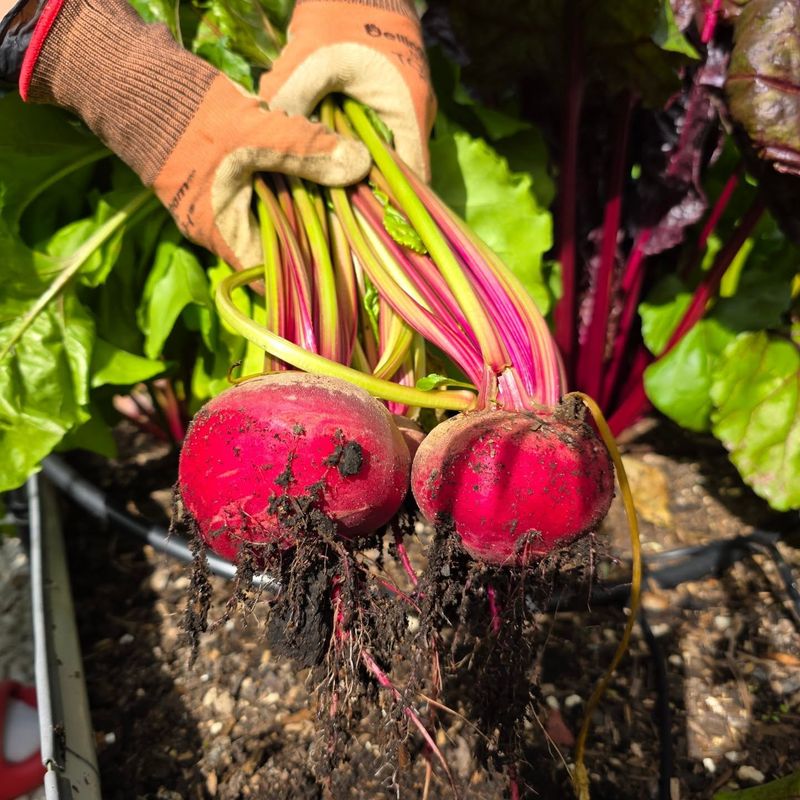
Beets grow steadily in cool soil, producing both sweet, earthy roots and nutritious greens that can be used just like chard.
Sow beet seeds about half an inch deep and one inch apart after Labor Day. Each beet seed is actually a cluster of seeds, so thinning is essential once they sprout.
Thin seedlings to three to four inches apart to give roots enough room to develop. Crowded beets produce small, misshapen roots that are harder to cook and store.
Beets take roughly 50 to 70 days to mature, so planting promptly after Labor Day keeps you on track. Detroit Dark Red and Chioggia are reliable varieties for fall growing.
Fall-grown beets tend to be sweeter than summer ones. Cooler soil temperatures slow their growth just enough to concentrate sugars inside the root, improving overall flavor.
Water deeply but infrequently to encourage roots to grow downward. Shallow watering produces surface roots that are small and often crack when temperatures swing.
Beet greens are completely edible and worth using. Sauté young leaves with butter and a pinch of salt for a quick, simple side dish.
Mulching around beet plants helps regulate soil temperature and retain moisture. A thin layer of straw works well and breaks down over winter to feed your soil.
Pull beets when roots are one to three inches across for the best texture and sweetness.
7. Green Onions
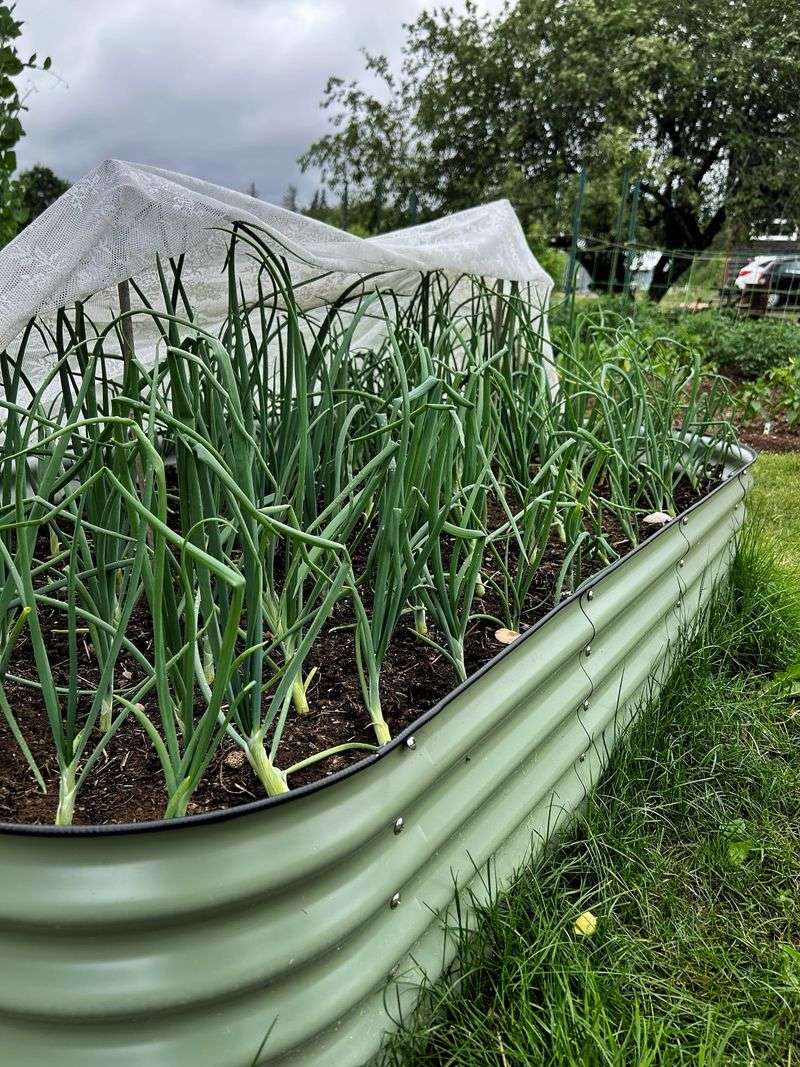
Green onions are one of the easiest crops to grow after Labor Day, and most gardeners overlook them completely. They take up almost no space and produce a steady supply of flavor for weeks.
Plant sets or seeds directly into the soil about half an inch deep. Space them two to three inches apart in rows, and they will fill in well within a few weeks.
Green onions prefer well-drained soil with plenty of organic matter mixed in. If your garden beds tend to stay wet, add compost before planting to improve drainage and root health.
They handle light frost without much trouble. Temperatures in the mid-20s barely faze them, which makes them a good fit for Kansas falls that can swing wildly from warm to cold.
Harvest by snipping the tops at about six inches or pulling entire plants when needed. Either method works, and the plant will often regrow from the base if you leave the roots intact.
Green onions add fresh flavor to eggs, soups, tacos, grain bowls, and just about anything else you are cooking. Having a patch growing right outside your kitchen door is genuinely convenient.
Evergreen Hardy White is a variety specifically bred for cold tolerance. It overwinters in many parts of the Midwest and comes back strong once spring temperatures return.
Planting in succession every two weeks extends your harvest window significantly. Start a new row every 14 days and you will have fresh green onions well into November.
Green onions deliver steady results with minimal fuss once the weather turns cool.
8. Bok Choy
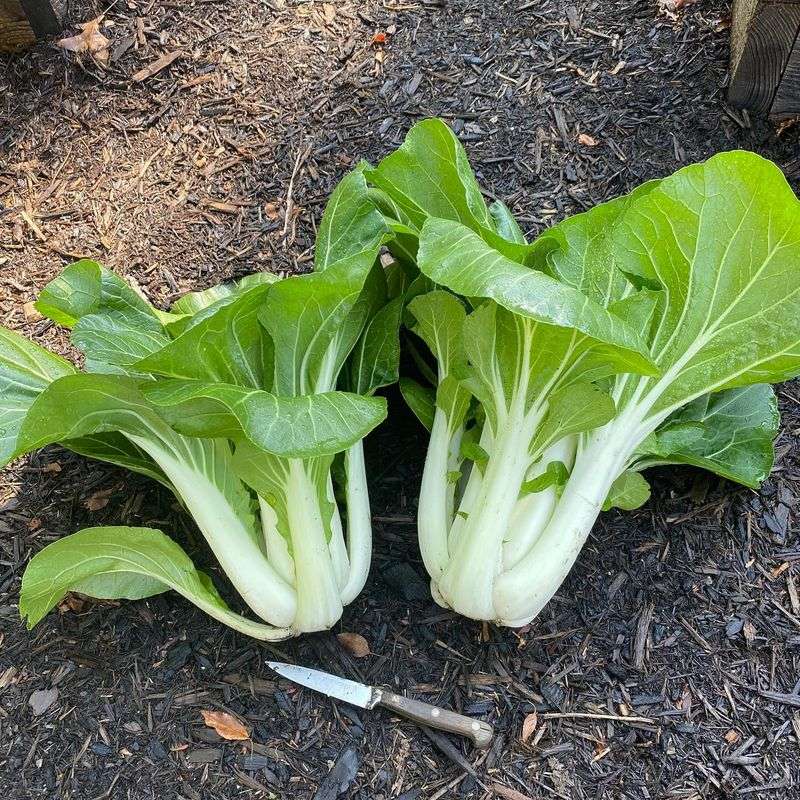
Bok choy is a cool-season crop that many American gardeners have not tried yet. It grows fast, tastes mild, and adds an interesting twist to your fall harvest lineup.
Plant seeds directly in the garden after Labor Day, about a quarter inch deep. Germination happens quickly in warm late-summer soil, and seedlings establish themselves before the first cold snap arrives.
Thin plants to about eight inches apart once they reach two inches tall. Bok choy needs good airflow between plants to prevent fungal issues that thrive in cool, damp conditions.
Baby bok choy varieties like Toy Choy or Shanghai Green mature in just 30 to 45 days. That fast timeline makes them easy to fit into your fall planting schedule after Labor Day.
Water consistently and evenly throughout the growing season. Drought stress causes bok choy to bolt prematurely, sending up a flower stalk and making the leaves tough and bitter.
Pest pressure is much lower in fall compared to spring. Cabbage worms and aphids are far less active once temperatures cool, meaning your bok choy stays clean with less intervention.
Harvest entire plants by cutting at the base when they look full and firm. Alternatively, remove outer leaves gradually to extend the harvest period over several weeks.
Bok choy shines in stir-fries, soups, and roasted vegetable medleys. Its mild, slightly sweet flavor pairs well with ginger, garlic, soy sauce, and sesame oil.
Bok choy is a solid pick for gardeners who want something different after Labor Day.