The Weed Mistake That Lets Problems Come Back Every Year
Every spring the garden looks freshly polished, like a living room someone finally cleaned before guests arrived. By the middle of July, something uninvited has moved in and claimed all the best seats.
You yank the green intruders out by the handful, feel wildly victorious, and pour a cold drink. Three weeks later they are back, somehow looking healthier and better organized than they did before.
Most gardeners blame bad luck, stubborn clay soil, or that neighbor who mows twice a whole season. The real answer hides a few inches underground, quietly waiting for your back to be turned.
One small habit, repeated faithfully each year, keeps the whole cycle spinning like a scratched record. Your garden is not cursed or haunted, it simply has a suspiciously excellent long memory.
The Hidden Half Left Behind In The Soil
Snapping a weed off at the soil line feels satisfying, like winning a quick argument. Underground the plant barely reacts, because its thickest roots are still fully intact.
Many stubborn garden invaders store their energy in taproots or spreading underground stems. Cut away the leafy top and those reserves push out fresh growth within days.
Dandelions can regrow from a root piece barely an inch long, which explains their stubborn comeback. Bindweed and quackgrass behave the same way, sprouting again from broken pieces a hoe leaves behind.
Gardeners repeat this pattern for years without noticing they are pruning instead of removing. A snapped root often responds by sending up two or three new shoots instead of one.
A bed that looks clear from a few steps away can still hide broken pieces sitting just under the surface. Leafy growth disappears fast, but a fragment left behind gives no visual clue it survived.
Raking the surface lightly right after pulling often turns up pieces that got missed the first time around. That extra minute catches what a quick glance from standing height usually misses.
Sharp tools help, but patience matters even more around crowded perennials and tight edges. Working slowly protects the roots of nearby plants while leaving no hidden pieces behind for the weed itself.
Fragments left in the bed should be raked out rather than mixed back into the soil. Loose pieces treat the bed like a nursery tray, rooting again within days.
The Fragments Built To Multiply
Not every root fragment behaves the same way once it is left underground. Rhizomes and creeping stems are built to break apart and start over from nearly any point.
Canada thistle and ground elder spread through horizontal roots that snap easily into short segments. Each segment carries its own bud, ready to push up a brand new shoot.
Curly dock stores enormous reserves in a single thick taproot that resists most tugging. A hoe or trowel often shears off only the top few inches, leaving the rest untouched.
Bermuda grass and quackgrass send out underground stems in every direction. Chopping through a patch with a tiller can multiply the problem instead of solving it.
This is why the same weed often returns thicker the following year rather than thinner. Cutting stimulates dormant buds along the remaining root, and several wake up at once instead of one.
Recognizing which weeds spread this way changes how they should be approached before the fork ever goes into the ground. Slow, complete removal matters far more with these species than with shallow-rooted annuals.
A fork or spade lifted slowly beneath the crown pulls up far more root than a quick tug from above. Rocking the tool gently before lifting loosens the soil’s grip on the fragment attached.
Checking the hole afterward matters as much as checking the plant itself. A visible white thread or broken rhizome end left in the soil is often the start of next month’s regrowth.
Getting Root Removal Right In Damp Soil
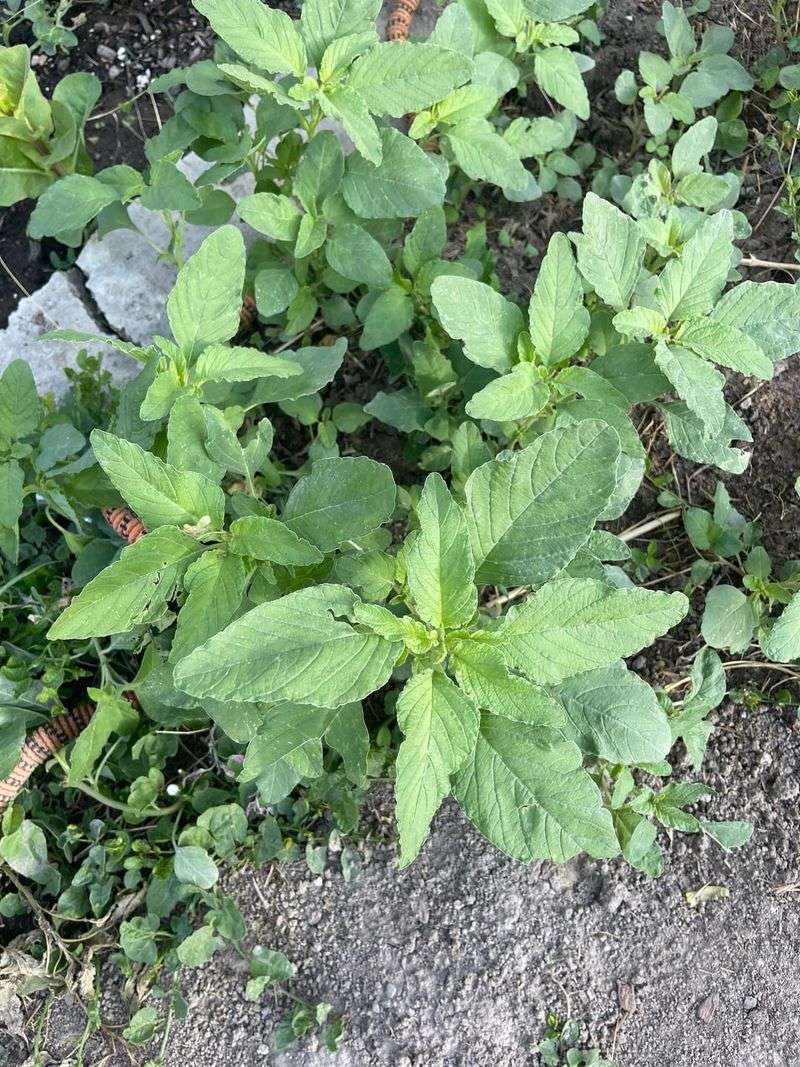
Timing weeding sessions around watering makes root removal noticeably easier. Soil that crumbles gently lets go of roots, while sun-baked ground grips them like concrete.
Watering a bed thoroughly the evening before pays off the next morning. Soft, cool soil releases far more root than dry afternoon dirt ever will.
A hand fork or dandelion knife works better than fingers on any taprooted weed. Slide the tool alongside the root, rock it slightly, then lift straight upward rather than sideways.
Pulling at an angle usually snaps the root and leaves the important lower half behind. Straight, steady tension brings up the crown and root together.
Creeping weeds need tracing rather than yanking, since their stems travel sideways underground. Following a white runner with a finger and lifting it like a thread removes far more of the plant.
Gloves with a rubber grip make it easier to hold slippery stems without crushing them. A crushed stem separates from its root instantly, leaving the underground half behind and undisturbed.
Filling the hole afterward and firming it lightly with a palm keeps the bed tidy. An open hole dries out the roots of nearby plants and invites new weeds to settle in.
Everything pulled should go straight into a bucket rather than onto the path or bed. A wilted stem can still root again if rain arrives before cleanup is finished.
Reading The Root Before You Toss It
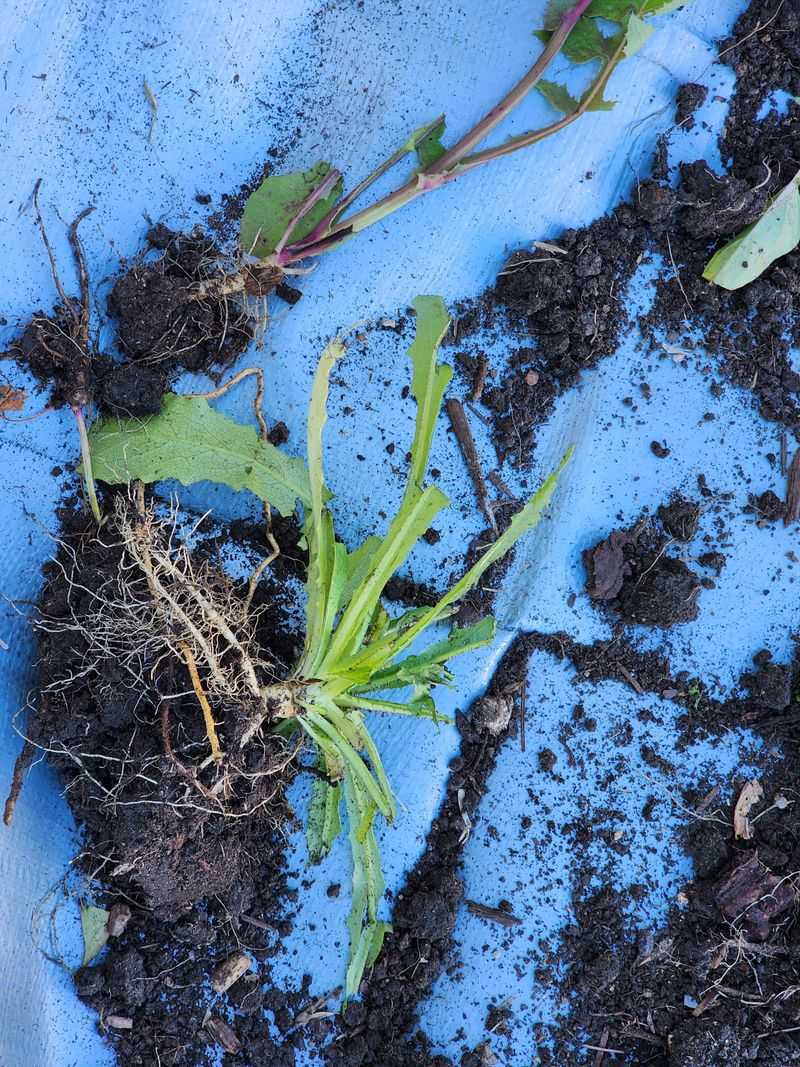
The real measure of a good weeding pass happens after the plant is already out of the ground. What comes up in one piece matters more than how satisfying the pull felt.
A clean, tapering root end usually means the whole plant left with nothing behind to regrow from. A ragged, snapped edge is a signal that a piece is still sitting in the soil.
Holding the root up to the light for a second before tossing it takes almost no extra time. That quick check saves several trips back to the same spot later in the season.
Fragments are best kept out of a home compost pile, since most bins rarely reach the heat needed to stop them from rooting again. A separate bucket for weed roots keeps that risk out of the garden entirely.
A small notebook or phone note tracking which spots keep producing the same weed pays off within a season. Repeated regrowth in one exact spot is a strong sign of a leftover fragment rather than a new seed.
Marking a stubborn spot with a small stake makes it easy to check back within a week or two. A second pass while the soil is still loose often catches what the first pass missed.
Tools matter here too, since a serrated hori-hori or narrow trowel leaves a cleaner cut than blunt fingers. A cleaner separation point makes it far easier to judge if the whole root came out clean.
September’s Edge For Cleaner Roots
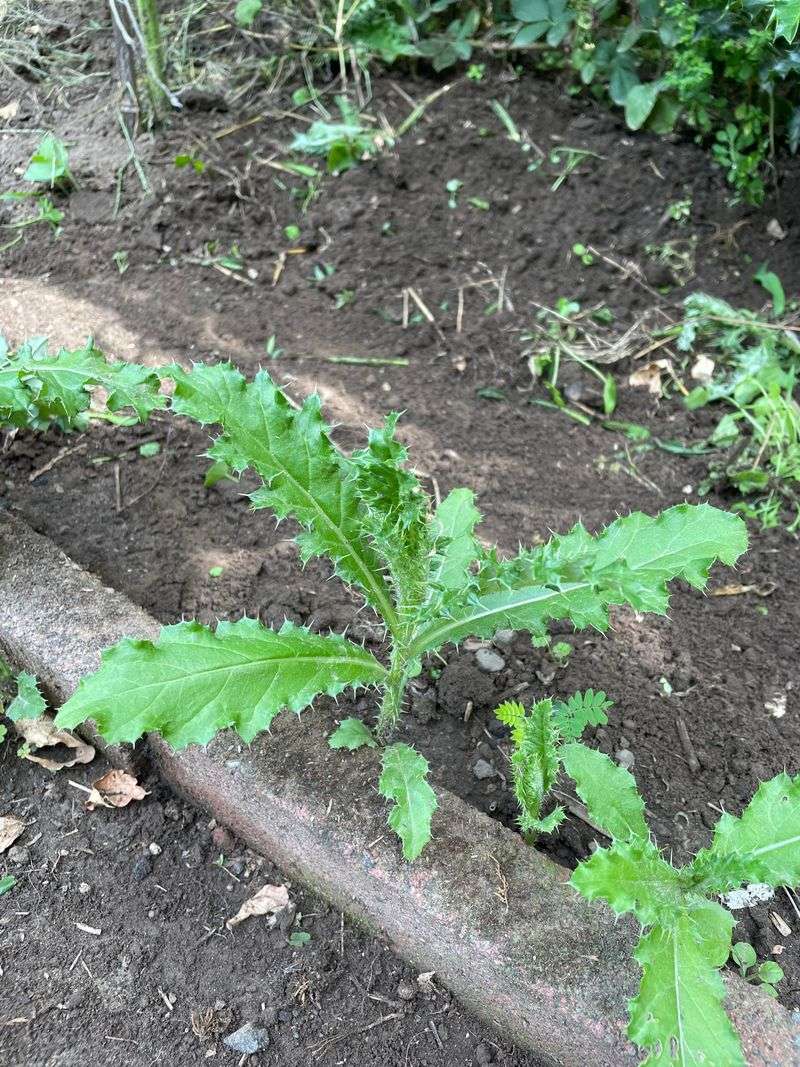
Perennial weeds spend late summer sending sugars downward into their roots to prepare for winter. That seasonal shift makes early autumn one of the easiest windows for full root removal.
Roots pulled in September tend to be plump, brittle, and far easier to trace as a single piece. The same roots dug in spring are pushing hard in the opposite direction, straining upward instead of settling down.
Cooler nights also slow a weed’s ability to regenerate quickly after a fork disturbs its roots. A cut or torn root sitting in cool soil has less stored energy pushing it toward a fast comeback.
Autumn rain softens the ground in a way that August heat rarely allows. Roots slide free instead of snapping, and the hole closes back up neatly once the plant is gone.
A slow walk through the beds with a hand fork catches far more root than a rushed pass ever will. Ten unhurried minutes now beats an entire lost afternoon chasing regrowth again in May.
Mulching right after an autumn cleanup helps hold the progress through the colder months. Frozen ground under a layer of mulch stays undisturbed, and undisturbed soil keeps its remaining roots weak and dormant.
Clearing beds before the first hard frost also removes shelter that slugs and other pests use to overwinter nearby. One focused autumn afternoon spent this way tends to pay off well before the next growing season begins.
Waiting until spring to deal with the same roots means working against plants that are already pushing hard toward new growth. That single seasonal shift is often the difference between an easy afternoon and a much longer effort.
The Payoff Of Getting The Whole Root Out
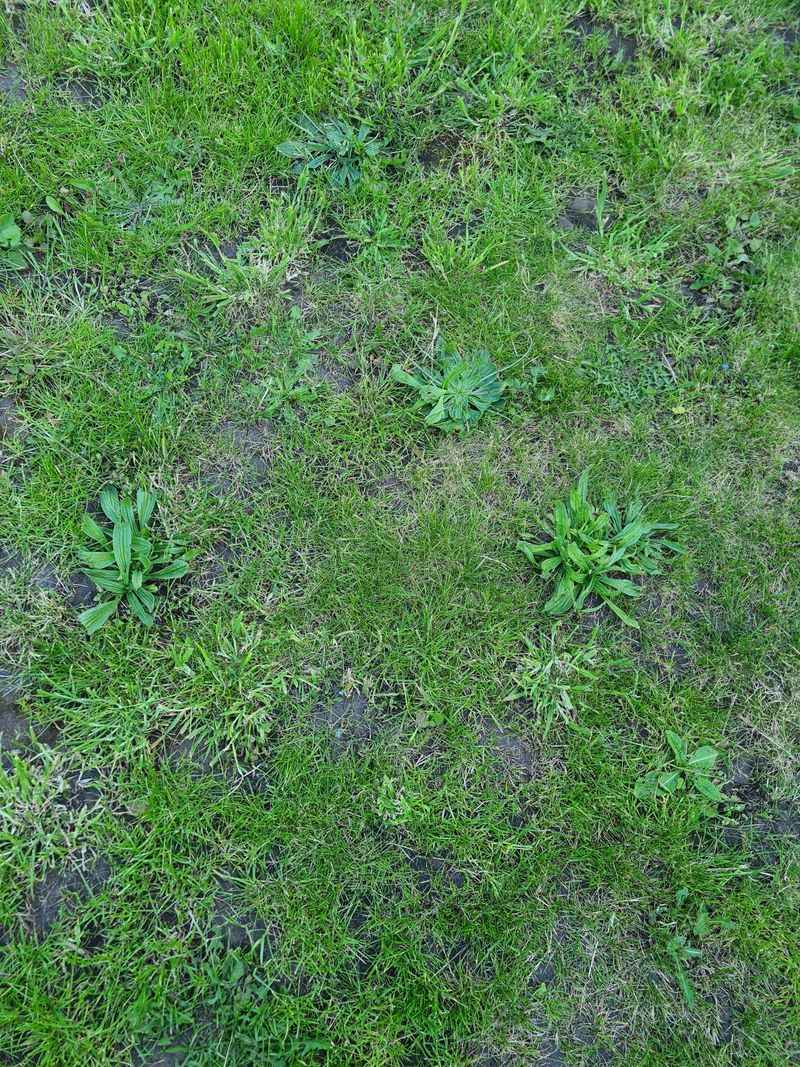
Gardeners who commit to full root removal for a few seasons usually notice a real difference by the second year. Beds that once needed weekly attention start asking for far less.
Removing entire roots instead of snapping tops shrinks the plant population instead of just holding it steady. Fewer surviving roots mean fewer new shoots pushing up the following spring.
Soil structure tends to improve along the way, since less repeated digging protects the tiny channels worms and fungi rely on. Undisturbed ground holds moisture more evenly and feeds nearby plants more steadily.
Earthworm activity often increases in beds that stay mostly untouched by heavy tools. More worm activity usually means better drainage, and better drainage tends to support stronger root systems all around.
Plants growing nearby also benefit from less competition for water, light, and nutrients once persistent roots stop resprouting. Growth often looks noticeably fuller within a single season.
A few stubborn survivors will likely still show up here and there, since gardens rarely stay perfectly tidy on their own. A quick check with a hand fork usually clears them within minutes once the bulk of the problem is gone.
Keeping a small fork and bucket near the door makes short, regular checks an easy habit rather than a chore. A few unhurried minutes here and there tend to replace what used to be a much longer weekend task.
Progress like this tends to build on itself season after season rather than resetting each spring. What starts as a tedious habit eventually turns into one of the quieter, more satisfying parts of the whole garden routine.