These Are The Florida Trees That Cause The Most Hurricane Damage And What To Plant Instead
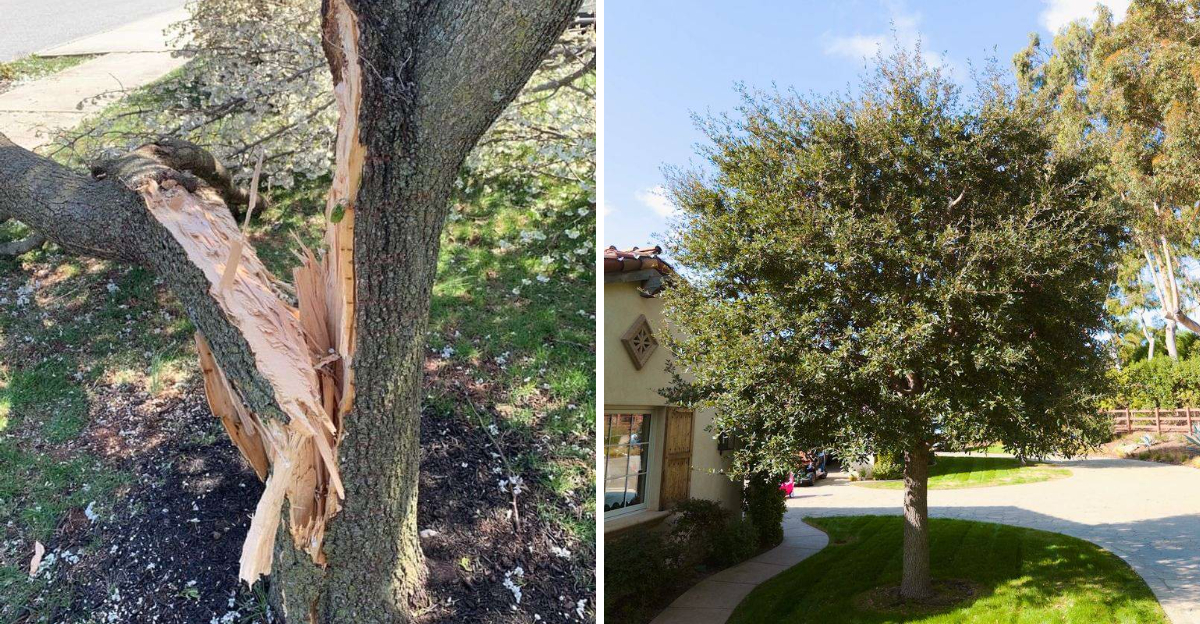
Every hurricane season, Florida homeowners learn the same expensive lesson the hard way. A tree they planted for shade and curb appeal becomes a wrecking ball through their roof, fence, or neighbor’s car.
Sounds dramatic? Ask anyone who lost a vehicle to a laurel oak or watched a queen palm snap clean in half during a Category 2.
Not so pretty anymore. The hard truth is that plenty of trees sold at Florida nurseries look gorgeous on the tag.
They turn into absolute liabilities the moment a named storm rolls in from the Gulf. So why do landscapers keep planting them?
Good question. Before you add another tree to your yard, you need to know which ones have a track record of causing serious damage.
You also need to know which ones have the root systems and structural strength to ride out a Florida storm. Your property value, and your roof, are counting on you to get this one right.
1. Laurel Oak Fails Faster Than Many Homeowners Expect
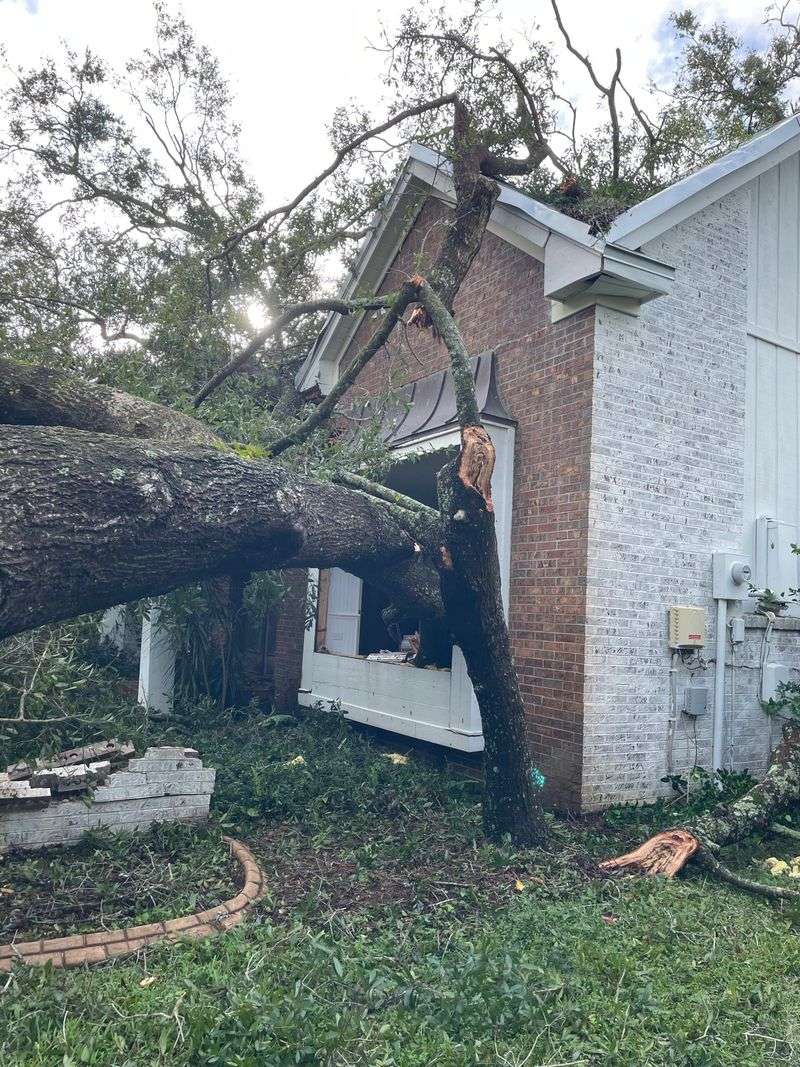
Fast shade can come with a shorter clock than most homeowners expect. Laurel oak grows quickly and can fill a yard with welcome shade in just a few years, but that speed comes with some trade-offs.
Older trees often develop internal decay, weak branch unions, and heavy overextended limbs that are not always visible from the ground.
As a laurel oak matures, its useful life may be shorter than many other shade trees. Unlike live oak, which can stand for generations, laurel oak often begins showing structural concerns after several decades.
Limbs can become heavy and poorly attached, raising the risk of branch failure during high winds.
This does not mean every laurel oak near a home is a hazard. A healthy, well-maintained tree in an open area may perform fine for many years.
However, trees near driveways, rooflines, or utility lines deserve regular attention. A qualified arborist can evaluate the tree’s structure, look for signs of decay, and recommend whether pruning or monitoring is the right approach.
Never remove a mature tree without a professional evaluation first. The goal is to keep good trees and manage risk around ones that are aging or showing early signs of structural concern.
2. Water Oak Becomes Riskier As It Ages
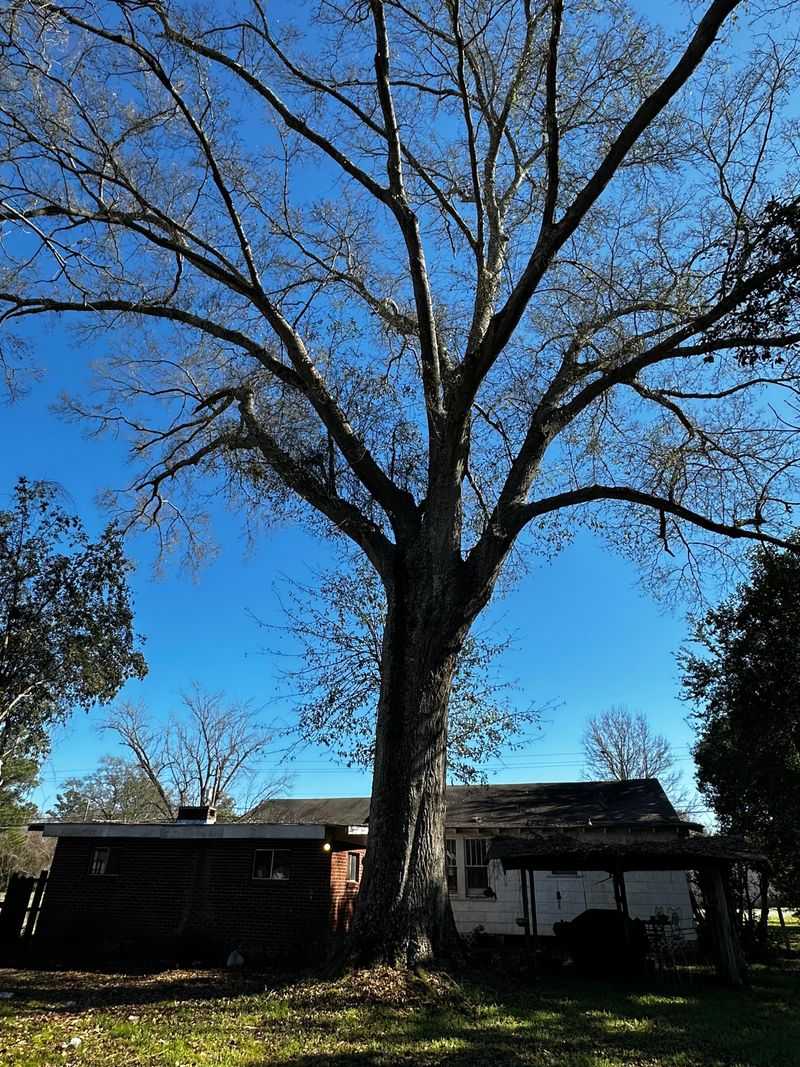
Age changes the risk around a tree in ways that are not always obvious from the sidewalk. Water oak is a common sight in older neighborhoods, valued for its fast growth and wide canopy.
But as it matures, the same traits that made it attractive can become liabilities when storm season arrives.
Older water oaks are more likely to develop internal decay, tight branch angles, and root problems that are hard to spot without a trained eye. Trees growing in compacted soil, restricted root zones, or close to streets and utility lines face added stress that can weaken the structure over time.
A tree that looks full and healthy on the outside may have significant decay working inward.
Homeowners with mature water oaks near structures, fences, or overhead lines should schedule regular inspections with a certified arborist.
Your Florida Garden Changes Every Week. Your Plan Should Too.
Gardening in Florida changes quickly throughout the season. Every Friday you’ll receive a simple weekly plan showing exactly what to plant, prune, fertilize, harvest, and protect so you never miss the right timing.
Early detection of decay or poor branch unions can allow for corrective pruning that extends the tree’s safe life.
Removing a large tree is a major decision that should never be made based on appearance alone. If an arborist identifies serious structural problems, that professional guidance is the right basis for deciding next steps.
Water oak can still be a useful yard tree when it is monitored carefully and maintained well.
3. Queen Palm Can Blow Over Near Homes And Driveways
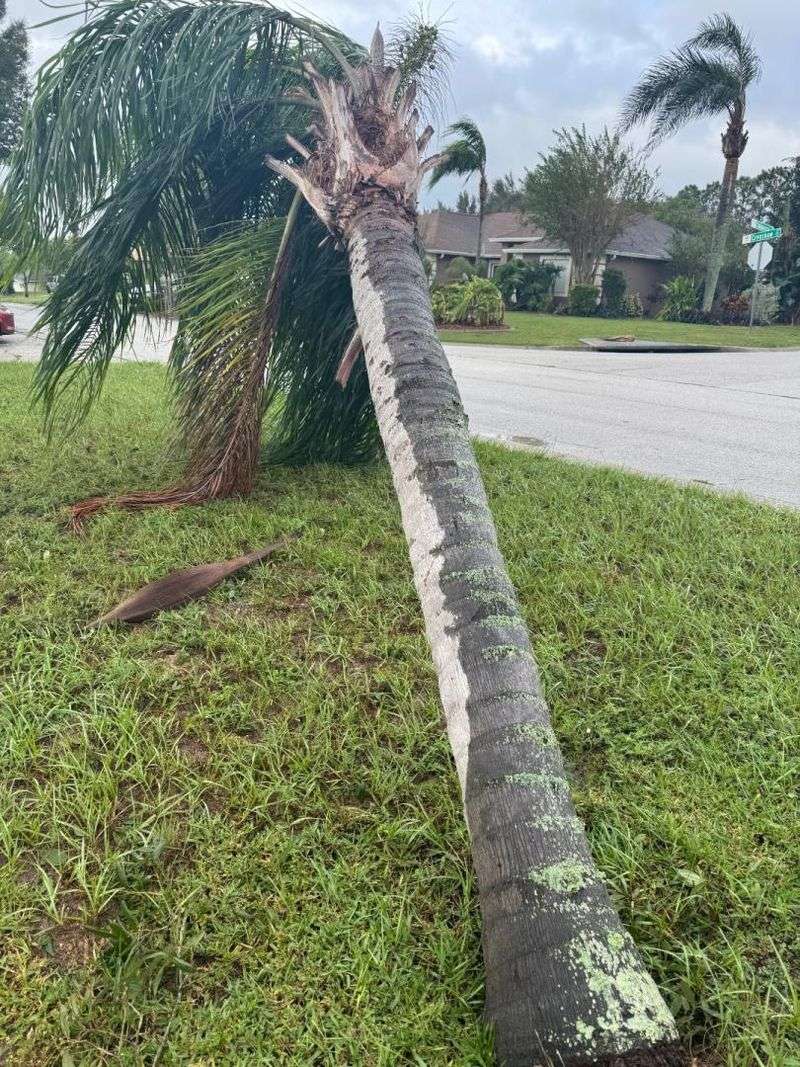
Not every palm handles storms the same way, and queen palm is one that often surprises homeowners when wind picks up.
Queen palm has become popular in residential landscapes because it grows quickly and looks elegant near pool cages, driveways, and patios.
But its performance in high winds is often much weaker than people assume.
Queen palm has a relatively shallow root system and a slender trunk that can struggle under sustained wind loads.
That is especially true when the planting site has poor drainage, compacted soil, or limited rooting space. Trees planted too close to hard surfaces like driveways or pool decks may have restricted roots that cannot anchor the tree properly.
In strong storms, queen palms may lean, uproot, or topple in ways that cause significant property damage.
It is worth understanding that queen palm and sabal palm are very different in how they respond to storms. Sabal palm, the native state tree, has a history of stronger wind resistance in well-documented storm events.
Queen palm is not in the same category. If you are placing a palm near a structure, fence, or high-traffic area, think carefully about the species and soil conditions.
Also consider how much rooting space is actually available before planting. A poor site makes any palm more vulnerable.
4. Bradford Pear Splits Apart In Strong Wind
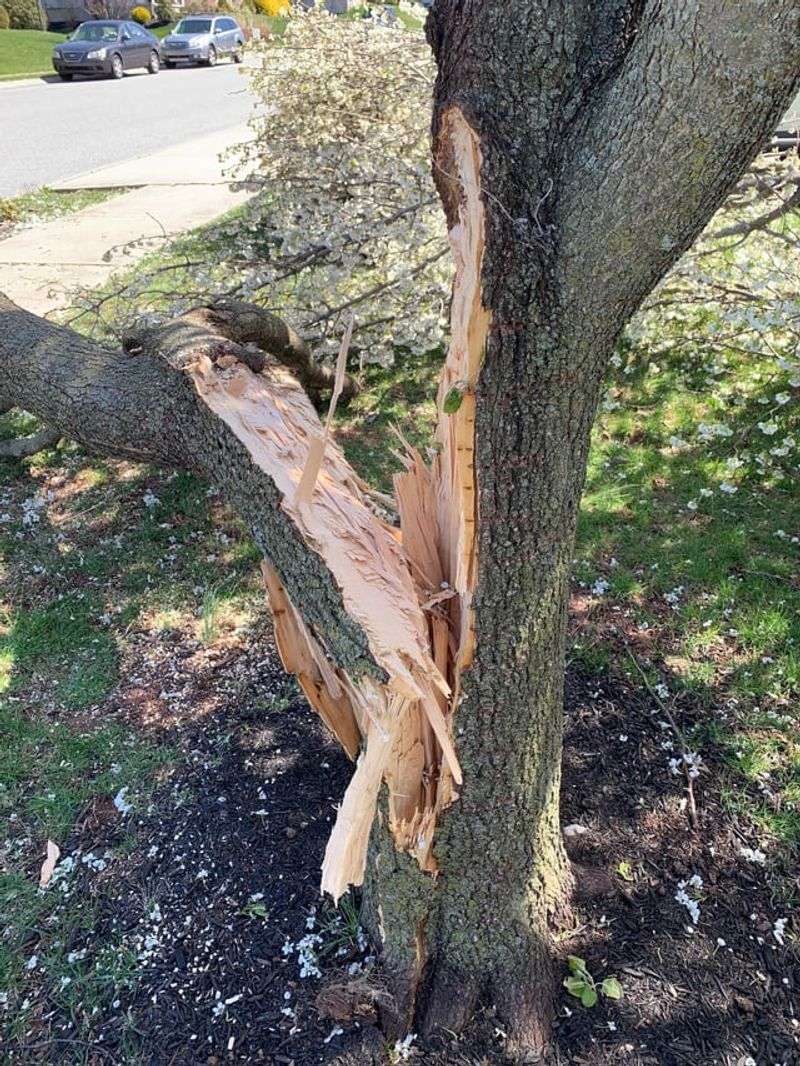
Pretty spring flowers do not fix weak structure, and Bradford pear is a clear example of that problem.
The tree became popular across the country for its showy white blooms, but horticulturists and arborists have been warning homeowners about it for decades.
Its branch angles are famously poor, and the central trunk often develops multiple co-dominant stems that are prone to splitting apart under wind or ice.
Bradford pear faces an additional concern beyond storm risk. It has invasive characteristics that make it a poor choice for local landscapes.
Seeds spread by birds can germinate in natural areas, where the tree can crowd out native plants. Several states have moved to restrict or phase it out, and warm climate makes its spread even more of a concern.
The combination of structural weakness and invasive potential puts Bradford pear near the top of the list of trees that do not belong in storm-prone residential yards.
Homeowners who already have a Bradford pear near a structure should have it evaluated by a certified arborist, especially before hurricane season.
The tree may look fine for years and then split suddenly during a storm. Replacing it with a structurally sound native tree is usually a better long-term investment for any yard.
5. Australian Pine Is Too Risky Near Buildings
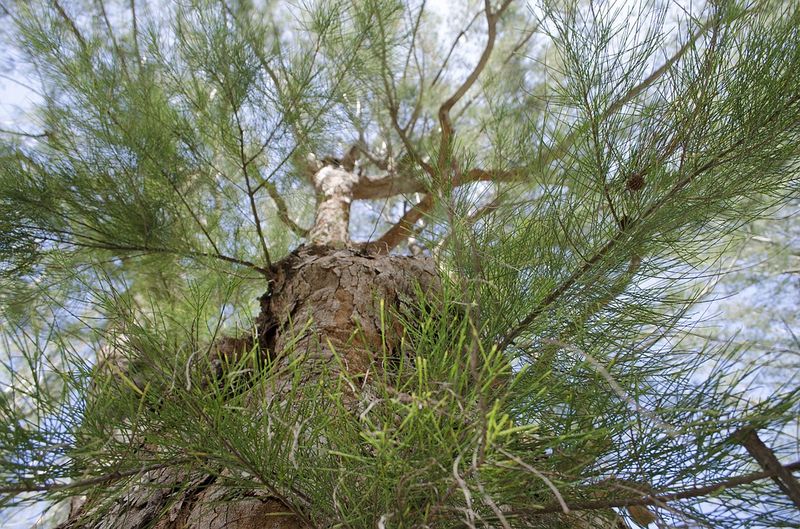
Some trees are too risky to plant at all, and Australian pine falls into that category for landscapes. Despite its name, it is not a true pine.
It is an invasive species that has spread aggressively along coastlines, roadsides, and natural areas.
It outcompetes native plants and alters the soil chemistry around it.
From a storm standpoint, Australian pine has serious problems. Its roots tend to be shallow, and its wood can be brittle.
In high winds, the tree is prone to breakage and uprooting, sending large debris into nearby structures, roads, and vehicles. Trees planted near homes, fences, or power lines create a real risk when a major storm passes through.
The combination of shallow roots and tall height is a poor match for hurricane-prone areas.
Australian pine is prohibited from cultivation and planting in Florida under state law, reflecting how seriously its invasive status and ecological harm are taken.
If you have Australian pine on your property, contact a certified arborist and check with your local Extension office about your options.
Do not plant this tree under any circumstances. There are far better choices available for height, screening, or coastal planting.
They will not threaten your property or the surrounding natural environment during storm season.
6. Melaleuca Does Not Belong In Hurricane-Prone Yards
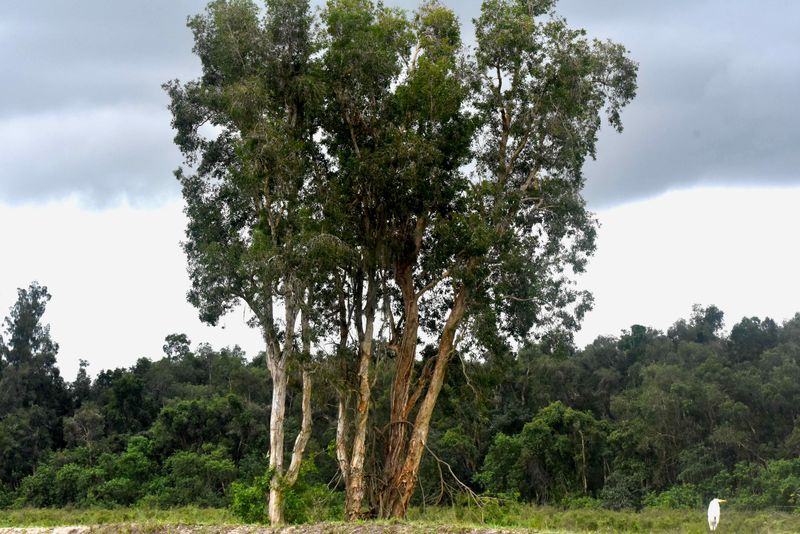
Invasive trees create problems that reach far beyond one yard, and melaleuca is one of the most damaging examples in landscape history. Originally introduced for wetland drainage, it spread rapidly through natural areas, particularly in South Florida.
It formed dense monocultures that crowd out native plants and disrupt wildlife habitat.
Melaleuca is not appropriate for residential planting for multiple reasons. It grows into a large tree that sheds bark, leaves, and seeds constantly.
Near homes, driveways, and fences, that debris creates ongoing maintenance headaches. In storms, large melaleuca trees can drop heavy limbs or uproot, sending material into structures, fences, and neighboring yards.
The ecological harm melaleuca causes is well-documented, and the tree is listed as a Category I invasive species. Planting it is strongly discouraged, and removal is actively promoted in natural and residential areas alike.
If you have a melaleuca growing on your property, a certified arborist can help you assess the tree’s size, condition, and the safest removal approach. Replacing it with a well-suited native tree is the most responsible next step.
A large invasive tree that sheds heavily and grows aggressively is not a reasonable trade-off for any amount of shade or screening benefit near a storm-prone home.
7. Plant Live Oak For Stronger Long-Term Shade Instead
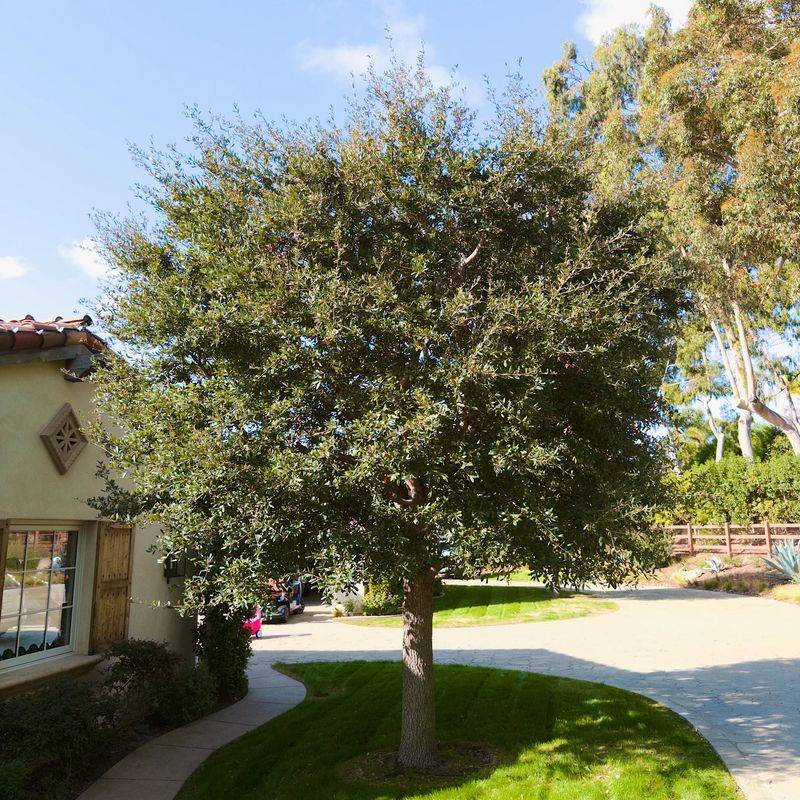
The right shade tree needs room to anchor, and live oak rewards that space with one of the strongest long-term canopy structures available in landscapes.
Research from UF/IFAS Extension has consistently identified live oak as among the most wind-resistant trees for storm-prone areas.
That strength comes from its wide-spreading form, strong branch unions, and deep root system when given proper rooting space.
Live oak is also a long-lived native tree that supports local wildlife, including birds, insects, and small mammals that depend on its canopy and acorns.
Its broad, arching branches create dense shade that many homeowners value for cooling homes and outdoor spaces during hot summers.
A well-placed live oak can be one of the most valuable landscape investments a homeowner makes.
Placement matters enormously with live oak. This tree can grow very large over time, so it needs to be planted away from rooflines, foundations, driveways, and utility lines.
A small yard is generally not the right fit. Planted in an open area with enough rooting space, live oak can develop the wide, anchored form that gives it storm resilience.
Have a certified arborist or landscape professional help you choose the right spot before planting. Getting placement right from the start saves significant trouble later.
8. Choose Southern Magnolia For Wind-Resistant Evergreen Structure
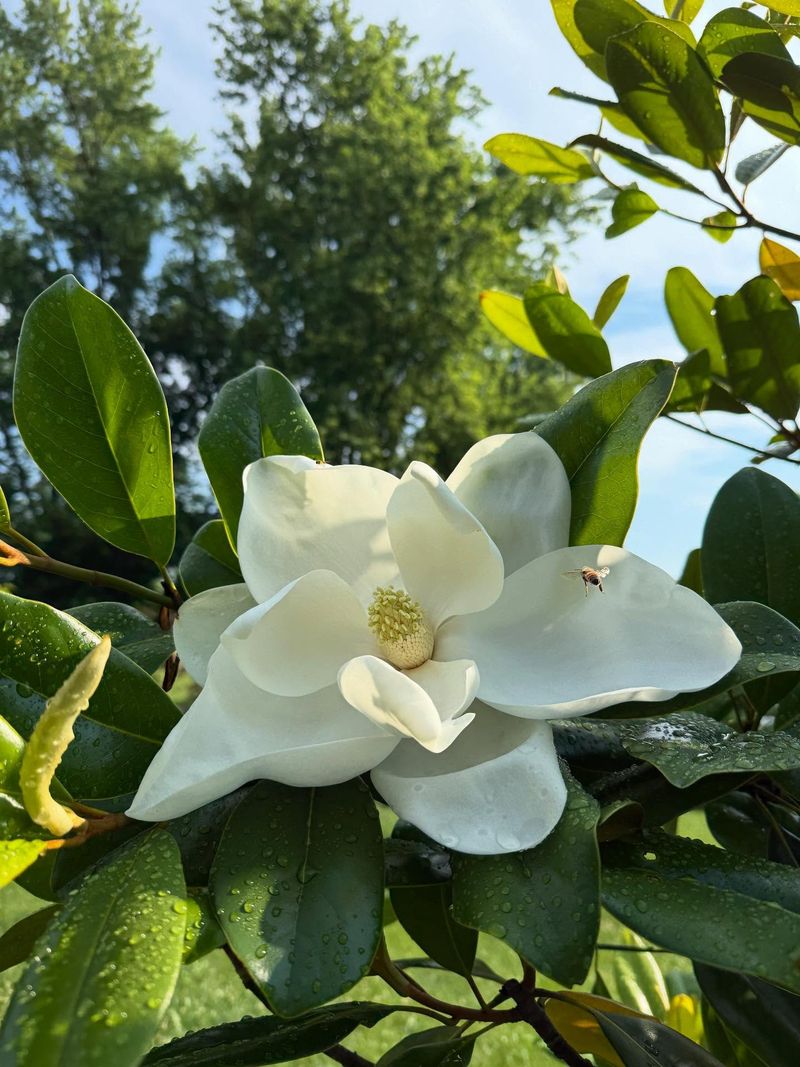
Evergreen structure is useful when the site is large enough to support it, and Southern magnolia delivers that structure with a lot of additional landscape value. Its large, glossy leaves stay on the tree year-round.
They create a dense visual screen and shade canopy that many homeowners appreciate near fences, property lines, or open lawn areas.
Southern magnolia has shown reasonable wind resistance in storm research.
It performs better than many weaker-wooded ornamental trees when it is healthy and well-positioned. Its fragrant white flowers are a seasonal highlight, and its cones provide food for local birds.
The tree also works well as a backdrop for smaller native plantings in a layered landscape design.
Before planting, be realistic about size. Southern magnolia can grow very tall and wide, and it drops leaves, petals, and seed cones throughout the year.
That ongoing leaf drop can be a maintenance consideration near pools, patios, or walkways. It is not a tree for a compact urban lot.
Given the right amount of space and well-drained soil, it can thrive for generations with relatively low maintenance. A certified arborist or local Extension office can help you determine whether your site has enough room for this tree.
That space allows it to develop its full, anchored form without crowding nearby structures.
9. Use Yaupon Holly Where A Smaller Native Tree Fits Better
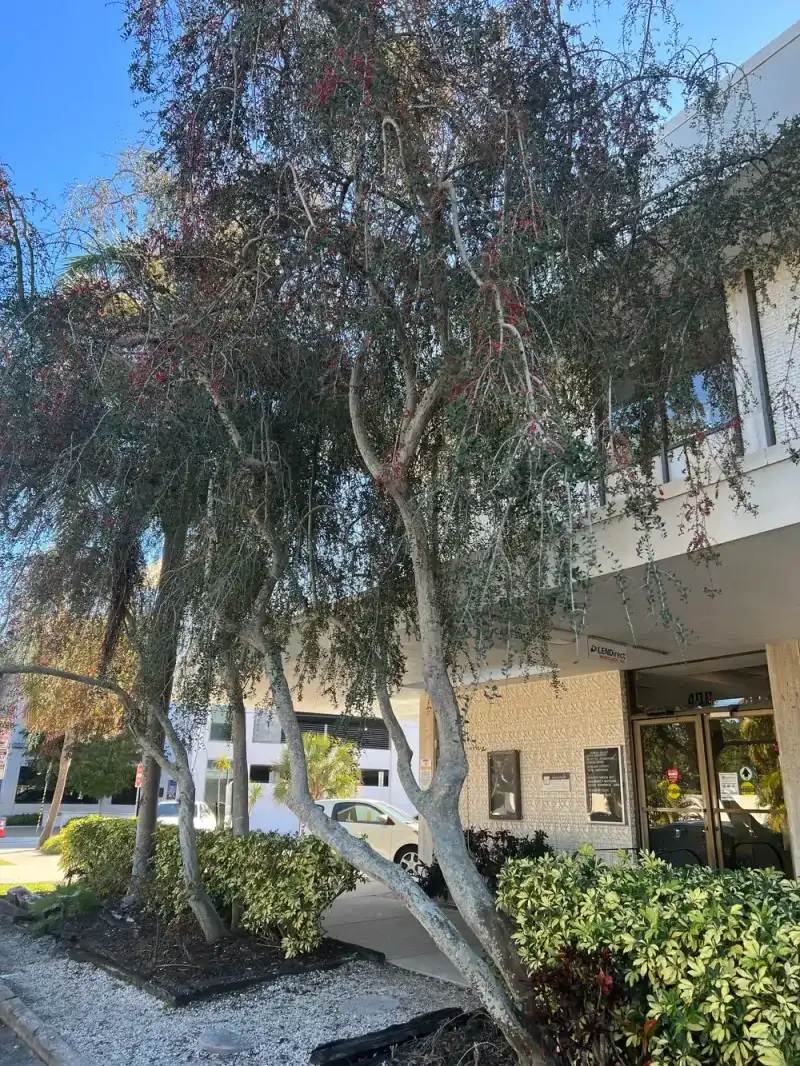
Smaller yards need smaller wind-resistant choices, and yaupon holly is one of the best native options when a large shade tree simply does not fit the space. This tough, adaptable plant can be grown as a large shrub or a small multi-trunk tree.
It also handles pruning well enough to be shaped for almost any landscape situation near property edges, fences, or foundation beds.
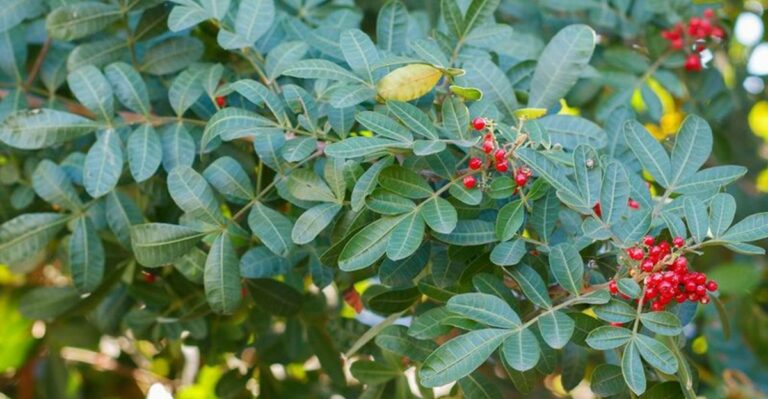
Yaupon holly is native to Florida and much of the Southeast, which means it is well-adapted to local soils, rainfall patterns, and wildlife. Female plants produce small red berries that birds find attractive through fall and winter.
To get reliable berry production, a male plant needs to be nearby, so ask your nursery about pairing plants when you shop.
From a storm perspective, yaupon holly’s smaller size and flexible branching make it a lower-risk choice near structures than large-canopy trees. It does not provide the deep shade of a live oak.
But it adds year-round evergreen structure, screening value, and wildlife habitat in spaces where a large tree would be poorly placed. It tolerates a range of soil conditions and can even handle occasional flooding or drought once established.
For tight spots along fences or property lines, it is a practical and resilient native option worth considering.
10. Plant Sabal Palm For A Wind-Resistant Native Palm
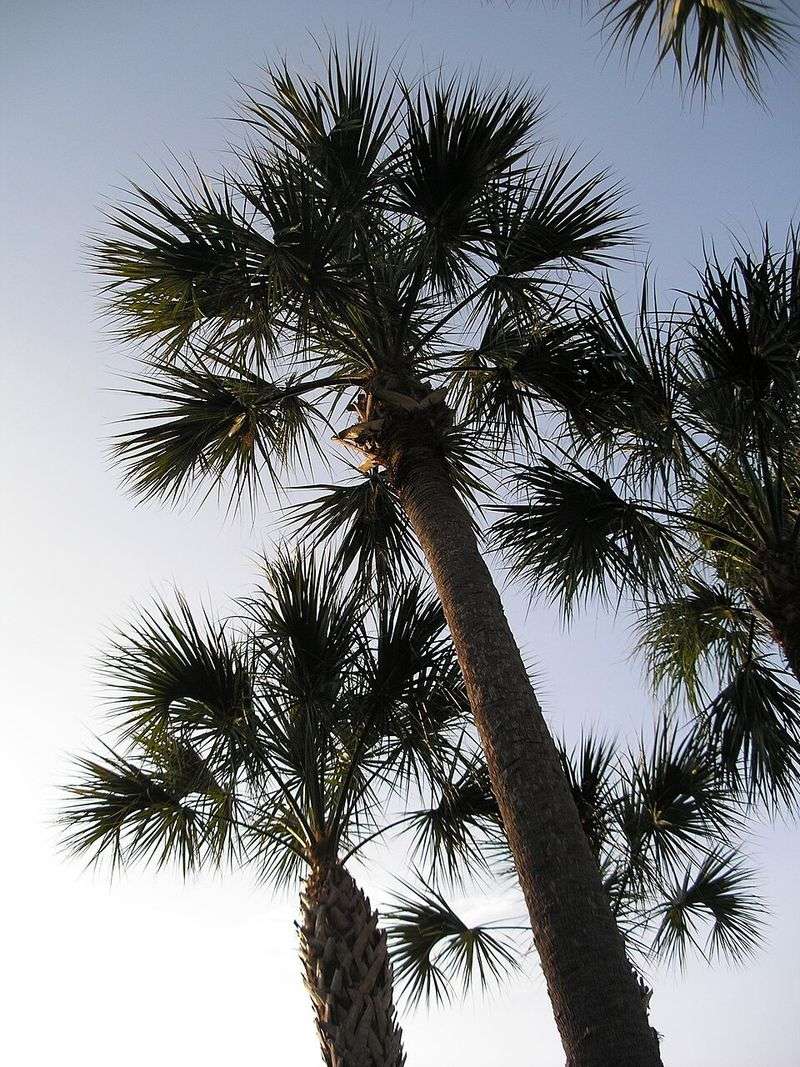
A native palm can handle storms better when planted well, and sabal palm has a long track record of wind resistance in hurricane history. As the state tree, sabal palm has survived countless major storms with strong results.
It often performs better than many ornamental palms that have become common in residential landscapes over the past few decades.
Sabal palm has a strong, fibrous trunk that flexes in wind rather than snapping, and its boot-covered base gives it a sturdy, well-anchored form. It is adapted to sandy soils, seasonal flooding, and intense summer heat.
Birds, including woodpeckers and cavity nesters, use older sabal palms for nesting, and its fruit provides food for wildlife through the fall.
It is worth being clear about what sabal palm offers and what it does not. It provides height, structure, and a distinctly natural look, but it does not create the dense canopy shade that a live oak or magnolia can deliver.
It works best as part of a layered landscape alongside lower shrubs and groundcovers rather than as a solo shade solution. Plant it away from pool cages and rooflines to allow fronds to move freely in wind.
Given enough space and the right site, sabal palm is a reliable, low-maintenance, and storm-tested native choice for almost any Florida yard.