Stung by a Scorpion in Your North Carolina Garden? Here’s What to Do
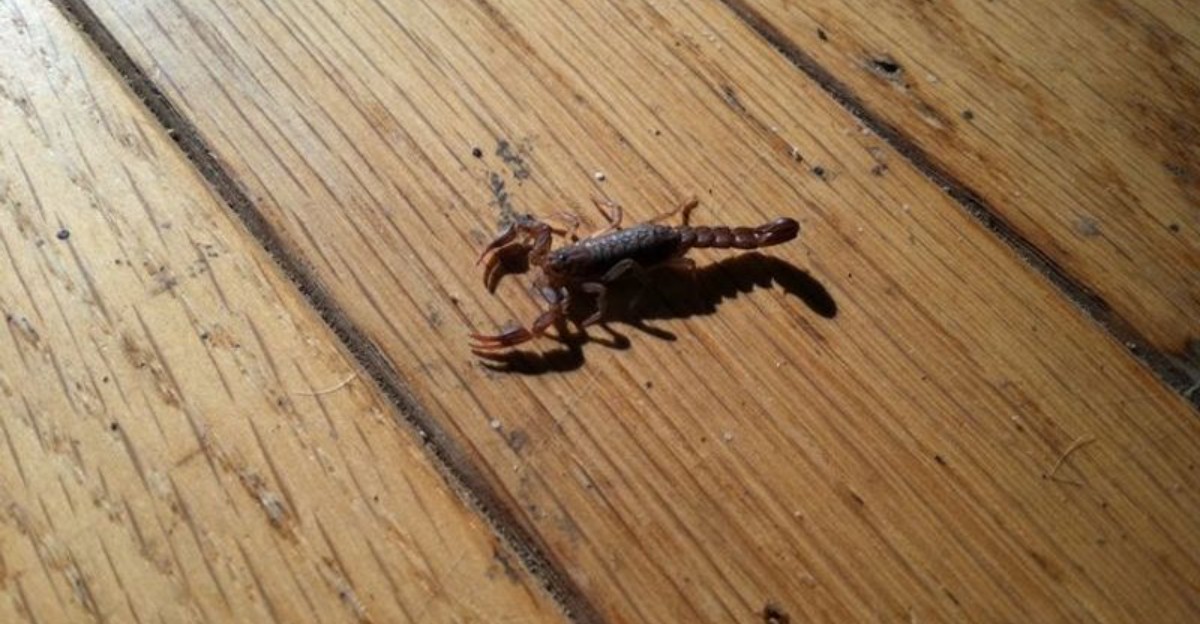
North Carolina has its own native scorpion, and it has been quietly living under our woodpiles all along. Most folks I talk to are shocked to hear it. Scorpions feel like something from a cowboy movie, not a backyard full of hydrangeas.
The little guy rarely tops two inches long. It hunts crickets and spiders at night, then tucks itself under bark, stones, and damp leaves by day. One thing I love about gardening is how it keeps teaching me about my neighbors with six or eight legs.
I know how startling it can be when a quick grab for a loose board ends with a sharp, hot zap. Your hand throbs, your heart races, and your brain scrambles for answers. That reaction is completely normal.
That Little Brown Scorpion Under Your Woodpile Is a Local
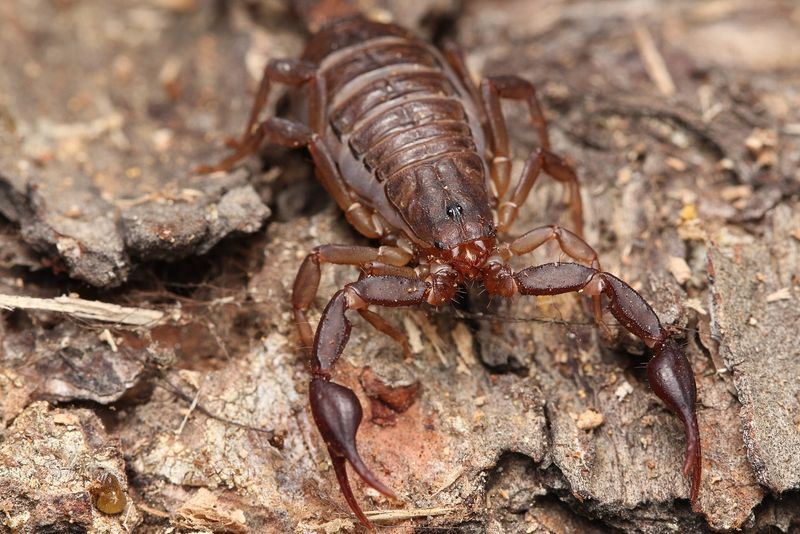
Meet your mystery stinger, a native arachnid that has called the Southeast home for a very long time. In most cases, the culprit in a North Carolina garden is the southern unstriped scorpion.
It is small, usually about one to two inches long. The body is dark brown to nearly black, with reddish-brown legs and pincers. Unlike desert scorpions, this one prefers cool, moist spots where its insect prey hangs out.
You will mostly find it in the western and central parts of the state, especially in the mountains and foothills. Rotting logs, loose bark, rock walls, and thick leaf litter are favorite hiding places. Some even wander into basements and crawl spaces.
Here is a fun fact that surprised me. Like many scorpions, this species glows under ultraviolet light, so a cheap blacklight flashlight can reveal them after dark.
Knowing who stung you matters for one big reason. Extension experts at NC State describe this scorpion’s sting as painful but similar to a bee or wasp sting for most people.
That knowledge alone can help you breathe easier while you take the next steps. Calm thinking leads to smarter first aid.
Wash, Cool, and Rest Your Stung Hand Right Away

First things first, step away from the spot where it happened. The scorpion may still be nearby, and nobody wants a second round. Take a slow breath, because staying calm really does help.
Next, wash the sting gently with soap and cool water. Pat it dry with a clean towel. If the sting landed on a hand or arm, slip off rings, watches, and bracelets before any swelling starts.
Then grab something cold. Wrap ice or a bag of frozen peas in a thin cloth and hold it on the area for about 10 minutes. Take a 10 minute break, then repeat for roughly an hour.
Raising the stung arm or leg slightly can also ease that throbbing feeling. Rest for a bit instead of jumping back into weeding.
For pain, many adults find relief with over-the-counter options like ibuprofen or acetaminophen. Check the label first, and skip them if your doctor has told you to avoid them.
An antihistamine or a dab of hydrocortisone cream may calm itching later on. Most people notice the burning and tingling fade within a few hours. For many, it is gone within a day.
Muscle Twitching or Trouble Breathing Means Get Help Fast
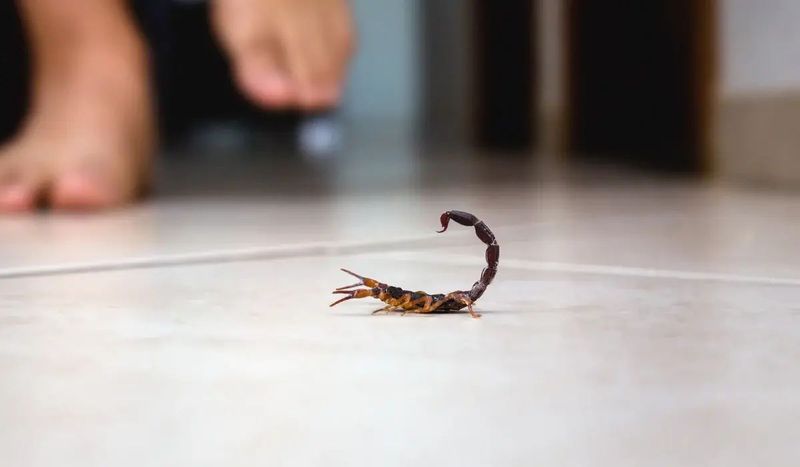
Most scorpion stings in our area are more ouch than emergency. Still, every body reacts a little differently, and some warning signs deserve quick action.
Save this number in your phone today. Poison Control is available around the clock at 1-800-222-1222, and the experts there can tell you whether home care is enough.
Head to urgent care or call 911 if you notice any of these signs:
Trouble breathing or swallowing, swelling of the face, lips, or throat, hives spreading across the body, muscle twitching, unusual eye movements, slurred speech, or numbness that moves beyond the sting site.
Some of these point to an allergic reaction, which can happen with any stinging creature. Young children, older adults, and anyone with a history of serious allergies should be watched closely.
Kids may not explain what they feel, so look for fussiness, drooling, or restlessness. Please skip the old backyard remedies. Tourniquets, cutting the skin, and trying to suck out venom can cause more harm than good.
Heat is also a poor choice. Simple first aid plus careful watching works far better than any folk trick.
Rotting Logs and Loose Stones Are Prime Scorpion Hideouts
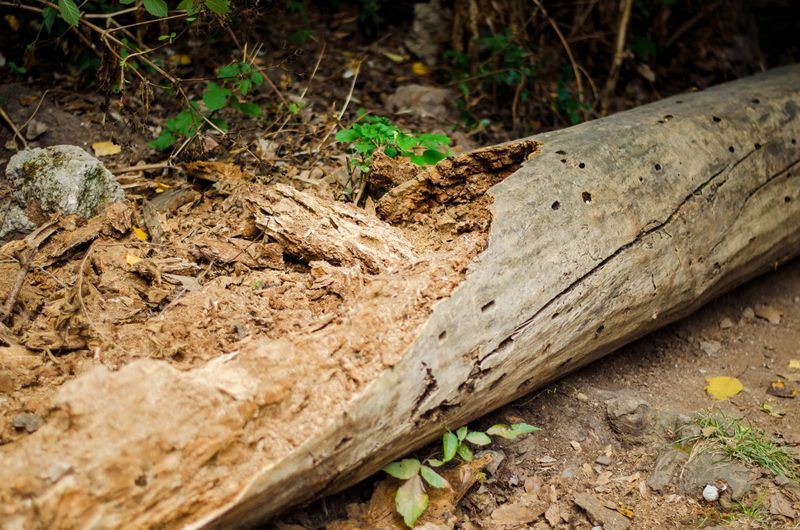
Ever flipped a paver and found a whole tiny world underneath? Scorpions love that hidden world just as much as beetles and pill bugs do.
These hunters are nocturnal. At night they stroll around looking for crickets, spiders, and other small insects. During the day, they need a cool, damp, dark place to rest.
In a typical garden, that means firewood stacks, landscape timbers, stepping stones, rock borders, and old boards. Deep mulch and thick piles of fallen leaves work too. Loose bark on stumps is another classic hangout.
Stings mostly happen when a hand reaches somewhere the eyes cannot see. Picking up a log, pulling weeds by a stone wall, or grabbing a pot that sat in one place all summer are common moments.
Warm months bring the most activity, so late spring through early fall calls for extra care. Scorpions slow down when temperatures drop, but they may still turn up in sheltered spots.
Once you know where they like to nap, you can change how you work. Lift objects by rolling them toward you, so anything underneath scoots away from your fingers. That small habit makes a real difference.
Sturdy Gloves and a Tidy Yard Keep Scorpions at a Distance
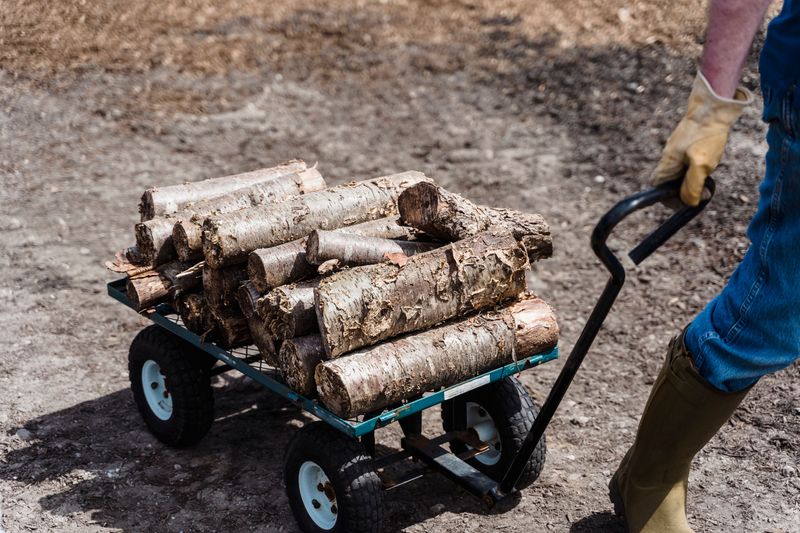
A good pair of leather gloves might be the best garden tool you are not using yet. They make a big difference when you move wood, rocks, or brush.
Beyond gloves, a few easy habits lower your chances of another surprise. Store firewood off the ground and well away from the house, ideally around 20 to 30 feet. Clear piles of rocks, boards, and debris you no longer need.
Keep mulch near the foundation a bit thinner. Trim shrubs and ground covers back from walls, so there are fewer shady pathways leading toward your home.
Moisture matters too. Fix dripping outdoor faucets and leaky irrigation lines. Soggy spots attract the insects scorpions eat, and less food means fewer visitors.
Shake out shoes, gloves, and gardening boots stored in sheds or on porches before slipping them on. Check flower pots and buckets before reaching inside.
I tend to think a little caution beats spraying chemicals everywhere. Broad pesticide use can harm helpful insects and spiders. If scorpions seem truly abundant, a licensed pest professional can offer targeted options that fit your yard.
Sealing Cracks and Door Gaps Stops Scorpions Sneaking Indoors
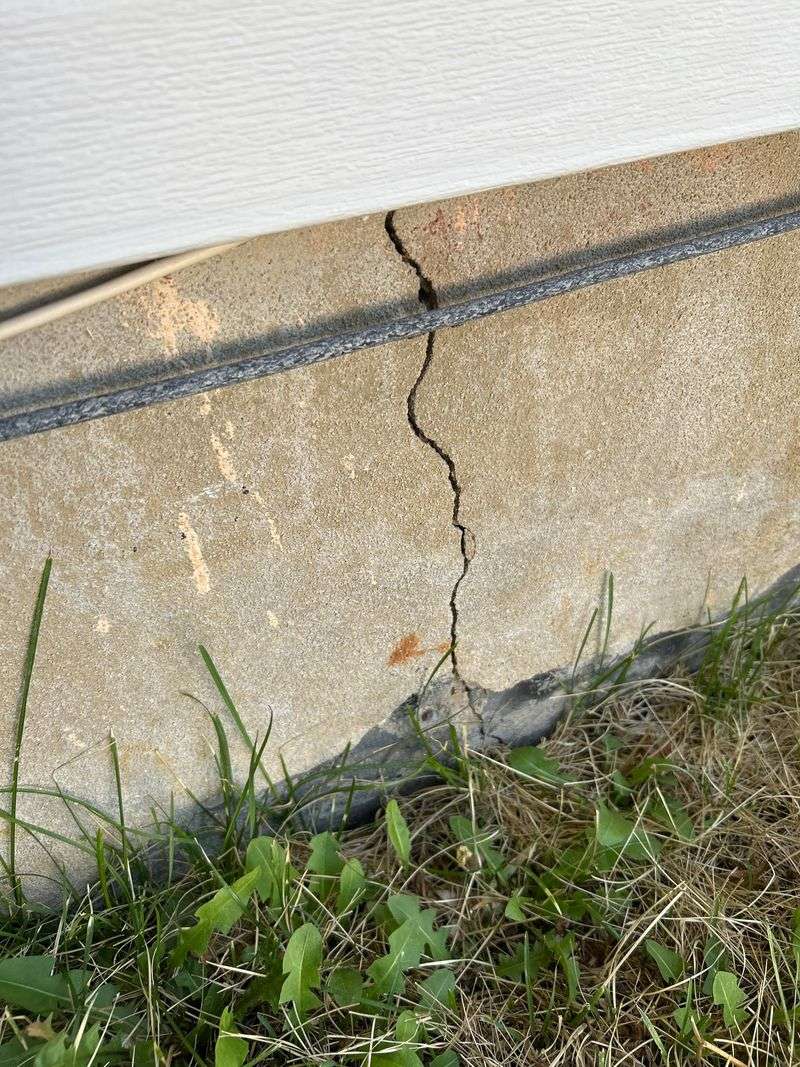
Scorpions are flat little escape artists. They can squeeze through gaps you would hardly notice, which is why some North Carolina homeowners find them in bathtubs or basements.
Start with a slow walk around the outside of your house. Look for cracks in the foundation, gaps around pipes, and spaces where cables enter the walls. Caulk or expanding foam can close most of them.
Doors deserve attention too. Install door sweeps on exterior doors and replace worn weatherstripping. Check window screens for tears and patch any holes.
Crawl spaces and basements tend to be damp, which scorpions enjoy. A dehumidifier or better ventilation can make those areas far less welcoming.
Outdoor lighting plays a sneaky role. Bright white lights pull in moths and other insects, and hungry scorpions follow. Yellow bug lights attract fewer insects.
You might read online that peppermint, cedar, or lavender oils keep scorpions away. There is little solid research behind those claims, so treat them as optional extras, not a real barrier. Sealing gaps is the dependable fix.
Clearing clutter around your yard removes their favorite daytime hiding spots. Move firewood piles, stacks of bricks, and heavy mulch away from your home’s siding and foundation.
Keeping grass trimmed short and clearing fallen leaves gives scorpions fewer places to shelter right outside your walls.
A Tiny Pseudoscorpion Is Not the Same Garden Visitor
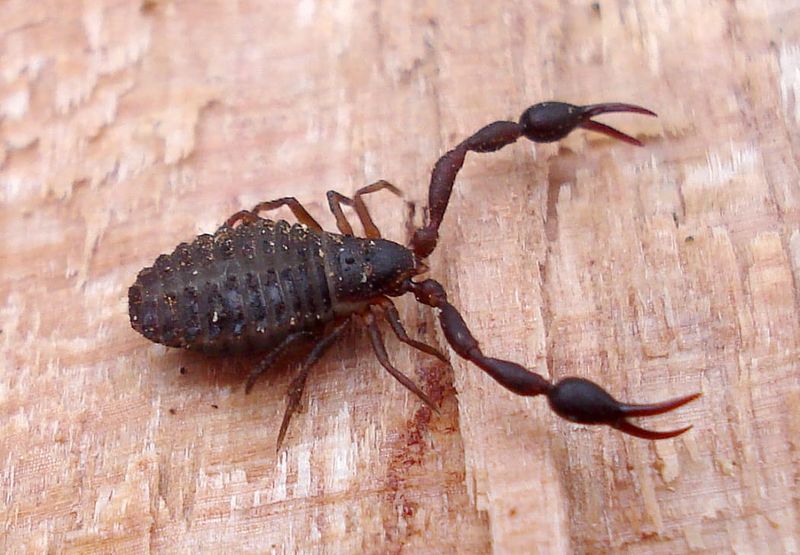
Spotted something with pincers in your compost that looked like a scorpion shrunk in the wash? That was probably a pseudoscorpion, and it cannot sting you.
Pseudoscorpions are tiny, often smaller than a grain of rice. They have pincers but no tail or stinger. They help gardeners by eating mites, springtails, and small insect larvae in soil and leaf litter.
Real scorpions have a long, segmented tail that curls up and ends in a stinger. That tail is the easiest clue to look for.
Even true scorpions play a useful role. They eat cockroaches, crickets, and other bugs. Many gardeners simply relocate them with a jar and a piece of cardboard, wearing gloves, of course.
My biggest takeaway is simple. A sting in your garden is startling, but our native scorpion rarely causes serious trouble for healthy adults. Clean the spot, cool it, and watch for warning signs.
Keep Poison Control saved in your phone, wear gloves near woodpiles, and roll logs toward you. With those habits, you can keep enjoying your North Carolina garden with confidence and a little extra respect for its smallest residents.