What New Hampshire Homeowners Should Do For Their Trees In Early August To Boost Fall Color
New Hampshire yards hold a secret most gardeners rarely notice until it’s too late to act on it. Early August sun still feels endless, but beneath the bark, trees are already quietly deciding what kind of show they’ll put on later.
That nice display everyone waits for isn’t left to chance. There are a few overlooked habits right now that determine if the season ends in fire-orange brilliance or dull, patchy fading.
Homeowners who skip this window often watch their neighbors’ yards turn heads while their own trees underwhelm. The difference rarely comes down to species. It comes down to timing.
1. Water Deeply To Support Root Health Before Fall
Roots are thirsty right now, and most homeowners rarely think about that. August heat pulls moisture out of soil faster than spring rains can replace it.
Deep watering means letting water soak 12 to 18 inches down into the ground. Shallow sprinkles just wet the surface and encourage weak, surface-level roots.
A slow trickle from a hose left at the base of the tree for 30 to 45 minutes works better than a quick blast. Let the water move downward, not sideways across your lawn.
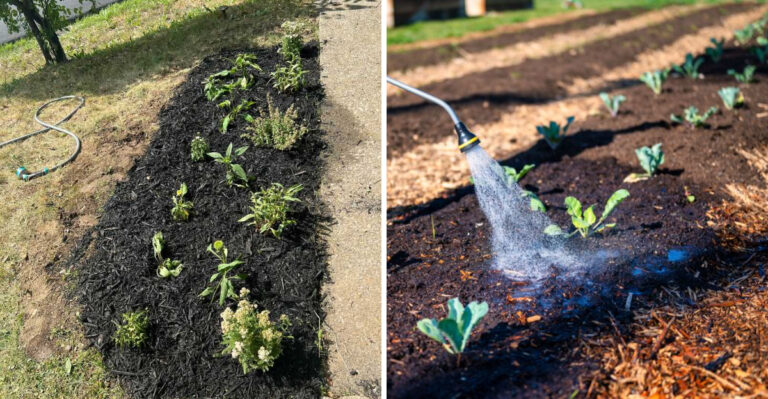
Mulch acts like a lid on that moisture, keeping soil cool and slowing evaporation during peak August heat. A two to three inch layer around the base, kept clear of the trunk, makes a noticeable difference.
Trees planted within the last two or three years need extra attention here. Their root systems are still shallow and spread out, so they dry out faster than mature trees nearby.
Healthy roots pull up the nutrients that fuel leaf pigment production. When roots are stressed from dry soil, the tree focuses on survival, not on putting on a color show.
Do this once or twice a week during dry stretches in August. Consistency matters more than volume in any single session.
Trees that go into September well-hydrated tend to shift color more evenly and vividly. Patchy or dull color is often a sign of root stress that started weeks earlier.
Boosting fall color in New Hampshire starts right here at the root level. Give your trees a strong foundation now and they will reward you with a breathtaking display come leaf-peeping season.
2. Check For Signs Of Stress Or Disease
Watering and mulching solve one problem, but they will not fix a tree that is already sick. Disease and stress can undo all that careful root work in a matter of weeks.
Something looks off about your oak, but you shrug and walk past it. That small moment of ignoring a warning sign can cost you a whole season of color.
Stressed trees put their energy into staying alive, not into producing the anthocyanins that make fall foliage pop. Catching problems early in August gives you time to act before it matters most.
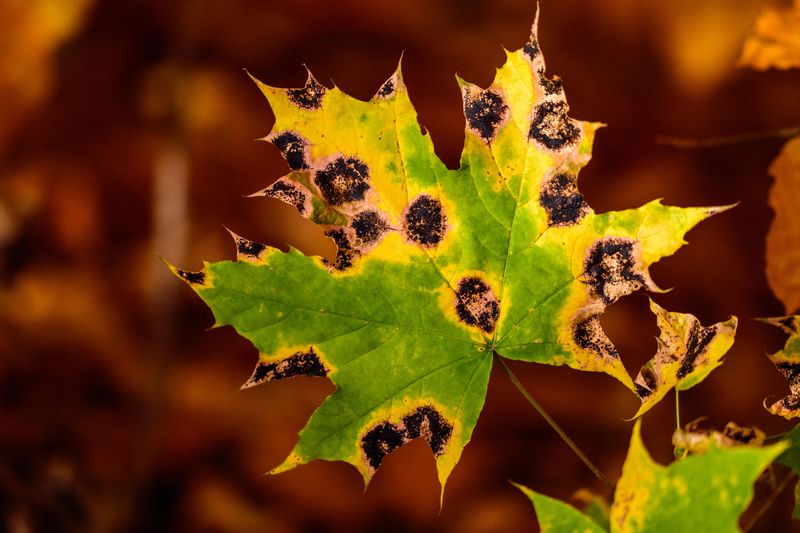
Look for leaves that are yellowing too early, curling at the edges, or showing brown spots. These are not normal summer quirks; they are signals that something is wrong underground or in the bark.
Your New Hampshire Garden Changes Every Week. Your Plan Should Too.
Gardening in New Hampshire changes quickly throughout the season. Every Friday you’ll receive a simple weekly plan showing exactly what to plant, prune, fertilize, harvest, and protect so you never miss the right timing.
Fungal infections, cankers, and root rot are common in wet New Hampshire summers. A quick inspection once a week takes only a few minutes and can save a tree you have grown for decades.
Run your hand along the bark and check for soft spots, oozing sap, or cracked sections. Healthy bark should feel firm and look consistent in texture and color.
If you spot something suspicious, contact a certified arborist before August ends. Early intervention is almost always cheaper and more effective than waiting until fall.
Keeping your trees healthy now is the smartest move you can make for a stunning autumn. A tree that is dealing with disease simply won’t put on the color show you are hoping for.
3. Apply Mulch To Retain Soil Moisture
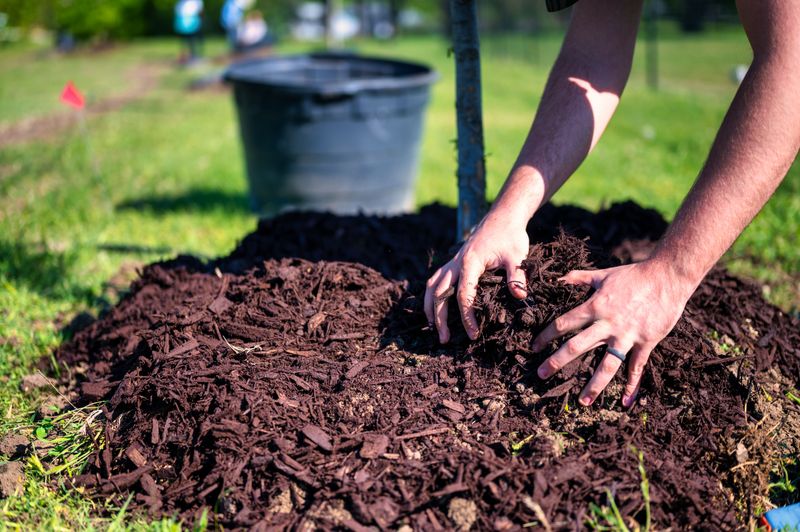
Bare soil around a tree trunk is basically an open invitation for trouble. Mulch changes everything, and it takes less than an hour to apply properly.
A 3-inch layer of wood chips spread in a wide circle around the base of the tree acts like a blanket for the roots. It slows moisture loss, keeps soil temperature stable, and reduces competition from grass.
The circle should extend out to the drip line of the tree if possible. That is the outer edge of the canopy, which is roughly where the feeder roots are most active.
Keep mulch pulled a few inches away from the actual trunk. Piling it against the bark traps moisture and invites rot and pest activity right where the tree is most vulnerable.
Wood chips, shredded bark, or pine needles all work well for this purpose. Avoid dyed mulch or rubber alternatives, which do not break down and feed the soil the way organic options do.
As organic mulch breaks down through late summer, it adds nutrients back into the ground. That slow, steady feeding supports root health heading into the fall color season.
Mulching is one of the simplest things you can do for your trees, yet most homeowners skip it entirely. Lay it down now and your maples will thank you with a show worth photographing.
4. Avoid Fertilizing Trees This Late In Summer
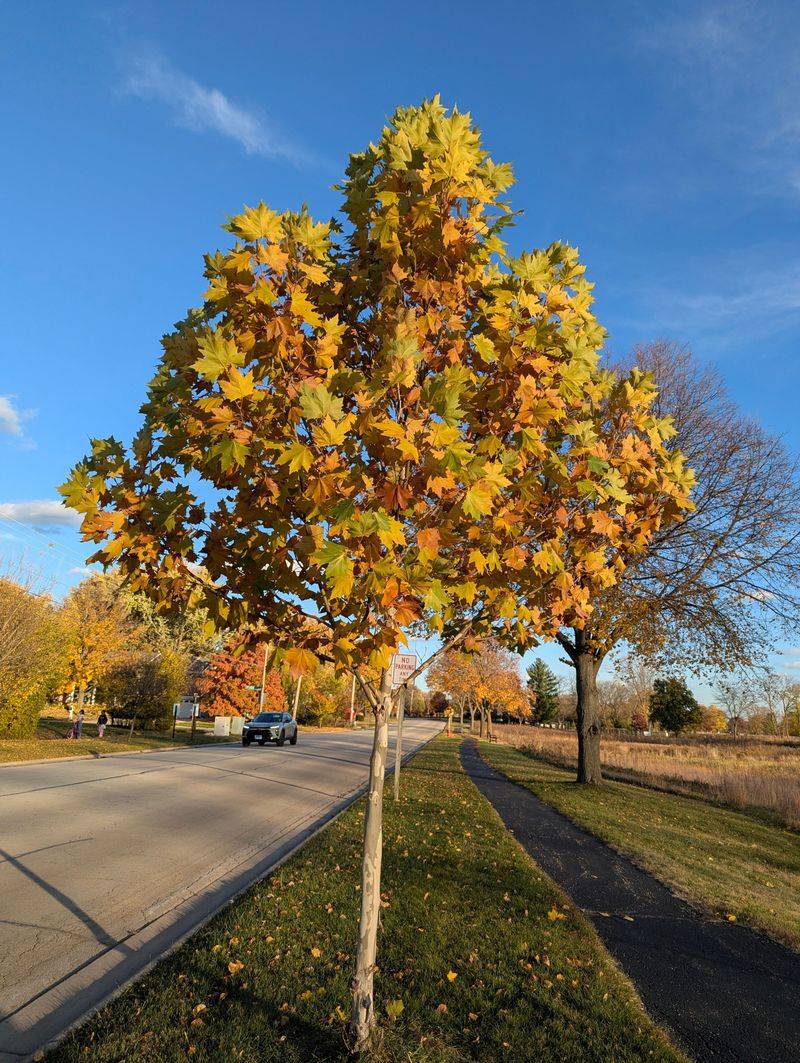
Fertilizer feels like a generous gift, but in August, it is more like waking a tree up with an energy drink right before bedtime. Timing is everything with tree nutrition.
Nitrogen-heavy fertilizers applied in late summer push trees to grow new green shoots. Those tender shoots do not have time to harden before cold weather arrives.
Soft, new growth is vulnerable to early frost damage. In a state where September nights can already dip into the 40s, that is a real and immediate risk.
When a tree is busy pushing out new leaves in August, it is not channeling energy toward pigment production. That trade-off directly reduces the intensity of fall color.
Spring is the right time to fertilize most hardwood trees in New Hampshire. A soil test in early spring tells you exactly what nutrients are lacking, so you are not guessing.
If you missed the spring window, wait until the tree is fully dormant in late fall or early winter. Dormant-season feeding supports root growth without triggering premature leaf production.
Skipping the fertilizer bag this month is actually an act of care, not neglect. Letting your tree coast through August on its own stores energy for the brilliant color change ahead.
5. Prune Only Damaged Or Crossing Branches
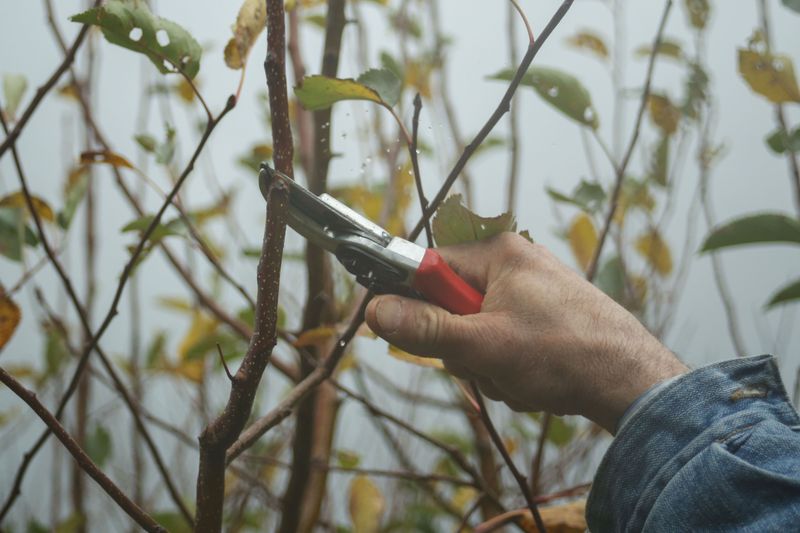
Grab your pruning shears, but put them back down for a second. August is not the time for a major tree trim, and knowing the difference could save your tree’s fall display.
Heavy pruning in late summer stimulates new growth, just like fertilizing does. That new growth is soft, unprotected, and poorly timed before the first frost hits.
There is one exception worth knowing: removing branches that are already broken, or rubbing against each other, is generally recommended. Those branches drain the tree’s resources without contributing anything back.
Crossing branches create wounds where bark rubs together over time. Those wounds become entry points for disease and insects, which is the last thing a tree needs heading into fall.
Use clean, sharp tools when making any cut. A jagged cut from a dull blade takes far longer to heal and leaves the tree exposed to pathogens through the warm, humid August air.
Make cuts just outside the branch collar, which is the slightly swollen area where the branch meets the trunk. Cutting too close or leaving a long stub both cause problems.
Minor, targeted pruning now keeps the tree structurally sound without sending it into a growth frenzy. Let the tree spend its August energy on root reserves and pigment prep, not on healing avoidable wounds.
6. Monitor For Pests Weakening Tree Vigor
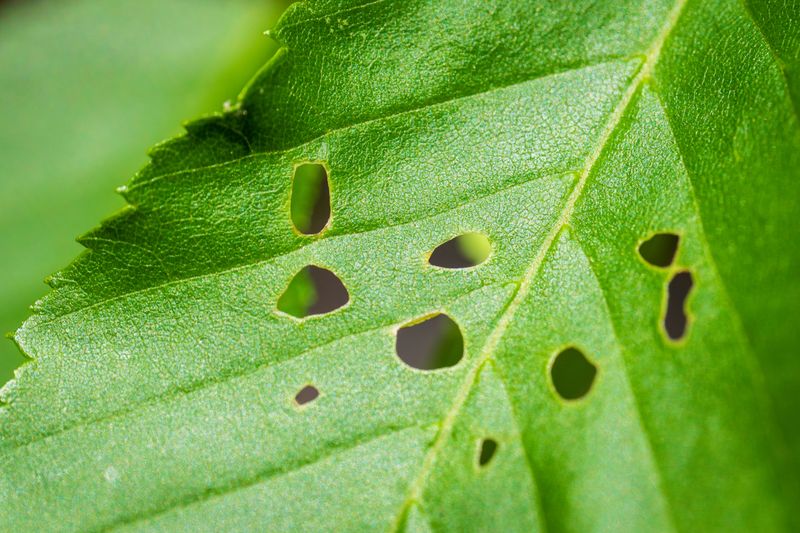
A tree quietly dealing with insect pressure is a tree less likely to put on a strong fall color show. Pests are sneaky, and August is prime time for several damaging species in New Hampshire.
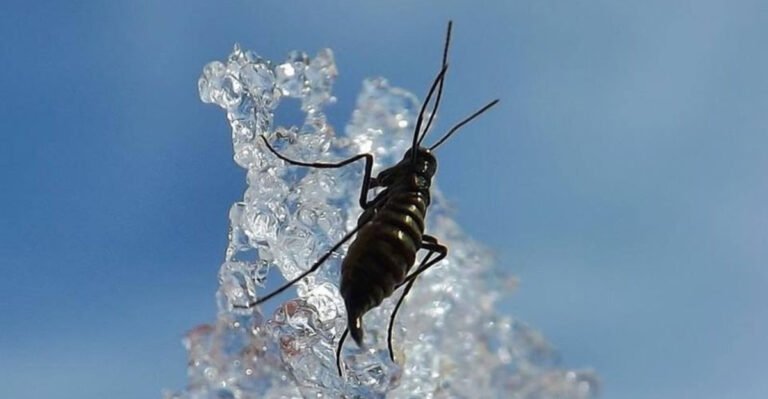
Adult spongy moths, emerald ash borers, and scale insects are all active during summer months. Each one weakens tree vigor in different ways, but the result is the same: a tired, dull-colored tree come autumn.
Check the undersides of leaves, which is where many insects lay eggs or feed without being noticed. If you see sticky residue, webbing, or small bumps on stems, investigate further before dismissing it.
Chewed leaf edges and early leaf drop are also red flags worth taking seriously. A tree losing leaves in August is not getting ready for fall; it is struggling to survive.
Some pests, like aphids, can be managed with a strong stream of water from a garden hose. Others require treatment from a licensed professional who knows New England’s specific pest pressures.
Keep records of what you see and when you see it. Photos taken on your phone during a weekly tree walk help an arborist diagnose problems faster and more accurately.
Staying ahead of pests in August means your trees enter September strong. A vigorous tree produces deeper, richer color than one that spent all summer fighting off an infestation.
7. Protect Trees From Drought Stress
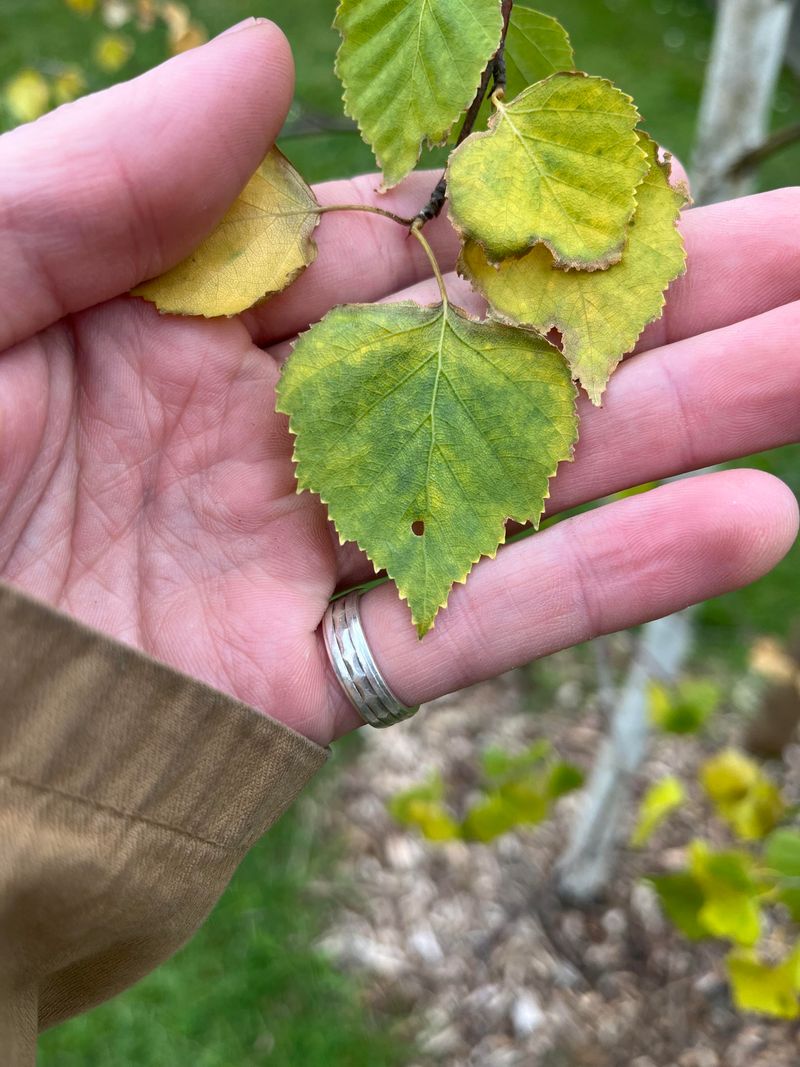
Drought stress is quieter than a pest infestation, but it is just as damaging to fall color potential. August in New England can bring dry stretches that sneak up on even attentive homeowners.
When a tree does not get enough water, it starts dropping leaves early as a survival response. Early leaf drop means less time for pigment to develop, which translates directly to a weaker color display.
Check soil moisture by pushing a screwdriver or a stick six inches into the ground near the tree. If it goes in easily, moisture levels are fine; if you hit resistance, the soil is too dry.
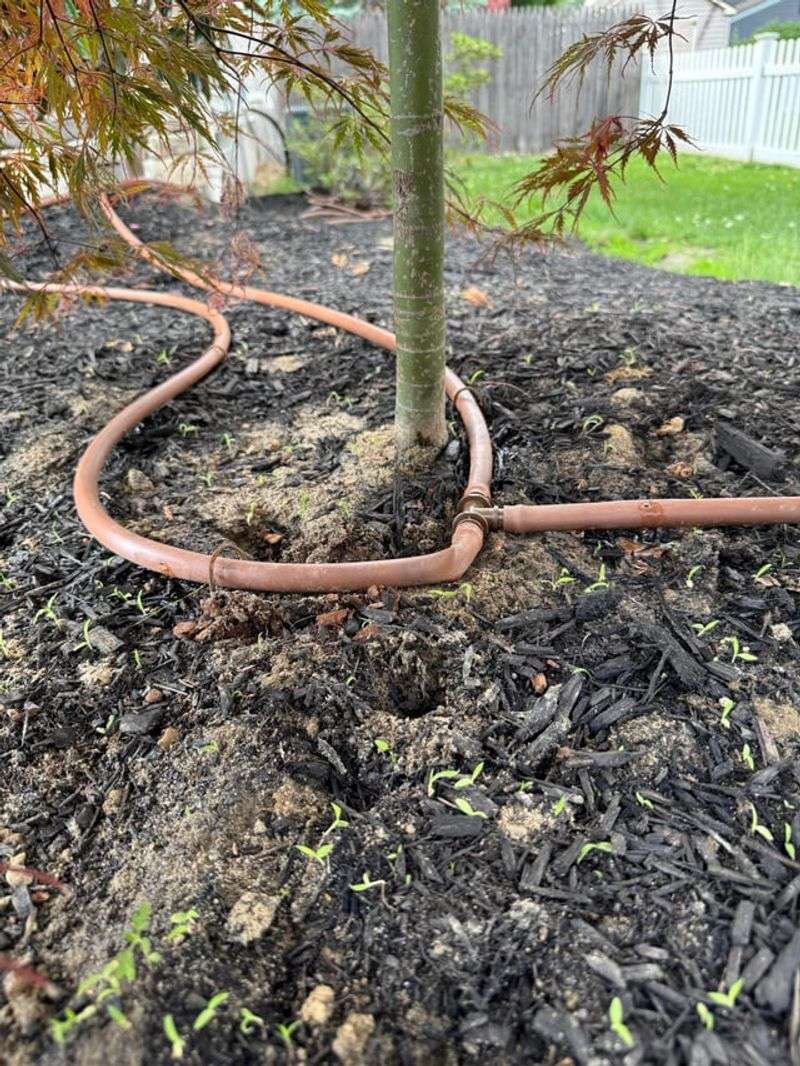
Soaker hoses laid in a spiral pattern under the canopy are one of the most efficient ways to deliver deep, even moisture. They work slowly and reduce runoff, which wastes water and misses the roots entirely.
Rainfall gauges are inexpensive and genuinely useful for tracking how much water your New Hampshire yard receives each week. Trees typically need about an inch of water per week during the growing season.
Shade trees in paved or urban settings face extra drought pressure because asphalt and concrete absorb heat and block natural moisture absorption. Those trees often need supplemental watering even when lawns seem fine.
Protecting your trees from drought now sets the stage for New Hampshire fall color at its very best. A well-hydrated tree heading into September is a tree ready to perform.
8. Plan Fall Care For Optimal Color Display
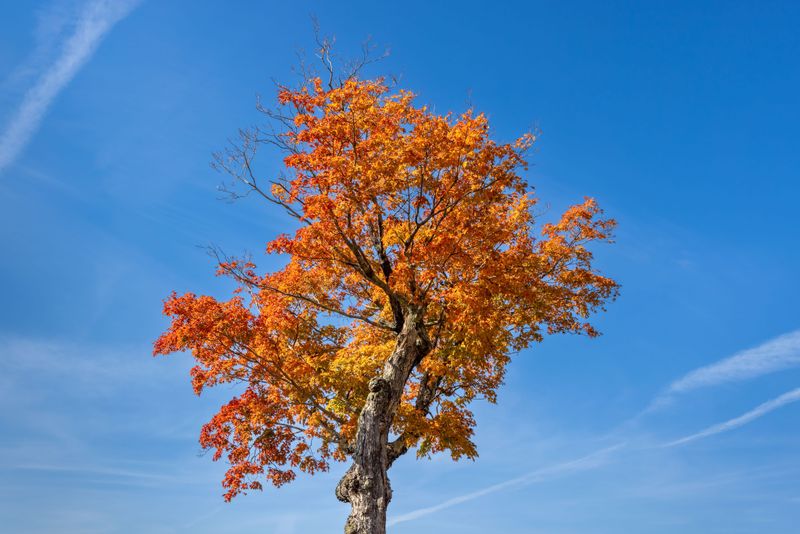
The best fall color in your New Hampshire yard does not happen by accident; it is the result of decisions made weeks before the leaves begin to turn. August is the planning window that most homeowners miss entirely.
Start by identifying which trees in your yard are high-value performers. Sugar maples, red maples, and black gums are among the showiest species in New England, and each has slightly different care needs.
Make a simple checklist of what each tree needs between now and mid-September. Include watering schedules, pest monitoring dates, and a reminder to schedule an arborist visit if anything looked questionable this summer.
Think about soil health going into fall. A soil test ordered now can give you results in time to make informed decisions about late-season amendments that support root activity without pushing new growth.
Consider whether any trees are competing for light or root space. Sometimes a neighboring shrub or low branch from another tree is blocking sunlight that a focal tree needs for maximum pigment development.
Talk to neighbors who have impressive fall color and ask what they do differently. Local knowledge from people in the same climate zone is often more practical than generic gardening advice.
Boosting fall color in New Hampshire starts with a plan laid out in early August. When the leaves finally turn, you will know exactly why your yard looks like a painting.