The Arizona Yard Habits That Waste More Water Than Homeowners Realize
Arizona water bills have a way of creeping up so gradually that you barely notice until you’re staring at a number that makes you do a double take. And the frustrating part is that a lot of that extra water use isn’t coming from anything dramatic.
It’s the irrigation timer that got set in spring and never touched again. The tiny emitter that’s been dripping sideways for two months.
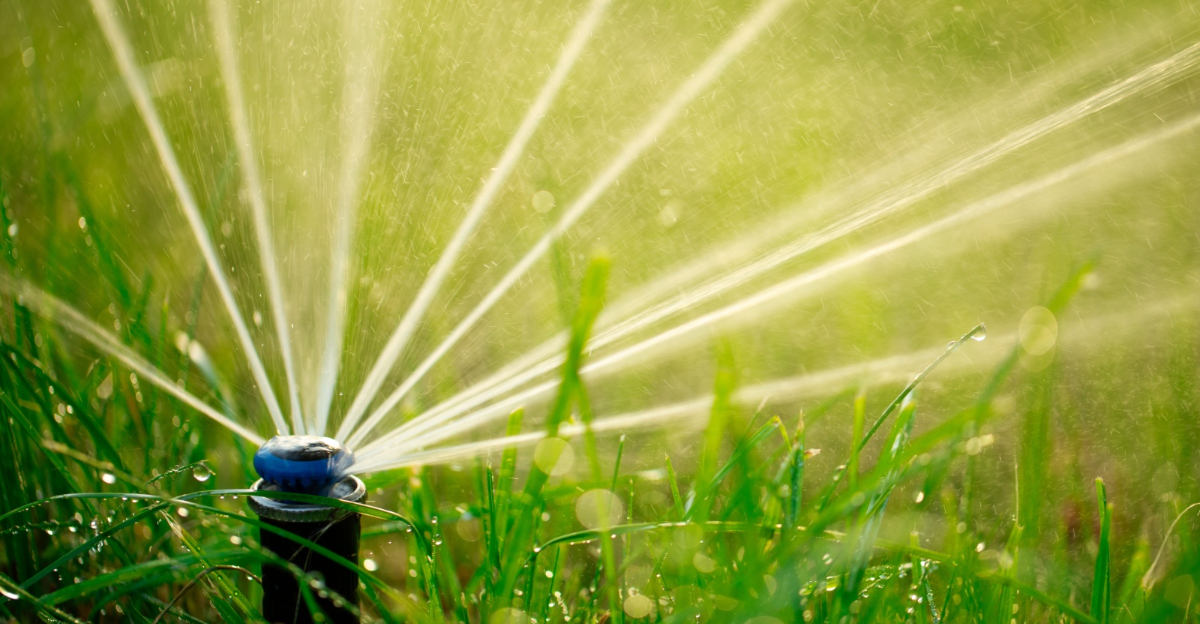
The sprinkler head enthusiastically watering a stretch of concrete like it’s trying to grow something out there. Small habits, repeated daily, add up to a surprisingly significant amount of wasted water over time.
In a desert climate where every drop genuinely matters, that’s worth paying attention to. The good news is that most of these habits are incredibly easy to fix once you actually know what to look for.
1. Letting Irrigation Run Onto Sidewalks Or Streets
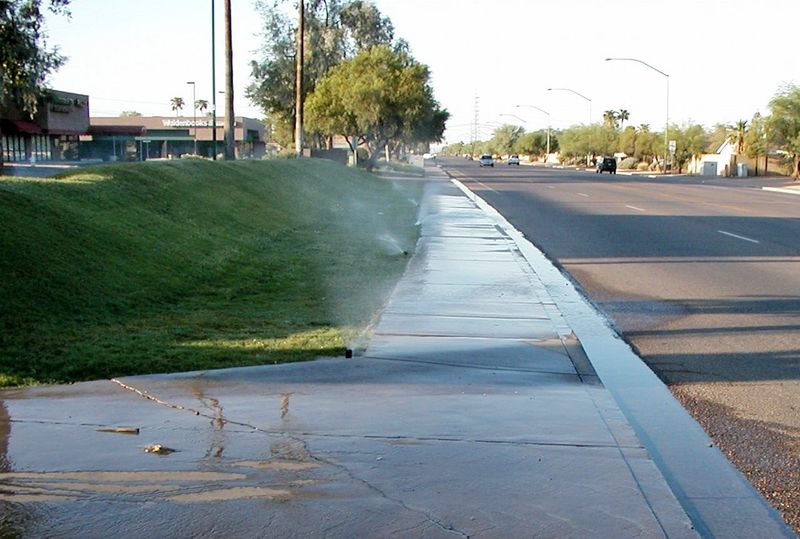
Wet sidewalks after a watering cycle are one of the most visible signs that an irrigation system is not working as efficiently as it could be.
When sprinkler heads or rotors are aimed incorrectly, water lands on pavement instead of soil, and it flows straight into the gutter without ever reaching a single plant root.
In Arizona’s hot, dry climate, that runoff represents a real loss of outdoor water that the landscape never benefits from.
Overspray onto hardscape happens gradually. A sprinkler head shifts slightly after a lawn mower clips it, or a rotor gets bumped during yard work, and suddenly a portion of every watering cycle is soaking concrete rather than soil.
Many homeowners do not notice until they see a puddle sitting at the edge of their driveway well after the system shuts off.
Checking sprinkler head placement and aim during a regular system inspection can make a meaningful difference. Adjusting spray arcs so water lands within planted areas, not on pavement, is a straightforward fix.
Some Arizona cities even have ordinances that restrict irrigation runoff onto streets, so keeping water on the landscape is both practical and responsible.
2. Ignoring Small Leaks In Hoses, Emitters, And Valves
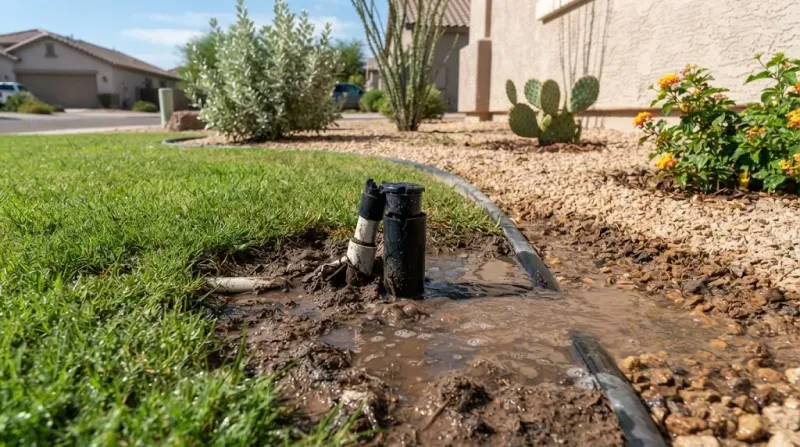
A faint hissing sound near a drip emitter or a small puddle forming around a valve box might seem harmless, but small leaks in residential irrigation systems can waste a surprising amount of water over days and weeks.
Because drip systems are often buried under mulch or gravel in Arizona yards, leaks go undetected for long stretches of time, quietly losing water that never reaches plant roots.
Emitter connections loosen over time due to soil movement, temperature swings, and foot traffic. Hose bibs develop slow drips that feel too minor to fix right away.
Valve diaphragms wear out and allow a trickle to pass through even when the zone is turned off. Each of these small issues adds up, especially during the long irrigation season when systems run frequently.
Walking the yard while the irrigation system is running is one of the most practical habits a homeowner can develop. Looking for pooling water, soggy gravel, or unusually lush spots in a drip zone can reveal a hidden leak.
Your Arizona Garden Changes Every Week. Your Plan Should Too.
Gardening in Arizona changes quickly throughout the season. Every Friday you’ll receive a simple weekly plan showing exactly what to plant, prune, fertilize, harvest, and protect so you never miss the right timing.
Replacing a worn emitter or tightening a loose fitting takes only a few minutes and can prevent weeks of unnecessary water loss in an Arizona yard.
3. Running Sprinklers With High-Pressure Misting
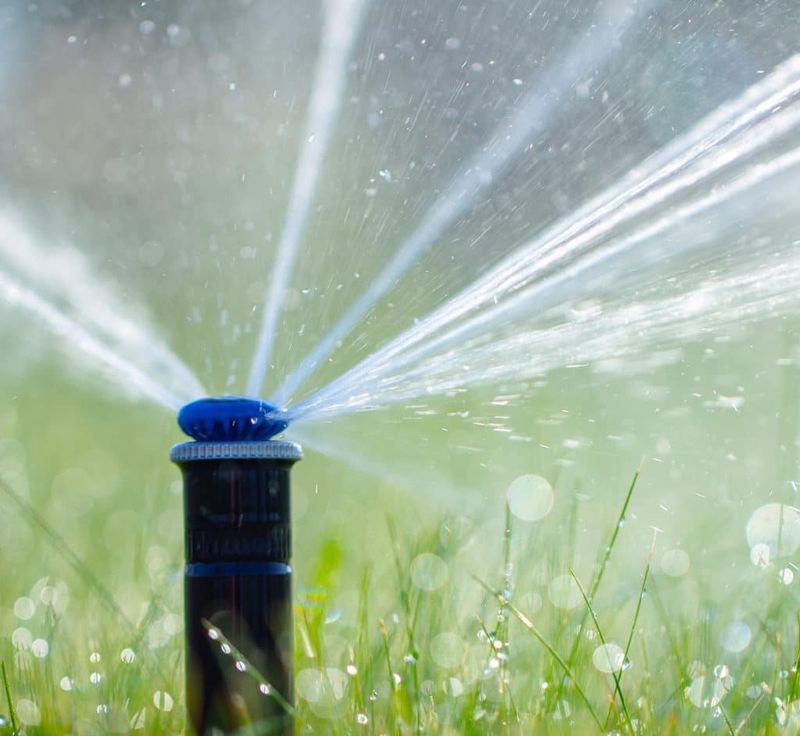
Misty sprinklers might look like they are doing a thorough job, but that fine spray drifting through the afternoon air is a sign that water pressure may be too high for the equipment being used.
When sprinkler heads operate above their designed pressure range, water atomizes into tiny droplets that evaporate before reaching the soil or blow sideways in the wind, reducing how much moisture actually gets to grass or plant roots.
Arizona’s heat and low humidity accelerate evaporation, so misting losses during midday irrigation cycles can be significant.
Conventional spray heads are designed to work within a specific pressure range, and when pressure runs high, distribution becomes uneven and efficiency drops.
Some yards may have pressure that varies across zones, which makes the problem inconsistent and harder to spot at a glance.
Pressure-regulating sprinkler heads or a pressure regulator installed on the irrigation line can bring water delivery into a more efficient range. Watering in the early morning hours also reduces evaporation losses compared to watering during peak afternoon heat.
In Arizona, where outdoor water use makes up a large share of household consumption, matching equipment to operating pressure is a practical step toward a more efficient yard irrigation system.
4. Watering All Plants On The Same Irrigation Zone
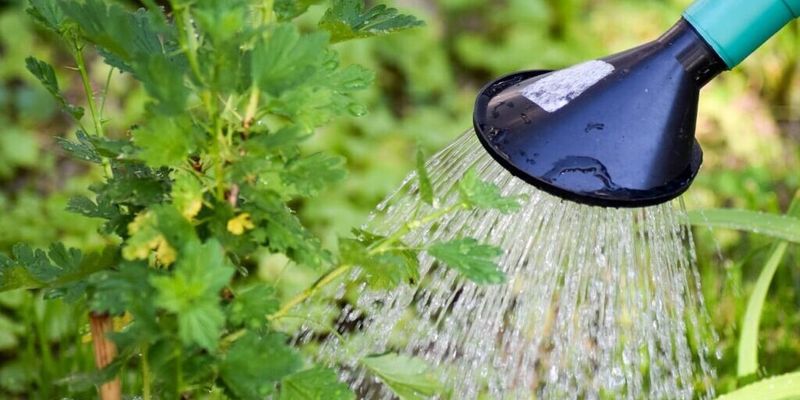
Grouping a mature desert tree, a newly planted shrub, and a patch of flowering annuals onto a single irrigation zone might seem like a convenient setup, but those plants have very different water needs.
Running one zone to satisfy all of them usually means some plants get far more water than they need while others may not get quite enough, and the overall system ends up running longer than necessary to compensate.
In Arizona landscapes, plant water needs vary widely based on species, root depth, sun exposure, and how long the plant has been established. A young citrus tree needs more frequent irrigation than a mature palo verde.
Succulents and cacti require far less water than a vegetable bed. When these plants share a zone, the irrigation schedule gets calibrated to the thirstiest plant, leaving others overwatered and wasting water in the process.
Separating plants with similar water needs onto their own dedicated zones allows each group to receive only what it actually requires.
This approach, sometimes called hydrozoning, is a recommended strategy in Arizona water-conservation planning.
Reorganizing zones during a drip system upgrade or when replanting sections of the yard is a practical opportunity to improve irrigation efficiency across the entire landscape.
5. Keeping More Grass Than The Yard Actually Uses
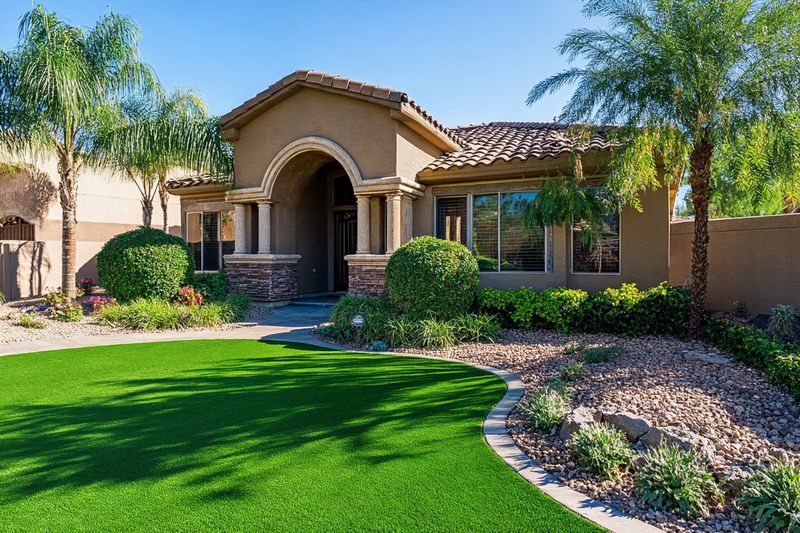
Patches of turf tucked into corners of an Arizona backyard, narrow strips of grass along a fence line, or a front lawn that nobody walks on are some of the quieter water users in a residential landscape.
Grass requires significantly more water than most desert-adapted plants, and in Arizona’s climate, that demand continues through much of the year, especially during the long, hot summer months when evapotranspiration rates are high.
Many homeowners hold onto grass out of habit or because it came with the home when they moved in. Over time, though, turf areas that see little foot traffic or recreational use become a routine water expense without a proportional benefit.
Grass in shaded areas can develop fungal issues from overwatering, while grass in full sun may need watering cycles that run more frequently than other landscape plants require.
Reducing turf to areas where it is genuinely used and enjoyed, such as a play area for children or pets, can lower outdoor water use meaningfully.
Many Arizona water utilities offer rebate programs that encourage turf replacement with low-water desert plants, decomposed granite, or other permeable ground covers.
Right-sizing turf to actual use is one of the more impactful changes a homeowner can make to a yard’s overall water budget.
6. Watering Too Often Instead Of Watering Deeply
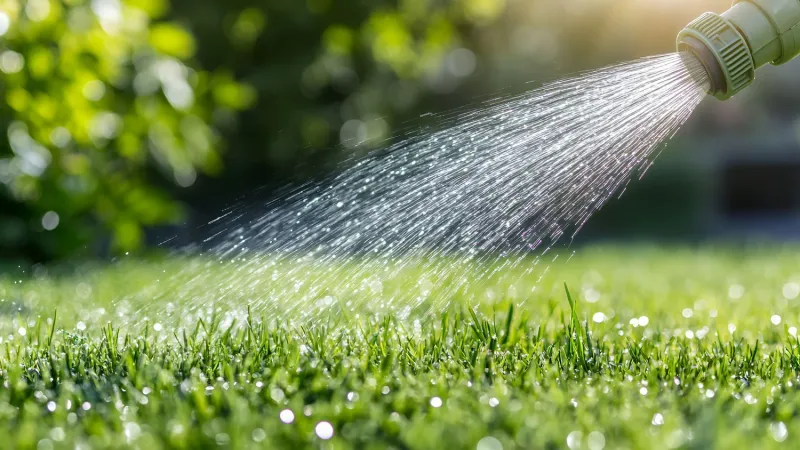
Short, frequent watering cycles are one of the most common irrigation habits in Arizona yards, and they often do more harm than good from a water-efficiency standpoint.
When irrigation runs for only a few minutes at a time, water wets only the top layer of soil, which dries out quickly in heat and prompts homeowners to water again sooner than the plants actually need.
Shallow watering keeps plant roots near the soil surface, where they are more exposed to heat and drying.
Deep, less frequent watering encourages roots to follow moisture downward into cooler soil layers, which helps plants become more resilient over time.
The soil in many Arizona yards, whether sandy or clay-heavy, responds differently to irrigation run times, and finding the right balance takes some observation and occasional adjustment.
Running irrigation zones long enough to move water several inches into the soil, then waiting until the soil begins to dry before watering again, is a more efficient approach than frequent short cycles.
Checking soil moisture with a simple probe or screwdriver before scheduling the next watering cycle helps avoid running irrigation when the soil is still holding adequate moisture.
Watering deeply and less often can reduce overall irrigation frequency while still keeping Arizona plants healthy through the season.
7. Ignoring Soil Type Before Setting Run Times
Sandy soil and clay soil behave very differently when water is applied, and irrigation run times that work well for one soil type can lead to runoff or poor absorption in another.
In Arizona, soil texture varies considerably from one neighborhood to the next, and even within a single yard, soil composition can change from the front to the back.
Setting irrigation run times without accounting for soil type is a habit that can quietly reduce efficiency.
Sandy soils drain quickly, which means water moves through the root zone fast. Clay soils absorb water slowly, and running irrigation too long on clay can cause pooling at the surface or shallow saturation that does not reach deeper roots.
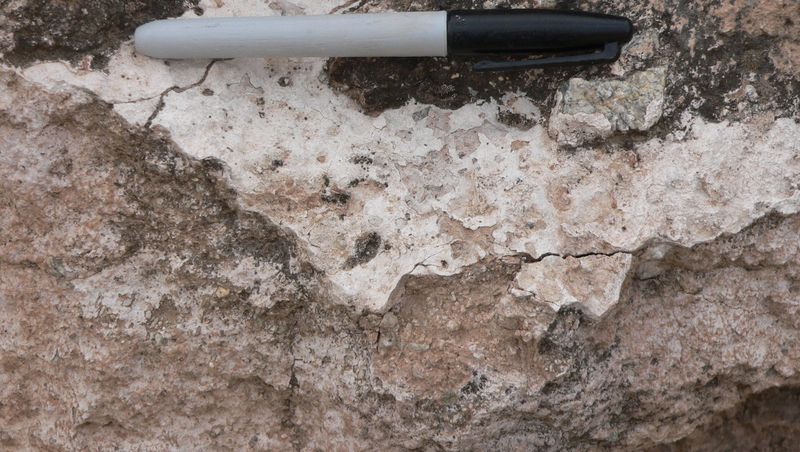
Caliche layers, which are common in many Arizona areas, can also block downward water movement and change how much run time is actually useful for a given zone.
Understanding what type of soil is in the yard helps with setting more accurate run times and cycle frequencies. A simple jar test or a soil probe can give homeowners a general sense of texture.
Cycle-and-soak programming, where irrigation runs in short intervals with rest periods in between, is a technique that works particularly well on clay-heavy Arizona soils because it allows water to absorb before more is applied, reducing surface runoff.
8. Letting Timers Run After Monsoon Rain
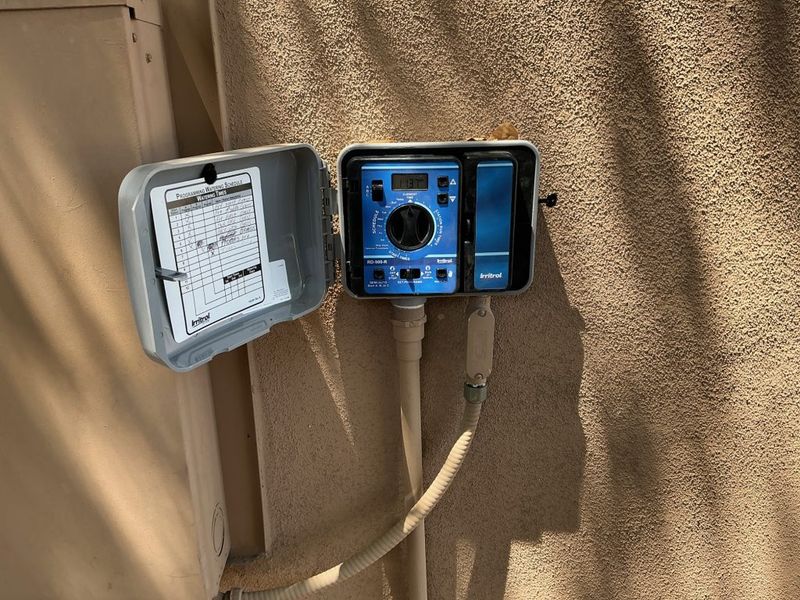
Monsoon season in Arizona brings welcome rain to yards that have been baking through a long, dry summer, but irrigation timers do not automatically know when it has rained.
A system set to run three or four days a week will continue on schedule even after a storm drops enough moisture to satisfy the landscape for several days.
Running irrigation on top of recent rainfall is one of the more straightforward ways outdoor water gets used when it is not needed.
Many homeowners set their irrigation schedules in spring and do not revisit them until the season changes again. During the Arizona monsoon, which typically runs from mid-summer into early fall, meaningful rainfall events can occur multiple times a week.
Without adjustments to the timer or a rain sensor in place, the irrigation system keeps running as programmed regardless of how wet the soil already is.
Adding a rain sensor or a smart irrigation controller that monitors weather data can automatically pause scheduled irrigation after rainfall.
Even without smart technology, checking the forecast and manually skipping a scheduled cycle after a good monsoon rain is a simple habit that prevents unnecessary water use.
In Arizona, where monsoon rain is a real seasonal resource, letting the landscape absorb what the sky provides before running the irrigation system is a sensible approach.
9. Missing The Chance To Capture Rainwater
Rainwater that falls on an Arizona roof, driveway, or yard tends to run off quickly unless the landscape is set up to slow it down and let it soak in.
Most residential yards in Arizona are graded to drain water away from the house, which is important for foundation protection, but it also means that monsoon rain often leaves the property before the soil or plants have a chance to benefit from it.
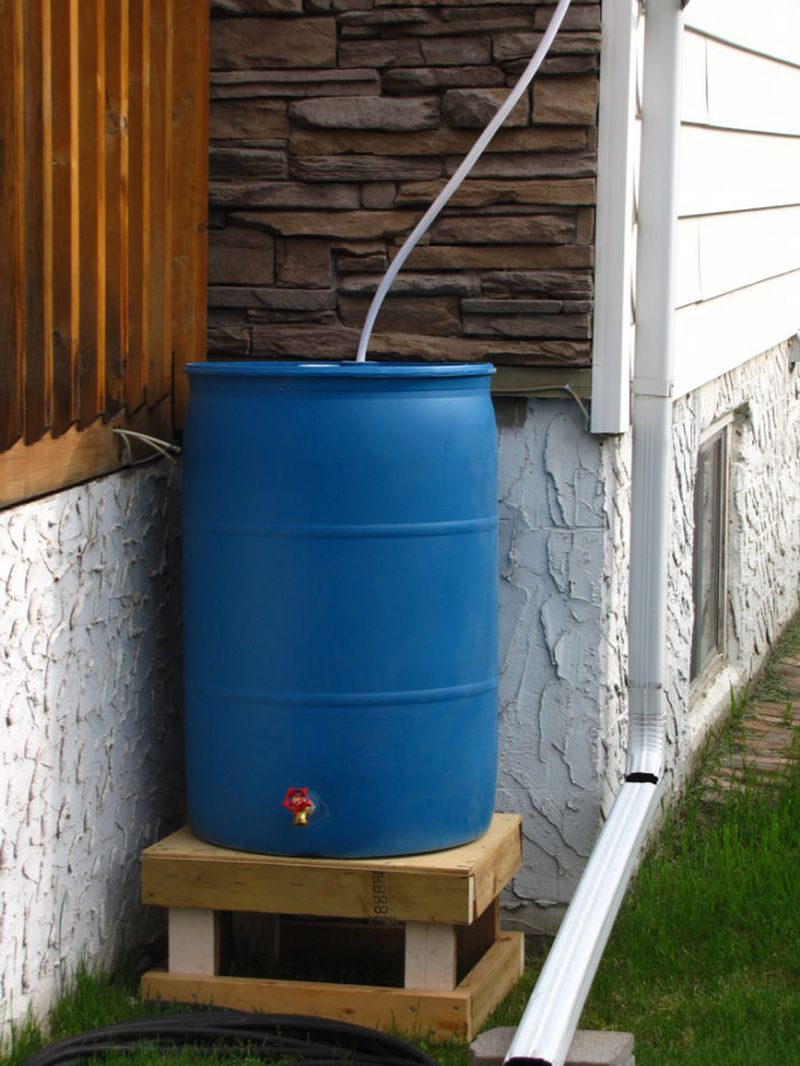
Capturing or redirecting rainwater does not require a complicated system. Simple rain barrels connected to downspouts can collect roof runoff for later use on potted plants, garden beds, or container gardens.
Earthworks like shallow basins, berms, or swales in the landscape can slow water movement and encourage it to soak into the soil near trees or shrubs rather than running off into the street.
In Arizona, where rainwater harvesting is legal for residential properties and even encouraged by some municipalities, taking steps to capture and use natural rainfall reduces dependence on potable water for outdoor irrigation.
Even modest changes, like directing a downspout toward a planted area rather than onto pavement, can help the landscape absorb more of what Arizona’s monsoon season provides.
Over time, these small adjustments reduce how often the irrigation system needs to run.
10. Leaving Soil Bare Around Plants
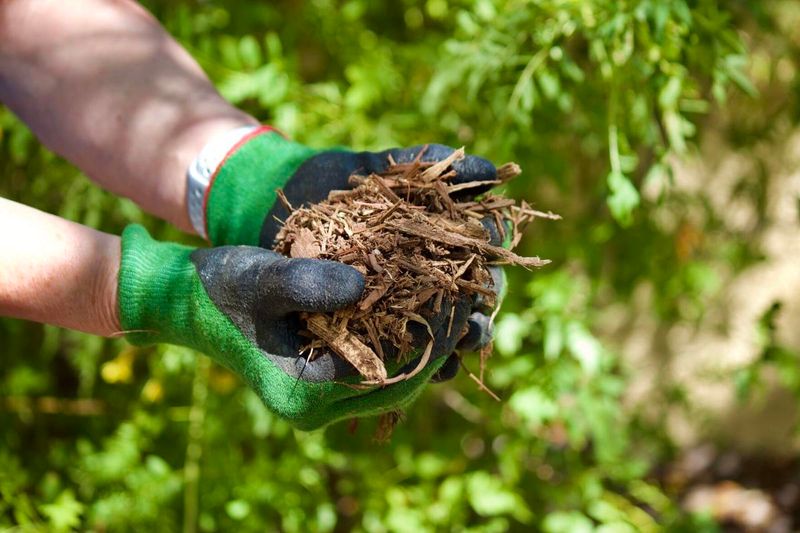
Bare soil in an Arizona yard loses moisture much faster than soil covered with mulch or ground cover. When the sun beats down on exposed earth between plants, the top layer dries out quickly, pulling moisture upward and away from plant roots.
This accelerated drying means the irrigation system needs to run more frequently to keep soil moisture at a level that supports plant health through Arizona’s intense heat.
Mulch acts as an insulating layer that slows evaporation, moderates soil temperature, and helps water move more slowly into the ground.
Organic mulches like wood chips or shredded bark also break down gradually, adding organic matter that improves soil structure over time.
Inorganic options like decomposed granite are widely used in Arizona desert landscapes and offer similar evaporation-reducing benefits without breaking down as quickly.
Applying a few inches of mulch around trees, shrubs, and garden beds is one of the more straightforward improvements a homeowner can make to reduce outdoor water use in an Arizona yard.
Keeping mulch a few inches away from plant stems and tree trunks helps avoid moisture buildup against woody tissue.
Over a full irrigation season, mulched soil can hold moisture noticeably longer than bare ground, which can translate into fewer watering cycles and lower outdoor water consumption overall.