The Worst Time Of Day To Water Your Arizona Garden – And 10 Smarter Ways To Do It
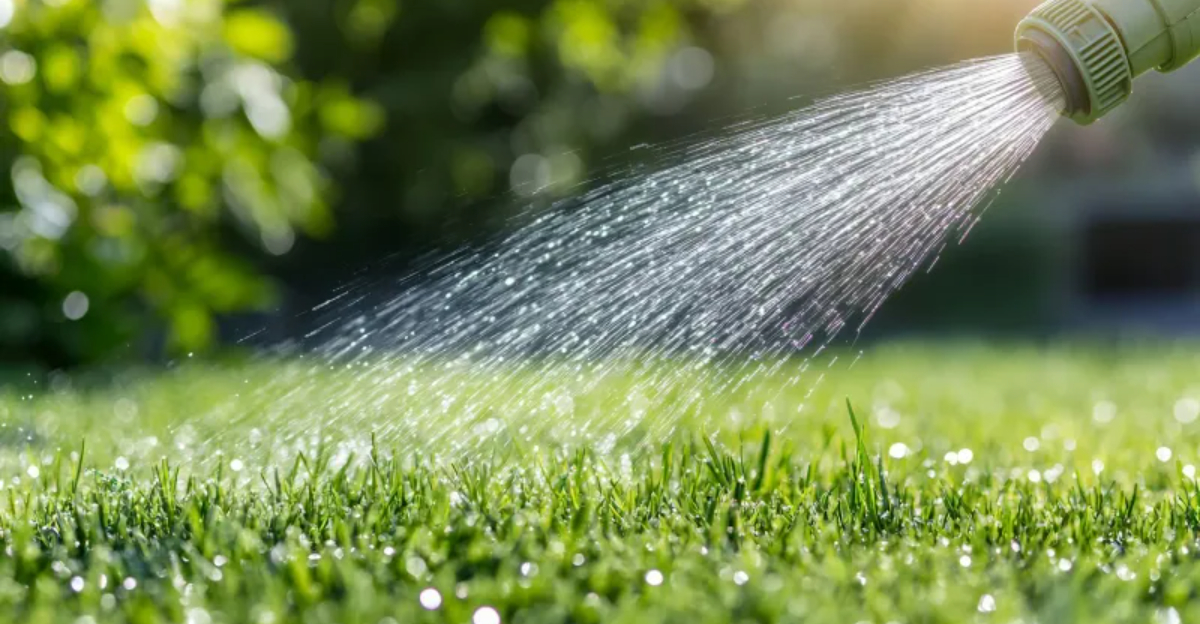
If your Arizona plants look tired and thirsty even after you water them, the problem might be when you turn on the hose. Watering at the wrong time in our desert heat can waste most of what you pour out and leave roots gasping.
The good news is that a few simple changes can save water, money, and your garden. Here is the worst time to water and ten smarter habits to try instead.
1. The Worst Time: Midday Watering In The Arizona Heat
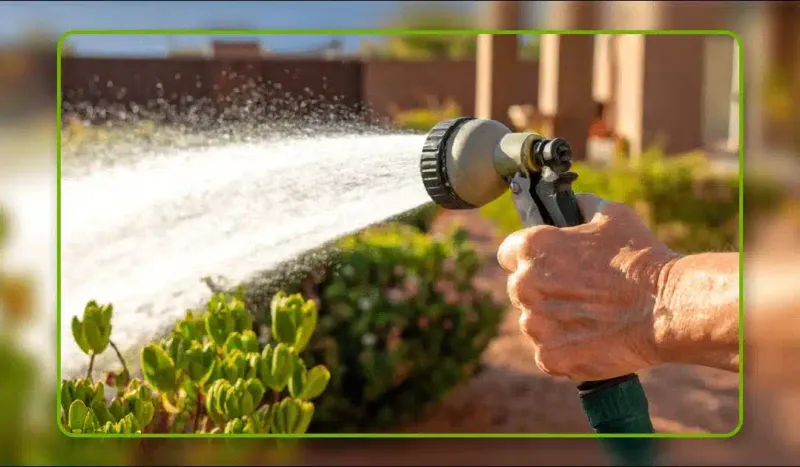
Picture pouring a glass of water onto hot pavement at noon in Phoenix and watching it vanish in seconds. That is basically what happens when you water your Arizona garden during the middle of the day.
When the sun is at full strength, much of the water evaporates before it ever soaks down to the root zone. You end up using far more water for far less benefit, which hits both your plants and your utility bill.
Midday watering can also scorch leaves in Arizona. Water droplets sitting on foliage act like tiny magnifying glasses, focusing the harsh sun and leaving brown, burned spots behind.
There is a sneakier problem too. Shallow, frequent midday splashes train roots to stay near the surface, where the soil dries out fastest, making your Arizona plants weaker and more drought-stressed over time.
Skip the noon-to-late-afternoon window entirely during summer. Your desert plants will thank you, and the smarter methods below will help every drop count where it matters most.
2. Water In The Early Arizona Morning
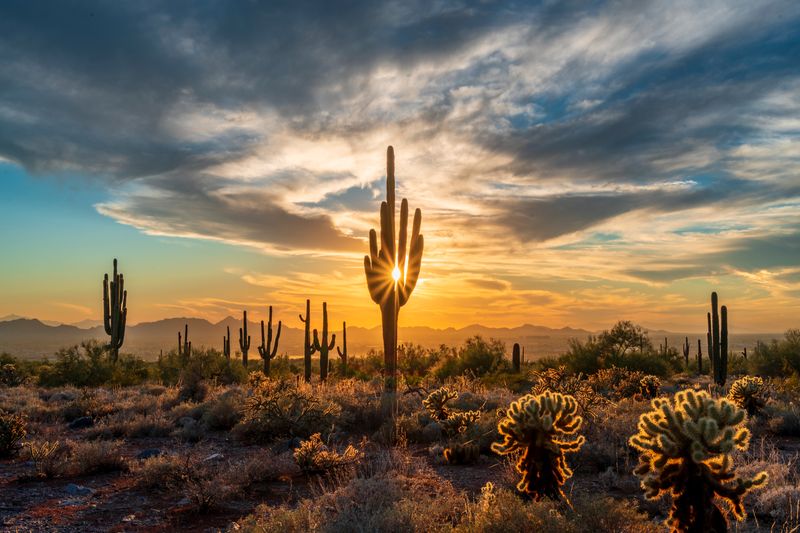
Set your alarm early, because the sweet spot for watering an Arizona garden falls between 4 a.m. and 6 a.m. Cooler air and calm winds mean the water actually reaches your plants instead of drifting off as vapor.
Watering before sunrise gives roots a long, unhurried drink. Moisture soaks deep into the soil while temperatures are still mild, so plants stock up before the brutal desert heat arrives.
Morning watering also keeps foliage dry by the time the sun climbs. That timing helps prevent the mold and fungal issues that show up when leaves stay wet overnight, a common trouble spot for Arizona lawns.
If dragging yourself outside at 4 a.m. sounds miserable, do not worry. A simple hose timer or programmable controller can handle the pre-dawn shift for you while you stay cozy in bed.
Even a small shift from afternoon to early morning can dramatically cut your water waste. It is the single easiest habit change for a healthier, more efficient Arizona landscape.
3. Practice Deep And Infrequent Watering For Arizona Plants
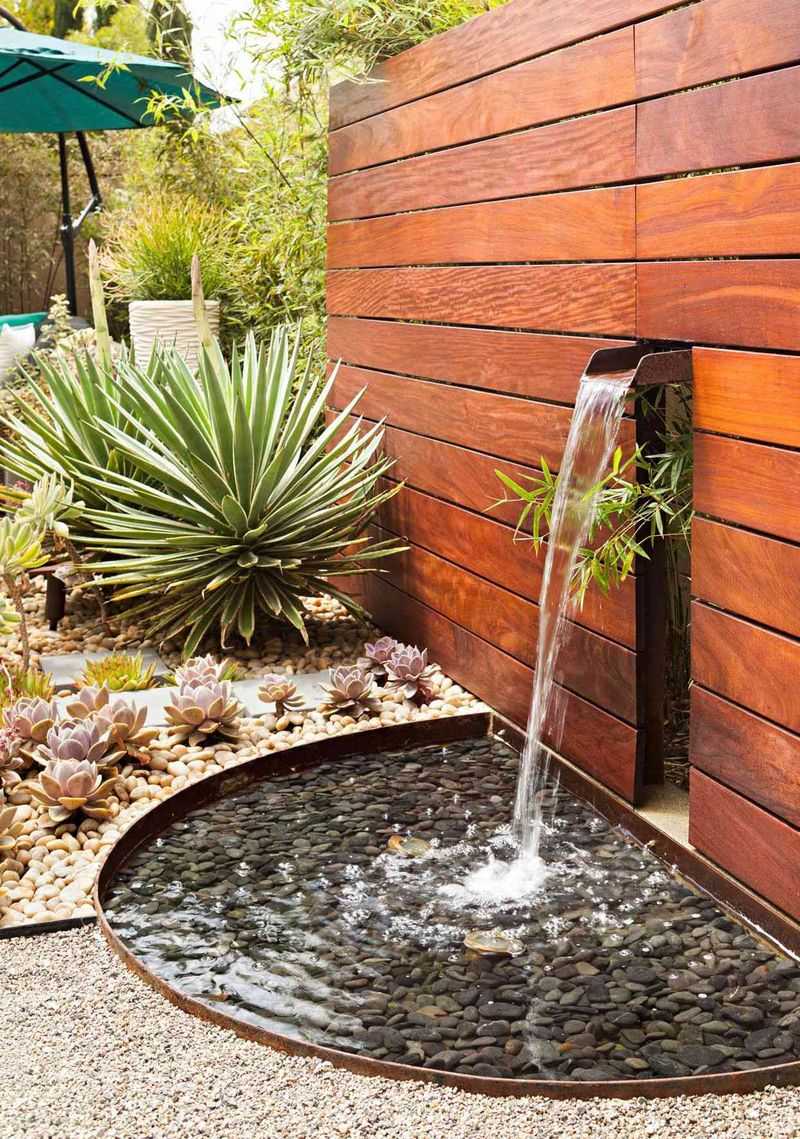
Think of watering like teaching your plants a lesson about survival. Shallow daily sprinkles tell roots to stay lazy near the surface, but deep soaks tell them to dig down where the soil stays moist longer.
In Arizona’s desert climate, surface water disappears fast. Roots that hover near the top get baked and thirsty the moment the sun comes out, leaving plants stressed and struggling.
Your Arizona Garden Changes Every Week. Your Plan Should Too.
Gardening in Arizona changes quickly throughout the season. Every Friday you’ll receive a simple weekly plan showing exactly what to plant, prune, fertilize, harvest, and protect so you never miss the right timing.
Instead, water thoroughly but less often. Give the ground time to absorb a generous drink, then let it dry out a bit before the next session.
Deep roots act like a built-in insurance policy against heat waves.
Established desert trees and shrubs especially reward this approach. A palo verde or mesquite with roots reaching several feet down can shrug off drought that would flatten a shallow-rooted plant.
You will actually water fewer times per week this way, which feels backward but works beautifully. Fewer, deeper sessions mean stronger, more drought-resistant Arizona plants and noticeably lower water use across the whole yard.
4. Install An Arizona Drip Irrigation System
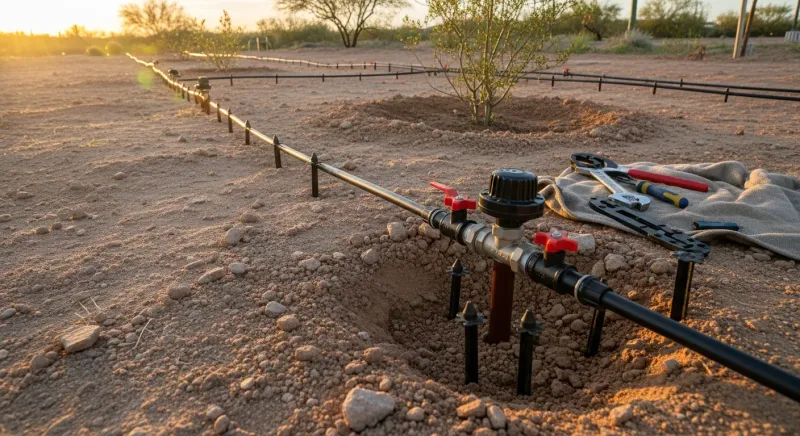
Few upgrades pay off in an Arizona yard quite like drip irrigation. Instead of blasting water into the air where it evaporates, drip lines deliver it slowly and quietly right at the base of each plant.
Because the water goes straight to the root zone, almost nothing is lost to wind, runoff, or the thirsty desert air. That precision can trim your overall water use by roughly 35 to 50 percent compared to old-fashioned sprinklers.
Drip systems also keep foliage dry, which discourages fungus and weeds. Weeds hate it because you are only feeding the plants you actually want, not the whole bed.
Setting one up is more approachable than many Arizona homeowners expect. Flexible tubing, snap-in emitters, and a simple timer let you customize flow for cacti, shrubs, and trees all on the same line.
Once it is running, maintenance is minimal beyond checking for clogs now and then. For a low-desert garden fighting constant heat and water limits, drip irrigation quietly becomes the backbone of a smart, efficient watering plan.
5. Use Smart Irrigation Controllers For Arizona Landscapes
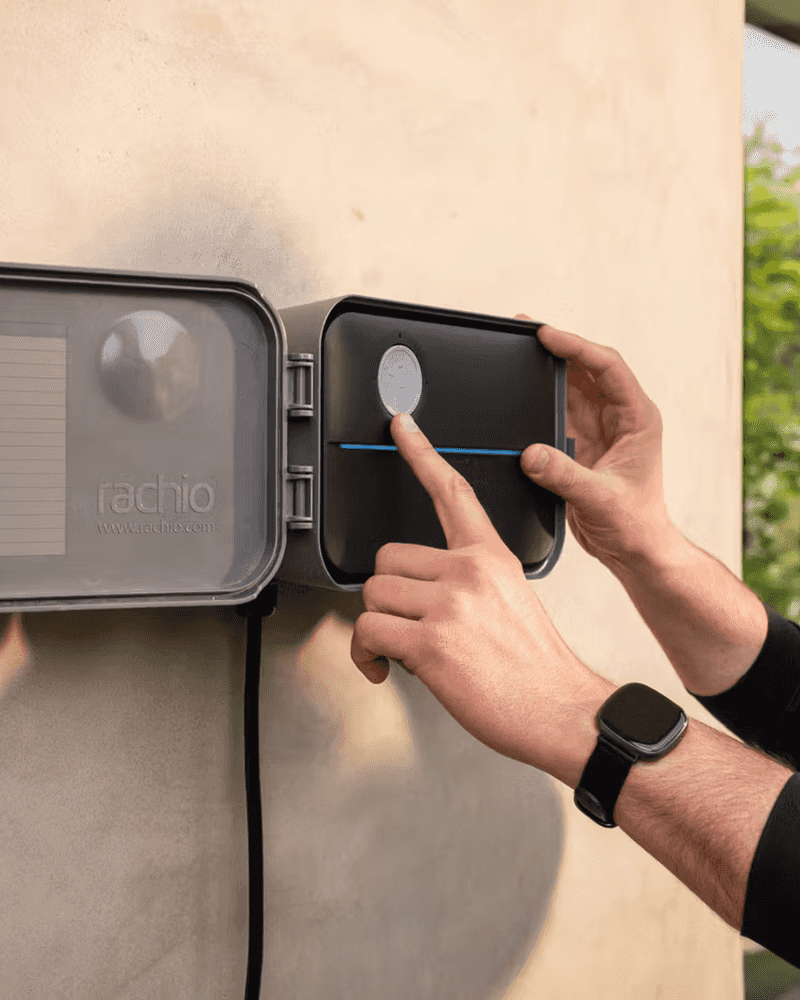
Imagine an irrigation system smart enough to skip watering when the monsoon rolls in. Smart controllers do exactly that, pulling real-time weather data to decide when your Arizona garden truly needs a drink.
Rather than sticking to a rigid schedule, these devices adjust for soil moisture, temperature swings, and seasonal changes. When a summer heat wave hits, they add water; when a storm passes through, they hold back automatically.
That responsiveness matters enormously in a climate as unpredictable as ours. Monsoon season can dump inches of rain one afternoon, and a dumb timer would keep watering right through the downpour, wasting gallons.
Many models connect to a phone app, so you can tweak settings from the couch or check whether the system ran while you were away. It is a quiet convenience that adds up fast.
Over a full year, letting technology fine-tune your watering can prevent significant waste and keep plants from being overwatered. For busy Arizona homeowners who want a hands-off, water-wise yard, a smart controller earns its keep.
6. Apply Mulch To Arizona Garden Beds
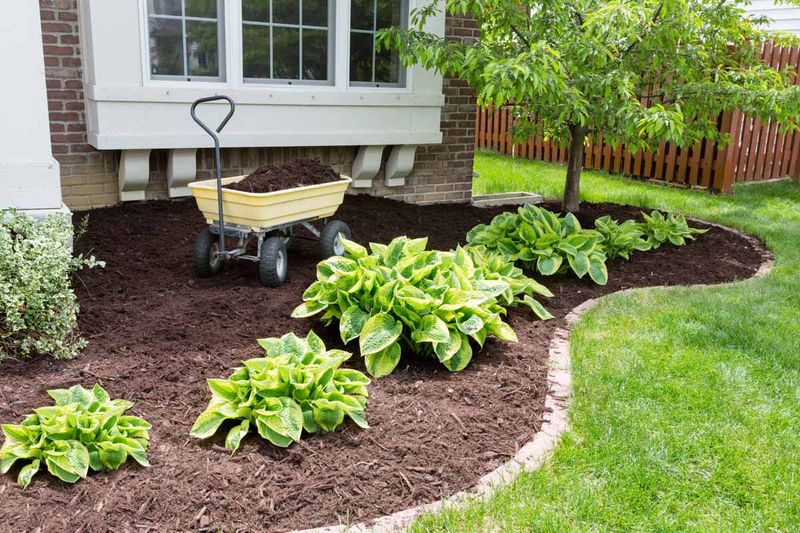
Mulch is like a cozy blanket for your soil, except its job is to keep things cool and damp rather than warm. A simple layer around your Arizona plants can transform how long moisture sticks around.
Spread two to three inches of organic mulch over your garden beds. It shades the soil surface, slows evaporation, and keeps roots noticeably cooler even when afternoon temperatures soar past 100 degrees.
That insulation means you water less often. Instead of moisture cooking off within hours, it lingers in the root zone where your plants can actually use it, stretching every gallon further.
Mulch does double duty by smothering weeds too. Fewer weeds means less competition for the water you do apply, and less time spent yanking them out on scorching mornings.
As organic mulch slowly breaks down, it also feeds Arizona’s often stubborn, alkaline soils with a bit of nutrition. Just keep it pulled back a couple inches from plant stems to avoid trapping rot, and let it work quietly all season.
7. Embrace Native And Desert-Adapted Arizona Plants
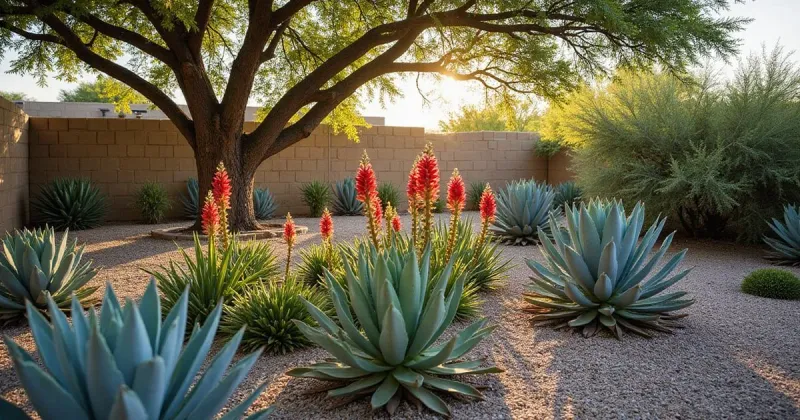
The smartest watering trick of all might be choosing plants that barely need watering. Native and desert-adapted species evolved right here, so they already know how to thrive on Arizona’s limited rainfall.
Fill your yard with tough performers like agave, palo verde, desert willow, and penstemon. Once established, these plants sip water instead of guzzling it, slashing your irrigation needs without sacrificing beauty.
There is a bonus that decoration-only landscapes miss entirely. Palo verde and desert willow offer shade and shelter, while penstemon’s tubular blooms pull in hummingbirds and pollinators, turning your yard into working wildlife habitat.
A well-planned xeriscape also tends to be less inviting to pests. Open, water-wise designs with fewer damp, cluttered corners can give scorpions and mosquitoes fewer places to hide compared to lush, constantly soggy lawns.
Plant these natives in fall, around October or November, so roots settle in before summer. With the right species in the ground, watering becomes an occasional helping hand rather than a daily chore, and your Arizona garden practically takes care of itself.
8. Water To The Correct Depth For Arizona Plants
Not every plant wants the same drink, and matching water depth to plant size is a quiet game-changer for Arizona gardens. Roots grow only as deep as the water reaches, so aiming for the right depth builds sturdier plants.
Small plants like ground covers, cacti, and annuals need water about one foot deep. Medium shrubs do best when moisture reaches down roughly two feet into the soil.
Larger trees, meanwhile, thrive when water penetrates around three feet. Their roots stretch far and deep, and a shallow sprinkle simply cannot satisfy a mature mesquite or palo verde.
Getting depth right prevents two common Arizona mistakes at once. You avoid wasting water on plants that cannot use it all, and you stop shortchanging trees that end up stressed and vulnerable to heat.
A rough guideline helps: water long enough that it visibly soaks in, then check how far it traveled before repeating. Tailoring depth to each type of plant keeps your whole landscape hydrated efficiently, from the tiniest succulent to the tallest shade tree.
9. Monitor Arizona Soil Moisture With Probes Or Sensors
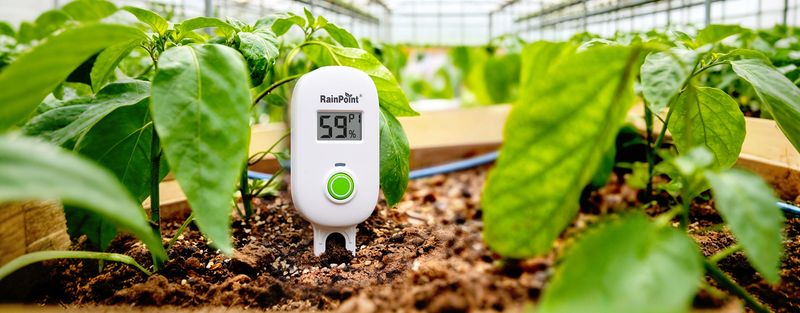
Guessing whether your soil is wet enough is a fast way to over or underwater. Luckily, checking is almost embarrassingly simple, and it takes the mystery out of watering an Arizona garden.
Grab a long screwdriver or a piece of rebar and push it into the ground after watering. It slides easily through moist soil and stops when it hits dry, hard dirt, showing you exactly how deep the water reached.
That instant feedback tells you whether to water longer or ease off. No more soggy roots or bone-dry root zones hiding just beneath a damp surface that only looks watered.
For a hands-off option, install soil moisture sensors that give real-time readings, sometimes straight to your phone. They are especially handy in Arizona’s inconsistent caliche soils, where moisture can behave unpredictably from spot to spot.
Checking regularly turns watering from a hopeful guess into a confident decision. Over a season, this small habit saves water, spares your plants stress, and helps you learn exactly how your particular patch of desert soil holds onto moisture.
10. Adjust Arizona Watering Schedules Seasonally
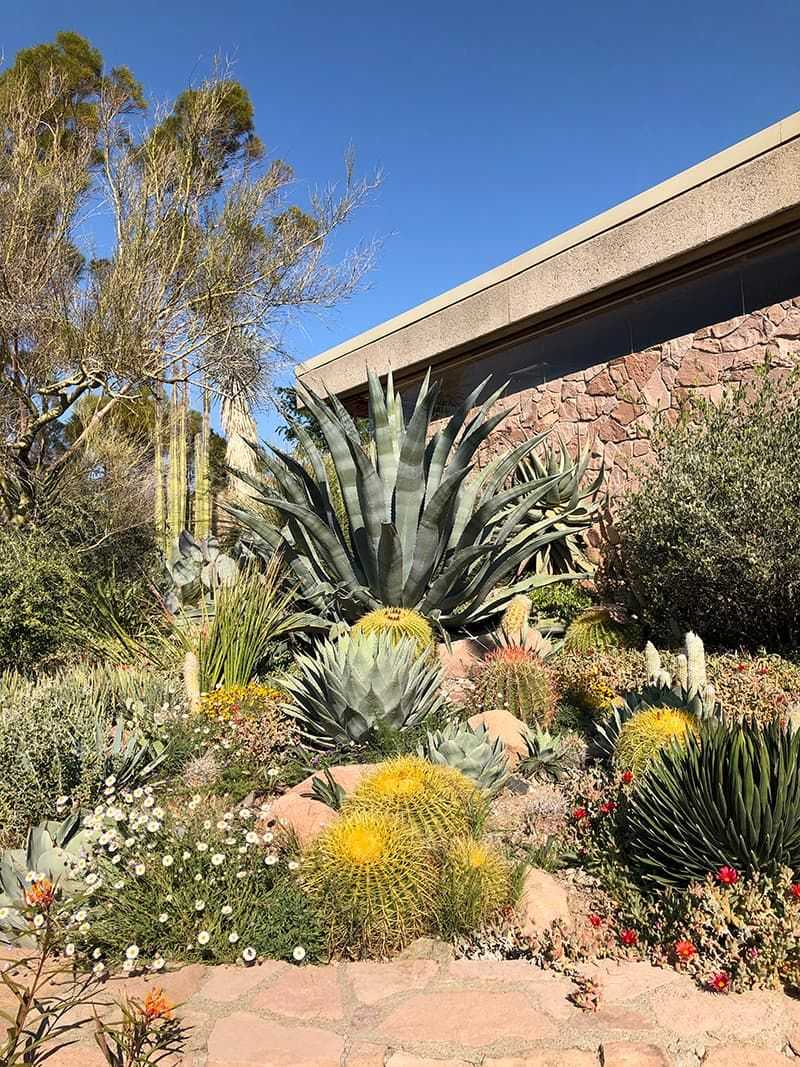
Watering your Arizona garden the same way all year is like wearing a winter coat in July. Our climate swings hard between seasons, and your irrigation schedule should swing right along with it.
During the blazing summer, plants need more frequent, deep watering to survive triple-digit heat. Come the cooler months from fall through early spring, they need far less, and overwatering then can do real harm.
Monsoon season adds its own wrinkle. When storms deliver sudden downpours, you can dial back or pause irrigation entirely and let the sky do the work for a while.
Winter brings the opposite concern for tender desert plants. Watering is minimal, but keeping an eye on frost and protecting cold-sensitive species matters more than any hose ever could.
The simplest approach is to revisit your schedule at each season’s change and adjust run times accordingly. Whether you do it by hand or through a smart controller, matching water to the season keeps plants healthy while sparing gallons you would otherwise pour down the drain all winter long.
11. Implement Rainwater Harvesting Or Greywater Systems In Arizona
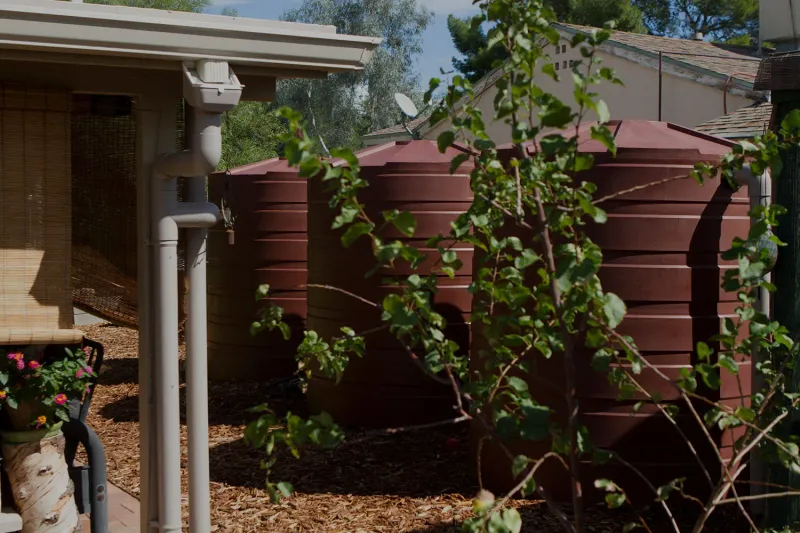
Every monsoon storm sends free water rushing off your roof, and most of it disappears down the driveway. Capturing even a fraction of it can meaningfully shrink your reliance on the tap.
Rain barrels placed under downspouts collect rooftop runoff you can later use on trees, shrubs, and beds. In a place where water is precious and pricey, that stored supply feels like found treasure after a good storm.
Greywater systems take the idea further. Lightly used water from showers, sinks, and laundry can be redirected to irrigate landscape plants instead of vanishing into the sewer.
Arizona is actually one of the friendlier states for greywater use, with clear guidelines that make simple setups practical for many homeowners. Trees and established shrubs are ideal recipients for this recycled water.
Beyond the savings, these systems make your yard more self-sufficient and resilient during dry stretches. Pairing harvested rain and greywater with the water-wise habits above turns your Arizona garden into a genuinely sustainable landscape that leans on nature first and the municipal supply second.