The Native Georgia Tree That Handles Wet Yards Better Than Most
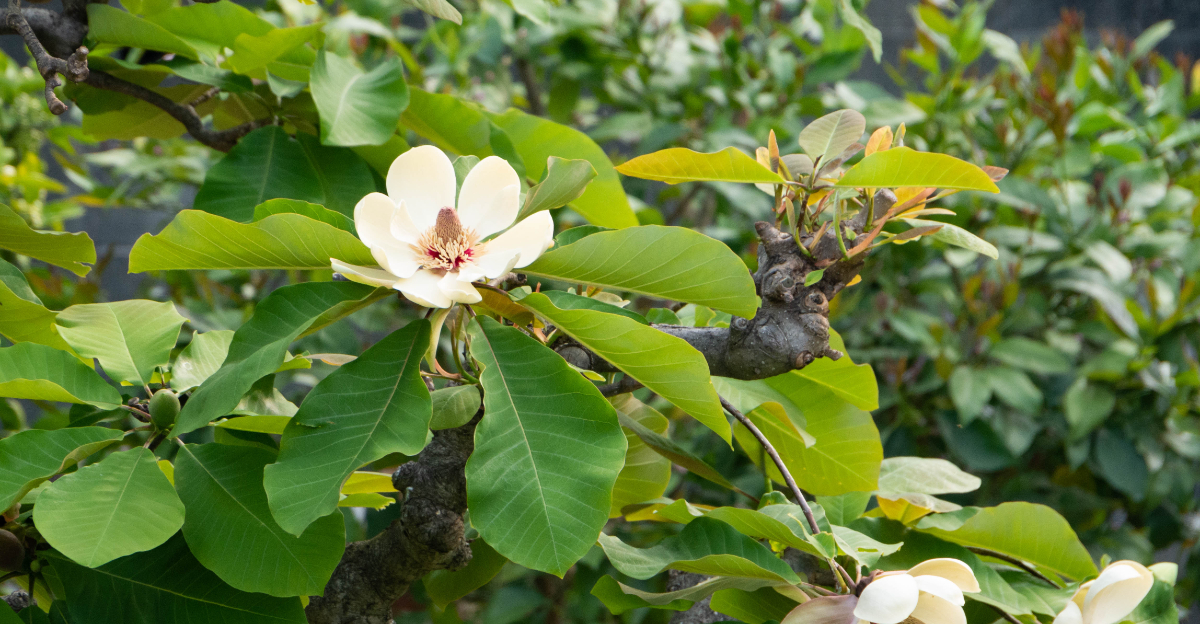
Standing water can turn an otherwise promising planting spot into a frustrating problem, especially when ordinary landscape trees struggle there. Instead of fighting the site, choose a tree suited to it.
That approach becomes especially useful in yards where rain collects and drainage stays slow.
One Georgia native naturally handles wetter ground better than many familiar landscape choices. Its ability to grow in challenging conditions makes those troublesome areas feel less limiting.
Better still, wet-ground tolerance is not the only reason this tree deserves attention.
It can bring beauty and character to places where choosing the wrong species often leads to disappointment. Match the tree to the conditions, and a difficult corner can become an asset.
Before trying to change your wettest spot, consider planting something that already knows how to handle it.
1. Some Wet Yard Spots Need A Tree Built For The Challenge
Low areas that stay wet after rain can be difficult places for trees. Their roots need oxygen, and species unsuited to saturated soil may struggle when drainage remains slow.
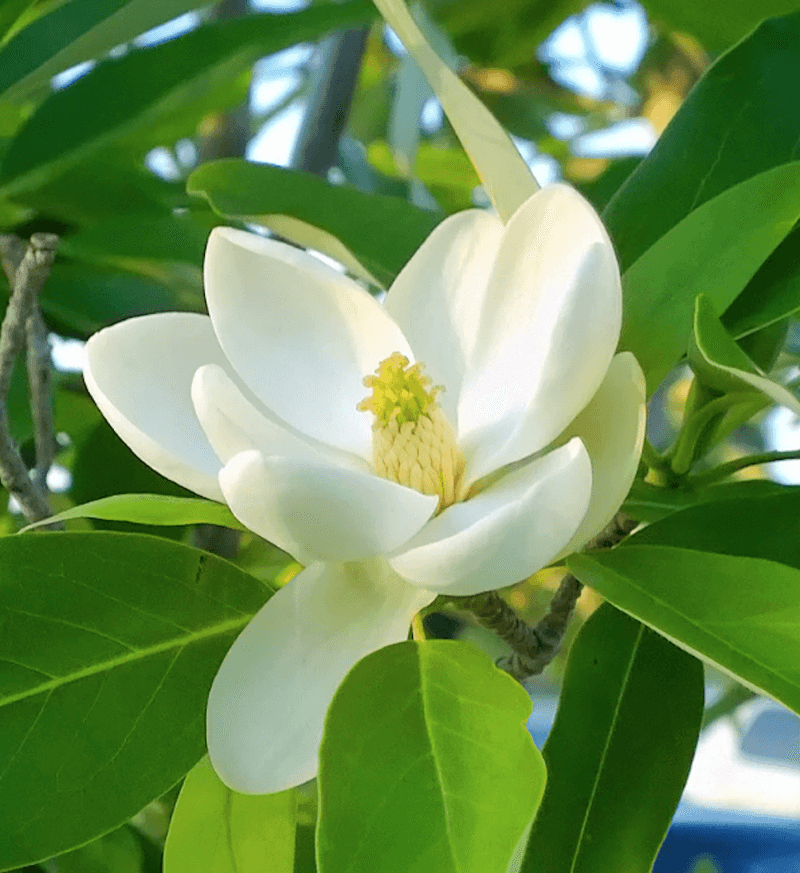
Sweetbay magnolia handles these conditions better because wet ground is part of its natural habitat.
This Georgia native grows in swamps, wet woods, stream margins, and other low areas across the Southeast. That background makes it a strong option for yard sections where water lingers after storms.
You should still pay attention to how long water remains around the site.
Ground that stays damp or becomes temporarily saturated differs from a depression that remains deeply flooded. Sweetbay tolerates plenty of moisture, but it should not be treated like a tree that grows permanently in standing water.
Its adaptability also comes with ornamental features that make a wet corner more attractive.
Fragrant white flowers appear during warmer months, and glossy green leaves reveal silvery undersides whenever the wind moves them. Those features give the tree interest beyond its ability to grow where many trees struggle.
Matching sweetbay to a damp location lets you work with the site instead of change its drainage.
2. Sweetbay Magnolia Naturally Handles Wet And Boggy Ground
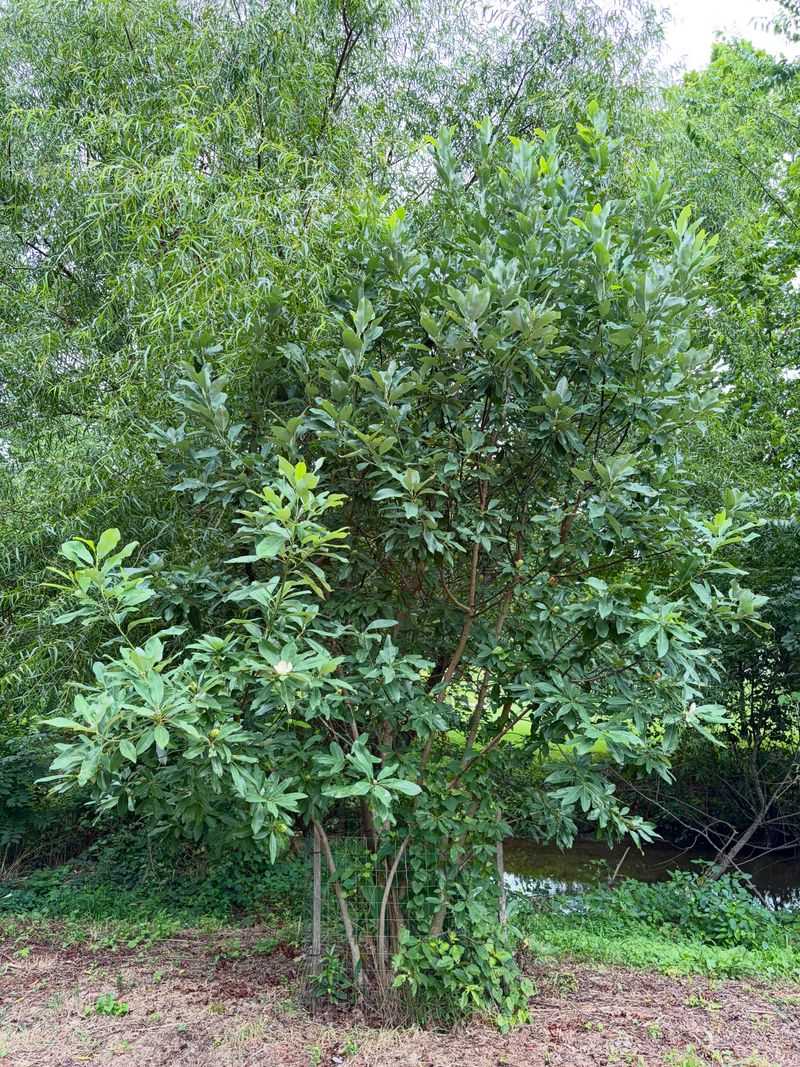
Sweetbay magnolia is suited to places where the ground stays wetter than many landscape trees can tolerate. Its native habitats include swamps, stream banks, wet woods, and other low areas where soil moisture remains high.
That natural adaptation makes recurring wet conditions easier for sweetbay to handle.
Sweetbay can grow in soil that stays consistently damp and can tolerate periods of saturation after heavy rain. This makes it useful in low sections of a yard where water drains slowly but does not remain permanently deep.
Boggy ground can also suit the tree when the site still provides reasonable conditions for root growth.
Even a wetland native has limits, so the planting spot should be observed after several storms. Water that collects briefly is different from deep standing water that remains for extended periods.
Soil conditions matter alongside moisture when you choose the location.
Sweetbay performs best in acidic soil with plenty of organic matter, and it can grow in both sandy and clay soils.
Your Georgia Garden Changes Every Week. Your Plan Should Too.
Gardening in Georgia changes quickly throughout the season. Every Friday you’ll receive a simple weekly plan showing exactly what to plant, prune, fertilize, harvest, and protect so you never miss the right timing.
Matching those preferences with damp ground gives the tree conditions similar to the wet habitats where it already grows successfully across much of its native range.
3. Wet Soil Is Easier For This Native To Handle
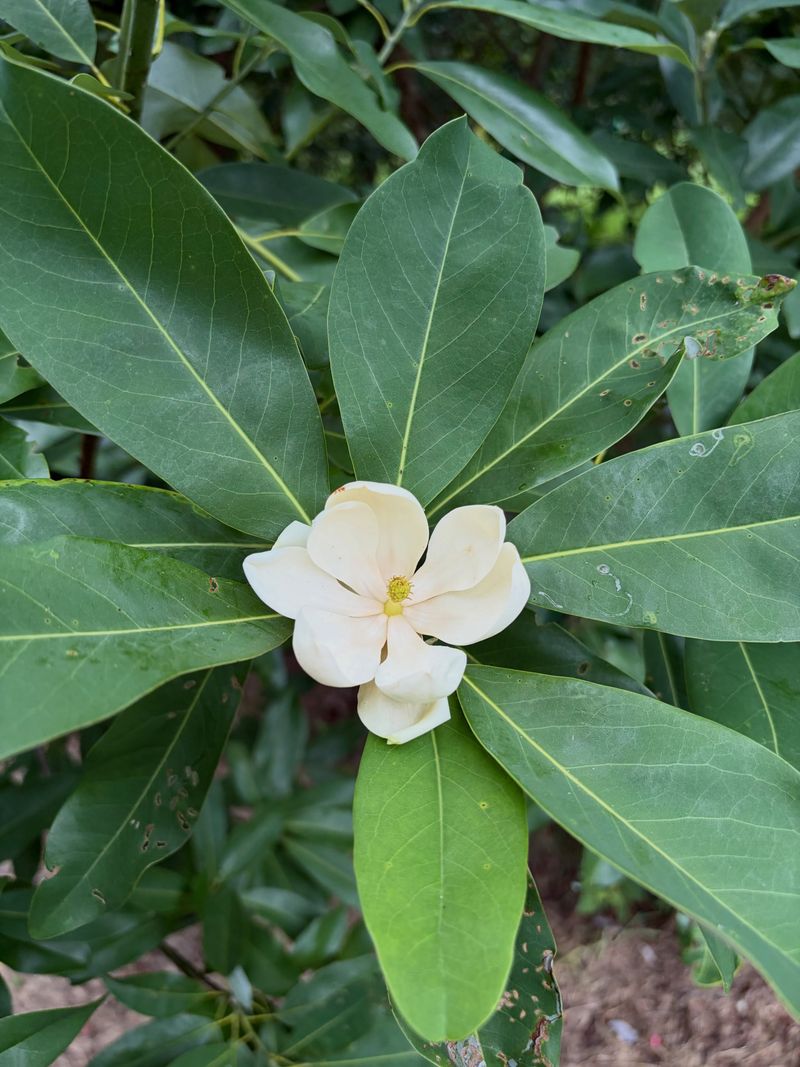
Wet soil can create difficult growing conditions for many landscape trees because saturated ground contains less oxygen around their roots.
Sweetbay magnolia is better prepared for these conditions because it naturally occurs in wetlands across much of the Southeast.
That adaptation gives this native tree an advantage in yard sections that remain damp after rain.
Sweetbay grows naturally in swamps, wet woods, stream margins, and other places where soil moisture stays consistently high. It can also tolerate periods of saturated ground that would cause problems for trees requiring dependable drainage.
Still, wet soil and permanent standing water are not exactly the same growing condition.
Watch the planting area after several storms to see how quickly water disappears. Ground that stays damp or temporarily saturated can suit sweetbay, while deep water that remains for extended periods may create harsher conditions.
Soil acidity is another important part of choosing a suitable location.
Sweetbay generally performs best in acidic soil, and it can grow in several soil textures when moisture is available. Choosing a naturally damp site with suitable soil allows its wet-ground tolerance to become a practical advantage in the home landscape.
4. Fragrant White Flowers Arrive During The Warmer Months
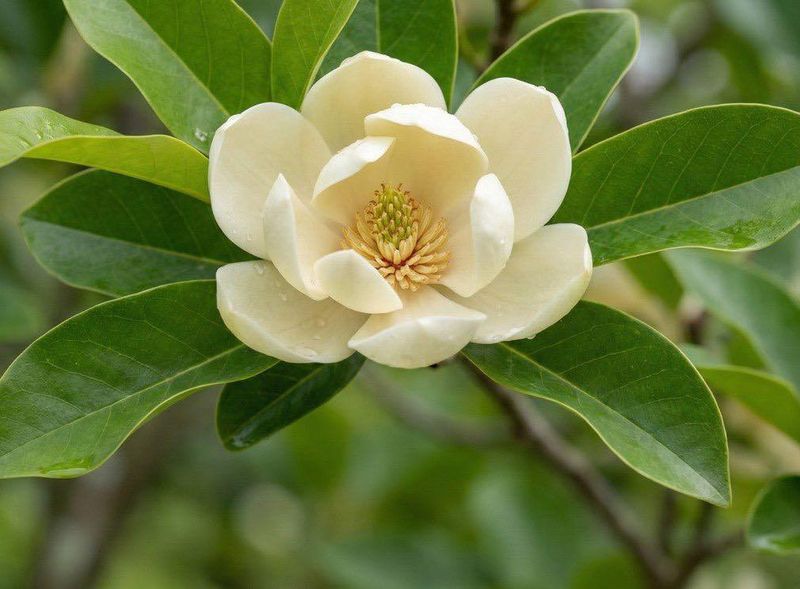
Sweetbay magnolia brings fragrant white flowers to wet parts of the landscape during the warmer months. The blooms usually appear from late spring into summer, adding seasonal interest after the tree has filled out with foliage.
Each flower has creamy white petals and a sweet fragrance that is often described as lemony.
The blossoms are typically two to three inches across and appear among the leaves near the ends of branches. Their display is softer than the flowers of southern magnolia, but the scent can make sweetbay noticeable around patios and walkways.
Flowering can continue intermittently through summer rather than ending after one short flush.
Bees, beetles, and other insects visit the flowers and help with pollination. After flowering, cone-like fruits develop and eventually open to reveal bright red seeds that provide another attractive feature later in the season.
Good growing conditions can help the tree produce a stronger floral display.
Sweetbay accepts partial shade, but flowering is generally better with adequate sunlight and consistent soil moisture.
When planted where its needs are met, the fragrant blooms give this wet-ground native another reason to stand out in a Georgia landscape.
5. Its Leaves Bring Another Layer Of Interest To The Yard
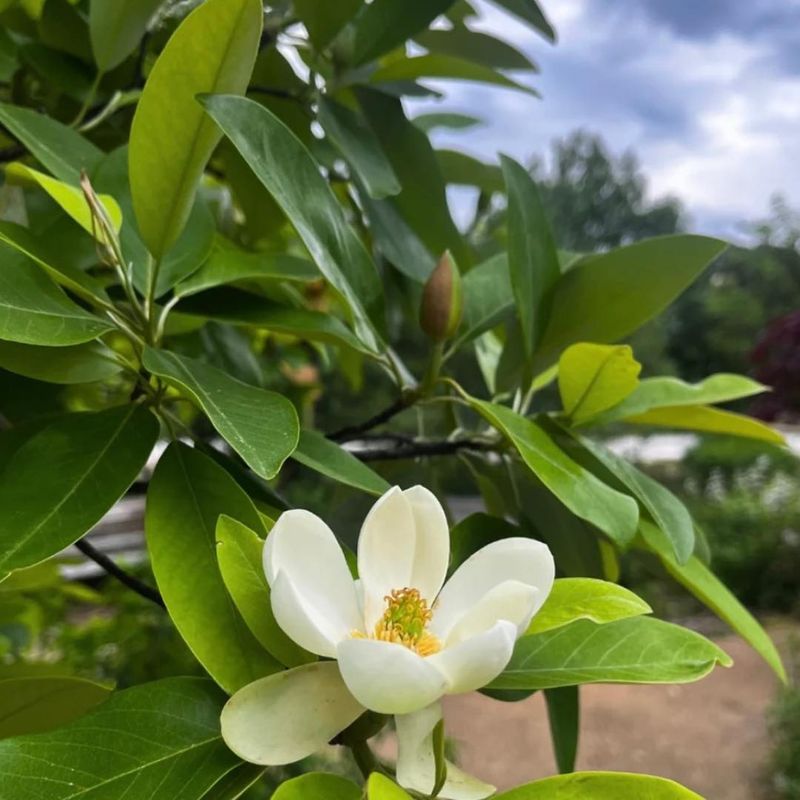
Wind moving through the canopy reveals one of sweetbay magnolia’s most attractive features. The leaves flash between glossy green surfaces and pale, silvery undersides as branches shift in the breeze.
That contrast gives the tree noticeable movement even after its flowers have faded.
Each leaf has a smooth edge and a simple oval shape, usually reaching several inches in length. The foliage creates a soft, layered canopy without looking unusually heavy or dense.
Winter brings some variation depending on temperatures and where the tree is growing.
Sweetbay can remain evergreen or semi-evergreen in warmer areas, while colder conditions often cause greater leaf loss. Gardeners in northern Georgia may therefore see a barer winter canopy than those closer to the coast.
New foliage restores the green and silver effect as growth resumes in spring.
Leaf quality also offers clues about whether the tree is comfortable in its location. Sweetbay prefers acidic soil, and unsuitable soil pH can sometimes contribute to yellowing foliage.
With suitable soil and dependable moisture, the leaves remain an important part of the display. Their changing surfaces provide subtle interest throughout much of the year.
6. Sun Or Partial Shade Can Both Work For This Native
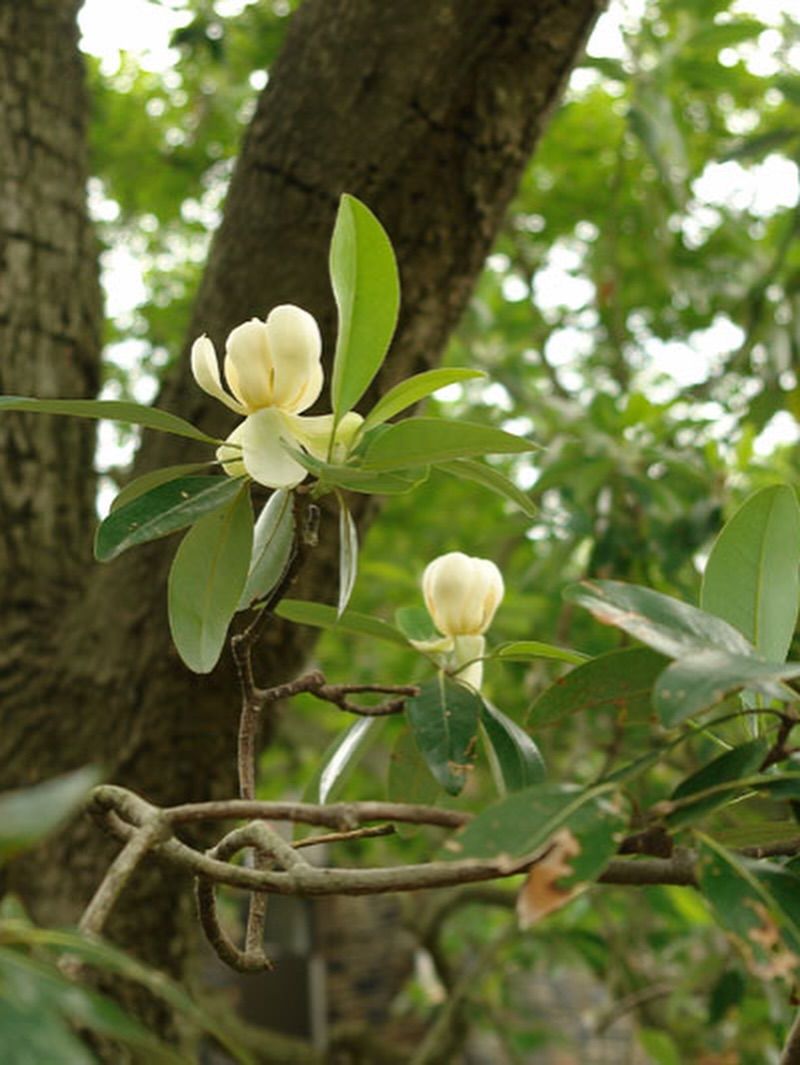
Light conditions give you some flexibility when choosing where sweetbay magnolia will grow. The tree can handle full sun, but it also performs well where taller plants provide partial shade.
This adaptability reflects the range of conditions found across its natural wetland habitats.
More sunlight encourages a fuller canopy and can support stronger flowering when the soil stays consistently damp. In hotter locations, however, afternoon shade can reduce stress when summer weather becomes warm and dry.
Partial shade is a practical choice for many yards with soil moisture.
Filtered light beneath tall trees can resemble the woodland edges where sweetbay naturally occurs. Deep shade is less favorable because limited light can produce thinner growth and fewer flowers over time.
Moisture should always be considered together with the amount of sun a planting site receives.
An open location may work beautifully when the soil retains enough water, while a dry exposed spot can be harder on the tree. Watching the site through different parts of the day helps reveal how much light it receives.
Choosing the right balance gives sweetbay enough light for growth without ignoring its preference for dependable moisture.
7. Enough Growing Space Helps It Develop Into A Healthy Tree
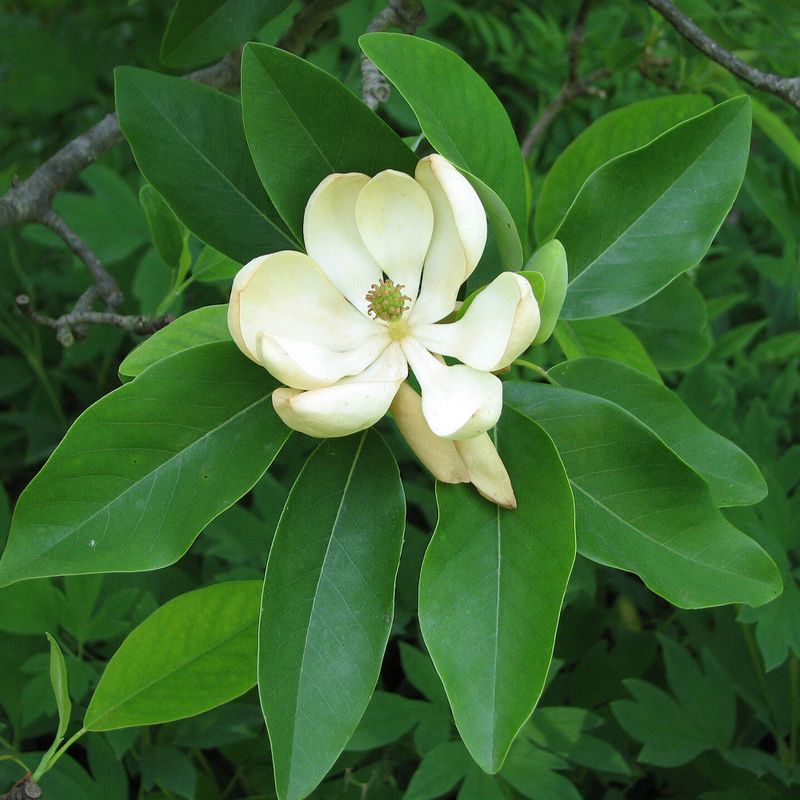
Room around a young sweetbay magnolia may seem generous, but the tree needs space as its canopy expands. Mature size varies with growing conditions, climate, and whether the plant develops a single trunk or several stems.
Planning for that eventual spread helps prevent crowding around buildings, paths, and nearby plants.
Sweetbay often develops a relatively narrow form, although some specimens become broader with age. Multi-stemmed plants can occupy more horizontal space, so their mature shape deserves attention before planting.
The root area also benefits from open ground rather than heavy competition from lawn grass.
A broad mulch ring can reduce competition while helping the soil retain consistent moisture. Keep mulch away from the trunk itself, since piling material against the bark can create unnecessary problems.
Nearby structures and overhead obstacles should be considered before the tree goes into the ground.
Avoid placing sweetbay where its future canopy will press against a wall or require constant trimming. Power lines and other overhead restrictions can also become problems as the tree gains height.
Giving it suitable room from the beginning allows its natural form to develop with less corrective pruning later.