The Yard Mistakes Making Aphid Problems Worse In Michigan Vegetable Gardens This Year
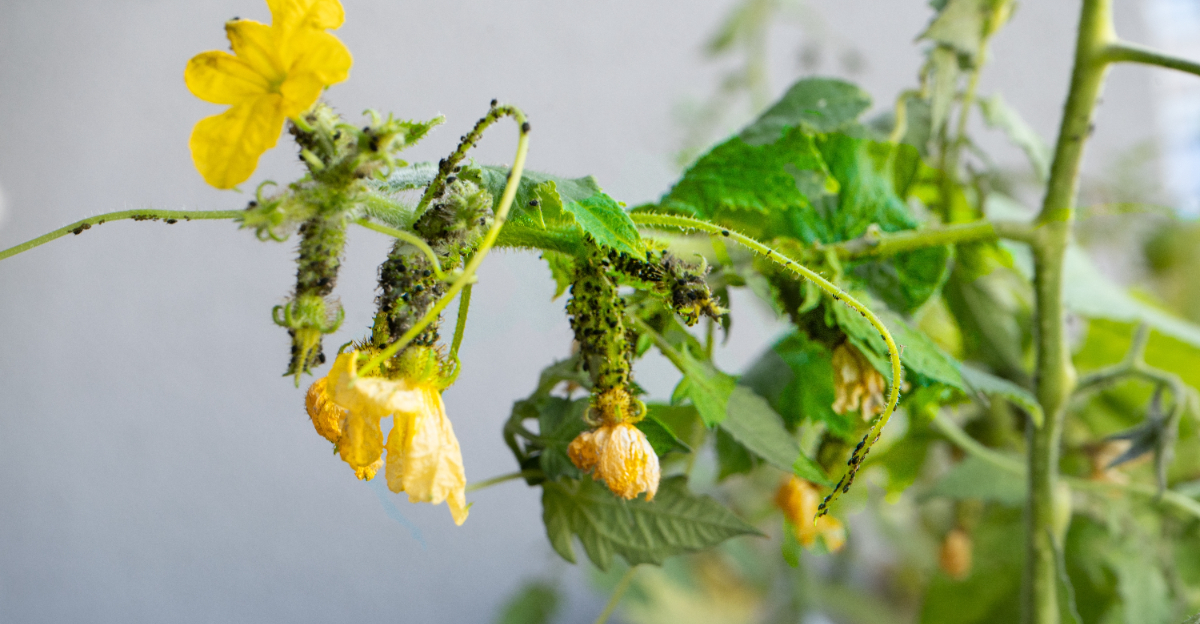
Aphids are small enough to ignore until suddenly you can’t. One week the plants look fine, and the next the new growth is curled, sticky, and covered in clusters of tiny insects that seem to have appeared from nowhere overnight.
Michigan vegetable gardeners are dealing with heavier aphid pressure this year, and while the bugs themselves get all the blame, the yard conditions that allow populations to explode are just as much a part of the story.
Certain common habits make aphid outbreaks significantly more likely and more severe, including some that are meant to help the garden.
Knowing which mistakes are rolling out the welcome mat changes how you approach the problem, and in a lot of cases, fixing two or three things in the yard does more than any spray treatment ever managed to on its own.
1. Overfertilizing With Nitrogen
Too much of a good thing can seriously backfire in the garden, and nitrogen is a perfect example of that.
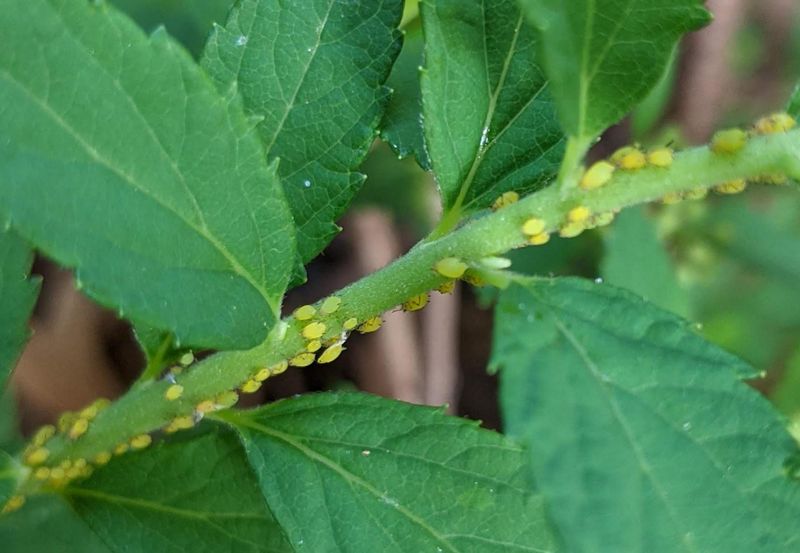
When you apply heavy doses of nitrogen fertilizer, your vegetable plants respond by pushing out lots of soft, bright green new growth very quickly. That tender new growth is exactly what aphids love most.
Aphids are drawn to young, succulent plant tissue because it is easier to pierce and feeds them well. Gardens loaded with nitrogen-rich plants essentially put out a welcome sign for aphid colonies looking for their next meal.
The more lush and soft the new leaves, the faster aphids multiply on them.
Balancing your soil fertility is one of the smartest moves you can make. A soil test from Michigan State University Extension can help you figure out exactly what your garden needs before you add anything.
Phosphorus and potassium matter just as much as nitrogen, and keeping all three in balance encourages steady, firm plant growth rather than the overly soft growth aphids prefer.
Slow-release organic fertilizers are a great option because they feed plants gradually instead of flooding them with nutrients all at once. Compost is another excellent choice that improves soil structure while delivering balanced nutrition.
Scaling back on synthetic nitrogen and leaning on organic matter can quietly reduce your aphid pressure throughout the entire growing season.
2. Ignoring Aphids Early In The Season
Spotting a handful of aphids on your plants and thinking it is no big deal is one of the most common mistakes Michigan gardeners make. Aphids reproduce at a staggering speed.
A single female aphid can produce dozens of offspring in just one week, and those offspring can start reproducing within days of being born.
By the time a small cluster becomes a full-blown infestation, the damage is already spreading. Leaves start curling, plant energy drops, and the sticky residue they leave behind begins coating everything nearby.
What started as a manageable situation quickly turns into something that takes much more effort to address. Early monitoring is your best tool for staying ahead of aphid pressure.
Walk through your garden at least twice a week during the spring and early summer months, which is when aphid populations typically explode in Michigan.
Your Michigan Garden Changes Every Week. Your Plan Should Too.
Gardening in Michigan changes quickly throughout the season. Every Friday you’ll receive a simple weekly plan showing exactly what to plant, prune, fertilize, harvest, and protect so you never miss the right timing.
Pay close attention to new growth, stem tips, and flower buds because those are the spots aphids colonize first.
When you catch a small group early, a strong spray of water from a garden hose can knock them off plants and disrupt the colony before it grows. Neem oil and insecticidal soap are also highly effective at low population levels.
Acting fast when numbers are still small saves you a lot of frustration later in the season and keeps your vegetables growing strong.
3. Planting Vegetables Too Closely Together
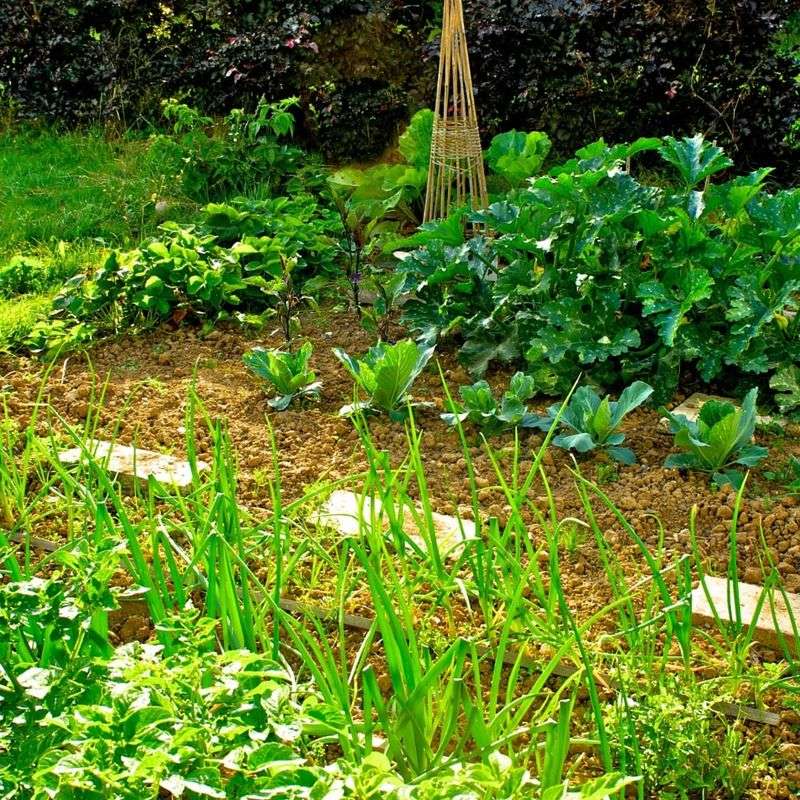
Crowding vegetable plants together might seem like a smart way to maximize space, but it creates a set of problems that go far beyond competition for sunlight and water.
When plants are packed in too tightly, airflow between them drops significantly. Humid, still air near the soil and foliage creates conditions that many pests, including aphids, absolutely thrive in.
Overcrowded beds also make it much harder to spot problems before they grow out of control. When leaves are layered on top of each other and stems are tangled together, aphid colonies can build up on interior growth without being noticed for weeks.
By the time you see the signs on outer leaves, the infestation has often already spread throughout the bed.
Following spacing recommendations on seed packets and plant tags is genuinely worth the effort.
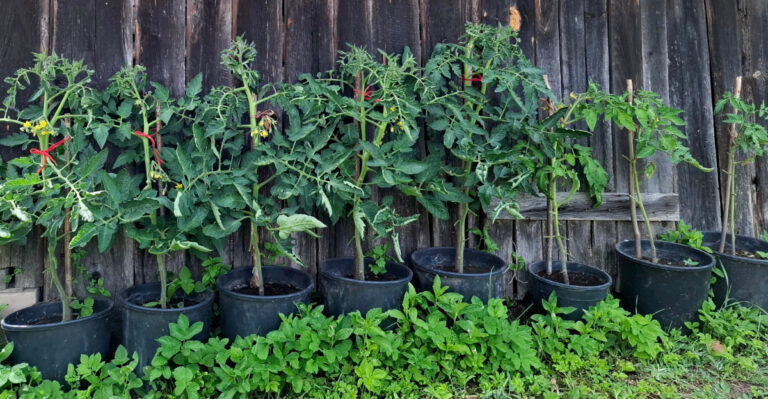
Michigan gardeners growing tomatoes, peppers, kale, and other common vegetables should give each plant enough room to develop fully without crowding neighbors.
Proper spacing improves light penetration, reduces humidity, and makes it much easier to inspect plants during your regular garden walks.
Raised beds with well-planned layouts and trellising systems can help you use space efficiently without sacrificing plant health. Vertical growing also improves airflow dramatically.
Taking a little extra time at planting to space things properly pays off throughout the entire season by keeping your plants healthier and your aphid problems more manageable from the start.
4. Removing Beneficial Insects Along With Pests
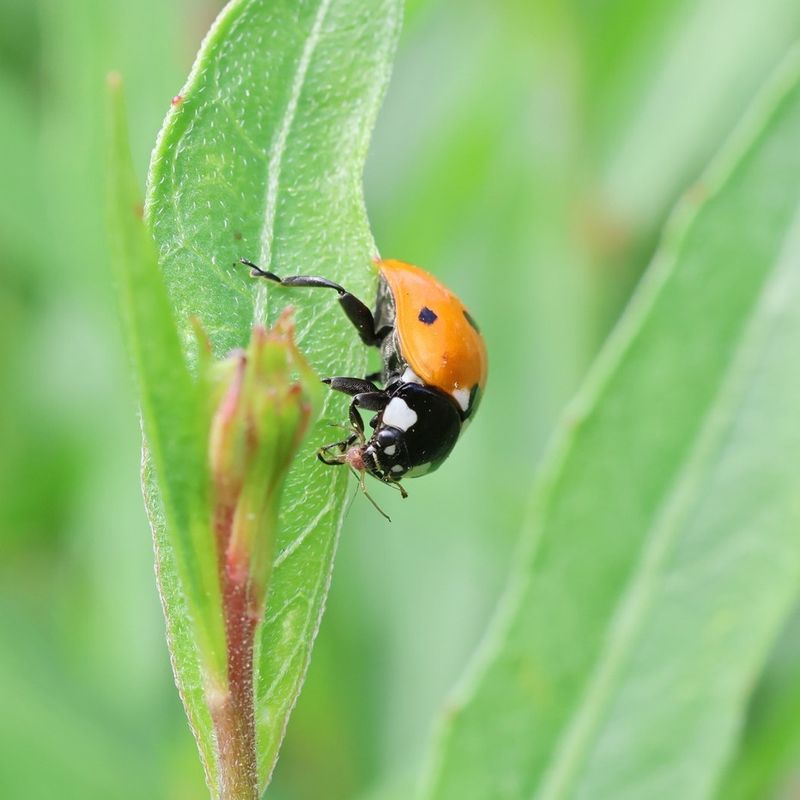
Nature already has a built-in aphid control system, and it works remarkably well when gardeners allow it to function.
Lady beetles, lacewings, hoverflies, parasitic wasps, and ground beetles are all common in Michigan gardens, and they all feed on aphids at various life stages.
One lady beetle larva alone can consume hundreds of aphids before it even reaches adulthood.
The problem is that many gardeners accidentally wipe out these helpful insects while trying to manage pests. Broad-spectrum sprays, excessive tilling, and removing all ground cover can destroy the habitat and food sources that beneficial insects depend on.
Once those populations drop, aphids face far less natural resistance and multiply much more freely. Encouraging beneficial insects starts with creating a welcoming environment in and around your garden.
Planting flowers like dill, fennel, marigolds, and sweet alyssum near your vegetable beds attracts and supports populations of predatory and parasitic insects throughout the growing season.
These plants provide nectar and pollen that adult beneficials need to survive while their larvae hunt aphids.
Avoiding pesticide applications during peak beneficial insect activity, especially in the early morning and evening, helps protect these allies.
Leaving a small section of your yard slightly wild, with native plants and leaf litter, gives beneficial insects places to shelter and overwinter.
Working with nature rather than against it is one of the most effective and sustainable ways to keep aphid numbers low all season long.
5. Letting Weeds Grow Around Vegetable Beds
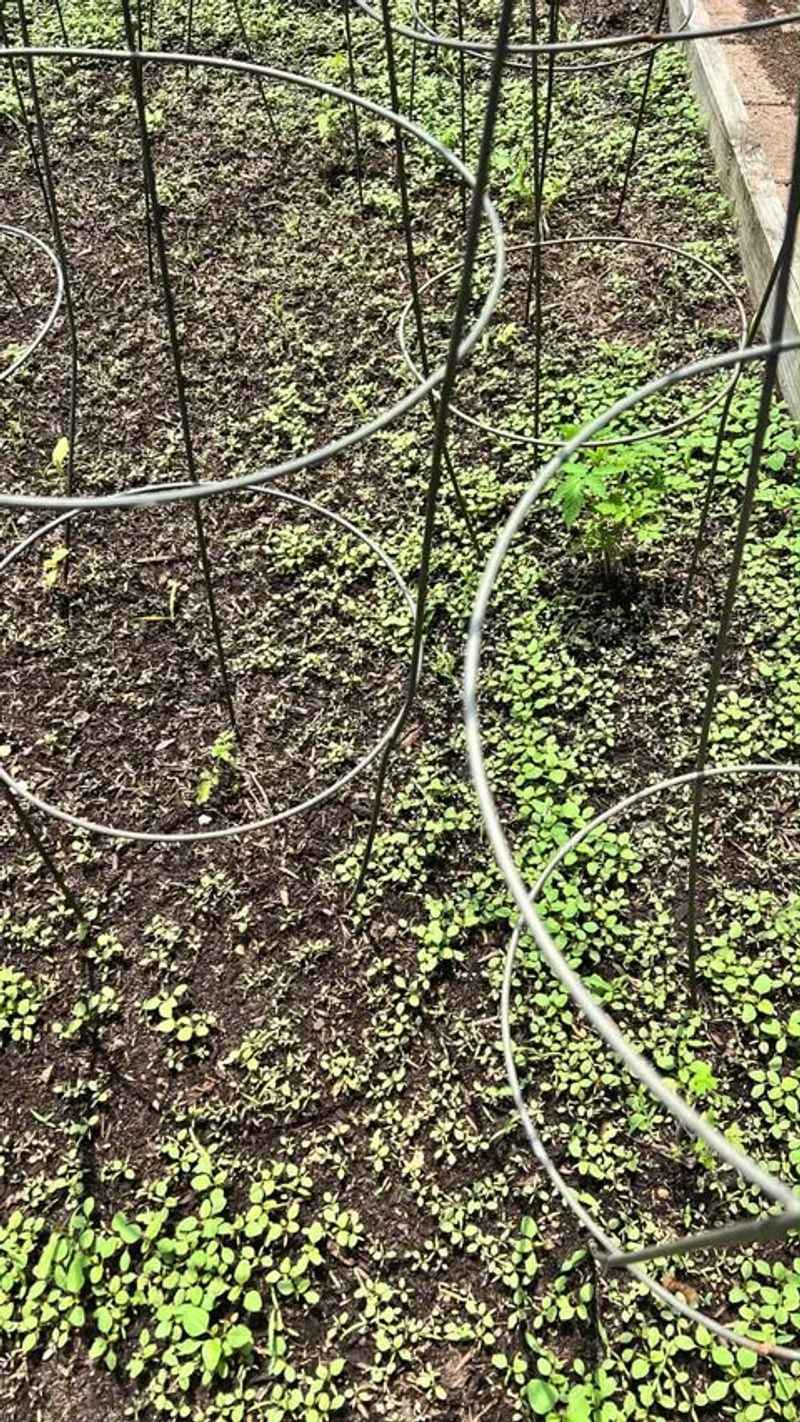
Weeds might look harmless hanging around the edges of your garden, but many of them serve as perfect temporary homes for aphids. Common Michigan weeds like lamb’s quarters, thistle, dock, and wild mustard are known aphid hosts.
Aphids build up on these plants early in the season, and when conditions shift or populations grow too large, they move straight into nearby vegetable crops.
Many aphid species are also assisted by wind and by ants that actively move them from plant to plant. Weedy borders create a constant reservoir of aphids just steps away from your vegetables.
The closer these weeds grow to your beds, the faster a migration into your crops can happen, sometimes in just a day or two.
Staying on top of weeding is one of the simplest and most effective preventive steps Michigan vegetable gardeners can take.
Pulling weeds before they flower and set seed keeps populations manageable and removes potential aphid staging grounds before the insects have a chance to establish.
Mulching vegetable beds heavily with straw or wood chips suppresses weed growth and makes the remaining weeds much easier to pull out.
Creating a clean buffer zone of several feet around your vegetable beds by mowing or hand-pulling weeds regularly can make a noticeable difference in aphid pressure. A tidy garden perimeter does not just look better.
It actively reduces the number of entry points aphids have into your most valuable plants throughout the growing season.
6. Spraying Broad-Spectrum Insecticides Too Often
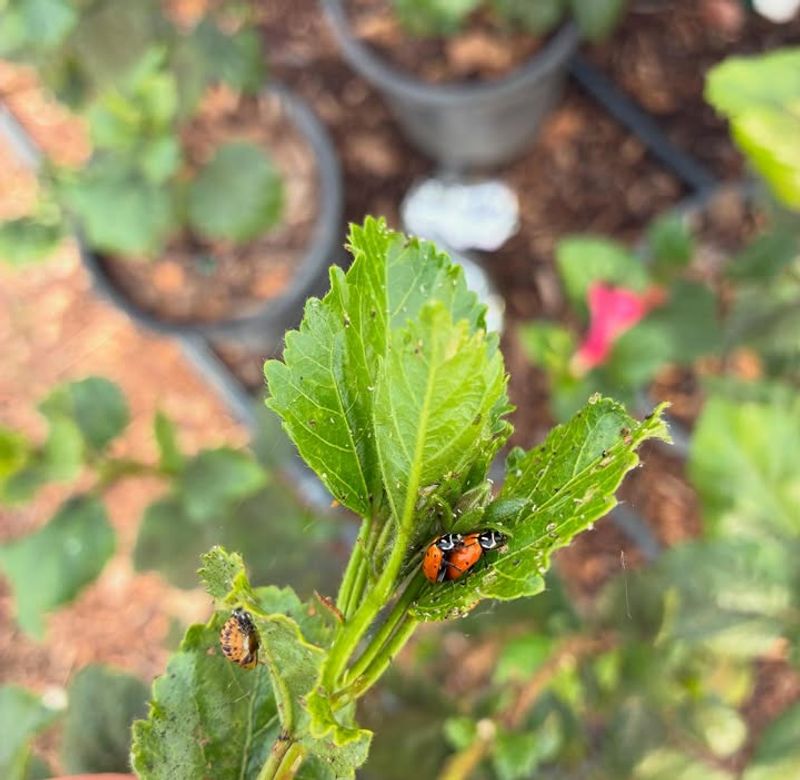
Reaching for a spray bottle every time you see a bug in the garden feels proactive, but overusing broad-spectrum insecticides can actually make your aphid problem significantly worse over time.
These products are designed to knock out a wide range of insects, and unfortunately, that includes the beneficial ones doing important work in your garden.
When lady beetles, lacewings, and parasitic wasps are reduced by repeated insecticide applications, aphids lose their natural predators.
Aphids also tend to recover from insecticide exposure faster than many beneficial insects because of their incredibly short reproductive cycle.
The result is a population rebound that often ends up being worse than the original infestation you were trying to address.
Integrated pest management, or IPM, offers a smarter approach that Michigan gardeners have been using with great success.
IPM focuses on monitoring pest levels, using physical controls first, and only applying pesticides when populations genuinely exceed a threshold that warrants chemical intervention.
Starting with the least disruptive methods preserves the beneficial insect communities that naturally keep aphids in check.
If a spray is truly necessary, insecticidal soap and neem oil are far more targeted options that break down quickly and cause much less harm to beneficial insects compared to synthetic broad-spectrum products.
Applying any spray in the early morning or evening reduces contact with pollinators and predatory insects that are most active during midday.
Smart, selective spraying protects your garden ecosystem rather than disrupting it.
7. Ignoring The Undersides Of Leaves
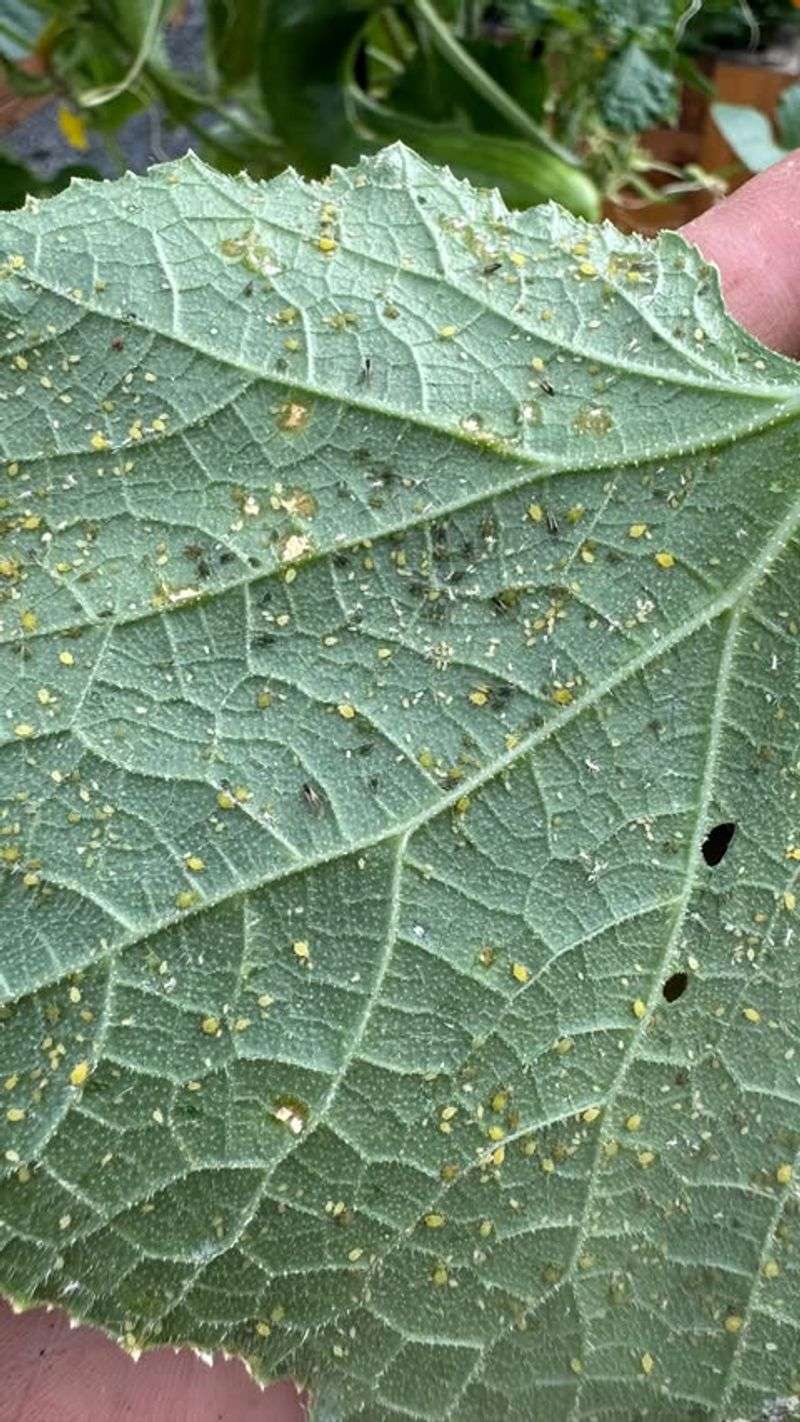
Aphids are sneaky, and they know it.
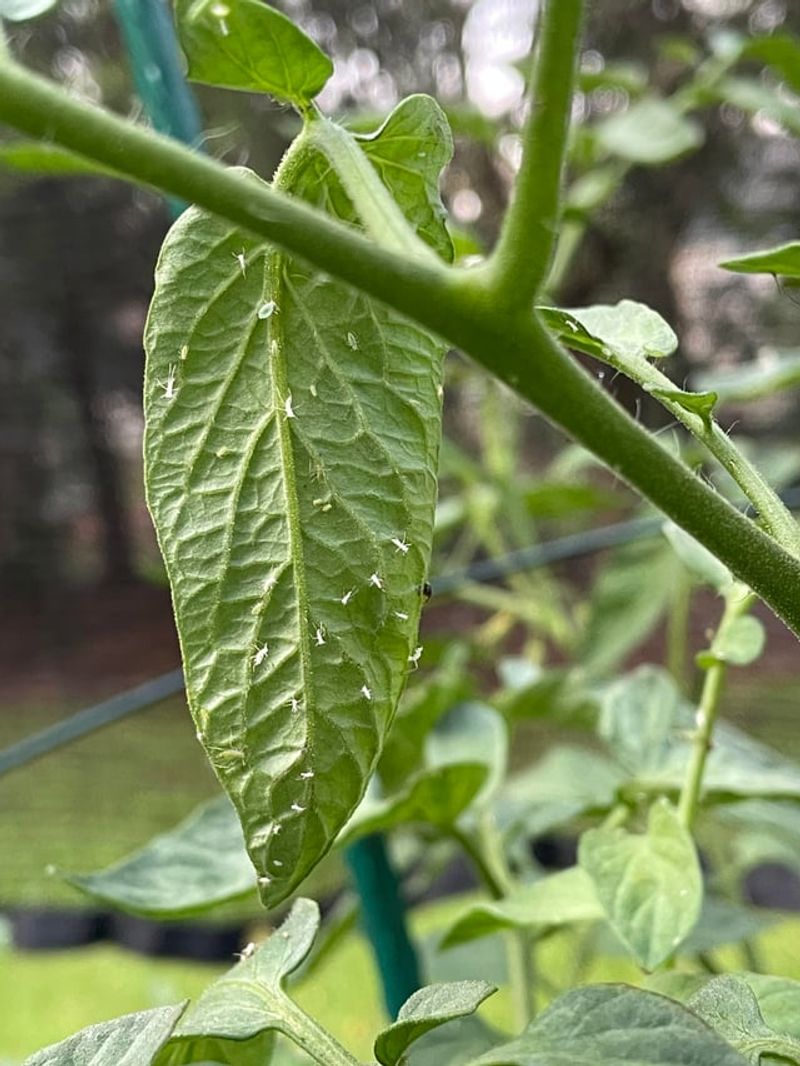
Rather than sitting out in the open on the tops of leaves where they are easy to spot, aphids almost always gather on the undersides of leaves where they are sheltered from sun, rain, and the eyes of gardeners walking by.
Missing this hiding spot is one of the most common reasons aphid populations grow unchecked in Michigan vegetable gardens.
The undersides of leaves on tomatoes, peppers, beans, and cole crops like broccoli and cabbage are prime aphid real estate. Colonies can grow to impressive sizes in just a few days while the tops of those same leaves look perfectly normal from above.
By the time distortion or yellowing appears on the leaf surface, the population underneath has often already become very well established.
Making a habit of flipping leaves during every garden inspection changes everything. You do not need any special tools.
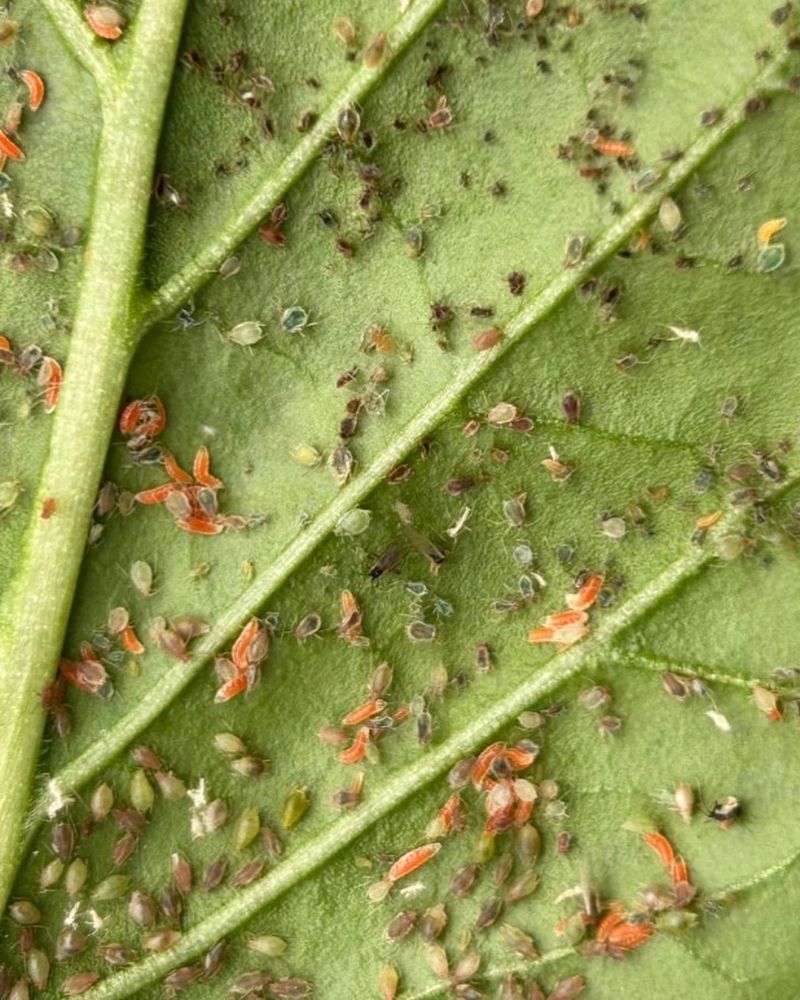
Simply turn over a few leaves on each plant as you walk through your garden and look for clusters of small, soft-bodied insects that may be green, yellow, black, or even pinkish depending on the species.
Catching them early on the undersides makes removal much easier. A strong stream of water aimed directly at leaf undersides is a highly effective first response.
It physically removes aphids from the plant without harming beneficial insects or leaving any chemical residue behind.
Regular under-leaf checks combined with water sprays can keep populations low enough that they never become a serious threat to your harvest.
8. Allowing Ant Populations To Thrive Near Crops
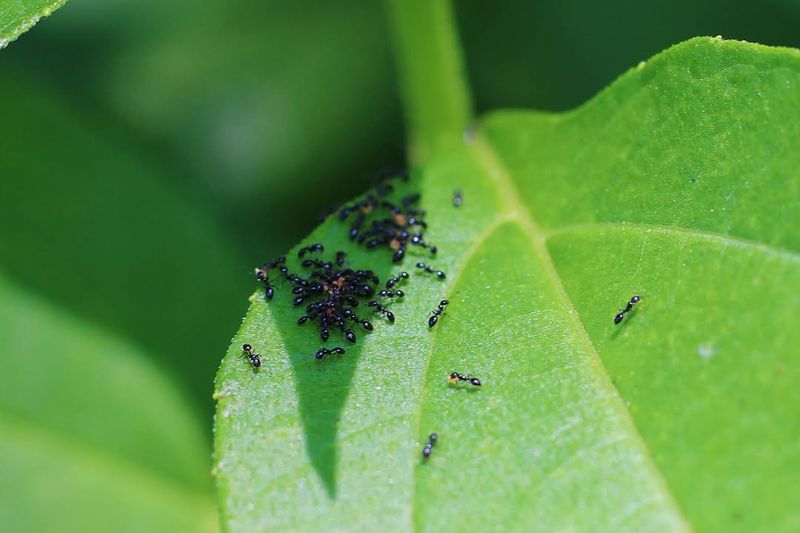
Ants and aphids have one of the most fascinating and frustrating partnerships in the insect world. Aphids produce a sweet, sticky substance called honeydew as a byproduct of feeding, and ants absolutely love it.
In exchange for this food source, ants actively protect aphid colonies from predators, chasing away lady beetles and other beneficial insects that would otherwise reduce aphid numbers quickly.
Some ant species even carry aphids to new plants to start fresh colonies, essentially farming them the same way humans farm livestock. If you notice large numbers of ants climbing your vegetable plants, there is a very good chance an aphid colony is nearby.
The ants are not the primary problem, but they are a reliable indicator that aphids are present and being protected.
Managing ant activity around your vegetable beds can have a surprisingly big impact on aphid pressure. Sticky barriers like Tanglefoot applied to the base of plant stems or stakes can prevent ants from climbing up to reach aphid colonies.
Diatomaceous earth sprinkled around the base of plants and along garden borders also discourages ant movement without harming earthworms or soil health.
Keeping the area around your beds free of ant nests by checking under mulch and rocks regularly helps reduce their numbers.
Addressing moisture issues that attract ants, like standing water or overly wet mulch, also makes your garden less inviting to them.
Fewer ants on your plants means aphid colonies get much less protection, making them far easier to manage throughout the season.
9. Waiting Until Leaves Become Distorted
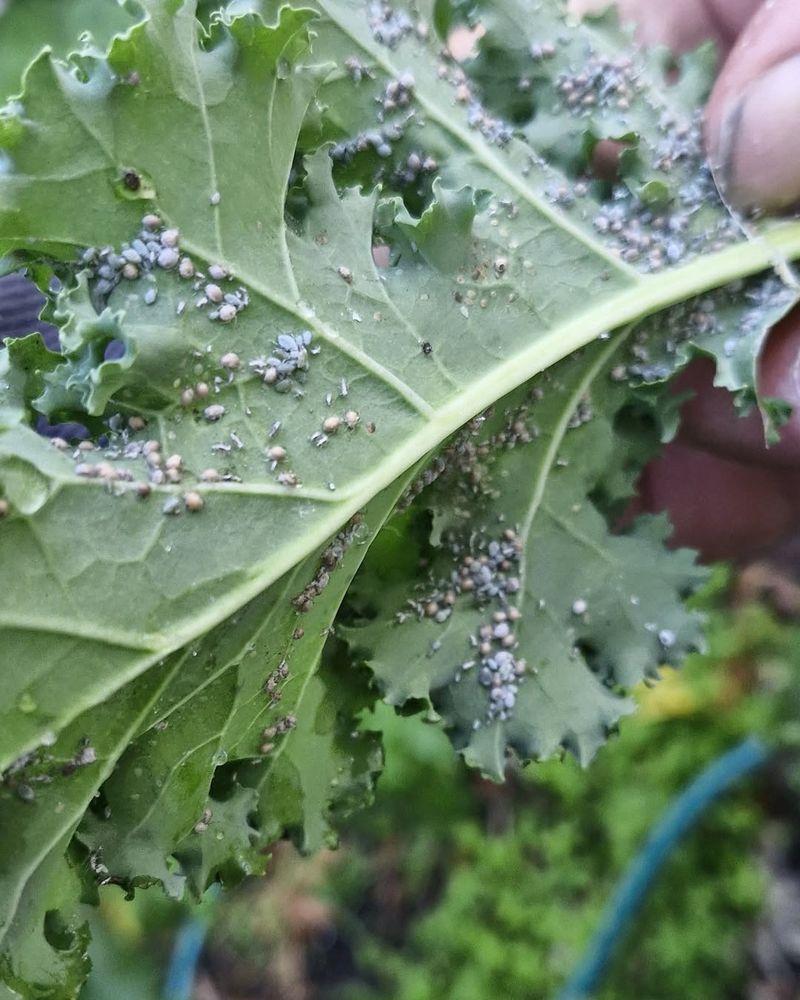
Curled, twisted, and puckered leaves are a clear sign that aphids have been feeding on a plant for quite some time.
Many gardeners only take action when they see this kind of visible damage, but by that point, the infestation has already reached a stage that is much harder to manage.
Leaf distortion happens because aphid feeding disrupts normal cell development in the plant tissue.
Once leaves have curled around a colony, the aphids inside are physically protected by the plant’s own foliage. Water sprays and even some contact insecticides struggle to reach insects nestled deep inside tightly curled leaves.
What would have been a quick fix a week earlier now requires repeated treatments and much more patience to bring under control.
The real lesson here is that visible damage is a lagging indicator, not a starting point. Waiting to see leaf curl before acting means you have already missed the ideal window for easy management.
Aphid populations that are large enough to cause distortion have typically been growing on the plant for at least one to two weeks, often longer.
Proactive scouting is the answer. Checking your plants closely and regularly, before any symptoms appear on the leaves, gives you the chance to respond when aphid numbers are still low.
At that stage, a simple blast of water or a targeted application of insecticidal soap is usually all it takes. Catching the problem before the leaves curl keeps your plants healthier and your garden work much more manageable all season.
10. Letting Honeydew Build Up On Plants
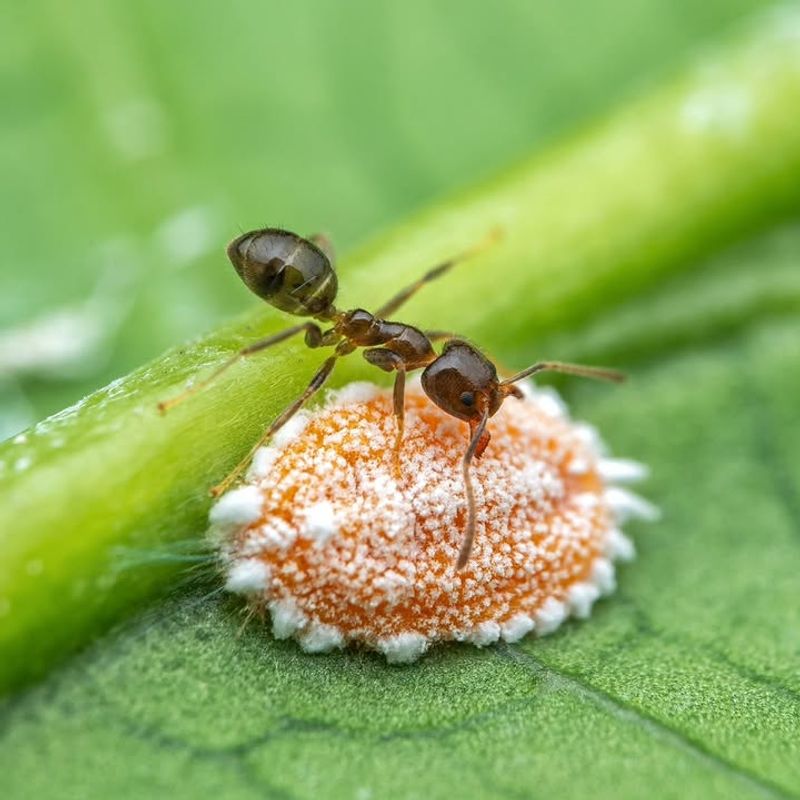
Aphids feed by piercing plant tissue and extracting sap, and as they feed, they excrete a sugary liquid called honeydew. This sticky substance coats leaves, stems, and even the soil around heavily infested plants.
If you have ever touched a plant and felt an unexplained stickiness on the leaves, honeydew is almost certainly the reason.
Honeydew creates two separate problems beyond just being unpleasant to touch. First, it acts as a growing medium for a fungus called sooty mold, which appears as a dark gray or black coating on plant surfaces.
Sooty mold does not directly harm plant tissue, but it blocks sunlight from reaching leaves, which reduces the plant’s ability to photosynthesize and grow efficiently.
Second, the presence of honeydew is a strong early warning signal that aphids are actively feeding nearby. Noticing sticky residue on your plants before you even see the aphids themselves gives you a head start on addressing the problem.
Following the honeydew trail upward along stems and to leaf undersides almost always leads directly to the colony producing it.
Rinsing plants with water regularly washes honeydew away before sooty mold has a chance to establish.
Keeping an eye out for sticky leaves during your regular garden walks turns what most people consider a minor annoyance into a useful detection tool.
Treating honeydew as an early warning rather than just a mess helps you stay ahead of aphid pressure and protect your vegetable plants throughout the Michigan growing season.
11. Skipping Regular Garden Inspections
Consistency is everything when it comes to managing aphids in a Michigan vegetable garden.
Gardeners who walk through their beds several times each week catch problems at the earliest possible stage, when they are cheapest and easiest to fix.
Gardeners who only check in once a week or less often find that small issues have become big ones between visits.
Aphid populations can double in size every few days under warm conditions, which are very common during Michigan summers. A colony that looked insignificant on Monday can look alarming by Friday.
Regular inspections break that cycle by giving you frequent opportunities to spot and respond before numbers get out of hand.
Building garden inspections into your daily routine makes them feel less like a chore and more like an enjoyable part of gardening.
Morning walks are especially useful because light conditions are good, aphids are less active, and beneficial insects are easier to spot as well.
Carrying a small notebook or using your phone to take photos helps you track changes from one visit to the next.
Focus your attention on new growth, stem tips, and the undersides of leaves during each inspection, since those are the spots where aphid activity begins. Check a few plants in each bed rather than just glancing from a distance.
Consistent, close-up monitoring is the single most reliable habit you can build to protect your Michigan vegetable garden from aphids and many other common pests throughout the entire growing season.