Before You Plant A Florida Live Oak, Know These Things About Root Systems And Property Lines
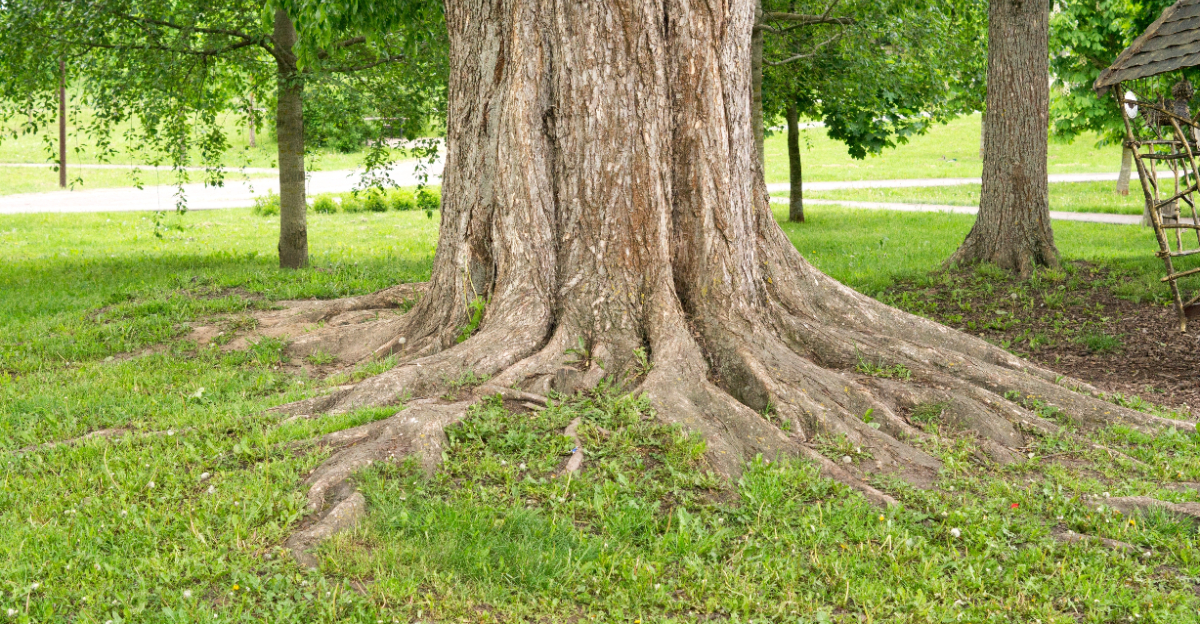
A live oak is one of the most beautiful commitments you can make to a Florida yard.
Majestic canopy, incredible wildlife value, the kind of tree that makes a property look like it has history.
But a live oak is also one of the most powerful root systems in North American landscaping, and plenty of Florida homeowners figured that out the hard way.
Cracked driveways, lifted sidewalks, disputes with neighbors, foundation concerns that showed up years after planting.
Nobody warned them. The tag at the nursery certainly did not.
Live oaks grow on their own timeline and their own terms, and the roots do not stop at your property line out of courtesy. So what do you actually need to know before you plant one?
Quite a bit. And the time to learn it is before the tree goes in the ground, not a decade later.
1. Live Oak Roots Need More Room Than Most Yards Expect
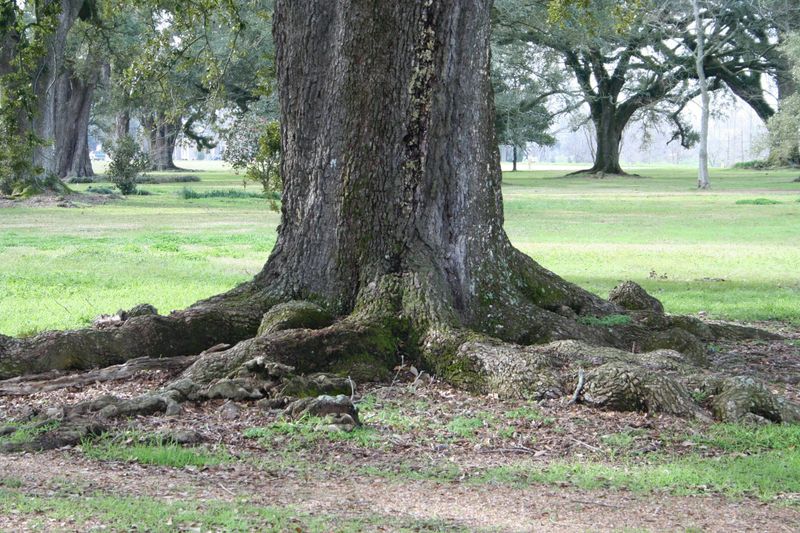
The roots are planning for a much larger tree than what you see at the nursery. A young live oak in a three-gallon pot looks manageable.
But Quercus virginiana has a root system designed to support a tree that can eventually spread 60 to 100 feet wide. That kind of growth takes soil space that most residential yards quietly underestimate.
Live oak roots tend to grow outward rather than straight down. They follow oxygen, moisture, and favorable soil conditions wherever those are found.
In open, well-drained soil with plenty of room, roots can extend well beyond the canopy edge over time. In compacted or restricted soil, they may push closer to the surface looking for resources.
A young tree can fool you. The trunk looks small, the canopy fits neatly in the yard, and everything seems proportional.
But the rooting area a mature live oak needs is far wider than most homeowners picture when they are standing at the nursery.
Planting with the mature root spread in mind, not the size of the tree today, is one of the most important planning steps you can take before the tree goes in the ground.
2. Planting Too Close To A Property Line Creates Future Problems
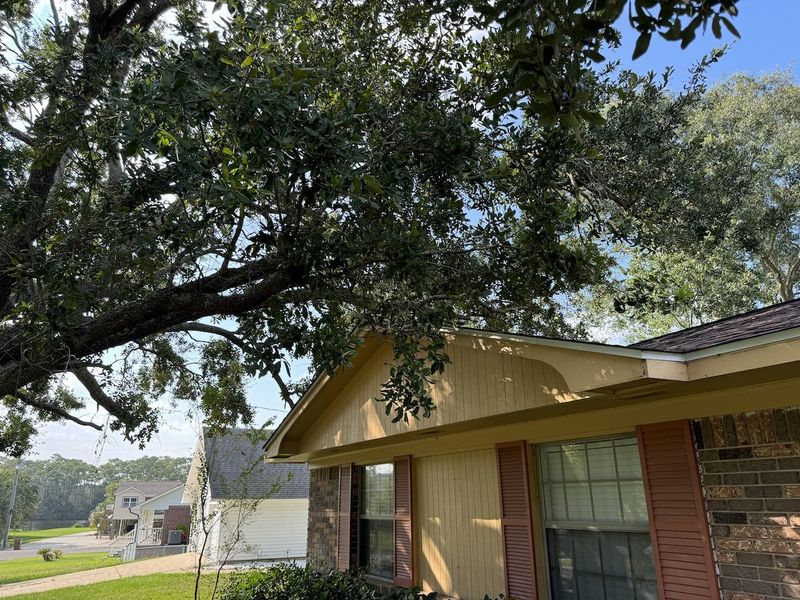
A property line can feel far away when the tree is young and barely reaches your shoulder. Live oak canopies spread wide with age.
What starts as a tree clearly on your side of the yard can eventually send branches, leaves, acorns, and shade well into a neighbor’s space. That shift happens gradually, and by the time it becomes a real issue, the tree is already large.
Canopy conflicts between neighbors are more common than most homeowners expect. Overhanging branches, acorn drop, leaf accumulation, and blocked sunlight can create friction that is hard to resolve once the tree is established.
Maintenance access also becomes a challenge when a tree is planted close to a shared boundary.
Before choosing a planting spot near any property edge, check local municipal setback rules, HOA guidelines, and utility placement requirements.
Some municipalities have specific rules about how close a large tree can be planted to a property line or easement.
Your Florida Garden Changes Every Week. Your Plan Should Too.
Gardening in Florida changes quickly throughout the season. Every Friday you’ll receive a simple weekly plan showing exactly what to plant, prune, fertilize, harvest, and protect so you never miss the right timing.
A little research before planting saves a lot of frustration later. Think about the mature tree, not the small one in the container, and give the canopy enough room to grow fully on your side of the line.
3. Sidewalks And Driveways Can Suffer When Roots Run Out Of Space
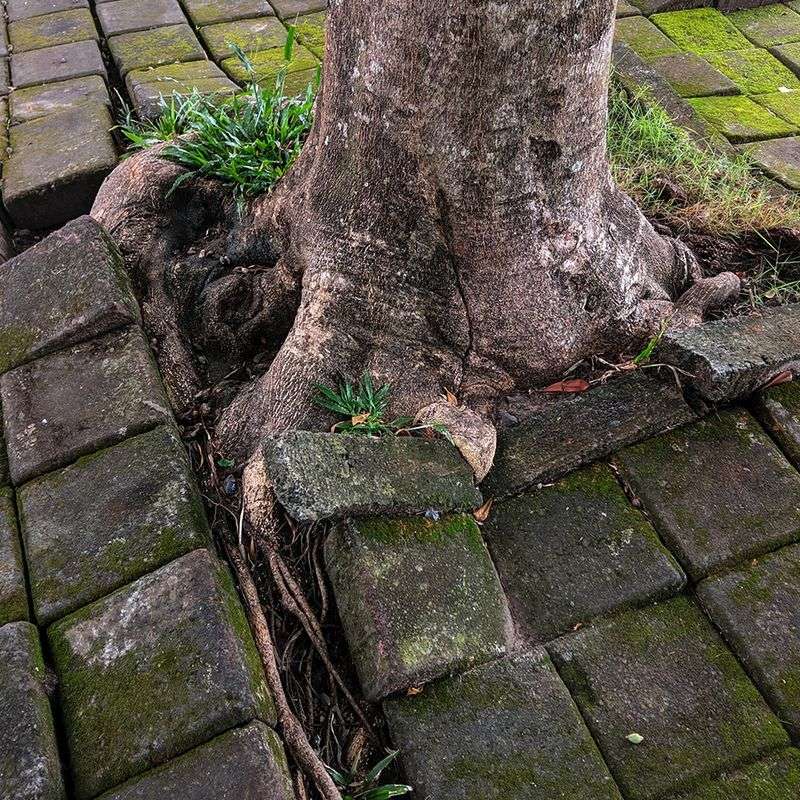
Hard surfaces leave little room for mistakes when large trees are planted nearby. Concrete sidewalks, driveways, patios, and curbs do not flex as tree roots expand beneath them.
When a live oak is planted in a narrow strip between a curb and a sidewalk, roots have nowhere productive to go. The same problem can happen when it is planted too close to a paved surface with limited soil volume underneath.
The result over time can be lifted or cracked pavement, uneven surfaces, and costly repairs. This is not a reason to avoid live oak entirely.
It is a reason to plan the planting location with mature root spread in mind. A tree planted far enough from hard surfaces, with adequate open soil volume surrounding it, is far less likely to create pavement problems.
Narrow planting strips between sidewalks and curbs are generally not suitable for a tree as large as a live oak. Patios and driveways placed close to the trunk without enough buffer soil can also become problems over years.
Right-tree-right-place thinking applies here more than almost anywhere else in the yard. Checking with a local Extension office or certified arborist about minimum distance guidance for your specific site is a smart step before you plant.
4. Small Front Yards May Not Be Wide Enough For A Mature Canopy
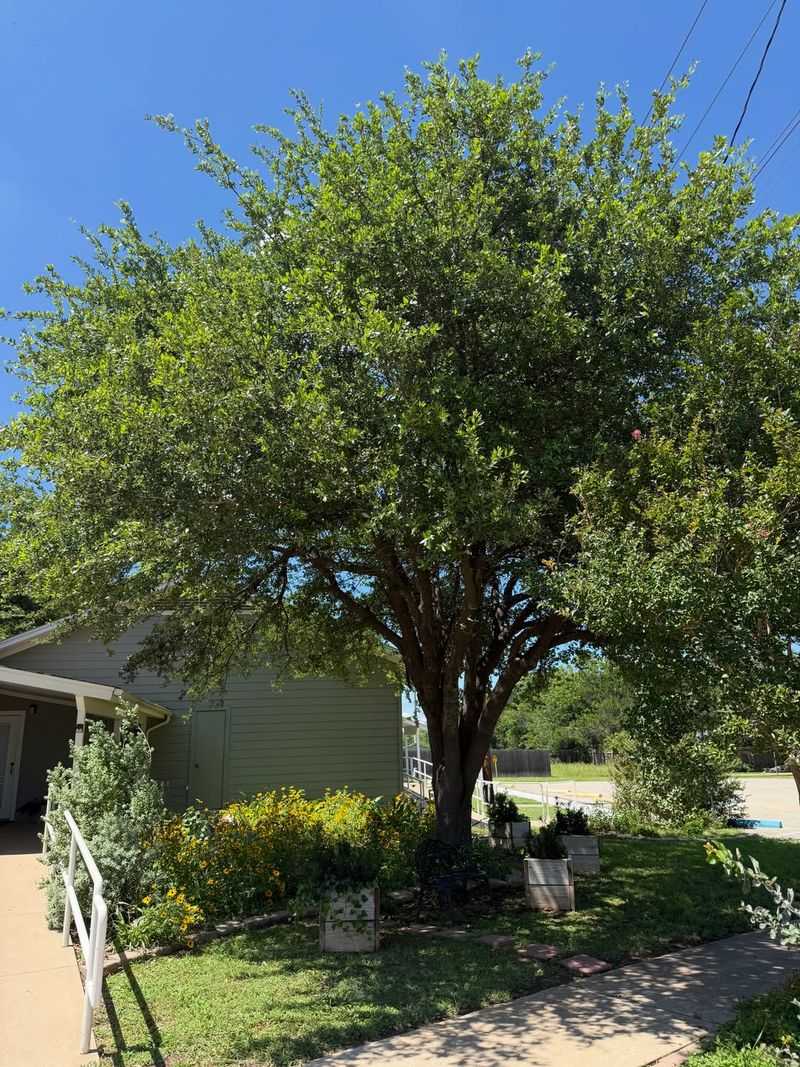
The canopy is part of the spacing decision, and live oak canopies grow impressively wide. A mature Quercus virginiana can spread 60 to 100 feet in diameter under good conditions.
Most standard residential front yards in Florida are nowhere near that wide. When a live oak is planted in a small front yard, the canopy eventually competes with the roofline, neighboring yards, street trees, and power lines above.
Power line clearance is a real concern. Trees planted beneath or near overhead utility lines often require repeated trimming that distorts their natural shape and creates long-term structural problems.
Rooflines can also be affected as canopy branches extend over the house, raising concerns about falling limbs, moisture, and debris accumulation.
Street clearance requirements vary by municipality, but many require a minimum height for branches over roads and sidewalks. A live oak in a tight front yard may struggle to meet those clearances without heavy pruning that compromises its form.
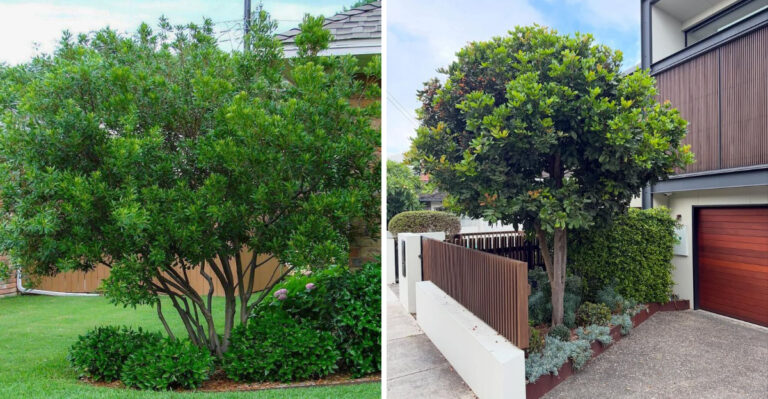
If your front yard is compact, a smaller native tree may be a better match for the space. Live oak belongs in yards wide enough to let the canopy grow the way it is meant to grow, without constant conflict with structures overhead and around it.
5. Root Space Matters More Than The Planting Hole
A planting hole cannot make up for a cramped site. Digging a wide, shallow hole and setting the tree at the right depth are important first steps, but they only address the first few feet of soil around the trunk.
A live oak needs decades of expanding root space beyond that initial hole to grow into a healthy, stable, long-lived tree.
Compacted soil from construction activity, parking, or heavy foot traffic can limit how far roots travel and how well they anchor. Narrow landscape islands surrounded by pavement are settings where root space runs out long before the tree does.
The same is true for small turf areas hemmed in by concrete and parking strips with shallow soil profiles. Soil volume matters as much as soil quality.
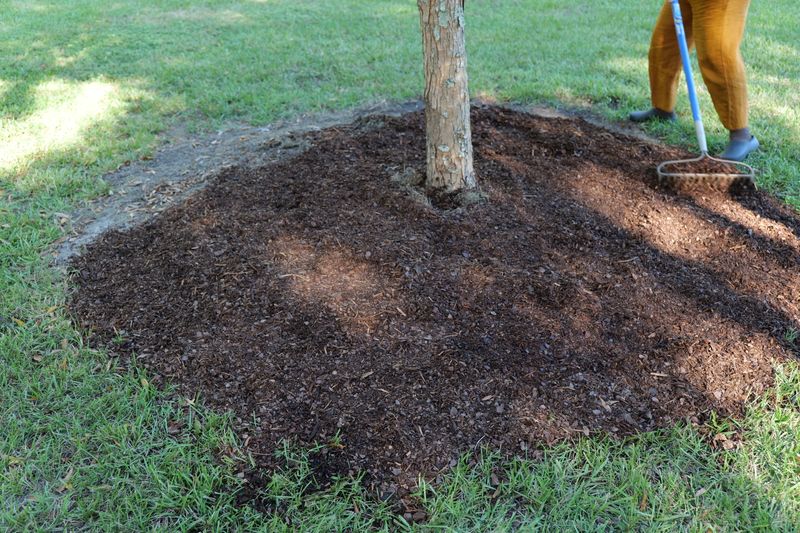
Keeping a wide mulch ring around the base of a young live oak helps protect the root zone from compaction and holds moisture. It also discourages lawn equipment from getting too close to the trunk.
Mower and string trimmer damage to the base of a young tree is more harmful than most people realize. The more open, healthy soil a live oak has access to over time, the better its root system can develop.
That also makes it less likely to cause problems near hard surfaces or structures.
6. Underground Utilities Should Be Checked Before You Dig
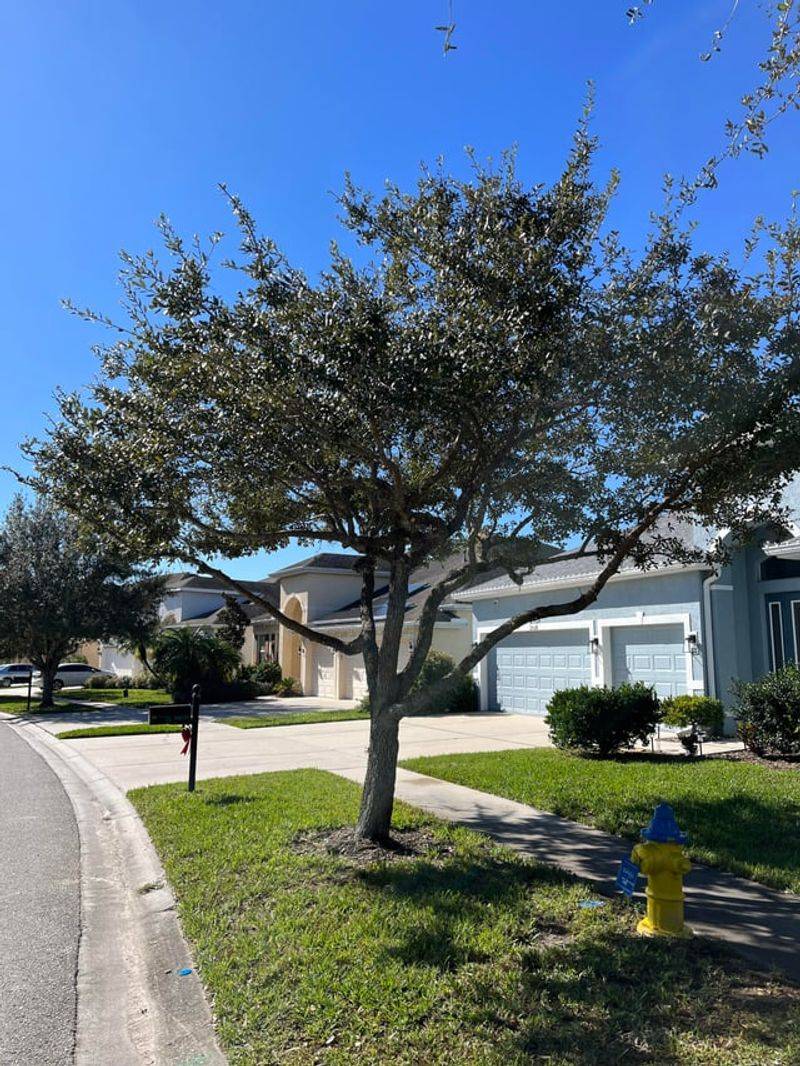
The safest digging plan starts before the shovel ever touches the ground. Underground utilities often run beneath residential yards in ways that are not always obvious from the surface.
These can include irrigation lines, drainage pipes, water mains, cable, gas, and electric service. Planting a large tree over or near any of these lines can create access problems and potential conflicts as roots grow over the years.
Calling 811, the national call-before-you-dig service, before any planting project is a standard safety step. This service arranges for utility companies to mark their lines in your yard so you know what is underground before you start.
It is free, and in many states it is required by law before digging. Checking any available site plans for your property can also reveal irrigation systems or drainage structures not covered by the utility marking service.
Septic systems deserve special attention. Planting a large tree near a septic tank, drain field, or leach lines can lead to costly complications over time as roots seek moisture.
The distance you should maintain from a septic system varies by local code and site conditions. A local Extension office, licensed arborist, or septic professional can help you identify where large trees are and are not appropriate on your specific property.
7. Pruning Young Trees Helps Build Safer Structure Later
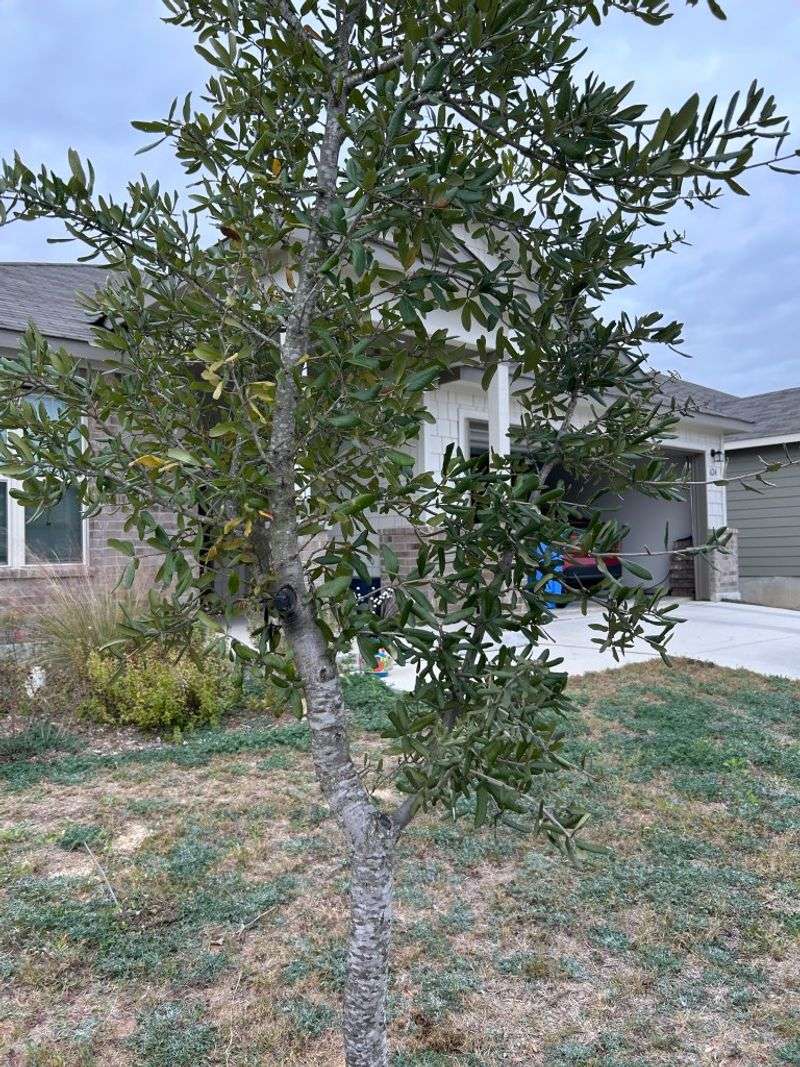
Good structure starts while branches are still small enough to guide. A live oak allowed to grow with poor branch spacing, competing leaders, or heavy co-dominant stems early in life may develop structural weaknesses.
Those weaknesses can become more serious as the tree gains size and weight. Addressing those issues while the tree is young is far easier and less stressful on the tree than trying to correct them later.
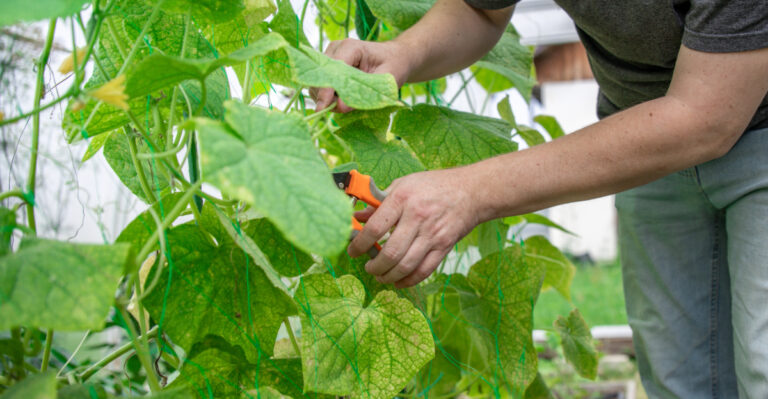
Structural pruning focuses on developing well-spaced branches and a clear central leader where appropriate. It also removes branches that may cause problems as the tree matures.
This kind of early training does not mean removing large amounts of the canopy. It means making thoughtful, targeted cuts while the wood is still small and the wounds are manageable.
For significant pruning decisions, working with a qualified arborist is worth the investment. An ISA-certified arborist can assess the tree’s current structure and recommend the right cuts at the right time.
Topping, random cutting, or heavy pruning that removes too much of the canopy at once can create decay entry points and weak regrowth. It can also cause long-term structural problems that are harder to manage than the original issue.
Starting with good pruning habits early pays off for the entire life of the tree.
8. Choose A Smaller Native Tree If The Space Is Too Tight
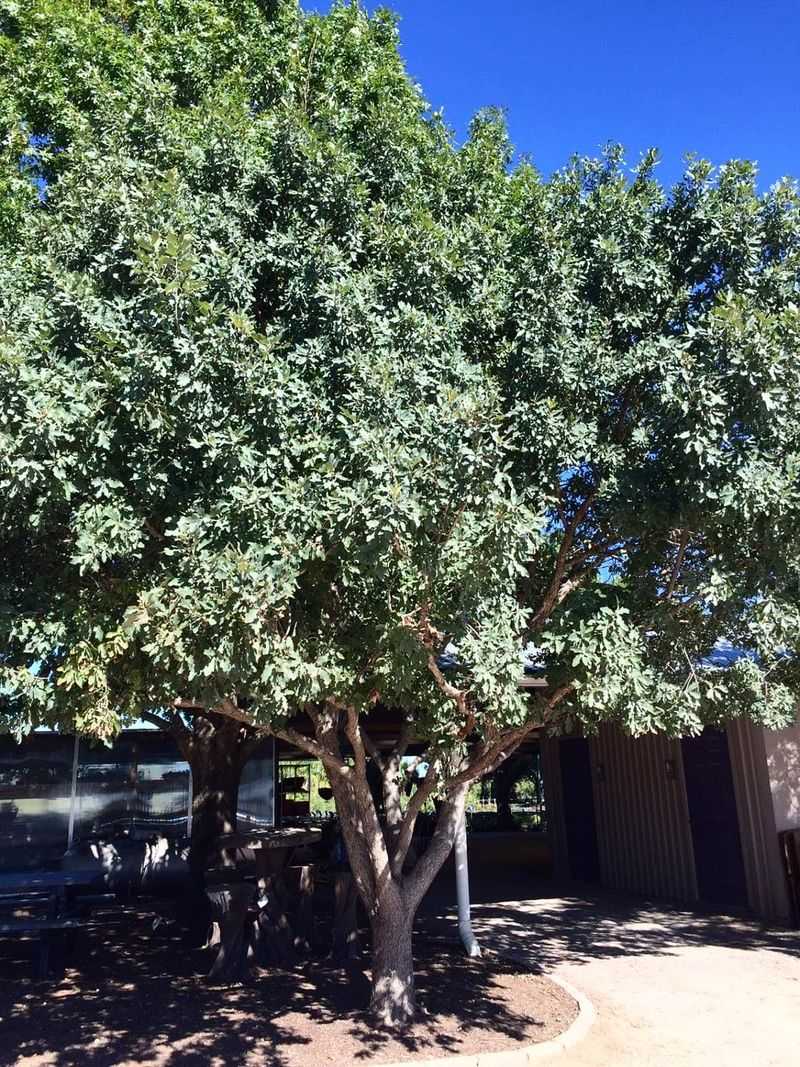
A smaller tree can be the smarter long-term choice when the space simply does not fit a live oak. Forcing a large tree into a tight yard does not change how wide the canopy will grow or how far the roots will spread.
It just means those conflicts arrive sooner and affect more of the yard, the structures around it, and the neighbors nearby.
Plenty of native trees offer shade, wildlife value, and year-round beauty without the footprint of a mature live oak.
Yaupon holly, Dahoon holly, Simpson’s stopper, and Walter’s viburnum are among the smaller native options that work well in compact yards and narrow beds.
They also suit spaces near structures where a large tree would eventually cause problems. These are not consolation prizes.
They are well-suited trees for the right sites.
The goal is matching the tree to the space, not squeezing the largest possible tree into a yard that cannot support it.
A live oak planted in the right place, with enough room to grow fully, is one of the best long-term investments a homeowner can make in their landscape.
A live oak planted in the wrong place will eventually remind you of that every time you look at it. Choose the right tree for the space you actually have.