The 8 Yard Mistakes Making Stink Bug Problems Worse In Ohio Right Now
Stink bugs in Ohio are not a September surprise. They are a late summer buildup that certain yard mistakes accelerate without anyone connecting the habits to the population showing up on the windows and door frames as the season turns.
Stink bugs spend summer in the yard. They feed, they reproduce, and they assess which structures nearby are worth moving into once temperatures drop.
A yard that makes all of that easier is a yard that pays for it in fall with an indoor problem that started outside months earlier. Several common yard habits are doing most of the damage.
None of them feel like an open invitation. All of them create conditions that stink bugs find useful during the stretch of summer when the population that will eventually come inside is still being built.
August is when that population is still in the yard. September is when it starts looking for a door.
1. Your Foundation Beds May Be Feeding The Problem
A tomato plant growing close to the house might seem like a convenient Ohio garden choice. Placed right against the foundation, though, it can combine several conditions that make brown marmorated stink bug management harder in one small area.
These insects feed on a remarkably wide range of plants, and fruiting vegetables like tomatoes and peppers are among the crops they readily use.
When a productive food source sits directly beside the structure, feeding activity happens right next to the wall. That wall is also where gaps around utility lines, window frames, and siding joints are most likely to exist.
The EPA currently recommends keeping edible vegetation away from the immediate foundation as part of a broader pest exclusion approach.
That does not mean pulling up every shrub or flower bed near the house. Ornamental plantings at a reasonable distance are a different situation.
The concern is specifically about fruiting or vegetable plants placed close enough to the building that insects feeding on them are already near potential entry points.
Dense vegetation touching the siding can also make it harder to inspect and seal those openings. Pulling vegetable planters or portable containers a few feet away from the wall is a simple August adjustment.
Keeping that zone clear makes inspection easier and reduces the overlap between active feeding and the areas you most want to protect.
2. Those Tiny Egg Clusters Are Easy To Miss
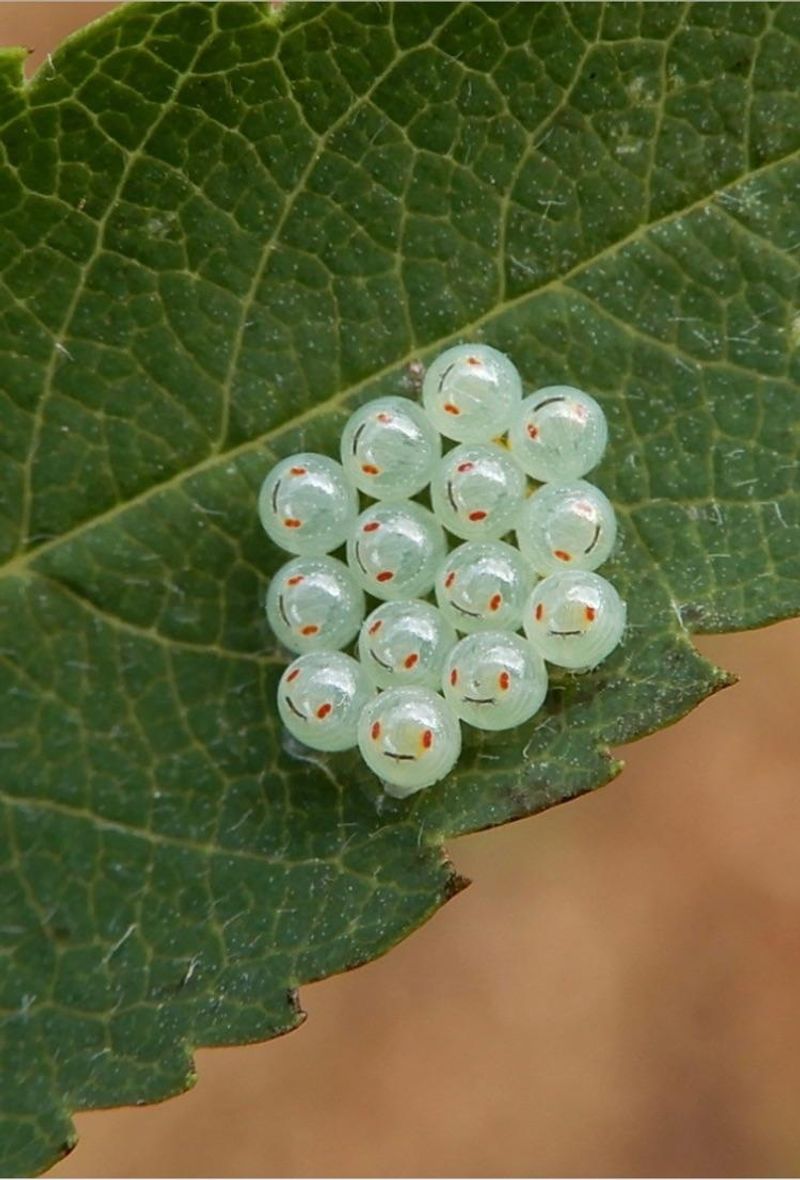
Flip over a cucumber leaf in late July or August and you might find something that stops you mid-reach. A neat cluster of pale, barrel-shaped eggs, each one smaller than a sesame seed, sits arranged in rows on the leaf’s underside.
According to EPA guidance, female brown marmorated stink bugs can lay eggs from May through August, so mid-August scouting can still turn up fresh masses.
Each cluster typically contains around 28 eggs, though counts can vary. The eggs are described by EPA as light green or yellowish and are laid most often on leaf undersides.
They are easy to overlook during a quick garden walk, especially on large-leafed plants like squash, beans, or fruiting tomatoes.
Your Ohio Garden Changes Every Week. Your Plan Should Too.
Gardening in Ohio changes quickly throughout the season. Every Friday you’ll receive a simple weekly plan showing exactly what to plant, prune, fertilize, harvest, and protect so you never miss the right timing.
Scouting leaf undersides regularly gives you a chance to find eggs before they hatch and young nymphs spread across the planting. Young nymphs lack wings and move more slowly than adults, making early stages easier to manage manually.
Ohio Extension guidance suggests that confirmed egg masses can be removed by hand and dropped into soapy water.
Correct identification matters before you remove anything. Many beneficial insects also lay eggs on foliage, and not every pale cluster belongs to this species.
If you are unsure, compare what you find to images from a university Extension source before taking action.
3. Ripe Garden Produce Can Keep Them Hanging Around
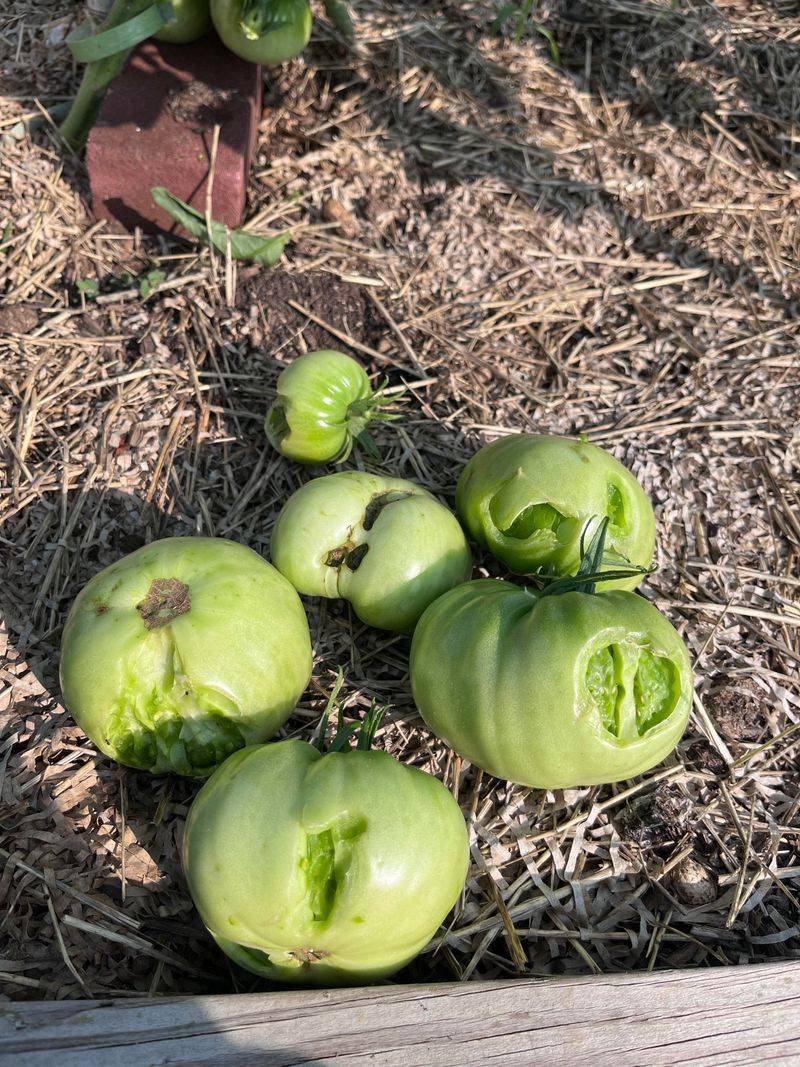
Cloudy spots appearing on a ripening pepper or a dimpled patch on a tomato can have several causes. When brown marmorated stink bugs are active in the garden, feeding injury is one possibility worth considering.
These insects use a piercing mouthpart to feed beneath the surface of fruit, which can cause discoloration, pitting, or distortion depending on the crop and growth stage.
Tomatoes and peppers are among the home garden crops most commonly affected. Other plants like apples, peaches, and corn are also listed by the EPA as hosts.
For most backyard gardeners, however, feeding becomes most noticeable in the vegetable bed. The presence of the insect on or near damaged fruit strengthens a diagnosis, since similar symptoms can come from disease, nutrient issues, or other insects.
Leaving overripe or split fruit on the vine extends the window of feeding activity in your garden. Harvesting produce promptly once it reaches maturity is a reasonable practice supported by Ohio Extension guidance.
Tomatoes can also be harvested at the breaker stage and allowed to ripen indoors, which removes them from outdoor feeding pressure.
Feeding damage does not make produce unsafe to eat. The affected area may have cosmetic blemishes, but the rest of the fruit is generally fine.
Regular inspection of ripening crops through August helps you catch feeding early and respond before more fruit is affected.
4. Your Stink Bug Trap May Be Backfiring
Hanging a pheromone lure near the vegetable bed might seem like a logical way to protect your Ohio garden. Research suggests the opposite can happen.
Studies referenced by University of California IPM found that pheromone traps placed close to garden rows were associated with increased feeding injury. Nearby crops, particularly tomatoes, were especially affected.
The reason involves what researchers call the spillover effect. A lure draws insects toward the trap area, but not every bug that responds to the scent actually enters the trap.
Some land nearby and begin feeding on whatever plants are close. Placing the lure beside the vegetable bed essentially concentrates activity right where you least want it.
UC IPM notes that the ideal distance between a pheromone trap and a garden is not yet clearly established by research. That uncertainty is worth preserving.
Recommending a precise number of feet would go beyond what the evidence currently supports. Small yards may not have enough space to use an attractant trap far from valued plants at all.
Pheromone traps are not universally harmful tools. They can serve as useful monitoring devices when placement is thoughtful.
Positioning one away from the vegetable garden and away from doorways or windows is a more reasonable approach than placing it in the middle of a planting bed. Reviewing placement before the late-season movement begins is a practical August step.
5. That Wood Pile Is Too Close For Comfort
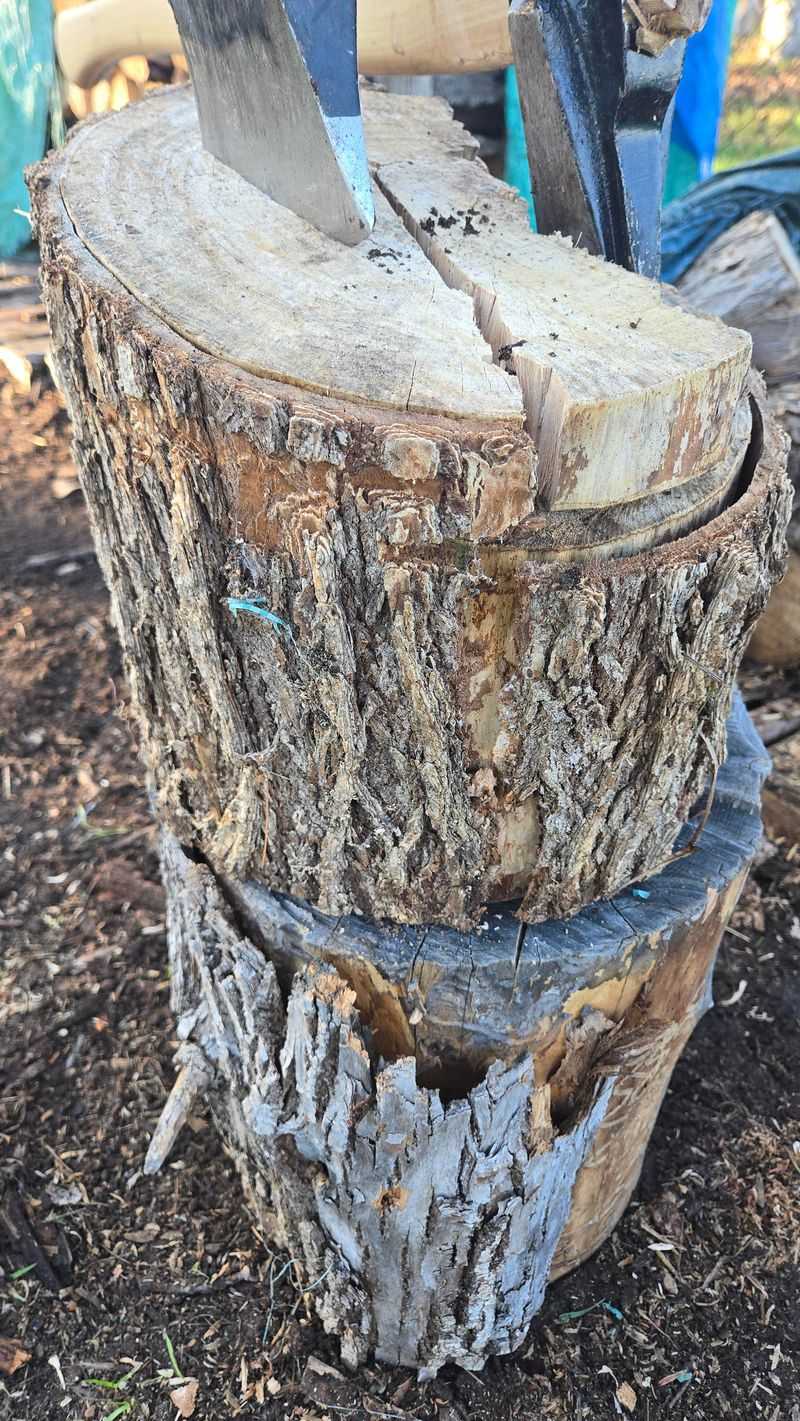
A firewood stack leaning against the foundation can create a sheltered corner beside the house. Fallen leaves and garden debris around it add another layer of cover.
EPA documentation notes that brown marmorated stink bugs can occur in leaf litter, vegetation, and other protected outdoor locations as the season progresses toward fall.
Whether a firewood pile specifically is a primary shelter source for this species is not strongly documented in the Extension literature. The broader principle, though, is well supported.
Dense debris and clutter against the foundation create protected micro-environments. They also crowd the areas you want to inspect and seal before fall movement increases.
Leaf litter piled directly against the siding is a more clearly documented concern than firewood alone. Away from the house, leaf litter has real ecological value for beneficial insects and other wildlife.
The distinction matters. Clearing the immediate foundation zone is a targeted action, not a reason to rake every leaf from natural garden areas.
Move stored wood away from the wall and clear accumulated debris from foundation corners. Trimming vegetation that presses against the siding is another proportional step for August.
None of these steps guarantees a stink-bug-free home. They do reduce sheltered space beside the entry points you will want to address next.
Keeping that zone open also makes sealing work easier to do well.
6. Porch Lights Can Bring Them Right To The Door
An exterior light burning brightly beside a doorway on a warm August evening can draw insects toward that exact spot. USDA and peer-reviewed research document that brown marmorated stink bugs show attraction to certain wavelengths of light.
Shorter wavelength light, including blue and ultraviolet ranges, appears to be particularly attractive to this species.
That does not mean every porch bulb turns a doorway into a gathering point. Light attraction is one factor among several, and it matters most when gaps around doors and windows are already present.
Sealing those openings, covered in the next section, is a stronger protective step than changing a bulb. Lighting adjustment works better as a supplement than as a standalone strategy.
Reducing unnecessary exterior lighting on late summer nights, particularly near entry points, is a reasonable secondary step. Bright lights close to doors and windows can place insects in the exact locations where entry is most likely.
Switching off lights that serve no functional purpose after dark is a low-effort adjustment.
Current research does not support recommending one specific bulb color as a reliable deterrent for residential use.
Warmer-toned bulbs in the yellow spectrum are sometimes mentioned, but a definitive residential recommendation is not yet clearly established in Ohio Extension guidance.
What is clear is that unnecessary bright lighting near open or poorly sealed entry points adds an avoidable variable to fall management.
7. Small House Gaps Become Big Fall Entry Points
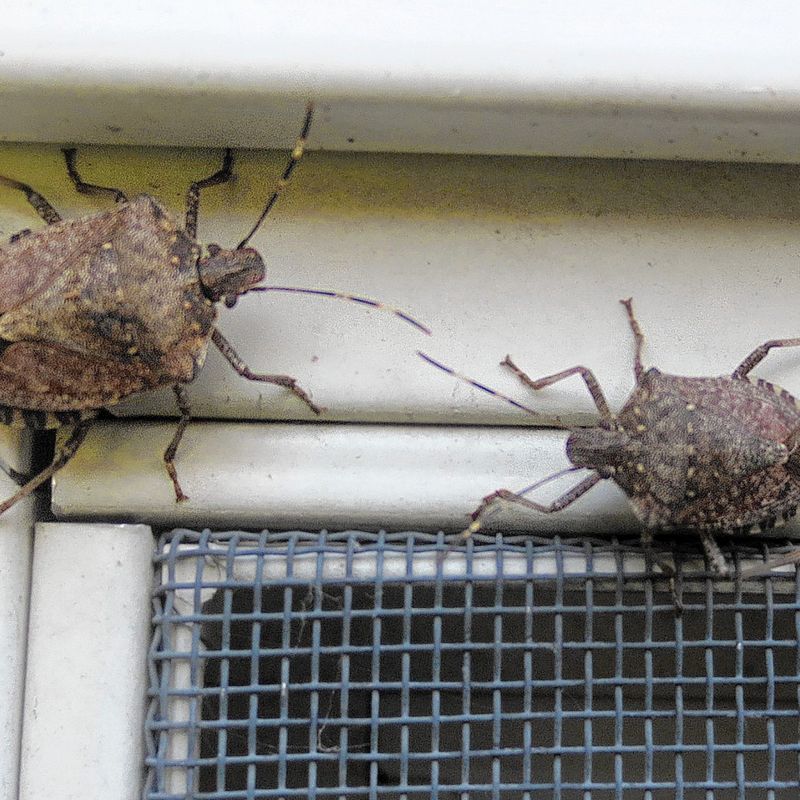
Small openings can become paths into a warm structure. These include gaps around pipes, cracked caulk around window frames, and worn door sweeps that let light through at the bottom.
As fall approaches, adult brown marmorated stink bugs begin seeking sheltered overwintering sites, and buildings with accessible openings can end up on that list.
EPA guidance identifies common entry areas including window frames, door frames, foundation cracks, utility penetrations, crawlspace entries, and chimneys. These insects do not chew through intact walls or cause structural damage.
They exploit openings that already exist, which means exclusion work is both practical and effective when done before larger numbers begin moving.
Mid to late August is a genuinely useful inspection window. Weather and local conditions affect when fall movement increases, so there is no single statewide date when entry begins.
Starting the inspection now gives you time to address gaps before activity intensifies. Caulk, weather stripping, door sweeps, and screen repair are all current EPA and Extension-recommended tools for this work.
Some openings serve necessary building functions, like dryer vents, combustion air inlets, and required attic ventilation. Those should never be sealed in ways that block airflow.
Appropriate fine mesh screens over functional vents are a safer approach. A methodical walk around the exterior in August, looking at every frame, joint, and penetration, is the most practical single action in this list.
8. Not Every Shield Shaped Bug Is The Enemy
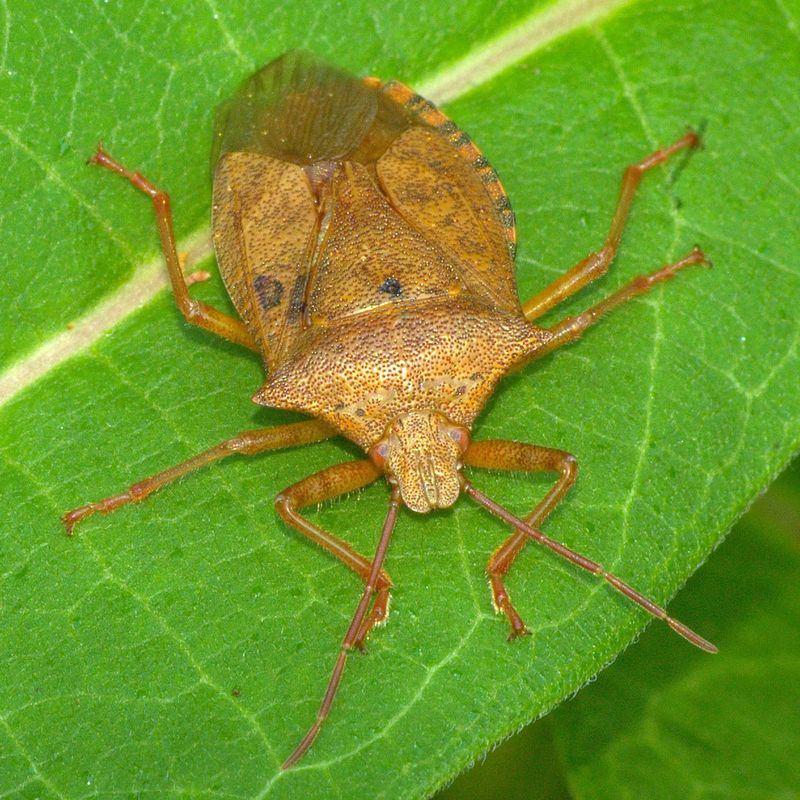
A shield-shaped insect spotted on a pepper plant can send an Ohio gardener straight to the pesticide shelf. Before reaching for any spray, identification is the most important step.
The stink bug family, Pentatomidae, includes many species. Some feed on plants.
Others are active predators of pest insects and are genuinely useful in a garden.
The spined soldier bug is one locally relevant example. It preys on soft-bodied pest insects and can be a real asset in a vegetable garden.
Treating it as a pest based on body shape alone removes a beneficial insect and does nothing to address the actual feeding source. Two-spotted stink bugs are another predatory species worth knowing.
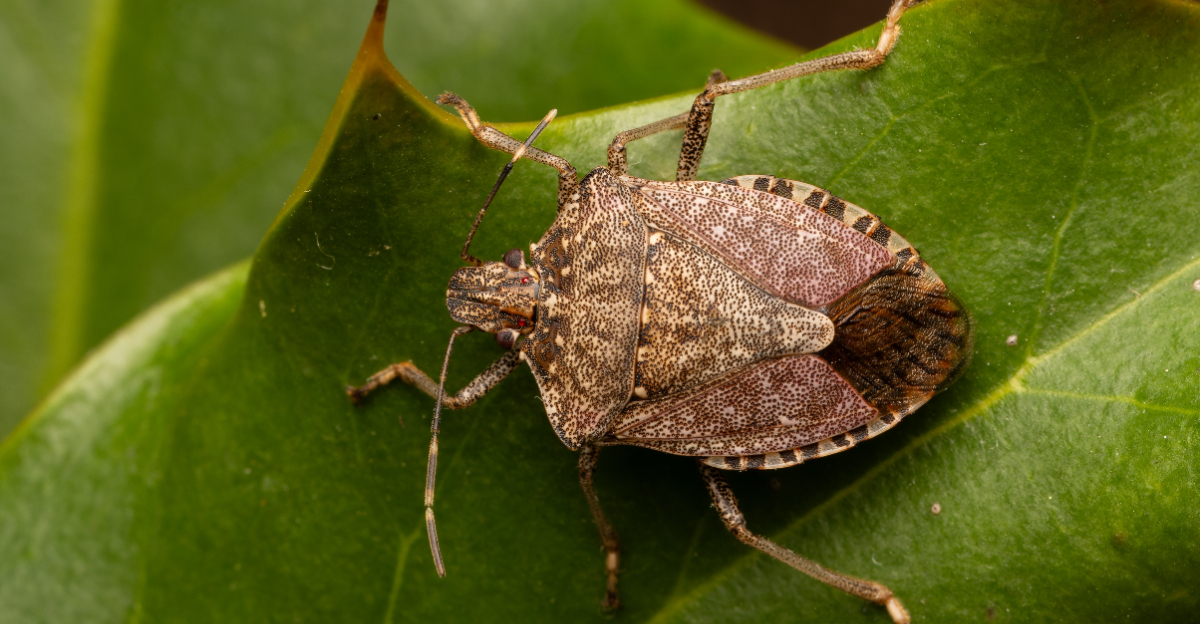
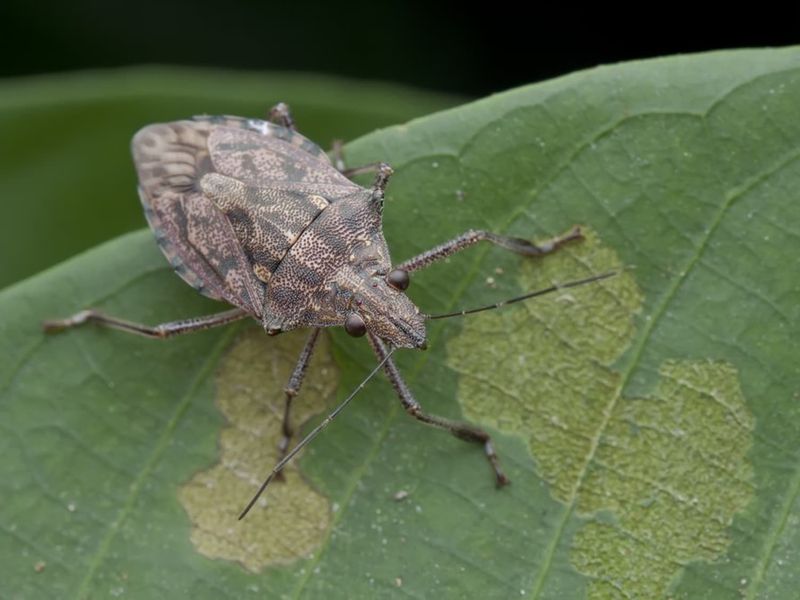
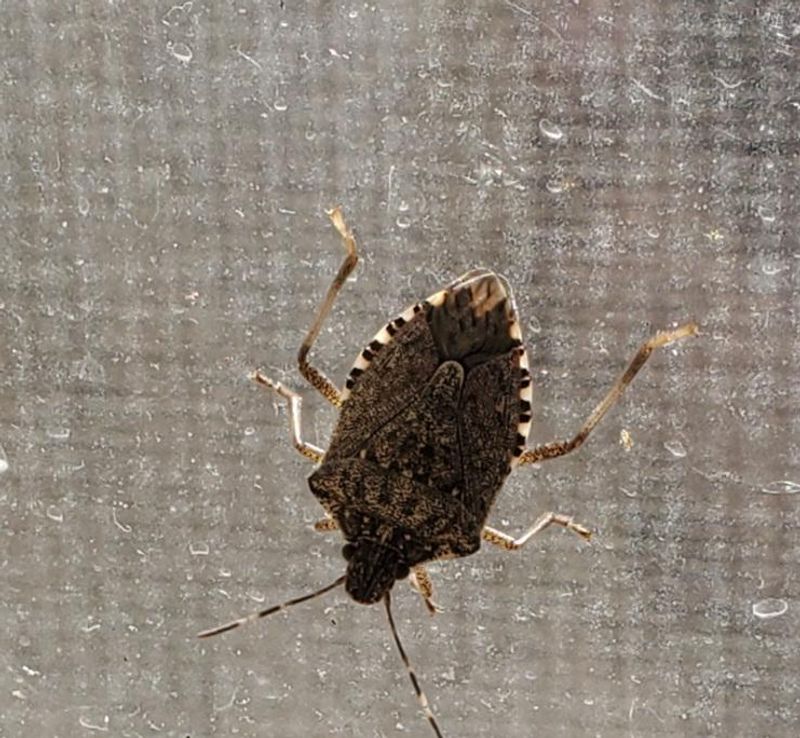
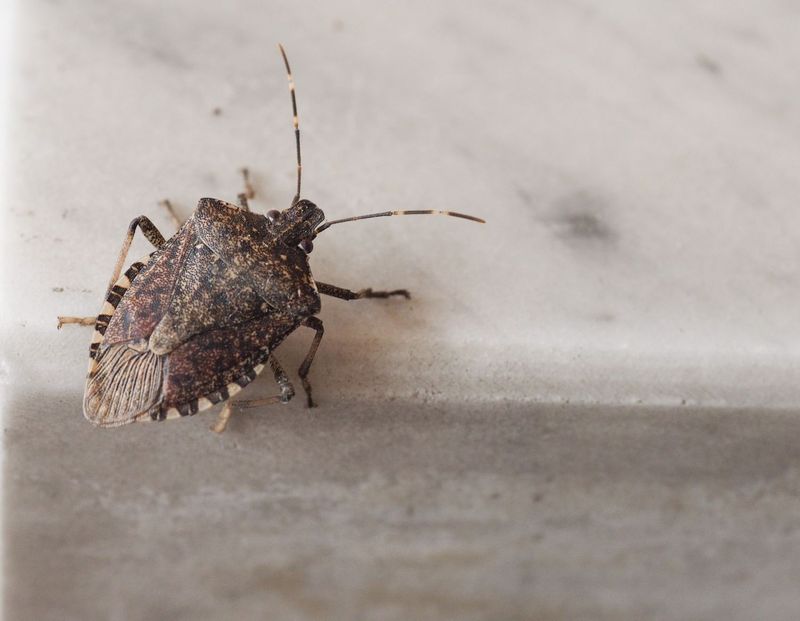
Brown marmorated stink bugs have some distinguishing features that separate them from similar insects. EPA notes that adults show mottled brown coloration, alternating light and dark bands along the exposed edge of the abdomen, and pale bands on the antennae.
Body shape alone is not enough for a confident identification.
Broad-spectrum insecticides applied to unidentified insects can affect pollinators, predatory beetles, and other beneficials in the garden.
University of Maryland Extension discourages routine insecticide use for home-garden management of this species, noting the collateral effects on other organisms.
Accurate identification, regular scouting, physical exclusion, and targeted responses provide a more reliable approach. They are also more ecologically sound than treating every similar insect as the same pest.