One Simple Natural Item To Make Your Ohio Lawn Thick And Green This October
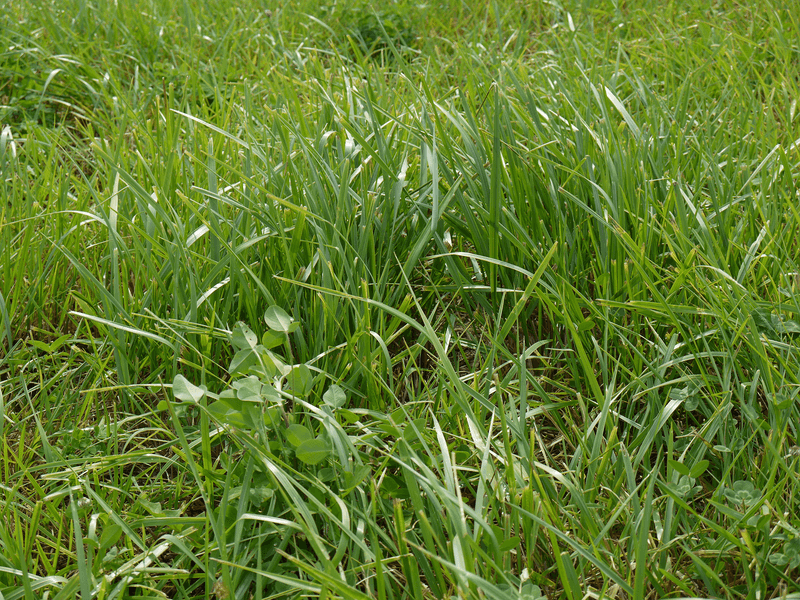
Your neighbor’s lawn looks thick, green, and almost too good to be real, while yours has thin patches that seem to get worse every fall. Before you spend money on another bag of lawn treatment, take a look at something you might already have at home.
One simple natural material can help improve Ohio soil at a time when grass has a real opportunity to build stronger roots.
The catch is that not every lawn needs the same treatment, and the wrong approach can leave you with more problems than you started with.
October gives cool-season grasses such as Kentucky bluegrass and tall fescue a valuable window for recovery before winter sets in. What you put on the lawn matters, but so does how you use it.
The surprising part? A little can go a long way when the soil actually needs it.
Before you spread anything across your yard, find out which natural option is worth considering and what to avoid.
1. That Natural Item Is Your Own Grass Clippings
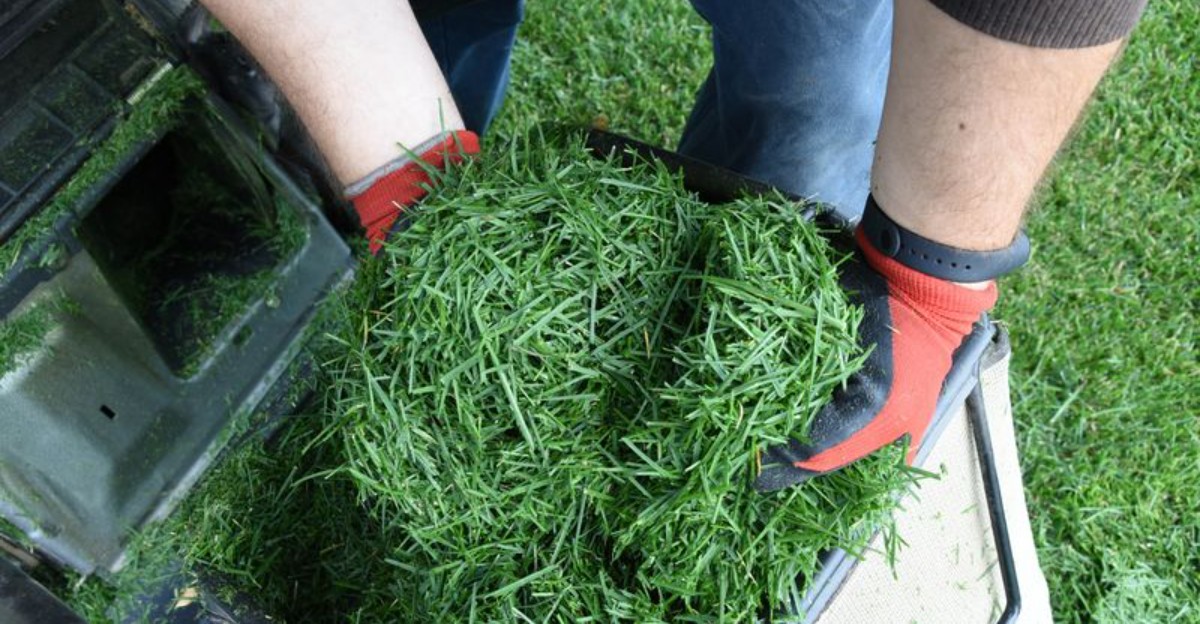
Picture a free bag of lawn food falling out of your mower every week. That is pretty much what grass clippings are.
Many people rake them up and drag them to the curb, but they belong on your lawn.
Leaving clippings in place is called grasscycling. Some folks also call it mulching.
The idea is simple: you mow, the tiny bits fall into the grass, and they break down into food for the soil.
Ohio lawns are mostly cool-season grasses like Kentucky bluegrass, tall fescue, and perennial ryegrass. These grasses love the cool days of October.
They put energy into roots and new shoots, so feeding them now pays off big next spring.
Clippings give that steady snack without any trips to the store. You also skip the heavy lifting of bagging and hauling.
Less yard waste goes to the landfill, too, which is a nice bonus for your town.
Here is a fun fact to share with your neighbors. Some cities once banned grass clippings from trash pickup to save landfill space.
That push helped make grasscycling popular across the country.
So next time you mow, leave the bagger in the garage. Let the clippings scatter across the yard.
It may feel strange at first, but your lawn will soon show you why this habit works so well.
2. Clippings Return Nitrogen To The Soil
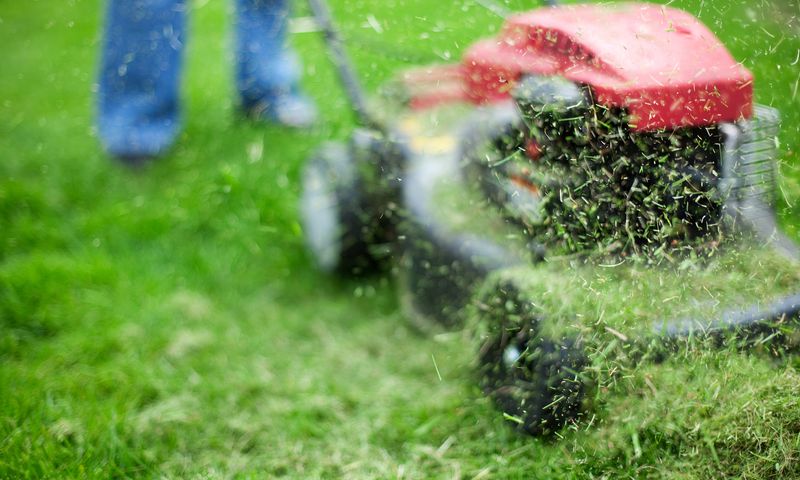
Think of each clipping as a tiny vitamin pill for your yard. Grass blades are packed with the same nutrients found in store-bought fertilizer.
When you return them, those nutrients go right back where they came from.
Nitrogen is the star here. It is the nutrient that makes grass deep green and helps it grow thick.
Clippings hold roughly 3 to 4 percent nitrogen by weight, which is a lot for something you usually throw out.
They also carry phosphorus and potassium. Phosphorus helps roots grow, and potassium helps grass handle stress like cold, heat, and foot traffic.
Together, these three make a balanced meal for your lawn.
Your Ohio Garden Changes Every Week. Your Plan Should Too.
Gardening in Ohio changes quickly throughout the season. Every Friday you’ll receive a simple weekly plan showing exactly what to plant, prune, fertilize, harvest, and protect so you never miss the right timing.
As clippings break down, soil microbes and earthworms get to work. They chew up the green bits and slowly release the nutrients.
This works like a slow-release fertilizer, feeding your grass a little at a time instead of all at once.
Slow feeding matters in October. Ohio nights get chilly, and grass prefers a gentle supply over a sudden rush.
A steady trickle of nitrogen helps roots store energy for winter.
The best part is that you do not need to measure anything. Just mow and let nature handle the math.
Every pass of the mower adds another small helping of food to your soil.
3. Research Shows Returned Clippings Can Improve Lawn Quality
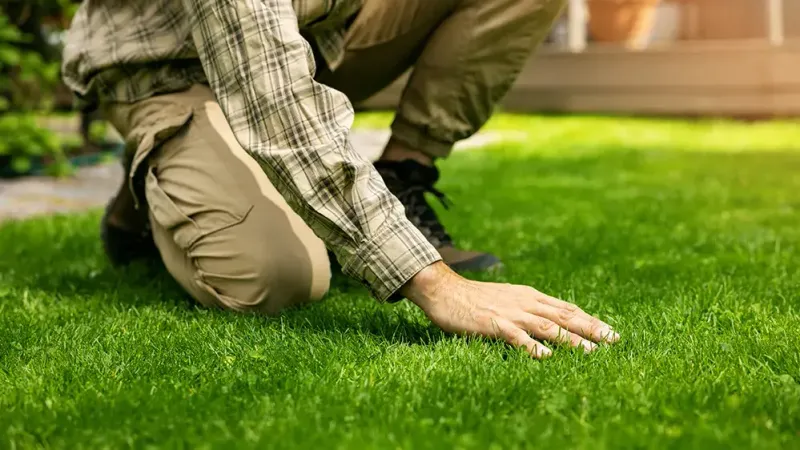
Scientists have tested this idea for decades, and the results look good. Turf researchers at universities across the country have compared lawns with clippings returned against lawns where clippings were bagged.
Again and again, the clipping lawns came out ahead.
What did they see? Grass with returned clippings often had better color.
It looked richer and greener, especially as the season went on. Overall lawn quality scores were also higher in many studies.
Density improved, too. A thicker lawn means fewer open spots for weeds like crabgrass and dandelions to move in.
Dense turf also feels softer under bare feet and holds up better when kids and pets run around.
Schools such as Oregon State, the University of Minnesota, and the University of California have all shared advice backing grasscycling. Ohio State’s turf experts give similar guidance for Buckeye lawns.
When that many experts agree, it is worth a try.
You can even run your own mini test at home. Bag clippings on one small strip of lawn and leave them on the rest.
By late fall, compare the color and thickness side by side.
Most people are surprised by the difference. It is a fun weekend project for families, and it turns your backyard into a real science lab.
4. Leaving Clippings Can Cut Fertilizer Needs By Half Or More
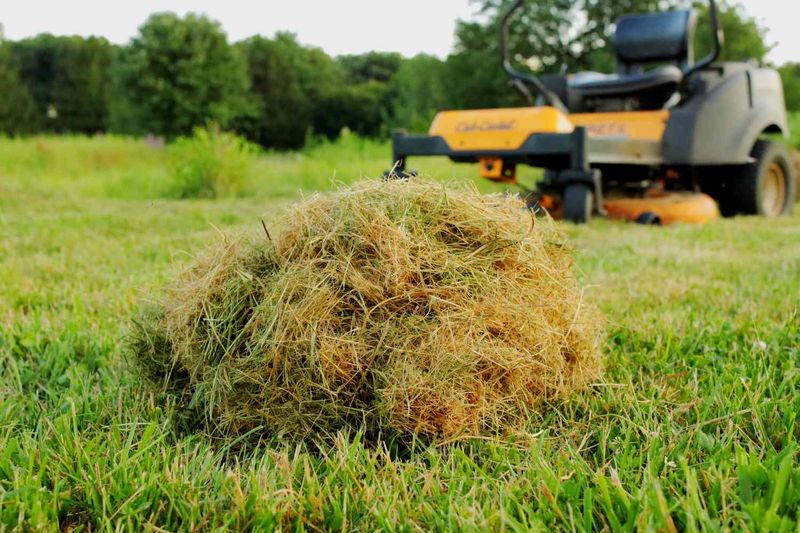
Here is a number that makes wallets happy. Returning clippings can supply about 25 to 50 percent of a lawn’s yearly fertilizer needs.
Some studies even put that figure as high as 40 to 75 percent.
That means you might buy half as many bags of fertilizer. Research using mulching mowers found people could cut fertilizer rates by nearly half and still keep lawns looking great.
Over a few years, the savings really add up.
In some long-term tests, lawns with returned clippings stayed in acceptable shape with no extra fertilizer at all. This worked especially well on clay soils.
Good news for the state, since much of the state sits on heavy clay.
Using less fertilizer helps more than your budget. Extra fertilizer can wash off lawns during rain and flow into streams and lakes.
Lake Erie has struggled with algae blooms fed partly by nutrient runoff, so every bit of restraint helps.
You may still want one fall feeding, since October is a prime time to fertilize cool-season grass. Just think about using a lighter amount.
A simple soil test from your county extension office can tell you what your yard truly needs.
Let clippings do the heavy work. Then fill in any gaps only if your lawn asks for it.
5. Clippings Don’t Cause Thatch
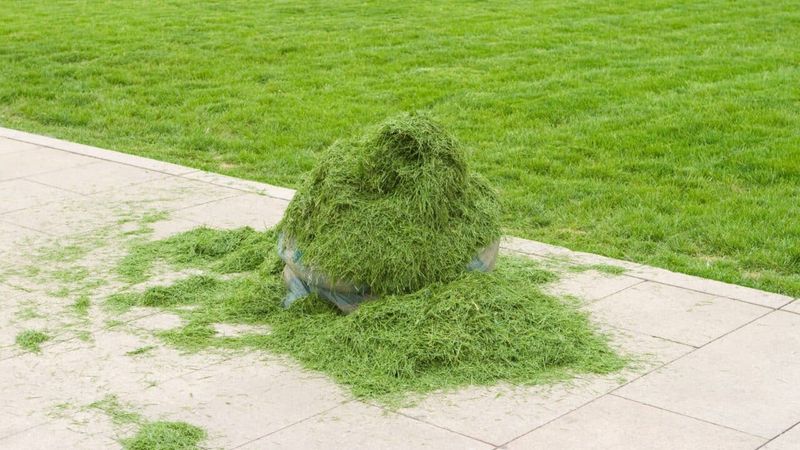
Let’s bust a myth that has hung around for years. Lots of people believe clippings pile up and create thatch.
It sounds logical, but studies show it is simply not true.
So what is thatch? It is a spongy layer of old roots, stems, and runners that sits between the grass blades and the soil.
These parts are tough and woody, so they break down slowly. A little thatch is fine, but a thick layer can block water and air.
Grass clippings are a totally different story. They are mostly water, often around 80 percent or more.
Because they are soft and moist, they usually break down within a few days to a few weeks.
Even better, clippings may help with thatch. They feed the soil microbes that munch on organic matter.
More hungry microbes means old thatch can get broken down faster, too.
If your lawn does have a thick, spongy layer, the cause is usually something else. Too much fertilizer, heavy watering, or certain grass types that spread by runners are common culprits.
Core aeration in early fall can help loosen things up.
Quick check: cut out a small wedge of lawn with a shovel. If the brown layer is under half an inch, you are in good shape.
Keep those clippings coming without worry.
6. Mow Often And Remove No More Than A Third Of The Blade
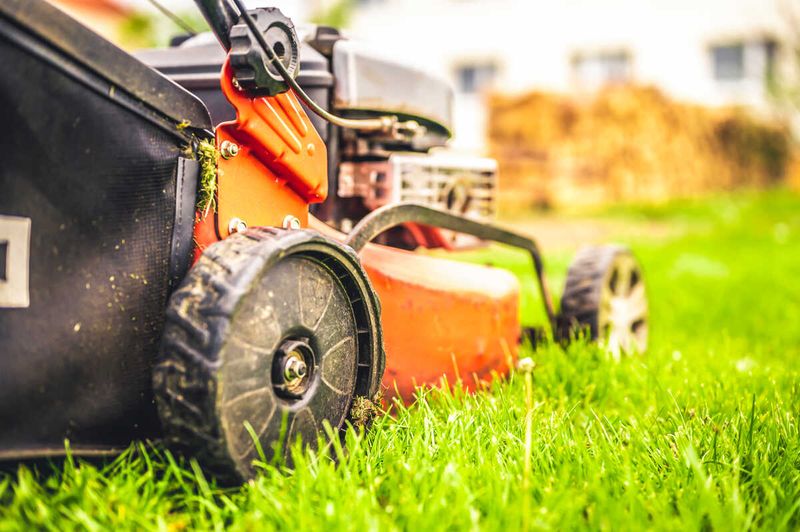
My neighbor used to mow every two weeks, and his yard looked like a hayfield afterward. Big rows of clippings sat on top, turning yellow.
Once he switched to weekly mowing, those rows vanished.
The secret is the one-third rule. Try to cut no more than one-third of the grass blade in a single mowing.
If you want your lawn at 3 inches, mow when it reaches about 4 to 4.5 inches.
Following this rule keeps stress low on your grass. Cutting too much at once shocks the plant and slows root growth.
Smaller cuts also make tiny clippings that slip down between blades and disappear fast.
In Ohio, keeping cool-season grass around 3 to 3.5 inches tall works well. Taller grass shades the soil, keeps roots cooler, and crowds out weeds.
In October, growth slows a bit, so you may stretch mowing to every 7 to 10 days.
A mulching mower or mulching blade helps a lot. It chops clippings into even finer pieces.
Keep the blade sharp, too, since a dull blade tears grass and leaves ragged brown tips.
Short, frequent trims beat long, rare ones. Think of it like a regular haircut instead of a dramatic buzz cut.
Your lawn will stay neat, thick, and well fed.
7. Skip Mowing When The Grass Is Wet
October mornings in our state often come with heavy dew, foggy air, and the occasional drizzle. That soggy grass may tempt you to mow and get it over with.
Patience pays off here.
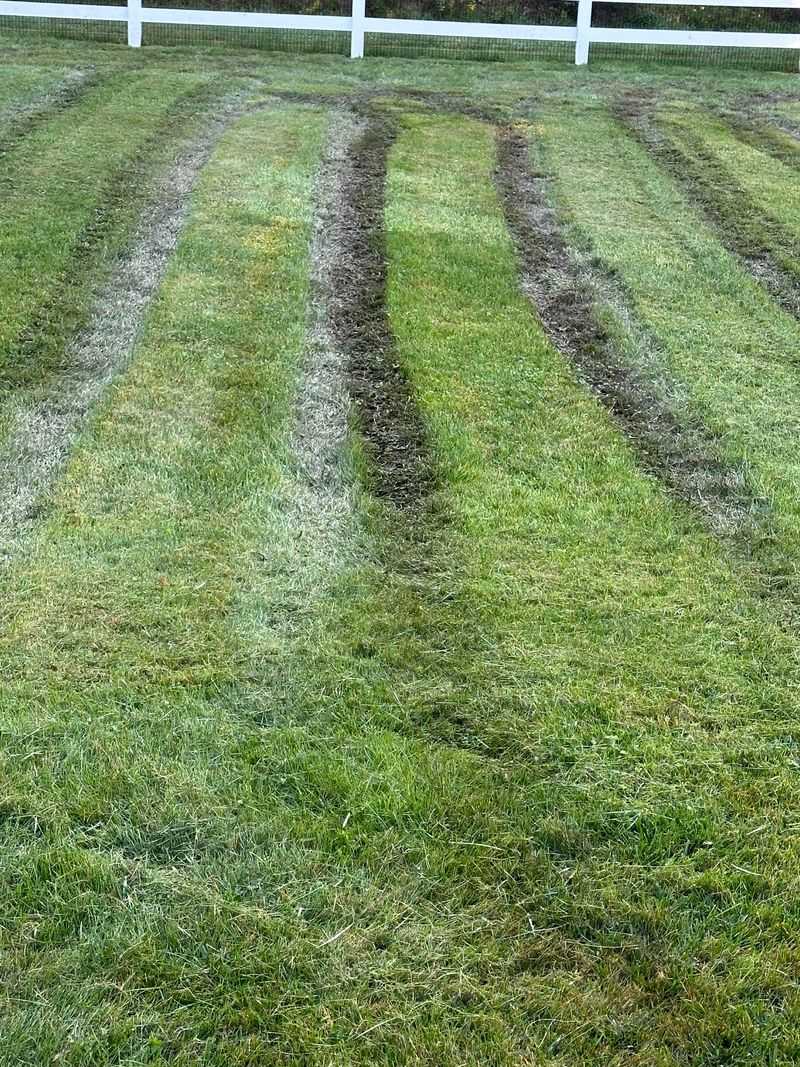
Wet grass bends over instead of standing tall. Your mower ends up tearing the blades rather than slicing them cleanly.
Those torn tips turn brown and can open the door to lawn diseases.
Soggy clippings are a mess, too. They stick together in heavy clumps and cling to the underside of your mower deck.
The discharge chute can clog, and your mower has to work harder, which may cause wear or damage.
Your soil also suffers. Wet ground packs down easily under the weight of a mower and your feet.
Compacted soil makes it hard for roots to get air and water.
Safety matters as well. Slick grass makes it easy to slip, especially on slopes.
Nobody wants a twisted ankle near spinning blades.
A good habit is to wait until late morning or afternoon when the dew dries off. Try the shoe test: walk across the lawn, and if your shoes come back soaked, give it more time.
After a rainy day, waiting until the next dry afternoon is a smart move for both you and your grass.
8. Rake Up Any Big Clumps
Life gets busy, and sometimes the lawn grows faster than your schedule allows. A rainy week or a family trip can leave you with grass that is way too tall.
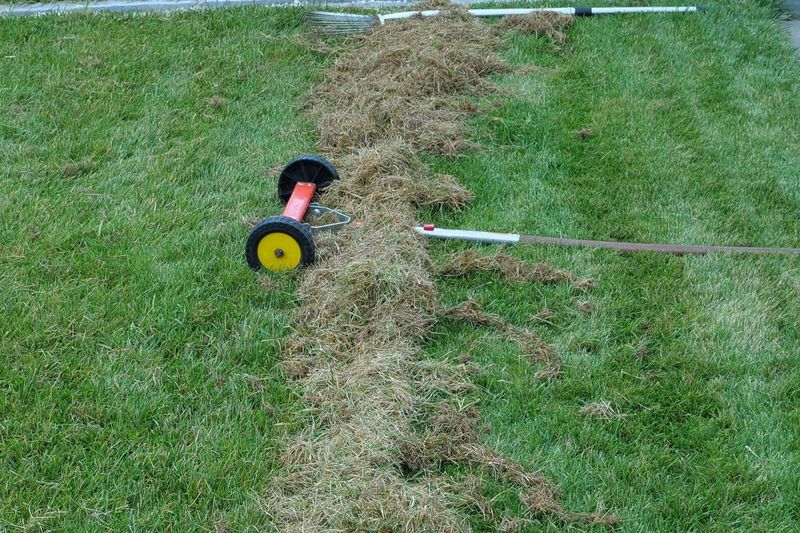
When you finally mow, thick piles of clippings may appear.
Small, scattered clippings are great. Big clumps are not.
Thick mats sit on top of the grass and block sunlight from reaching the blades underneath.
Without light and air, the grass below can turn yellow and weak. Damp clumps also hold moisture against the lawn, which creates a cozy spot for fungus and disease.
In cool, wet October weather, that risk goes up.
The fix is easy. Grab a leaf rake and spread the clumps out thinly across the lawn.
A leaf blower works nicely, too, and it is quicker on big yards.
If you have more clippings than the lawn can handle, toss the extra into your compost pile. Grass clippings are a green material that heats compost up fast.
Mix them with brown leaves for the best results.
Another trick helps prevent clumps in the first place. When grass is very tall, raise your mower deck and cut once.
A few days later, lower it back to normal height and mow again. Two light cuts beat one heavy chop every time.
9. Shred Fallen Leaves Into The Mix
Crunch, crunch, crunch. That sound under your shoes in late October is more than fall fun.
Those leaves are another free gift for your lawn.
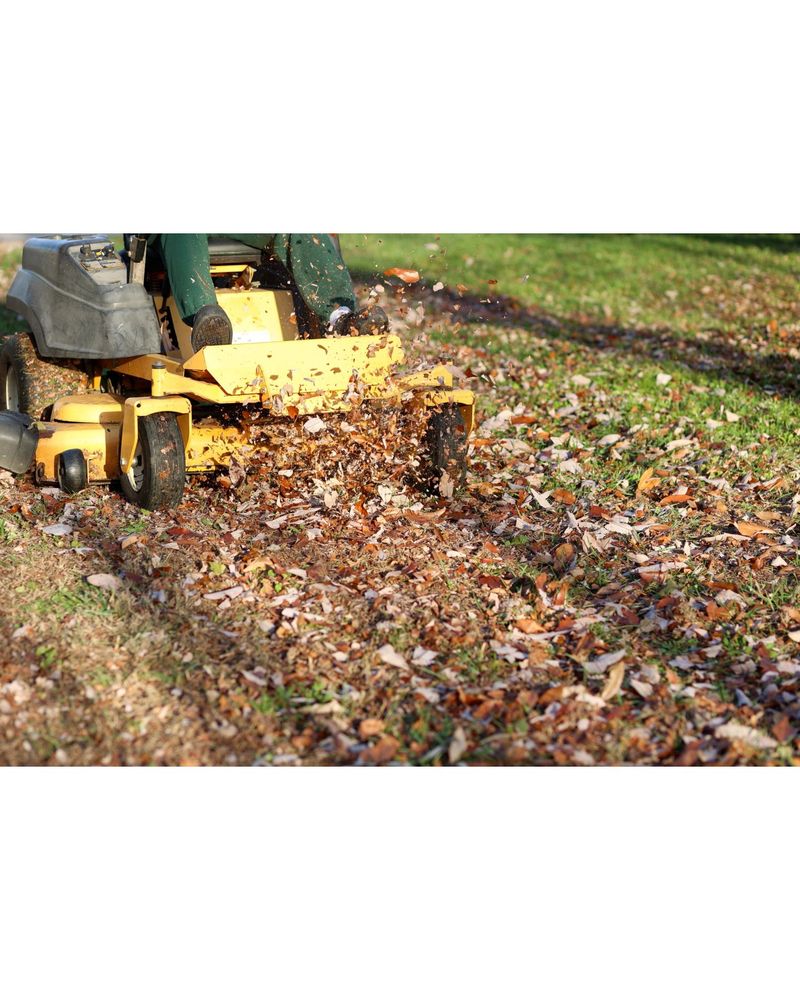
Ohio’s maples, oaks, and sycamores drop tons of leaves each autumn. Instead of raking them into piles and bagging them, run your mower over them.
The blades chop leaves into small, dime-sized pieces that settle between grass blades.
When shredded leaves mix with grass clippings, they make a rich soil booster. Leaves add carbon, while clippings add nitrogen.
Together, they feed soil microbes and break down faster than either one alone.
Shredded leaves bring plenty of perks. They add organic matter, help soil hold moisture, and may even cut down on weeds.
Michigan State researchers found that mulching maple leaves into turf reduced dandelions over time.
Just watch the amount. If leaves cover the lawn so thickly that you cannot see grass after mowing, pass over them a second time or rake some off.
You want to see green peeking through the leaf bits.
Extra shredded leaves make great mulch for flower beds and vegetable gardens. They keep organic matter out of landfills and help your whole yard.
Pair them with your clippings this October, and you will have a thick, green lawn ready to wake up strong next spring.